Addiction / 22.07.2025

[caption id="attachment_69633" align="aligncenter" width="500"]spirituality-recovery-cravings-addiction Photo by Anastasia Shuraeva[/caption] Addiction has a way of hollowing out the life it invades, draining families, eroding bodies, and dismantling communities one relapse at a time. We know the patterns: the cycle of detox, a brief clean stretch, the weight of shame, the familiar collapse. But medicine is evolving, and we’ve learned that the way forward requires a mix of evidence-based care, layered psychological support, and a deeper look at what keeps a person whole. Unraveling The Physiology Of Craving Cravings are not merely willpower issues. They’re complex chemical signals rooted in neuroadaptation, reward circuitry, and stress response gone haywire. Chronic use alters dopaminergic pathways, rewiring what the brain identifies as a “need” and creating persistent triggers linked to environmental cues and emotional states. Managing these signals isn’t just about abstinence. It requires targeted pharmacotherapies and cognitive interventions that interrupt the loop before a slip becomes a spiral. Medications like buprenorphine and naltrexone have changed the way we stabilize opioid and alcohol dependencies, reducing post-acute withdrawal and lowering the risk of overdose during vulnerable windows. But medications alone won’t rebuild a life stripped of social connection and purpose. Addressing these biological underpinnings is only the first layer of work.

Addiction, addiction-treatment, Mental Health Research / 22.07.2025

[caption id="attachment_69630" align="aligncenter" width="500"]psychiatry-addiction-medicine Photo by Antoni Shkraba Studio[/caption] Addiction doesn't wait for a clean calendar or a quiet life. It digs in when people are at their worst and robs them of the small things that made them feel like themselves. Modern psychiatry can't sidestep it anymore, not if we're serious about treating the whole patient, not just the symptoms that fit neatly on a billing code. The old split between mental health and addiction care keeps falling apart because it doesn't reflect how people actually live—or how they actually suffer. The Two-Way Street Between Trauma And Substances It’s rare to meet someone in treatment whose addiction story doesn’t include a chapter on trauma. Whether it’s childhood neglect, violence, or a string of smaller injuries that piled up, trauma sets up the brain to reach for relief wherever it can find it. Substance use offers that relief fast, even if it’s temporary, and the brain learns to chase that escape. But then the substances fuel anxiety, depression, and shame, reinforcing the trauma’s grip. Psychiatrists often see patients who’ve cycled through medication changes for depression or anxiety, only to realize the alcohol or pills they use at night are keeping them sick. The dopamine system doesn’t distinguish between what’s prescribed and what’s poured into a glass; it just wants more of what makes the pain go quiet. Treating trauma and substance use separately ignores how tightly they’re tied together, and patients know it, even if they can’t always articulate it in a clinical interview.
Addiction, addiction-treatment / 22.07.2025

[caption id="attachment_69626" align="aligncenter" width="500"]luxury-addiction-recovery-rehab Photo by Andrea Piacquadio[/caption] The word luxury gets tossed around so often it’s practically background noise. But when it comes to addiction treatment, it actually means something—something more than a fresh coat of paint and a better breakfast spread. A luxurious rehab isn’t just expensive. It’s built to feel like safety, like dignity, like you’re being cared for without being judged or confined. That matters, especially when someone’s walking into recovery for the first—or fifth—time. It’s not about spoiling people. It’s about removing shame from the equation. And yeah, sometimes that starts with Egyptian cotton sheets and a panoramic mountain view. But the real luxury? That runs a little deeper.
Dermatology / 22.07.2025

Editor's note: Please let your health care provider know of any topical ointment or cream you are using.  These products, while often helpful, may contain irritants or allergens your provider should be aware. Keep the box or label that contains the ingredients. See your provider before using over-the-counter homeopathic medications. [caption id="attachment_69616" align="aligncenter" width="500"]skin-cream-recalcitrant-conditions Photo by SHVETS production[/caption] Resistant skin conditions are repeat or long-term problems that won't play ball to regular creams or treatments. They're eczema, psoriasis, fungal infections, and ongoing rashes that won't disappear and will keep recurring or worsening. Topical ointments are helpful in these situations because they release powerful ingredients directly onto infected skin, controlling symptoms where products can't.

Deliver Potent Ingredients Directly

Topical creams are designed to go where oral drugs can't. They put powerful agents closest to inflammation, infection, or irritation, like corticosteroids, antibiotics, or antifungals. That direct contact makes topical ointment for resistant skin conditions faster and more effective in breaking cycles of flare-ups. . By dealing with the problem at the skin level, they also reduce the need for systemic drugs and lower the risk of systemic side effects.
Addiction, addiction-treatment / 19.07.2025

[caption id="attachment_69609" align="aligncenter" width="500"]addiction-rehab-recovery-choosing Photo by Antoni Shkraba Studio[/caption] Most people don’t think about how to pick a rehab until life makes them. It’s not exactly the sort of research you do in your spare time while scrolling your phone in the pickup line. Then one day, it’s you or someone you love, and you’re up at 2 a.m. googling, trying to separate real help from glossy promises. Rehab can be life-saving. It can also be a waste of time and money if you don’t know what to look for. That’s not meant to scare you, just to save you a lot of frustration. Here’s what actually matters when you’re choosing a place that can help you or someone you love break free from addiction for good. Don’t Get Distracted By The Pool You’d be amazed how many rehabs brag about how nice their sheets are or that they have a pool. Look, there’s nothing wrong with a comfortable bed, but luxury isn’t the point. You’re not booking a vacation. You’re trying to get well. If the photos are all sunsets and yoga mats, dig deeper before you sign anything. What you actually want is a place that’s medically sound, with a team that knows how to handle detox safely. Not every addiction requires medical detox, but you need a place that can evaluate whether you do. It’s not fun or pretty, but getting the right medical support during withdrawal can be the difference between sticking it out or running back to old habits when things get hard. Once you’re through that window, you need a team that understands how to treat the whole person, not just the symptoms. Trauma-informed care, evidence-based therapy, and a clear aftercare plan matter more than the brand of bottled water they hand out on arrival.
General Medicine / 19.07.2025

[caption id="attachment_69603" align="aligncenter" width="500"]Friendly Primary Care Models Photo by cottonbro studio[/caption]

The Shifting Landscape of Physician-Controlled Clinics

Medical practice ownership has fractured, and that’s no accident. Rather than opting for the treadmill of hospital-employed work, more physicians are reclaiming autonomy through private clinics. “Physician-controlled clinics” are not just about seeing patients; they're about physicians calling the shots—both clinically and operationally. According to a 2023 AMA report, nearly 47% of physicians now practice in physician-owned settings. The pendulum is swinging back.
Dental Research / 19.07.2025

[caption id="attachment_69600" align="aligncenter" width="500"]dental-innovations-dentalcare Photo by Cedric Fauntleroy[/caption]

Changing Patient Expectations in Dental Care

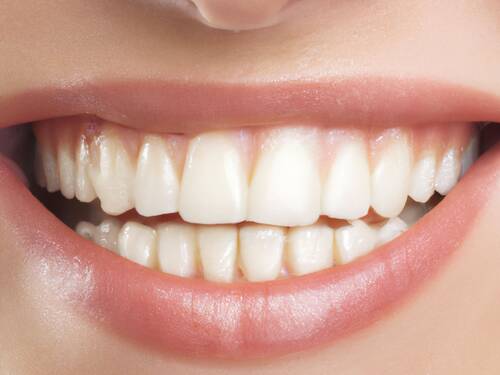
Modern patients don’t just expect dental care—they demand it on their terms. Convenience, transparency, and personalized service are the new hallmarks of excellence. A survey by the American Dental Association revealed that 72% of patients rank dentist-patient communication as a top priority. That’s non-negotiable. Gone are the days when patients accepted one-size-fits-all treatments without question. They crave tailored experiences, streamlined scheduling, and real-time updates about their care. This shift makes adaptability crucial. Dentists have to up their game or risk falling behind. Patients are watching, and they want the future now.
Endocrinology, Surgical Research, Thyroid Disease / 17.07.2025

[caption id="attachment_69570" align="aligncenter" width="500"]surgical-procedures-for-thyroid-disorders.png Picture Credit[/caption]

Introduction 

Thyroid disorders affect a lot of people across the globe. Thyroid problems can cause serious health issues if they are not treated on time. While many cases can be managed with medication, others may require surgery. Thyroid surgery is the most effective solution when the gland becomes enlarged and develops nodules.  But what kind of surgery is best?  In this post, we will explore the various types of surgical procedures for thyroid disorders. We will also explore their benefits when they are utilized and what patients can expect.
Author Interviews / 17.07.2025

[caption id="attachment_69559" align="aligncenter" width="500"]telehealth-doctor's-note-unsplash Unsplash[/caption] Woke up sick? Head throbbing, throat on fire, body aching? Before, that meant dragging yourself to a waiting room just to get a note for work. Not anymore. Now, you can roll over, grab your phone, and talk to a licensed doctor from bed. That shift isn’t just convenient—it’s changing how we think about care, sick days, and what it means to be "too sick to show up." Thanks to virtual care options like online doctors note services from platforms like TrustMedical, getting the documentation you need is faster, easier, and less stressful. In just a few clicks, you can speak to a licensed provider and get a valid note for your employer—all without leaving your couch. It’s care that meets you where you are, literally.
Exercise - Fitness, Technology / 17.07.2025

[caption id="attachment_69556" align="aligncenter" width="500"]fitness-management-software Photo by cottonbro studio[/caption]

Introduction

In 2025, the fusion of health science and technology continues to reshape the fitness industry. From individual users striving to better understand their bodies to wellness professionals seeking efficient ways to manage their practice, digital platforms now serve as critical tools. Among the many innovations, two software solutions stand out—one focused on advanced biometric tracking and the other on comprehensive studio operations. These platforms highlight how software-as-a-service (SaaS) can bring precision, convenience, and structure to both personal fitness and professional wellness management.
Nutrition / 16.07.2025

[caption id="attachment_69545" align="aligncenter" width="500"]hydration-powders-magnesium Photo by Towfiqu barbhuiya[/caption] Have you ever felt like your energy levels are plummeting, only to realize you might just be dehydrated? Hydration is one of the most essential elements of well-being, impacting everything from mood to physical performance.  When busy schedules mean proper hydration takes a backseat, products like Dash Hydration Powder make staying hydrated a hassle-free experience. Learn about hydration and uncover how a simple powder can revolutionize the way you quench your thirst.

The Science Behind Hydration

Hydration is not just about sipping from a water bottle — it's a vital component of your body's functionality. When you're well-hydrated, your body can perform at its best.  Bodies are made up of around 60% water, which is why hydration is so important for maintaining various bodily functions. From regulating body temperature to aiding digestion and nutrient absorption, the science behind hydration is deeply intertwined with overall health.
Beauty Care-Cosmetic Procedures, Dermatology / 16.07.2025

eye_&_neck_cream The beauty industry today is overflowing with products claiming to be natural. Many of these so-called clean beauty products still have synthetic fragrances. These ingredients can irritate sensitive skin and may disrupt hormones. For people wanting a gentle and effective skincare routine, finding safe and pure options can be hard. This is where Honest & Pure stands out. The brand is committed to real transparency and high-quality, fragrance-free products. This offers a reliable way to achieve healthy, glowing skin. The Birth of a Clean Beauty Movement Lena, the founder of Honest & Pure, struggled for years with sensitive skin and was frustrated by beauty products that irritated her skin or made her eyes water.. Many moisturizers contain preservatives and synthetic additives. These can upset the skin’s natural balance and disrupt hormones. Moreover, traditional creams stored in regular jars are vulnerable to bacterial contamination from repeated finger use. She sought real knowledge because she was worried about the lack of transparency in product ingredients. She was also concerned about traditional creams kept in traditional jars, where repeated finger use can bring in bacteria. After studying at schools of herbal medicine and aromatherapy, Lena met a gifted chemist who helped bring her vision to life. They created Honest & Pure. This is a line of safe and effective skincare. It comes in airless jars. These jars protect the product and help even the most sensitive skin. From the start, the company has created a loyal and growing group of customers who share a passion for clean and effective skincare.
Beauty Care-Cosmetic Procedures, Dermatology / 15.07.2025

re-microneedling-collagen-stimulation.jpg Have you ever looked in the mirror and noticed your skin doesn't bounce back like it used to? You're not alone. As we age, our skin loses collagen, the protein that keeps it firm and youthful. The good news? RF microneedling might be just what your skin needs. This treatment works wonders for skin rejuvenation by kickstarting your body's natural collagen production. Let's talk about how it works and why it's becoming so popular.

What is RF Microneedling?

RF microneedling combines two powerful skin treatments into one. First, there's microneedling, which uses tiny needles to create small punctures in your skin. Then, there's radiofrequency (RF) energy, which heats the deeper layers of your skin. Together, they work to wake up your skin's natural healing powers. The device used has super fine, sterile needles that create controlled punctures while delivering radiofrequency energy beneath your skin's surface. Think of it as a high-tech facial that works from the inside out. Unlike regular microneedling, the added RF energy reaches deeper layers where collagen forms, giving you better results.

How RF Microneedling Works

Your skin is smart. When it detects an injury, even a tiny one, it jumps into action to repair itself. RF microneedling treatment takes advantage of this natural process, but in a controlled, targeted way that leads to fresher, more youthful skin. The treatment triggers your skin's healing response without causing damage. This controlled stimulation is what makes RF microneedling so effective – it tricks your skin into thinking it needs repair, so your body produces fresh collagen right where you need it most.
addiction-treatment / 12.07.2025

[caption id="attachment_69514" align="aligncenter" width="500"]hope-for-addiction-recovery Photo by SHVETS production[/caption] It’s easy to lose faith in the way America handles addiction. We’ve seen enough billboards screaming about “Hope” while people keep dying, families keep breaking, and small towns get hollowed out by fentanyl and meth. But look closer, and you’ll find places actually rolling up their sleeves, doing the messy work of keeping people alive, and helping them find a way back to themselves. It’s not perfect, but it’s real progress, and it’s happening in states you might not expect. Oregon’s Bold Bet On Decriminalization When Oregon voted to decriminalize small amounts of drugs, people either clapped or gasped. But what’s happened since is worth a pause. Instead of funneling people into courts and jails, Oregon is steering them toward health assessments and services. It’s not some overnight miracle. It’s slow, gritty, and controversial. Yet outreach workers say they’re finally seeing people come back again and again, asking for help when they’re ready, instead of getting tossed in jail and spit back onto the street with more trauma and less support. Is it messy? Yes. But so was the old system, and at least this one tries to leave space for a human being to step forward when they can.
AI and HealthCare, Electronic Records, Medical Billing / 12.07.2025

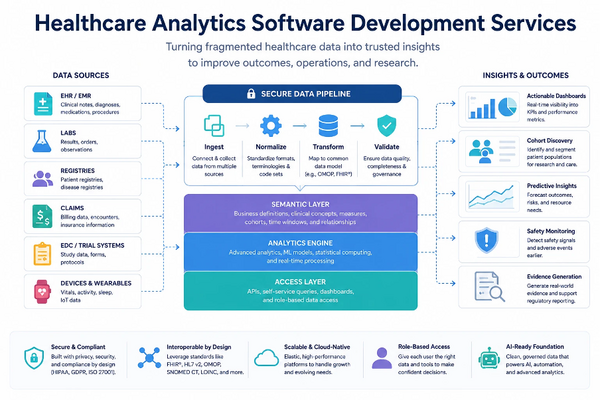
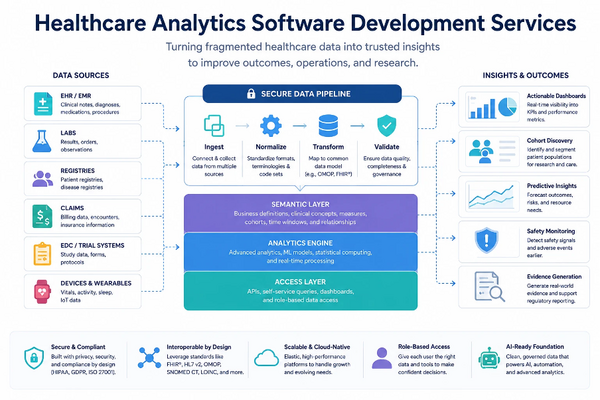
Data fragmentation among EHRs, claims, and device feeds presents enormous issues for healthcare businesses. A comprehensive approach based on healthcare data aggregation and backed by a digital health platform is needed to address this. Providers can improve productivity and outcomes by integrating disparate information using a uniform data model, improved lakehouse architecture, semantic curation, and AI enrichment. records-healthcare-aggregation The healthcare sector lacks insights despite the volume of data. Because data is scattered across EHRs, claims, devices, and patient-reported systems, clinicians often do not have a complete picture of the patient. This fragmentation leads to delays, inefficiencies, and missed opportunities for early action. A truly connected environment requires meaningful healthcare data aggregation that can standardize, curate, and activate data across the care continuum. The cornerstone of this shift is the use of a robust digital health platform that can combine data from several sources into a single, intelligent stream. Data fragmentation causes needless expenses, delays the delivery of treatment, and impairs decision-making. When important information is scattered between payer files, EHRs, siloed systems, and remote monitoring platforms, clinicians are operating blindly. This challenge affects every touchpoint of patient care. Solving this calls for an advanced aggregation architecture that consolidates and refines all clinical, claims, and device data into a single intelligent patient view. The foundation of this transformation is a Healthcare data platform built for real-time intelligence, not just storage.
Accidents & Violence, Author Interviews, JAMA, USPSTF / 12.07.2025

MedicalResearch.com Interview with: [caption id="attachment_69498" align="alignleft" width="200"]Dr. David Chelmow, M.D.Leo J. Dunn professor of obstetrics and Chair of the Department of Obstetrics-Gynecology Virginia Commonwealth University (VCU) School of Medicine Richmond, Virginia Dr. Chelmow joined the U.S. Preventive Services Task Force in January 2022 Dr. Chelmow[/caption] Dr. David Chelmow, M.D. Leo J. Dunn professor of obstetrics and Chair of the Department of Obstetrics-Gynecology Virginia Commonwealth University (VCU) School of Medicine Richmond, Virginia Dr. Chelmow joined the U.S. Preventive Services Task Force in January 2022 MedicalResearch.com: What is the background for this study? What are the main findings? Response: Intimate partner violence, also known as domestic violence, affects millions of people in the United States and can have devastating consequences for one’s health and wellbeing. Clinicians can make a real difference for those affected—evidence shows that there are screening tools that can detect intimate partner violence in women, including those who are pregnant, as well as interventions that work to reduce future violence. As a result, the Task Force recommends that clinicians screen all women of reproductive age, including those who are pregnant and postpartum, for intimate partner violence and refer those who screen positive to ongoing services so they can get the care they need to stay safe. The Task Force also recognizes that caregiver abuse of older and vulnerable adults is an important issue. Unfortunately, right now there is not enough evidence to recommend for or against screening for caregiver abuse and neglect of older and vulnerable adults, so we are calling for more research in these important areas.
addiction-treatment, Telemedicine / 11.07.2025

[caption id="attachment_69490" align="aligncenter" width="500"]telehealth-covid-era Photo by Anna Shvets[/caption] The COVID-19 pandemic changed many facets of healthcare delivery, none more rapidly or dramatically than behavioral health services. As in-person interactions became limited, telehealth emerged as a critical tool in maintaining access to mental health and substance use treatment. For individuals in residential addiction programs, this shift raised an important question: Can virtual counseling enhance the effectiveness of residential treatment programs?

The Acceleration of Telehealth During the Pandemic

Before COVID-19, telehealth had already gained traction in outpatient therapy, particularly for individuals in rural or underserved communities. However, adoption remained relatively modest due to regulatory limitations, reimbursement hurdles, and provider hesitancy. Once lockdowns began and healthcare settings became high-risk environments, providers across the country turned to video conferencing, secure messaging, and digital health tools almost overnight. According to a CDC survey conducted in 2021, telehealth utilization increased by over 50% compared to the previous year, with mental and behavioral health appointments leading the surge. Residential treatment centers, which typically rely on face-to-face interaction and immersive care, had to adapt rapidly.
Clinical Trials, Technology / 11.07.2025

[caption id="attachment_69487" align="aligncenter" width="500"]remote-digital monitoring Source[/caption] Behavioral health research has traditionally relied on patient self-reporting, clinical interviews, and psychometric scales to study mood, cognition, and mental wellness. While these methods remain foundational, they often fail to capture the dynamic, real-time shifts in human behavior that define mental health conditions. Enter digital phenotyping—a cutting-edge approach that uses data from smartphones, wearables, and other digital devices to passively and actively measure behavioral and physiological markers. As behavioral health becomes more deeply intertwined with digital health technology, digital phenotyping is emerging as one of the most promising tools for personalized, data-driven mental health care and research. By continuously collecting and analyzing signals such as movement, sleep, speech, social interaction, and phone usage patterns, researchers are uncovering new ways to understand, predict, and manage mental health conditions like depression, anxiety, schizophrenia, and bipolar disorder. This data-rich approach is reshaping how mental health is assessed and offers immense potential in both clinical research and everyday practice.
AI and HealthCare, Medical Equipment / 11.07.2025

[caption id="attachment_69484" align="aligncenter" width="500"]remote-monitoring-medical-research Photo by MedPoint 24[/caption] Remote monitoring is rapidly becoming a central component of modern clinical research. Driven by advancements in digital health technologies, wearable sensors, and telecommunication platforms, remote monitoring allows investigators to collect real-time patient data without requiring participants to travel to study sites. This shift toward decentralized clinical trials and virtual monitoring has significant implications for the future of research—making studies more accessible, cost-effective, and representative. At its core, remote monitoring involves the collection of health-related data from participants outside of traditional clinical settings, using connected devices such as smartwatches, mobile apps, biosensors, and electronic health records (EHRs). Data collected may include vital signs, medication adherence, physical activity, symptom reporting, or even biometric data such as ECGs or glucose levels. The COVID-19 pandemic accelerated the adoption of remote monitoring, revealing both its vast potential and practical limitations. In 2025 and beyond, the challenge lies in striking a balance—leveraging the benefits while addressing regulatory, technical, and ethical complexities.
Author Interviews / 11.07.2025

[caption id="attachment_69481" align="aligncenter" width="500"]computer-literature-view-ai Pexels image[/caption] Medical research is at the heart of clinical advancement. Whether evaluating the safety of new treatments or analyzing trends across patient populations, the integrity and efficiency of research practices have direct implications on healthcare delivery. Among the most labor-intensive tasks in medical research are literature reviews and meta-analyses—two foundational methodologies that aggregate findings from multiple studies to draw broader, evidence-based conclusions. With the volume of published medical literature increasing exponentially each year, traditional methods of reviewing research have become less sustainable. Today, artificial intelligence (AI) is beginning to play a transformative role in this process, offering ways to streamline literature searches, extract relevant data, reduce bias, and increase reproducibility. AI isn't replacing researchers—it’s empowering them with tools that can manage scale, speed, and complexity in ways manual methods cannot match.
HBOT, Mindfulness-Wellness / 11.07.2025

hyperbaric-oxygen-at-home-image.jpg Hyperbaric Oxygen Therapy (HBOT) involves breathing air or oxygen in an environment with increased atmospheric pressure, typically inside a specialized chamber. This enhanced pressure enables your blood to carry significantly more oxygen, dramatically boosting your body's natural ability to heal, repair tissues, reduce inflammation, and improve overall health. Home-based HBOT is increasingly popular due to the availability of portable chambers that are both convenient and more affordable. Many individuals prefer taking proactive control of their health without the restrictions associated with clinical visits. In this article, we'll highlight the key advantages of having your own hyperbaric oxygen chamber, including improved recovery, better sleep, chronic pain relief, cognitive benefits, enhanced athletic performance, anti-aging effects, and stronger immunity.
Clinical Trials, Electronic Records / 11.07.2025

[caption id="attachment_69467" align="aligncenter" width="500"]importance-data-management-clinical-trials Photo by Christina Morillo[/caption] Every clinical trial produces mountains of data. From patient enrollment logs and lab results to adverse event reports and protocol deviations, clinical data is the backbone of every decision made during drug or device development. Yet, collecting data is only the beginning — it’s how that data is managed, validated, and interpreted that determines a study’s success. In the age of decentralized trials, real-time analytics, and global regulatory oversight, the importance of reliable clinical data management can’t be overstated. High-quality data doesn’t just support regulatory submissions — it protects patient safety, ensures compliance, and strengthens confidence in results.

Why Is Clinical Data Management No Longer Just a Technical Task?

Gone are the days when data management was treated as an afterthought or a purely technical role. Today, it’s central to trial strategy. From the very beginning of a study, data management professionals are involved in shaping case report forms (CRFs), planning how endpoints will be measured, and ensuring systems are in place to capture data accurately and securely. This shift in thinking is due to the increasing complexity of trial protocols, the rise in remote data capture tools, and the growing pressure from regulators for traceable, auditable datasets. Sponsors and CROs alike are realizing that data management is no longer an isolated function — it’s the foundation of trial integrity.

What Does a Modern Clinical Trial Data Management Service Include?

A robust clinical trial data management service goes far beyond database design. It encompasses an ecosystem of systems, people, and processes designed to ensure that every data point collected is clean, consistent, and ready for analysis. Typical services include:
  • CRF design tailored to protocol endpoints
  • Electronic Data Capture (EDC) system configuration
  • Real-time data monitoring and discrepancy resolution
  • Medical coding using standard dictionaries (e.g., MedDRA, WHO Drug)
  • Query management and investigator communication
  • Data cleaning, validation, and database lock support
The goal is simple: to transform complex, multi-source data into a reliable and statistically sound dataset that regulators can trust — and that sponsors can use to make decisions.
Exercise - Fitness / 11.07.2025

Please note: Supplements, including NAD injections,  are not FDA tested or approved. Some supplements can interfere with medications and/or cause side effects. Individuals with preexisting conditions such as diabetes, heart disease, G6PD deficiency and others may not be candidates for NAD injections. Do not delay seeking medical attention for medical concerns by taking supplements without medical advice. Please discuss any and all supplements you take with your health care provider. [caption id="attachment_69462" align="aligncenter" width="500"]what-are-nad-injections Photo by Tirachard Kumtanom[/caption] Everywhere you look, someone’s talking about NAD injections. But are they really worth the buzz? As a wellness coach, I’ve seen trends come and go—but this one has staying power. NAD injections help your body recharge at the cellular level, giving you real energy without the crash. If you’ve tried the smoothies, the yoga, the eight hours of sleep—and still feel off—it might be time to get your NAD injections and give your body deeper support. Let’s talk about whether they’re actually right for you.

What Are NAD Injections, Really? 

NAD stands for nicotinamide adenine dinucleotide. That sounds complicated, but what need to know is this: it’s something your body already makes to turn food into energy. Over time—due to aging, stress, or even poor sleep—your natural NAD levels drop. That’s when fatigue, brain fog, and slower recovery start to show up. NAD injections give your body a direct boost of this compound. Instead of taking pills, you get the good stuff straight into your bloodstream. It’s not about feeling “wired”—it’s about feeling balanced and capable again.
Supplements, Weight Research / 10.07.2025

Please note: Supplements are not FDA tested or approved. Some supplements can interfere with medications and/or cause side effects. Do not delay seeking medical attention for medical concerns by taking supplements without medical advice. Please discuss any and all supplements you take with your health care provider. [caption id="attachment_69457" align="aligncenter" width="500"]weight-management-fat-loss-supplement Photo by Gustavo Fring[/caption] In the contemporary pursuit of health and fitness, individuals are continuously on the lookout for effective strategies to manage weight and reduce body fat. The weight management industry is inundated with various supplements and products, each claiming to offer a solution to achieving weight loss goals. Amidst this backdrop, oxyshred has emerged as a product that has garnered attention for its potential to assist with weight management and fat loss.

Understanding the Role of Supplements in Weight Management

Weight management is a complex process that involves a balanced diet, regular physical activity, and a healthy lifestyle. Supplements are often introduced to support these efforts, providing the body with additional nutrients and compounds that may aid in enhancing metabolism, curbing appetite, or increasing energy expenditure. While supplements can play a supportive role, they should not be regarded as a standalone solution for weight loss.
Pharmacology / 10.07.2025

[caption id="attachment_69448" align="aligncenter" width="500"] Formulation Development and Why It Matters in Pharma Photo by Tima Miroshnichenko[/caption] Key Takeaways:
  • Formulation development is essential for transforming drug molecules into effective patient therapies.
  • Well-designed formulations ensure patient safety, efficacy, and satisfaction.
  • Solving challenges like stability and bioavailability enhances product quality and accessibility.
  • Advanced technology and patient-focused strategies are shaping the future of medicine.
Table of Contents:
  • Introduction to Formulation Development
  • The Role of OSD and Dosage Form Selection
  • Tackling Bioavailability and Stability Issues
  • Innovation and Technology
  • Scaling Up for Commercialization
  • Patient-Centered Formulation
  • Continuous Improvement in Pharma
 

Introduction to Formulation Development

Formulation development is a cornerstone of pharmaceutical science. The process transforms an active drug ingredient into a safe, stable, and effective medicine. Every variable—excipients, delivery route, and dosage—plays a key role in whether a drug succeeds in the real world. Getting this step right not only assures therapy effectiveness but also impacts the cost and timeline to market. OSD, or oral solid dosage forms, are especially popular thanks to their convenience and patient adherence. Well-planned formulation means the difference between a breakthrough therapy and a product that never reaches patients. The complexity of modern medicines has only increased the importance of innovative formulation strategies.
Dental Research / 09.07.2025

[caption id="attachment_69424" align="aligncenter" width="500"]dental-labs-dentists Photo By: Kaboompics.com[/caption] The dental industry is undergoing a technological transformation, and at the heart of this change are digital dental labs. These labs leverage advanced software and equipment to deliver precision, speed, and consistency, revolutionizing how dental practices serve their patients. From diagnostics to final restorations, here’s how digital workflows improve efficiency and accuracy, creating a win-win scenario for both dental professionals and their patients. Enhanced Accuracy and Precision Traditional dental labs rely heavily on manual impressions and craftsmanship, which can introduce inconsistencies or errors. In contrast, digital dental labs use intraoral scanners and CAD/CAM (computer-aided design/computer-aided manufacturing) systems to create highly accurate 3D models of patients’ teeth. This level of precision ensures that restorations like crowns, bridges, and implants fit perfectly, reducing the need for adjustments or remakes. These digital impressions are not only more comfortable for patients, they eliminate the need for messy molds, therefore leading to better outcomes. With exact specifications, restorations are more likely to be successful on the first try, minimizing chair time and patient discomfort. Faster Turnaround Times One of the most significant advantages digital dental labs offer is speed. Traditional workflows often involve physical shipping of impressions and manual labor, which can take days or even weeks. Digital files, however, can be transmitted instantly to the lab. With automated milling and 3D printing technologies, restorations can be produced in a fraction of the time. This rapid turnaround enables practices to deliver faster service, therefore improving patient satisfaction. In some cases, same-day restorations are even possible, helping patients get back to their routines without multiple appointments.
Gastrointestinal Disease, Supplements / 08.07.2025

Please note: Bitters and other supplements are not FDA tested or approved. Some supplements including bitters can interfere with medications and/or cause side effects.  Bitters may relieve, but in some individuals, worsen symptoms so their use must be monitored by your health care provider.  Do not delay seeking medical attention for medical concerns by taking bitters without medical advice. A serious medical condition should be ruled out before considering supplements or bitters for your symptoms. [caption id="attachment_69409" align="aligncenter" width="200"]digestive-bitters Photo by ROMAN ODINTSOV[/caption] Acid reflux is a widespread condition, affecting millions worldwide. Many turn to medications, but natural remedies like digestive bitters may offer effective relief by addressing the root causes of reflux rather than simply masking symptoms. In this article, we explore how digestive bitters can help manage acid reflux naturally.

What Are Digestive Bitters?

Digestive bitters are herbal preparations designed to stimulate digestion by activating bitter taste receptors on the tongue and throughout the digestive tract. Traditionally used in herbal medicine, common bitter herbs include gentian, dandelion, artichoke, and chamomile. These herbs support digestion by increasing digestive secretions and improving overall gastrointestinal motility.