Author: Contributing Writer

Mad Honey or Grayanotoxin is not FDA approved or standardized in dosing. Discuss your use of Mad Honey or Grayanotoxin products with your health care provider.  Dosing of Mad Honey or Grayanotoxin is variable.  Mad Honey or Grayanotoxin may interfere with other medications and should not be used in individuals with certain health conditions, including liver issues.  Mad honey ingestion may cause dizziness, nausea, vomiting, and diarrhea, based on the quantity ingested. Near fatal low blood pressure and low heart rate has also been reported. Do not use Mad Honey or Grayanotoxin if you are pregnant, nursing or may become pregnant. Do not use Mad Honey or Grayanotoxin products if driving or operating difficult or dangerous machinery. Children should not be exposed to Mad Honey or Grayanotoxin products.

mad-honey-collection

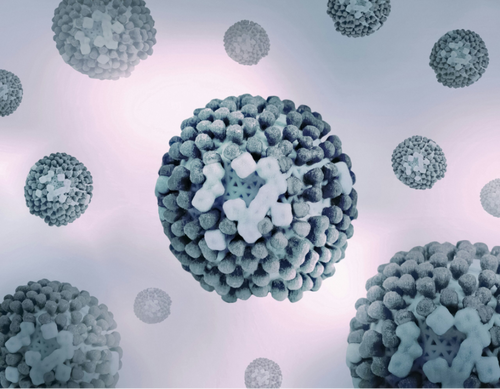
Mad Honey is one of the rarest and most unusual natural products on Earth. It comes mainly from the steep Himalayan cliffs of Nepal, where giant honey bees called Apis laboriosa collect nectar from special rhododendron flowers. The honey is powerful, medicinal and even toxic because of natural chemicals that are found in these flowers. People have been using this honey since centuries to heal, perform rituals and even in ancient warfare. It is famous all over the world today due to its powerful effects, unusual biology, and rich cultural history. Mad Honey is studied by scientists to learn about plant toxins, insect behavior, human physiology and interactions among living organisms in high Himalayan ecosystems. This paper describes the science, biology, environment, and the reported effects of Mad Honey.

What Is Mad Honey?

Mad honey, known locally as "Bhir Mah" or "Khudo" in the Gurung language, gets its unique properties from a natural toxin called grayanotoxin.The compound is extracted out of rhododendron flowers, the national flower of Nepal that bloom in large quantity in the high altitude of 2,500 to 4,000 meters. The process is remarkable. These rhododendron flowers are pollinated by giant Himalayan honeybees known as Apis laboriosa, which is the largest honeybee species in the world measuring 3 centimeters long. It is amazing that these bees have to visit almost 4 million flowers to make one kilogram of honey. They construct their hives on sharp cliff faces and honey collection is one of the most hazardous activities in the world.

[caption id="attachment_71636" align="aligncenter" width="500"]mat-addiction-treatment Pexels[/caption] MAT combines FDA-approved medications with counseling, behavioral therapy, and support services to treat substance use disorders (especially opioid and alcohol use disorders). The goal is to reduce cravings, ease withdrawal, prevent relapse, and help people build stability in recovery. In Rhode Island, MAT is offered at specialized clinics, community treatment centers, and designated opioid-treatment programs (OTPs), including those connected to statewide initiatives for opioid use support.

Methadone

Methadone is a long-acting opioid agonist that has been used for decades to treat opioid addiction safely and effectively. It attaches to the same brain receptors as other opioids but does so in a slow, controlled way that prevents withdrawal and reduces cravings without producing the intense high associated with opioid misuse. Methadone is dispensed through licensed opioid treatment programs (OTPs) where individuals receive medical monitoring, counseling, and structured support. This medication can be especially helpful for people with long-term or high-intensity opioid use who need daily stability to rebuild their lives.

[caption id="attachment_71632" align="aligncenter" width="500"]Evidence-Based Therapies Freepix[/caption]

Why Evidence-Based Care Matters

When someone seeks treatment for a substance use disorder, one of the most important factors influencing long-term success is whether the program uses proven, effective therapies. Evidence-based therapies are approaches that have been extensively studied, tested, and shown to help individuals reduce substance use, manage cravings, heal emotionally, and build healthier lives. Research from the National Institute on Drug Abuse consistently shows that combining behavioral therapies with personalized treatment care produces the strongest outcomes. Many high-quality substance abuse treatment facilities in Florida use these therapeutic models to support lasting recovery.

  [caption id="attachment_65187" align="aligncenter" width="500"]alcohol-addiction-roots Source[/caption] Alcohol addiction affects individuals from all walks of life, yet no two people experience it in the same way. Each person arrives at treatment with their own history, challenges, strengths, and goals. Because of this, a one-size-fits-all approach to recovery often falls short. Personalized alcohol recovery paths have become essential in modern treatment because they acknowledge these differences and tailor care to meet each individual where they are. For people exploring options such as alcohol rehab Reno, understanding the value of personalized treatment can shape how they choose a program and how confidently they begin the recovery journey. Personalized recovery paths incorporate factors like mental health needs, past trauma, cultural background, family dynamics, and learning styles. This individualized approach helps people stay engaged, feel understood, and move forward at a pace that aligns with their healing process. When treatment reflects the unique person behind the addiction, long-term success becomes far more attainable.

proper_care_in_a_nursing_home Families place significant trust in nursing homes, expecting consistent attention and careful supervision. However, nearly five million older adults experience abuse annually, and many of them live in nursing homes.  A resident’s physical state and general awareness can tell you a lot about the lack of care they’re experiencing at the facility. It’s important that family members notice the telltale signs of neglect. Below, we explain the signals that suggest a decline in care standards. 

Sudden Changes in Physical Condition

If you notice a change in the appearance or strength of your loved one, it’s an early sign that their daily needs are not being met. Weight loss, dry skin, long fingernails, or hair that looks unwashed may point to incomplete or rushed care. Here are some physical clues to watch for: 
  • Rapid weight changes 
  • Messy clothing 
  • Signs of dehydration 
  • Dry or cracking skin 
  • A decline in grooming 
  • Repeated complaints of pain 

[caption id="attachment_71590" align="aligncenter" width="500"]mindfulness-and-mental-health Freepx[/caption] Mental health is shaped by a wide mix of emotional, physical, social, and environmental influences. It’s not a single dimensional issue that can be solved with a single type of treatment. When someone struggles with anxiety, depression, trauma, or chronic stress, the impact touches every part of life. Thoughts, behaviors, mood, physical energy, sleep, and relationships all shift under the weight of emotional strain. Because mental health is so deeply interconnected with overall well-being, an approach that considers only one angle often falls short. Treating symptoms without exploring root causes leaves people with temporary relief at best. This is why both holistic and medical perspectives are essential for creating lasting and meaningful improvement. The Importance of a Holistic Perspective Holistic care looks at the entire person. Instead of focusing only on the diagnosis or the symptoms, this approach considers what contributes to emotional distress. Factors such as diet, sleep patterns, daily stress, family dynamics, work pressures, unresolved trauma, and personal beliefs all play important roles in mental well-being. For many people, mental health symptoms improve significantly when daily routines become healthier and more supportive. Practices like mindfulness, physical movement, grounding techniques, journaling, and lifestyle changes can strengthen emotional resilience and reduce vulnerability to stress. Therapy also serves as a core holistic tool, helping people uncover triggers, patterns, and emotional blocks that influence their current struggles. Over time, these strategies support deeper self-understanding and long-term growth.

[caption id="attachment_71582" align="aligncenter" width="500"]adventure-therapy-rehab Freepx[/caption]

A New Approach to Healing

Adventure therapy is gaining traction as an innovative, empowering approach to behavioral health and addiction recovery. Rather than relying solely on traditional talk therapy in an office, adventure therapy takes treatment outdoors—into nature, group challenges, and experiential activities designed to build confidence, emotional resilience, and healthy coping strategies. For individuals seeking adventure therapy for treatment of substance use disorder, this approach offers a fresh way to reconnect with themselves, find motivation, and heal beyond the walls of a clinical setting. According to the National Institute on Drug Abuse (NIDA), experiential therapies can play an important role in helping individuals build the psychological and emotional skills needed for long-term recovery: https://nida.nih.gov/.

[caption id="attachment_71578" align="aligncenter" width="500"]recovery-methadone-addiction Freepx Image[/caption]

Understanding Methadone and Its Role in Recovery

Methadone is one of the most widely used and well-researched medications for treating opioid use disorder (OUD). It helps reduce cravings, prevent withdrawal, and stabilize the brain so individuals can rebuild their lives with more clarity and control. But many people wonder whether they must complete a residential rehab program before they can begin methadone treatment. According to the National Institute on Drug Abuse (NIDA), methadone is a highly effective form of Medication-Assisted Treatment (MAT) and can be started as soon as a certified provider determines it is clinically appropriate: https://nida.nih.gov/  This means that you do not need to attend rehab before beginning methadone, though for some individuals, rehab may still be part of a comprehensive treatment plan.

Do You Need Rehab First?

The Short Answer: No

Methadone does not require a prior stay in inpatient rehab. Many people begin methadone as their first step in recovery, especially if they are experiencing withdrawal, unstable opioid use, or difficulty stopping on their own. A certified opioid treatment program (OTP) can evaluate your needs and start treatment without requiring residential care.

When Rehab May Be Recommended

Although it isn’t required, some individuals benefit from attending rehab before or alongside methadone. Rehab may be suggested if someone:
  • Has severe opioid use disorder
  • Is using multiple substances (polysubstance use)
  • Lacks stable housing
  • Is experiencing severe mental health symptoms
  • Needs a safe, structured environment to stabilize In these cases, combining residential treatment with methadone can provide comprehensive support.

[caption id="attachment_71575" align="aligncenter" width="500"]dental-practice-software Photo by Daniel Frank[/caption] In an age when digital tools are transforming virtually every industry, dental practices are no exception. A modern dental office faces many demands — scheduling patients, tracking treatments, managing records, billing, and keeping secure data. Relying on paper files or disconnected software tools can lead to inefficiencies, errors, and lost time. That’s why many dental professionals now turn to cloud-based practice management solutions. For example, the platform at Dentaltap illustrates how a cloud-enabled workflow brings together scheduling, treatment tracking, record-keeping, and more — giving a good sense of what a unified system can offer. Below are several key reasons why a cloud dental system can be an essential foundation for any dental practice — whether small or large — seeking efficiency, reliability, and flexible operations.

[caption id="attachment_71569" align="aligncenter" width="500"]CPTSD Pexels[/caption] Complex post-traumatic stress disorder, often shortened to CPTSD or cPTSD, has moved from a niche clinical idea to a term many people now use for their own lived experience. At the same time, it is still not listed as a standalone diagnosis in the Diagnostic and Statistical Manual of Mental Disorders (DSM). That leaves many people asking a very specific question: Will CPTSD be added to the Diagnostic and Statistical Manual of Mental Disorders in 2026? The most accurate answer is that there is currently no official commitment to adding complex PTSD to the DSM in 2026. As of late 2025, CPTSD is recognized in the World Health Organization’s International Classification of Diseases, 11th edition (ICD-11), but not in the DSM-5 Text Revision (DSM-5 TR). Clinicians and researchers are actively debating whether a new CPTSD diagnosis should be included in a future DSM edition, yet no formal decision or fixed timeline has been announced. The question itself opens the door to important issues and questions, which MedicalResearch.com will review and address in this article. How do major diagnostic manuals change over time? Why is CPTSD in the ICD but not in the DSM? And what does any of this mean if you or someone you love is living with the effects of long-term trauma?

Microneedling Improves Skin Texture.jpg

How Microneedling Works Beneath the Surface

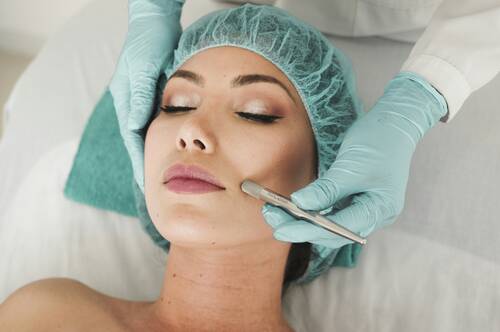
Microneedling has become one of the most widely used minimally invasive procedures in dermatology, largely because recent research continues to support its effectiveness. Using fine needles to create tiny controlled micro injuries, modern skin-needling technology activates a predictable healing response that strengthens the skin from within. These micro injuries trigger an immediate inflammatory phase where immune cells move in and growth factors are released. During the proliferative phase, fibroblasts begin producing new collagen and elastin. These structural proteins support firmness and elasticity. The final remodeling phase can last for months as the new collagen fibres organise into stronger more uniform networks that reinforce the skin.

[caption id="attachment_71554" align="aligncenter" width="500"]addiction-recovery-finding-right-rehab Photo by MART PRODUCTION[/caption] Everyone talks about getting help, but not enough people explain what that actually looks like when you’re in the middle of a mental and emotional spiral. Recovery isn’t one straight line forward. It’s a mix of reflection, courage, trial and error, and the willingness to step into something different when old patterns stop working. For many people, the turning point isn’t a single moment but a series of small decisions that help them feel safe enough, supported enough, and hopeful enough to try again. Here, we explore six ways people discover the right environment, the right therapies, and the right support systems for long-term healing. Finding a Place That Feels Safe Spiritually People don’t always realize how much their environment shapes their recovery. The tone of a program, the worldview of the counselors, and the philosophy of the community can all influence how safe someone feels opening up about their struggles. That’s why some individuals look for care that aligns with their personal beliefs, especially when their spirituality is part of their coping framework. A Christian drug rehab program is one example of how values-aligned support can make the work feel safer. Facilities like these build treatment around clinical care, emotional healing, and Christian guidance. For people who draw strength from Jesus, reading scripture, prayer, or a sense of spiritual identity, this kind of environment isn’t just comforting. It helps reduce internal conflict so they can focus on the harder emotional layers underneath their addiction or mental health patterns.

[caption id="attachment_71546" align="aligncenter" width="500"]choosing-divorce-attorney Pexels[/caption] Facing a divorce is one of life's most challenging and emotionally charged experiences. The path forward can feel uncertain, and the very first decision you have to make—choosing a lawyer—is often the most critical one. While it may feel isolating, you are not alone in this. Researchers estimate that 41 percent of all first marriages end in divorce, but even though the experience is common, the process is unique to every individual. The right attorney does far more than just file paperwork. They are your strategic partner, your advocate, and your guide through a complex legal system. They protect your future, your finances, and your family. Making the right choice sets the foundation for a smoother process and a more secure post-divorce life. This article provides a clear, actionable framework to help you navigate this choice with confidence. We will walk you through the essential steps to find a trustworthy North Carolina divorce attorney who can help you move forward.

Key Takeaways

  • Prioritize Verifiable Expertise: Look beyond general practice and focus on finding a Board-Certified Family Law Specialist, a key indicator of deep expertise in North Carolina law.
  • Prepare for the Consultation: Treat the initial meeting as an interview where you ask targeted questions about experience, strategy, communication, and fees to gauge competence and compatibility.
  • Evaluate Communication and Strategy: The best attorney-client relationships are built on trust and clear communication. Choose a lawyer whose approach aligns with your goals, whether that involves negotiation or litigation.
  • Trust Your Instincts: Pay attention to red flags like poor communication or pressure tactics, and choose a professional who gives you confidence and a clearheaded perspective.

[caption id="attachment_71541" align="aligncenter" width="500"]IT Solutions for Health Care Businesses Photo by Andrea Piacquadio[/caption] As a small business health care provider, does technology feel less like an asset and more like a constant headache? You’re not alone. Many operators feel bogged down by IT issues—slow systems, security worries, and unexpected repair bills that pull focus from your real job: running your business. This frustration is amplified by a challenging economic climate where every dollar and every minute of productivity counts.  In this environment, efficiency isn't just a goal; it's a survival strategy. The truth is, shifting from reactive IT fixes to a proactive technology strategy is one of the most powerful levers you can pull to increase productivity, security, and, ultimately, profitability. This article will outline the most common IT challenges that drain your resources, map them to effective solutions, and provide a framework for making smart technology investments that fuel growth instead of causing frustration.

Key Takeaways

  • Outdated or poorly managed IT directly impacts your bottom line through costly downtime, serious security risks, and lost employee productivity.
  • Strategic IT solutions like managed services, robust cybersecurity, and cloud computing solve specific business problems and create a powerful competitive advantage.
  • Outsourcing IT to a dedicated partner is often more cost-effective and provides a much higher level of expertise than hiring an in-house team for most small businesses.
  • Choosing the right IT partner involves looking beyond technical skills to find a provider who understands your business goals and offers flexible, scalable support.

social-security-beyond-your-diagnosis

When you can no longer work because of a serious health condition, your focus is naturally on your diagnosis, your symptoms, and your doctor's orders. You assume that proving how sick or injured you are is the only thing that matters for a Social Security Disability claim. But what many applicants discover too late is that the Social Security Administration (SSA) has a set of non-medical rules it checks first. Failing this initial screening means your medical file will never even be opened. The fear of being denied for a technicality you didn't understand is a major source of stress. The disability benefits system is a lifeline for millions; in December 2023, disability benefits were paid to more than 8.7 million disabled beneficiaries. This article will demystify the SSA's non-medical requirements for both Social Security Disability Insurance (SSDI) and Supplemental Security Income (SSI). Understanding these rules is the critical first step in determining your eligibility and avoiding a preventable denial. Having a complete picture of these non-medical requirements for Social Security Disability benefits is the first step toward building a strong application.

Key Takeaways

  • The SSA always checks non-medical (or "technical") requirements before they look at your medical records.
  • Social Security Disability Insurance (SSDI) is an insurance program based on your work history and the FICA taxes you've paid.
  • Supplemental Security Income (SSI) is a needs-based program based on your current income and financial resources.
  • Failing to meet the distinct non-medical rules for either program results in a technical denial, regardless of how severe your medical condition is.

[caption id="attachment_71527" align="aligncenter" width="500"]divorce-attorney-irvine-stress Photo by cottonbro studio[/caption] Divorce is consistently ranked as one of life's most stressful events, creating a perfect storm of emotional turmoil and financial uncertainty. You're not just ending a marriage; you're dismantling a shared life, and the stakes feel impossibly high. The anxiety over your financial future, the well-being of your children, and the sheer complexity of the legal system can be paralyzing. This level of stress isn't just a feeling—it has tangible consequences. Research shows that divorced or widowed individuals have 20% more chronic health conditions, such as heart disease and diabetes, than married people. Attempting to navigate California’s intricate family law system on your own only adds to this immense pressure, putting both your health and your financial security at risk. There is a clear path to regaining control and peace of mind. Working with an experienced Irvine family law attorney provides a strategic partner dedicated to protecting your interests and simplifying the path forward. They manage the complexities so you can focus on what matters most: your family, your career, and your well-being.

Key Takeaways

  • A specialized divorce attorney acts as a crucial emotional buffer and strategic advisor, significantly reducing your personal stress by managing communications and legal burdens.
  • Expert legal guidance is essential for accurately identifying, valuing, and protecting your assets, especially complex holdings like business interests and investments.
  • An experienced lawyer skillfully manages legal proceedings, from amicable negotiation to assertive litigation, to secure a more favorable outcome.
  • Hiring the right attorney ensures that critical matters like child custody and support are handled with the goal of achieving long-term stability for your family.

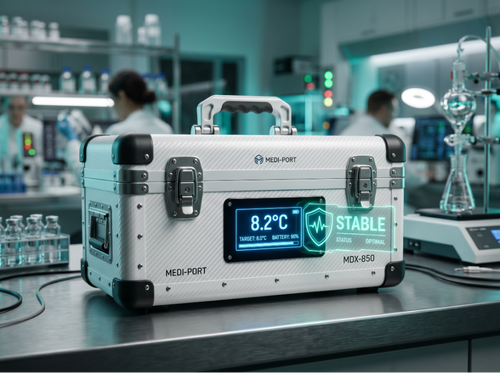
In the world of medical manufacturing, tiny inaccuracies are far more than simple imperfections. They bring real consequences. A slightly oversized dimension, a rough edge, or a barely noticeable surface flaw can compromise the performance of a surgical instrument or implant. Consistently producing safe, reliable medical devices requires a commitment to eliminating even the smallest defects. Many of the issues that undermine device quality are hidden below the surface. Burrs that remain after machining can snag delicate tissue. Fine cracks or small cuts may gradually widen under stress, weakening a component over time. Irregular thickness can affect functionality, and inconsistent finishing can interfere with coatings or bonding. Because these flaws are often too small to detect visually, they can pass unnoticed unless a thorough inspection system is in place. Traditional production methods face challenges when precision at a microscopic level is required. Manual handling, standard machining, and conventional cutting techniques can introduce subtle variations. Factors such as tool wear, operator technique, and environmental conditions contribute to these inconsistencies. Even when a part appears to meet specifications, tiny deviations may still be present. If inspections are infrequent or limited, these defects may progress through the manufacturing process and, in some cases, end up in devices used in patient care.

Dehydration can affect anyone, but for older adults, it poses a unique set of challenges that can quickly turn into serious health concerns. As the body ages, it becomes less efficient at regulating fluid balance. Seniors may not feel thirsty as often even when their bodies need water. This reduced thirst response, combined with factors like medication side effects and limited mobility, can make it difficult to maintain proper hydration. What makes dehydration especially concerning for seniors is how easily it can go unnoticed. A senior might feel only a little tired or dizzy at first, but those mild symptoms can develop into larger issues like confusion, disorientation, and weakness. These early signs are often mistaken for normal signs of aging or fatigue. Caregivers, family members, and healthcare CDS providers play a crucial role in recognizing these subtle cues before they escalate.

[caption id="attachment_71490" align="aligncenter" width="500"]improving-your-fitness-journey Pexels[/caption] Improving your fitness journey is about making consistent, informed choices that support long-term health, endurance, and overall well-being. While fitness often focuses on workouts, true progress also depends on understanding your body, setting realistic goals, and maintaining a sustainable routine. Whether you are new to fitness or have been training for years, structured strategies can make the process more effective and engaging.

1. Establish Clear Goals and Track Progress

One of the most important steps toward improving your fitness journey is defining clear, achievable goals. Objectives may include gaining strength, improving mobility, boosting endurance, or supporting weight management. Clear goals make it easier to tailor exercise plans and adjust efforts over time. Tracking progress is equally essential. Many fitness brands rely on digital platforms to deliver structured, high-quality training content to their communities. Hyperhuman, for example, supports health and fitness brands by powering the video content behind their apps, programs, and digital products. As the Fitness Content OS, Hyperhuman enables businesses to build, personalize, and deliver workouts at scale—turning raw footage into multilingual, ready-to-publish training content that can be distributed across multiple channels. By streamlining content creation and delivery, brands can offer consistent guidance and help users stay motivated and aligned with their goals.

[caption id="attachment_71481" align="aligncenter" width="500"]dental-health-mouth-brain-connection Photo by Karola G[/caption] The relationship between oral health and brain health is closer than most people realize. In recent years, researchers have uncovered mounting evidence that poor oral hygiene can do more than damage your teeth and gums—it may also affect how your brain functions. This connection, known as the “mouth-brain link,” is gaining increasing attention in medical and dental communities.

The Role of Inflammation

One of the key factors behind the mouth-brain connection is inflammation. Periodontal disease, a common result of poor oral hygiene, causes chronic inflammation in the gums. This inflammation doesn’t just stay in your mouth. Bacteria and inflammatory molecules can enter the bloodstream and travel throughout the body, including the brain. Chronic inflammation is known to be a risk factor for cognitive decline and diseases such as Alzheimer’s and dementia.