01 Dec A Beginner’s Guide to Using Tinctures and Roll-Ons for Relaxation
Learn how tinctures and roll-ons can help you relax. Know their benefits, uses, side effects and how you can incorporate these wellness tools into your routine....

Learn how tinctures and roll-ons can help you relax. Know their benefits, uses, side effects and how you can incorporate these wellness tools into your routine....
 Belén Blasco[/caption]
Belén Blasco
PhD Student in Neuroscience - MD Psychiatry
Clinical and Translational Sciences (CaTS) Lab
Integrated Program in Neuroscience
McGill University | Douglas Research Centre
Montreal, Canada
MedicalResearch.com: What is the background for this study?
Response: Our research is centered on uncovering the early brain changes that might contribute to psychosis development. Using innovative brain imaging techniques, we aimed to measure synapsis in individuals with early psychotic symptoms or who are considered at high clinical risk. Synapses are the crucial points of connection between neurons, allowing communication across the brain. A key aspect of our study was to understand how lifestyle factors, like cannabis use, might impact these brain changes, particularly since cannabis consumption has been associated with an increased risk of developing psychosis in young people.
Belén Blasco[/caption]
Belén Blasco
PhD Student in Neuroscience - MD Psychiatry
Clinical and Translational Sciences (CaTS) Lab
Integrated Program in Neuroscience
McGill University | Douglas Research Centre
Montreal, Canada
MedicalResearch.com: What is the background for this study?
Response: Our research is centered on uncovering the early brain changes that might contribute to psychosis development. Using innovative brain imaging techniques, we aimed to measure synapsis in individuals with early psychotic symptoms or who are considered at high clinical risk. Synapses are the crucial points of connection between neurons, allowing communication across the brain. A key aspect of our study was to understand how lifestyle factors, like cannabis use, might impact these brain changes, particularly since cannabis consumption has been associated with an increased risk of developing psychosis in young people.
 Dr. Keim[/caption]
Sarah Keim, PhD
Associate Professor, Epidemiology
College of Public Health
The Ohio State University
MedicalResearch.com: What is the background for this study?
Response: Marijuana is the illicit substance most commonly used during pregnancy, and use is increasing. Some evidence suggests that marijuana is associated with deficits in executive function and increased delinquent behavior in school-age children and adolescents, with potential downstream impacts on achievement and social functioning.
However, this evidence comes largely from only 2 studies several decades old. Today cannabis is more than 10 times more potent than it was several decades ago.
Dr. Keim[/caption]
Sarah Keim, PhD
Associate Professor, Epidemiology
College of Public Health
The Ohio State University
MedicalResearch.com: What is the background for this study?
Response: Marijuana is the illicit substance most commonly used during pregnancy, and use is increasing. Some evidence suggests that marijuana is associated with deficits in executive function and increased delinquent behavior in school-age children and adolescents, with potential downstream impacts on achievement and social functioning.
However, this evidence comes largely from only 2 studies several decades old. Today cannabis is more than 10 times more potent than it was several decades ago.

 Source[/caption]
As awareness grows regarding the therapeutic properties of cannabis, many are turning to cannabis edibles as an option for pain management. Edibles provide a discreet, long-lasting, and controlled way to consume cannabis without the need for smoking or vaping, for those seeking relief from chronic pain. This article explores the benefits of cannabis edibles, how they work in pain management, and how you can find the right product for your needs.
Source[/caption]
As awareness grows regarding the therapeutic properties of cannabis, many are turning to cannabis edibles as an option for pain management. Edibles provide a discreet, long-lasting, and controlled way to consume cannabis without the need for smoking or vaping, for those seeking relief from chronic pain. This article explores the benefits of cannabis edibles, how they work in pain management, and how you can find the right product for your needs.
 Source[/caption]
In recent years, Florida has seen significant growth in the medical cannabis industry. This expansion has transformed healthcare options for patients across the state. Medical cannabis is now being accepted as a viable treatment for various medical conditions. It is providing new alternatives for those seeking relief from chronic pain, anxiety, and other health issues.
With the increasing acceptance of cannabis, Florida dispensaries are making a difference in people's lives. These establishments are vital in enhancing patient care and offering personalized treatment options. A Florida dispensary focuses on promoting wellness through education and support. They contribute significantly to Florida's healthcare landscape, helping improve patient outcomes.
Source[/caption]
In recent years, Florida has seen significant growth in the medical cannabis industry. This expansion has transformed healthcare options for patients across the state. Medical cannabis is now being accepted as a viable treatment for various medical conditions. It is providing new alternatives for those seeking relief from chronic pain, anxiety, and other health issues.
With the increasing acceptance of cannabis, Florida dispensaries are making a difference in people's lives. These establishments are vital in enhancing patient care and offering personalized treatment options. A Florida dispensary focuses on promoting wellness through education and support. They contribute significantly to Florida's healthcare landscape, helping improve patient outcomes.
 Photo from Freepik[/caption]
The search for natural pain relief and wellness solutions has led many to rediscover the therapeutic power of CBD. When combined with massage therapy, CBD oils may offer a powerful synergy, potentially promoting relaxation, reducing inflammation, and alleviating chronic discomfort. This blend of science-backed benefits and holistic care transforms a simple massage into a deeply rejuvenating experience. As more people seek non-invasive alternatives for their health, CBD-infused massage therapy may help provide an effective option for mind and body healing.
Photo from Freepik[/caption]
The search for natural pain relief and wellness solutions has led many to rediscover the therapeutic power of CBD. When combined with massage therapy, CBD oils may offer a powerful synergy, potentially promoting relaxation, reducing inflammation, and alleviating chronic discomfort. This blend of science-backed benefits and holistic care transforms a simple massage into a deeply rejuvenating experience. As more people seek non-invasive alternatives for their health, CBD-infused massage therapy may help provide an effective option for mind and body healing.
 As more people explore the benefits of cannabis, THC edibles have become an increasingly popular way to experience its effects. For beginners, however, edibles can be a little intimidating due to their differences from smoking or vaping cannabis. This guide aims to break down what you need to know about THC edibles, from how they work in the body to tips on choosing safe and reputable products.
 Luke Cavanah[/caption]
Luke Cavanah, BS
Department of Medical Education
Geisinger Commonwealth School of Medicine
Scranton, PA 18509
MedicalResearch.com: What is the background for this study?
Response: Amphetamine, lisdexamfetamine, and methylphenidate, are first-line treatments for attention-deficit hyperactivity disorder (ADHD) and are classified as Schedule II stimulants due to their risk of addiction. (1–3) There has been high and increasing use and misuse of these medications with inadequate explanation. (4) Since chronic cannabis use can result in similar cognitive effects as ADHD 5–7, we wondered if more stimulants were prescribed for what appeared to be ADHD but was a consequence of chronic cannabis use. In other words, has the legalization of cannabis contributed to this inadequately explained increase in stimulant use? A recent study by our lab group that looked at the slopes of stimulant distribution rates over time -- before and after medical cannabis legalization -- did not support this.(8)
Given the prevalence and increasing legalization of recreational cannabis, we wanted to determine how slopes of stimulant distribution rates compared before and after recreational cannabis legalization.
Luke Cavanah[/caption]
Luke Cavanah, BS
Department of Medical Education
Geisinger Commonwealth School of Medicine
Scranton, PA 18509
MedicalResearch.com: What is the background for this study?
Response: Amphetamine, lisdexamfetamine, and methylphenidate, are first-line treatments for attention-deficit hyperactivity disorder (ADHD) and are classified as Schedule II stimulants due to their risk of addiction. (1–3) There has been high and increasing use and misuse of these medications with inadequate explanation. (4) Since chronic cannabis use can result in similar cognitive effects as ADHD 5–7, we wondered if more stimulants were prescribed for what appeared to be ADHD but was a consequence of chronic cannabis use. In other words, has the legalization of cannabis contributed to this inadequately explained increase in stimulant use? A recent study by our lab group that looked at the slopes of stimulant distribution rates over time -- before and after medical cannabis legalization -- did not support this.(8)
Given the prevalence and increasing legalization of recreational cannabis, we wanted to determine how slopes of stimulant distribution rates compared before and after recreational cannabis legalization.
 Pixabay[/caption]
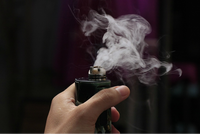
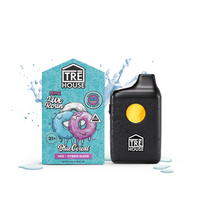
In recent times, the lawn of the marijuana market has undergone a massive change, with one product in particular standing out. These smooth, concealed apparatuses have quickly become popular, capturing both old and new souls. The popularity of THC Pen raises pertinent issues about what makes them so widespread among users than other products in the industry. This text tackles this phenomenon by looking at what is drawing many people to these products, how practical they are, and what kind of customers prefer buying THC pens over all other types in today’s day cannabis market.
Pixabay[/caption]
In recent times, the lawn of the marijuana market has undergone a massive change, with one product in particular standing out. These smooth, concealed apparatuses have quickly become popular, capturing both old and new souls. The popularity of THC Pen raises pertinent issues about what makes them so widespread among users than other products in the industry. This text tackles this phenomenon by looking at what is drawing many people to these products, how practical they are, and what kind of customers prefer buying THC pens over all other types in today’s day cannabis market.

Beginners of full-spectrum CBD oil should consider talking to a healthcare professional as important advice. This measure can help assure that you make well-informed choices based on your particular condition....
 Ahmed El Fatmaoui[/caption]
Ahmed El Fatmaoui
Ph.D. Candidate
Department of Economics
University of Oklahoma
Norman, Oklahoma
MedicalResearch.com: What is the background for this study?
Response: The impetus for this research was the growing trend of recreational marijuana legalization (RML) and its potential impact on higher education. With increasing marijuana use among college students, it was crucial to understand how RML might influence college enrollment decisions. Specifically, it is important to examine whether recreational marijuana is regarded by some students as another college amenity, similar to Greek life and other amenities.
Ahmed El Fatmaoui[/caption]
Ahmed El Fatmaoui
Ph.D. Candidate
Department of Economics
University of Oklahoma
Norman, Oklahoma
MedicalResearch.com: What is the background for this study?
Response: The impetus for this research was the growing trend of recreational marijuana legalization (RML) and its potential impact on higher education. With increasing marijuana use among college students, it was crucial to understand how RML might influence college enrollment decisions. Specifically, it is important to examine whether recreational marijuana is regarded by some students as another college amenity, similar to Greek life and other amenities.
 Dr. Maher[/caption]
Pamela Maher, PhD
Research Professor
Cellular Neurobiology Laboratory
SALK Institute for Biologic Studies
La Jolla California
MedicalResearch.com: What is the background for this study?
Response: Several years ago, we tested several different cannabinoids for protection against the oxytosis/ferroptosis regulated cell death pathway and found CBN (cannabinol) to be one of the most effective. While THC (tetrahydrocannabinol) and CBD (cannabidol) were also quite protective, we wanted to pursue non-psychoactive cannabinoids. Since we are interested in maintaining brain function in the context of aging and disease, we thought that a psychoactive compound could be problematic. In addition, there was already a lot of work on CBD, so we thought we could learn more and contribute more to the field by studying CBN.
Dr. Maher[/caption]
Pamela Maher, PhD
Research Professor
Cellular Neurobiology Laboratory
SALK Institute for Biologic Studies
La Jolla California
MedicalResearch.com: What is the background for this study?
Response: Several years ago, we tested several different cannabinoids for protection against the oxytosis/ferroptosis regulated cell death pathway and found CBN (cannabinol) to be one of the most effective. While THC (tetrahydrocannabinol) and CBD (cannabidol) were also quite protective, we wanted to pursue non-psychoactive cannabinoids. Since we are interested in maintaining brain function in the context of aging and disease, we thought that a psychoactive compound could be problematic. In addition, there was already a lot of work on CBD, so we thought we could learn more and contribute more to the field by studying CBN.

 Amy Kennalley[/caption]
Amy Kennalley, MBS
First Year Medical Student
Department of Medical Education
Geisinger Commonwealth School of Medicine
MedicalResearch.com: What is the background for this study
Response: The legalization of medical marijuana (MMJ) and the number of qualifying conditions are expanding across the USA, emphasizing the need to understand the implications of MMJ dispensary distribution for equitable access. Pennsylvania (PA) legalized MMJ in 2016, with the first dispensary opening its doors in 2018. The state currently recognizes 24 medical conditions for MMJ use, including six for which there is insufficient or no evidence for their efficacy as a treatment. Prior research suggests that there is a link between proximity to dispensaries and overall MMJ use. However, a gap exists in our understanding of how dispensary locations might be associated with the specific qualifying conditions for which individuals receive their certification.
In response to this knowledge gap, our study delved into the medical marijuana dispensary access in PA and explored associations with both MMJ certifications and the community demographics. Utilizing data from the Pennsylvania Department of Health, we investigated how proximity to MMJ dispensaries related to the proportion of individuals certified for MMJ use within a specific area or Zip Code Tabulation Area. Additionally, we analyzed the proportion of certifications for conditions with varying levels of evidence supporting the efficacy of MMJ.
This pioneering study represents the first of its kind in PA, shedding light on the association between MMJ dispensary locations and certifications. Likewise, it is the first in the US to investigate the link between dispensary locations and specific qualifying conditions. By examining these dynamics, we aim to contribute vital insights to inform policy and practice, ensuring equitable access to MMJ treatment for individuals with diverse medical needs.
Amy Kennalley[/caption]
Amy Kennalley, MBS
First Year Medical Student
Department of Medical Education
Geisinger Commonwealth School of Medicine
MedicalResearch.com: What is the background for this study
Response: The legalization of medical marijuana (MMJ) and the number of qualifying conditions are expanding across the USA, emphasizing the need to understand the implications of MMJ dispensary distribution for equitable access. Pennsylvania (PA) legalized MMJ in 2016, with the first dispensary opening its doors in 2018. The state currently recognizes 24 medical conditions for MMJ use, including six for which there is insufficient or no evidence for their efficacy as a treatment. Prior research suggests that there is a link between proximity to dispensaries and overall MMJ use. However, a gap exists in our understanding of how dispensary locations might be associated with the specific qualifying conditions for which individuals receive their certification.
In response to this knowledge gap, our study delved into the medical marijuana dispensary access in PA and explored associations with both MMJ certifications and the community demographics. Utilizing data from the Pennsylvania Department of Health, we investigated how proximity to MMJ dispensaries related to the proportion of individuals certified for MMJ use within a specific area or Zip Code Tabulation Area. Additionally, we analyzed the proportion of certifications for conditions with varying levels of evidence supporting the efficacy of MMJ.
This pioneering study represents the first of its kind in PA, shedding light on the association between MMJ dispensary locations and certifications. Likewise, it is the first in the US to investigate the link between dispensary locations and specific qualifying conditions. By examining these dynamics, we aim to contribute vital insights to inform policy and practice, ensuring equitable access to MMJ treatment for individuals with diverse medical needs.
 Dr. Piper[/caption]
Brian J. Piper, PhD
Associate Professor of Neuroscience
Geisinger Commonwealth School of Medicine
Scranton PA 18411
MedicalResearch.com: What is the background for this study?
Response: Many cancer patients use marijuana to treat pain, nausea, or anxiety, often without communicating this with their health care providers. Two observational studies (1, 2) from a single institution in Israel purporting to find a dangerous drug interaction between medical cannabis and immunotherapy have been cited hundreds of times, including by clinical practice guidelines.
The cannabinoid CB2 receptor is found on immune tissues so it is biologically possible that marijuana could make immunotherapies like nivolumab less effective. However, there were anonymous reports on PubPeer (3-5) of many irregularities in the data-analysis. If there were unappreciated differences on other important variables at baseline besides subsequent cannabis use, this could change the interpretation of these influential reports (1, 2). This investigation involved attempting to repeat and verify the data-analysis.
Dr. Piper[/caption]
Brian J. Piper, PhD
Associate Professor of Neuroscience
Geisinger Commonwealth School of Medicine
Scranton PA 18411
MedicalResearch.com: What is the background for this study?
Response: Many cancer patients use marijuana to treat pain, nausea, or anxiety, often without communicating this with their health care providers. Two observational studies (1, 2) from a single institution in Israel purporting to find a dangerous drug interaction between medical cannabis and immunotherapy have been cited hundreds of times, including by clinical practice guidelines.
The cannabinoid CB2 receptor is found on immune tissues so it is biologically possible that marijuana could make immunotherapies like nivolumab less effective. However, there were anonymous reports on PubPeer (3-5) of many irregularities in the data-analysis. If there were unappreciated differences on other important variables at baseline besides subsequent cannabis use, this could change the interpretation of these influential reports (1, 2). This investigation involved attempting to repeat and verify the data-analysis.

 Dr. Di Ciano[/caption]
Patricia Di Ciano, PhD
Scientist, Institute for Mental Health Policy Research, Centre for Addiction and Mental Health
Assistant Professor, Department of Pharmacology and Toxicology
University of Toronto
Campbell Family Mental Health Research Institute
Collaborative Program in Neuroscience
MedicalResearch.com: What is the background for this study?
Response: It is now fairly well established that cannabis has a detrimental effect on driving. The most consistently reported effect of cannabis on driving is to increase ‘weaving’ on the road. We know that cannabis use is on the rise in people over 65 years of age. In fact, over the past few years cannabis use is increasing the most in this age group.
Despite this, there are few studies of the effects of cannabis on people over 65; most studies have been conducted on younger adults. We know that there are important age-related changes in the way the body works that may alter the impact of cannabis on the body. Also, older adults may have more experience with cannabis and this can change the effects of cannabis.
Dr. Di Ciano[/caption]
Patricia Di Ciano, PhD
Scientist, Institute for Mental Health Policy Research, Centre for Addiction and Mental Health
Assistant Professor, Department of Pharmacology and Toxicology
University of Toronto
Campbell Family Mental Health Research Institute
Collaborative Program in Neuroscience
MedicalResearch.com: What is the background for this study?
Response: It is now fairly well established that cannabis has a detrimental effect on driving. The most consistently reported effect of cannabis on driving is to increase ‘weaving’ on the road. We know that cannabis use is on the rise in people over 65 years of age. In fact, over the past few years cannabis use is increasing the most in this age group.
Despite this, there are few studies of the effects of cannabis on people over 65; most studies have been conducted on younger adults. We know that there are important age-related changes in the way the body works that may alter the impact of cannabis on the body. Also, older adults may have more experience with cannabis and this can change the effects of cannabis.
 Dr. Kang[/caption]
Jessie Kang, MD, FRCPC
Assistant professor
Department of Diagnostic Radiology
Faculty of Medicine
Dalhousie University
MedicalResearch.com: What is the background for this study?
Dr. Kang[/caption]
Jessie Kang, MD, FRCPC
Assistant professor
Department of Diagnostic Radiology
Faculty of Medicine
Dalhousie University
MedicalResearch.com: What is the background for this study?

 Luke Cavanah[/caption]
Luke Cavanah, BS
Geisinger Commonwealth School of Medicine
Scranton, PA
MedicalResearch.com: What is the background for this study?
Response: It is well-known that schedule II stimulants, which are those that are highly addictive and include amphetamine, methylphenidate, and lisdexamfetamine, have had increasing use and misuse in the US.
Despite understanding the presence of this phenomenon, the reason for it is poorly understood. The purpose of this study was to see if rising rates of schedule II stimulants are related to the legalization of medical marijuana. We were interested in this because schedule II stimulants are primarily used as the treatment for attention-deficit hyperactivity disorder (ADHD), chronic cannabis use has been demonstrated to cause neurocognitive deficits resembling that of ADHD, and the conditions have been shown to affect similar brain regions.
Luke Cavanah[/caption]
Luke Cavanah, BS
Geisinger Commonwealth School of Medicine
Scranton, PA
MedicalResearch.com: What is the background for this study?
Response: It is well-known that schedule II stimulants, which are those that are highly addictive and include amphetamine, methylphenidate, and lisdexamfetamine, have had increasing use and misuse in the US.
Despite understanding the presence of this phenomenon, the reason for it is poorly understood. The purpose of this study was to see if rising rates of schedule II stimulants are related to the legalization of medical marijuana. We were interested in this because schedule II stimulants are primarily used as the treatment for attention-deficit hyperactivity disorder (ADHD), chronic cannabis use has been demonstrated to cause neurocognitive deficits resembling that of ADHD, and the conditions have been shown to affect similar brain regions.

 Dr. Kruger[/caption]
Jessica Kruger PhD
Clinical Associate Professor of Community Health and Health Behavior
University at Buffalo School of Public Health and Health Professions
MedicalResearch.com: What is the background for this study?
Response: The 2018 Farm Bill authorizing hemp production led to new cannabinoids in the consumer marketplace. As the market becomes increasingly saturated with suppliers, companies continually diversify available products.
The rapid emergence of novel cannabinoids outpaces systematic research necessary to inform regulations and harm reduction. Empirical evidence is needed to guide policies, practices, and education of consumers. Product manufacturers, social media participants, and cannabis oriented on-line news sources have claimed that THC-O-acetate is a "psychedelic" cannabinoid, producing experiences similar to those associated with LSD, psilocybin, mescaline, and DMT.
Dr. Kruger[/caption]
Jessica Kruger PhD
Clinical Associate Professor of Community Health and Health Behavior
University at Buffalo School of Public Health and Health Professions
MedicalResearch.com: What is the background for this study?
Response: The 2018 Farm Bill authorizing hemp production led to new cannabinoids in the consumer marketplace. As the market becomes increasingly saturated with suppliers, companies continually diversify available products.
The rapid emergence of novel cannabinoids outpaces systematic research necessary to inform regulations and harm reduction. Empirical evidence is needed to guide policies, practices, and education of consumers. Product manufacturers, social media participants, and cannabis oriented on-line news sources have claimed that THC-O-acetate is a "psychedelic" cannabinoid, producing experiences similar to those associated with LSD, psilocybin, mescaline, and DMT.

 Dr. Potnuru[/caption]
Paul Potnuru, MD
Assistant Professor
Anesthesiology, Critical Care and Pain Medicine
The John P. and Kathrine G. McGovern Medical School
The University of Texas Health Science Center at Houston
UTHealth
MedicalResearch.com: What is the background for this study?
Response: The use of cannabis is on the rise in the United States, as it becomes increasingly legally accepted and is viewed as harmless. Furthermore, the potency of cannabis is steadily increasing over time.
There is some evidence from previous studies that compared to non-users, cannabis users require more anesthetics, have higher pain after surgery that requires more opioids, and have an increased risk of postoperative nausea and vomiting.
Given this context of increased usage and potential risks during surgery, we conducted a study to examine the impact of cannabis use on patients undergoing surgery.
Dr. Potnuru[/caption]
Paul Potnuru, MD
Assistant Professor
Anesthesiology, Critical Care and Pain Medicine
The John P. and Kathrine G. McGovern Medical School
The University of Texas Health Science Center at Houston
UTHealth
MedicalResearch.com: What is the background for this study?
Response: The use of cannabis is on the rise in the United States, as it becomes increasingly legally accepted and is viewed as harmless. Furthermore, the potency of cannabis is steadily increasing over time.
There is some evidence from previous studies that compared to non-users, cannabis users require more anesthetics, have higher pain after surgery that requires more opioids, and have an increased risk of postoperative nausea and vomiting.
Given this context of increased usage and potential risks during surgery, we conducted a study to examine the impact of cannabis use on patients undergoing surgery.
 Edward Liu[/caption]
Edward Liu, BA
Second year medical student
Department of Medical Education
Geisinger Commonwealth School of Medicine
Scranton, PA
MedicalResearch.com: What is the background for this study?
Response: The use pattern of two FDA approved cannabinoids, dronabinol (Marinol) and cannabidiol (Epidiolex) has not been previously studied. Dronabinol has been approved in the United States since 1985 for chemotherapy induced nausea as well as vomiting and HIV-induced anorexia,1,2 whereas cannabidiol has been approved since 2018 to treat childhood epileptic disorders, Lennox-Gastaut and Dravet syndrome.3 This longitudinal study examined Medicaid claims between 2016-2020 for these two prescription cannabinoids to better comprehend the state-level pharmacoepidemiologic trends and distribution of these drugs in US Medicaid amidst the increasing use of non-pharmaceutical formulations of cannabis.
Edward Liu[/caption]
Edward Liu, BA
Second year medical student
Department of Medical Education
Geisinger Commonwealth School of Medicine
Scranton, PA
MedicalResearch.com: What is the background for this study?
Response: The use pattern of two FDA approved cannabinoids, dronabinol (Marinol) and cannabidiol (Epidiolex) has not been previously studied. Dronabinol has been approved in the United States since 1985 for chemotherapy induced nausea as well as vomiting and HIV-induced anorexia,1,2 whereas cannabidiol has been approved since 2018 to treat childhood epileptic disorders, Lennox-Gastaut and Dravet syndrome.3 This longitudinal study examined Medicaid claims between 2016-2020 for these two prescription cannabinoids to better comprehend the state-level pharmacoepidemiologic trends and distribution of these drugs in US Medicaid amidst the increasing use of non-pharmaceutical formulations of cannabis.

 Dr. Miller[/caption]
Alex P. Miller, PhD
TranSTAR T32 Postdoctoral Fellow
Department of Psychiatry
Washington University School of Medicine
St. Louis, MO
MedicalResearch.com: What is the background for this study?
Response: Adolescent cannabis use is increasing in the United States. Prior research suggests that people who start using cannabis earlier are more likely to engage in problematic use and also experience greater mental health challenges and socioeconomic disadvantages overall. For example, children who begin using cannabis early are more likely to have behavioral problems and disorders and are more less likely to complete school.
In our study, we used data from the Adolescent Brain Cognitive Development (ABCD) Study, which is following nearly 12,000 kids across the nation to track behavior and brain development as well as health from middle childhood to young adulthood. We looked at what factors are associated with the initiation of cannabis use by age 12-14.
Dr. Miller[/caption]
Alex P. Miller, PhD
TranSTAR T32 Postdoctoral Fellow
Department of Psychiatry
Washington University School of Medicine
St. Louis, MO
MedicalResearch.com: What is the background for this study?
Response: Adolescent cannabis use is increasing in the United States. Prior research suggests that people who start using cannabis earlier are more likely to engage in problematic use and also experience greater mental health challenges and socioeconomic disadvantages overall. For example, children who begin using cannabis early are more likely to have behavioral problems and disorders and are more less likely to complete school.
In our study, we used data from the Adolescent Brain Cognitive Development (ABCD) Study, which is following nearly 12,000 kids across the nation to track behavior and brain development as well as health from middle childhood to young adulthood. We looked at what factors are associated with the initiation of cannabis use by age 12-14.

 Dr. Lovestead[/caption]
Tara M Lovestead, PhD, (She/her/hers)
Group Leader | Fluid Characterization Group
Applied Chemicals and Materials Division
National Institute of Standards and Technology
Gaithersburg, MD
MedicalResearch.com: What is the background for this study?
Response: In 2012, when cannabis was decriminalized for adult recreational and medical use in Colorado, I started thinking about how a cannabis breathalyzer could work. I knew that an alcohol breathalyzer model would be pursued for a field sobriety test, but also knew that THC, the main psychoactive compound in cannabis, was a completely different animal, chemically speaking, than ethanol, the intoxicant in alcohol. I began by measuring the vapor pressure of THC and determined that it is a million times less volatile than ethanol. This is why the main strategy for measuring THC in breath is based on collecting breath aerosols with filters (ethanol is measured as a vapor in breath and does not need to be “collected”). My colleague, Dr. Kavita Jeerage and I began working together to design a study using a simple device that samples breath aerosols that hadn’t been used before. We designed this as a small study to piggyback on a larger study with our collaborator Prof. Cinnamon Bidwell at the University of Colorado, Boulder. Bidwell’s experience studying the effects of legal market cannabis product use on psychology and behavior was leveraged to launch the pilot study.
Dr. Lovestead[/caption]
Tara M Lovestead, PhD, (She/her/hers)
Group Leader | Fluid Characterization Group
Applied Chemicals and Materials Division
National Institute of Standards and Technology
Gaithersburg, MD
MedicalResearch.com: What is the background for this study?
Response: In 2012, when cannabis was decriminalized for adult recreational and medical use in Colorado, I started thinking about how a cannabis breathalyzer could work. I knew that an alcohol breathalyzer model would be pursued for a field sobriety test, but also knew that THC, the main psychoactive compound in cannabis, was a completely different animal, chemically speaking, than ethanol, the intoxicant in alcohol. I began by measuring the vapor pressure of THC and determined that it is a million times less volatile than ethanol. This is why the main strategy for measuring THC in breath is based on collecting breath aerosols with filters (ethanol is measured as a vapor in breath and does not need to be “collected”). My colleague, Dr. Kavita Jeerage and I began working together to design a study using a simple device that samples breath aerosols that hadn’t been used before. We designed this as a small study to piggyback on a larger study with our collaborator Prof. Cinnamon Bidwell at the University of Colorado, Boulder. Bidwell’s experience studying the effects of legal market cannabis product use on psychology and behavior was leveraged to launch the pilot study.

 Dr. Lazarus[/caption]
Philip Lazarus, PhD
Boeing Distinguished Professor, Pharmaceutical Sciences
Professor, Dept of Pharmaceutical Sciences
College of Pharmacy and Pharmaceutical Sciences
Washington State University
Spokane, WA 99210
MedicalResearch.com: What is the background for this study?
Response: Smoking and tobacco use remains a major health issue. Smokers use cigarette over the course of the day because the levels of nicotine, the addictive agent in cigarettes and other forms of tobacco, dimmish with time in the bloodstream due to the breakdown of nicotine by enzymes in the body. By inhibiting the breakdown of nicotine in smokers, one would expect that the levels of nicotine would remain higher after smoking a single cigarette, and that these individuals may not require lighting up another cigarette so quickly, reducing the number of cigarettes smoked over the course of a day. This could have a profound effect on reducing the overall harm incurred from smoking or from using other forms of tobacco.
In a single previous study, smokers who used a CBD inhaler exhibited a 40% reduction in cigarette use. In addition, while cannabis users are often smokers, previous studies have indicated that they smoke less cigarettes than non-cannabis-using cigarette smokers. In previous studies published in 2021, we found that major cannabinoids present in cannabis like THC and CBD inhibit major metabolizing enzymes in our body, including several that are important in drug metabolism. We hypothesized that CBD and its major active metabolite, 7-hydroxy (OH)-CBD, may also be inhibiting one or more of the enzymes important in the metabolism (or breakdown) of nicotine.
Dr. Lazarus[/caption]
Philip Lazarus, PhD
Boeing Distinguished Professor, Pharmaceutical Sciences
Professor, Dept of Pharmaceutical Sciences
College of Pharmacy and Pharmaceutical Sciences
Washington State University
Spokane, WA 99210
MedicalResearch.com: What is the background for this study?
Response: Smoking and tobacco use remains a major health issue. Smokers use cigarette over the course of the day because the levels of nicotine, the addictive agent in cigarettes and other forms of tobacco, dimmish with time in the bloodstream due to the breakdown of nicotine by enzymes in the body. By inhibiting the breakdown of nicotine in smokers, one would expect that the levels of nicotine would remain higher after smoking a single cigarette, and that these individuals may not require lighting up another cigarette so quickly, reducing the number of cigarettes smoked over the course of a day. This could have a profound effect on reducing the overall harm incurred from smoking or from using other forms of tobacco.
In a single previous study, smokers who used a CBD inhaler exhibited a 40% reduction in cigarette use. In addition, while cannabis users are often smokers, previous studies have indicated that they smoke less cigarettes than non-cannabis-using cigarette smokers. In previous studies published in 2021, we found that major cannabinoids present in cannabis like THC and CBD inhibit major metabolizing enzymes in our body, including several that are important in drug metabolism. We hypothesized that CBD and its major active metabolite, 7-hydroxy (OH)-CBD, may also be inhibiting one or more of the enzymes important in the metabolism (or breakdown) of nicotine.

Anxiety, poor quality of sleep, and sleep apnea are all interrelated in many cases....


 Dr. Wong[/caption]
Mitchell Wong, MD PhD
Professor of Medicine
Executive Vice Chair for Research Training
Department of Medicine
Executive Co-Director, Specialty Training and Advanced Research (STAR) Program
Director, UCLA CTSI KL2 Program
UCLA Division of General Internal Medicine and Health Services Research Los Angeles, CA 90024
MedicalResearch.com: What is the background for this study?
Response: It is estimated that social factors like poverty, education, and housing have a large impact on health. Yet, there are few interventions that exist to directly address those issues. Schools are a promising solution since society already invests heavily in education and schools are an everyday part of most children’s lives.
Dr. Wong[/caption]
Mitchell Wong, MD PhD
Professor of Medicine
Executive Vice Chair for Research Training
Department of Medicine
Executive Co-Director, Specialty Training and Advanced Research (STAR) Program
Director, UCLA CTSI KL2 Program
UCLA Division of General Internal Medicine and Health Services Research Los Angeles, CA 90024
MedicalResearch.com: What is the background for this study?
Response: It is estimated that social factors like poverty, education, and housing have a large impact on health. Yet, there are few interventions that exist to directly address those issues. Schools are a promising solution since society already invests heavily in education and schools are an everyday part of most children’s lives.
 Dr. Myran[/caption]
Daniel Myran, MD, MPH, CCFP, FRCPC
Family and Public Health and Preventive Medicine Physician
CIHR Fellow, Ottawa Hospital Research Institute
Department of Family Medicine Innovation Fellow
University of Ottawa
MedicalResearch.com: What is the background for this study?
Response: Canada legalized recreational, or non-medical, cannabis in October 2018. Canada took phased approach to legalization initially only allowing flower-based cannabis products and oils and after one year permitting the sale of commercial cannabis edibles (e.g. THC containing candies, baked goods, and drinks). In this study we took advantage of this phased roll out of legal cannabis to understand the impact of legalization on cannabis exposures or poisonings in children aged 0-9 years and the contribution of different types of cannabis products to these events.
Dr. Myran[/caption]
Daniel Myran, MD, MPH, CCFP, FRCPC
Family and Public Health and Preventive Medicine Physician
CIHR Fellow, Ottawa Hospital Research Institute
Department of Family Medicine Innovation Fellow
University of Ottawa
MedicalResearch.com: What is the background for this study?
Response: Canada legalized recreational, or non-medical, cannabis in October 2018. Canada took phased approach to legalization initially only allowing flower-based cannabis products and oils and after one year permitting the sale of commercial cannabis edibles (e.g. THC containing candies, baked goods, and drinks). In this study we took advantage of this phased roll out of legal cannabis to understand the impact of legalization on cannabis exposures or poisonings in children aged 0-9 years and the contribution of different types of cannabis products to these events.