MedicalResearch.com Interview with:
[caption id="attachment_24187" align="alignleft" width="155"]

Dr. Robert Keefe[/caption]
Professor Robert H. Keefe PhD, LMSW, ACSW
School of Social Work, University at Buffalo
State University of New York, Buffalo, New York
MedicalResearch.com: What is the background for this study? What are the main findings?
Dr. Keefe: The study focuses on recommendations mothers of color, who have histories of postpartum depression, would make to service providers that they believe would improve service effectiveness. The study is timely inasmuch as the Patient Protection and Affordable Care Act mandates ongoing research to better understand and address differences in treatment needs among mothers from racial and ethnic groups and to develop culturally competent, evidence-based treatment approaches.
We were concerned that the research on postpartum depression relies heavily on White mothers, who have access to care, ongoing relationships with service providers, are married or otherwise coupled, and from middle-class backgrounds. While the limited research on mothers of color notes their rates of postpartum depression are markedly higher than White mothers, it does little to address how their treatment needs differ from White mothers.
We undertook this study to get recommendations from the mothers and discovered that many of the issues that inhibit the mothers from accessing services are the very issues that lead mothers to have postpartum depression. For example, many of the mothers report because they have poor-paying jobs, no health benefits, and limited transportation, they are unable to keep appointments despite wanting to do what is best for their newborn babies. Furthermore, because they missed appointments, the service provider would terminate the mother from a service the mother needs, or worse contact Child Protective Services to report the mother for neglect. The mothers were not at all neglectful. They were all invested in their child’s wellbeing; but various life problems kept mounting up so that they and their babies were not receiving ongoing care.
Consequently, the recommendations these mothers make have little to do with psychotherapy. In fact, most of the mothers reported they had no time to be depressed and that psychotherapy was a luxury they could not afford. Instead, the mothers wanted service systems in place that would allow them to receive the care they need so that they and their new-born babies could live happy and health lives.

 Dr. Carmen Pace[/caption]
Dr Carmen Pace MPsych (Clin Child) PhD AMACPA
Clinical Psychologist and Research Fellow
Murdoch Childrens Research Institute
The Royal Children’s Hospital
Flemington Rd Parkville, Victoria AUS
MedicalResearch.com: What is the background for this study?
Response: We know that mothers of very preterm infants (born prior to 32 weeks gestation) are at higher risk for psychological distress compared to mothers who have healthy full term infants. However, detailed longitudinal research looking at how symptoms evolve over the first weeks and months is limited, and fathers are largely neglected in the literature. We addressed these gaps by assessing symptoms of depression and anxiety in both mothers and fathers every two weeks for the first twelve weeks after birth, and again at six months.
Dr. Carmen Pace[/caption]
Dr Carmen Pace MPsych (Clin Child) PhD AMACPA
Clinical Psychologist and Research Fellow
Murdoch Childrens Research Institute
The Royal Children’s Hospital
Flemington Rd Parkville, Victoria AUS
MedicalResearch.com: What is the background for this study?
Response: We know that mothers of very preterm infants (born prior to 32 weeks gestation) are at higher risk for psychological distress compared to mothers who have healthy full term infants. However, detailed longitudinal research looking at how symptoms evolve over the first weeks and months is limited, and fathers are largely neglected in the literature. We addressed these gaps by assessing symptoms of depression and anxiety in both mothers and fathers every two weeks for the first twelve weeks after birth, and again at six months.



 Dr. Sirry Alang[/caption]
Sirry Alang PhD
Assistant professor of sociology and anthropology
Lehigh University
MedicalResearch.com: What is the background for this study? What are the main findings?
Response: Discrepancies exist between how some Black populations perceive depression and how depression is conceptualized within research and clinical settings. African Americans are exposed to a lot of stress from structural racism, yet, they perceive themselves to be resilient. The context of stress from discrimination and beliefs about depression inform how they express psychological distress. Depression is thought of as a weakness that is inconsistent with notions of strength in the community. Although depression was expressed through classic depressive symptoms such as feeling hopeless, loss of sleep, and losing interests in activities, symptom like anger, agitation, and the frantic need for human interaction were considered to be indicative of depression. Anger, agitation, and the frantic need for human interaction are not consistent with how depression is defined in the latest manual for psychiatric diagnosis- the DSM-V.
Dr. Sirry Alang[/caption]
Sirry Alang PhD
Assistant professor of sociology and anthropology
Lehigh University
MedicalResearch.com: What is the background for this study? What are the main findings?
Response: Discrepancies exist between how some Black populations perceive depression and how depression is conceptualized within research and clinical settings. African Americans are exposed to a lot of stress from structural racism, yet, they perceive themselves to be resilient. The context of stress from discrimination and beliefs about depression inform how they express psychological distress. Depression is thought of as a weakness that is inconsistent with notions of strength in the community. Although depression was expressed through classic depressive symptoms such as feeling hopeless, loss of sleep, and losing interests in activities, symptom like anger, agitation, and the frantic need for human interaction were considered to be indicative of depression. Anger, agitation, and the frantic need for human interaction are not consistent with how depression is defined in the latest manual for psychiatric diagnosis- the DSM-V.
 Dr. Mari Videman[/caption]
Mari Videman
Senior Consultant in Child Neurology
BABA Center
Children’s Hospital, Helsinki University Hospital
MedicalResearch.com: What is the background for this study? What are the main findings?
Response: Depression and anxiety are common during pregnancy, and up to 5% of all pregnant women are treated with serotonin uptake inhibitors (SRI). It is now known that SRIs do not cause major malformations in humans, however recent animal studies have suggested that fetal early SRI exposure may cause changes in brain microstructure and neuronal signaling. Prior human studies have shown that fetal SRI exposure leads to transient postnatal adaptation syndrome, as well as to an increased risk of developing childhood depression.
We used electroencephalography (EEG) and advanced computational methods to assess both the local and global cortical function of the newborn brain. We found that several aspects of newborn brain activity are affected by exposuse to SRI during pregnancy. Most importantly, the communication between brain hemispheres, and the synchronization between cortical rhythms were weaker in the SRI-exposed newborns. These changes were most likely related to SRI exposure, because they did not correlate with the psychiatric symptoms of the mothers.
Dr. Mari Videman[/caption]
Mari Videman
Senior Consultant in Child Neurology
BABA Center
Children’s Hospital, Helsinki University Hospital
MedicalResearch.com: What is the background for this study? What are the main findings?
Response: Depression and anxiety are common during pregnancy, and up to 5% of all pregnant women are treated with serotonin uptake inhibitors (SRI). It is now known that SRIs do not cause major malformations in humans, however recent animal studies have suggested that fetal early SRI exposure may cause changes in brain microstructure and neuronal signaling. Prior human studies have shown that fetal SRI exposure leads to transient postnatal adaptation syndrome, as well as to an increased risk of developing childhood depression.
We used electroencephalography (EEG) and advanced computational methods to assess both the local and global cortical function of the newborn brain. We found that several aspects of newborn brain activity are affected by exposuse to SRI during pregnancy. Most importantly, the communication between brain hemispheres, and the synchronization between cortical rhythms were weaker in the SRI-exposed newborns. These changes were most likely related to SRI exposure, because they did not correlate with the psychiatric symptoms of the mothers.
 Dr. Andrea Cipriani[/caption]
Andrea Cipriani, MD PhD
Associate Professor
Department of Psychiatry
University of Oxford
Warneford Hospital
Oxford UK
MedicalResearch.com: What is the background for this study? What are the main findings?
Dr. Cipriani: Major depressive disorder is common in young people, with a prevalence of about 3% in school-age children (aged 6–12 years) and 6% in adolescents (aged 13–18 years). Compared with adults, children and adolescents with major depressive disorder are still underdiagnosed and undertreated, possibly because they tend to present with rather undifferentiated depressive symptoms—eg, irritability, aggressive behaviours, and school refusal. Consequences of depressive episodes in these patients include serious impairments in social functioning, and suicidal ideation and attempts. Our analysis represents the most comprehensive synthesis of data for currently available pharmacological treatments for children and adolescents with acute major depressive disorder (5620 participants, recruited in 34 trials).
Among all antidepressants, we found that only fluoxetine was significantly better than placebo. According to our results, fluoxetine should be considered the best evidence-based option among antidepressants when a pharmacological treatment is indicated for children and adolescents with moderate to severe depression. Other antidepressants do not seem to be suitable as routine treatment options.
Dr. Andrea Cipriani[/caption]
Andrea Cipriani, MD PhD
Associate Professor
Department of Psychiatry
University of Oxford
Warneford Hospital
Oxford UK
MedicalResearch.com: What is the background for this study? What are the main findings?
Dr. Cipriani: Major depressive disorder is common in young people, with a prevalence of about 3% in school-age children (aged 6–12 years) and 6% in adolescents (aged 13–18 years). Compared with adults, children and adolescents with major depressive disorder are still underdiagnosed and undertreated, possibly because they tend to present with rather undifferentiated depressive symptoms—eg, irritability, aggressive behaviours, and school refusal. Consequences of depressive episodes in these patients include serious impairments in social functioning, and suicidal ideation and attempts. Our analysis represents the most comprehensive synthesis of data for currently available pharmacological treatments for children and adolescents with acute major depressive disorder (5620 participants, recruited in 34 trials).
Among all antidepressants, we found that only fluoxetine was significantly better than placebo. According to our results, fluoxetine should be considered the best evidence-based option among antidepressants when a pharmacological treatment is indicated for children and adolescents with moderate to severe depression. Other antidepressants do not seem to be suitable as routine treatment options.
 Dr. Robert Ursano[/caption]
Robert J. Ursano, M.D.
Professor and Chair
Department of Psychiatry/ Director
Center for the Study of Traumatic Stress
Uniformed Services University of the Health Sciences
MedicalResearch.com: What is the background for this study? What are the main findings?
Dr. Ursano: This study is part of STARRS-LS (Study to address risk and resilience in service members-longitudinal study). STARRS is a group of studies that address suicide risk in the US Army. Suicidal behavior includes suicide ideation, plans, attempts and completions. Understanding the transitions between these is an important goal.
One component of STARRS is the examination of data available on all soldiers who were in the Army 2004-2009. This study examines suicide attempts in soldiers serving 2004-2009 in order to understand the association with deployment and the timing of suicide attempts as well as their association with mental health problems. STARRS is directed to identifying the who, when and where of service member risk. Then interventions can better be developed for these soldiers.
Dr. Robert Ursano[/caption]
Robert J. Ursano, M.D.
Professor and Chair
Department of Psychiatry/ Director
Center for the Study of Traumatic Stress
Uniformed Services University of the Health Sciences
MedicalResearch.com: What is the background for this study? What are the main findings?
Dr. Ursano: This study is part of STARRS-LS (Study to address risk and resilience in service members-longitudinal study). STARRS is a group of studies that address suicide risk in the US Army. Suicidal behavior includes suicide ideation, plans, attempts and completions. Understanding the transitions between these is an important goal.
One component of STARRS is the examination of data available on all soldiers who were in the Army 2004-2009. This study examines suicide attempts in soldiers serving 2004-2009 in order to understand the association with deployment and the timing of suicide attempts as well as their association with mental health problems. STARRS is directed to identifying the who, when and where of service member risk. Then interventions can better be developed for these soldiers.
 Dr. Redlich[/caption]
Dipl.-Psych. R. Redlich
Neuroimaging Group
Klinik und Poliklinik für Psychiatrie und Psychotherapie
Westfaelische Wilhelms-Universitaet Muenster
MedicalResearch.com: What is the background for this study?
Response: Electroconvulsive therapy (ECT) is one of the most effective treatments for severe depression. The ability to advise psychiatrists and patients accurately regarding the chances of successful ECT is of considerable value, particularly since ECT is a demanding procedure and, despite having relatively few side effects, has a profound impact on patients. Therefore, the present study sought to predict ECT response in a psychiatric sample by using a combination of structural Magnetic Resonance Imaging data and machine-learning techniques.
Dr. Redlich[/caption]
Dipl.-Psych. R. Redlich
Neuroimaging Group
Klinik und Poliklinik für Psychiatrie und Psychotherapie
Westfaelische Wilhelms-Universitaet Muenster
MedicalResearch.com: What is the background for this study?
Response: Electroconvulsive therapy (ECT) is one of the most effective treatments for severe depression. The ability to advise psychiatrists and patients accurately regarding the chances of successful ECT is of considerable value, particularly since ECT is a demanding procedure and, despite having relatively few side effects, has a profound impact on patients. Therefore, the present study sought to predict ECT response in a psychiatric sample by using a combination of structural Magnetic Resonance Imaging data and machine-learning techniques.
 Dr. Saira Saeed Mirza[/caption]
Saira Saeed Mirza, MD, PhD
Department of Epidemiology
Erasmus MC, Rotterdam
MedicalResearch.com: What is the background for this study? What are the main findings?
Dr. Mirza: Depressive symptoms appearing in late-life have been extensively studied for their relationship with dementia. They not only very frequently occur in demented patients, but also predict dementia. In this context, depressive symptoms have largely been assessed at a single time point only. However, depression is a disorder which remits and relapses, and symptoms do not remain same over the years. Given this pattern of disease progression, it is more important to study the course of depression over time in relation to long-term health outcomes such as dementia, rather than assessing it at a single time-point, which will neglect the course of depression. This is important as people follow different courses of depression, and different courses of depression might carry different risks of dementia.
When we studied the course of depressive symptoms over 11 years in community dwelling older adults in Rotterdam, and the subsequent risks of dementia, we observed that only those who had increasing or worsening depressive symptoms were at a higher risk of dementia. In this group of people, about one in five persons developed dementia. Interestingly, people suffering from high depressive symptoms at a single time point were not at a higher dementia risk than those without depressive symptoms.
Dr. Saira Saeed Mirza[/caption]
Saira Saeed Mirza, MD, PhD
Department of Epidemiology
Erasmus MC, Rotterdam
MedicalResearch.com: What is the background for this study? What are the main findings?
Dr. Mirza: Depressive symptoms appearing in late-life have been extensively studied for their relationship with dementia. They not only very frequently occur in demented patients, but also predict dementia. In this context, depressive symptoms have largely been assessed at a single time point only. However, depression is a disorder which remits and relapses, and symptoms do not remain same over the years. Given this pattern of disease progression, it is more important to study the course of depression over time in relation to long-term health outcomes such as dementia, rather than assessing it at a single time-point, which will neglect the course of depression. This is important as people follow different courses of depression, and different courses of depression might carry different risks of dementia.
When we studied the course of depressive symptoms over 11 years in community dwelling older adults in Rotterdam, and the subsequent risks of dementia, we observed that only those who had increasing or worsening depressive symptoms were at a higher risk of dementia. In this group of people, about one in five persons developed dementia. Interestingly, people suffering from high depressive symptoms at a single time point were not at a higher dementia risk than those without depressive symptoms.
 Dr. Heli Malm[/caption]
Heli Malm, MD, PhD
Specialist in Obstetrics and Gynecology
Teratology Information Service
Helsinki University and Helsinki University Hospital
MedicalResearch.com: What is the background for this study? What are the main findings?
Dr. Malm: Animal studies have demonstrated that exposure to SSRIs during early brain development can result in depression-like behavior in adolescence. Today 6% of pregnant women in the US and 4% in Finland are on selective serotonin reuptake inhibitors (SSRIs) at some stage of pregnancy. SSRIs pass the placenta but no prior studies have followed children beyond childhood to monitor the development of depressive disorders, which typically emerge after puberty onset. Results on autism spectrum disorders (ASD) and attention-deficit/hyperactivity disorders (ADHD) have been conflicting.
The study material is based on national register data from Finland. We investigated offspring psychiatric diagnoses, including depression, anxiety, ASD, and ADHD, of nearly 16,000 mothers who had used SSRIs during pregnancy between 1996 and 2010. Children in this cohort ranged in age from 0 to 15 years old. Because maternal psychiatric illness can affect offspring neurodevelopment in the absence of SSRIs, primary comparisons were made between offspring of the SSRI group and offspring of mothers with a psychiatric disorder diagnosis but no antidepressant use.
Children exposed to SSRIs during gestation were diagnosed with depression at an increasing rate after age 12, reaching a cumulative incidence of 8.2% by age 15, compared to 1.9% in the group of children exposed to maternal psychiatric illness but no antidepressants. Rates of anxiety, autism spectrum disorder (ASD), and attention-deficit/hyperactivity disorder (ADHD) diagnoses did not differ significantly between the two groups.
Dr. Heli Malm[/caption]
Heli Malm, MD, PhD
Specialist in Obstetrics and Gynecology
Teratology Information Service
Helsinki University and Helsinki University Hospital
MedicalResearch.com: What is the background for this study? What are the main findings?
Dr. Malm: Animal studies have demonstrated that exposure to SSRIs during early brain development can result in depression-like behavior in adolescence. Today 6% of pregnant women in the US and 4% in Finland are on selective serotonin reuptake inhibitors (SSRIs) at some stage of pregnancy. SSRIs pass the placenta but no prior studies have followed children beyond childhood to monitor the development of depressive disorders, which typically emerge after puberty onset. Results on autism spectrum disorders (ASD) and attention-deficit/hyperactivity disorders (ADHD) have been conflicting.
The study material is based on national register data from Finland. We investigated offspring psychiatric diagnoses, including depression, anxiety, ASD, and ADHD, of nearly 16,000 mothers who had used SSRIs during pregnancy between 1996 and 2010. Children in this cohort ranged in age from 0 to 15 years old. Because maternal psychiatric illness can affect offspring neurodevelopment in the absence of SSRIs, primary comparisons were made between offspring of the SSRI group and offspring of mothers with a psychiatric disorder diagnosis but no antidepressant use.
Children exposed to SSRIs during gestation were diagnosed with depression at an increasing rate after age 12, reaching a cumulative incidence of 8.2% by age 15, compared to 1.9% in the group of children exposed to maternal psychiatric illness but no antidepressants. Rates of anxiety, autism spectrum disorder (ASD), and attention-deficit/hyperactivity disorder (ADHD) diagnoses did not differ significantly between the two groups.







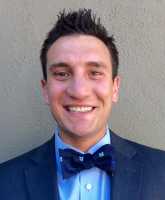 Dr. Aaron Dawes[/caption]
MedicalResearch.com Interview with:
Aaron J. Dawes, MD
Fellow, VA/RWJF Clinical Scholars Program
Division of Health Services Research
University of California Los Angeles
Los Angeles, CA 90024
Medical Research: What is the background for this study? What are the main findings?
Dr. Dawes: We reviewed the published literature to answer three basic questions about bariatric surgery and mental health conditions.
First, how common are mental health conditions among patients being referred for or undergoing bariatric surgery?
Dr. Aaron Dawes[/caption]
MedicalResearch.com Interview with:
Aaron J. Dawes, MD
Fellow, VA/RWJF Clinical Scholars Program
Division of Health Services Research
University of California Los Angeles
Los Angeles, CA 90024
Medical Research: What is the background for this study? What are the main findings?
Dr. Dawes: We reviewed the published literature to answer three basic questions about bariatric surgery and mental health conditions.
First, how common are mental health conditions among patients being referred for or undergoing bariatric surgery?
 Dr. Anick Bérard[/caption]
MedicalResearch.com Interview with:
Anick Bérard PhD FISPE
Research chair FRQ-S on Medications and Pregnancy
and Director, Réseau Québécois de recherche sur le médicament (RQRM)
and Professor, Research Chair on Medications, Pregnancy and Lactation
Faculty of Pharmacy University of Montreal
and Director, Research Unit on Medications and Pregnancy
Research Center
CHU Ste-Justine
Medical Research: What is the background for this study? What are the main findings?
Dr. Bérard: Paroxetine (one of the most used antidepressant during pregnancy) has been studied extensively over the past 10-12 years. In 2005, a black box warning was put on the Paxil label to caution against use during pregnancy due to the increased risk of cardiac defects. The ACOG 2010 guidelines also suggested switching to other antidepressants during pregnancy. Over the past decade, many studies, including meta-analyses, were performed on on paroxetine use during pregnancy and the risk of cardiac malformations - but results were sometimes statistically significant or not, although a consistent increased risk was observed. It was thought that these variations could be explained by different study designs, patient populations, and because maternal depression was not always taken into account correctly. Hence, we undertook another meta-analysis (the most recent and updated) to quantify the risk of cardiac defects overall as well as specific cardiac defects associated with paoxetine use during pregnancy and to assess the impact of study designs, maternal depression and patient population on the effect of the risk.
We found that women using paroxetine during the first trimester of pregnancy (critical time-window for malformations) were 23% more at risk of having a child with malformations (15 studies combined) - baseline risk of malformation is 3-5% and thus a 23% increased risk is 3.69-6.15% absolute risk; women using paroxetine during the first trimester of pregnancy were 28% more at risk of having a child with cardiac malformations (18 studies combined) - baseline risk of cardiac malformation is 1% and thus a 28% increased risk is 1.28% absolute risk. We found that paroxetine was increasing the risk of many specific cardiac defects as well. Although the estimates varied depending on the comparator group, study design, and malformation detection period, a trend towards increased risk was observed.
Dr. Anick Bérard[/caption]
MedicalResearch.com Interview with:
Anick Bérard PhD FISPE
Research chair FRQ-S on Medications and Pregnancy
and Director, Réseau Québécois de recherche sur le médicament (RQRM)
and Professor, Research Chair on Medications, Pregnancy and Lactation
Faculty of Pharmacy University of Montreal
and Director, Research Unit on Medications and Pregnancy
Research Center
CHU Ste-Justine
Medical Research: What is the background for this study? What are the main findings?
Dr. Bérard: Paroxetine (one of the most used antidepressant during pregnancy) has been studied extensively over the past 10-12 years. In 2005, a black box warning was put on the Paxil label to caution against use during pregnancy due to the increased risk of cardiac defects. The ACOG 2010 guidelines also suggested switching to other antidepressants during pregnancy. Over the past decade, many studies, including meta-analyses, were performed on on paroxetine use during pregnancy and the risk of cardiac malformations - but results were sometimes statistically significant or not, although a consistent increased risk was observed. It was thought that these variations could be explained by different study designs, patient populations, and because maternal depression was not always taken into account correctly. Hence, we undertook another meta-analysis (the most recent and updated) to quantify the risk of cardiac defects overall as well as specific cardiac defects associated with paoxetine use during pregnancy and to assess the impact of study designs, maternal depression and patient population on the effect of the risk.
We found that women using paroxetine during the first trimester of pregnancy (critical time-window for malformations) were 23% more at risk of having a child with malformations (15 studies combined) - baseline risk of malformation is 3-5% and thus a 23% increased risk is 3.69-6.15% absolute risk; women using paroxetine during the first trimester of pregnancy were 28% more at risk of having a child with cardiac malformations (18 studies combined) - baseline risk of cardiac malformation is 1% and thus a 28% increased risk is 1.28% absolute risk. We found that paroxetine was increasing the risk of many specific cardiac defects as well. Although the estimates varied depending on the comparator group, study design, and malformation detection period, a trend towards increased risk was observed.
 Dr. Eileen Shinn[/caption]
MedicalResearch.com Interview with:
Dr. Eileen H. Shinn PhD
Assistant Professor, Department of Behavioral Science
Cancer Prevention and Population Sciences
MD Anderson Cancer Center
The University of Texas
Houston, TX
Medical Research: What is the background for this study? What are the main findings?
Dr. Shinn: Recent studies with leukemia, breast, lung, renal and liver cancer patients have shown that patients with depression have worsened survival. These effect sizes are small, but independent of any of the traditional factors that are known to impact survival, such as extent of cancer, types of treatment administered and baseline health and age of the patient. The current thinking is that cancer patients who are depressed have chronically heightened responses to stress; the constant release of stress hormones trigger changes in the tumor itself (such as noradrenergically-driven tumor angiogenesis) or may weakens the body’s immune function and ability to resist tumor growth.
When we measured depression in newly diagnosed patients with oropharyngeal cancer (cancer of the base of tongue and tonsil), we found that those patients who scored as depressed were 3.5 times more likely to have died within the five year period after their diagnosis, compared to nondepressed patients. We also found that patients who were depressed were also 3.8 times more likely to have their cancer recur within the first five years after diagnosis. We also found that patients who continued to smoke after diagnosis were more likely to recur within the first five years. These effect sizes were larger than those typically found in recent studies. We believe that the larger effect size may be due to the tight eligibility criteria ( e.g., we did not include patients who already had recurrent disease, we only included patients with one specific type of head and neck cancer, oropharyngeal) and also due to controlling other known factors (all patients completed individualized treatment regimens of radiation/ chemoradiation at a comprehensive cancer center and patients with more advanced disease stage were more likely to have received treatment intensification compared to patients with early stage disease). In all, we had 130 patients, one of the largest prospective studies with oropharyngeal cancer to examine the effect of depression on cancer outcome.
Dr. Eileen Shinn[/caption]
MedicalResearch.com Interview with:
Dr. Eileen H. Shinn PhD
Assistant Professor, Department of Behavioral Science
Cancer Prevention and Population Sciences
MD Anderson Cancer Center
The University of Texas
Houston, TX
Medical Research: What is the background for this study? What are the main findings?
Dr. Shinn: Recent studies with leukemia, breast, lung, renal and liver cancer patients have shown that patients with depression have worsened survival. These effect sizes are small, but independent of any of the traditional factors that are known to impact survival, such as extent of cancer, types of treatment administered and baseline health and age of the patient. The current thinking is that cancer patients who are depressed have chronically heightened responses to stress; the constant release of stress hormones trigger changes in the tumor itself (such as noradrenergically-driven tumor angiogenesis) or may weakens the body’s immune function and ability to resist tumor growth.
When we measured depression in newly diagnosed patients with oropharyngeal cancer (cancer of the base of tongue and tonsil), we found that those patients who scored as depressed were 3.5 times more likely to have died within the five year period after their diagnosis, compared to nondepressed patients. We also found that patients who were depressed were also 3.8 times more likely to have their cancer recur within the first five years after diagnosis. We also found that patients who continued to smoke after diagnosis were more likely to recur within the first five years. These effect sizes were larger than those typically found in recent studies. We believe that the larger effect size may be due to the tight eligibility criteria ( e.g., we did not include patients who already had recurrent disease, we only included patients with one specific type of head and neck cancer, oropharyngeal) and also due to controlling other known factors (all patients completed individualized treatment regimens of radiation/ chemoradiation at a comprehensive cancer center and patients with more advanced disease stage were more likely to have received treatment intensification compared to patients with early stage disease). In all, we had 130 patients, one of the largest prospective studies with oropharyngeal cancer to examine the effect of depression on cancer outcome.