Alzheimer's - Dementia, Author Interviews, Eli Lilly, NEJM / 16.03.2021

MedicalResearch.com Interview with: [caption id="attachment_56959" align="alignleft" width="200"]Stephen Salloway, M.D., M.S. Director of Neurology and the Memory and Aging Program, Butler Hospital Martin M. Zucker Professor of Psychiatry and Human Behavior Professor of Neurology, Alpert Medical School of Brown University Providence, RI 02906  Dr. Salloway[/caption] Stephen Salloway, M.D., M.S. Director of Neurology and the Memory and Aging Program, Butler Hospital Martin M. Zucker Professor of Psychiatry and Human Behavior Professor of Neurology, Alpert Medical School of Brown University Providence, RI 02906  MedicalResearch.com: What is the background for this study? Response: This 78 week phase 2 study tested donanemab in patients with early Alzheimer’s disease. Donanemab is a an anti-amyloid monoclonal antibody that targets the N3 pyroglutamate epitope.  MedicalResearch.com: What are the main findings? Response: The drug produced a substantial lowering of amyloid plaques and showed a slowing in cognitive decline. Key innovations included using PET scans to ensure all patients were amyloid positive and had a moderate level of tau build-up and switching from drug to placebo once the amyloid level was below the expected cut-off for Alzheimer’s disease. There were no new safety signals. The main side-effect was amyloid-related imaging abnormalities (ARIA) that have been seen with other anti-amyloid treatments. ARIA is managed with regular safety MRI scans.  Donanemab is now being tested in a larger phase 3 trial that could lead to regulatory approval.
Author Interviews, Brain Cancer - Brain Tumors, Cancer Research, Immunotherapy, Pharmaceutical Companies / 22.02.2021

MedicalResearch.com Interview with: https://www.inovio.com/Jeffrey Skolnik, MD Senior Vice President, Clinical Development INOVIO MedicalResearch.com: What is the background for this technology? Would you tell us a little about the brain tumor, Glioblastoma Multiforme? How common is it, whom does it primarily affect?  Response: Glioblastoma (GBM) is the most common malignant brain tumor, affecting more than 10 thousand people each year in the United States. Most people diagnosed with GBM are above the age of 60 years, although GBM can be diagnosed at any age, including in children and young adults. Despite decades of research, GBM remains almost universally fatal. GBM is a tumor of the glial cells of the brain, and current therapies are directed at removing tumor with surgery and killing residual tumor cells with radiation and chemotherapy. More recently, with the introduction of immunotherapies such as immune checkpoint inhibitors (ICI) for the treatment of cancer, clinical studies have tried to add this promising technology to the treatment of GBM. Unfortunately, despite success in other types of cancer, ICIs have not demonstrated any clinical benefit in treating GBM. Newer clinical studies aim at introducing a combination of newer therapies together to try to tackle this terrible disease, and INOVIO’s GBM-001 study is one such example of an innovative approach to treating GBM.   
Author Interviews, Infections, OBGYNE, Pharmaceutical Companies / 21.01.2021

MedicalResearch.com interview with: Dr. Stephen Brand, Chief Development Officer Mycovia Pharmaceuticals [caption id="attachment_56443" align="alignleft" width="189"]Dr.Stephen-Brand.jpg Dr. Brand[/caption]  Dr. Stephen Brand discusses the results of Mycovia’s three Phase 3 studies for recurrent vaginal yeast infections (RVVC )and what’s next for the company.  MedicalResearch.com: What is the background for these Phase 3 studies? Answer: Our Phase 3 clinical program for our oral therapy oteseconazole was comprised of three trials enrolling more than 870 patients at 176 sites across 11 different countries. Two of these trials, referred to as VIOLET were identical Phase 3 randomized, double-blind, placebo-controlled clinical trials to evaluate the safety of oteseconazole and its ability to prevent episodes of recurrent vulvovaginal candidiasis (RVVC), commonly referred to as chronic yeast infection. The trials took place over 48 weeks in subjects with an established disease history of at least three episodes of acute VVC in the past 12 months. More than 650 patients randomized at 125 sites across 11 countries. The VIOLET trials consisted of two parts: During the first part of the study which lasted two weeks after patients presented with an active VVC episode, patients were treated with three sequential 150mg doses of fluconazole. The second part consisted of 12 weeks, when the patient either took oteseconazole 150mg or a placebo once weekly (according to a random assignment), and then a 36-week follow-up period. In addition, subjects participating in the VIOLET trials in the U.S. who remained infection-free at their Week 48 visit were offered the opportunity to participate in an extension study and are being monitored for an additional 48 weeks to further define the long-term protection profile of oteseconazole. Eighty-five subjects are enrolled. The third Phase 3 study, called ultraVIOLET, was designed to complement and extend VIOLET as a 50-week randomized, double-blind, placebo-controlled clinical trial to evaluate the safety and efficacy of oteseconazole. In addition the study compared the effectiveness of oteseconazole compared to fluconazole, the current standard of care, to treat an acute VVC infection in the RVVC population. A total of 220 patients were randomized at 51 sites in the U.S. for the ultraVIOLET trial. The ultraVIOLET trial consisted of two parts: In the first part of the study RVVC subjects presenting with an active infection were randomized to receive either 2 days of dosing with oteseconazole or 3 sequential 150 mg doses of fluconazole (every 72 hours). The second part consisted of 11 weeks, when the patient took either oteseconazole or a placebo weekly (according to the random assignment from the first part of the study), and then a 37-week follow-up period.
Asthma, AstraZeneca, Author Interviews / 01.12.2020

MedicalResearch.com Interview with: [caption id="attachment_56091" align="alignleft" width="200"]Dr-Frank Trudo Dr. Frank Trudo[/caption] Frank Trudo, MD MBA Vice President, US Medical, Respiratory & Immunology AstraZeneca  MedicalResearch.com: What is the background for this study? Response: PONENTE is a multicenter, open-label, single-arm, Phase IIIb trial to evaluate the efficacy and safety of reducing daily oral corticosteroids (OCS) use after initiation of 30 mg dose of FASENRA (benralizumab) administered subcutaneously in adult patients with severe eosinophilic asthma on high-dose inhaled corticosteroids plus long-acting beta2-agonist and long-term use of OCS therapy with or without additional asthma controller(s). The trial expands on OCS-sparing data previously seen in the ZONDA Phase III trial by using a faster steroid tapering schedule in patients who did not experience adrenal insufficiency to reduce OCS use from higher doses. Compared to published trials of other biologics, PONENTE has a personalized OCS tapering schedule that allows for more rapid OCS tapering from higher OCS doses, followed by an assessment of the adrenal function as part of decision-making to manage the risk of adrenal insufficiency. PONENTE also has a longer maintenance phase (approximately 24-32 weeks), allowing assessment of the durability of OCS reduction. FASENRA is a monoclonal antibody that binds directly to IL-5 receptor alpha on eosinophils and attracts natural killer cells to induce rapid and near-complete depletion of eosinophils via apoptosis (programmed cell death). MedicalResearch.com: How is it administered?  Response: FASENRA is injected under your skin (subcutaneously) one time every 4 weeks for the first 3 doses, and then every 8 weeks. In 2019, FASENRA was approved in the US for self-administration in a single dose prefilled autoinjector, the FASENRA pen.
AstraZeneca, Author Interviews, Cancer Research, ESMO, Lung Cancer, NEJM, Yale / 08.10.2020

MedicalResearch.com Interview with: [caption id="attachment_55606" align="alignleft" width="133"]Roy S. Herbst, M.D., Ph.D. Ensign Professor of Medicine (Medical Oncology) and Professor of Pharmacology Chief of Medical Oncology Yale Cancer Center and Smilow Cancer Hospital Associate Cancer Center Director for Translational Research Yale Cancer Center Dr. Herbst[/caption] Roy S. Herbst, M.D., Ph.D. Ensign Professor of Medicine (Medical Oncology) and Professor of Pharmacology Chief of Medical Oncology Yale Cancer Center and Smilow Cancer Hospital Associate Cancer Center Director for Translational Research Yale Cancer Center    MedicalResearch.com: What is the background for this study? How does osimertinib differ from prior versions of EGFR-TKI Inhibitors? o   ADAURA is a randomized, double-blinded, global and placebo-controlled Phase III trial in the adjuvant treatment of 682 patients with Stage IB, II, and IIIA EGFRm NSCLC following complete tumor resection and adjuvant chemotherapy as indicated. Patients were treated with osimertinib 80 mg once-daily oral tablets or placebo for three years or until disease recurrence. The primary endpoint is disease free survival (DFS) in Stage II and IIIA patients, and a key secondary endpoint is DFS in Stage IB, II and IIIA patients. Osimertinib is not currently approved in the adjuvant setting in any country. o   Osimertinib is a third-generation, irreversible EGFR-TKI with clinical activity against central nervous system metastases. The results of the Phase III ADAURA trial of osimertinib demonstrate for the first time in a global trial that an EGFR inhibitor can change the course of early-stage EGFR-mutated lung cancer for patients. o   ADAURA results were first presented in May during the American Society of Clinical Oncology ASCO20 Virtual Scientific Program.
Author Interviews, Eisai, Insomnia / 02.10.2020

MedicalResearch.com Interview with: [caption id="attachment_52599" align="alignleft" width="125"]Margaret Moline, PhD Executive Director, Neurology Business Group, Eisai, Inc Lemborexant International Program Lead and Global Medical Lead Dr. Moline[/caption] Margaret Moline, PhD Executive Director, Neurology Business Group, Eisai, Inc Lemborexant International Program Lead and Global Medical Lead MedicalResearch.com: What is the background for this study? What are the main findings?
  • SUNRISE 2 was one of two pivotal Phase 3 studies evaluated in the U.S. Food and Drug Administration’s approval of DAYVIGO (lemborexant) CIV in December 2019.
  • SUNRISE 2 was a pivotal six-month placebo-controlled treatment trial with a 6-month active treatment period including adult patients age 18 or older who met DSM-5 criteria for insomnia disorder.
  • Patients were randomized to placebo (n=325), DAYVIGO 5 mg (n=323), or DAYVIGO 10 mg (n=323) once nightly for the first six months of the study (Treatment Period 1).
  • The primary efficacy endpoint was the mean change from baseline to end of treatment at six months for subjective sleep onset latency (sSOL; the estimated minutes from the time that the patient attempted to sleep until sleep onset).
  • Secondary efficacy endpoints were mean change from baseline to end of treatment at six months subjective sleep efficiency (sSE; the proportion of time spent asleep per time in bed) and subjective wake after sleep onset (sWASO; the minutes of wake from the onset of sleep until wake time). These endpoints were measured by sleep diary.
  • At Virtual SLEEP 2020, a post-hoc analysis of SUNRISE 2 was shared in an oral presentation, which looked specifically at the long-term efficacy and safety of lemborexant in elderly adults with insomnia disorder.
  • Insomnia disorder, a chronic condition with long-term consequences for health and well-being, is prevalent in older adults.
  • This analysis of the SUNRISE 2 data reflects new learnings on the sustained impact of DAYVIGO on sleep onset and sleep maintenance in an older patient population. 
Author Interviews, Lipids, Regeneron / 26.08.2020

MedicalResearch.com Interview with: [caption id="attachment_53714" align="alignleft" width="172"]Professor F. J. Raal,FRCP, FCP(SA), Cert Endo, MMED, PhD Director, Carbohydrate & Lipid Metabolism Research Unit Professor & Head, Division of Endocrinology & Metabolism, Faculty of Health Sciences, University of the Witwatersrand Professor F. J. Raal[/caption] Professor F. J. Raal, FRCP, FCP(SA), Cert Endo, MMED, PhD Director, Carbohydrate & Lipid Metabolism Research Unit Professor & Head, Division of Endocrinology & Metabolism, Faculty of Health Sciences, University of the Witwatersrand  MedicalResearch.com: What is the background for this study? Response: The objective of this randomized phase 3 study was to evaluate the efficacy and safety of evinacumab in adult patients with homozygous familial hypercholesterolemia (HoFH), a condition that remains very difficult to treat. The primary endpoint was reduction of low-density lipoprotein cholesterol (LDL-C) from baseline with evinacumab compared to placebo at 24 weeks.  MedicalResearch.com: Would you briefly explain what is meant by homozygous familial hypercholesterolemia? How many individuals may be affected by this disorder? Response: HoFH, or homozygous familial hypercholesterolemia, is the most serious and more rare form of familial hypercholesterolemia (FH).  It is estimated that as many as 1 in 300,000 people worldwide and approximately 1,300 people in the U.S. are affected by HoFH. A person who has HoFH has inherited two FH genes, one from each parent. They therefore have LDL-C levels that are elevated 4-fold or greater from birth and are at high risk for premature atherosclerotic disease and cardiac events which can occur in childhood. While current treatment guidelines recommend early and intensive LDL-C lowering, people with HoFH tend to be less responsive (or unresponsive) to standard lipid-lowering therapies, including high-intensity statins and PCSK9 (proprotein convertase subtilisin/kexin type 9) inhibitors and often require lipid apheresis.
AstraZeneca, Author Interviews, Pulmonary Disease / 22.08.2020

MedicalResearch.com Interview with: [caption id="attachment_54747" align="alignleft" width="125"]Frank Trudo, MD MBA Vice President, US Medical Affairs Respiratory & Immunology AstraZeneca Dr. Trudo[/caption] Frank Trudo, MD MBA Vice President, US Medical Affairs Respiratory & Immunology AstraZeneca  MedicalResearch.com: What is the background for this study? Response: ETHOS was a randomized, double-blinded, multi-center, parallel-group, 52-week trial to assess the efficacy and safety of PT010 in symptomatic patients with moderate to very severe COPD and a history of exacerbation(s) in the previous year. A subset of patients participated in the 4-hour pulmonary function test (PFT) sub-study, with the following primary endpoints: change from baseline in morning pre-dose trough FEV1 at Week 24 at (both doses of budesonide/glycopyrrolate/formoterol fumarate MDI versus glycopyrrolate/formoterol fumarate MDI), and FEV1 area under the curve from 0-4 hours at Week 24 (both doses of budesonide/glycopyrrolate/formoterol fumarate MDI vs budesonide/formoterol fumarate MDI). 
Asthma, AstraZeneca, Author Interviews / 22.08.2020

MedicalResearch.com Interview with: [caption id="attachment_54747" align="alignleft" width="125"]Frank Trudo, MD MBA Vice President, US Medical Affairs Respiratory & Immunology AstraZeneca Dr. Frank Trudo[/caption] Frank Trudo, MD MBA Vice President, US Medical Affairs Respiratory & Immunology AstraZeneca     MedicalResearch.com: What is the background for this study?
  • Multiple pathways drive asthma. T2 inflammation-driven asthma is present in many patients with severe asthma and is typically characterized by elevated levels of T2 inflammatory biomarkers, including blood eosinophils, serum IgE and fractional exhaled nitric oxide.
    • Some patients with severe asthma do not present with increased T2 inflammation. However, currently available biologic therapies only target T2-driven inflammation.
  • The PATHWAY trial evaluated the efficacy and safety of three dose regimens of tezepelumab versus placebo as an add-on therapy in patients with a history of asthma exacerbations and uncontrolled asthma despite receiving inhaled corticosteroids/long-acting beta2-agonists with or without oral corticosteroids and additional asthma controllers. Overall, the trial showed tezepelumab significantly reduced annualized asthma exacerbation rates of 71%.
  • This post-hoc analysis presented virtually at ATS evaluated the effect of Tezepelumab treatment on asthma exacerbation rates on a seasonal and weekly basis.
Author Interviews, Dermatology, FDA, Regeneron, Sanofi / 31.07.2020

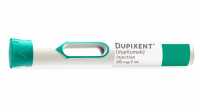
MedicalResearch.com Interview with: Elizabeth Laws, PhD Vice President and Global Project Head for Dupilumab/Dupixent Sanofi Marcie Ruddy, MD, MA Strategic Program Direction, Immunology and Inflammation Regeneron  Dr. Laws and Dr. Ruddy discuss the FDA approval of a 300 mg single-dose pre-filled pen for Dupixent® (dupilumab) for all indications in patients aged 12 years and older.   [caption id="attachment_54997" align="alignleft" width="200"]Dupixent is a biologic therapy that works differently from existing therapies that treat atopic diseases Dupixent is a biologic therapy that works differently from existing therapies that treat atopic diseases[/caption] MedicalResearch.com: What is the background for this announcement? What are the main indications for Dupixent? Response: Until now, Dupixent 300 mg dose was available only in pre-filled syringe for administration. The approval of the pre-filled pen provides an additional, easy-to-use option for patients to self-administer Dupixent. Dupixent is approved to treat patients aged 6 years and older with uncontrolled moderate-to-severe atopic dermatitis (AD) and can be used with or without topical treatments. Dupixent is also approved for use with other medicines for the maintenance treatment of uncontrolled moderate-to-severe eosinophilic or oral steroid dependent asthma in patients aged 12 years and older, and with other medicines for the maintenance treatment of uncontrolled chronic rhinosinusitis with nasal polyposis (CRSwNP) in adults, respectively. The pre-filled pen is approved for use in patients prescribed Dupixent who are 12 years of age and older across current indications, at the 300 mg dose.
Author Interviews, Biogen, Rheumatology / 06.07.2020

MedicalResearch.com Interview with: [caption id="attachment_54774" align="alignleft" width="150"]Nathalie Franchimont, M.D., Ph.D. Vice President Multiple Sclerosis and Immunology Development Unit Biogen Dr. Franchimont[/caption] Nathalie Franchimont, M.D., Ph.D. Vice President Multiple Sclerosis and Immunology Development Unit Biogen MedicalResearch.com: What is the background for this study? Response: BIIB059 is an investigational fully humanized IgG1 monoclonal antibody (mAb) targeting blood dendritic cell antigen 2 (BDCA2) expressed on plasmacytoid dendritic cells (pDCs), a protein present in specific cells within the immune system. An antibody against BDCA2 may potentially interrupt production of interferons, which are inflammatory molecules that are increased in patients with lupus and thought to contribute to disease activity. The LILAC study is two-part, Phase 2, randomized, double-blind trial investigating the efficacy and safety of BIIB059 in patients with cutaneous lupus erythematosus (CLE) and systemic lupus erythematosus (SLE). Data from the CLE portion of the study were recently presented at the European E-Congress of Rheumatology (EULAR) 2020, which was held virtually from June 3-6, 2020. Overall, study participants with CLE who received BIIB059 demonstrated statistically significant reduction of disease activity compared to those who received placebo, as assessed by the Cutaneous Lupus Erythematosus Disease Area and Severity Index Activity (CLASI-A) score. The results were encouraging and it warrants continued evaluation of BIIB059 in patients with CLE. Cutaneous lupus erythematosus is a chronic autoimmune disease wherein the body’s immune system attacks healthy skin, often causing rashes and skin lesions which can be painful or itchy. There is substantial unmet medical need for people with lupus given the limited number of treatment options available to manage this difficult-to-treat and chronic disease. Ultimately, we are motivated by the possibility of bringing potential new treatment options to lupus patients in need.
AstraZeneca, Author Interviews, NEJM, Pulmonary Disease / 29.06.2020

MedicalResearch.com Interview with: [caption id="attachment_54747" align="alignleft" width="200"]Frank Trudo, MD MBA Vice President, US Medical Affairs Respiratory & Immunology AstraZeneca Dr. Trudo[/caption] Frank Trudo, MD MBA Vice President, US Medical Affairs Respiratory & Immunology AstraZeneca MedicalResearch.com: What is the background for this study? Response: ETHOS is a randomized, double-blinded, multi-center, parallel-group, 52-week trial to assess the efficacy and safety of PT010 in symptomatic patients with moderate to very severe COPD and a history of exacerbation(s) in the previous year. Outcomes in the ETHOS trial included, as a primary endpoint, the rate of moderate or severe exacerbations. MedicalResearch.com: How does PT010 differ from other treatments for COPD?
  • Highly competitive: PT010’s Phase III clinical trial program demonstrates it has a highly competitive clinical profile in decreasing moderate or severe exacerbations. Severe exacerbations were defined as exacerbations leading to hospitalization or death.
  • All-cause mortality: In a secondary endpoint, PT010 showed a 46% reduction in the risk of all-cause mortality compared with glycopyrronium/formoterol fumarate. The data from ETHOS show that reducing risk of all-cause mortality is achievable for patients with this progressive disease and could transform treatment goals in COPD.
  • Two potential dose options: This is also the first time we have seen the benefit of closed triple-combination therapy at two ICS doses, which could transform care by allowing physicians to select the optimal dosing option for individual patients. 
Author Interviews, Dermatology, Regeneron / 23.06.2020

MedicalResearch.com Interview with: [caption id="attachment_54684" align="alignleft" width="125"]Dr. Shumel Dr. Shumel[/caption] Brad Shumel, MD Senior Director of Medical Affairs, Immunology Regeneron MedicalResearch.com: What is the background for this study? Response: Atopic dermatitis is a chronic inflammatory disease and one of the most common skin disorders in children. Severe atopic dermatitis is characterized by skin lesions that often cover a large body surface area and can include intense, persistent itch. Uncontrolled moderate-to-severe atopic dermatitis can have a physical, emotional and psychosocial impact on children, resulting in sleep deprivation, activity restriction, poor school performance, depression and anxiety that can have a greater impact on quality-of-life. The standard of care for this pediatric population has been topical corticosteroids. Children with severe atopic dermatitis who remain uncontrolled with topical therapies have limited treatment options. This Phase 3 trial was conducted to evaluate the safety and efficacy of dupilumab plus topical corticosteroids (TCS) compared with TCS alone in children with uncontrolled severe atopic dermatitis across two treatment arms – every four weeks and every two weeks (Q4W and Q2W).
Abbvie, Author Interviews, OBGYNE / 16.06.2020

MedicalResearch.com Interview with: https://www.abbvie.com/   Ayman Al-Hendy, M.D., Ph.D. Investigator for the ELARIS UF-2 clinical trials Professor of Gynecology Director of Translational Research University of Illinois at Chicago   Dr. Al-Hendy discusses the recent announcement that the FDA has approved  ORIAHNN™ for the management of heavy menstrual bleeding due to uterine fibroids in pre-menopausal women. [caption id="attachment_54598" align="alignleft" width="150"]Ayman Al-Hendy, M.D., Ph.D. Investigator for the ELARIS UF-2 clinical trials Professor of Gynecology Director of Translational Research University of Illinois at Chicago Dr. Al-Hendy[/caption] MedicalResearch.com: What is the background for this approval? Uterine fibroids, commonly referred to as uterine leiomyomas, are the most common type of non-cancerous tumor known to impact women of reproductive age (30-50 years old). In fact, studies show that uterine fibroids can occur in up to 70 percent of European American women and over 80 percent of African American women by age 50. As a result of uterine fibroids, women can experience a range of symptoms, the most common being heavy menstrual bleeding (i.e. prolonged and/or frequent bleeding), which can lead to other health effects such as anemia, fatigue, pelvic pain, urinary frequency etc. Uterine fibroid treatment recommendations have historically been based on the size and location of the fibroid(s). When treating larger and more complicated fibroids, healthcare providers have typically believed that surgery is their best course of action, which has made uterine fibroids the leading reason for the hysterectomies performed in the U.S. The FDA approval of ORIAHNN was based on improving care for uterine fibroid sufferers who have had a negative impact on their quality of life due to disruptive symptoms. What makes the approval of ORIAHNN so exciting, is that women now have an oral therapy to directly address heavy menstrual bleeding due to uterine fibroids. 
Author Interviews, Dermatology, Pediatrics, Pharmaceutical Companies, Regeneron / 15.06.2020

MedicalResearch.com Interview with: [caption id="attachment_54575" align="alignleft" width="200"]Amy S Paller, MD Chair, Department of Dermatology Director, Skin Biology and Diseases Resource-Based Center Walter J. Hamlin Professor of Dermatology Professor of Dermatology and Pediatrics (Dermatology) Feinberg School of Medicine Northwestern University Dr. Paller[/caption] Amy S Paller, MD Chair, Department of Dermatology Director, Skin Biology and Diseases Resource-Based Center Walter J. Hamlin Professor of Dermatology Professor of Dermatology and Pediatrics (Dermatology) Feinberg School of Medicine Northwestern University  Dr. Paller discusses the FDA approval of Dupixent® (dupilumab) for children aged 6 to 11 years with moderate-to-severe atopic dermatitis (eczema), whose disease is not adequately controlled with topical prescription therapies or when those therapies are not advisable.  MedicalResearch.com: What is the background for this announcement? Would you briefly discuss what is meant by atopic dermatitis and how it affects children? Response: “Atopic dermatitis, the most common form of eczema, is a chronic inflammatory disease that often appears as a rash on the skin. Moderate-to-severe atopic dermatitis is characterized by rashes that can potentially cover much of the body and can include intense, persistent itching, skin lesions and skin dryness, cracking, redness or darkness, crusting and oozing. Itch is one of the most burdensome symptoms for patients and can be debilitating. This recent FDA approval expands the use of Dupilumab in the U.S. to include children aged 6 to 11 years with uncontrolled moderate-to-severe atopic dermatitis, making it the only biologic medicine approved for this use in this population. Dupilumab is also approved in the U.S. to treat patients aged 12 years and older with moderate-to-severe atopic dermatitis. Moderate-to-severe atopic dermatitis can place a particularly substantial burden on young children aged 6 to 11 years and their families. Limited treatment options leave many of these children to cope with intense, unrelenting itch and skin lesions. Families of these children can spend countless hours helping them to manage their disease.”
ASCO, AstraZeneca, Author Interviews, Cancer Research, Melanoma / 13.06.2020

MedicalResearch.com Interview with: [caption id="attachment_54541" align="alignleft" width="200"]Dr-Yuanbin Chen Dr. Chen[/caption] Yuanbin Chen, MD, PhD Cancer & Hematology Centers of Western Michigan MedicalResearch.com: What is the background for this study? What are the main findings?
    • Response: The CASPIAN trial was a randomized, open-label, multi-center global Phase III trial in the first-line treatment of patients with extensive-stage small cell lung cancer (ES-SCLC). The trial compared IMFINZI in combination with etoposide and either carboplatin or cisplatin chemotherapy, or IMFINZI and chemotherapy with the addition of a second immunotherapy, tremelimumab, versus chemotherapy alone – the primary endpoint being overall survival (OS). After a median follow up of more than two years, the latest results for IMFINZI plus chemotherapy demonstrate a sustained and clinically meaningful OS benefit for patients with extensive-stage small cell lung cancer (ES-SCLC), maintaining a 25% reduction in the risk of death versus chemotherapy alone. Updated median OS was 12.9 months versus 10.5 for chemotherapy.
      • In a post-hoc analysis, 22.2% of patients treated with IMFINZI plus chemotherapy remained alive after 24 months, versus 14.4%, for chemotherapy alone.
      • Post-hoc analysis also showed that for IMFINZI plus chemotherapy, 11.0% of patients were alive and progression-free at 24 months versus 2.9% for chemotherapy alone.
      • IMFINZI plus chemotherapy maintained a high confirmed objective response rate (ORR) (68% versus 58%) and in a post-hoc analysis, duration of response (DoR) for IMFINZI at 24 months was 13.5% versus 3.9% for chemotherapy alone.
      • At 24 months, 12% of patients in the IMFINZI plus chemotherapy arm remained on IMFINZI treatment.]
ASCO, AstraZeneca, Author Interviews, Cancer Research, Lung Cancer, Yale / 13.06.2020

MedicalResearch.com Interview with: [caption id="attachment_54544" align="alignleft" width="160"]Roy S. Herbst, MD, PhD Ensign Professor of Medicine (Medical Oncology) Professor of Pharmacology Chief of Medical Oncology, Yale Cancer Center and Smilow Cancer Hospital; Associate Cancer Center Director for Translational Research Yale Cancer Center Dr. Herbst[/caption] Roy S. Herbst, MD, PhD Ensign Professor of Medicine (Medical Oncology) Professor of Pharmacology Chief of Medical Oncology, Yale Cancer Center and Smilow Cancer Hospital; Associate Cancer Center Director for Translational Research Yale Cancer Center MedicalResearch.com: What is the background for this study? What are the main findings?
  • ADAURA is the first global trial for an EGFR tyrosine kinase inhibitor to show statistically significant and clinically meaningful benefit in adjuvant treatment of Stage IB, II, and IIIA EGFRm NSCLC. The results demonstrated unprecedented disease free survival (DFS) in the adjuvant treatment of these patients after complete tumor resection with curative intent. Osimertinib was assessed against placebo for a treatment duration of up to three years and then unblinded two years earlier than expected at the recommendation of the Independent Data Monitoring Committee (IDMC), based on its determination of overwhelming efficacy during a planned safety analysis.
  • In the primary endpoint of DFS in patients with Stage II and IIIA disease, adjuvant (after surgery) treatment with osimertinib reduced the risk of disease recurrence or death by 83% (based on a hazard ratio [HR] of 0.17; 95% confidence interval [CI] 0.12, 0.23; p<0.0001).
  • DFS results in the overall trial population, Stage IB through IIIA, a key secondary endpoint, demonstrated a reduction in the risk of disease recurrence or death of 79% (based on a HR of 0.21; 95% CI 0.16, 0.28; p<0.0001).
AstraZeneca, Author Interviews, Rheumatology / 11.06.2020

MedicalResearch.com Interview with: [caption id="attachment_54497" align="alignleft" width="142"]Richard Alan Furie, MD Professor, Center for Autoimmune, Musculoskeletal and Hematopoietic Diseases Feinstein Institutes for Medical Research Chief, Division of Rheumatology, Northwell Health Professor of Medicine, Donald and Barbara Zucker School of Medicine Hofstra/Northwell Dr. Furie[/caption] Richard Alan Furie, MD Professor, Center for Autoimmune, Musculoskeletal and Hematopoietic Diseases Feinstein Institutes for Medical Research Chief, Division of Rheumatology, Northwell Health Professor of Medicine, Donald and Barbara Zucker School of Medicine Hofstra/Northwell MedicalResearch.com: What is the background for this study? Response: It has been known for decades that type I interferons play a role in SLE pathogenesis, and therefore the burning question has been whether inhibitors of these pro-inflammatory cytokines would reduce SLE disease activity and could be used as a therapeutic.  There are several strategies for inhibiting the type I interferon pathway, but a conventional approach is to create an antibody against the target protein. The first few clinical trials in SLE evaluated monoclonal antibodies to alpha interferon.  Results were modest at best.  Since this approach only inhibited one (alpha) of five type I interferon subtypes, there were still four subtypes unaffected that could provoke inflammation.  A rather crucial piece of information is that all five subtypes bind to the same receptor.  Therefore, if the receptor is blocked as opposed to a single cytokine, the entire type I interferon family of proteins would be prevented from binding the receptor. This was accomplished with anifrolumab. The phase 2 study in SLE (known as MUSE), which yielded very robust results, was reported several years ago.  It served as a foundation for the phase 3 program, which consisted of two pivotal studies known as TULIP-1 and TULIP-2. Both studies were reported at the 2019 American College of Rheumatology meeting in November, 2019.  Although TULIP-1 did not achieve the primary endpoint, several secondary endpoints were met.  TULIP-2 was successful.  Between all three studies, approximately 1000 patients were enrolled.  Taking advantage of these large numbers, additional analyses of the combined datasets afforded our ability to answer questions about the effects of anifrolumab that were not previously addressed with greater power. In the narrative that accompanied my presentation, I stated “In lupus, disease activity begets damage, and damage begets more damage.  The long-term sequelae of heightened disease activity, better known as flare, are significant.  Regardless of how flare is defined or measured, a major goal is to prevent flare. It is quite justified to think a drug that reduces lupus disease activity should also prevent flares. Well, the proof is in the pudding. In this analysis, we evaluated the effects of anifrolumab on flares.  Recall that anifrolumab targets the type I interferon receptor, blocking all 5 type I subtypes.  The phase 2 MUSE study yielded robust results as did the phase 3 TULIP-2 study.  While, the phase 3 TULIP-1 study did not achieve its primary endpoint, many secondary endpoints showed benefit. In this study, we focused on flare, and examined TULIP-1 and 2 individually as well as pooled data from both studies.” 
ASCO, AstraZeneca, Author Interviews, Breast Cancer, Cancer Research / 02.06.2020

MedicalResearch.com Interview with: [caption id="attachment_54437" align="alignleft" width="200"]Josefa Briceno, MD Medical Head, DDR/ADC Franchise AstraZenca Dr. Briceno[/caption] Josefa Briceno, MD Medical Head, DDR/ADC Franchise AstraZenca  MedicalResearch.com: What is the background for this study? What are the main findings? Response: In January 2018, the US FDA expanded the approved use of LYNPARZA to treat patients with HER2- negative metastatic breast cancer with germline BRCA mutations based on positive results from the Phase III OlympiAD trial, which demonstrated the benefit of LYNPARZA over standard of care in physician’s choice chemotherapy in this patient population. LUCY is a Phase IIIb interim analysis aimed to evaluate the clinical effectiveness and safety of LYNPARZA in a real-world setting and has been expanded to include a group of patients with somatic BRCA mutations. A total of 252 patients with HER2-negative metastatic breast cancer with germline BRCA mutations were enrolled in the open-label, single-arm, Phase IIIb study. Patients received a taxane and/or anthracycline in the (neo)adjuvant/metastatic setting, and ≤2 lines of chemotherapy. The primary end point of the study was investigator-defined progression-free survival (PFS), and secondary end points included overall survival, time to first subsequent therapy or death, and investigator-assessed clinical response rate. The interim analysis was planned to take place after 160 progression-free survival events. Overall, treatment lasted for a median of 7.9 months, and the median progression-free survival was 8.1 months (95% confidence interval of 6.9-8.7; 166 progression-free survival events). In addition, the median time to first subsequent therapy or death was 9.7 months (95% confidence interval of 8.7-11.1) and the investigator-assessed clinical response rate was 48.6% (95% confidence interval of 42.2-55.0). Adverse events of all grades were reported in >20% of patients were nausea, anemia, asthenia, vomiting, and fatigue. Grade ≥3 adverse events were reported in 24.6% of patients, and 4.4% of patients had an adverse event that led to treatment discontinuation.

ASCO, AstraZeneca, Author Interviews, Cancer Research, Ovarian Cancer / 02.06.2020

MedicalResearch.com Interview with: [caption id="attachment_54434" align="alignleft" width="200"]Mark Sims US Franchise Head Women’s Cancer & DNA Damage Response AstraZeneca Mark Sims[/caption] Mark Sims US Franchise Head Women’s Cancer & DNA Damage Response AstraZeneca  MedicalResearch.com: What is the background for this study? What are the main findings? Response: SOLO2 is a Phase III, randomized, double-blind, multicenter trial designed to determine the efficacy and safety of LYNPARZA tablets as a maintenance monotherapy compared with placebo, in patients with platinum-sensitive relapsed or recurrent gBRCA-mutated (BRCAm) ovarian cancer. The trial included 295 patients with germline BRCA1 or BRCA2 mutations who had received at least 2 prior lines of platinum-based chemotherapy and were in complete or partial response. The trial met its primary endpoint in October 2016, showing maintenance treatment with LYNPARZA significantly improved progression-free survival to a median of 19.1 months vs 5.5 months with placebo (a hazard ratio of 0.30; a 95% confidence interval of 0.22 to 0.41; a p value of <0.0001).

AACR, Author Interviews, Boehringer Ingelheim, Cancer Research / 13.05.2020

MedicalResearch.com Interview with: [caption id="attachment_54185" align="alignleft" width="200"]Dr. Udai Banerji, MD The Institute of Cancer Research and The Royal Marsden Dr. Banerji[/caption] Dr. Udai Banerji, MD The Institute of Cancer Research and The Royal Marsden MedicalResearch.com: What is the background for this study? Response: Not only have I been working in the RAS mutations oncology world for a while, but I also have prior preclinical experience working with VS-6766 (RAF/MEK inhibitor) and defactinib (FAK inhibitor), the two drugs in the Phase 1 study that was presented at the American Association for Cancer Research (AACR) annual medical meeting on April 27th. It is important to know that there is a great significant medical need for novel treatments for KRAS mutant tumors, which are difficult to treat, aggressive, and quite common across advanced solid tumors, including low-grade serous ovarian cancer (LGSOC), non-small cell lung cancer (NSCLC) and colorectal cancer (CRC), resulting in the need for novel treatments in an area of significant medical need. I felt that early signals in preclinical research warranted a clinical trial; so that, combined with my RAS experience, made pursuing the Phase 1 study a clear fit. A clinical trial setting allowed us to explore RAF and RAS inhibitor combinations in multiple tumor trials, which was our aim. The data presented at AACR convey safety and dose response results from the dose-escalation portion and expansion cohorts from an open-label, investigator-initiated Phase 1 study evaluating the combination of VS-6766 (RAF/MEK inhibitor) and defactinib (FAK inhibitor) therapy in patients with LGSOC and KRAS mutant NSCLC. The introductory data described in the study suggest that a novel intermittent dosing schedule of RAF/MEK and FAK inhibitor combination therapy has promising clinical activity in patients with KRAS mutant LGSOC and KRASG12V mutant NSCLC, including patients formerly treated with a MEK inhibitor. Expansion cohorts remain ongoing. 
AACR, Author Interviews, Biomarkers, Cancer Research, MD Anderson, Pharmaceutical Companies / 09.05.2020

MedicalResearch.com Interview with: [caption id="attachment_54143" align="alignleft" width="140"]David S Hong, M.D Department of Investigational Cancer Therapeutics, Division of Cancer Medicine MD Anderson, University of Texas Dr. Hong[/caption] David S Hong, M.D MD Anderson Department of Investigational Cancer Therapeutics Division of Cancer Medicine University of Texas MedicalResearch.com: What is the background for this study? Response: Larotrectinib is a first-in-class, CNS active, oral TRK inhibitor exclusively designed to treat tumors with an NTRK gene fusion and does not have secondary targets. In previous presentations and published in The Lancet Oncology, larotrectinib demonstrated robust tumor-agnostic efficacy in an integrated dataset of 159 adult and pediatric patients with TRK fusion cancer across three clinical trials (Feb 2019 data cut-off date). In these studies, the objective response rate (ORR), according to investigator assessment, was 79% (95% confidence interval [CI], 72 – 85%), with a complete response rate of 16%. In this analysis presented at AACR 2020, we sought to evaluate the outcomes in patients from the integrated data set based on different baseline characteristics, including prior lines of therapy and Eastern Cooperative Oncology Group (ECOG) performance status. ECOG measures how the disease impacts a patient. ECOG describes a patient’s level of functioning with a numbering scale (0-5) so physicians can uniformly describe a patient’s ability to care for themselves, daily activity and physical activity (selfcare, walking, working, etc).
AACR, Author Interviews, Bayer, Cancer Research / 08.05.2020

MedicalResearch.com Interview with: [caption id="attachment_54143" align="alignleft" width="140"]David S Hong, M.D Department of Investigational Cancer Therapeutics, Division of Cancer Medicine MD Anderson, University of Texas Dr. Hong[/caption] David S Hong, M.D Department of Investigational Cancer Therapeutics Division of Cancer Medicine MD Anderson, University of Texas MedicalResearch.com: What is the background for this study? Response: Larotrectinib is a first-in-class, CNS active, oral TRK inhibitor exclusively designed to treat tumors with an NTRK gene fusion and does not have secondary targets. In previous presentations and published in The Lancet Oncology, larotrectinib demonstrated tumor-agnostic efficacy in an integrated dataset of 159 adult and pediatric patients with TRK fusion cancer across three clinical trials (Feb 2019 data cut-off date). In these studies, the objective response rate (ORR), according to investigator assessment, was 79% (95% confidence interval [CI], 72 – 85%), with a complete response rate of 16%. A variety of NTRK genes have been identified in various tumor types including fusions and non-fusions (e.g., amplifications, rearrangements, deletions, slice variants). In the analysis presented at AACR 2020, we sought to evaluate this pooled data to determine the efficacy of larotrectinib in patients with non-fusion alterations in NTRK genes. 
Asthma, AstraZeneca, Author Interviews / 06.05.2020

MedicalResearch.com Interview with: [caption id="attachment_54115" align="alignleft" width="200"]Ubaldo Martin MD VP Clinical Respiratory RIA Late Stage Development AstraZeneca Dr. Martin[/caption] Ubaldo Martin MD VP Clinical Respiratory RIA Late Stage Development AstraZeneca MedicalResearch.com: What is the background for this study? Response: BORA was an extension study evaluating the long-term safety and specific aspects of efficacy in patients who had previously been in the benralizumab pivotal studies.  After the patients completed the pivotal studies (Calima, Sirocco and Zonda), they were eligible to join BORA which followed adults for an additional year and adolescent for an additional 2 years.  All patients receive one of two dosages of benralizumab.  The abstract reports the outcomes of adolescents in the BORA study who were followed for approximately 3 years in total.
Allergies, Asthma, AstraZeneca, Author Interviews / 01.05.2020

MedicalResearch.com Interview with: astrazenecaOlga Ryan, DrPH, MPH, MBA Regional Clinical Account Director, Southwest AstraZeneca  MedicalResearch.com: What is the background for this study? What are the main findings? Response: Asthma is common and imparts a substantial societal burden. It is well documented that asthma prevalence varies between males and females. Before puberty, more boys have asthma.  Following puberty, a greater proportion of women suffer with asthma. We also have observed that women experience greater morbidity from the illness, greater healthcare resource utilization and suboptimal response for guideline recommended therapies (ICS, ICS/LABA). Rationale for this study focused on describing asthma related outcomes between a well characterized severe asthma cohort, with intent in delineating differences among the sexes. With the advent of targeted biological medicines for severe asthma, as well as apparent gaps in knowledge, we wanted to understand potential sex-specific disease indicators in a well characterized severe asthma cohort.

Asthma, AstraZeneca, Author Interviews, Cost of Health Care / 01.05.2020

MedicalResearch.com Interview with: Yen Chung, PharmD Payer Evidence Director US Medical Affairs, AstraZeneca MedicalResearch.com: What is the background for this study? Response: Among patients with persistent asthma, use of systemic corticosteroids (SCS) is typically reserved for treatment of asthma exacerbations and as a supplemental maintenance therapy for patients whose disease remains uncontrolled with maximum maintenance controller therapies. However, SCS therapy comes with known risks for acute and chronic complications. It is well established that patients with severe asthma are responsible for a disproportionate amount of the economic burden of asthma;  however, less clear is the extent to which systemic corticosteroids use and its consequences specifically contributes to the cost burden of asthma. The purpose of this study was to use administrative claims to follow asthma patients with and without SCS treatment for up to 3 years and compare their complication rates, health care resource utilization, and costs. 
Author Interviews, Biogen, Neurological Disorders, Pharmaceutical Companies / 30.04.2020

MedicalResearch.com Interview with: [caption id="attachment_54059" align="alignleft" width="126"]Toby Ferguson, M.D., Ph.D. Vice President, Head Neuromuscular Development Unit Biogen Dr. Ferguson[/caption] Toby Ferguson, M.D., Ph.D. Vice President, Head Neuromuscular Development Unit Biogen MedicalResearch.com: What is the background for this study? Would you briefly explain what is meant by SMA, who is primarily affected and incidence? Response: Spinal muscular atrophy (SMA) is a rare, genetic, neuromuscular disease characterized by a loss of motor neurons in the spinal cord and lower brain stem that can result in severe, progressive muscle atrophy and weakness. Approximately one in 10,000 live births have a diagnosis of SMA. It is a leading genetic cause of infant mortality; however, people of all ages are impacted by the disease. More than three years ago, SPINRAZA (nusinersen) became the first FDA-approved treatment option for SMA. The DEVOTE study, which recently treated its first patient, is designed to evaluate the safety and potential for even greater efficacy of SPINRAZA when administered at a higher dose than currently approved for the treatment of SMA. The Phase 2/3 randomized, controlled, dose-escalating study will be conducted at approximately 50 sites around the world and aims to enroll individuals of all ages with SMA.
Author Interviews, COVID -19 Coronavirus, Pharmaceutical Companies / 02.04.2020

MedicalResearch.com Interview with: [caption id="attachment_53752" align="alignleft" width="133"]Dr. Larry Schlesinger MD Professor, President and CEO Texas Biomed Dr. Schlesinger[/caption] Dr. Larry Schlesinger MD Professor, President and CEO Texas Biomed MedicalResearch.com: What is the background and mission of Texas Biomed? Response: Texas Biomedical Research Institute (Texas Biomed) is a not-for-profit, independent research institute with a strong history of pioneering, biomedical breakthroughs that have contributed to the world of science and human health for nearly 80 years. The Texas Biomed mission is to pioneer and share scientific breakthroughs that protect you, your families and our global community from the threat of infectious diseases. Texas Biomed is capitalizing on its strengths – outstanding collaborative scientists and unique assets and resources. Texas Biomed is home to the nation’s only privately-owned BSL4 facility, five fully outfitted BSL3 facilities with the latest technologies and the Southwest National Primate Research Center (SNPRC). The Institute focuses on a core understanding of the basic biology of infectious diseases, animal model development, and studies to move therapies and vaccines to human clinical trials. The Institute’s independent, nonprofit business model moves science from the bench to clinical trials faster and with less bureaucracy.
AstraZeneca, Author Interviews, Diabetes, Heart Disease, JAMA / 01.04.2020

MedicalResearch.com Interview with: [caption id="attachment_53705" align="alignleft" width="136"]John J. V. McMurray,  MD FRCP FESC FACC FAHA FRSE FMedSci British Heart Foundation Cardiovascular Research Centre University of Glasgow Glasgow, United Kingdom Prof. McMurray[/caption] John J. V. McMurray,  MD FRCP FESC FACC FAHA FRSE FMedSci British Heart Foundation Cardiovascular Research Centre University of Glasgow Glasgow, United Kingdom  [caption id="attachment_53709" align="alignleft" width="200"]Dr. Kieran F Docherty DAPA-HF investigator British Heart Foundation Cardiovascular Research Centre, University of Glasgow Dr. Docherty[/caption] Kieran F Docherty DAPA-HF investigator British Heart Foundation Cardiovascular Research Centre, University of Glasgow     MedicalResearch.com: What is the background for this study? Response: DAPA-HF was a double-blind randomized controlled trial comparing dapagliflozin 10 mg once daily with placebo in 4744 patients with heart failure and reduced ejection fraction (HFrEF). The primary outcome was a composite of time to occurrence of a worsening heart failure event (principally heart failure hospitalization) or cardiovascular death, whichever came first. Dapagliflozin reduced the primary outcome by 26% and reduced the risk of each of heart failure hospitalization and cardiovascular death individually, as well as overall mortality. Patient symptoms were also improved. The aim of the present report was to examine the effect of dapagliflozin separately in patients with and without type 2 diabetes at baseline (45/55% split in the trial). The reason for this was that dapagliflozin was originally introduced as a glucose-lowering medication for the treatment of type 2 diabetes. We find that dapagliflozin was equally beneficial in patients with and without diabetes and was as well tolerated in patients without diabetes as in those with diabetes. More remarkably, among the patients without diabetes, dapagliflozin was as effective in participants with a completely normal glycated haemoglobin (HbA1c) as in those with prediabetes. In patients with a normal HbA1c, dapagliflozin did not lead to any reduction in HbA1c, but did improve clinical outcomes. 
Author Interviews, Bristol Myers Squibb, Cancer Research, Pharmaceutical Companies / 19.03.2020

MedicalResearch.com Interview with: https://www.cgen.com/ Anat Cohen-Dayag, Ph.D. President and CEO Compugen MedicalResearch.com: What is the background for this announcement? Would you discuss Compugen’s underlying cancer hypothesis regarding the targeting of multiple checkpoint pathways to enhance tumor response? Response: Cancer immunotherapy has revolutionized the landscape for cancer treatments by providing new drug options leading to lasting benefits for patients. Yet, response rates vary greatly across different cancer indications, leaving a significant unmet medical need for many patients and a continuing challenge to discover new biological pathways that can serve for the development of new cancer immunotherapies for non-responsive and refractory patients. Using a computational approach which is designed to discover new biological pathways and drug targets, we identified PVRIG as a novel immune checkpoint and a newly discovered inhibitory pathway in the DNAM axis. Our hypothesis is that PVRIG and TIGIT (another inhibitory pathway discovered by us and others) are two parallel and complementary inhibitory pathways in the DNAM axis and that in certain tumor types and patient populations, there may be a need to block both PVRIG and TIGIT in order to enhance anti-tumor immune responses. Moreover, reported molecular intersections between the DNAM axis and the PD-1 pathway, the most prevalent pathway targeted by approved immunotherapies, suggest that there is a linkage between these three pathways. As such, our PVRIG inhibitor may work in synergy with PD-1 and TIGIT inhibitors, suggesting that various drug combinations may be required to address these three pathways based on their dominance in different cancer patients and cancer indications. With this recently announced Phase 1/2 triple combination study, we will be directly testing our hypothesis of an intersection between the three parallel immune checkpoint pathways – PVRIG, TIGIT and PD-1 – and that the simultaneous blockade of these pathways has the potential to synergistically enhance anti-tumor immune response and expand the reach of cancer immunotherapy to patients non-responsive or refractory to approved immunotherapies.