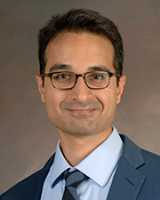
Study finds estrogen may prevent younger menopausal women from strokes

ROCHESTER, Minn. – Estrogen may prevent strokes in premature or early menopausal women, Mayo Clinic researchers say. Their findings challenge the conventional wisdom that estrogen is a risk factor for stroke at all ages. The study was published in the journal Menopause.

Researchers combined the results from a recent Mayo Clinic study with six other studies from across the world and found that estrogen is protective for stroke before age 50. That is roughly the average age when women go through menopause.

“We were very surprised because these results were unexpected,” says study author Walter Rocca, M.D., an epidemiologist and neurologist at Mayo Clinic. “The old idea that estrogen is always a problem in the brain has to be corrected.” Estrogen can be a problem in older women, he explains, but in younger women, estrogen may be important to protect the brain from strokes.

The study has implications for women who experience premature (before age 40) or early menopause (before age 45) from natural causes or from ovary removal. Women in these groups should consider taking estrogen up to approximately age 50 to prevent stroke, Dr. Rocca says.

Ischemic stroke occurs as a result of an obstruction within a blood vessel supplying blood to the brain. According to the American Stroke Association, these types of strokes account for 87 percent of all stroke cases.

###

Co-authors of the study include: Brandon Grossardt, M.S.; Virginia Miller, Ph.D.; Lynne Shuster, M.D.; Robert Brown, Jr., M.D.

Intensive Medical Therapy vs Stent Angioplasty for Stoke : Which is Better?

Aggressive medical therapy could help prevent stroke

To prevent a common type of stroke, intensive medical therapy could be better by itself than in combination with surgery that props open affected arteries. But it remains to be seen whether the apparent advantage will prove true over the long term.

The findings, from a national clinical trial conducted by University of Florida researchers and colleagues, will be published online in The New England Journal of Medicine online on Wednesday, Sept. 7.

Against expectations, the short-term risk of stroke and related death was twice as high in some cases for patients whose diseased arteries were widened via balloon angioplasty and stent insertion, compared with patients who received medical therapy alone. Although the 30-day risk of stroke for the stenting patients is concerning, long-term results could be more favorable, the researchers said.

“Five years from now, who will be doing better — the patients who are being medically managed, or those who received a stent?” said study co-author Michael F. Waters, M.D., Ph.D., director of the Shands at UF Stroke Program, who along with Brian L. Hoh, M.D., the William Merz associate professor of neurological surgery in the College of Medicine, led the UF portion of the trial.

The study will have a substantial impact on clinical practice and research, the researchers said, because it is the first randomized stroke trial to pit stenting against nonsurgical treatment for symptomatic intracranial atherosclerosis, a type of stroke caused by artery blockage in the brain. Early results clearly show that intensive medical management is key to improving health, the researchers said.

“This study provides an answer to a longstanding question by physicians — what to do to prevent a devastating second stroke in a high-risk population. Although technological advances have brought intracranial stenting into practice, we have now learned that when tested in a large group this particular device did not lead to a better health outcome,” said Walter Koroshetz, M.D., deputy director of the NIH National Institute of Neurological Disorders and Stroke, which funded the clinical trial.

Every 40 seconds, someone in the U.S. has a stroke. Stroke is the fourth leading cause of death and a leading cause of disability in the U.S. Almost 800,000 people a year have a new or recurring stroke, according to the American Heart Association. With higher than average rates of stroke and related deaths, parts of the southeastern U.S. are together termed the “Stroke Belt.”

Patients with the type of stroke known as symptomatic intracranial atherosclerosis do not respond well to existing treatments. One-quarter of those patients have another stroke within 12 months, and the risk of additional strokes continues in subsequent years. Doctors are unsure what the best course of treatment is.

To find out, the UF researchers and colleagues launched a clinical trial, nicknamed SAMMPRIS, at 50 sites around the country, including at the Medical University of South Carolina, the lead site. The study recruited 451 participants age 30 to 80 who had at least 70 percent narrowing in the arteries in the brain, and had experienced symptoms within the previous 30 days. UF recruited the second-highest number of patients among all sites, through its stroke program, which has been designated a Comprehensive Stroke Center by the Agency for Health Care Administration.

Patients in one group were randomly assigned to receive intensive management involving smoking cessation and medications for blood pressure, cholesterol, diabetes and blood-clot prevention. A second group of patients had that same medical treatment but also had balloon angioplasty and stent implantation into the affected brain artery to improve blood flow.

Almost 15 percent of patients who received stents had a stroke or died within 30 days of enrolling in the study, compared with just under 6 percent of patients in the medical therapy group. The stark difference between the groups persisted almost a year, by which time about 21 percent of patients who had received stents had had negative effects, compared with 12 percent in the medical group.

The researchers initially thought that patients who received stents would have fared better, given the successful use of similar procedures in clinical practice at the Shands at UF Stroke Program and other medical centers.

But the striking difference between the two patient groups prompted the study’s independent safety monitoring body to call off new recruitment. The researchers will, however, continue to monitor previously enrolled patients for the next two years.

It’s not unusual for surgical patients to have more complications at first, the researchers said. That’s because the invasiveness of surgery poses an inherent risk regardless of the illness being treated.

“The real question is, is there a benefit to patients over the long term,” said study co-author and co-principal investigator Hoh, who is an associate professor of radiology and neuroscience in the UF College of Medicine. “If you think about it, when people are concerned about stroke, it’s not just their first month that matters, so we’re waiting to see what the longer-term results will be.”

Over time, improvement of stent design and honing of surgical techniques could help improve outcomes for patients.

“This is certainly not the final say on managing this disease,” Waters said. “This is another piece of the puzzle that helps to guide our hand.”

Substance may extend time to prevent brain damage after Stroke

STANFORD, Calif. — A naturally occurring substance shrank the size of stroke-induced lesions in the brains of experimental mice — even when administered as much as 12 hours after the event, Stanford University School of Medicine researchers have shown. The substance, alpha-B-crystallin, acts as a brake on the immune system, lowering levels of inflammatory molecules whose actions are responsible for substantial brain damage above and beyond that caused by the initial oxygen deprivation of a stroke.

The finding, which will be published online July 25 in Proceedings of the National Academy of Sciences, is of great potential significance. Every year brings nearly 800,000 new stroke patients in North America. “That’s one every 40 seconds,” said Gary Steinberg, MD, PhD, director of Stanford’s Institute for Neuro-Innovation and Translational Neurosciences and one of the study’s two senior authors. Steinberg is also the Bernard and Ronni Lacroute-William Randolph Hearst Professor of Neurosurgery and the Neurosciences, and chair of neurosurgery at the medical school.

The largest single cause of severe neurological disability and the third-leading cause of death in the United States, stroke accounts for an estimated $74 billion annually in related costs, including treatment and additional assistance for the three of every four stroke patients whose ability to perform the activities of daily life is impaired. Strokes are caused by a sudden drop in the flow of blood to the brain resulting from a clot or, less often, bleeding. One of every three stroke patients is under the age of 65. In all, there are 5.4 million stroke survivors in the United States and 15 million worldwide.

The only currently approved drug for stroke — tissue plasminogen activator, or tPA — dissolves clots that keep oxygenated blood from reaching brain tissue. To be effective, tPA must be administered within about 4.5 hours after the stroke. But patients’ brains must first be scanned to rule out the possibility that the stroke was caused by bleeding, which tPA would exacerbate, rather than by blockage.

Moreover, tPA does nothing to counter the stroke’s insidious inflammatory aftershock: a flood of noxious chemicals secreted by angry immune cells that rush in to the affected area, causing significant further damage.

Alpha-B-crystallin appears to act as a sponge, sopping up those bad actors and stopping inflammation from making a bad situation worse.

Alpha-B-crystallin is a major structural protein in the eye’s lens. It is also constantly made in the heart. In other tissues, including the brain, its production can be triggered by stressful events, such as oxygen deprivation or excessive heat or cold. Growing evidence suggests that alpha-B-crystallin can help curb inflammatory activity in the brain.

“The brain doesn’t roll over and play dead when it’s under attack,” said Lawrence Steinman, MD, the other senior author of the new study, who is the George A. Zimmermann Professor of Neurology and Neurological Sciences and Pediatrics as well as chair of Stanford’s interdepartmental program in immunology.

In an earlier study, published in Nature in 2007, Steinman and his colleagues found that the presence of alpha-B-crystallin could help reduce the severity of brain damage caused by multiple sclerosis, a chronic, debilitating autoimmune disease of the brain. Other studies published this year by his group have shown that alpha-B-crystallin limits the damage caused by blood-supply cutoffs to heart tissue and the retina.

It seemed logical to see if this protein could mitigate the effects of a stroke. “We made a jump from its relevance in inflammatory diseases such as multiple sclerosis,” Steinberg said. “To my knowledge, nobody had looked at concentrations of alpha-B-crystallin after a stroke, either in people or in an experimental animal model before.”

So, along with first authors Ahmet Arac, MD, a postdoctoral scholar in Steinberg’s lab, and Steinman’s former graduate student Sarah Brownell, PhD, Steinberg and Steinman turned to a standard animal model: the laboratory mouse. They found that, in mice bioengineered to lack alpha-B-crystallin, experimentally induced stroke lesions were more massive than those induced in otherwise genetically similar mice whose cells were capable of making the protein. The alpha-B-crystallin-deficient mice had worse neurological function after the stroke than did the normal mice.

The researchers also found that supplying synthetic alpha-B-crystallin to the deficient mice reduced brain-lesion sizes after a stroke, even when the substance was administered 12 hours after the stroke was induced. And they saw elevated alpha-B-crystallin levels in blood plasma from both human patients and mice after a stroke. (The human samples were obtained from study co-author Gregory Albers, MD, the Coy Foundation Professor of Neurology and Neurological Sciences and the director of the Stanford Stroke Center).

“In younger patients, the larger the stroke, the higher the concentration of alpha-B-crystallin,” said Steinberg. Interestingly, increased alpha-B-crystallin levels were not detected in plasma from patients over the age of 80, whose strokes typically have worse consequences than those affecting younger patients.

Finally, the investigators demonstrated that alpha-B-crystallin-treated mice produce fewer inflammatory immune-signaling molecules and more anti-inflammatory ones than untreated mice.

At the doses given to the mice in this study, alpha-B-crystallin appeared to be nontoxic. “This is a naturally occurring molecule the body is already producing, although maybe just not enough of it,” said Steinberg. “We’re just supplementing it.” If further studies by other labs and in other models confirm and extend the findings, alpha-B-crystallin may be an excellent candidate for clinical trials in stroke, Steinman and Steinberg both said.

“This is the first demonstration of an efficacious brain-protecting agent that targets the inflammatory aspect of stroke in a novel way, and it can be given at quite a delay,” said Thomas Carmichael, MD, PhD, professor and vice chair of neurology at the David Geffen School of Medicine at UCLA. Carmichael, a stroke expert, did not participate in the study but is familiar with its methodology and results. “Tissue plasminogen activator has a fairly narrow risk-to-benefit ratio. The longer you wait, the more likely it is to stimulate a hemorrhage.”

###

Other Stanford co-authors were Jonathan Rothbard, PhD, a senior research associate in Steinman’s lab; Charlene Chen, MD, a fellow at the Stanford Stroke Center; and postdoctoral scholars Rose Ko, PhD, and Marta Pereira, PhD. The study was sponsored by the Russell and Elizabeth Siegelman, Bernard and Ronni Lacroute and William Randolph Hearst foundations; the National Multiple Sclerosis Society; and the National Institutes of Health.

Optimism associated with lower risk of having stroke

American Heart Association Rapid Access Journal Report

Study Highlights:
• A large-scale observational study shows that optimism is associated with lower risk of stroke.
• On a 16-point scale, each point increase in optimism correlated with a 9 percent reduction in stroke risk.
• This study adds to the increasing body of research on the health benefits of optimism.

DALLAS, July 21, 2011 — A positive outlook on life might lower your risk of having a stroke, according to new research reported in Stroke: Journal of the American Heart Association.

In an observational study, a nationally representative group of 6,044 adults over age 50 rated their optimism levels on a 16-point scale. Each point increase in optimism corresponded to a 9 percent decrease in acute stroke risk over a two-year follow-up period.

“Our work suggests that people who expect the best things in life actively take steps to promote health,” said Eric Kim, study lead author and a clinical psychology doctoral student at the University of Michigan.

Optimism is the expectation that more good things, rather than bad, will happen.

Previous research has shown that an optimistic attitude is associated with better heart health outcomes and enhanced immune-system functioning, among other positive effects.

The study is the first to discover a correlation between optimism and stroke. Previous research has shown that low pessimism and temporary positive emotions are linked to lower stroke risk.
Researchers analyzed self-reported stroke and psychological data from the ongoing Health and Retirement Study, collected between 2006 and 2008. Participants were stroke-free at the beginning of the study.

Researchers measured optimism levels with the modified Life Orientation Test-Revised, a widely used assessment tool in which participants rank their responses on a numeric scale.

The team used logistic regression analysis to establish the association between optimism and stroke and adjusted for factors that might affect stroke risk, including chronic illness, self-reported health and sociodemographic, behavioral, biological and psychological conditions.

“Optimism seems to have a swift impact on stroke,” said Kim, noting that researchers followed participants for only two years.
The protective effect of optimism may primarily be due to behavioral choices that people make, such as taking vitamins, eating a healthy diet and exercising, researchers said. However, some evidence suggests positive thinking might have a strictly biological impact as well.

Stroke is the No. 3 killer in the United States, behind heart disease and cancer, and a leading cause of disability.

Co-authors of the study are Nansook Park, Ph.D., and Christopher Peterson, Ph.D. Author disclosures are on the manuscript.

The Robert Wood Johnson Foundation’s Pioneer Portfolio funded a part of the study through the Positive Psychology Center of the University of Pennsylvania.

###

Statements and conclusions of study authors published in American Heart Association scientific journals are solely those of the study authors and do not necessarily reflect the association’s policy or position. The association makes no representation or guarantee as to their accuracy or reliability. The association receives funding primarily from individuals; foundations and corporations (including pharmaceutical, device manufacturers and other companies) also make donations and fund specific association programs and events. The association has strict policies to prevent these relationships from influencing the science content. Revenues from pharmaceutical and device corporations are available at www.americanheart.org/corporatefunding.

NR11– 1100 (Stroke/Kim)
• For more on stroke, visit the American Stroke Association.