MedicalResearch.com Interview with:
[caption id="attachment_20592" align="alignleft" width="107"]

Dr. Tanush Gupta[/caption]
Tanush Gupta, MD
Chief Resident & Instructor of Medicine
Department of Medicine
New York Medical College & Westchester Medical Center
Valhalla, NY
MedicalResearch.com: What is the background for this study? What are the main findings?
Dr. Gupta: Cigarette smoking is the leading preventable cause of premature death in the United States (U.S.). Approximately one-third of all coronary artery disease related deaths in the U.S. annually can be attributed to cigarette smoking. However, studies from the pre-thrombolytic and thrombolytic eras have shown that mortality in smokers with ST-segment elevation myocardial infarction (STEMI) may be lower than in nonsmokers, a phenomenon called the “smoker’s paradox.”
The majority of STEMI patients in contemporary practice are treated with primary percutaneous coronary intervention (pPCI). Data on the association of smoking with outcomes in STEMI patients undergoing pPCI are limited and also conflicting as to whether the smoker’s paradox exists in this population. Hence, the purpose of our study was to examine the association of smoking status with in-hospital outcomes in a nationwide cohort of STEMI patients undergoing pPCI, included in the U.S. National Inpatient Sample, over a 10-year time period from 2003 to 2012. Our primary outcome of interest was in-hospital mortality and secondary outcomes were post-procedure hemorrhage, in-hospital cardiac arrest, and average length of stay.
Of 985,174 STEMI patients who underwent pPCI in the U.S. over this time period, 438,954 (44.6%) were smokers. Smokers were on an average 8 years younger than nonsmokers and had lower prevalence of most cardiovascular comorbidities. Smoking status was associated with lower risk-adjusted in-hospital mortality (2.0% vs. 5.9%, adjusted OR 0.60, p<0.001), lower incidence of post-procedure hemorrhage (4.2% vs. 6.1%, adjusted OR 0.81, p<0.001) and in-hospital cardiac arrest (1.3% vs. 2.1%, adjusted OR 0.78, p<0.001), and shorter average length of stay (3.5 days vs. 4.5 days, p<0.001). To assess whether younger age of smokers was influencing the association with in-hospital mortality, we also performed an age-stratified analyses in different age groups. The smoker’s paradox largely persisted in age-stratified analyses suggesting that younger age of smokers was not the sole explanation for this paradox.
We performed additional assessment for confounding to explore whether the paradoxically lower risk-adjusted in-hospital mortality in smokers with STEMI was driven by differences in baseline demographics and comorbidities between hospitalized smokers and nonsmokers in general. To test for such confounding, we examined the association of smoking with in-hospital mortality in 2 conditions in which this association has not been previously studied – hip fractures and severe sepsis – using similar statistical regression models. In both these study populations, smokers were on average younger than nonsmokers and had lower risk-adjusted in-hospital mortality, but, the paradoxical association in both these conditions was weaker in magnitude than in STEMI patients. Since there is no cogent biological hypothesis to explain the lower mortality in smokers with sepsis or hip fractures, it is likely that the smoker’s paradox in STEMI is also at least partly driven by residual confounding due to inadequate adjustment for the biological effects of age. However, as this paradox was stronger in STEMI patients than in patients with hip fractures or severe sepsis, we believe that additional true biological differences between smokers and nonsmokers with STEMI also contribute to the paradoxically lower in-hospital mortality.

 Dr. Ambay Pandey[/caption]
Ambarish Pandey, MD
Cardiology Fellow, PGY5
University of Texas Southwestern Medical Center
Dallas, Texas
MedicalResearch.com: What is the background for this study? What are the main findings?
Dr. Pandey: Previous studies have reported an underutilization of guideline based heart failure therapies among patients with heart failure (HF) and end-stage renal diseases. However, it is not known if the proportional use of these evidence-based medical therapies and associated clinical outcomes among these patients has changed over time. In this study, we observed a significant increase in adherence to heart failure process of care measures over time among dialysis patients with no significant change in clinical outcomes over time.
Dr. Ambay Pandey[/caption]
Ambarish Pandey, MD
Cardiology Fellow, PGY5
University of Texas Southwestern Medical Center
Dallas, Texas
MedicalResearch.com: What is the background for this study? What are the main findings?
Dr. Pandey: Previous studies have reported an underutilization of guideline based heart failure therapies among patients with heart failure (HF) and end-stage renal diseases. However, it is not known if the proportional use of these evidence-based medical therapies and associated clinical outcomes among these patients has changed over time. In this study, we observed a significant increase in adherence to heart failure process of care measures over time among dialysis patients with no significant change in clinical outcomes over time.
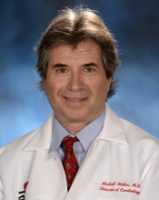 Dr. Michael Miller[/caption]
Michael Miller, MD, FACC, FAHA
Professor of Cardiovascular Medicine, Epidemiology & Public Health
University of Maryland School of Medicine
Staff Physician, Baltimore VAMC
Director, Center for Preventive Cardiology
University of Maryland Medical Center
Baltimore, Maryland
MedicalResearch.com: What is the background for this study?
Dr. Miller: It has become an article of faith that HDL (the good cholesterol) is an independent risk factor for heart disease. However, previous studies did not examine the importance of HDL after accounting for both LDL (bad cholesterol) and triglycerides (blood fats). This is important because HDL is associated with LDL and triglycerides. We hypothesized that if HDL is truly an independent risk factor, then low HDL levels in isolation would continue to be linked to an increased risk of heart disease while high HDL levels would continue to protect the heart even if LDL and triglycerides levels were elevated.
Dr. Michael Miller[/caption]
Michael Miller, MD, FACC, FAHA
Professor of Cardiovascular Medicine, Epidemiology & Public Health
University of Maryland School of Medicine
Staff Physician, Baltimore VAMC
Director, Center for Preventive Cardiology
University of Maryland Medical Center
Baltimore, Maryland
MedicalResearch.com: What is the background for this study?
Dr. Miller: It has become an article of faith that HDL (the good cholesterol) is an independent risk factor for heart disease. However, previous studies did not examine the importance of HDL after accounting for both LDL (bad cholesterol) and triglycerides (blood fats). This is important because HDL is associated with LDL and triglycerides. We hypothesized that if HDL is truly an independent risk factor, then low HDL levels in isolation would continue to be linked to an increased risk of heart disease while high HDL levels would continue to protect the heart even if LDL and triglycerides levels were elevated.
 Dr. Jaimin Trivedi[/caption]
Jaimin Trivedi, MD, MPH
Instructor
Department of Cardiovascular and Thoracic Surgery
University of Louisville
Louisville, KY 40202
MedicalResearch.com: What is the background for this study? What are the main findings?
Dr. Trivedi: There is a donor heart shortage in United States and certain donor hearts are likely to be turned down because the donors required cardiopulmonary resuscitation (CPR) prior to procurement. The rationale behind conducting the study was to identify impact of donor CPR and its duration on recipient survival after transplantation.
Our findings show that presence of CPR and duration of CPR does not adversely impact the post heart transplant survival. The study also shows that ejection fraction and peak cardiac troponins between the CPR and non-CPR donors were comparable at time of transplant suggesting recovery of cardiac function.
Dr. Jaimin Trivedi[/caption]
Jaimin Trivedi, MD, MPH
Instructor
Department of Cardiovascular and Thoracic Surgery
University of Louisville
Louisville, KY 40202
MedicalResearch.com: What is the background for this study? What are the main findings?
Dr. Trivedi: There is a donor heart shortage in United States and certain donor hearts are likely to be turned down because the donors required cardiopulmonary resuscitation (CPR) prior to procurement. The rationale behind conducting the study was to identify impact of donor CPR and its duration on recipient survival after transplantation.
Our findings show that presence of CPR and duration of CPR does not adversely impact the post heart transplant survival. The study also shows that ejection fraction and peak cardiac troponins between the CPR and non-CPR donors were comparable at time of transplant suggesting recovery of cardiac function.
 Dr. Erica Spatz[/caption]
Erica Spatz, MD, MHS
Assistant Professor, Section of Cardiovascular Medicine
Center for Outcomes Research and Evaluation
Yale University School of Medicine/Yale-New Haven Hospital
New Haven, CT 06520
MedicalResearch.com: What is the background for this study? What are the main findings?
Dr. Spatz: Rates of heart attack have declined during the last 15 years. But whether communities of different economic status or in different geographic regions experienced similar declines is unknown, especially as efforts to prevent cardiovascular disease and manage heart attacks may not have been equally successful in communities with different resource capacity.
Our study shows that trends in the incidence of and mortality from heart attack were similar in low, average and high income communities. However, low-income communities had higher hospitalization rates than average and high income communities throughout the 15 year study period. Interestingly mortality rates were similar.
Dr. Erica Spatz[/caption]
Erica Spatz, MD, MHS
Assistant Professor, Section of Cardiovascular Medicine
Center for Outcomes Research and Evaluation
Yale University School of Medicine/Yale-New Haven Hospital
New Haven, CT 06520
MedicalResearch.com: What is the background for this study? What are the main findings?
Dr. Spatz: Rates of heart attack have declined during the last 15 years. But whether communities of different economic status or in different geographic regions experienced similar declines is unknown, especially as efforts to prevent cardiovascular disease and manage heart attacks may not have been equally successful in communities with different resource capacity.
Our study shows that trends in the incidence of and mortality from heart attack were similar in low, average and high income communities. However, low-income communities had higher hospitalization rates than average and high income communities throughout the 15 year study period. Interestingly mortality rates were similar.
 Dr. Natalia Trayanova[/caption]
Natalia Trayanova PhD, FHRS, FAHA
Murray B. Sachs Endowed Chair
Professor of Biomedical Engineering
Joint Appointment, Medicine
Johns Hopkins University
Institute for Computational Medicine
Johns Hopkins University
Baltimore, MD
MedicalResearch.com: What is the background for this study? What are the main findings?
Dr. Trayanova: The methodology for modeling cardiac electrical function has matured sufficiently that we can now create computational models of the electrical functioning of the entire heart. My research is focused on translating this methodology into the clinic. The goal is to create, if you will, "a virtual heart for every patient", that will enable the physician to play our scenarios that manifest the heart dysfunction in the given patient, and to enable physicians to make personalized decisions about patient treatment. The present paper is the first application of this overall vision.
The motivation for this particular paper was that determining which patients are at risk for sudden cardiac death represents a major unmet clinical need. Patients at risk receive life-saving implantable defibrillators (ICDs), but because of the low sensitivity and specificity of current approach (based on low ejection fraction), risk assessment is inaccurate. Thus, many patients receive ICDs without needing them, while others die of sudden cardiac death because they are not targeted for
Dr. Natalia Trayanova[/caption]
Natalia Trayanova PhD, FHRS, FAHA
Murray B. Sachs Endowed Chair
Professor of Biomedical Engineering
Joint Appointment, Medicine
Johns Hopkins University
Institute for Computational Medicine
Johns Hopkins University
Baltimore, MD
MedicalResearch.com: What is the background for this study? What are the main findings?
Dr. Trayanova: The methodology for modeling cardiac electrical function has matured sufficiently that we can now create computational models of the electrical functioning of the entire heart. My research is focused on translating this methodology into the clinic. The goal is to create, if you will, "a virtual heart for every patient", that will enable the physician to play our scenarios that manifest the heart dysfunction in the given patient, and to enable physicians to make personalized decisions about patient treatment. The present paper is the first application of this overall vision.
The motivation for this particular paper was that determining which patients are at risk for sudden cardiac death represents a major unmet clinical need. Patients at risk receive life-saving implantable defibrillators (ICDs), but because of the low sensitivity and specificity of current approach (based on low ejection fraction), risk assessment is inaccurate. Thus, many patients receive ICDs without needing them, while others die of sudden cardiac death because they are not targeted for 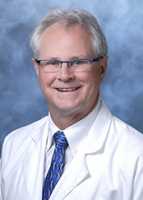 Dr. Timothy Henry[/caption]
Timothy D. Henry, MD, MSCAI
Director, Division of Cardiology
Cedars-Sinai Heart Institute
MedicalResearch.com: What is the background for this study? What are the main findings?
Dr. Henry: Heart failure it the #1 cause of morbidity, mortality and cost in the United States today. Patients with Class 3 heart failure, despite optimal medical therapy and device therapy have limited options beyond heart transplantation and left ventricular cyst device.
Transplantation and LVAD are expensive and are challenged by both availability and complications. Therefore, treatment for patients with ongoing symptoms despite medical therapy is an admiral goal. Stem cell therapy appears to be an attractive choice for these patients, in particular patients with ischemic cardiomyopathy.
The ATHENA trial was designed to treat patients with ischemic cardiomyopathy and ongoing ischemia with autologous adipose-derived regenerative cells. Patients would undergo liposuction with onsite processing of their stem cells in 1 ½ - 2 hours, followed by intramyocardial injection of adipose-derived regenerative cells (ADCRs) vs. placebo.
Dr. Timothy Henry[/caption]
Timothy D. Henry, MD, MSCAI
Director, Division of Cardiology
Cedars-Sinai Heart Institute
MedicalResearch.com: What is the background for this study? What are the main findings?
Dr. Henry: Heart failure it the #1 cause of morbidity, mortality and cost in the United States today. Patients with Class 3 heart failure, despite optimal medical therapy and device therapy have limited options beyond heart transplantation and left ventricular cyst device.
Transplantation and LVAD are expensive and are challenged by both availability and complications. Therefore, treatment for patients with ongoing symptoms despite medical therapy is an admiral goal. Stem cell therapy appears to be an attractive choice for these patients, in particular patients with ischemic cardiomyopathy.
The ATHENA trial was designed to treat patients with ischemic cardiomyopathy and ongoing ischemia with autologous adipose-derived regenerative cells. Patients would undergo liposuction with onsite processing of their stem cells in 1 ½ - 2 hours, followed by intramyocardial injection of adipose-derived regenerative cells (ADCRs) vs. placebo.
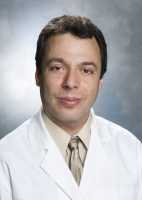 Dr. Alexander Turchin[/caption]
Alexander Turchin, MD, MS
Associate Physician, Brigham and Women's Hospital
Associate Professor of Medicine, Harvard Medical School
Brigham and Women's Hospital
Department of Medicine
Endocrinology
Boston, MA 02115
MedicalResearch.com: What is the background for this study? What are the main findings?
Dr. Turchin: It is known that fewer women than men at high risk for cardiovascular disease are treated with statins.
However, the reasons for this sex disparity are not fully understood.
Our study identified 4 factors that accounted for over 90% of the difference in statin therapy between women and men with coronary artery disease:
Dr. Alexander Turchin[/caption]
Alexander Turchin, MD, MS
Associate Physician, Brigham and Women's Hospital
Associate Professor of Medicine, Harvard Medical School
Brigham and Women's Hospital
Department of Medicine
Endocrinology
Boston, MA 02115
MedicalResearch.com: What is the background for this study? What are the main findings?
Dr. Turchin: It is known that fewer women than men at high risk for cardiovascular disease are treated with statins.
However, the reasons for this sex disparity are not fully understood.
Our study identified 4 factors that accounted for over 90% of the difference in statin therapy between women and men with coronary artery disease:
 Dr. T. Jared Bunch[/caption]
T. Jared Bunch, MD
Director of Heart Rhythm Research
Medical Director for Heart Rhythm Services
Intermountain Healthcare System
MedicalResearch.com: What is the background for this study? What are the main findings?
Dr. Bunch: Approximately 6 years ago we found that patients with atrial fibrillation experienced higher rates of all forms of dementia, including Alzheimers disease. At the time we started to ask the questions of why this association existed. We know that atrial fibrillation patients experience higher rates of stroke. These patients are placed on blood thinners, most commonly warfarin, to lower risk of stroke which at the same time expose that patient to a higher risk of intracranial bleeding. One possibility to explain the association was that perhaps dementia in the manifestation of many small clots or bleeds in the brain that in total lead to cognitive decline. If this is the case, then the efficacy and use of anticoagulation is very important in atrial fibrillation patients.
We conducted additional studies that showed this to be the case. In patients with no history of dementia, managed long-term with warfarin anticoagulation, those that had levels that were frequently too higher or too low that resulted in poor times in therapeutic range, experienced significantly higher rates of dementia. The risk was highest in younger atrial fibrillation patients that were less than 80 years of age. We then found that in atrial fibrillation patients that were frequently over anticoagulated and also use an antiplatelet agent, aspirin or plavix, the dementia rates nearly doubled. At this point we raised the question if atrial fibrillation increased the risk beyond anticoagulation, or does anticoagulation efficacy drive most of the risk. This question formed the background of the current study.
Dr. T. Jared Bunch[/caption]
T. Jared Bunch, MD
Director of Heart Rhythm Research
Medical Director for Heart Rhythm Services
Intermountain Healthcare System
MedicalResearch.com: What is the background for this study? What are the main findings?
Dr. Bunch: Approximately 6 years ago we found that patients with atrial fibrillation experienced higher rates of all forms of dementia, including Alzheimers disease. At the time we started to ask the questions of why this association existed. We know that atrial fibrillation patients experience higher rates of stroke. These patients are placed on blood thinners, most commonly warfarin, to lower risk of stroke which at the same time expose that patient to a higher risk of intracranial bleeding. One possibility to explain the association was that perhaps dementia in the manifestation of many small clots or bleeds in the brain that in total lead to cognitive decline. If this is the case, then the efficacy and use of anticoagulation is very important in atrial fibrillation patients.
We conducted additional studies that showed this to be the case. In patients with no history of dementia, managed long-term with warfarin anticoagulation, those that had levels that were frequently too higher or too low that resulted in poor times in therapeutic range, experienced significantly higher rates of dementia. The risk was highest in younger atrial fibrillation patients that were less than 80 years of age. We then found that in atrial fibrillation patients that were frequently over anticoagulated and also use an antiplatelet agent, aspirin or plavix, the dementia rates nearly doubled. At this point we raised the question if atrial fibrillation increased the risk beyond anticoagulation, or does anticoagulation efficacy drive most of the risk. This question formed the background of the current study.
 Dr. Kevin Curl[/caption]
Dr. Kevin Curl, MD
Sidney Kimmel Medical College
Jefferson University
MedicalResearch.com: What is the background for this study? What are the main findings?
Dr. Curl: If left untreated, half of coronary bypass vein grafts will become occluded within 10 years of surgery. We reviewed the health records of over 350 patients who had a previous coronary artery bypass graft (CABG) a minimum of three years prior. Our goal was to identify the long-term trends with medication adherence in this high risk population, namely aspirin and statin medications. The American College of Cardiology and the American Heart Association recommend both statins and aspirin medications unless they are unsafe for the individual patient. The mean age of the study population was 69 years, most patients had previously undergone "triple bypass" with 3 grafts, and the mean time from surgery was 11 years. We found that only 52 percent of patients were taking both aspirin and a statin medication. In addition, patients not taking a statin had higher (22 percent) low-density lipid or “bad” cholesterol.
Dr. Kevin Curl[/caption]
Dr. Kevin Curl, MD
Sidney Kimmel Medical College
Jefferson University
MedicalResearch.com: What is the background for this study? What are the main findings?
Dr. Curl: If left untreated, half of coronary bypass vein grafts will become occluded within 10 years of surgery. We reviewed the health records of over 350 patients who had a previous coronary artery bypass graft (CABG) a minimum of three years prior. Our goal was to identify the long-term trends with medication adherence in this high risk population, namely aspirin and statin medications. The American College of Cardiology and the American Heart Association recommend both statins and aspirin medications unless they are unsafe for the individual patient. The mean age of the study population was 69 years, most patients had previously undergone "triple bypass" with 3 grafts, and the mean time from surgery was 11 years. We found that only 52 percent of patients were taking both aspirin and a statin medication. In addition, patients not taking a statin had higher (22 percent) low-density lipid or “bad” cholesterol.
 Dr. William Eggleston[/caption]
William Eggleston, PharmD
Fellow in Clinical Toxicology/Emergency Medicine
Upstate Medical University
Upstate New York Poison Center
MedicalResearch.com: What is the background for this study? What are the main findings?
Dr. Eggleston: The case series describes two deaths associated with loperamide abuse with supportive post-mortem findings. It adds to the growing body of literature reporting cardiac toxicity after loperamide abuse and demonstrates the deadly consequences. It also highlights the growing trend of loperamide abuse amongst opioid addicted patients looking to get high or stave off withdrawal symptoms.
MedicalResearch.com: What should readers take away from your report?
Dr. Eggleston: Readers should recognize that loperamide is an OTC opioid medication that acts similarly to morphine or heroin in the body after high doses. The drug is easily abused due to its low cost, ease of accessibility, legal status, and lack of social stigma associated with its possession. Most importantly, loperamide is a cardiac toxin that causes conduction disturbances in high doses and can produce deadly dysrhythmias.
Dr. William Eggleston[/caption]
William Eggleston, PharmD
Fellow in Clinical Toxicology/Emergency Medicine
Upstate Medical University
Upstate New York Poison Center
MedicalResearch.com: What is the background for this study? What are the main findings?
Dr. Eggleston: The case series describes two deaths associated with loperamide abuse with supportive post-mortem findings. It adds to the growing body of literature reporting cardiac toxicity after loperamide abuse and demonstrates the deadly consequences. It also highlights the growing trend of loperamide abuse amongst opioid addicted patients looking to get high or stave off withdrawal symptoms.
MedicalResearch.com: What should readers take away from your report?
Dr. Eggleston: Readers should recognize that loperamide is an OTC opioid medication that acts similarly to morphine or heroin in the body after high doses. The drug is easily abused due to its low cost, ease of accessibility, legal status, and lack of social stigma associated with its possession. Most importantly, loperamide is a cardiac toxin that causes conduction disturbances in high doses and can produce deadly dysrhythmias.
 Dr. Reina Haque[/caption]
Reina Haque, PhD MPH
Research scientist
Kaiser Permanente Southern California Department of Research & Evaluation
MedicalResearch.com: What is the background for this study? What are the main findings?
Dr. Haque: The study fills an important knowledge gap about the long-term association of aromatase inhibitors on cardiovascular disease risk in breast cancer survivors.
This was a retrospective cohort study that included a cohort of 13,273 postmenopausal breast cancer survivors who were diagnosed with breast cancer, either estrogen or progesterone receptor positive, from 1991 to 2010. The patients were followed through 2011, or a maximum of 21 years. The study participants were divided into four groups based on the drugs they received: 31.7 percent were treated only with tamoxifen; 28.6 percent only with aromatase inhibitors; 20.2 percent used both; and 19.4 percent did not use any of these drugs. These oral drugs are used to combat breast cancer recurrence, but may have long-term side effects on other organs.
The study determined that the risk of cardiac ischemia (which can lead to a heart attack) and stroke were not elevated in patients who only took aromatase inhibitors compared to those who only took tamoxifen. These results provide reassurance that aromatase inhibitors may not increase risk of the potentially fatal cardiovascular outcomes compared to tamoxifen.
Dr. Reina Haque[/caption]
Reina Haque, PhD MPH
Research scientist
Kaiser Permanente Southern California Department of Research & Evaluation
MedicalResearch.com: What is the background for this study? What are the main findings?
Dr. Haque: The study fills an important knowledge gap about the long-term association of aromatase inhibitors on cardiovascular disease risk in breast cancer survivors.
This was a retrospective cohort study that included a cohort of 13,273 postmenopausal breast cancer survivors who were diagnosed with breast cancer, either estrogen or progesterone receptor positive, from 1991 to 2010. The patients were followed through 2011, or a maximum of 21 years. The study participants were divided into four groups based on the drugs they received: 31.7 percent were treated only with tamoxifen; 28.6 percent only with aromatase inhibitors; 20.2 percent used both; and 19.4 percent did not use any of these drugs. These oral drugs are used to combat breast cancer recurrence, but may have long-term side effects on other organs.
The study determined that the risk of cardiac ischemia (which can lead to a heart attack) and stroke were not elevated in patients who only took aromatase inhibitors compared to those who only took tamoxifen. These results provide reassurance that aromatase inhibitors may not increase risk of the potentially fatal cardiovascular outcomes compared to tamoxifen.
 Dr. Ben Freedman[/caption]
Dr. Ben Freedman OAM
Deputy Director Research Strategy, Heart Research Institute/Charles Perkins Centre
Professor of Cardiology, Sydney Medical School
Head Vascular Biology Anzac Research Institute
Honorary VMO, Concord Repatriation General Hospital
University of Sydney
MedicalResearch.com: What is the background for this study?
Dr. Freedman: Guidelines recommend that patients with atrial fibrillation (AF) at high enough risk for stroke should be treated with anticoagulant. Anticoagulant drugs are remarkably effective in reducing stroke risk by about two thirds, and death by between a quarter and a third. Unfortunately, strokes can still occur when patients are prescribed anticoagulant for Atrial Fibrillation, and it is often presumed this residual risk of stroke represents treatment failure, though there are few data about this important issue.
MedicalResearch.com: What are the main findings?
Dr. Freedman: We were able to compare the risk of stroke in a cohort of patients with AF commenced on anticoagulant, with a very large closely-matched cohort seen in general practice at the same time but without AF. This is a unique comparison. We found that the residual risk of stroke in such anticoagulant-treated patients was virtually identical to that in the matched control cohort. The implication is that the residual risk of stroke may not be treatment failure, but the risk of non-cardioembolic stroke in people of a similar age and stroke risk profile but without Atrial Fibrillation. The residual risk of death in those on anticoagulant was higher than the matched controls, and intermediate between the control rate and the mortality rate for untreated AF.
Dr. Ben Freedman[/caption]
Dr. Ben Freedman OAM
Deputy Director Research Strategy, Heart Research Institute/Charles Perkins Centre
Professor of Cardiology, Sydney Medical School
Head Vascular Biology Anzac Research Institute
Honorary VMO, Concord Repatriation General Hospital
University of Sydney
MedicalResearch.com: What is the background for this study?
Dr. Freedman: Guidelines recommend that patients with atrial fibrillation (AF) at high enough risk for stroke should be treated with anticoagulant. Anticoagulant drugs are remarkably effective in reducing stroke risk by about two thirds, and death by between a quarter and a third. Unfortunately, strokes can still occur when patients are prescribed anticoagulant for Atrial Fibrillation, and it is often presumed this residual risk of stroke represents treatment failure, though there are few data about this important issue.
MedicalResearch.com: What are the main findings?
Dr. Freedman: We were able to compare the risk of stroke in a cohort of patients with AF commenced on anticoagulant, with a very large closely-matched cohort seen in general practice at the same time but without AF. This is a unique comparison. We found that the residual risk of stroke in such anticoagulant-treated patients was virtually identical to that in the matched control cohort. The implication is that the residual risk of stroke may not be treatment failure, but the risk of non-cardioembolic stroke in people of a similar age and stroke risk profile but without Atrial Fibrillation. The residual risk of death in those on anticoagulant was higher than the matched controls, and intermediate between the control rate and the mortality rate for untreated AF.
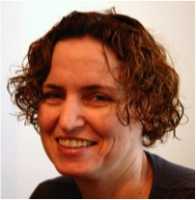 Dr. Lihi Eder[/caption]
Lihi Eder, MD, PhD
Assistant Professor of Medicine
University of Toronto
Scientist, Women’s College Research Institute,Room 6326
Women’s College Hospital
Toronto, ON, Canada
MedicalResearch.com: What is the background for this study?
Dr. Eder: Psoriasis is a chronic immune-mediated skin disease affecting 2-3% of the general population. Psoriatic arthritis (PsA) affects 15-30% of patients with psoriasis. Until recently, only few studies assessed the risk of developing cardiovascular events in patients with PsA and while most studies found a higher cardiovascular risk in these patients, others reported cardiovascular rates that were similar to the general population.
Dr. Lihi Eder[/caption]
Lihi Eder, MD, PhD
Assistant Professor of Medicine
University of Toronto
Scientist, Women’s College Research Institute,Room 6326
Women’s College Hospital
Toronto, ON, Canada
MedicalResearch.com: What is the background for this study?
Dr. Eder: Psoriasis is a chronic immune-mediated skin disease affecting 2-3% of the general population. Psoriatic arthritis (PsA) affects 15-30% of patients with psoriasis. Until recently, only few studies assessed the risk of developing cardiovascular events in patients with PsA and while most studies found a higher cardiovascular risk in these patients, others reported cardiovascular rates that were similar to the general population.
 Dr. Sherry Grace[/caption]
Sherry L. Grace, PhD
Professor, School of Kinesiology and Health Science
York University
Sr. Scientist, Cardiorespiratory Fitness Team
Toronto Rehabilitation Institute, University Health Network
Toronto Western Hospital
Toronto, ON
MedicalResearch.com: What is the background for this study?
Dr. Grace: Cardiac rehabilitation is an outpatient chronic disease management program. It is a standardized model of care, comprised of risk factor assessment and management, exercise training, patient education, as well and dietary and psychosocial counseling. Patients generally attend two times a week for several months.
Participation in cardiac rehab has been shown to reduce death and disability. This is a dose-response association, such that more cardiac rehab participation is associated with even less death, etc. Therefore, it is important that patients adhere to the program, or participate in all the prescribed sessions.
No one has ever reviewed patient adherence to cardiac rehab in a systematic way. It has always been assumed that patients only attend about half of prescribed sessions. Also, many studies have shown that women attend fewer sessions than men. However, this has been known for some time, so we would hope that in the current era, this sex difference would not exist. No study has ever aggregated and analyzed sex differences in program adherence, so we set out to do this.
Dr. Sherry Grace[/caption]
Sherry L. Grace, PhD
Professor, School of Kinesiology and Health Science
York University
Sr. Scientist, Cardiorespiratory Fitness Team
Toronto Rehabilitation Institute, University Health Network
Toronto Western Hospital
Toronto, ON
MedicalResearch.com: What is the background for this study?
Dr. Grace: Cardiac rehabilitation is an outpatient chronic disease management program. It is a standardized model of care, comprised of risk factor assessment and management, exercise training, patient education, as well and dietary and psychosocial counseling. Patients generally attend two times a week for several months.
Participation in cardiac rehab has been shown to reduce death and disability. This is a dose-response association, such that more cardiac rehab participation is associated with even less death, etc. Therefore, it is important that patients adhere to the program, or participate in all the prescribed sessions.
No one has ever reviewed patient adherence to cardiac rehab in a systematic way. It has always been assumed that patients only attend about half of prescribed sessions. Also, many studies have shown that women attend fewer sessions than men. However, this has been known for some time, so we would hope that in the current era, this sex difference would not exist. No study has ever aggregated and analyzed sex differences in program adherence, so we set out to do this.