
23 Jan Links Between Major Surgery, Amyloid and Memory Problems
Posted at 18:17h
in Alzheimer's - Dementia, Author Interviews, Cognitive Issues, Memory, Surgical Research
MedicalResearch.com Interview with:
[caption id="attachment_56458" align="alignleft" width="194"] Dr. Sanchez-Juan[/caption]
Pascual Sánchez-Juan, MD, PhD
Servicio de Neurología Hospital Universitario "Marqués de Valdecilla"
Unidad de Deterioro Cognitivo
https://www.facebook.com/deteriorocognitivovaldecilla
Director científico Biobanco Valdecilla
Avda Marqués de Valdecilla s/n
MedicalResearch.com: What is the background for this study?
Response: Alzheimer's disease is one of the greatest public health challenges. From the moment the first lesions appear in the brain to the clinical manifestations, up to 20 years can pass. Today we can detect the presence of these initial lesions through biochemical markers such as amyloid-β, which is one of the main proteins accumulated in the brains of Alzheimer's patients. The prevalence of cerebral amyloid-β pathology in cognitively asymptomatic individuals increases with age. It has been estimated that 21.1% of the population at the age of 65 will have a positive amyloid scan or a pathological cerebrospinal fluid (CSF) amyloid-β determination, and which will double by the age of 90.
Due to the aging of our societies and advances made in medical care, an increasing number of elderly and more fragile people are considered candidates for major surgery. In preoperative screenings, respiratory and cardiovascular functions are routinely checked; however, it is not commonly assessed how the brain is going to cope with the intervention.
In the clinic, the patient’s relatives frequently tell us that the memory problems began after a surgical procedure or a hospital admission. This posed us the following question: is this just a recall bias or has surgery triggered the appearance of the symptoms in a previously affected brain?”

 Prof. Bergee[/caption]
Martin J. Bergee
Professor and Associate Dean for Academic Affairs
School of Music
University of Kansas
MedicalResearch.com: What is the background for this study? What are the main findings?
Response: The idea that listening, participating, or achieving in music makes you better at another subject, say, math, science, or reading, has been around for a while. Indeed, there’s a relationship between achievement in music and achievement in other content areas. But I’ve always assumed that the relationship was spurious, that is, driven my any number of such background influences as urbanicity, ethnicity, SES, level of parent education, the type of school one attends, and so forth. Essentially, I set out to demonstrate once and for all that with these background influences accounted for statistically, the relationship is considerably attenuated. Much to my surprise, however, music achievement’s relationships with reading and math achievement remained quite strong.
Prof. Bergee[/caption]
Martin J. Bergee
Professor and Associate Dean for Academic Affairs
School of Music
University of Kansas
MedicalResearch.com: What is the background for this study? What are the main findings?
Response: The idea that listening, participating, or achieving in music makes you better at another subject, say, math, science, or reading, has been around for a while. Indeed, there’s a relationship between achievement in music and achievement in other content areas. But I’ve always assumed that the relationship was spurious, that is, driven my any number of such background influences as urbanicity, ethnicity, SES, level of parent education, the type of school one attends, and so forth. Essentially, I set out to demonstrate once and for all that with these background influences accounted for statistically, the relationship is considerably attenuated. Much to my surprise, however, music achievement’s relationships with reading and math achievement remained quite strong.

 Dr. Rosi[/caption]
Susanna Rosi, Ph.D.
Lewis and Ruth Cozen Chair II
Dr. Rosi[/caption]
Susanna Rosi, Ph.D.
Lewis and Ruth Cozen Chair II

 Dr. Cohen[/caption]
Pieter A. Cohen, MD
Department of Medicine, Cambridge Health Alliance
Somerville, Massachusetts
Harvard Medical School
Boston, Massachusetts
MedicalResearch.com: What is the background for this study?
Response: There has been increasing interest in the use of over-the-counter supplements to help improve memory and cognitive function. However, prior
Dr. Cohen[/caption]
Pieter A. Cohen, MD
Department of Medicine, Cambridge Health Alliance
Somerville, Massachusetts
Harvard Medical School
Boston, Massachusetts
MedicalResearch.com: What is the background for this study?
Response: There has been increasing interest in the use of over-the-counter supplements to help improve memory and cognitive function. However, prior 



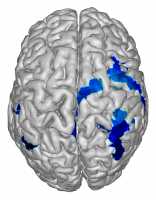
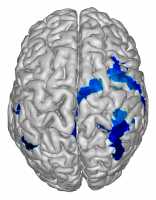 In a study of healthy volunteers, NIH researchers found that taking short breaks, early and often, may help our brains learn new skills.