Author Interviews, Education, JAMA, Race/Ethnic Diversity, Yale / 01.08.2023

MedicalResearch.com Interview with: [caption id="attachment_60696" align="alignleft" width="133"]Mytien Nguyen Mytien Nguyen[/caption] Mytien Nguyen, MS Department of Immunobiology, Yale School of Medicine New Haven, Connecticut MedicalResearch.com: What is the background for this study? Response: Physician-scientists are critical for innovative translational research. Combined MD-PhD training programs are essential for developing physician-scientists. Although racial and ethnic diversity of MD-PhD matriculants has increased over the past decade, little is known about how attrition rates differ by race and ethnicity.
Aging, Author Interviews, Geriatrics, Hearing Loss, JAMA / 31.07.2023

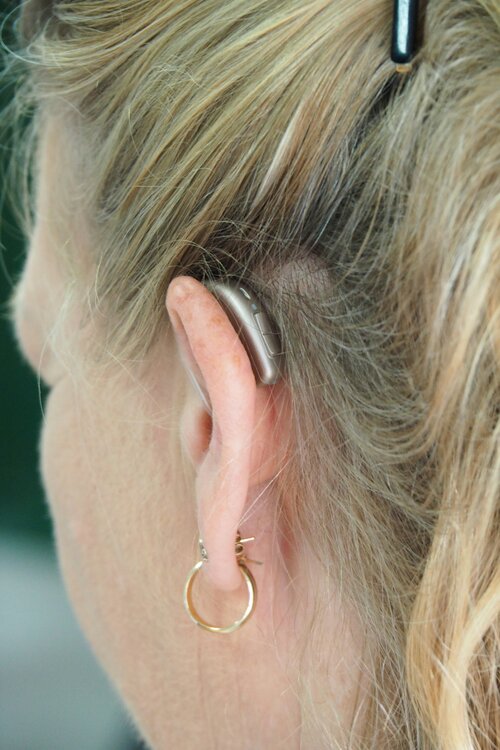
MedicalResearch.com Interview with: [caption id="attachment_60687" align="alignleft" width="150"]Dr. Nicholas Reed Dr. Reed[/caption]   Nicholas S. Reed, AuD PhD Assistant Professor | Department of Epidemiology Johns Hopkins University Bloomberg School of Public Health     MedicalResearch.com: What is the background for this study? Response: To date, national estimates of hearing loss have often been based on self-report, which is a fine metric in its own right but underestimates the prevalence of hearing loss against criterion standard measures, and most studies with criterion-level hearing measures are limited to relatively younger samples of older adults. For example, some previous nationally representative samples don't allow reporting age data over 80 years because there aren't enough participants in that age group. It is not surprising given that it is difficult to design nationally representative studies that truly allow older adults (80+ years) to participate and measuring hearing can be onerous. However, understanding the prevalence of hearing loss in this age group is vital for public health and policy planning efforts to address hearing loss at the national level. 
Author Interviews, COVID -19 Coronavirus, Environmental Risks / 27.07.2023

MedicalResearch.com Interview with:
Dr. Thomas Deliberto, PhD, DVM, APHIS Wildlife Services One Health Coordinator
  Dr. Thomas Deliberto, PhD, DVM, APHIS Wildlife Services One Health Coordinator     MedicalResearch.com: What is the background for this study? deer-covidResponse: In 2021, USDA launched a plan to investigate exposure of wild white-tailed deer (Odocoileus virginianus) to SARS-CoV-2, a zoonotic virus and the virus that causes COVID-19. Researchers found that 40% of the blood samples tested had SARS-CoV-2 antibodies. This initial study suggested that SARS-CoV-2 could be transmitted from humans to deer, and that deer could potentially serve as a reservoir for the virus. To better understand the transmission of SARS-CoV-2 in white-tailed deer, a team of researchers conducted a larger study to collect and analyze respiratory samples from free-ranging white-tailed deer in the United States.  The study identified SARS-CoV-2 sequences in white-tailed deer across nearly half of the states in the U.S. The researchers also found that deer could be infected with multiple SARS-CoV-2 lineages, and that these lineages could be transmitted from deer to deer. In addition, the researchers found three cases of potential virus transmission from white-tailed deer back to humans.  This raises concerns about the potential for the virus to continue to evolve in an animal reservoir, and the possibility of future spillover events.
Dental Research / 27.07.2023

This article is for informational purposes only and is not a substitute for professional medical advice, diagnosis or treatment. Contact a qualified dentist or medical professional before engaging in any physical activity, or making any changes to your dental program, diet, medication or lifestyle, For years, medical research has found that fluoride in toothpaste helps to prevent tooth decay and protect against cavities. As a result, most toothpastes contain between 1,000 to 1,100 mg/L of sodium fluoride or monofluorophosphate. But a new study has found that fluoride-free toothpaste is just as effective at preventing cavities as fluoride-based toothpaste. So, does this mean the end of using toothpaste enhanced with fluoride?
The study’s key findings
dental-fluoride-toothpaste-pexels-photo-8191884Poznan University of Medical Sciences carried out a study involving 171 participants over a period of 18 months. The participants were split into two groups. One group used hydroxyapatite (fluoride-free) toothpaste and the other group used fluoridated toothpaste throughout the study. Six-monthly trips to a dental clinician were completed and a DIAGNOcam device and plaque-disclosing solution were used to check for signs of cavities and plaque. The end results revealed that almost 90% of people in both groups had no new cavities, which indicates that both hydroxyapatite toothpaste and fluoridated toothpaste keep cavities at bay.
Author Interviews, JAMA, Lipids, Pediatrics, USPSTF / 26.07.2023

MedicalResearch.com Interview with: [caption id="attachment_60674" align="alignleft" width="133"]Li Li, M.D., Ph.D., M.P.HWalter M. Seward Professor Chair of Family Medicine Director of population health University of Virginia School of Medicine Editor-in-chief of The BMJ Family Medicine Dr. Li joined the U.S. Preventive Services Task Force in January 2021 Dr. Li Li[/caption] Li Li, M.D., Ph.D., M.P.H Walter M. Seward Professor Chair of Family Medicine Director of population health University of Virginia School of Medicine Editor-in-chief of The BMJ Family Medicine Dr. Li joined the U.S. Preventive Services Task Force in January 2021 MedicalResearch.com: What is the background for this study? What are the main findings? Response: The Task Force reviewed the latest available evidence to evaluate whether screening all children and adolescents who are 20 years old or younger for high cholesterol improves their heart health into adulthood. At this time, there is not enough evidence to determine whether or not screening all kids is beneficial, so we are calling for additional research on the effectiveness of screening and treatment of high cholesterol in kids and teens.
Author Interviews, Brigham & Women's - Harvard, Endocrinology, Fertility, Lancet, OBGYNE / 25.07.2023

MedicalResearch.com Interview with: [caption id="attachment_60669" align="alignleft" width="150"]Raymond M. Anchan, MD, Ph.D.Director, Stem Cell Biology and Regenerative Medicine Research Laboratory
Assistant Professor, Harvard Medical School
Obstetrics/Gynecology
Center for Infertility and Reproductive Surgery
Brigham and Women's Hospital Dr. Anchan[/caption] Raymond M. Anchan, MD, Ph.D. Director, Stem Cell Biology and Regenerative Medicine Research Laboratory Assistant Professor, Harvard Medical School Obstetrics/Gynecology Center for Infertility and Reproductive Surgery Brigham and Women's Hospital MedicalResearch.com: What is the background for this study? Response: As a reproductive endocrinologist, I have the privilege of caring for patients who unfortunately experience premature ovarian insufficiency- Some of these patients are as young as 17 yo. Additionally, a significant number of patients over the years have been reproductive age women who have breast cancer and ovarian failure from chemotherapy.  These patients have been my inspiration to try to find a treatment for them.  Since my earlier days as a neurobiologist and stem cell scientist, it was a natural course for me to seek cell-based therapies that are patient specific using autologous iPSCs.
Author Interviews, Mental Health Research, Microbiome, Nature, OBGYNE, UCLA / 25.07.2023

MedicalResearch.com Interview with: [caption id="attachment_60665" align="alignleft" width="125"] Dr. Callaghan[/caption] Bridget Callaghan Ph.D. Assistant Professor of Psychology UCLA Dr. Callahan studies interactions between mental and physical health across development.   MedicalResearch.com: What is the background for this study? Response: A growing body of evidence links the gut microbiome to brain and immune functioning, and changes to that community of microorganisms is likely among the ways that hardship affects children’s socioemotional development. Limited evidence in humans has demonstrated the adversities experienced prenatally and during early life influence the composition of the gut microbiome, but no studies had examined whether stress experienced in a mother's own childhood could influence the microbiome of the next generation of children.
Author Interviews, Environmental Risks, Pediatrics / 21.07.2023

MedicalResearch.com Interview with: [caption id="attachment_60658" align="alignleft" width="150"]Kazi Albab Hussain Kazi Albab Hussain[/caption] Kazi Albab Hussain Graduate Student (PhD) Specialization: Water Resources Advisor: Professor  Yusong Li, PhD Associate Dean for Faculty and Inclusion MedicalResearch.com: What is the background for this study? Response: Microplastics have been detected in various food items and beverages, including table salt, bottled water, fish, and mussels. The extensive use of plastic-based products in food preparation, storage, and handling has raised concerns about the direct release of microplastics. Interestingly, we often discuss microplastics but overlook nanoplastics in the conversation. Due to their smaller size, nanoplastics are harder to be detected. In our study, we wanted to see the release of both microplastics and nanoplastics, as nanoplastics may be even  more toxic than microplastics. Unfortunately, infants and toddlers are particularly vulnerable to the potential health impacts of micro- and nanoplastics. Studies have shown significant ingestion of these particles from polypropylene feeding bottles and silicone-rubber baby teats. We aimed to investigate the release of of micro- and nanoplastics, estimated their exposure for infants and toddlers, and evaluated their cytotoxicity to human embryonic kidney cells.
Annals Internal Medicine, Author Interviews, Kidney Disease, UCSF / 21.07.2023

MedicalResearch.com Interview with: [caption id="attachment_60654" align="alignleft" width="150"]Chi-yuan Hsu, MD, MSc (he/him/his)Professor and Division Chief Robert W. Schrier Distinguished Professor Division of Nephrology  University of California, San Francisco Dr. Chi-yuan Hsu[/caption]   Chi-yuan Hsu, MD, MSc (he/him/his) Professor and Division Chief Robert W. Schrier Distinguished Professor Division of Nephrology University of California, San Francisco     MedicalResearch.com: What is the background for this study? Response: Acute kidney injury (AKI) had previously been considered a reversible short-term medical problem among hospitalized patients without long-term sequalae in that there is recovery of kidney function back to baseline should the patient survive the hospitalization. Then about 15 years ago, the concept began to shift as research by us and others showed that for patients with severe AKI (e.g. AKI severe enough to require acute dialysis in the hospital), there was more rapid subsequent loss of renal function.  Now based largely on additional observational studies in humans (and animal models), many nephrologists and opinion leaders think that even mild to moderate cases of AKI have long-term sequelae.  We are concerned that the paradigm has swung too much in the opposite direction and we questioned the results of many published studies which did not fully account for differences in background kidney function among those who did and did not experience AKI.
Author Interviews, Education, JAMA / 20.07.2023

MedicalResearch.com Interview with: [caption id="attachment_60649" align="alignleft" width="135"]Cassandra Kelleher, MDSurgical Director, Fetal Care Program
Surgical Director, Neonatal Intensive Care Unit
Physician Investigator (Cl)
Surgery, Mass General Research Institute
Associate Professor of Surgery
Harvard Medical School Dr. Kelleher[/caption] Cassandra Kelleher, MD Surgical Director, Fetal Care Program Surgical Director, Neonatal Intensive Care Unit Physician Investigator (Cl) Surgery, Mass General Research Institute Associate Professor of Surgery Harvard Medical School MedicalResearch.com: What is the background for this study? Response: Physicians practicing in academic hospitals have unique responsibilities. They are not only expected to treat patients, but also to conduct research to improve treatments for future patients, and to train future physicians. Diverse healthcare teams have better patient outcomes and lower healthcare costs. Women physicians, for example, are more likely to practice patient-centered care, and through their teaching and research work at academic medical centers, they help to disseminate and normalize novel approaches to practicing medicine. For these reasons, gender diversity in academic medicine is important for the quality of healthcare in the future.
Author Interviews, BMJ, Emergency Care, Health Care Systems, Johns Hopkins / 19.07.2023

MedicalResearch.com Interview with: [caption id="attachment_60645" align="alignleft" width="200"]David E. Newman-Toker, MD PhD (he/him)Professor of Neurology, Ophthalmology, & Otolaryngology David Robinson Professor of Vestibular Neurology Director, Division of Neuro-Visual & Vestibular Disorders Director, Armstrong Institute Center for Diagnostic Excellence Johns Hopkins Medicine Dr. Newman-Toker[/caption] David E. Newman-Toker, MD PhD (he/him) Professor of Neurology, Ophthalmology, & Otolaryngology David Robinson Professor of Vestibular Neurology Director, Division of Neuro-Visual & Vestibular Disorders Director, Armstrong Institute Center for Diagnostic Excellence Johns Hopkins Medicine MedicalResearch.com: What is the background for this study? Response: Diagnostic errors are believed to be a major public health issue, but valid, quantitative estimates of harm are lacking. In 2015, the National Academy of Medicine stated in their report Improving Diagnosis in Healthcare that improving diagnosis was a “moral, professional, and public health imperative” yet also noted that “the available research [is] not adequate to extrapolate a specific estimate or range of the incidence of diagnostic errors in clinical practice today.” We sought a scientifically robust answer to the question of how many patients in the US suffer serious harms as a result of medical misdiagnosis.
Author Interviews, COVID -19 Coronavirus / 19.07.2023

MedicalResearch.com Interview with: Prof. Tommy Dickey Ph.D. Distinguished Professor Emeritus Geography Department University of California Santa Barbara Santa Barbara, CA covid-sniffing-dogs-tom-trainingMedicalResearch.com: What is the background for this study? Response:  I became interested in dog's sense of smell several years ago while doing therapy dog demonstrations at the California Science Center in Los Angeles during a special traveling exhibit "Dogs! A Science Tail." (Now at the Orlando Science Center).  I did a lot of research on this topic and taught children about it through the Los Angeles Public Library using my Great Pyrenees therapy dogs. Then, COVID broke out and I expanded my research into any work being done to possibly utilize scent dogs for screening and testing for COVID.  I found only a few such studies.  However, I fortuitously met Heather Junqueira of BioScent, Inc. (in Florida) online and she was beginning to successfully teach her beagles to detect COVID-related odors.  She agreed to co-author a peer-reviewed review paper with me.  That led to our first paper - Dickey, T, Junqueira, H. Toward the use of medical scent dogs for COVID-19 screening. J Osteopath Med 2021;1(2): 141-148. https://doi.org/10.1515/jom-2020-0222 When the COVID pandemic began to wane at the beginning of this year, I felt that it would be the perfect time to do this comprehensive follow-up review to see how far COVID scent dog research had progressed. To our amazement, research efforts had increased by almost tenfold and involved over 400 scientists using over 31,000 samples (including sniffings) from over 30 countries and that 29 peer reviewed papers had been published. Heather’s inspiration for doing scent dog work came when her father contracted cancer and she wanted to find better diagnostics.  She has since been successful in detecting non-small cell lung cancer with her trained beagles as well as COVID.
Author Interviews, Dermatology, Immunotherapy / 18.07.2023

MedicalResearch.com Interview with: [caption id="attachment_60633" align="alignleft" width="150"]Emma Guttman-Yassky Dr. Guttman-Yassky[/caption] Emma Guttman-Yassky, M.D., PhD, Lead investigator of this study Waldman Professor and System Chair Kimberly and Eric J. Waldman Department of Dermatology Icahn School of Medicine at Mount Sinai, NY   MedicalResearch.com: What is the background for this study? Response: The idea to test how spacing out treatment or even stopping it affects treatment responses once patients are well controlled. Lebrikizumab it is a potent biologic agent with a relatively long-lasting effect.
Author Interviews, Genetic Research, JAMA, Pediatrics / 17.07.2023

MedicalResearch.com Interview with: [caption id="attachment_60600" align="alignleft" width="125"]Professor, Jonathan Davis, MD,Chief of Newborn Medicine Tufts Medical Center and Dr. Davis[/caption] Prof. Jonathan Davis, MD, Chief of Newborn Medicine Tufts Medical Center and [caption id="attachment_60599" align="alignleft" width="125"]Jill Maron, MD, MPHChief of Pediatrics Executive Director, Mother Infant Research Institute Vice Chair, Pediatric Research, Tufts Medical Center Women & Infants Hospital of Rhode Island Dr. Maron[/caption]   Jill Maron, MD, MPH Chief of Pediatrics Women & Infants Hospital of Rhode Island   MedicalResearch.com: What is the background for this study? Response: The Genomic Medicine for Ill Neonates and Infants (GEMINI) trial was designed to be the first comparative study to explore the diagnostic yield, clinical utility and time to diagnosis between whole genomic sequencing (WGS) and a targeted genomic sequencing panel specifically designed to detect gene disorders that present in early life. GEMINI was a US based study that enrolled 400 hospitalized infants, along with their available parents, suspected of having an undiagnosed genetic diagnosis. Every participant underwent testing on each platform simultaneously, allowing us to better understand the limitations and advantages of each approach.
Author Interviews, Endocrinology, Hormone Therapy, Menopause / 17.07.2023

MedicalResearch.com Interview with: [caption id="attachment_60619" align="alignleft" width="92"]Jerilynn C Prior MD FRCPC (on behalf of all authorsProfessor of Endocrinology / Department of Medicine University of British Columbia  Centre for Menstrual Cycle and Ovulation Research www.cemcor.ca BC Women’s Health Research Institute Vancouver BC Canada Dr. Prior[/caption] Jerilynn C Prior MD FRCPC (on behalf of all authors Professor of Endocrinology / Department of Medicine University of British Columbia Centre for Menstrual Cycle and Ovulation Research www.cemcor.ca BC Women’s Health Research Institute Vancouver BC Canada MedicalResearch.com: What is the background for this study? Response: Night sweats and hot flushes/flashes (together called vasomotor symptoms, VMS) disturb women who are still menstruating (in perimenopause) are at least as much or more than  menopausal women (without flow for a year or more)1. However, although studies have investigated various treatments for perimenopausal hot flushes/flashes, none have proven effective in these women who are also likely to be having heavy flow, breast tenderness, and premenstrual symptoms related to high and variable estrogen levels. These include randomized controlled trials (RCT) of the birth control pill2, and gel estrogen in women using a progestin-releasing IUD3. Neither showed that therapy was more effective than placebo; both studied too few participants to provide a clear answer. Meanwhile, major medical organization guidelines recommend menopausal hormone therapy (MHT, usually of estrogen with a progestin) for any women younger than 60 years old who are bothered by night sweats and hot flushes 4-6. However, there are no scientific RCT studies showing MHT is effective for perimenopausal night sweats and hot flushes. Giving more estrogen to someone whose own estrogen levels are often high, also did not make clinical sense. We previously performed an RCT showing that oral micronized progesterone (progesterone) was effective for menopausal hot flushes and also improved sleep7. Given that progesterone levels in perimenopausal women are declining, we considered that perimenopausal progesterone therapy for night sweats needed testing.
Addiction, Author Interviews, Cannabis, Mental Health Research / 12.07.2023

MedicalResearch.com Interview with: [caption id="attachment_60610" align="alignleft" width="171"]Jessica Kruger PhDClinical Associate Professor of Community Health and Health Behavior
University at Buffalo School of Public Health and Health Professions Dr. Kruger[/caption] Jessica Kruger PhD Clinical Associate Professor of Community Health and Health Behavior University at Buffalo School of Public Health and Health Professions MedicalResearch.com: What is the background for this study? Response: The 2018 Farm Bill authorizing hemp production led to new cannabinoids in the consumer marketplace. As the market becomes increasingly saturated with suppliers, companies continually diversify available products. The rapid emergence of novel cannabinoids outpaces systematic research necessary to inform regulations and harm reduction. Empirical evidence is needed to guide policies, practices, and education of consumers. Product manufacturers, social media participants, and cannabis oriented on-line news sources have claimed that THC-O-acetate is a "psychedelic" cannabinoid, producing experiences similar to those associated with LSD, psilocybin, mescaline, and DMT.
Author Interviews, COVID -19 Coronavirus / 10.07.2023

MedicalResearch.com Interview with: [caption id="attachment_60595" align="alignleft" width="128"]Fernanda Lessa, MD, MPHChief, CDC’s International Infection Control Program Co-author of the paper Dr. Lessa[/caption] Fernanda Lessa, MD, MPH Chief, CDC’s International Infection Control Program Co-author of the paper MedicalResearch.com: What is the background for this study? What are the main findings? Response: Data from low- and middle-income countries on the impact of the COVID-19 pandemic on antibiotic use among outpatients are sparse. This study evaluated the changes in prescribing rates of antibiotics commonly prescribed for respiratory tract infections by outpatient providers among adults in Brazil. We observed increases during the pandemic in outpatient prescriptions of azithromycin and ceftriaxone of up 360% and 90%, respectively, based on age and sex.
Anesthesiology, Author Interviews, Cannabis, JAMA, Opiods, Surgical Research, University Texas / 10.07.2023

MedicalResearch.com Interview with: [caption id="attachment_60589" align="alignleft" width="160"]Paul Potnuru, MDAssistant Professor Anesthesiology, Critical Care and Pain Medicine The John P. and Kathrine G. McGovern Medical School The University of Texas Health Science Center at Houston Dr. Potnuru[/caption] Paul Potnuru, MD Assistant Professor Anesthesiology, Critical Care and Pain Medicine The John P. and Kathrine G. McGovern Medical School The University of Texas Health Science Center at Houston UTHealth MedicalResearch.com: What is the background for this study? Response: The use of cannabis is on the rise in the United States, as it becomes increasingly legally accepted and is viewed as harmless. Furthermore, the potency of cannabis is steadily increasing over time. There is some evidence from previous studies that compared to non-users, cannabis users require more anesthetics, have higher pain after surgery that requires more opioids, and have an increased risk of postoperative nausea and vomiting. Given this context of increased usage and potential risks during surgery, we conducted a study to examine the impact of cannabis use on patients undergoing surgery.
Author Interviews, Hepatitis - Liver Disease, JAMA, Statins / 07.07.2023

MedicalResearch.com Interview with: Carolin Victoria Schneider, MD Physician-Scientist at RWTH Aachen Former Postdoctoral Fellow at UPenn, Rader Lab MedicalResearch.com: What is the background for this study? Response: Our study was prompted by the ongoing global health crisis related to liver disease, which claims over 2 million lives annually. We noted the emerging literature suggesting the hepatoprotective properties of statins, which include anti-inflammatory, antiproliferative, antiangiogenic, and immunomodulatory effects. However, we noticed a significant gap in understanding these effects in the context of the general population, especially among individuals without a history of known liver disease. Together with our excellent first author Mara Vell, I embarked on a journey aimed to fill this significant knowledge gap.
Author Interviews, JAMA, OBGYNE / 07.07.2023

MedicalResearch.com Interview with: [caption id="attachment_60581" align="alignleft" width="160"]Dorothy A. Fink, MDDeputy Assistant Secretary for Women's Health
Director, Office on Women's Health
US Department of Health & Human Services
Rockville, MD Dr. Fink[/caption] Dorothy A. Fink, MD Deputy Assistant Secretary for Women's Health Director, Office on Women's Health US Department of Health & Human Services Rockville, MD MedicalResearch.com: What is the background for this study? Response: Delivery-related mortality in U.S. hospitals has decreased for all racial and ethnic groups, age groups, and modes of delivery while the prevalence of severe maternal mortality (SMM) increased for all patients, with higher rates for racial and ethnic minority patients of any age. This study specifically looked at inpatient delivery-related outcomes and found a 57% decrease from 2008-2021. The decreasing mortality rates within the inpatient delivery setting demonstrated as statistically significant and a welcome finding for all women. This study also looked with greater granularity at the impact of race, ethnicity, and age. Mortality for American Indian women decreased 92%, Asian women decreased 73%, Black women decreased 76%, Hispanic women decreased 60%, Pacific Islander women decreased 79%, and White women decreased 40% during the study period.
Author Interviews, Cannabis / 07.07.2023

MedicalResearch.com Interview with: [caption id="attachment_60571" align="alignleft" width="125"]Edward Liu, BASecond year medical student Department of Medical Education Geisinger Commonwealth School of Medicine Scranton, PA Edward Liu[/caption] Edward Liu, BA Second year medical student Department of Medical Education Geisinger Commonwealth School of Medicine Scranton, PA MedicalResearch.com: What is the background for this study? Response: The use pattern of two FDA approved cannabinoids, dronabinol (Marinol) and cannabidiol (Epidiolex) has not been previously studied. Dronabinol has been approved in the United States since 1985 for chemotherapy induced nausea as well as vomiting and HIV-induced anorexia,1,2 whereas cannabidiol has been approved since 2018 to treat childhood epileptic disorders, Lennox-Gastaut and Dravet syndrome.3 This longitudinal study examined Medicaid claims between 2016-2020 for these two prescription cannabinoids to better comprehend the state-level pharmacoepidemiologic trends and distribution of these drugs in US Medicaid amidst the increasing use of non-pharmaceutical formulations of cannabis.
Aging, Author Interviews, Mental Health Research, Sleep Disorders / 02.07.2023

MedicalResearch.com Interview with: [caption id="attachment_60565" align="alignleft" width="128"]Valentina Paz, M.Sc Ph.D.  Student Research and teaching assistant
Universidad de la República, UruguayHon. Research Assistant
MRC Unit for Lifelong Health & Ageing 
Department of Population Science & Experimental Medicine
Institute of Cardiovascular Science
University College London Valentina Paz[/caption] Valentina Paz, M.Sc Ph.D.  Student Research and teaching assistant Universidad de la República, UruguayHon. Research AssistantMRC Unit for Lifelong Health & Ageing Department of Population Science & Experimental MedicineInstitute of Cardiovascular ScienceUniversity College London MedicalResearch.com: What is the background for this study? Response: Prior research indicates that napping can enhance performance on specific cognitive tasks. However, some authors argue that the advantages derived from napping may vary between individuals who frequently have a nap and those who never naps. Furthermore, it remains to be seen whether habitual daytime napping has a positive or negative impact on cognition and the association between napping and brain volume is not well characterized. Therefore, our study aimed to examine whether the association between genetic liability to daytime napping, cognitive function, and brain volumes might be causal using a technic called Mendelian randomization and the UK Biobank.
Author Interviews, Depression, JAMA, Mental Health Research, NYU/NYMC, USPSTF / 27.06.2023

MedicalResearch.com Interview with: [caption id="attachment_56129" align="alignleft" width="133"]Gbenga Ogedegbe, MD, MPH Dr. Adolph & Margaret Berger Professor of Population Health Director, Division of Health & Behavior Director Center for Healthful Behavior Change Department of Population Health NYU Langone Health NYU School of Medicine Dr. Ogedegbe[/caption] Gbenga Ogedegbe, MD, MPH Dr. Adolph & Margaret Berger Professor of Population Health Director, Division of Health & Behavior Director Center for Healthful Behavior Change Department of Population Health NYU Langone Health NYU School of Medicine Member of the U.S. Preventive Services Task Force   MedicalResearch.com: What is the background for this study? Response: Depression and anxiety disorders are common mental health conditions affecting the lives of many adults in the U.S. The Task Force cares deeply about the health of people nationwide, so we reviewed the latest evidence on how best to support the mental health of adults in primary care. MedicalResearch.com: What are the main findings? Response:  The evidence shows us that all adults should be screened for depression and those under 65 should also be screened for anxiety. These recommendations apply to everyone without signs or symptoms of depression or anxiety. We also strongly encourage anyone who has signs of depression or anxiety to talk with their clinician so that they can get the care they need.
Author Interviews, Biomarkers, Brigham & Women's - Harvard, Diabetes, Endocrinology / 26.06.2023

MedicalResearch.com Interview with: [caption id="attachment_60548" align="alignleft" width="160"]Dr. Bita Zahedi MD MAEndocrinologist Massachusetts General Hospital Dr. Zahedi[/caption] Dr. Bita Zahedi MD MA Endocrinologist Massachusetts General Hospital MedicalResearch.com: What is the background for this study? Response: The purpose of this study was to develop and validate a measure of dietary advanced glycation end-products (AGEs) to investigate the role of dietary AGEs in diabetic disease processes.  AGEs are a group of highly reactive compounds involved in the pathophysiology of diabetic complications, such as microvascular disease, cardiomyopathy, and possibly bone health. AGEs form through a nonenzymatic reaction between reducing sugars and free amino groups of proteins, lipids, and nucleic acids, also known as a Maillard or browning reaction. Endogenous AGE formation and accumulation is a normal part of metabolism and aging, however the process of glycation can be enhanced by hyperglycemia, hyperlipidemia, and increased oxidative stress. Additionally, AGEs can be absorbed from exogenous sources via consumption of various food items. Prior studies demonstrate that skin AGEs are predictive of Dietary AGEs (dAGEs) which are naturally present in certain uncooked foods, mainly animal-derived products, furthermore the method of food preparation can result in significant AGE formation. Considering the ubiquitous intake of dAGEs, it is possible that the consumption of exogenous AGEs contribute to AGE-induced oxidative stress, inflammation, and its subsequent detrimental sequalae.
Author Interviews, General Medicine, Health Care Systems, Heart Disease, JAMA / 26.06.2023

MedicalResearch.com Interview with: [caption id="attachment_60551" align="alignleft" width="200"]Dan P. Ly, MD, PhD, MPPPhysician and an Assistant Professor Division of General Internal Medicine and Health Services Research David Geffen School of Medicine at UCLA Dr. Ly[/caption] Dan P. Ly, MD, PhD, MPP Physician and an Assistant Professor Division of General Internal Medicine and Health Services Research David Geffen School of Medicine at UCLA MedicalResearch.com: What is the background for this study? Response: Cognitive biases, or ways of thinking that may deviate from rationality, are thought to influence physician decision-making, but there has been little large-scale evidence of their existence clinically. There is some large-scale evidence of the availability heuristic, under which the likelihood of an event is affected by how easily it comes to mind, but there’s little large scale evidence of other cognitive biases affecting physicians. 
Author Interviews, Cannabis, JAMA, OBGYNE, Pediatrics / 26.06.2023

MedicalResearch.com Interview with: [caption id="attachment_60541" align="alignleft" width="128"]Alex P. Miller, PhDTranSTAR T32 Postdoctoral Fellow Department of Psychiatry  Washington University School of Medicine St. Louis, MO Dr. Miller[/caption] Alex P. Miller, PhD TranSTAR T32 Postdoctoral Fellow Department of Psychiatry Washington University School of Medicine St. Louis, MO   MedicalResearch.com: What is the background for this study? Response: Adolescent cannabis use is increasing in the United States. Prior research suggests that people who start using cannabis earlier are more likely to engage in problematic use and also experience greater mental health challenges and socioeconomic disadvantages overall. For example, children who begin using cannabis early are more likely to have behavioral problems and disorders and are more less likely to complete school. In our study, we used data from the Adolescent Brain Cognitive Development (ABCD) Study, which is following nearly 12,000 kids across the nation to track behavior and brain development as well as health from middle childhood to young adulthood. We looked at what factors are associated with the initiation of cannabis use by age 12-14.
Surgical Research / 23.06.2023

This article is for informational purposes only and is not a substitute for professional medical advice, diagnosis or treatment. Contact a qualified medical professional before engaging in any physical activity, or making any changes to your diet, medication or lifestyle,
cosmetic surgeryIndividuality is the buzzword on the current aesthetic medicine scene at a time in which the arrival of the remote working phenomenon has sparked an interest in more facial surgery and procedures delivering a more natural effect. The American Society of Plastic Surgeons (ASPS) has reported that there has been a boom in facial feature surgery such as facelifts, blepharoplasties, and rhinoplasties. What’s more, although breast augmentations, liposuctions, and buttock augmentations continue to be in high demand, the results sought are no longer driven by celebrity trends. Instead, they are firmly focused on results that are in harmony with a patient’s physique. Finally, many clients are completely giving the knife a miss and opting for non- or minimally-invasive treatments that deliver great results. Below are the top trends taking over the sector.  You may consider advice from a female plastic surgeon in Houston.