Posted at 11:06h
in
Dental Research
[caption id="attachment_62190" align="alignleft" width="200"]
 Image Source
[/caption]
Oral health is a crucial aspect of overall well-being, affecting people of all ages, from toddlers to the elderly. It goes beyond just having a bright smile; good oral hygiene can prevent a range of health issues, including gum disease, infection, and heart disease. To safeguard the dental health of every family member, adopting comprehensive oral care practices is essential. This article delves into practical tips that will help maintain excellent oral hygiene for the whole family, ensuring everyone enjoys a healthy, vibrant smile.
- Start Oral Hygiene Early
The foundation of good oral health is laid in early childhood. It's vital to introduce children to oral hygiene practices as soon as their first tooth appears. Parents should gently brush their baby’s teeth with a soft-bristled brush and a tiny smear of fluoride toothpaste. As children grow, they can be taught to brush their own teeth under supervision until they can manage on their own, usually around the age of six. Early exposure to regular dental care instills lifelong habits that prevent many dental problems.
- Regular Dental Checkups
Routine dental checkups are indispensable for maintaining oral health at all ages. These visits allow dentists to detect issues early on, such as cavities, gum disease, and even misalignments that might require orthodontic attention. For families seeking specialized dental care, particularly in orthodontics, it is helpful to look up the keyword
certified orthodontists near me on a search engine. This will help locate qualified professionals who can assess and correct dental alignments, ensuring optimal oral health and functionality.





 At its core, Proposal Automation streamlines the creation of complex sales proposals, allowing businesses to generate accurate, personalized proposals swiftly. This is particularly beneficial in today's fast-paced market where quick turnaround times can be a competitive edge. Meanwhile, CRM systems are designed to manage customer interactions and data throughout the customer lifecycle. They help companies understand their customers, manage relationships, and analyze data for better decision-making.

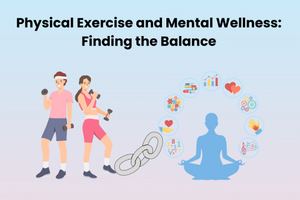



 Meditation, as explained by










 The landscape of public health is evolving rapidly, and with it, the demand for skilled professionals is surging. A graduate certificate in public health is increasingly recognized as an essential step for individuals seeking to bolster their qualifications. Here's how a specialized certificate can open new doors, enhance your expertise, and position you as a leader in the field. Keep reading to uncover the benefits that await.

 Eczema, also known as atopic dermatitis, is a chronic skin condition characterized by dry, itchy, and inflamed skin. While there are various treatments available, many people turn to home remedies to manage their symptoms. In this article, several natural remedies for eczema are explored, some remedies that should be avoided are discussed and tips for treating eczema in babies and children are identified.


 Elena Stains
Medical Student
Department of Medical Education
Geisinger Commonwealth School of Medicine
Scranton, PA
MedicalResearch.com: What is the background for this study?
Response: Opioid use has been an increasing problem since the early 2000s in the United States (US) with a surge around 2010. Twenty-five percent of those having abused pain relievers in 2013 and 2014 got those drugs from physicians1. Physicians are particularly well-known for fueling the opioid crisis in Florida in the 2000s. Of the United States’ top 100 opioid prescribing physicians in 2010, an astounding 98 were prescribing in Florida2. Florida taking the main stage of the opioid crisis can be attributed to several factors, including ability of physicians to dispense opioids directly from their offices to patients (i.e. without pharmacists) and the presence of many infamous “pill mills” in the state3–6.
The researchers at Geisinger Commonwealth School of Medicine aimed to analyze the amount of hydrocodone (including brand names of Vicodin and Lortab) and oxycodone (OxyContin and Percocet) distributed in Florida from 2006 to 2021, paying close attention to the peak year of the opioid crisis, 2010. The team used the Washington Post and the US Drug Enforcement Administration’s Automation of Reports and Consolidated Orders System (ARCOS) databases to compile this compelling information.
Elena Stains
Medical Student
Department of Medical Education
Geisinger Commonwealth School of Medicine
Scranton, PA
MedicalResearch.com: What is the background for this study?
Response: Opioid use has been an increasing problem since the early 2000s in the United States (US) with a surge around 2010. Twenty-five percent of those having abused pain relievers in 2013 and 2014 got those drugs from physicians1. Physicians are particularly well-known for fueling the opioid crisis in Florida in the 2000s. Of the United States’ top 100 opioid prescribing physicians in 2010, an astounding 98 were prescribing in Florida2. Florida taking the main stage of the opioid crisis can be attributed to several factors, including ability of physicians to dispense opioids directly from their offices to patients (i.e. without pharmacists) and the presence of many infamous “pill mills” in the state3–6.
The researchers at Geisinger Commonwealth School of Medicine aimed to analyze the amount of hydrocodone (including brand names of Vicodin and Lortab) and oxycodone (OxyContin and Percocet) distributed in Florida from 2006 to 2021, paying close attention to the peak year of the opioid crisis, 2010. The team used the Washington Post and the US Drug Enforcement Administration’s Automation of Reports and Consolidated Orders System (ARCOS) databases to compile this compelling information.





 Bone marrow aspiration is a medical procedure where a small amount of the liquid part of your bone marrow is removed for examination. A