
21 Apr All You Need to Know About LASIK
Posted at 20:04h
in Ophthalmology
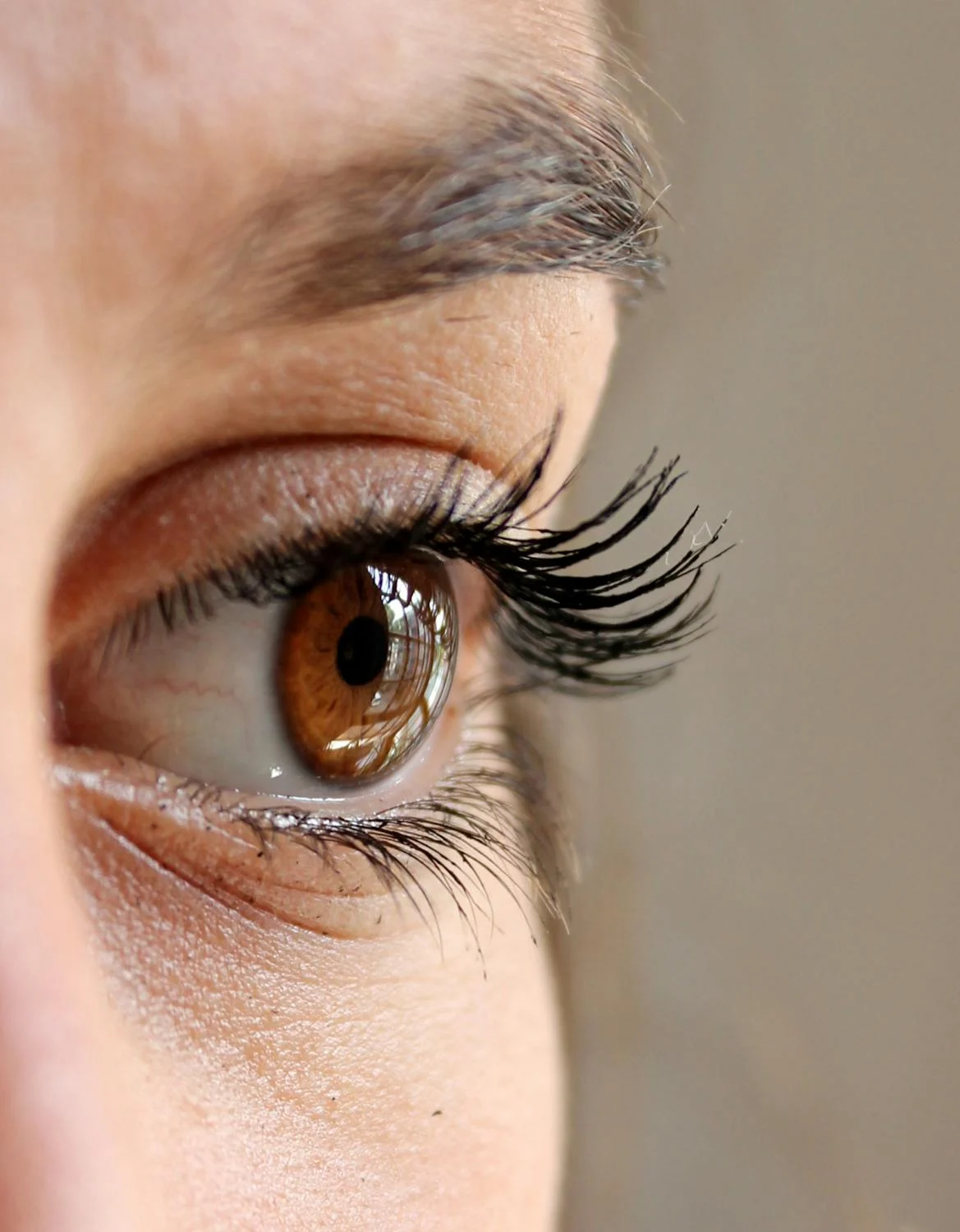
 LASIK is an excellent option for people who have to wear glasses or contacts and don't want to do that anymore. Before going in for a consultation, it's good to learn as much as possible about it. Here are some answers, including ones if you have questions about LASIK cost.
What is LASIK?
This is an outpatient surgery where the eye doctor will use a laser to reshape the corneal tissue of an eye through a flap that is also created by the laser. It's a safe procedure since the laser won't damage other tissue or other parts of the eye.
Who is a Candidate for LASIK?
While there are a lot of people who can benefit from this, there are some who aren't eligible. They include people who are under 18, those who have had multiple changes in their eyeglasses prescription, people that have extreme cases of nearsightedness, farsightedness, and astigmatism, and those who have severe dry eye. Your eye doctor will thoroughly examine your eyes and make that determination before moving ahead and scheduling the actual surgery.
LASIK is an excellent option for people who have to wear glasses or contacts and don't want to do that anymore. Before going in for a consultation, it's good to learn as much as possible about it. Here are some answers, including ones if you have questions about LASIK cost.
What is LASIK?
This is an outpatient surgery where the eye doctor will use a laser to reshape the corneal tissue of an eye through a flap that is also created by the laser. It's a safe procedure since the laser won't damage other tissue or other parts of the eye.
Who is a Candidate for LASIK?
While there are a lot of people who can benefit from this, there are some who aren't eligible. They include people who are under 18, those who have had multiple changes in their eyeglasses prescription, people that have extreme cases of nearsightedness, farsightedness, and astigmatism, and those who have severe dry eye. Your eye doctor will thoroughly examine your eyes and make that determination before moving ahead and scheduling the actual surgery.


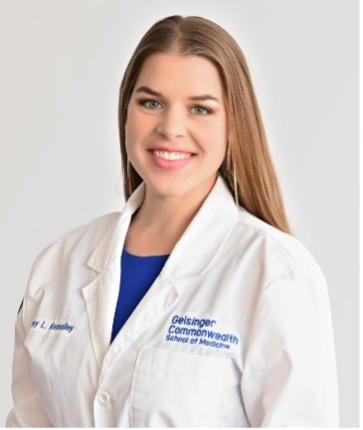
 Amy Kennalley[/caption]
Amy Kennalley, MBS
First Year Medical Student
Department of Medical Education
Geisinger Commonwealth School of Medicine
MedicalResearch.com: What is the background for this study
Response: The legalization of medical marijuana (MMJ) and the number of qualifying conditions are expanding across the USA, emphasizing the need to understand the implications of MMJ dispensary distribution for equitable access. Pennsylvania (PA) legalized MMJ in 2016, with the first dispensary opening its doors in 2018. The state currently recognizes 24 medical conditions for MMJ use, including six for which there is insufficient or no evidence for their efficacy as a treatment. Prior research suggests that there is a link between proximity to dispensaries and overall MMJ use. However, a gap exists in our understanding of how dispensary locations might be associated with the specific qualifying conditions for which individuals receive their certification.
In response to this knowledge gap, our study delved into the medical marijuana dispensary access in PA and explored associations with both MMJ certifications and the community demographics. Utilizing data from the Pennsylvania Department of Health, we investigated how proximity to MMJ dispensaries related to the proportion of individuals certified for MMJ use within a specific area or Zip Code Tabulation Area. Additionally, we analyzed the proportion of certifications for conditions with varying levels of evidence supporting the efficacy of MMJ.
This pioneering study represents the first of its kind in PA, shedding light on the association between MMJ dispensary locations and certifications. Likewise, it is the first in the US to investigate the link between dispensary locations and specific qualifying conditions. By examining these dynamics, we aim to contribute vital insights to inform policy and practice, ensuring equitable access to MMJ treatment for individuals with diverse medical needs.
Amy Kennalley[/caption]
Amy Kennalley, MBS
First Year Medical Student
Department of Medical Education
Geisinger Commonwealth School of Medicine
MedicalResearch.com: What is the background for this study
Response: The legalization of medical marijuana (MMJ) and the number of qualifying conditions are expanding across the USA, emphasizing the need to understand the implications of MMJ dispensary distribution for equitable access. Pennsylvania (PA) legalized MMJ in 2016, with the first dispensary opening its doors in 2018. The state currently recognizes 24 medical conditions for MMJ use, including six for which there is insufficient or no evidence for their efficacy as a treatment. Prior research suggests that there is a link between proximity to dispensaries and overall MMJ use. However, a gap exists in our understanding of how dispensary locations might be associated with the specific qualifying conditions for which individuals receive their certification.
In response to this knowledge gap, our study delved into the medical marijuana dispensary access in PA and explored associations with both MMJ certifications and the community demographics. Utilizing data from the Pennsylvania Department of Health, we investigated how proximity to MMJ dispensaries related to the proportion of individuals certified for MMJ use within a specific area or Zip Code Tabulation Area. Additionally, we analyzed the proportion of certifications for conditions with varying levels of evidence supporting the efficacy of MMJ.
This pioneering study represents the first of its kind in PA, shedding light on the association between MMJ dispensary locations and certifications. Likewise, it is the first in the US to investigate the link between dispensary locations and specific qualifying conditions. By examining these dynamics, we aim to contribute vital insights to inform policy and practice, ensuring equitable access to MMJ treatment for individuals with diverse medical needs.


 Dr. Tesi[/caption]
MedicalResearch.com Interview with:
RJ Tesi M.D.
CEO and Founder of
Dr. Tesi[/caption]
MedicalResearch.com Interview with:
RJ Tesi M.D.
CEO and Founder of 









 Dr. Solgama[/caption]
Jay P. Solgama
Medical Student
Department of Medical Education
Geisinger Commonwealth School of Medicine
Scranton PA
MedicalResearch.com: What is the background for this study?
Response: The opioid crisis in the United States continues to escalate, with opioid-related deaths increasing by over 800% since 2000. Prescription opioids, particularly oxycodone, have been a contributor to this crisis, with substantial variations in their distribution observed across different states [1,2,3].
Against this backdrop, the study conducted by researchers from the Geisinger Commonwealth School of Medicine aimed to characterize the distribution of oxycodone across US states from 2000 to 2021. By analyzing data from the Drug Enforcement Administration’s comprehensive Automation of Reports and Consolidated Orders System (ARCOS) and the Centers for Disease Control and Prevention Wide-ranging ONline Data for Epidemiologic Research (WONDER) databases, the study sought to identify trends and patterns in oxycodone distribution and their potential implications for opioid-related deaths [4,5].
Dr. Solgama[/caption]
Jay P. Solgama
Medical Student
Department of Medical Education
Geisinger Commonwealth School of Medicine
Scranton PA
MedicalResearch.com: What is the background for this study?
Response: The opioid crisis in the United States continues to escalate, with opioid-related deaths increasing by over 800% since 2000. Prescription opioids, particularly oxycodone, have been a contributor to this crisis, with substantial variations in their distribution observed across different states [1,2,3].
Against this backdrop, the study conducted by researchers from the Geisinger Commonwealth School of Medicine aimed to characterize the distribution of oxycodone across US states from 2000 to 2021. By analyzing data from the Drug Enforcement Administration’s comprehensive Automation of Reports and Consolidated Orders System (ARCOS) and the Centers for Disease Control and Prevention Wide-ranging ONline Data for Epidemiologic Research (WONDER) databases, the study sought to identify trends and patterns in oxycodone distribution and their potential implications for opioid-related deaths [4,5].



 Dr. Thomas Robert[/caption]
MedicalResearch.com Interview with:
Thomas Robert, MD, AIX
Associate Professor of Nephrology
APHM (Assistance Publique - Hopitaux de Marseille)
Marseille, Provence-Alpes-Côte d'Azur, France
[caption id="attachment_61498" align="alignleft" width="132"]
Dr. Thomas Robert[/caption]
MedicalResearch.com Interview with:
Thomas Robert, MD, AIX
Associate Professor of Nephrology
APHM (Assistance Publique - Hopitaux de Marseille)
Marseille, Provence-Alpes-Côte d'Azur, France
[caption id="attachment_61498" align="alignleft" width="132"] Dr. Letavernier[/caption]
Prof. Emmanuel Letavernier, MD PhD
Nephrologist at Tenon Hospital
Paris, France
MedicalResearch.com: What is the background for this study?
Response: Our work was prompted by emerging concerns surrounding the potential nephrotoxic effects of hair-straightening products containing glyoxylic acid. This inquiry was instigated by a patient who experienced three repeated acute episodes of kidney injury in June 2020, April 2021, and July 2022, each occurring shortly after a hair-straightening procedure. Notably, these episodes resolved with hydration.
Upon examining the composition of the hair product used by the patient, which contained glyoxylic acid, and considering the patient's report of painful ulcer scalp during application and subsequent scalp scarring, we suspected a potential link between exposure to glyoxylic acid and kidney injury. Consulting with my colleague, Professor Emmanuel Letavenier, a specialist in crystalline nephropathy at Paris, confirmed this suspicion.
In summer 2023, cases series have been reported by an Israeli team (
Dr. Letavernier[/caption]
Prof. Emmanuel Letavernier, MD PhD
Nephrologist at Tenon Hospital
Paris, France
MedicalResearch.com: What is the background for this study?
Response: Our work was prompted by emerging concerns surrounding the potential nephrotoxic effects of hair-straightening products containing glyoxylic acid. This inquiry was instigated by a patient who experienced three repeated acute episodes of kidney injury in June 2020, April 2021, and July 2022, each occurring shortly after a hair-straightening procedure. Notably, these episodes resolved with hydration.
Upon examining the composition of the hair product used by the patient, which contained glyoxylic acid, and considering the patient's report of painful ulcer scalp during application and subsequent scalp scarring, we suspected a potential link between exposure to glyoxylic acid and kidney injury. Consulting with my colleague, Professor Emmanuel Letavenier, a specialist in crystalline nephropathy at Paris, confirmed this suspicion.
In summer 2023, cases series have been reported by an Israeli team (







 When you visit your doctor, you expect to receive accurate diagnoses and appropriate treatment. However, medical professionals can sometimes make mistakes that have serious consequences for patients. If you believe you have been the victim of a misdiagnosis in Virginia, you may be wondering about your legal options. Can you sue your doctor for a wrong diagnosis?
Consider the hypothetical case of Sarah, a hardworking professional plagued by persistent fatigue and headaches. After a series of tests with ambiguous results, her physician diagnoses her with chronic fatigue syndrome. Feeling a sense of relief at finally having an answer, Sarah diligently follows the recommended treatment plan and makes significant lifestyle changes. Despite her efforts, her health continues to deteriorate. Seeking a second opinion, Sarah discovers that she actually has a tumor which, while treatable, has gone undetected and caused substantial harm. Sarah's story illustrates the potentially devastating impact of a misdiagnosis, leaving her with both emotional trauma and severe medical issues.
When you visit your doctor, you expect to receive accurate diagnoses and appropriate treatment. However, medical professionals can sometimes make mistakes that have serious consequences for patients. If you believe you have been the victim of a misdiagnosis in Virginia, you may be wondering about your legal options. Can you sue your doctor for a wrong diagnosis?
Consider the hypothetical case of Sarah, a hardworking professional plagued by persistent fatigue and headaches. After a series of tests with ambiguous results, her physician diagnoses her with chronic fatigue syndrome. Feeling a sense of relief at finally having an answer, Sarah diligently follows the recommended treatment plan and makes significant lifestyle changes. Despite her efforts, her health continues to deteriorate. Seeking a second opinion, Sarah discovers that she actually has a tumor which, while treatable, has gone undetected and caused substantial harm. Sarah's story illustrates the potentially devastating impact of a misdiagnosis, leaving her with both emotional trauma and severe medical issues.



 Dr. Cortese[/caption]
Marianna Cortese, MD, PhD
Senior Research Scientist
Dr. Cortese[/caption]
Marianna Cortese, MD, PhD
Senior Research Scientist