
27 May 4 Potential Consequences of Failing to Seek Treatment for Alcoholism
Women remain more at risk of liver disease resulting from alcohol use, although heavy users of both sexes develop fatty liver over time...

Women remain more at risk of liver disease resulting from alcohol use, although heavy users of both sexes develop fatty liver over time...
 Dr. Kelly[/caption]
John F. Kelly, Ph.D., ABPP.
Recovery Research Institute
Elizabeth R. Spallin Professor of Psychiatry in Addiction Medicine
Harvard Medical School
MedicalResearch.com: What is the background for this study?
Response: Alcohol use disorder is one of the leading causes of disease, disability, and preventable death worldwide. Alcoholics Anonymous (AA) is a widespread international recovery support organization designed to address it. While it has remained popular and influential for many decades, until recently the quantity and quality of the research on AA and clinical treatments designed to stimulate AA involvement – Twelve-Step Facilitation (TSF) treatments – had not been evaluated adequately.
This systematic review and meta-analysis used the rigor of the Cochrane review system to subject AA/TSF to the same scientific standards as other clinical interventions.
Dr. Kelly[/caption]
John F. Kelly, Ph.D., ABPP.
Recovery Research Institute
Elizabeth R. Spallin Professor of Psychiatry in Addiction Medicine
Harvard Medical School
MedicalResearch.com: What is the background for this study?
Response: Alcohol use disorder is one of the leading causes of disease, disability, and preventable death worldwide. Alcoholics Anonymous (AA) is a widespread international recovery support organization designed to address it. While it has remained popular and influential for many decades, until recently the quantity and quality of the research on AA and clinical treatments designed to stimulate AA involvement – Twelve-Step Facilitation (TSF) treatments – had not been evaluated adequately.
This systematic review and meta-analysis used the rigor of the Cochrane review system to subject AA/TSF to the same scientific standards as other clinical interventions.
 Dr. Dawson[/caption]
Dr. Eric Dawson, PharmD
Vice President, Clinical Affairs
Millennium Health
MedicalResearch.com: What is the background for this study?
Response: The US Centers for Disease Control and Prevention has projected a drop in the number of overdose deaths for 2018; the first reported decline since 1990. They cite a decrease in prescription opioid deaths as the leading contributor to the overall reduction, but caution that deaths associated with synthetic opioids, primarily fentanyl, as well as stimulants appear to be increasing.
In 2019, we reported a 798% increase in urine drug test positivity rates for nonprescribed fentanyl among results positive for methamphetamine and an 1850% increase among results positive for cocaine. In an effort to conduct ongoing surveillance of the polysubstance use landscape and help characterize these evolving trends in a more timely manner, we examined our UDT data as close to real-time as possible to observe trends in positivity for methamphetamine, cocaine, and heroin, with and without illicit fentanyl.
Dr. Dawson[/caption]
Dr. Eric Dawson, PharmD
Vice President, Clinical Affairs
Millennium Health
MedicalResearch.com: What is the background for this study?
Response: The US Centers for Disease Control and Prevention has projected a drop in the number of overdose deaths for 2018; the first reported decline since 1990. They cite a decrease in prescription opioid deaths as the leading contributor to the overall reduction, but caution that deaths associated with synthetic opioids, primarily fentanyl, as well as stimulants appear to be increasing.
In 2019, we reported a 798% increase in urine drug test positivity rates for nonprescribed fentanyl among results positive for methamphetamine and an 1850% increase among results positive for cocaine. In an effort to conduct ongoing surveillance of the polysubstance use landscape and help characterize these evolving trends in a more timely manner, we examined our UDT data as close to real-time as possible to observe trends in positivity for methamphetamine, cocaine, and heroin, with and without illicit fentanyl.
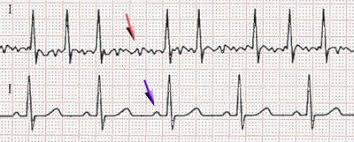
 Dr. Kistler[/caption]
Professor Peter M Kistler MBBS, PhD, FRACP
Head of Clinical Electrophysiology Research
Baker Heart and Diabetes Institute
Head of Electrophysiology at The Alfred hospital
Professor of Medicine
University of Melbourne.
MedicalResearch.com: What is the background for this study?
Response: There is a well known association between alcohol intake and atrial fibrillation form population based studies which demonstrate that for every 1 standard drink the incidence of AFib increases by 8%.
This is the first randomised study to determine of alcohol reduction/abstinence leads to a reduction in AFib episodes and time to recurrence.
Dr. Kistler[/caption]
Professor Peter M Kistler MBBS, PhD, FRACP
Head of Clinical Electrophysiology Research
Baker Heart and Diabetes Institute
Head of Electrophysiology at The Alfred hospital
Professor of Medicine
University of Melbourne.
MedicalResearch.com: What is the background for this study?
Response: There is a well known association between alcohol intake and atrial fibrillation form population based studies which demonstrate that for every 1 standard drink the incidence of AFib increases by 8%.
This is the first randomised study to determine of alcohol reduction/abstinence leads to a reduction in AFib episodes and time to recurrence.

 Manja Koch[/caption]
Manja Koch Dr. oec. troph. (Ph.D. equivalent)
Research Associate
Department of Nutrition
Harvard T.H. Chan School of Public Health
Manja Koch[/caption]
Manja Koch Dr. oec. troph. (Ph.D. equivalent)
Research Associate
Department of Nutrition
Harvard T.H. Chan School of Public Health
 Majken K. Jensen, PhD
Associate Professor of Nutrition
Harvard T.H. Chan School of Public Health
MedicalResearch.com: What is the background for this study?
Response: Alzheimer’s disease and other dementias are highly prevalent conditions. According to the Alzheimer’s Association, 50 million people are currently living with Alzheimer’s disease or other dementias worldwide.
Given the lack of a cure or even disease-modifying therapies for most dementias, the identification of risk factors or factors that prevent or delay the onset of dementia remains of paramount concern.
Alcohol is a globally consumed beverage and light-to-moderate alcohol consumption, defined as up to one drink per day for women and up to two drinks per day for men, tends to be associated with lower risk of cardiovascular disease, a major risk factor for dementia. However, the effects of light-to-moderate alcohol intake on the brain are less clear.
Majken K. Jensen, PhD
Associate Professor of Nutrition
Harvard T.H. Chan School of Public Health
MedicalResearch.com: What is the background for this study?
Response: Alzheimer’s disease and other dementias are highly prevalent conditions. According to the Alzheimer’s Association, 50 million people are currently living with Alzheimer’s disease or other dementias worldwide.
Given the lack of a cure or even disease-modifying therapies for most dementias, the identification of risk factors or factors that prevent or delay the onset of dementia remains of paramount concern.
Alcohol is a globally consumed beverage and light-to-moderate alcohol consumption, defined as up to one drink per day for women and up to two drinks per day for men, tends to be associated with lower risk of cardiovascular disease, a major risk factor for dementia. However, the effects of light-to-moderate alcohol intake on the brain are less clear.


 Dr. Midgette[/caption]
Greg Midgette, PhD
Assistant Professor
Department of Criminology and Criminal Justice
University of Maryland
MedicalResearch.com: What is the background for this study?
Response: This report estimates marijuana, cocaine, heroin, and methamphetamine use in the U.S. between 2006 and 2016 on three dimensions: the number of past-month chronic users per year, where "chronic" has previously been defined as consuming the drug at least four days in the past month, expenditure per drug among those users, and consumption of each drug. These measures are meant to aid the public and policy makers' understanding of changes in drug use, outcomes, and policies.
Dr. Midgette[/caption]
Greg Midgette, PhD
Assistant Professor
Department of Criminology and Criminal Justice
University of Maryland
MedicalResearch.com: What is the background for this study?
Response: This report estimates marijuana, cocaine, heroin, and methamphetamine use in the U.S. between 2006 and 2016 on three dimensions: the number of past-month chronic users per year, where "chronic" has previously been defined as consuming the drug at least four days in the past month, expenditure per drug among those users, and consumption of each drug. These measures are meant to aid the public and policy makers' understanding of changes in drug use, outcomes, and policies.
 Daniel Myran[/caption]
Daniel Myran, MD, MPH, CCFP
Public Health & Preventive Medicine, PGY-5
University of Ottawa
MedicalResearch.com: What is the background for this study?
Response: We know that alcohol consumption results in enormous health and societal harms globally and in Canada.
While several studies have looked at changes in alcohol harms, such as Emergency Department (ED) visits and Hospitalizations due alcohol, this study is the first to examine in detail how harms related to alcohol have been changing over time in Canada.
Daniel Myran[/caption]
Daniel Myran, MD, MPH, CCFP
Public Health & Preventive Medicine, PGY-5
University of Ottawa
MedicalResearch.com: What is the background for this study?
Response: We know that alcohol consumption results in enormous health and societal harms globally and in Canada.
While several studies have looked at changes in alcohol harms, such as Emergency Department (ED) visits and Hospitalizations due alcohol, this study is the first to examine in detail how harms related to alcohol have been changing over time in Canada.
 Dr Andrew Turner, PhD
Associate Professor (Reader) in Environmental Sciences
School of Geography, Earth and Environmental Sciences
MedicalResearch.com: What is the background for this study? What are the main findings?
Response: This study was part of a wider study to look at potentially toxic metals in everyday household and consumer products.
The main findings here are that many enameled bottles, mainly used to store alcoholic beverages, contain very high levels of cadmium and lead in the décor.
Dr Andrew Turner, PhD
Associate Professor (Reader) in Environmental Sciences
School of Geography, Earth and Environmental Sciences
MedicalResearch.com: What is the background for this study? What are the main findings?
Response: This study was part of a wider study to look at potentially toxic metals in everyday household and consumer products.
The main findings here are that many enameled bottles, mainly used to store alcoholic beverages, contain very high levels of cadmium and lead in the décor.

Our study highlights the possible negative cardiovascular and hepatic impact associated with high-intensity binge drinking....
 Dr. Wong[/caption]
Robert Wong, MD, MS, FACG
Assistant Clinical Professor of Medicine
Director, GI Education & Research
Highland Hospital I A member of Alameda Health System
Oakland, CA 94602
MedicalResearch.com: What is the background for this study?
Response: Alcoholic liver disease is a major cause of chronic liver disease in the United States and has become the leading indication for liver transplantation in the U.S. However, accurate estimates of the true burden among U.S. adults is not well studies due to challenges in accurately identifying alcoholic liver disease or lack of awareness is screening individuals for alcohol use disorder. Given the gaps in knowledge regarding the epidemiology of alcoholic liver disease in the U.S., our current study attempts to further contribute to the understanding of alcoholic liver disease epidemiology in the U.S
We utilized a U.S. national cross sectional database and focused on the specific subset of alcoholic fatty liver disease, which is the earlier stage of disease along the spectrum of alcoholic liver disease. Focusing on alcoholic fatty liver disease allowed us to more accurately define and capture the prevalence of this disease. Furthermore, given that alcoholic fatty liver disease is early on the overall spectrum of alcoholic liver disease, it is a disease state that early identification provides opportunities to implement therapy and counseling for alcohol abstinence that can prevent further liver damage and disease progression.
Dr. Wong[/caption]
Robert Wong, MD, MS, FACG
Assistant Clinical Professor of Medicine
Director, GI Education & Research
Highland Hospital I A member of Alameda Health System
Oakland, CA 94602
MedicalResearch.com: What is the background for this study?
Response: Alcoholic liver disease is a major cause of chronic liver disease in the United States and has become the leading indication for liver transplantation in the U.S. However, accurate estimates of the true burden among U.S. adults is not well studies due to challenges in accurately identifying alcoholic liver disease or lack of awareness is screening individuals for alcohol use disorder. Given the gaps in knowledge regarding the epidemiology of alcoholic liver disease in the U.S., our current study attempts to further contribute to the understanding of alcoholic liver disease epidemiology in the U.S
We utilized a U.S. national cross sectional database and focused on the specific subset of alcoholic fatty liver disease, which is the earlier stage of disease along the spectrum of alcoholic liver disease. Focusing on alcoholic fatty liver disease allowed us to more accurately define and capture the prevalence of this disease. Furthermore, given that alcoholic fatty liver disease is early on the overall spectrum of alcoholic liver disease, it is a disease state that early identification provides opportunities to implement therapy and counseling for alcohol abstinence that can prevent further liver damage and disease progression.

 Dr. Kranzler[/caption]
Henry R. Kranzler, MD
Professor of Psychiatry
Perelman School of Medicine
University of Pennsylvania
MedicalResearch.com: What is the background for this study? What are the main findings?
Response: Alcohol consumption and alcohol use disorder (AUD) are moderately heritable traits. To date, genome-wide association studies (GWAS) have not examined these traits in the same sample, which limits an assessment of the extent to which genetic variation is unique to one or the other or shared.
This GWAS examined a large sample (nearly 275,000 individuals) from the U.S. Veterans Affairs Million Veteran Program (MVP) for whom data on both alcohol consumption and alcohol use disorder diagnoses were available from an electronic health record. We identified 18 genetic variants that were significantly associated with either alcohol consumption, AUD, or both. Five of the variants were associated with both traits, eight with consumption only, and five with alcohol use disorder only.
Dr. Kranzler[/caption]
Henry R. Kranzler, MD
Professor of Psychiatry
Perelman School of Medicine
University of Pennsylvania
MedicalResearch.com: What is the background for this study? What are the main findings?
Response: Alcohol consumption and alcohol use disorder (AUD) are moderately heritable traits. To date, genome-wide association studies (GWAS) have not examined these traits in the same sample, which limits an assessment of the extent to which genetic variation is unique to one or the other or shared.
This GWAS examined a large sample (nearly 275,000 individuals) from the U.S. Veterans Affairs Million Veteran Program (MVP) for whom data on both alcohol consumption and alcohol use disorder diagnoses were available from an electronic health record. We identified 18 genetic variants that were significantly associated with either alcohol consumption, AUD, or both. Five of the variants were associated with both traits, eight with consumption only, and five with alcohol use disorder only.


Late post- liver transplantation survival after 5-years is 11% lower for alcohol-associated liver disease (vs. non-ALD). ...
 Dr. Ingunn Olea Lund[/caption]
Dr. Ingunn Olea Lund, PhD
The Norwegian Institute of Public Health
Oslo, Norway
MedicalResearch.com: What is the background for this study?
Response: There are significant amounts of research on children of parents with alcohol use disorders – where the children are shown to be at risk of several adverse outcomes, including mental disorders, substance use disorders, suicide, impaired school performance, and employment problems. There is very little previous research on how other, more normal levels of parental drinking may influence child outcomes, such as mental health. This is a grave oversight, as there are vastly more parents with normal drinking patterns than there are parents who suffer from an alcohol use disorder. This means that there are potentially a lot more cases of adverse effect for children, and the number of children at risk may be higher than previously assumed.
In addition to parents' alcohol use, several other risk factors in the family that may affect child mental health outcomes, such as parents' mental health and socio-economic status. Researchers have tended to look at these risk factors separately, but as these risks tend to co-occur, it may be more informative to consider them together.
To our knowledge, this is the first study that examines possible harm from normal levels of parental drinking, alone or in combination with other parental risk factors, on children’s anxiety and depression.
The sample consists of more than 8700 triads: children and both their parents. We combined information from three health registries with survey data where both adolescents and their parents provided information about health and social conditions. The health registers include information about the children 's actual contact with the health care system; we used information about whether children received diagnoses and/or treatment for anxiety and/or depression.
Dr. Ingunn Olea Lund[/caption]
Dr. Ingunn Olea Lund, PhD
The Norwegian Institute of Public Health
Oslo, Norway
MedicalResearch.com: What is the background for this study?
Response: There are significant amounts of research on children of parents with alcohol use disorders – where the children are shown to be at risk of several adverse outcomes, including mental disorders, substance use disorders, suicide, impaired school performance, and employment problems. There is very little previous research on how other, more normal levels of parental drinking may influence child outcomes, such as mental health. This is a grave oversight, as there are vastly more parents with normal drinking patterns than there are parents who suffer from an alcohol use disorder. This means that there are potentially a lot more cases of adverse effect for children, and the number of children at risk may be higher than previously assumed.
In addition to parents' alcohol use, several other risk factors in the family that may affect child mental health outcomes, such as parents' mental health and socio-economic status. Researchers have tended to look at these risk factors separately, but as these risks tend to co-occur, it may be more informative to consider them together.
To our knowledge, this is the first study that examines possible harm from normal levels of parental drinking, alone or in combination with other parental risk factors, on children’s anxiety and depression.
The sample consists of more than 8700 triads: children and both their parents. We combined information from three health registries with survey data where both adolescents and their parents provided information about health and social conditions. The health registers include information about the children 's actual contact with the health care system; we used information about whether children received diagnoses and/or treatment for anxiety and/or depression.
 Dr. Brown[/caption]
David L. Brown, MD, FACC
Professor of Medicine
Cardiovascular Division
Washington University School of Medicine
St. Louis, MO 63110
MedicalResearch.com: What is the background for this study? What are the main findings?
Response: The genesis of this study was a patient asking me if he could continue to have a nightly cocktail or two after he was hospitalized with the new diagnosis of heart failure.
The main findings are that moderate drinking after the diagnosis of heart failure in older adults is probably safe and is associated with longer survival. These types of studies can not prove a causal relationship between alcohol consumption and survival.
Dr. Brown[/caption]
David L. Brown, MD, FACC
Professor of Medicine
Cardiovascular Division
Washington University School of Medicine
St. Louis, MO 63110
MedicalResearch.com: What is the background for this study? What are the main findings?
Response: The genesis of this study was a patient asking me if he could continue to have a nightly cocktail or two after he was hospitalized with the new diagnosis of heart failure.
The main findings are that moderate drinking after the diagnosis of heart failure in older adults is probably safe and is associated with longer survival. These types of studies can not prove a causal relationship between alcohol consumption and survival.

 Dr. Dermody[/caption]
Dr. Sarah Dermody, PhD
Assistant Professor
School of Psychological Science
Oregon State University
Corvallis Oregon
MedicalResearch.com: What is the background for this study? What are the main findings?
Response: Drinking alcohol is a risk factor for sustained smoking. In a sample of daily cigarette smokers receiving treatment for alcohol use disorder, we examined if reductions in drinking corresponded with reductions in nicotine metabolism as indexed by the nicotine metabolite ratio. The nicotine metabolite ratio is important because it is associated with smoking level and lapses. We found that for men, alcohol use and the nicotine metabolite ratio reduced significantly; however, for women, neither drinking nor nicotine metabolite ratio changed.
Dr. Dermody[/caption]
Dr. Sarah Dermody, PhD
Assistant Professor
School of Psychological Science
Oregon State University
Corvallis Oregon
MedicalResearch.com: What is the background for this study? What are the main findings?
Response: Drinking alcohol is a risk factor for sustained smoking. In a sample of daily cigarette smokers receiving treatment for alcohol use disorder, we examined if reductions in drinking corresponded with reductions in nicotine metabolism as indexed by the nicotine metabolite ratio. The nicotine metabolite ratio is important because it is associated with smoking level and lapses. We found that for men, alcohol use and the nicotine metabolite ratio reduced significantly; however, for women, neither drinking nor nicotine metabolite ratio changed.
 Simona Costanzo MS, PhD
Laboratory of Molecular and Nutritional Epidemiology,
Department of Epidemiology and Prevention.
IRCCS Istituto Neurologico Mediterraneo Neuromed,
Italy
MedicalResearch.com: What is the background for this study? What are the main findings?
Response: We investigated how the different intake of alcohol relates to all-cause and cause-specific hospitalizations. In particular, we mainly investigated the association of alcohol consumption with total number of hospitalizations that occurred during 6 years of follow-up.
We also examined cause-specific hospitalizations (e.g., alcohol-related diseases, vascular diseases, cancer, traumatic injury, and neurodegenerative diseases).
Simona Costanzo MS, PhD
Laboratory of Molecular and Nutritional Epidemiology,
Department of Epidemiology and Prevention.
IRCCS Istituto Neurologico Mediterraneo Neuromed,
Italy
MedicalResearch.com: What is the background for this study? What are the main findings?
Response: We investigated how the different intake of alcohol relates to all-cause and cause-specific hospitalizations. In particular, we mainly investigated the association of alcohol consumption with total number of hospitalizations that occurred during 6 years of follow-up.
We also examined cause-specific hospitalizations (e.g., alcohol-related diseases, vascular diseases, cancer, traumatic injury, and neurodegenerative diseases).

 Dr. Mangione[/caption]
Dr. Carol Mangione M.D., M.S.P.H., F.A.C.P
Ronald Reagan UCLA Medical Center
Division Chief of General Internal Medicine and Health Services Research
Professor of Medicine.
Barbara A. Levey, MD, and Gerald S. Levey, MD
Endowed chair in medicine David Geffen School of Medicine
University of California
MedicalResearch.com: What is the background for this study? What are the main findings?
Response: Unhealthy alcohol use is relatively common and is increasing among U.S. adults. Alcohol use is the third leading cause of preventable death in the U.S. and contributes to more than 88,000 deaths per year. In pregnancy, it also leads to birth defects and developmental problems in children. The Task Force found that screening tests and brief counseling interventions can help detect and reduce unhealthy alcohol use among adults, and in turn help prevent negative consequences related to alcohol use. For adolescents ages 12 to 17, clinicians should use their best judgment when deciding whether or not to screen and refer their patients to counseling, until we have better studies available.
Dr. Mangione[/caption]
Dr. Carol Mangione M.D., M.S.P.H., F.A.C.P
Ronald Reagan UCLA Medical Center
Division Chief of General Internal Medicine and Health Services Research
Professor of Medicine.
Barbara A. Levey, MD, and Gerald S. Levey, MD
Endowed chair in medicine David Geffen School of Medicine
University of California
MedicalResearch.com: What is the background for this study? What are the main findings?
Response: Unhealthy alcohol use is relatively common and is increasing among U.S. adults. Alcohol use is the third leading cause of preventable death in the U.S. and contributes to more than 88,000 deaths per year. In pregnancy, it also leads to birth defects and developmental problems in children. The Task Force found that screening tests and brief counseling interventions can help detect and reduce unhealthy alcohol use among adults, and in turn help prevent negative consequences related to alcohol use. For adolescents ages 12 to 17, clinicians should use their best judgment when deciding whether or not to screen and refer their patients to counseling, until we have better studies available.
 Sarah Hartz, MD PhD
Assistant Professor
Department of Psychiatry
Washington University School of Medicine in St. Louis
MedicalResearch.com: What is the background for this study? What are the main findings?
Response: This study is the first to show that daily drinking is dangerous. Specifically, drinking four or more times weekly, even if it’s only 1-2 drinks at a time, increases risk of mortality. This is in line with recent studies published in the Lancet, but we were able to break down their lowest drinking categories (up to 12.5 drinks weekly in one and up to 5.6 drinks weekly in the other) and found that the frequency is important, not just the average number of drinks per week. It looks like the increased mortality is predominantly due to cancer-related deaths.
Sarah Hartz, MD PhD
Assistant Professor
Department of Psychiatry
Washington University School of Medicine in St. Louis
MedicalResearch.com: What is the background for this study? What are the main findings?
Response: This study is the first to show that daily drinking is dangerous. Specifically, drinking four or more times weekly, even if it’s only 1-2 drinks at a time, increases risk of mortality. This is in line with recent studies published in the Lancet, but we were able to break down their lowest drinking categories (up to 12.5 drinks weekly in one and up to 5.6 drinks weekly in the other) and found that the frequency is important, not just the average number of drinks per week. It looks like the increased mortality is predominantly due to cancer-related deaths.

 Dr. Trangenstein[/caption]
Pamela Trangenstein, PhD
While a predoctoral fellow at
Johns Hopkins Bloomberg School of Public Health's Center on Alcohol Marketing and Youth (CAMY)
MedicalResearch.com: What is the background for this study? What are the main findings?
Response: Research repeatedly shows that alcohol outlet density (the number of businesses that sell alcohol in an area) is associated with violent crime, but studies disagree about whether alcohol outlets that are on premise (e.g., bars, restaurants) or off premise (e.g., liquor stores, beer and wine stores) have a stronger association with violent crime.
We used advanced methods that consider both the number of alcohol outlets and their locations to better understand how the association between alcohol outlets and violent crime differs by type of outlet.
We found that alcohol outlets that allow off-premise sales like liquor stores had a stronger association with homicide, aggravated assault, and robbery than on-premise outlets like bars and restaurants. We also found that disadvantaged neighborhoods had higher access to the types of alcohol outlets associated with the most harms: off-premise outlets.
Dr. Trangenstein[/caption]
Pamela Trangenstein, PhD
While a predoctoral fellow at
Johns Hopkins Bloomberg School of Public Health's Center on Alcohol Marketing and Youth (CAMY)
MedicalResearch.com: What is the background for this study? What are the main findings?
Response: Research repeatedly shows that alcohol outlet density (the number of businesses that sell alcohol in an area) is associated with violent crime, but studies disagree about whether alcohol outlets that are on premise (e.g., bars, restaurants) or off premise (e.g., liquor stores, beer and wine stores) have a stronger association with violent crime.
We used advanced methods that consider both the number of alcohol outlets and their locations to better understand how the association between alcohol outlets and violent crime differs by type of outlet.
We found that alcohol outlets that allow off-premise sales like liquor stores had a stronger association with homicide, aggravated assault, and robbery than on-premise outlets like bars and restaurants. We also found that disadvantaged neighborhoods had higher access to the types of alcohol outlets associated with the most harms: off-premise outlets.
Drinking just one bottle of beer increases your chances of being in an automobile accident by 46 percent. ...

 Dr. Emma Allott[/caption]
Emma H. Allott, PhD
Research Assistant Professor of Nutrition
UNC GILLINGS SCHOOL OF GLOBAL PUBLIC HEALTH
University of North Carolina, Chapel Hill
MedicalResearch.com: What is the background for this study? What are the main findings?
Response: Prostate cancer development may span decades. In addition, the prostate grows rapidly during puberty and therefore may be particularly susceptible to dietary or lifestyle factors during this time.
Our study found that heavier alcohol intake earlier in life, as well as higher cumulative alcohol intake across the lifespan, was associated with an increased odds of being diagnosed with an aggressive (clinically significant) prostate cancer in later life. However, current alcohol intake at the time of prostate cancer diagnosis was unrelated to tumor aggressiveness.
Dr. Emma Allott[/caption]
Emma H. Allott, PhD
Research Assistant Professor of Nutrition
UNC GILLINGS SCHOOL OF GLOBAL PUBLIC HEALTH
University of North Carolina, Chapel Hill
MedicalResearch.com: What is the background for this study? What are the main findings?
Response: Prostate cancer development may span decades. In addition, the prostate grows rapidly during puberty and therefore may be particularly susceptible to dietary or lifestyle factors during this time.
Our study found that heavier alcohol intake earlier in life, as well as higher cumulative alcohol intake across the lifespan, was associated with an increased odds of being diagnosed with an aggressive (clinically significant) prostate cancer in later life. However, current alcohol intake at the time of prostate cancer diagnosis was unrelated to tumor aggressiveness.

 Dr. Grodin[/caption]
Erica Grodin, Ph.D.
Postdoctoral Fellow
Dept. of Psychology and Psychiatry
University of California
MedicalResearch.com: What is the background for this study? What are the main findings?
Response: The hallmark of addictive disorders, including alcohol use disorder, is drug use that continues despite negative consequences. This pattern of use is referred to as “compulsive” and is one of the major barriers to treating addiction. We don’t yet fully understand what brain regions are responsible for compulsive alcohol use.
Our study used a neuroimaging method called functional magnetic resonance imaging which allows us to see which areas of the brain are more active when an individual is performing a task. To investigate what brain regions are involved in compulsive alcohol seeking, we designed a task during which study participants could try to earn alcohol and food points at the risk of receiving a negative consequence, an electric shock. Study participants were light drinkers (men who drank <15 drinks/week and women who drank <10 drinks/week) and heavy drinkers (men who drank ≥20 drinks/week and women who drank ≥15 drinks/week).
We found that heavy drinking individuals were more likely to try to earn alcohol points that were paired with a potential negative consequence than light drinkers were. This behavior of compulsive alcohol seeking was associated with increased brain activation in the medial prefrontal cortex, anterior insula, and ventral and dorsal striatum.
Dr. Grodin[/caption]
Erica Grodin, Ph.D.
Postdoctoral Fellow
Dept. of Psychology and Psychiatry
University of California
MedicalResearch.com: What is the background for this study? What are the main findings?
Response: The hallmark of addictive disorders, including alcohol use disorder, is drug use that continues despite negative consequences. This pattern of use is referred to as “compulsive” and is one of the major barriers to treating addiction. We don’t yet fully understand what brain regions are responsible for compulsive alcohol use.
Our study used a neuroimaging method called functional magnetic resonance imaging which allows us to see which areas of the brain are more active when an individual is performing a task. To investigate what brain regions are involved in compulsive alcohol seeking, we designed a task during which study participants could try to earn alcohol and food points at the risk of receiving a negative consequence, an electric shock. Study participants were light drinkers (men who drank <15 drinks/week and women who drank <10 drinks/week) and heavy drinkers (men who drank ≥20 drinks/week and women who drank ≥15 drinks/week).
We found that heavy drinking individuals were more likely to try to earn alcohol points that were paired with a potential negative consequence than light drinkers were. This behavior of compulsive alcohol seeking was associated with increased brain activation in the medial prefrontal cortex, anterior insula, and ventral and dorsal striatum.
 Barbara D. Fontana
Laboratory of Experimental Neuropsychobiology,
Department of Biochemistry and Molecular Biology
Natural and Exact Sciences Center
Graduate Program in Biological Sciences
Toxicological Biochemistry, Federal University of Santa Maria,
Santa Maria, Brazil
MedicalResearch.com: What is the background for this study? What are the main findings?
Response: Our research group has been working with taurine and alcohol association for a long time. The background for this study is around increased consumption of molecules present in energy drinks frequently used as mixers for alcoholic beverages. Taurine is one of the most abundant molecules found in energetic drinks and has a neuromodulatory role in brain. In this context, we explore the effects of taurine associated to alcohol. Thus, as result we observed that this association exacerbate risky choices and reduces social cohesion in zebrafish, having a negative impact in social and fear-related behavior.
Barbara D. Fontana
Laboratory of Experimental Neuropsychobiology,
Department of Biochemistry and Molecular Biology
Natural and Exact Sciences Center
Graduate Program in Biological Sciences
Toxicological Biochemistry, Federal University of Santa Maria,
Santa Maria, Brazil
MedicalResearch.com: What is the background for this study? What are the main findings?
Response: Our research group has been working with taurine and alcohol association for a long time. The background for this study is around increased consumption of molecules present in energy drinks frequently used as mixers for alcoholic beverages. Taurine is one of the most abundant molecules found in energetic drinks and has a neuromodulatory role in brain. In this context, we explore the effects of taurine associated to alcohol. Thus, as result we observed that this association exacerbate risky choices and reduces social cohesion in zebrafish, having a negative impact in social and fear-related behavior.

 Elena Ricci, ScD, PhD
Fondazione IRCCS Ca’ Granda Ospedale Maggiore Policlinico,
Milano
MedicalResearch.com: What is the background for this study? What are the main findings?
Response: The role of alcohol drinking on male fertility is still controversial. A negative association between alcohol intake and semen quality has been suggested by some authors, although other studies did not confirm this finding. We performed a cross-sectional analysis of baseline data from a cohort study on subfertile couples, and found that men with a moderate alcohol intake (4 to 7 units of ethanol per week - 1unit=12.5 grams ) had higher semen volume and sperm total count than men with both lower and higher intake.
Abstainers had a better sperm concentration, but the small size of this group prevented us from drawing any significant conclusions. Alcohol was not associated to sperm motility.
Elena Ricci, ScD, PhD
Fondazione IRCCS Ca’ Granda Ospedale Maggiore Policlinico,
Milano
MedicalResearch.com: What is the background for this study? What are the main findings?
Response: The role of alcohol drinking on male fertility is still controversial. A negative association between alcohol intake and semen quality has been suggested by some authors, although other studies did not confirm this finding. We performed a cross-sectional analysis of baseline data from a cohort study on subfertile couples, and found that men with a moderate alcohol intake (4 to 7 units of ethanol per week - 1unit=12.5 grams ) had higher semen volume and sperm total count than men with both lower and higher intake.
Abstainers had a better sperm concentration, but the small size of this group prevented us from drawing any significant conclusions. Alcohol was not associated to sperm motility.

 Richard Saitz, MD, MPH, FACP, DFASAM
Chair and Professor,Department of Community Health Sciences
Boston University School of Medicine
MedicalResearch.com: What is the background for this study? What are the main findings?
Response: Most of what we know about the time course of drinking too much (at-risk use) is from people in treatment or special groups and not adults in the US population at large. That’s why we did this study. We need to know how often at-risk drinking persists, how often it resolves, and how often it appears de novo.
Risky drinking means exceeding limits that are associated with health consequences. It includes people with an alcohol use disorder but the vast majority of people drinking risky amounts do not have a disorder, they are simply drinking amounts that can harm their health. Even low amounts can harm health (e.g. breast cancer risk increases at <1 drink a day) but substantial increases in risk occur over 7 in a week on average (for women, and 14 for men) or >5 for men (>4 for women) on an occasion. The latter are associated with acute consequences (e.g. injury, unwanted sex), and the former with chronic conditions (e.g. cirrhosis). People should be aware of their risks and then they can make choices about what risks they want to take (and for those with a disorder, they may need help with those choices and help changing behavior like treatment). These are all useful thing to talk to any young adults about before they set off on a stag do in Krakow or any other city!
The main findings were….that 3 years later, 3/4ths of adults drinking risky amounts were still doing so. But importantly, a quarter had stopped drinking risky amounts. It is important to know that things change. One factor associated with that positive change was having kids—presumably a positive social change even if stressful. Of those adults not drinking risky amounts when first interviewed, 15% started doing so 3 years later. Again having children was protective but the main factor associated with starting was young age, particularly those who became of legal drinking age. Despite the fact that youth may be able to access alcohol illegally, this finding confirms that the drinking age of 21 in the US does in fact restrict access, and that turning 21 increases use and risky use by making alcohol more accessible.
Richard Saitz, MD, MPH, FACP, DFASAM
Chair and Professor,Department of Community Health Sciences
Boston University School of Medicine
MedicalResearch.com: What is the background for this study? What are the main findings?
Response: Most of what we know about the time course of drinking too much (at-risk use) is from people in treatment or special groups and not adults in the US population at large. That’s why we did this study. We need to know how often at-risk drinking persists, how often it resolves, and how often it appears de novo.
Risky drinking means exceeding limits that are associated with health consequences. It includes people with an alcohol use disorder but the vast majority of people drinking risky amounts do not have a disorder, they are simply drinking amounts that can harm their health. Even low amounts can harm health (e.g. breast cancer risk increases at <1 drink a day) but substantial increases in risk occur over 7 in a week on average (for women, and 14 for men) or >5 for men (>4 for women) on an occasion. The latter are associated with acute consequences (e.g. injury, unwanted sex), and the former with chronic conditions (e.g. cirrhosis). People should be aware of their risks and then they can make choices about what risks they want to take (and for those with a disorder, they may need help with those choices and help changing behavior like treatment). These are all useful thing to talk to any young adults about before they set off on a stag do in Krakow or any other city!
The main findings were….that 3 years later, 3/4ths of adults drinking risky amounts were still doing so. But importantly, a quarter had stopped drinking risky amounts. It is important to know that things change. One factor associated with that positive change was having kids—presumably a positive social change even if stressful. Of those adults not drinking risky amounts when first interviewed, 15% started doing so 3 years later. Again having children was protective but the main factor associated with starting was young age, particularly those who became of legal drinking age. Despite the fact that youth may be able to access alcohol illegally, this finding confirms that the drinking age of 21 in the US does in fact restrict access, and that turning 21 increases use and risky use by making alcohol more accessible.
 Dr. Pak[/caption]
Toni Pak, Ph.D.
Professor and Department Chair
Department of Cell and Molecular Physiology
Loyola University Chicago
Maywood, Ill
MedicalResearch.com: What is the background for this study?
Response: We have known for many years that drinking alcohol during pregnancy can lead to developmental delays and birth defects in offspring. However, our data demonstrate that drinking large quantities of alcohol in a “binge” fashion before pregnancy can also impact future offspring and importantly, this is true for drinking behaviors of both parents, not just the mother.
Our previous data support the idea that alcohol is affecting the parental sperm and eggs to induce these modifications in the offspring, but this most recent work shows the extent of those effects on social behavior, pubertal maturation, and stress hormones as the offspring grow to adulthood.
This means that the risky behaviors of young people, such as the extremely popular practice of binge drinking, have potentially far-reaching consequences for generations to come.
Dr. Pak[/caption]
Toni Pak, Ph.D.
Professor and Department Chair
Department of Cell and Molecular Physiology
Loyola University Chicago
Maywood, Ill
MedicalResearch.com: What is the background for this study?
Response: We have known for many years that drinking alcohol during pregnancy can lead to developmental delays and birth defects in offspring. However, our data demonstrate that drinking large quantities of alcohol in a “binge” fashion before pregnancy can also impact future offspring and importantly, this is true for drinking behaviors of both parents, not just the mother.
Our previous data support the idea that alcohol is affecting the parental sperm and eggs to induce these modifications in the offspring, but this most recent work shows the extent of those effects on social behavior, pubertal maturation, and stress hormones as the offspring grow to adulthood.
This means that the risky behaviors of young people, such as the extremely popular practice of binge drinking, have potentially far-reaching consequences for generations to come.