

 Dr. Subbiah[/caption]
Vivek Subbiah, MD
Department of Investigational Cancer Therapeutics
Division of Cancer Medicine
The University of Texas MD Anderson Cancer Center
MedicalResearch.com: What is the background for this study?
Response: RET fusions occur predominantly in 2% of lung cancers and 10-20% of thyroid cancers, and in low frequency in an increasing number of diverse cancers, including pancreatic cancer, salivary gland cancer, and colorectal cancer. The therapeutic relevance of RET fusions occurring outside of lung and thyroid cancers has not been well established..
Dr. Subbiah[/caption]
Vivek Subbiah, MD
Department of Investigational Cancer Therapeutics
Division of Cancer Medicine
The University of Texas MD Anderson Cancer Center
MedicalResearch.com: What is the background for this study?
Response: RET fusions occur predominantly in 2% of lung cancers and 10-20% of thyroid cancers, and in low frequency in an increasing number of diverse cancers, including pancreatic cancer, salivary gland cancer, and colorectal cancer. The therapeutic relevance of RET fusions occurring outside of lung and thyroid cancers has not been well established..
 Dr. Friedman[/caption]
Gregory K. Friedman, MD
Associate Professor
Director, Developmental Therapeutics
Associate Scientist, O'Neal Comprehensive Cancer Center at UAB
Neuro-Oncology Program
Division of Pediatric Hematology-Oncology
University of Alabama at Birmingham
MedicalResearch.com: What is the background for this study?
Response: This was a first-in-children trial to test the safety of an immunotherapy using an altered cold-sore virus (herpes virus or HSV-1), G207, infused directly via catheters into progressive or recurrent malignant brain tumors. Due to modifications in G207, the virus does not harm normal cells but can infect and directly kill tumor cells while also stimulating the patient’s own immune system to attack the tumor. We tested G207 at two dose levels alone and when combined with a single low dose of radiation, which was used to increase virus replication and spread throughout the tumor. The research is important because outcomes are very poor for children with progressive malignant brain tumors, and the toxicities caused by current standard therapies are unacceptably high. Therefore, we greatly need effective and less-toxic targeted therapies for children.
Dr. Friedman[/caption]
Gregory K. Friedman, MD
Associate Professor
Director, Developmental Therapeutics
Associate Scientist, O'Neal Comprehensive Cancer Center at UAB
Neuro-Oncology Program
Division of Pediatric Hematology-Oncology
University of Alabama at Birmingham
MedicalResearch.com: What is the background for this study?
Response: This was a first-in-children trial to test the safety of an immunotherapy using an altered cold-sore virus (herpes virus or HSV-1), G207, infused directly via catheters into progressive or recurrent malignant brain tumors. Due to modifications in G207, the virus does not harm normal cells but can infect and directly kill tumor cells while also stimulating the patient’s own immune system to attack the tumor. We tested G207 at two dose levels alone and when combined with a single low dose of radiation, which was used to increase virus replication and spread throughout the tumor. The research is important because outcomes are very poor for children with progressive malignant brain tumors, and the toxicities caused by current standard therapies are unacceptably high. Therefore, we greatly need effective and less-toxic targeted therapies for children.
 Dr. Plym[/caption]
Dr. Anna Plym PhD
Postdoctoral Research Fellow
Brigham and Women's Hospital
Harvard T.H. Chan School of Public Health
MedicalResearch.com: What is the background for this study? What are the main elements of the healthy lifestyle?
Response: Prostate cancer is the most heritable of all cancers, with genetic factors accounting for a large proportion of cases. Although we do not currently know about all the genetic factors contributing, a recent study identified 269 genetic markers for prostate cancer, validated in multiple independent populations (Conti et al., Nature Genetics 2021, Plym et al, JNCI, 2021: https://academic.oup.com/jnci/advance-article-abstract/doi/10.1093/jnci/djab058/6207974). Based on a polygenic risk score derived from these 269 markers, we observed that men with a high polygenic risk score have over a 50% risk of developing prostate cancer within their lifetime. With this excess risk in mind, we were interested in possible ways in which the genetic risk of prostate could be attenuated. An increasing number of studies have suggested that lifestyle factors can affect the risk of lethal prostate cancer – however, these studies have seldom incorporated genetic factors. We know from other diseases that a healthy lifestyle is of benefit for individuals at high genetic risk, and we hypothesized that this would be the case for prostate cancer as well. In this study, we examined a healthy lifestyle score for lethal prostate cancer consisting of six components: healthy weight (BMI < 30), not smoking (never smoked or quit > 10 years ago), vigorous physical exercise (3 or more hours per week), high intake of tomatoes or tomato-based products (7 servings or more per week), high intake of fatty fish (1 or more serving per week) and low intake of processed meat (less than 3 servings/week of beef or pork hot dogs, bacon, salami, bologna, or other processed meat sandwiches) (Kenfield et al, JCO, 2016).
Dr. Plym[/caption]
Dr. Anna Plym PhD
Postdoctoral Research Fellow
Brigham and Women's Hospital
Harvard T.H. Chan School of Public Health
MedicalResearch.com: What is the background for this study? What are the main elements of the healthy lifestyle?
Response: Prostate cancer is the most heritable of all cancers, with genetic factors accounting for a large proportion of cases. Although we do not currently know about all the genetic factors contributing, a recent study identified 269 genetic markers for prostate cancer, validated in multiple independent populations (Conti et al., Nature Genetics 2021, Plym et al, JNCI, 2021: https://academic.oup.com/jnci/advance-article-abstract/doi/10.1093/jnci/djab058/6207974). Based on a polygenic risk score derived from these 269 markers, we observed that men with a high polygenic risk score have over a 50% risk of developing prostate cancer within their lifetime. With this excess risk in mind, we were interested in possible ways in which the genetic risk of prostate could be attenuated. An increasing number of studies have suggested that lifestyle factors can affect the risk of lethal prostate cancer – however, these studies have seldom incorporated genetic factors. We know from other diseases that a healthy lifestyle is of benefit for individuals at high genetic risk, and we hypothesized that this would be the case for prostate cancer as well. In this study, we examined a healthy lifestyle score for lethal prostate cancer consisting of six components: healthy weight (BMI < 30), not smoking (never smoked or quit > 10 years ago), vigorous physical exercise (3 or more hours per week), high intake of tomatoes or tomato-based products (7 servings or more per week), high intake of fatty fish (1 or more serving per week) and low intake of processed meat (less than 3 servings/week of beef or pork hot dogs, bacon, salami, bologna, or other processed meat sandwiches) (Kenfield et al, JCO, 2016).
 Dr. Shah[/caption]
Khalid Shah, MS, PhD
Vice Chair of Research, Department of Neurosurgery
Director, Center for Stem Cell Therapeutics and Imaging
Director, Center for Excellence in Biomedicine
Brigham and Women's Hospital
Associate Professor, Harvard Medical School
Principal Faculty, Harvard Stem Cell Institute
MedicalResearch.com: What is the background for this study?
Response: Approximately 15-to-30 percent of patients with metastatic breast cancer have brain metastasis (BM), with basal-like breast cancer (BLBC) metastasizing to the brain most frequently. The prognosis for BLBC-BM patients is poor, as the blood-brain barrier prevents most therapeutics from reaching the brain. Testing candidate therapies in clinical trials is also challenging because animal models that mimic BM are limited. In this study we engineered a bimodal tumor-suppressing and killing molecule that can be delivered to the brain by stem cells and tested them in mouse models of brain metastases that mimic clinical setting.
Dr. Shah[/caption]
Khalid Shah, MS, PhD
Vice Chair of Research, Department of Neurosurgery
Director, Center for Stem Cell Therapeutics and Imaging
Director, Center for Excellence in Biomedicine
Brigham and Women's Hospital
Associate Professor, Harvard Medical School
Principal Faculty, Harvard Stem Cell Institute
MedicalResearch.com: What is the background for this study?
Response: Approximately 15-to-30 percent of patients with metastatic breast cancer have brain metastasis (BM), with basal-like breast cancer (BLBC) metastasizing to the brain most frequently. The prognosis for BLBC-BM patients is poor, as the blood-brain barrier prevents most therapeutics from reaching the brain. Testing candidate therapies in clinical trials is also challenging because animal models that mimic BM are limited. In this study we engineered a bimodal tumor-suppressing and killing molecule that can be delivered to the brain by stem cells and tested them in mouse models of brain metastases that mimic clinical setting.
 One of the main dangers of cancer is metastasizing. This process can affect any organ in the human body. The most frequent causes of liver metastases are tumors of the gastrointestinal tract, mammary glands, lungs, and pancreas.
One of the modern methods of liver metastases treatment today is chemoembolization procedure. Its use allows doctors to fight cancer liver metastases with minimal harm to the patient. Statistics shows that this method is 30% more effective than traditional treatment of metastases with systemic chemotherapy.
Symptoms
As a rule, secondary liver cancer has no symptoms for a long time. This makes it difficult to diagnose this type of oncology. However, with regular medical check-ups, you can avoid this. To know when you should see a doctor, you need to know the symptoms of liver metastases that are most commonly seen:
One of the main dangers of cancer is metastasizing. This process can affect any organ in the human body. The most frequent causes of liver metastases are tumors of the gastrointestinal tract, mammary glands, lungs, and pancreas.
One of the modern methods of liver metastases treatment today is chemoembolization procedure. Its use allows doctors to fight cancer liver metastases with minimal harm to the patient. Statistics shows that this method is 30% more effective than traditional treatment of metastases with systemic chemotherapy.
Symptoms
As a rule, secondary liver cancer has no symptoms for a long time. This makes it difficult to diagnose this type of oncology. However, with regular medical check-ups, you can avoid this. To know when you should see a doctor, you need to know the symptoms of liver metastases that are most commonly seen:

 Catharina Svanborg M.D., Ph.D.
Professor at Lund University Department of Laboratory Medicine,
Division of Microbiology, Immunology and Glycobiology
Founder/Chairman of the Board at HAMLET Pharma
MedicalResearch.com: What is the background for this study?
Like many unexpected scientific developments, this finding was serendipitous. In our search for the molecular basis of host susceptibility to infection, we discovered that infection directly affects MYC levels.
Gene expression analysis revealed that MYC itself was inhibited and that genes regulated by MYC were affected in children with acute kidney infection. Rapid reductions in MYC levels was further confirmed by infecting human kidney cells with the pathogenic E. coli bacteria isolated from patients with acute pyelonephritis, allowing us to formulate the hypothesis that bacteria regulate host MYC levels during acute infection and to investigate the mechanism leading to this inhibition. This work was conducted by the Laboratory Medicine group at Lund University in Sweden led by Professor Catharina Svanborg.
Catharina Svanborg M.D., Ph.D.
Professor at Lund University Department of Laboratory Medicine,
Division of Microbiology, Immunology and Glycobiology
Founder/Chairman of the Board at HAMLET Pharma
MedicalResearch.com: What is the background for this study?
Like many unexpected scientific developments, this finding was serendipitous. In our search for the molecular basis of host susceptibility to infection, we discovered that infection directly affects MYC levels.
Gene expression analysis revealed that MYC itself was inhibited and that genes regulated by MYC were affected in children with acute kidney infection. Rapid reductions in MYC levels was further confirmed by infecting human kidney cells with the pathogenic E. coli bacteria isolated from patients with acute pyelonephritis, allowing us to formulate the hypothesis that bacteria regulate host MYC levels during acute infection and to investigate the mechanism leading to this inhibition. This work was conducted by the Laboratory Medicine group at Lund University in Sweden led by Professor Catharina Svanborg.
 Dr. Murtaza[/caption]
Muhammed Murtaza M.B.B.S. (M.D.), Ph.D.
Translational Genomics Research Institute
Phoenix, AZ
MedicalResearch.com: What is the background for this study?
Response: Liquid biopsies and cell-free DNA analysis using blood samples have transformed cancer diagnostics in recent years. We started this project wondering whether cell-free DNA in urine is a viable alternative to blood, since urine could be collected completed non-invasively. Our very first experiment showed the lengths of DNA fragments in urine very similar across healthy individuals, leading us to wonder whether urine was actually as randomly degraded as we had previously thought.
Dr. Murtaza[/caption]
Muhammed Murtaza M.B.B.S. (M.D.), Ph.D.
Translational Genomics Research Institute
Phoenix, AZ
MedicalResearch.com: What is the background for this study?
Response: Liquid biopsies and cell-free DNA analysis using blood samples have transformed cancer diagnostics in recent years. We started this project wondering whether cell-free DNA in urine is a viable alternative to blood, since urine could be collected completed non-invasively. Our very first experiment showed the lengths of DNA fragments in urine very similar across healthy individuals, leading us to wonder whether urine was actually as randomly degraded as we had previously thought.
 Dr. Papapetrou[/caption]
Eirini Papapetrou, MD, PhD
Associate Professor
Department of Oncological Sciences
Icahn School of Medicine at Mount Sinai
New York, NY 10029
MedicalResearch.com: What is the background for this study? Would you tell us a little about acute myeloid leukemia?
Response: Acute myeloid leukemia is a form of cancer of the blood. It is typically very aggressive and lethal without treatment. The main treatment is high-dose chemotherapy and it has not changed very much in decades. Some more recent "targeted" therapies that are less toxic help somewhat but still do not result in cures. We believe a reason for this might be that both chemotherapy and newer "targeted" therapies target the cells at the later stages of the disease and spare the earlier ones, which can then give rise to disease resistance and relapse.
Dr. Papapetrou[/caption]
Eirini Papapetrou, MD, PhD
Associate Professor
Department of Oncological Sciences
Icahn School of Medicine at Mount Sinai
New York, NY 10029
MedicalResearch.com: What is the background for this study? Would you tell us a little about acute myeloid leukemia?
Response: Acute myeloid leukemia is a form of cancer of the blood. It is typically very aggressive and lethal without treatment. The main treatment is high-dose chemotherapy and it has not changed very much in decades. Some more recent "targeted" therapies that are less toxic help somewhat but still do not result in cures. We believe a reason for this might be that both chemotherapy and newer "targeted" therapies target the cells at the later stages of the disease and spare the earlier ones, which can then give rise to disease resistance and relapse.

These results add to emerging data that suggest a potential benefit of aspirin toward primary or secondary cancer chemoprevention....
 Dr. Thavendiranathan[/caption]
Paaladinesh Thavendiranathan MD, SM
Ted Rogers Centre for Heart Research and the Division of Cardiology
Peter Munk Cardiac Center, University Health Network,
Joint Department of Medical Imaging, , University Health Networ
Toronto, Ontario, Canada
MedicalResearch.com: What is the background for this study?
Response: Anthracyclines are a common class of chemotherapy drugs used to treat patients with blood, breast, and many other cancers. Patients receiving anthracycline based cancer therapy who are deemed to be high cardiovascular risk either based on their age or presence of cardiovascular risk factors are at risk of developing heart failure. In high risk patients this risk of heart failure could be between 5-10% over a 5 year period depending on the treatment regimens used. Therefore it is possible that the cancer patient of today can become a heart failure patient of tomorrow. These cancer treatments are however very effective against the cancer. So it is important to find strategies to prevent the development of heart failure. Usually oncologists and cardiologists work together to monitor patients during and after cancer therapy using surveillance strategies.
One such strategy is to repeat heart ultrasounds to identify heart dysfunction early followed by initiation of cardioprotective therapy. Traditional approaches measure left ventricular ejection (LVEF) as a metric of heart function. However, we have learned that with this approach it may be too late when a change in LVEF is identified. Global longitudinal strain (GLS) is a newer echocardiography method that appears to identify heart dysfunction earlier before a major change in LVEF occurs. However, whether initiation of cardioprotective therapy when a change in GLS is identified can prevent a reduction in heart function and development of cardiotoxicity (significant change to heart function) is unknown.
The SUCCOUR trial is an international, multicenter randomized controlled trial that compared using an LVEF based approach to surveillance (arm 1) versus the addition of GLS based surveillance (arm 2) in high risk patients receiving anthracycline based therapy. The study enrolled 153 patients in the LVEF arm and 154 patients in the GLS arm. Majority of the patients (~90%) had breast cancer.
Dr. Thavendiranathan[/caption]
Paaladinesh Thavendiranathan MD, SM
Ted Rogers Centre for Heart Research and the Division of Cardiology
Peter Munk Cardiac Center, University Health Network,
Joint Department of Medical Imaging, , University Health Networ
Toronto, Ontario, Canada
MedicalResearch.com: What is the background for this study?
Response: Anthracyclines are a common class of chemotherapy drugs used to treat patients with blood, breast, and many other cancers. Patients receiving anthracycline based cancer therapy who are deemed to be high cardiovascular risk either based on their age or presence of cardiovascular risk factors are at risk of developing heart failure. In high risk patients this risk of heart failure could be between 5-10% over a 5 year period depending on the treatment regimens used. Therefore it is possible that the cancer patient of today can become a heart failure patient of tomorrow. These cancer treatments are however very effective against the cancer. So it is important to find strategies to prevent the development of heart failure. Usually oncologists and cardiologists work together to monitor patients during and after cancer therapy using surveillance strategies.
One such strategy is to repeat heart ultrasounds to identify heart dysfunction early followed by initiation of cardioprotective therapy. Traditional approaches measure left ventricular ejection (LVEF) as a metric of heart function. However, we have learned that with this approach it may be too late when a change in LVEF is identified. Global longitudinal strain (GLS) is a newer echocardiography method that appears to identify heart dysfunction earlier before a major change in LVEF occurs. However, whether initiation of cardioprotective therapy when a change in GLS is identified can prevent a reduction in heart function and development of cardiotoxicity (significant change to heart function) is unknown.
The SUCCOUR trial is an international, multicenter randomized controlled trial that compared using an LVEF based approach to surveillance (arm 1) versus the addition of GLS based surveillance (arm 2) in high risk patients receiving anthracycline based therapy. The study enrolled 153 patients in the LVEF arm and 154 patients in the GLS arm. Majority of the patients (~90%) had breast cancer.
 Dr. Brody[/caption]
Joshua Brody MD
Director, Lymphoma Immunotherapy Program
Icahn School of Medicine at Mount Sinai
Hess Center for Science and Medicine
New York, New York 10029
MedicalResearch.com: What is the background for this study?
Response: Cancer Immunotherapies target "antigens" on the surface of cells.
-CAR-T cells targets antigens e.g. CD19
-Bispecific antibodies target antigens e.g. CD20
-Anti-PD1 antibodies awaken T cells that target antigens on e.g. MHC-I
Cancer Immunotherapies frequently fail because a small percent of tumor cells simply lack the antigen and cause cancer relapse ('Antigen Escape')
Dr. Brody[/caption]
Joshua Brody MD
Director, Lymphoma Immunotherapy Program
Icahn School of Medicine at Mount Sinai
Hess Center for Science and Medicine
New York, New York 10029
MedicalResearch.com: What is the background for this study?
Response: Cancer Immunotherapies target "antigens" on the surface of cells.
-CAR-T cells targets antigens e.g. CD19
-Bispecific antibodies target antigens e.g. CD20
-Anti-PD1 antibodies awaken T cells that target antigens on e.g. MHC-I
Cancer Immunotherapies frequently fail because a small percent of tumor cells simply lack the antigen and cause cancer relapse ('Antigen Escape')

 William Wood, MD
Associate Professor of Medicine, Division of Hematology
UNC School of Medicine
MedicalResearch.com: What is the background for this study? What are the main findings?
Response: In the earliest days of the COVID-19 pandemic, there were concerns that individuals with cancer, and especially those with hematologic malignancies, could be at higher risk for adverse outcomes following COVID-19 infection than the general population. For this reason the ASH Research Collaborative developed a voluntary data collection registry in which providers or sites caring for patients with hematologic malignancies and COVID-19 infection provided de-identified data via an online data collection platform.
We believe that our findings – that 20% of patients with blood cancers who had COVID-19 infection died, including 33% of those who required hospital or ICU level-care – indicate that patients with blood cancers are a medically vulnerable group when it comes to COVID-19. The risk of dying was highest in patients who were older, had more severe infection, opted to forego more intensive treatment, and/or had poorer prognosis before their COVID-19 infection, as determined by their treating clinicians
William Wood, MD
Associate Professor of Medicine, Division of Hematology
UNC School of Medicine
MedicalResearch.com: What is the background for this study? What are the main findings?
Response: In the earliest days of the COVID-19 pandemic, there were concerns that individuals with cancer, and especially those with hematologic malignancies, could be at higher risk for adverse outcomes following COVID-19 infection than the general population. For this reason the ASH Research Collaborative developed a voluntary data collection registry in which providers or sites caring for patients with hematologic malignancies and COVID-19 infection provided de-identified data via an online data collection platform.
We believe that our findings – that 20% of patients with blood cancers who had COVID-19 infection died, including 33% of those who required hospital or ICU level-care – indicate that patients with blood cancers are a medically vulnerable group when it comes to COVID-19. The risk of dying was highest in patients who were older, had more severe infection, opted to forego more intensive treatment, and/or had poorer prognosis before their COVID-19 infection, as determined by their treating clinicians
 Dr. Pusztai[/caption]
Lajos Pusztai, M.D, D.Phil.
Professor of Medicine
Director, Breast Cancer Translational Research
Co-Director, Yale Cancer Center Genetics and Genomics Program
Yale Cancer Center
Yale School of Medicine
MedicalResearch.com: What is the background for this study? What are the main findings?
Response: In HER2-positive early stage (stage I-II) breast cancer, several different preoperative (also called neoadjuvant) chemotherapy options exist, each of these is associated with a different rate of complete eradication of cancer from the breast and lymph nodes (called pathologic complete response or pCR). Patients who experience pCR have excellent long term survival. The complete response rates range from 20% to 80%, the rates are higher with regimens that include several different chemotherapy drugs and dual HER2 blockade. Unfortunately, these highly effective multi-drug treatment regimens are also more toxic and more expensive. We also learned that patients who do not achieve pCR after preoperative therapy, have high rates of recurrence, but the recurrence rate can be improved by administering postoperative adjuvant therapy.
These two observations together, (1) different regimens with different toxicities and costs resulting in different pCR rates, and (2) existence of effective postoperative therapies for patients with residual cancer after preoperative therapy, sets the stage for combining various pre- and post-operative treatment strategies. Starting with a shorter, less toxic and less expensive neoadjuvant regimen would allow a substantial minority (20-45%) of patients who archive pCR to be spared of longer and more toxic regimens, whereas those with residual disease could receive the remaining part of the currently most effective regimens post-operatively as adjuvant therapy.
In this study we examined the cost effectiveness of different neoadjuvant followed by adjuvant treatment strategies from a healthcare payer perspective.
Dr. Pusztai[/caption]
Lajos Pusztai, M.D, D.Phil.
Professor of Medicine
Director, Breast Cancer Translational Research
Co-Director, Yale Cancer Center Genetics and Genomics Program
Yale Cancer Center
Yale School of Medicine
MedicalResearch.com: What is the background for this study? What are the main findings?
Response: In HER2-positive early stage (stage I-II) breast cancer, several different preoperative (also called neoadjuvant) chemotherapy options exist, each of these is associated with a different rate of complete eradication of cancer from the breast and lymph nodes (called pathologic complete response or pCR). Patients who experience pCR have excellent long term survival. The complete response rates range from 20% to 80%, the rates are higher with regimens that include several different chemotherapy drugs and dual HER2 blockade. Unfortunately, these highly effective multi-drug treatment regimens are also more toxic and more expensive. We also learned that patients who do not achieve pCR after preoperative therapy, have high rates of recurrence, but the recurrence rate can be improved by administering postoperative adjuvant therapy.
These two observations together, (1) different regimens with different toxicities and costs resulting in different pCR rates, and (2) existence of effective postoperative therapies for patients with residual cancer after preoperative therapy, sets the stage for combining various pre- and post-operative treatment strategies. Starting with a shorter, less toxic and less expensive neoadjuvant regimen would allow a substantial minority (20-45%) of patients who archive pCR to be spared of longer and more toxic regimens, whereas those with residual disease could receive the remaining part of the currently most effective regimens post-operatively as adjuvant therapy.
In this study we examined the cost effectiveness of different neoadjuvant followed by adjuvant treatment strategies from a healthcare payer perspective.
 Dr. AlDubayan[/caption]
Saud H AlDubayan, M.D.
Instructor in Medicine, Harvard Medical School
Attending Physician, Division of Genetics,
Brigham and Women's Hospital
Computational Biologist, Department of Medical Oncology,
Dana-Farber Cancer Institute
Associate Scientist, The Broad Institute of MIT and Harvard
MedicalResearch.com: What is the background for this study? What are the main findings?
Response: The overall goal of this study was to assess the performance of the standard method currently used to detect germline (inhered) genetic variants in cancer patients and whether we could use recent advances in machine learning techniques to further improve the detection rate of clinically relevant genetic alterations.
To investigate this possibility, we performed a head to head comparison between the current gold-standard method for germline analysis that has been universally used in clinical and research laboratories and a new deep learning analysis approach using germline genetic data of thousands of patients with prostate cancer or melanoma. This analysis showed that across all different gene sets that were tested, the deep learning-based framework was able to identify additional cancer patients with clinically relevant germline variants that went undetected by the standard method. For example, several patients in our study also had germline variants that are associated with an increased risk of ovarian cancer, for which the surgical removal of the ovaries (at a certain age) is highly recommended. However, these genetic alterations were only identified by the proposed deep learning framework.
Dr. AlDubayan[/caption]
Saud H AlDubayan, M.D.
Instructor in Medicine, Harvard Medical School
Attending Physician, Division of Genetics,
Brigham and Women's Hospital
Computational Biologist, Department of Medical Oncology,
Dana-Farber Cancer Institute
Associate Scientist, The Broad Institute of MIT and Harvard
MedicalResearch.com: What is the background for this study? What are the main findings?
Response: The overall goal of this study was to assess the performance of the standard method currently used to detect germline (inhered) genetic variants in cancer patients and whether we could use recent advances in machine learning techniques to further improve the detection rate of clinically relevant genetic alterations.
To investigate this possibility, we performed a head to head comparison between the current gold-standard method for germline analysis that has been universally used in clinical and research laboratories and a new deep learning analysis approach using germline genetic data of thousands of patients with prostate cancer or melanoma. This analysis showed that across all different gene sets that were tested, the deep learning-based framework was able to identify additional cancer patients with clinically relevant germline variants that went undetected by the standard method. For example, several patients in our study also had germline variants that are associated with an increased risk of ovarian cancer, for which the surgical removal of the ovaries (at a certain age) is highly recommended. However, these genetic alterations were only identified by the proposed deep learning framework.
 Dr. Hussan[/caption]
Hisham Hussan, MD, FACG
The Ohio State University Wexner Medical Center
MedicalResearch.com: What is the background for this study?
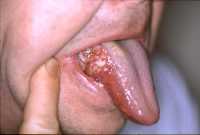
Response: Early-onset colorectal cancer (i.e., CRC diagnosed before 50 years of age) is predicted to rise to 10.9% of all colon and 22.9% of all rectal cancers by 2030.
Some studies identified an association between early-onset CRC and obesity. By contrast, other studies found a similar body mass index (BMI) between adults with and without early-onset CRC. These conflicting findings are possibly due to weight loss from colorectal cancer that may obscure its relation to obesity.
Dr. Hussan[/caption]
Hisham Hussan, MD, FACG
The Ohio State University Wexner Medical Center
MedicalResearch.com: What is the background for this study?
Response: Early-onset colorectal cancer (i.e., CRC diagnosed before 50 years of age) is predicted to rise to 10.9% of all colon and 22.9% of all rectal cancers by 2030.
Some studies identified an association between early-onset CRC and obesity. By contrast, other studies found a similar body mass index (BMI) between adults with and without early-onset CRC. These conflicting findings are possibly due to weight loss from colorectal cancer that may obscure its relation to obesity.
 Dr. Gade[/caption]
Kristine Gade, MD
Hematology/Oncology Fellow
UPMC Hillman Cancer Center
MedicalResearch.com: What is the background for this study? Would you briefly describe the “surprise question”?
Response: Via Oncology Pathways, a cancer care platform used by UPMC and other institutions across the country, asks physicians to answer the surprise question – “Would I be surprised if this patient died in the next 12 months?” – whenever a new treatment plan is implemented. This question has been widely adopted by many oncology and palliative care frameworks and has been shown to be modestly predictive of mortality in multiple studies. We know that advanced cancer patients have a high utilization of the emergency department, even near end of life. Our group wanted to see if we could use the results of the surprise question to easily and quickly communicate to emergency department providers the expected prognosis for our advanced cancer patients. First, we set out to assess the surprise question’s ability to predict survival among our UPMC Hillman Cancer Center patients with select stage IV cancer diagnoses.
Dr. Gade[/caption]
Kristine Gade, MD
Hematology/Oncology Fellow
UPMC Hillman Cancer Center
MedicalResearch.com: What is the background for this study? Would you briefly describe the “surprise question”?
Response: Via Oncology Pathways, a cancer care platform used by UPMC and other institutions across the country, asks physicians to answer the surprise question – “Would I be surprised if this patient died in the next 12 months?” – whenever a new treatment plan is implemented. This question has been widely adopted by many oncology and palliative care frameworks and has been shown to be modestly predictive of mortality in multiple studies. We know that advanced cancer patients have a high utilization of the emergency department, even near end of life. Our group wanted to see if we could use the results of the surprise question to easily and quickly communicate to emergency department providers the expected prognosis for our advanced cancer patients. First, we set out to assess the surprise question’s ability to predict survival among our UPMC Hillman Cancer Center patients with select stage IV cancer diagnoses.


 Dr. Guy Jerusalem[/caption]
Guy Jerusalem MD PhD
Medical Oncology, CHU Sart Tilman Liège and University of Liège
Liège/BE
MedicalResearch.com: What is the background for this study?
Response: COVID-19 pandemic impacted healthcare systems globally and resulted in the interruption of usual care in many healthcare facilities exposing vulnerable cancer patients to significant risks. Our study aimed to evaluate the impact of this pandemic on cancer care worldwide. A 95 items survey was constructed and distributed worldwide by 20 oncologists from 10 of the most affected countries. 109 representatives from oncology centers in 18 countries filled out the survey between June 17 and July 14.
Dr. Guy Jerusalem[/caption]
Guy Jerusalem MD PhD
Medical Oncology, CHU Sart Tilman Liège and University of Liège
Liège/BE
MedicalResearch.com: What is the background for this study?
Response: COVID-19 pandemic impacted healthcare systems globally and resulted in the interruption of usual care in many healthcare facilities exposing vulnerable cancer patients to significant risks. Our study aimed to evaluate the impact of this pandemic on cancer care worldwide. A 95 items survey was constructed and distributed worldwide by 20 oncologists from 10 of the most affected countries. 109 representatives from oncology centers in 18 countries filled out the survey between June 17 and July 14.
 Dr. Dar[/caption]
Dr. Arvin C. Dar, PhD
Associate Professor
Departments of Oncological Sciences
& Pharmacological Sciences
Tisch Cancer Institute
Icahn School of Medicine at Mount Sinai
Associate Director
Mount Sinai Center for Therapeutic Discovery
MedicalResearch.com: What is the background for this study?
Response: We were interested in better understanding the mechanism of action for the drug trametinib. We wanted to understand how the drug actually works – even though its clinically approved, the drug was a ‘serendipitous discovery’ and originally found through phenotypic screens.
Dr. Dar[/caption]
Dr. Arvin C. Dar, PhD
Associate Professor
Departments of Oncological Sciences
& Pharmacological Sciences
Tisch Cancer Institute
Icahn School of Medicine at Mount Sinai
Associate Director
Mount Sinai Center for Therapeutic Discovery
MedicalResearch.com: What is the background for this study?
Response: We were interested in better understanding the mechanism of action for the drug trametinib. We wanted to understand how the drug actually works – even though its clinically approved, the drug was a ‘serendipitous discovery’ and originally found through phenotypic screens.

 Dr. Lara-Corrales[/caption]
Irene Lara-Corrales, MD
Associate Professor of Pediatrics at the University of Toronto
Staff physician in Pediatric Dermatology at the
Hospital for Sick Children in Toronto, Canada
She is a member of the Society for Pediatric Dermatology.
[caption id="attachment_55387" align="alignleft" width="100"] Dr. Boull[/caption]
Christina Boull, MD
Assistant Professor of Dermatology at the University of Minnesota
Program Director for the Advanced Dermatology Medical Student Rotation
Fellowship Director for the Pediatric Dermatology Fellowship
MedicalResearch.com: What is the background for this study?
Response: We got involved in this project a couple of years ago when many members of the Pediatric Dermatology Research Alliance's (PeDRA) Skin Tumors and Reactions to Cancer Therapies (STARC) group started seeing many patients with skin toxicities given by targeted therapies. We recognized that this was a new and growing area of skin concerns that pediatric dermatologists were starting to see. Being such a new field, and with little known about these medications, we thought it would be important to put our cases together and describe what we were seeing.
Dr. Lara-Corrales[/caption]
Irene Lara-Corrales, MD
Associate Professor of Pediatrics at the University of Toronto
Staff physician in Pediatric Dermatology at the
Hospital for Sick Children in Toronto, Canada
She is a member of the Society for Pediatric Dermatology.
[caption id="attachment_55387" align="alignleft" width="100"] Dr. Boull[/caption]
Christina Boull, MD
Assistant Professor of Dermatology at the University of Minnesota
Program Director for the Advanced Dermatology Medical Student Rotation
Fellowship Director for the Pediatric Dermatology Fellowship
MedicalResearch.com: What is the background for this study?
Response: We got involved in this project a couple of years ago when many members of the Pediatric Dermatology Research Alliance's (PeDRA) Skin Tumors and Reactions to Cancer Therapies (STARC) group started seeing many patients with skin toxicities given by targeted therapies. We recognized that this was a new and growing area of skin concerns that pediatric dermatologists were starting to see. Being such a new field, and with little known about these medications, we thought it would be important to put our cases together and describe what we were seeing.
 Dr. Aleshin[/caption]
Dr. Alexey Aleshin, M.D., MBA
Senior Medical Director
Natera
MedicalResearch.com: What is the background for this study?
Response: Checkpoint inhibitor-based immunotherapies (ICI) have changed the management of a range of cancers of diverse histologies. While these therapies are well tolerated and efficacious, only a minority (<20%) of patients respond to treatment or derive durable clinical benefit from them, highlighting the need for a pan-cancer biomarker that can predict response prior to, or shortly after, treatment initiation. With immune checkpoint inhibitors (ICIs) rapidly becoming a cornerstone of cancer therapy, early determination of response to ICI treatment can optimize patient benefit and minimize the risk of toxicities, while potentially reducing unnecessary treatment and costs to patients and payers.
Additionally, due to the nature of immune checkpoint inhibition, atypical patterns of response have emerged. For instance, tumor pseudoprogression — a transient increase in tumor size due to the infiltration of immune cells, followed by delayed shrinkage — has been reported in as much as 10% of patients receiving ICI therapy. Distinguishing pseudoprogression from true progression is clinically important to avoid premature discontinuation of a treatment that may have future benefit, or delay the initiation of an alternative line of therapy. However, they are hard to differentiate using current imaging techniques.
Our study published in Nature Cancer earlier this month, demonstrates that bespoke circulating tumor DNA (ctDNA) testing may be a valuable tool that sheds light on both of these issues.
Dr. Aleshin[/caption]
Dr. Alexey Aleshin, M.D., MBA
Senior Medical Director
Natera
MedicalResearch.com: What is the background for this study?
Response: Checkpoint inhibitor-based immunotherapies (ICI) have changed the management of a range of cancers of diverse histologies. While these therapies are well tolerated and efficacious, only a minority (<20%) of patients respond to treatment or derive durable clinical benefit from them, highlighting the need for a pan-cancer biomarker that can predict response prior to, or shortly after, treatment initiation. With immune checkpoint inhibitors (ICIs) rapidly becoming a cornerstone of cancer therapy, early determination of response to ICI treatment can optimize patient benefit and minimize the risk of toxicities, while potentially reducing unnecessary treatment and costs to patients and payers.
Additionally, due to the nature of immune checkpoint inhibition, atypical patterns of response have emerged. For instance, tumor pseudoprogression — a transient increase in tumor size due to the infiltration of immune cells, followed by delayed shrinkage — has been reported in as much as 10% of patients receiving ICI therapy. Distinguishing pseudoprogression from true progression is clinically important to avoid premature discontinuation of a treatment that may have future benefit, or delay the initiation of an alternative line of therapy. However, they are hard to differentiate using current imaging techniques.
Our study published in Nature Cancer earlier this month, demonstrates that bespoke circulating tumor DNA (ctDNA) testing may be a valuable tool that sheds light on both of these issues.

 Dr. Gerstung[/caption]
Moritz Gerstung PhD
Group Leader: Computational cancer biology
EMBL-European Bioinformatics Institute
MedicalResearch.com: What is the background for this study?
Response: We have learned a lot in the last ten years about the molecular nature about various cancers thanks to the resources created by TCGA, ICGC and many other initiatives. Similarly, digital pathology has progressed hugely due to new AI algorithms. Yet it hasn’t been explored deeply how a cancer’s genetic makeup and its histopathological appearance are related. Here computers can be very helpful as they can process large amounts of digital microscopy slide images and test whether there are any recurrent histopathological patterns in relation to hundreds or thousands of genetic and other molecular abnormalities.
Dr. Gerstung[/caption]
Moritz Gerstung PhD
Group Leader: Computational cancer biology
EMBL-European Bioinformatics Institute
MedicalResearch.com: What is the background for this study?
Response: We have learned a lot in the last ten years about the molecular nature about various cancers thanks to the resources created by TCGA, ICGC and many other initiatives. Similarly, digital pathology has progressed hugely due to new AI algorithms. Yet it hasn’t been explored deeply how a cancer’s genetic makeup and its histopathological appearance are related. Here computers can be very helpful as they can process large amounts of digital microscopy slide images and test whether there are any recurrent histopathological patterns in relation to hundreds or thousands of genetic and other molecular abnormalities.
 Harvey Kaufman[/caption]
Harvey W. Kaufman, MD, MBA, FCAP
Senior Medical Director, Medical Informatics
Quest Diagnostics
Needham, MA
MedicalResearch.com: What is the background for this study?
Response: The COVID-19 pandemic has disrupted routine healthcare and in particular cancer screenings. We documented the impact on patients who were newly identified by cancer in the early months of the pandemic by analysis of Quest Diagnostics data.
MedicalResearch.com: What are the main findings?
Response: We saw a 46% decline in newly identified patients with six common types of cancer. In accordance to healthcare recommendations, many patients didn’t receive mammograms, colonoscopies, low-dose CT scans, and avoided physician visits for minor complaints. When these patients return, some will present with more advanced stages of cancer than they would have without the disruption of the pandemic.
Harvey Kaufman[/caption]
Harvey W. Kaufman, MD, MBA, FCAP
Senior Medical Director, Medical Informatics
Quest Diagnostics
Needham, MA
MedicalResearch.com: What is the background for this study?
Response: The COVID-19 pandemic has disrupted routine healthcare and in particular cancer screenings. We documented the impact on patients who were newly identified by cancer in the early months of the pandemic by analysis of Quest Diagnostics data.
MedicalResearch.com: What are the main findings?
Response: We saw a 46% decline in newly identified patients with six common types of cancer. In accordance to healthcare recommendations, many patients didn’t receive mammograms, colonoscopies, low-dose CT scans, and avoided physician visits for minor complaints. When these patients return, some will present with more advanced stages of cancer than they would have without the disruption of the pandemic.
 Dr. Spisek[/caption]
Radek Spisek MD PhD
Charles University in Prague
MedicalResearch.com: What is the background for this study?
Response: Immune cytokine IL-15 is a highly promising immuno-oncology target that mobilizes the two most important cell types driving anti-cancer immune responses: cytotoxic T cells and natural killer (NK) cells. Stimulating IL-15 receptors on these cells represents a potent and complementary mechanism to existing cancer treatments, such as PD-1 checkpoint inhibitors or monoclonal antibodies.
Sotio is developing an IL-15 superagonist, SO-C101, as a potent immunotherapy for patients with cancer. This study examined SO-C101 in multiple tumor mouse models alone and in combination with PD-1 inhibition.
Dr. Spisek[/caption]
Radek Spisek MD PhD
Charles University in Prague
MedicalResearch.com: What is the background for this study?
Response: Immune cytokine IL-15 is a highly promising immuno-oncology target that mobilizes the two most important cell types driving anti-cancer immune responses: cytotoxic T cells and natural killer (NK) cells. Stimulating IL-15 receptors on these cells represents a potent and complementary mechanism to existing cancer treatments, such as PD-1 checkpoint inhibitors or monoclonal antibodies.
Sotio is developing an IL-15 superagonist, SO-C101, as a potent immunotherapy for patients with cancer. This study examined SO-C101 in multiple tumor mouse models alone and in combination with PD-1 inhibition.
 Van Morris, M.D.
Department of Gastrointestinal Medical Oncology
Division of Cancer Medicine
MD Anderson Center
MedicalResearch.com: What is the background for this study?
Response: Stage II colon cancer is diagnosed in approximately 25% of all colon cancer cases. Oncologists do not have a reliable biomarker to identify patients who do or do benefit from adjuvant chemotherapy for this population of patients. Circulating tumor DNA is shed by tumor cells as they die and harbors somatic mutations which distinguish its DNA from that of normal cells.
Recently, circulating tumor DNA has shown great promise in distinguishing patients with colon cancer (as well as other solid tumors) that do or do not recur after surgery. Here, patients who have detectable circulating tumor DNA - a surrogate for the presence of microscopic, minimal residual disease – inevitably recur, whereas the likelihood of recurrence is much lower for patients who do not have detectable ctDNA.
Van Morris, M.D.
Department of Gastrointestinal Medical Oncology
Division of Cancer Medicine
MD Anderson Center
MedicalResearch.com: What is the background for this study?
Response: Stage II colon cancer is diagnosed in approximately 25% of all colon cancer cases. Oncologists do not have a reliable biomarker to identify patients who do or do benefit from adjuvant chemotherapy for this population of patients. Circulating tumor DNA is shed by tumor cells as they die and harbors somatic mutations which distinguish its DNA from that of normal cells.
Recently, circulating tumor DNA has shown great promise in distinguishing patients with colon cancer (as well as other solid tumors) that do or do not recur after surgery. Here, patients who have detectable circulating tumor DNA - a surrogate for the presence of microscopic, minimal residual disease – inevitably recur, whereas the likelihood of recurrence is much lower for patients who do not have detectable ctDNA.
 Dr. DiNardo[/caption]
Courtney D. DiNardo, M.D., MSCE
Department of Leukemia, Division of Cancer Medicine
The University of Texas MD Anderson Cancer Center
MedicalResearch.com: What is the background for this study?
Response: At this year’s virtual European Hematology Association (EHA) meeting, we are presenting late-breaking data from the Phase 3 VIALE-A trial. The randomized double-blind, placebo-controlled trial evaluated venetoclax in combination with azacitidine in previously-untreated patients with acute myeloid leukemia (AML) who are ineligible for standard induction therapy compared to azacitidine plus placebo.
Dr. DiNardo[/caption]
Courtney D. DiNardo, M.D., MSCE
Department of Leukemia, Division of Cancer Medicine
The University of Texas MD Anderson Cancer Center
MedicalResearch.com: What is the background for this study?
Response: At this year’s virtual European Hematology Association (EHA) meeting, we are presenting late-breaking data from the Phase 3 VIALE-A trial. The randomized double-blind, placebo-controlled trial evaluated venetoclax in combination with azacitidine in previously-untreated patients with acute myeloid leukemia (AML) who are ineligible for standard induction therapy compared to azacitidine plus placebo.