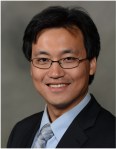
 MedicalResearch.com Interview with:
Vera Novak, MD PhD
MedicalResearch.com Interview with:
Vera Novak, MD PhD
Associate Professor of Neurology
Dept. of Neurology, Stroke Division
Director Syncope and Falls in the Elderly Laboratory
Beth Israel Deaconess Medical Center
Boston, MA
MedicalResearch: What is the background for this study?
Dr. Novak: Diabetes mellitus (DM) is a major contributor to morbidity and mortality.
Type 2 diabetes mellitus affects more than 44 million people in the U.S., and its numbers are growing rapidly, affecting up to 27% of older adults. Diabetes mellitus accelerates brain aging by about 5 years
1, manifests as a widespread generalized atrophy
2, and promotes earlier onset of vascular dementia and Alzheimer’s disease (AD).
3,4 Diabetes mellitus -related atrophy manifests as worse cognitive function, memory, and gait, especially during a dual task,
5,6 and even a tight glycemic control did not improve cognitive function in participants of the large clinical trials
7.
MedicalResearch: What are the main findings?
Dr. Novak: Sixty-five participants (aged 66± 9.2 years) 35 with T2DM and 30 non-diabetic controls participated in this study. After 2 years of follow-up, participants with T2 Diabetes mellitus had diminished vascular reactivity in the brain (an ability to increase blood flow in responses to a task or metabolic demands) and performed worse on multiple cognitive tasks (in particular verbal learning and memory). In
T2DM group, lower cerebral vasoreactivity correlated with worse performance on daily living activities. Specifically, the lower vasodilatation (ability to increase blood flow) was associated with worse mental functions. In addition, those with higher markers of inflammation had greater decline in vascular function in the brain.




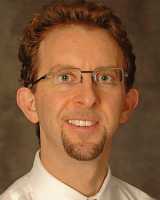
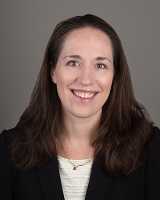

 Dr. Wee[/caption]
Christina C. Wee, MD, MPH
Associate Professor of Medicine
Harvard Medical School
Director , Obesity Research Program Division of General Medicine
Beth Israel Deaconess Medical Center (BIDMC)
Associate Program Director, Internal Medicine Program, BIDMC
Deputy Editor of the Annals of Internal Medicine
MedicalResearch.com: What is the background for this study?
Response: New research is showing that for many people without diagnosed heart disease, the risk of bleeding may outweigh the benefits of taking a daily aspirin particularly in adults over 70 years of age. The American Heart Association and the American College of Cardiology recently updated their guidelines and now explicitly recommend against aspirin use among those over the age of 70 who do not have existing heart disease or stroke.
Our study found that in 2017, a quarter of adults aged 40 years or older without cardiovascular disease – approximately 29 million people – reported taking daily aspirin for prevention of heart disease. Of these, some 6.6. million people did so without a physician's recommendation.
Dr. Wee[/caption]
Christina C. Wee, MD, MPH
Associate Professor of Medicine
Harvard Medical School
Director , Obesity Research Program Division of General Medicine
Beth Israel Deaconess Medical Center (BIDMC)
Associate Program Director, Internal Medicine Program, BIDMC
Deputy Editor of the Annals of Internal Medicine
MedicalResearch.com: What is the background for this study?
Response: New research is showing that for many people without diagnosed heart disease, the risk of bleeding may outweigh the benefits of taking a daily aspirin particularly in adults over 70 years of age. The American Heart Association and the American College of Cardiology recently updated their guidelines and now explicitly recommend against aspirin use among those over the age of 70 who do not have existing heart disease or stroke.
Our study found that in 2017, a quarter of adults aged 40 years or older without cardiovascular disease – approximately 29 million people – reported taking daily aspirin for prevention of heart disease. Of these, some 6.6. million people did so without a physician's recommendation.

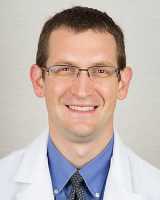



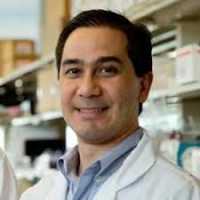
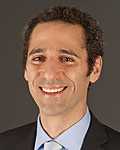

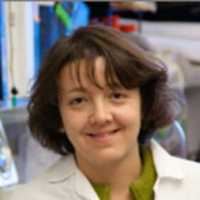

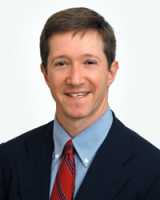
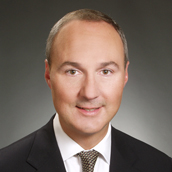
 Dr. Sandeep Kumar[/caption]
MedicalResearch.com Interview with:
Sandeep Kumar, MD
Assistant Professor of Neurology
Harvard Medical School
Director, Inpatient Stroke Service
Department of Neurology, Stroke Division
Beth Israel Deaconess Medical Center
Boston, MA 02215
Medical Research: What is the background for this study? What are the main findings?
Dr. Kumar: Transient deficits that start suddenly and typically last for a few minutes to a few hours are the hallmark of a transient ischemic attack (TIA) or a minor ischemic stroke. In this single-center observational study, we have reported similar clinical presentation in some patients with intracerebral hemorrhage (ICH) that are difficult to distinguish from cerebral ischemia based only on clinical signs and symptoms.
Dr. Sandeep Kumar[/caption]
MedicalResearch.com Interview with:
Sandeep Kumar, MD
Assistant Professor of Neurology
Harvard Medical School
Director, Inpatient Stroke Service
Department of Neurology, Stroke Division
Beth Israel Deaconess Medical Center
Boston, MA 02215
Medical Research: What is the background for this study? What are the main findings?
Dr. Kumar: Transient deficits that start suddenly and typically last for a few minutes to a few hours are the hallmark of a transient ischemic attack (TIA) or a minor ischemic stroke. In this single-center observational study, we have reported similar clinical presentation in some patients with intracerebral hemorrhage (ICH) that are difficult to distinguish from cerebral ischemia based only on clinical signs and symptoms.
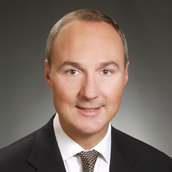 Dr. Boiselle[/caption]
MedicalResearch.com Interview with:
Phillip Boiselle, M.D.
Staff, Cardiothoracic Imaging
Beth Israel Deaconess Medical Center
Associate Dean for Academic and Clinical Affairs
Professor of Radiology, Harvard Medical School
Boston, Mass
Medical Research: What is the background for this study? What are the main findings?
Dr. Boiselle: Previous studies have shown that women have a greater mortality benefit from lung cancer screening then men, and that this test (CT screening) is more cost-effective for women than men. Our purpose was to determine whether the relative risk of lung cancer for women and men differed depending on the specific type of lung nodule that was discovered at screening. Such differences could potentially help to influence a more personalized approach to patient management in lung cancer screening.
Dr. Boiselle[/caption]
MedicalResearch.com Interview with:
Phillip Boiselle, M.D.
Staff, Cardiothoracic Imaging
Beth Israel Deaconess Medical Center
Associate Dean for Academic and Clinical Affairs
Professor of Radiology, Harvard Medical School
Boston, Mass
Medical Research: What is the background for this study? What are the main findings?
Dr. Boiselle: Previous studies have shown that women have a greater mortality benefit from lung cancer screening then men, and that this test (CT screening) is more cost-effective for women than men. Our purpose was to determine whether the relative risk of lung cancer for women and men differed depending on the specific type of lung nodule that was discovered at screening. Such differences could potentially help to influence a more personalized approach to patient management in lung cancer screening.
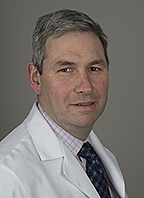 Dr. Curry[/caption]
MedicalResearch.com Interview with:
Dr. Michael P. Curry, MD
Medical Director for Liver Transplantation
Harvard Medical Faculty Physicians
Beth Israel Deaconess Medical Center
Medical Research: What is the background for this study? What are the main findings
Dr. Curry: As the population that is infected with the hepatitis C virus (HCV) ages, the number of patients with decompensated cirrhosis is expected to increase. For many years, the only treatment option for these patients was liver transplantation. Recently, however, clinical trials of newly approved direct-acting antiviral agents (DAAs) have shown that it is possible to treat HCV infection safely and effectively in patients with decompensated cirrhosis. We conducted this Phase 3, open-label trial to assess the efficacy and safety of a fixed dose combination of sofosbuvir/velpatasvir with or without ribavirin for 12 weeks or sofosbuvir/velpatasvir for 24 weeks in patients infected with hepatitis C virus genotypes 1 through 6 and with decompensated cirrhosis. We found that treatment with sofosbuvir/velpatasvir resulted in high rates of sustained virologic response (SVR) and early improvements in hepatic function in this patient population. SVR rates were 83 percent in patients who received sofosbuvir/velpatasvir for 12 weeks, 94 percent among those who received sofosbuvir/velpatasvir plus ribavirin, and 86 percent among those who received sofosbuvir/velpatasvir for 24 weeks.
Dr. Curry[/caption]
MedicalResearch.com Interview with:
Dr. Michael P. Curry, MD
Medical Director for Liver Transplantation
Harvard Medical Faculty Physicians
Beth Israel Deaconess Medical Center
Medical Research: What is the background for this study? What are the main findings
Dr. Curry: As the population that is infected with the hepatitis C virus (HCV) ages, the number of patients with decompensated cirrhosis is expected to increase. For many years, the only treatment option for these patients was liver transplantation. Recently, however, clinical trials of newly approved direct-acting antiviral agents (DAAs) have shown that it is possible to treat HCV infection safely and effectively in patients with decompensated cirrhosis. We conducted this Phase 3, open-label trial to assess the efficacy and safety of a fixed dose combination of sofosbuvir/velpatasvir with or without ribavirin for 12 weeks or sofosbuvir/velpatasvir for 24 weeks in patients infected with hepatitis C virus genotypes 1 through 6 and with decompensated cirrhosis. We found that treatment with sofosbuvir/velpatasvir resulted in high rates of sustained virologic response (SVR) and early improvements in hepatic function in this patient population. SVR rates were 83 percent in patients who received sofosbuvir/velpatasvir for 12 weeks, 94 percent among those who received sofosbuvir/velpatasvir plus ribavirin, and 86 percent among those who received sofosbuvir/velpatasvir for 24 weeks.