 MedicalResearch.com Interview with:
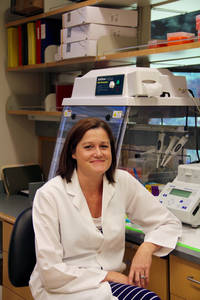
Stephen A. Krawetz, Ph.D.
MedicalResearch.com Interview with:
Stephen A. Krawetz, Ph.D.
Associate Director C.S. Mott Center for Human Growth and Development,
Charlotte B. Failing Professor of Fetal Therapy and Diagnosis,
Department of Obstetrics and Gynecology,
Center for Molecular Medicine and Genetics,
Wayne State University School of Medicine,
Detroit, MI, 48201
Medical Research: What is the background for this study? What are the main findings?
Dr. Krawetz: The current study developed over approximately the past 20 years of work in my laboratory. In the mid 1990s, along with David Miller, we independently discovered that sperm contain RNA. This was followed by our joint publication in The Lancet that began to describe the RNAs in normal fertile males along with our paper in Nature that showed that RNA was delivered to the oocyte at fertilization. Following these studies we assessed the ability of RNAs to be used as markers of morphologically abnormal sperm (teratozoospermia). My laboratory then had the opportunity to explore the complexity of the population of sperm RNAs using
Next Generation Sequencing. We recently began the translation of this work from the bench to bedside which takes us to the current paper in Science Translational Medicine that was a multi-institutional collaborative effort. Members of the team include Dr. Meritxell Jodar, Edward Sendler, Robert Goodrich, from my laboratory, along with Dr. Clifford L. Librach, Dr. Sergey I. Moskovtsev, and Sonja Swanson - CReATe Fertility Center, University of Toronto; Dr. Russ Hauser -Harvard University and Dr. Michael P. Diamond, Georgia Regents University. Here we tackled the issue of idiopathic infertility, that is, unknown infertility, since the couple appears normal in all respects. We specifically framed our study as the contribution of the male and female as a couple towards the birth of a healthy child focusing on male idiopathic infertility within the setting of a Reproductive Clinic. Representative publications from my laboratory that outline this part of my research program appear below.
1) Jodar, M., Sendler, E., Moskovtsev, S. Librach, C., Goodrich, R., Swanson, S., Hauser, R., Diamond, M. and Krawetz, S.A. (2015) Absence of sperm RNA elements correlates with idiopathic male infertility. Science Translational Medicine, 7(295):295re6.
2) Sendler, E., Johnson, G.D., Mao, S., Goodrich, R.J., Diamond, M.P., Hauser, R., and Krawetz, S.A. (2013) Stability, Delivery and Functions of Human Sperm RNAs at Fertilization. Nucleic Acids Research 41:4104-4117. PMID: 23471003
3) Platts, A.E., Dix, D. J., Chemes, H.E., Thompson, K.E., Goodrich, R., Rockett, J. C., Rawe, V.Y., Quintana, S., Diamond, M.P., Strader, L.F. and Krawetz, S.A. (2007) Success and failure in human spermatogenesis as revealed by teratozoospermic RNAs. Human Molecular Genetics. 16:763-773. PMID: 17327269
4) Ostermeier, G.C., Miller, D., Huntriss, J.D., Diamond, M.P. and Krawetz, S.A. (2004) Delivering spermatozoan RNA to the oocyte. Nature 429:154. PMID: 15141202
5) Ostermeier, G.C., Dix, D.J., Miller, D., Khatri, P. and Krawetz, S.A. (2002) Spermatozoal RNA profiles of normal fertile men. The Lancet. 360:773-777. PMID: 12241836

 MedicalResearch.com Interview with:
Carolina Malta Hansen, M.D
Duke Clinical Research Institute
Medical Research: What is the background for this study? What are the main findings?
Dr. Hansen: Approximately 300,000 persons in the United States suffer an out-of-hospital cardiac arrest every year and under 10% survive. Cardiopulmonary resuscitation (CPR) and defibrillation within the first few minutes of cardiac arrest can increase the chance of survival from under 10% to over 50%. In 2010, the HeartRescue program in North Carolina initiated statewide multifaceted interventions to improve care and outcomes for cardiac arrest patients in North Carolina. The project included public training programs in defibrillators and compression-only CPR at schools, hospitals and major events such as the N.C. State Fair, plus additional instruction for EMS and other emergency workers on optimal care for patients in cardiac arrest.
We found that following these four years of initiatives to improve care and outcomes for cardiac arrest patients, the proportion of patients who received bystander CPR and first responder defibrillation increased by more than 25% to approximately 50%, the combination of bystander CPR and first responder defibrillation increased from 14% to 23%. Survival with favorable neurologic outcome increased from 7% to 10% and this increase was only observed among patients who received bystander CPR. Finally, we found that compared to patients who received CPR and defibrillation by emergency medical services (EMS), patients who received bystander and/or first responder CPR, defibrillation, or both, were more likely to survive. The combination of bystander CPR and bystander defibrillation was associated with the best survival rates but remained low during the study period with no increase over time.
MedicalResearch.com Interview with:
Carolina Malta Hansen, M.D
Duke Clinical Research Institute
Medical Research: What is the background for this study? What are the main findings?
Dr. Hansen: Approximately 300,000 persons in the United States suffer an out-of-hospital cardiac arrest every year and under 10% survive. Cardiopulmonary resuscitation (CPR) and defibrillation within the first few minutes of cardiac arrest can increase the chance of survival from under 10% to over 50%. In 2010, the HeartRescue program in North Carolina initiated statewide multifaceted interventions to improve care and outcomes for cardiac arrest patients in North Carolina. The project included public training programs in defibrillators and compression-only CPR at schools, hospitals and major events such as the N.C. State Fair, plus additional instruction for EMS and other emergency workers on optimal care for patients in cardiac arrest.
We found that following these four years of initiatives to improve care and outcomes for cardiac arrest patients, the proportion of patients who received bystander CPR and first responder defibrillation increased by more than 25% to approximately 50%, the combination of bystander CPR and first responder defibrillation increased from 14% to 23%. Survival with favorable neurologic outcome increased from 7% to 10% and this increase was only observed among patients who received bystander CPR. Finally, we found that compared to patients who received CPR and defibrillation by emergency medical services (EMS), patients who received bystander and/or first responder CPR, defibrillation, or both, were more likely to survive. The combination of bystander CPR and bystander defibrillation was associated with the best survival rates but remained low during the study period with no increase over time.



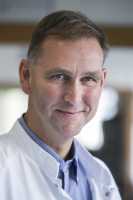









![Prof. Dr. Kristian Reich, Dermatologikum Hamburg, Hamburg 07.04.2009 | Prof. Dr. Kristian Reich, Dermatologikum Hamburg, Hamburg, Germany, 07.04.2009 | [© (c) Martin Zitzlaff, Emilienstr.78, 20259 Hamburg, Germany, Tel. +491711940261, http://www.zitzlaff.com, martin@zitzlaff.com, Postbank Hamburg BLZ 20010020 Kto.-Nr. 10204204, MwSt. 7%, Veroeffentlichung nur gegen Honorar (MFM) und Belegexemplar, mit Namensnennung]](https://medicalresearch.com/wp-content/uploads/Professor-Reich.jpg)