MedicalResearch.com Interview with:
[caption id="attachment_25161" align="alignleft" width="160"]
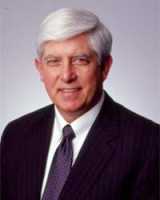
Dr. Donald Burke[/caption]
Donald S. Burke, M.D.
Dean of the University of Pittsburgh Graduate School of Public Health
Director of the University of Pittsburgh Center for Vaccine Research
MedicalResearch.com: What is the background for this study? What are the main findings?
Dr. Burke: At the University of Pittsburgh we developed a unique method for detecting antibodies in the blood of patients in a proof-of-principle study that opens the door to development of simple diagnostic tests for diseases for which no microbial cause is known, including auto-immune diseases, cancers and other conditions.
We used a technique pioneered by co-author Thomas Kodadek, Ph.D., of the Scripps Research Institute, that synthesizes random molecular shapes called “peptoids” hooked onto microscopic plastic beads. The technique can produce millions of molecular shapes. The peptoids are not organic, but if they match to the corresponding shape on an antibody, that antibody will connect to them, allowing the scientist to pull out that bead and examine that peptoid and its corresponding antibody.
My team chemically generated a huge library of random molecular shapes. Then, using blood from HIV-infected patients and from non-infected people, we screened a million of these random molecular shapes to find the ones that bound only to antibodies present in the blood of HIV-infected patients, but not the healthy controls. No HIV proteins or structures were used to construct or select the peptoids, but the approach, nonetheless, successfully led to selection of the best molecular shapes to use in screening for HIV antibodies.
We then resynthesized that HIV-antibody-targeting peptoid in mass and tested it by screening hundreds of samples from the Multicenter AIDS Cohort Study (MACS), a confidential research study of the natural history of treated and untreated HIV/AIDS in men who have sex with men (supported by the National Institutes of Health). Study co-author Charles Rinaldo, Ph.D., chair of Pitt Public Health’s Department of Infectious Diseases and Microbiology and director of the Pittsburgh arm of the MACS, selected the samples, but blinded the testers to which samples were HIV-positive or -negative. The test distinguished between the samples of HIV-positive blood and HIV-negative blood with a high degree of accuracy.

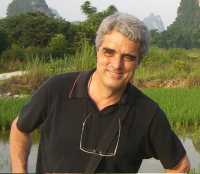 Dr. Jesus Pujol[/caption]
Jesus Pujol, MD
Director of the MRI Research Unit.
Department of Radiology. Hospital del Mar
Barcelona
MedicalResearch.com: What is the background for this study?
Response: The pros and cons of video gaming in children have been extensively debated. There are relevant amounts of data indicating both the positive and negative effects of video games. Nevertheless, a key question for many parents remains unanswered: How long should children play? To provide some clarity, we have investigated the relationship between weekly video game use and certain cognitive abilities and conduct-related problems.
Dr. Jesus Pujol[/caption]
Jesus Pujol, MD
Director of the MRI Research Unit.
Department of Radiology. Hospital del Mar
Barcelona
MedicalResearch.com: What is the background for this study?
Response: The pros and cons of video gaming in children have been extensively debated. There are relevant amounts of data indicating both the positive and negative effects of video games. Nevertheless, a key question for many parents remains unanswered: How long should children play? To provide some clarity, we have investigated the relationship between weekly video game use and certain cognitive abilities and conduct-related problems.

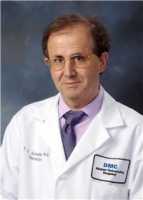
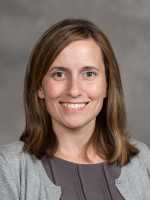

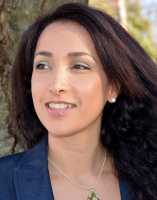
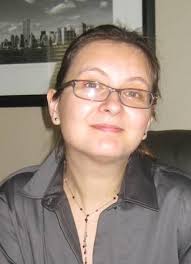
 Dr. Orit Markowitz[/caption]
Orit Markowitz, MD
Director of Pigmented Lesions and Skin Cancer
The Mount Sinai Hospital and
Assistant Professor of Dermatology
Icahn School of Medicine at Mount Sinai
Director of Pigmented lesions clinic
Brooklyn VA,
Adjunct Professor, Dermatology
SUNY Downstate Medical Center, Brooklyn, NY
Chief of Dermatology
Queens General Hospital, Jamaica, NY
MedicalResearch.com Editors’ Note: As part of an ongoing series of occasional article on cancer prevention, Dr. Markowitz from The Mount Sinai Hospital discusses skin cancer and the use Optical Coherence Tomography in skin cancer diagnosis and treatment.
MedicalResearch.com: How common is the problem of non-melanoma skin cancer? Are they difficult to detect and treat?
Dr. Markowitz: Skin cancer is the most commonly diagnosed cancer in the United States. Non melanoma skin cancers, including basal cell carcinomas and squamous cell carcinomas, are the most common malignancies of the skin, constituting around 80 percent of all skin cancers. The annual cost of treating skin cancers in the U.S. is estimated at $8.1 billion, with $3.3 billion for melanoma.
Dr. Orit Markowitz[/caption]
Orit Markowitz, MD
Director of Pigmented Lesions and Skin Cancer
The Mount Sinai Hospital and
Assistant Professor of Dermatology
Icahn School of Medicine at Mount Sinai
Director of Pigmented lesions clinic
Brooklyn VA,
Adjunct Professor, Dermatology
SUNY Downstate Medical Center, Brooklyn, NY
Chief of Dermatology
Queens General Hospital, Jamaica, NY
MedicalResearch.com Editors’ Note: As part of an ongoing series of occasional article on cancer prevention, Dr. Markowitz from The Mount Sinai Hospital discusses skin cancer and the use Optical Coherence Tomography in skin cancer diagnosis and treatment.
MedicalResearch.com: How common is the problem of non-melanoma skin cancer? Are they difficult to detect and treat?
Dr. Markowitz: Skin cancer is the most commonly diagnosed cancer in the United States. Non melanoma skin cancers, including basal cell carcinomas and squamous cell carcinomas, are the most common malignancies of the skin, constituting around 80 percent of all skin cancers. The annual cost of treating skin cancers in the U.S. is estimated at $8.1 billion, with $3.3 billion for melanoma.
 Dr. James Freeman[/caption]
Dr. James V. Freeman MD
Assistant professor of cardiology and
Assistant Clinical Professor of Nursing
Internal Medicine
Yale School of Medicine
MedicalResearch.com: What is the background for this study? What are the main findings?
Dr. Freeman: Randomized trials of left atrial appendage (LAA) closure with the Watchman device have shown varying results, and its cost-effectiveness compared to anticoagulation has not been evaluated using all available contemporary trial data.
We used a Markov decision model to estimate lifetime quality-adjusted survival, costs, and cost-effectiveness of LAA closure with Watchman, compared directly with warfarin and indirectly with dabigatran, using data from the long-term (mean 3.8 year) follow-up of PROTECT AF and PREVAIL randomized trials. Using data from PROTECT AF, the incremental cost-effectiveness ratios (ICER) compared to warfarin and dabigatran were $20,486 and $23,422 per quality adjusted life year (QALY), respectively. Using data from PREVAIL, LAA closure was dominated by warfarin and dabigatran, meaning that it was less effective (8.44, 8.54, and 8.59 QALYs, respectively) and more costly.
Dr. James Freeman[/caption]
Dr. James V. Freeman MD
Assistant professor of cardiology and
Assistant Clinical Professor of Nursing
Internal Medicine
Yale School of Medicine
MedicalResearch.com: What is the background for this study? What are the main findings?
Dr. Freeman: Randomized trials of left atrial appendage (LAA) closure with the Watchman device have shown varying results, and its cost-effectiveness compared to anticoagulation has not been evaluated using all available contemporary trial data.
We used a Markov decision model to estimate lifetime quality-adjusted survival, costs, and cost-effectiveness of LAA closure with Watchman, compared directly with warfarin and indirectly with dabigatran, using data from the long-term (mean 3.8 year) follow-up of PROTECT AF and PREVAIL randomized trials. Using data from PROTECT AF, the incremental cost-effectiveness ratios (ICER) compared to warfarin and dabigatran were $20,486 and $23,422 per quality adjusted life year (QALY), respectively. Using data from PREVAIL, LAA closure was dominated by warfarin and dabigatran, meaning that it was less effective (8.44, 8.54, and 8.59 QALYs, respectively) and more costly.
 Dr. James M. Smith[/caption]
Dr. James M. Smith Ph.D
Laboratory Branch, Division of HIV/AIDS Prevention
Centers for Disease Control and Prevention
Atlanta, Georgia
MedicalResearch.com: What is the background for this study?
Dr. Smith: Our laboratory has been developing a macaque model for testing drug release, safety and efficacy of intravaginal rings (IVR) for preexposure prophylaxis (PrEP) against HIV for several years. The initial studies involved both matrix rings, where the drug is dispersed in the silicone matrix of the device, and reservoir rings, which are essentially a polymer tube filled with drug. In collaboration with the Oak Crest Institute of Science and Auritec Pharmaceuticals, Inc., we began testing a new type of intravaginal ring, the pod-IVR. In this innovative design the ring itself is a scaffold that contains compressed polymer-coated drug tablets, or pods, within the ring. Each pod is separate, allowing for a customizable release rate for each drug by varying the number and diameter of the drug release ports for each individual pod. The macaque pod-IVR can accommodate up to six pods whereas the human pod-IVR can accommodate up to 10 pods. The IVR design was developed to allow the delivery of drug combinations and for simple, cost-effective manufacturing.
Dr. James M. Smith[/caption]
Dr. James M. Smith Ph.D
Laboratory Branch, Division of HIV/AIDS Prevention
Centers for Disease Control and Prevention
Atlanta, Georgia
MedicalResearch.com: What is the background for this study?
Dr. Smith: Our laboratory has been developing a macaque model for testing drug release, safety and efficacy of intravaginal rings (IVR) for preexposure prophylaxis (PrEP) against HIV for several years. The initial studies involved both matrix rings, where the drug is dispersed in the silicone matrix of the device, and reservoir rings, which are essentially a polymer tube filled with drug. In collaboration with the Oak Crest Institute of Science and Auritec Pharmaceuticals, Inc., we began testing a new type of intravaginal ring, the pod-IVR. In this innovative design the ring itself is a scaffold that contains compressed polymer-coated drug tablets, or pods, within the ring. Each pod is separate, allowing for a customizable release rate for each drug by varying the number and diameter of the drug release ports for each individual pod. The macaque pod-IVR can accommodate up to six pods whereas the human pod-IVR can accommodate up to 10 pods. The IVR design was developed to allow the delivery of drug combinations and for simple, cost-effective manufacturing.
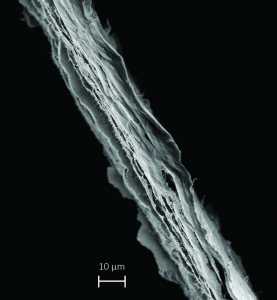 Mille Feuille Paper Filter[/caption]
MedicalResearch.com: What is the background for this study? What are the main findings?
Dr. Mihranyan: We describe for the first time a paper filter that can remove even the worst-case viruses from water with high efficiency and at industrially relevant rates. The filter is produced from 100% naturally derived cellulose and is formed into paper sheets using very simple processing, which is essentially the same as that for making paper on a large scale. Filter paper is used ubiquitously in every day life from coffee filters to chemistry classrooms but these filters have normally too large pores to retain microbes, let alone viruses.
We show for the first time that we can remove viruses as small as 20 nm! How is it possible? We use cellulose nanofibers from green algae and we possess know-how to control the distribution of the pores inside the paper to be able to remove such small particles. One important aspect, which we discuss in detail in the article, is the special internal layered structure of the filter, which is remarkably similar to French pastry mille-feuille- hence, the name mille-feuille filter.
Mille Feuille Paper Filter[/caption]
MedicalResearch.com: What is the background for this study? What are the main findings?
Dr. Mihranyan: We describe for the first time a paper filter that can remove even the worst-case viruses from water with high efficiency and at industrially relevant rates. The filter is produced from 100% naturally derived cellulose and is formed into paper sheets using very simple processing, which is essentially the same as that for making paper on a large scale. Filter paper is used ubiquitously in every day life from coffee filters to chemistry classrooms but these filters have normally too large pores to retain microbes, let alone viruses.
We show for the first time that we can remove viruses as small as 20 nm! How is it possible? We use cellulose nanofibers from green algae and we possess know-how to control the distribution of the pores inside the paper to be able to remove such small particles. One important aspect, which we discuss in detail in the article, is the special internal layered structure of the filter, which is remarkably similar to French pastry mille-feuille- hence, the name mille-feuille filter.
 Dr. Sushanta Mitra[/caption]
Sushanta K. Mitra, PhD, PEng
Associate Vice-President Research
Kaneff Professor in Micro & Nanotechnology for Social Innovation
FCSME, FASME, FEIC, FRSC, FCAE, FAAAS Y
York University Toronto
MedicalResearch.com: What is the background for this study? What are the main findings?
Dr. Mitra: As a mechanical engineer I got interested in the water problem when I had discussions with Tata Consultancy Services (TCS), India and the tertiary public health centre doctors near Mumbai, where the doctors had to deal with large number of patients with water-borne diseases. This was hugely a challenge from resource point of view as the doctors would much preferred to have their attention focused on more pressing diseases. They approached me about developing tools for rapid detection of water-borne pathogen in drinking water. Hence, my journey started on water quality monitoring.
MedicalResearch.com: What is the background for this study? What are the main findings?
Dr. Mitra: Here, we have developed a low-cost compact E. coli and total coliform detection system, which uses commercially available plunger-tube assembly. We incorporate a hydrogel (porous matrix) inside the tube so that the plunger-tube assembly act as a concentrator and a detector at the same time. Specially formulated enzymatic substrates are caged inside the hydrogel so that an E. coli cell trapped within the hydrogel will be lysed and react with the enzymatic substrates to produce a red color.
Dr. Sushanta Mitra[/caption]
Sushanta K. Mitra, PhD, PEng
Associate Vice-President Research
Kaneff Professor in Micro & Nanotechnology for Social Innovation
FCSME, FASME, FEIC, FRSC, FCAE, FAAAS Y
York University Toronto
MedicalResearch.com: What is the background for this study? What are the main findings?
Dr. Mitra: As a mechanical engineer I got interested in the water problem when I had discussions with Tata Consultancy Services (TCS), India and the tertiary public health centre doctors near Mumbai, where the doctors had to deal with large number of patients with water-borne diseases. This was hugely a challenge from resource point of view as the doctors would much preferred to have their attention focused on more pressing diseases. They approached me about developing tools for rapid detection of water-borne pathogen in drinking water. Hence, my journey started on water quality monitoring.
MedicalResearch.com: What is the background for this study? What are the main findings?
Dr. Mitra: Here, we have developed a low-cost compact E. coli and total coliform detection system, which uses commercially available plunger-tube assembly. We incorporate a hydrogel (porous matrix) inside the tube so that the plunger-tube assembly act as a concentrator and a detector at the same time. Specially formulated enzymatic substrates are caged inside the hydrogel so that an E. coli cell trapped within the hydrogel will be lysed and react with the enzymatic substrates to produce a red color.
 Sheldon j. .J.Kwok[/caption]
Sheldon J.J. Kwok
MD/PhD Candidate
Harvard-MIT Health Sciences and Technology | Harvard Medical School
Yun Bio-Optics Lab
Wellman Center for Photomedicine
MGH
MedicalResearch.com: What is the background for this study?
Response: Corneal collagen crosslinking (CXL) using UV light and riboflavin has become a popular and effective technique for treating corneal ectatic disorders, such as keratoconus, by mechanically strengthening the corneal stroma. We were interested in enhancing the capabilities of CXL using the principle of two-photon excitation, which uses a femtosecond laser to confine crosslinking to only where the laser is focused. By scanning the laser, this allows us to crosslink any arbitrary three-dimensional region deep inside tissue.
With two-photon collagen crosslinking (2P-CXL), treatment of thin corneas is possible without affecting the underlying endothelium. Irradiation can also be patterned to improve keratocyte viability. Furthermore, selective crosslinking in three dimensions offers the possibility of modulating corneal curvature for refractive error correction.
Sheldon j. .J.Kwok[/caption]
Sheldon J.J. Kwok
MD/PhD Candidate
Harvard-MIT Health Sciences and Technology | Harvard Medical School
Yun Bio-Optics Lab
Wellman Center for Photomedicine
MGH
MedicalResearch.com: What is the background for this study?
Response: Corneal collagen crosslinking (CXL) using UV light and riboflavin has become a popular and effective technique for treating corneal ectatic disorders, such as keratoconus, by mechanically strengthening the corneal stroma. We were interested in enhancing the capabilities of CXL using the principle of two-photon excitation, which uses a femtosecond laser to confine crosslinking to only where the laser is focused. By scanning the laser, this allows us to crosslink any arbitrary three-dimensional region deep inside tissue.
With two-photon collagen crosslinking (2P-CXL), treatment of thin corneas is possible without affecting the underlying endothelium. Irradiation can also be patterned to improve keratocyte viability. Furthermore, selective crosslinking in three dimensions offers the possibility of modulating corneal curvature for refractive error correction.
 Dr. Shuhei Miyashita[/caption]
Dr. Shuhei Miyashita PhD
Lecturer in Intelligent Robotics
Department of Electronics
University of York, Heslington
York, UK
MedicalResearch.com: What is the background for this device? What are some of the obstacles you and your team face in the development?
Dr. Miyashita: We are developing medical technology that is less invasive and more
autonomous and thus can provide safe and consistent outcomes. The
biggest challenge is how to build a capable medical robot that is
clinically safe. Addressing this challenge requires finding
bio-compatibe materials, safe means of transportation in the body, a
way to reconfigure the robot from pill shape to unfolded shape, and
precise multi-mode control for the location and function of the robot.
Dr. Shuhei Miyashita[/caption]
Dr. Shuhei Miyashita PhD
Lecturer in Intelligent Robotics
Department of Electronics
University of York, Heslington
York, UK
MedicalResearch.com: What is the background for this device? What are some of the obstacles you and your team face in the development?
Dr. Miyashita: We are developing medical technology that is less invasive and more
autonomous and thus can provide safe and consistent outcomes. The
biggest challenge is how to build a capable medical robot that is
clinically safe. Addressing this challenge requires finding
bio-compatibe materials, safe means of transportation in the body, a
way to reconfigure the robot from pill shape to unfolded shape, and
precise multi-mode control for the location and function of the robot.
 Paul Wilmes[/caption]
Prof. Dr. Paul Wilmes
Associate Professor
Head of the Eco-Systems Biology Research Group
Luxembourg Centre for Systems Biomedicine
University of Luxembourg
Luxembourg
MedicalResearch.com: What is the background for this intestinal model?
Dr. Wilmes: Changes in the human gastrointestinal microbiome are associated with several diseases. To infer causality, experiments in representative models are essential. Widely used animal models exhibit limitations. Therefore, we set out to develop the HuMiX model which allows co-culture of human and microbial cells under conditions representative of the gastrointestinal interface.
Paul Wilmes[/caption]
Prof. Dr. Paul Wilmes
Associate Professor
Head of the Eco-Systems Biology Research Group
Luxembourg Centre for Systems Biomedicine
University of Luxembourg
Luxembourg
MedicalResearch.com: What is the background for this intestinal model?
Dr. Wilmes: Changes in the human gastrointestinal microbiome are associated with several diseases. To infer causality, experiments in representative models are essential. Widely used animal models exhibit limitations. Therefore, we set out to develop the HuMiX model which allows co-culture of human and microbial cells under conditions representative of the gastrointestinal interface.
 Dr. Natalia Trayanova[/caption]
Natalia Trayanova PhD, FHRS, FAHA
Murray B. Sachs Endowed Chair
Professor of Biomedical Engineering
Joint Appointment, Medicine
Johns Hopkins University
Institute for Computational Medicine
Johns Hopkins University
Baltimore, MD
MedicalResearch.com: What is the background for this study? What are the main findings?
Dr. Trayanova: The methodology for modeling cardiac electrical function has matured sufficiently that we can now create computational models of the electrical functioning of the entire heart. My research is focused on translating this methodology into the clinic. The goal is to create, if you will, "a virtual heart for every patient", that will enable the physician to play our scenarios that manifest the heart dysfunction in the given patient, and to enable physicians to make personalized decisions about patient treatment. The present paper is the first application of this overall vision.
The motivation for this particular paper was that determining which patients are at risk for sudden cardiac death represents a major unmet clinical need. Patients at risk receive life-saving implantable defibrillators (ICDs), but because of the low sensitivity and specificity of current approach (based on low ejection fraction), risk assessment is inaccurate. Thus, many patients receive ICDs without needing them, while others die of sudden cardiac death because they are not targeted for
Dr. Natalia Trayanova[/caption]
Natalia Trayanova PhD, FHRS, FAHA
Murray B. Sachs Endowed Chair
Professor of Biomedical Engineering
Joint Appointment, Medicine
Johns Hopkins University
Institute for Computational Medicine
Johns Hopkins University
Baltimore, MD
MedicalResearch.com: What is the background for this study? What are the main findings?
Dr. Trayanova: The methodology for modeling cardiac electrical function has matured sufficiently that we can now create computational models of the electrical functioning of the entire heart. My research is focused on translating this methodology into the clinic. The goal is to create, if you will, "a virtual heart for every patient", that will enable the physician to play our scenarios that manifest the heart dysfunction in the given patient, and to enable physicians to make personalized decisions about patient treatment. The present paper is the first application of this overall vision.
The motivation for this particular paper was that determining which patients are at risk for sudden cardiac death represents a major unmet clinical need. Patients at risk receive life-saving implantable defibrillators (ICDs), but because of the low sensitivity and specificity of current approach (based on low ejection fraction), risk assessment is inaccurate. Thus, many patients receive ICDs without needing them, while others die of sudden cardiac death because they are not targeted for  Dr. Uscher-Pines[/caption]
Lori Uscher-Pines, PhD
RAND Corporation
Arlington, Virginia
MedicalResearch.com: What is the background for this study? What are the main findings?
Response: Although many communities in the U.S. are underserved by dermatologists, access is particularly limited among Medicaid patients. Teledermatology may be one solution to improve access. Our goal with this study was to assess the effect of a novel teledermatology initiative on access to dermatologists among enrollees in a Medicaid Managed Care Plan in California’s Central Valley.
Among all patients who visited a dermatologist after the introduction of teledermatology from 2012-2014 (n=8614), 49% received care via teledermatology. Among patients newly enrolled in Medicaid following Medicaid expansion in 2014, 76% of those who visited a dermatologist received care via teledermatology. Patients of primary care practices that engaged in teledermatology had a 64% increase in the fraction of patients visiting a dermatologist (vs. 21% in other practices) (p<.01). Compared with in-person dermatology, teledermatology served more patients under age 17, male patients, nonwhite patients, and patients without comorbid conditions. Conditions managed across settings varied; teledermatology physicians were more likely to care for viral skin lesions and acne whereas in-person dermatologists were more likely to care for psoriasis and skin neoplasms.
Dr. Uscher-Pines[/caption]
Lori Uscher-Pines, PhD
RAND Corporation
Arlington, Virginia
MedicalResearch.com: What is the background for this study? What are the main findings?
Response: Although many communities in the U.S. are underserved by dermatologists, access is particularly limited among Medicaid patients. Teledermatology may be one solution to improve access. Our goal with this study was to assess the effect of a novel teledermatology initiative on access to dermatologists among enrollees in a Medicaid Managed Care Plan in California’s Central Valley.
Among all patients who visited a dermatologist after the introduction of teledermatology from 2012-2014 (n=8614), 49% received care via teledermatology. Among patients newly enrolled in Medicaid following Medicaid expansion in 2014, 76% of those who visited a dermatologist received care via teledermatology. Patients of primary care practices that engaged in teledermatology had a 64% increase in the fraction of patients visiting a dermatologist (vs. 21% in other practices) (p<.01). Compared with in-person dermatology, teledermatology served more patients under age 17, male patients, nonwhite patients, and patients without comorbid conditions. Conditions managed across settings varied; teledermatology physicians were more likely to care for viral skin lesions and acne whereas in-person dermatologists were more likely to care for psoriasis and skin neoplasms.