Author Interviews, Pediatrics / 29.07.2025

Medical visits can be stressful for children and their families. Bright lights, unfamiliar equipment, and long wait times often contribute to feelings of fear or anxiety. In pediatric healthcare environments, thoughtful design can play a powerful role in easing those emotions and making care experiences more positive. One effective approach is to integrate play into waiting and treatment areas. Child-friendly features like interactive walls, hands-on games, or themed décor help create a sense of comfort. These playful elements serve as distractions, giving children something to focus on while they wait or recover. In patient rooms, cheerful artwork or access to natural light can create a more peaceful atmosphere and support emotional well-being.
Cannabis / 28.07.2025

Editor's note: Discuss your use of THC, Cannabis or CBD products with your health care provider.  Dosing of CBD is variable, especially since it is not FDA regulated. Cannabis/CBD may interfere with other medications and should not be used in individuals with certain health conditions, including liver issues. CBD skin care products can be absorbed through the skin and have similar effects. Do not use Cannabis products including edibles and CBD if you are pregnant, nursing or may become pregnant. Do not use cannabis products if driving or operating difficult or dangerous machinery. Children should not be exposed to cannabis or CBD products. [caption id="attachment_70032" align="aligncenter" width="500"]Cannabinoids and Endocannabinoids Freepik image[/caption] The human body is a complex network of systems working harmoniously to maintain balance and health. One of the lesser-known but critically important systems is the endocannabinoid system (ECS). This intricate system plays a vital role in regulating a variety of physiological processes, including mood, pain sensation, appetite, and immune response. Central to the ECS are cannabinoids: both those produced naturally within the body and those introduced from external sources like cannabis. Understanding how cannabinoids interact with the endocannabinoid system is key to unlocking their therapeutic potential and appreciating their impact on human health.

What is the Endocannabinoid System?

The endocannabinoid system is a biological network found in all vertebrates, including humans. It consists primarily of three components:
  • Endocannabinoids
  • Cannabinoid receptors
  • Enzymes that synthesize and degrade endocannabinoids
Discovered in the early 1990s, the ECS has since been recognized as a crucial regulator of homeostasis—the body’s internal balance. Endocannabinoids are naturally occurring lipid-based neurotransmitters, the most well-known being anandamide and 2-arachidonoylglycerol (2-AG). These molecules bind to cannabinoid receptors, which are located throughout the body, including the brain, immune cells, organs, and connective tissues. The two primary receptors are CB1 and CB2, each with distinct functions and locations. CB1 receptors are predominantly found in the central nervous system, influencing memory, pain, and motor control, while CB2 receptors are mostly present in the peripheral nervous system and immune cells, modulating inflammation and immune responses.
Fundraising / 28.07.2025

[caption id="attachment_70026" align="aligncenter" width="500"]Creative Fundraising Ideas Photo by RDNE Stock project[/caption] Fundraising doesn't have to be predictable or boring. In fact, the most impactful campaigns often come from thinking outside the box. Whether you're raising money for a charity close to your heart, a local cause, or a global initiative, injecting some creativity into your efforts fundraising ideas that generate funds and inspire community involvement.

1. Host a Themed Challenge

One of the most engaging ways to raise money is by organizing a themed challenge. Think beyond the typical 5K run or bake sale—what about a 24-hour dance-a-thon, a virtual escape room tournament, or a costume walkathon? These events tap into people's love for fun and friendly competition, making it easier to rally donations. Make it even more effective by encouraging participants to collect sponsorships for completing their challenges. You can use online platforms to track progress and build a community around the event.
Legal-Malpractice / 28.07.2025

Types of Medical Malpractice and Potential Damages Medical malpractice happens when a doctor, nurse, or any other healthcare provider doesn’t do their job the way a trained professional should, and that failure causes real harm to a patient. The mistake has to be something another skilled doctor wouldn’t have made in the same situation. Understanding what counts as malpractice, what kinds of damages can be claimed, and how the legal process works is the first step in making sure that if something does go wrong, the victim has a path to justice. Now that we’ve answered the question of what medical malpractice is, let’s move on to some of the most common forms.
Addiction, addiction-treatment, Author Interviews / 27.07.2025

MedicalResearch.com Interview with: [caption id="attachment_70015" align="alignleft" width="152"]Prof. Yonatan M. Kupchik PhD andLiran Levi, PhD student Faculty of Medicine at Hebrew University Prof. Kupchik[/caption] Prof. Yonatan M. Kupchik PhD and [caption id="attachment_70017" align="alignleft" width="138"]Liran Levi L. Levi[/caption] Liran Levi, PhD student Faculty of Medicine at Hebrew University MedicalResearch.com: What is the background for this study? Response: Motivated behavior is driven by a group of brain regions called collectively the reward system. This neural system is at the heart of every decision we make about our actions - it integrates information about the world and decides whether to perform a behavior or not based on the predicted reward/benefit. The key molecule in this process is dopamine - whenever we perform a behavior that provides a reward dopamine is released in the reward system and reinforces this behavior. Drugs of abuse exploit this system - they cause abnormally high levels of dopamine, and thus force the reward system to seek drugs constantly, even after prolonged withdrawal. From a neurobiological perspective, that is how we view substance dependence - the reward system drives people to seek for the reward.
Aging, Exercise - Fitness / 25.07.2025

MedicalResearch.com Interview with: [caption id="attachment_69623" align="alignleft" width="180"]Ding Ding (Melody), Ph.D., MPHProfessor of Public Health/NHMRC Emerging Leader Fellow Prevention Research Collaboration Sydney School of Public Health Faculty of Medicine and Health The University of Sydney Prof. Ding[/caption] Ding Ding (Melody), Ph.D., MPH Professor of Public Health/NHMRC Emerging Leader Fellow Prevention Research Collaboration Sydney School of Public Health Faculty of Medicine and Health The University of Sydney MedicalResearch.com: What is the background for this study? Response: While we already know physical activity benefits health, public guidelines focus on total minutes of moderate-to-vigorous activity per week, usually 150 to 300 minutes. However, many people track their activity by steps, a simple and accessible metric, but the popular 10,000-steps-a-day goal isn’t actually based on solid evidence. Our review sought to clarify how many steps per day are linked to meaningful health benefits.
Aging, Beauty Care-Cosmetic Procedures, Dermatology / 23.07.2025

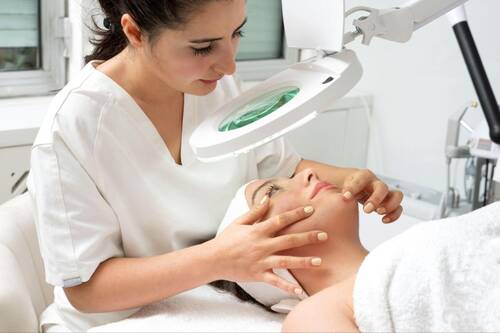
[caption id="attachment_69689" align="aligncenter" width="500"]Med Spa Treatments and Facial Aging Pexels.com[/caption] While aging is completely normal, there’s no harm in seeking self-affirming ways to address or combat its visible signs, enhance your natural features, and boost your confidence. Med spa treatments treat the visible signs of facial aging with trusted, medical-grade, and science-backed cosmetic procedures. Drawing on clinical studies, this article examines the latest scientific research on how med spa treatments, including Botox and dermal fillers, impact the natural aging process of the face to ultimately lessen or reverse the signs of aging.

What Is Facial Aging?

Facial aging happens when visible signs of aging, such as wrinkles, fine lines, and sagging skin, start appearing on your face. Aging on your facial area is often a gradual process, meaning it doesn’t happen overnight, but once its effects become evident, you’ll be able to notice the signs almost instantly. Premium med spa treatments can help you reverse its effects—but first, what causes facial aging to begin with?
Author Interviews, Environmental Risks, NYU / 23.07.2025

MedicalResearch.com Interview with: [caption id="attachment_69606" align="alignleft" width="225"]Dr. George D. Thurston ScD Professor of Medicine and Population Health Director of the Program in Exposure Assessment and Human Health Effects NYU Grossman School of Medicine Division of Environmental Medicine NYC, NY 10010   Prof. Thurston[/caption] Dr. George D. Thurston Professor of Medicine and Population Health NYU Grossman School of Medicine Division of Environmental Medicine NYC, NY 10010   USA MedicalResearch.com: What is the background for this study? What were some of the chemicals released by the coal-coking plant? Response: Pittsburgh has a long history as the nation's principal source of bituminous coal production and home to iron and coke industries since the late 19th century, and is also known as one of the cities with the highest levels of air pollution and most air-pollution related deaths in the US, to date. The Shenango, Inc Coke Plant was one of the significant industrial emission sources in the area before its closure in January 2016. Coal-coking plants like the Shenango plant utilizes a destructive heated distillation process called pyrolysis to volatilize and drive the impurities out of coal and produce coke, a purer product with higher carbon content for use in iron and steel production. From this process, coke plant operations are known to generate high emissions of complex air pollution mixtures into the ambient air, including particulate matter (PM), sulfur dioxide (SO2), nitrogen oxides (NOx), polycyclic organic matter (POMs), volatile compounds (VOCs), and volatilized trace metals such as arsenic, nickel, selenium, lead, and cobalt. Our study examines the changes in respiratory health in the community residing near the Shenango Coke Plant before vs. after its closure,  providing a direct quantification of the health benefits of such fossil-fuel-related air pollution reductions. 
Lifestyle & Health, Mindfulness-Wellness / 23.07.2025

[caption id="attachment_69679" align="aligncenter" width="500"]scaling-wellness-brand.jpg Pexel.com Image[/caption] Looking to expand your clinic’s services while still maintaining a high standard of expert care? Partnering with a medical director company can support the growth of your wellness brand, ensuring compliance, boosting credibility, and enhancing patient safety. Medical director companies simplify the hiring process, ultimately making scaling easier and more efficient for wellness clinics aiming to expand their business.

What Is a Medical Director Company?

A medical director company, also known as a medical director placement business, is an organization that offers third-party services to match aesthetic and wellness clinics with a qualified medical director.
Accidents & Violence, Brain Injury, Legal-Malpractice / 23.07.2025

Financial Impact of Traumatic Brain Injuries.jpg When you think of Waco, Texas, maybe the first thing that comes to mind is the strong sense of community or the balance between its small-town vibe and growing city infrastructure. What probably doesn't come to mind right away is how a serious accident, such as a car crash, a fall at work, or even an assault, can drastically change life for someone here. As we know, traumatic brain injuries (TBIs) don't care about zip codes. And in places like Waco, where many people rely on physically demanding jobs or even high-responsibility roles in business and education, the effects of a brain injury can be devastating, not just physically, but financially. This is where legal help becomes essential, and a Waco traumatic brain injury lawyer can be the difference between drowning in costs and finding a way to recover financially.
Accidents & Violence, Electronic Records, Legal-Malpractice / 23.07.2025

Medical Records on Your Injury Case When it comes to personal injury matters, medical records are pivotal to a strong case. These records are not just paperwork; they serve as the foundation of your claim by providing an objective and professional account of your injuries, diagnosis, treatment, and recovery. Understanding the role of these papers in your claim is crucial for any injury victim seeking to obtain justice.

1.   Establish the Nature and Extent of Injuries

One of the main reasons to keep medical records is to document the injuries you suffered. Whether it's a fracture, a traumatic brain injury, or soft tissue damage, detailed documentation from doctors, hospitals, and specialists outlines the diagnosis. These documents provide professional verification that an injury occurred and indicate the extent of the injury. In a city like Troy, a suburb of Detroit with a population nearing 87,500, residents benefit from a highly educated community—about 64 % hold a bachelor’s degree or higher—strong healthcare infrastructure, and major medical employers. The medical and legal systems may intersect during the claims process, having local representation can make a meaningful difference. This medical record can be used by a seasoned Troy personal injury attorney to create a strong case, especially when it comes to demonstrating the extent of these injuries in your daily lifestyle.
Addiction, addiction-treatment, Opiods / 23.07.2025

[caption id="attachment_69662" align="alignleft" width="150"]Maria Gikoska, MBSGeisinger College of Health Sciences Scranton, PA 18509 Maria Gikoska[/caption] MedicalResearch.com Interview with: Maria Gikoska, MBS Geisinger College of Health Sciences Scranton, PA 18509 MedicalResearch.com: What is the background for this study? Response: Opioid use disorder (OUD) is a chronic condition that continues to substantially impact public health in the United States (U.S.), with approximately 5.7 million people affected in 2023. Buprenorphine, a partial mu-opioid receptor agonist, is widely used for treating OUD due to its safety profile, high treatment retention, and effectiveness in reducing opioid-related mortality. Since its approval in 2002, its use has increased, though not uniformly across states. Factors such as the now- eliminated X-waiver, telemedicine expansions during the COVID-19 pandemic, and differing state level policies have influenced buprenorphine access. The study sought to evaluate national and state-level pattern in buprenorphine distribution from 2019-2023 to understand disparities and inform public health interventions.
Author Interviews / 23.07.2025

[caption id="attachment_69650" align="aligncenter" width="500"]telehealth-increasing-access-healthcare Photo By: Kaboompics.com: [/caption] Today’s patients expect more from their healthcare providers than in the past. With the rapid growth of digital technology, people are more connected and informed than ever. They want easier access to their doctors, greater involvement in treatment plans, and clear, consistent communication. For physicians and medical practices, enhancing patient engagement has become a necessity. It plays a critical role in building trust, improving outcomes, and creating a better overall experience for patients. Here are six practical, technology-driven strategies that can help healthcare providers boost engagement and build lasting relationships with their patients.
  1. Offer Telehealth Appointments
Telehealth has become an essential tool in modern healthcare. It gives patients the flexibility to consult with their doctors without traveling or waiting in crowded offices. This option is particularly helpful for people with mobility challenges or busy schedules since it removes many common barriers to receiving care. In addition to convenience, telehealth helps providers maintain stronger connections with their patients. Regular virtual check-ins can support early intervention and encourage better adherence to treatment plans.
Addiction / 22.07.2025

[caption id="attachment_69633" align="aligncenter" width="500"]spirituality-recovery-cravings-addiction Photo by Anastasia Shuraeva[/caption] Addiction has a way of hollowing out the life it invades, draining families, eroding bodies, and dismantling communities one relapse at a time. We know the patterns: the cycle of detox, a brief clean stretch, the weight of shame, the familiar collapse. But medicine is evolving, and we’ve learned that the way forward requires a mix of evidence-based care, layered psychological support, and a deeper look at what keeps a person whole. Unraveling The Physiology Of Craving Cravings are not merely willpower issues. They’re complex chemical signals rooted in neuroadaptation, reward circuitry, and stress response gone haywire. Chronic use alters dopaminergic pathways, rewiring what the brain identifies as a “need” and creating persistent triggers linked to environmental cues and emotional states. Managing these signals isn’t just about abstinence. It requires targeted pharmacotherapies and cognitive interventions that interrupt the loop before a slip becomes a spiral. Medications like buprenorphine and naltrexone have changed the way we stabilize opioid and alcohol dependencies, reducing post-acute withdrawal and lowering the risk of overdose during vulnerable windows. But medications alone won’t rebuild a life stripped of social connection and purpose. Addressing these biological underpinnings is only the first layer of work.
Addiction, addiction-treatment, Mental Health Research / 22.07.2025

[caption id="attachment_69630" align="aligncenter" width="500"]psychiatry-addiction-medicine Photo by Antoni Shkraba Studio[/caption] Addiction doesn't wait for a clean calendar or a quiet life. It digs in when people are at their worst and robs them of the small things that made them feel like themselves. Modern psychiatry can't sidestep it anymore, not if we're serious about treating the whole patient, not just the symptoms that fit neatly on a billing code. The old split between mental health and addiction care keeps falling apart because it doesn't reflect how people actually live—or how they actually suffer. The Two-Way Street Between Trauma And Substances It’s rare to meet someone in treatment whose addiction story doesn’t include a chapter on trauma. Whether it’s childhood neglect, violence, or a string of smaller injuries that piled up, trauma sets up the brain to reach for relief wherever it can find it. Substance use offers that relief fast, even if it’s temporary, and the brain learns to chase that escape. But then the substances fuel anxiety, depression, and shame, reinforcing the trauma’s grip. Psychiatrists often see patients who’ve cycled through medication changes for depression or anxiety, only to realize the alcohol or pills they use at night are keeping them sick. The dopamine system doesn’t distinguish between what’s prescribed and what’s poured into a glass; it just wants more of what makes the pain go quiet. Treating trauma and substance use separately ignores how tightly they’re tied together, and patients know it, even if they can’t always articulate it in a clinical interview.
Addiction, addiction-treatment / 22.07.2025

[caption id="attachment_69626" align="aligncenter" width="500"]luxury-addiction-recovery-rehab Photo by Andrea Piacquadio[/caption] The word luxury gets tossed around so often it’s practically background noise. But when it comes to addiction treatment, it actually means something—something more than a fresh coat of paint and a better breakfast spread. A luxurious rehab isn’t just expensive. It’s built to feel like safety, like dignity, like you’re being cared for without being judged or confined. That matters, especially when someone’s walking into recovery for the first—or fifth—time. It’s not about spoiling people. It’s about removing shame from the equation. And yeah, sometimes that starts with Egyptian cotton sheets and a panoramic mountain view. But the real luxury? That runs a little deeper.
Dermatology / 22.07.2025

Editor's note: Please let your health care provider know of any topical ointment or cream you are using.  These products, while often helpful, may contain irritants or allergens your provider should be aware. Keep the box or label that contains the ingredients. See your provider before using over-the-counter homeopathic medications. [caption id="attachment_69616" align="aligncenter" width="500"]skin-cream-recalcitrant-conditions Photo by SHVETS production[/caption] Resistant skin conditions are repeat or long-term problems that won't play ball to regular creams or treatments. They're eczema, psoriasis, fungal infections, and ongoing rashes that won't disappear and will keep recurring or worsening. Topical ointments are helpful in these situations because they release powerful ingredients directly onto infected skin, controlling symptoms where products can't.

Deliver Potent Ingredients Directly

Topical creams are designed to go where oral drugs can't. They put powerful agents closest to inflammation, infection, or irritation, like corticosteroids, antibiotics, or antifungals. That direct contact makes topical ointment for resistant skin conditions faster and more effective in breaking cycles of flare-ups. . By dealing with the problem at the skin level, they also reduce the need for systemic drugs and lower the risk of systemic side effects.
Addiction, addiction-treatment / 19.07.2025

[caption id="attachment_69609" align="aligncenter" width="500"]addiction-rehab-recovery-choosing Photo by Antoni Shkraba Studio[/caption] Most people don’t think about how to pick a rehab until life makes them. It’s not exactly the sort of research you do in your spare time while scrolling your phone in the pickup line. Then one day, it’s you or someone you love, and you’re up at 2 a.m. googling, trying to separate real help from glossy promises. Rehab can be life-saving. It can also be a waste of time and money if you don’t know what to look for. That’s not meant to scare you, just to save you a lot of frustration. Here’s what actually matters when you’re choosing a place that can help you or someone you love break free from addiction for good. Don’t Get Distracted By The Pool You’d be amazed how many rehabs brag about how nice their sheets are or that they have a pool. Look, there’s nothing wrong with a comfortable bed, but luxury isn’t the point. You’re not booking a vacation. You’re trying to get well. If the photos are all sunsets and yoga mats, dig deeper before you sign anything. What you actually want is a place that’s medically sound, with a team that knows how to handle detox safely. Not every addiction requires medical detox, but you need a place that can evaluate whether you do. It’s not fun or pretty, but getting the right medical support during withdrawal can be the difference between sticking it out or running back to old habits when things get hard. Once you’re through that window, you need a team that understands how to treat the whole person, not just the symptoms. Trauma-informed care, evidence-based therapy, and a clear aftercare plan matter more than the brand of bottled water they hand out on arrival.
General Medicine / 19.07.2025

[caption id="attachment_69603" align="aligncenter" width="500"]Friendly Primary Care Models Photo by cottonbro studio[/caption]

The Shifting Landscape of Physician-Controlled Clinics

Medical practice ownership has fractured, and that’s no accident. Rather than opting for the treadmill of hospital-employed work, more physicians are reclaiming autonomy through private clinics. “Physician-controlled clinics” are not just about seeing patients; they're about physicians calling the shots—both clinically and operationally. According to a 2023 AMA report, nearly 47% of physicians now practice in physician-owned settings. The pendulum is swinging back.
Dental Research / 19.07.2025

[caption id="attachment_69600" align="aligncenter" width="500"]dental-innovations-dentalcare Photo by Cedric Fauntleroy[/caption]

Changing Patient Expectations in Dental Care

Modern patients don’t just expect dental care—they demand it on their terms. Convenience, transparency, and personalized service are the new hallmarks of excellence. A survey by the American Dental Association revealed that 72% of patients rank dentist-patient communication as a top priority. That’s non-negotiable. Gone are the days when patients accepted one-size-fits-all treatments without question. They crave tailored experiences, streamlined scheduling, and real-time updates about their care. This shift makes adaptability crucial. Dentists have to up their game or risk falling behind. Patients are watching, and they want the future now.
Endocrinology, Surgical Research, Thyroid Disease / 17.07.2025

[caption id="attachment_69570" align="aligncenter" width="500"]surgical-procedures-for-thyroid-disorders.png Picture Credit[/caption]

Introduction 

Thyroid disorders affect a lot of people across the globe. Thyroid problems can cause serious health issues if they are not treated on time. While many cases can be managed with medication, others may require surgery. Thyroid surgery is the most effective solution when the gland becomes enlarged and develops nodules.  But what kind of surgery is best?  In this post, we will explore the various types of surgical procedures for thyroid disorders. We will also explore their benefits when they are utilized and what patients can expect.
Author Interviews / 17.07.2025

[caption id="attachment_69559" align="aligncenter" width="500"]telehealth-doctor's-note-unsplash Unsplash[/caption] Woke up sick? Head throbbing, throat on fire, body aching? Before, that meant dragging yourself to a waiting room just to get a note for work. Not anymore. Now, you can roll over, grab your phone, and talk to a licensed doctor from bed. That shift isn’t just convenient—it’s changing how we think about care, sick days, and what it means to be "too sick to show up." Thanks to virtual care options like online doctors note services from platforms like TrustMedical, getting the documentation you need is faster, easier, and less stressful. In just a few clicks, you can speak to a licensed provider and get a valid note for your employer—all without leaving your couch. It’s care that meets you where you are, literally.
Exercise - Fitness, Technology / 17.07.2025

[caption id="attachment_69556" align="aligncenter" width="500"]fitness-management-software Photo by cottonbro studio[/caption]

Introduction

In 2025, the fusion of health science and technology continues to reshape the fitness industry. From individual users striving to better understand their bodies to wellness professionals seeking efficient ways to manage their practice, digital platforms now serve as critical tools. Among the many innovations, two software solutions stand out—one focused on advanced biometric tracking and the other on comprehensive studio operations. These platforms highlight how software-as-a-service (SaaS) can bring precision, convenience, and structure to both personal fitness and professional wellness management.
Nutrition / 16.07.2025

[caption id="attachment_69545" align="aligncenter" width="500"]hydration-powders-magnesium Photo by Towfiqu barbhuiya[/caption] Have you ever felt like your energy levels are plummeting, only to realize you might just be dehydrated? Hydration is one of the most essential elements of well-being, impacting everything from mood to physical performance.  When busy schedules mean proper hydration takes a backseat, products like Dash Hydration Powder make staying hydrated a hassle-free experience. Learn about hydration and uncover how a simple powder can revolutionize the way you quench your thirst.

The Science Behind Hydration

Hydration is not just about sipping from a water bottle — it's a vital component of your body's functionality. When you're well-hydrated, your body can perform at its best.  Bodies are made up of around 60% water, which is why hydration is so important for maintaining various bodily functions. From regulating body temperature to aiding digestion and nutrient absorption, the science behind hydration is deeply intertwined with overall health.