Author Interviews, Electronic Records / 17.03.2017
Loopback Analytics Uses Predictive Analytics To Close The Loop In Health Care Data
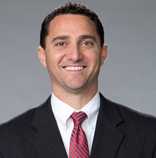
[caption id="attachment_32974" align="alignleft" width="200"]
Neil Smiley[/caption]
MedicalResearch.com Interview with:
Neil Smiley
CEO of Loopback Analytics
MedicalResearch.com: What is the background for Loopback Analytics? What are the problems Loopback Analytics is attempting to mitigate?
Response: Loopback Analytics (Loopback) is a Software-as-a-Service company that provides event-driven population health management. Founded in 2009, Loopback integrates and manages diverse data sources to support predictive analytics and intervention solutions to address health reform reimbursement challenges with the goal of achieving the Triple Aim – better care, better health and lower costs.
Loopback enabled intervention solutions address key challenges associated with value-based care, such as reducing avoidable hospitalizations, high emergency department utilization, medication adherence and optimization of post-acute care networks.
Neil Smiley[/caption]
MedicalResearch.com Interview with:
Neil Smiley
CEO of Loopback Analytics
MedicalResearch.com: What is the background for Loopback Analytics? What are the problems Loopback Analytics is attempting to mitigate?
Response: Loopback Analytics (Loopback) is a Software-as-a-Service company that provides event-driven population health management. Founded in 2009, Loopback integrates and manages diverse data sources to support predictive analytics and intervention solutions to address health reform reimbursement challenges with the goal of achieving the Triple Aim – better care, better health and lower costs.
Loopback enabled intervention solutions address key challenges associated with value-based care, such as reducing avoidable hospitalizations, high emergency department utilization, medication adherence and optimization of post-acute care networks.


Dr. David Ouyang[/caption]
MedicalResearch.com Interview with:
David Ouyang MD
Department of Internal Medicine
Stanford University School of Medicine
Stanford, California
Medical Research: What is the background for this study? What are the main findings?
Dr. Ouyang: In American teaching hospitals, trainee resident physicians are an integral part of the medical team in performing procedures, writing notes, and coordinating care. As more care is being facilitated by electronic medical record (EMR) systems, we are just now finally able to understand how much residents work and how residents spend their time. In our study, we examined the types and timing of electronic actions performed on the EMR system by residents and found that residents spend about a third (36%) of their day in front of the computer and frequently perform many simultaneous tasks across the charts of multiple patients. Additionally, residents often do work long hours, with a median of 69.2 hours per week when on the inpatient medicine service.
Dr. Ratanawongsa[/caption]
MedicalResearch.com Interview with:
Neda Ratanawongsa, MD, MPH
CMIO for CareLinkSF
Associate Professor, Division of General Internal Medicine
UCSF Center for Vulnerable Populations
Physician, Richard H. Fine People's Clinic (RHPC)
San Francisco, CA 94110
Medical Research: What is the background for this study?
Dr. Ratanawongsa: Many people are concerned about the growing intrusion of computers into the patient-provider relationship. Touted as systems that will make care safer and more cost-effective, electronic health records (EHRs) have proliferated rapidly across the country, fueled by HITECH funding. However, some health care professionals feel like computers keep them from connecting with their patients. Also prior research has shown that computer use can change communication in the exam room and shift agenda from patients' concerns toward medical talk.
Safety net patients already face communication barriers in routine care, particularly language and literacy barriers. Although EHRs could help improve care and communication with these vulnerable patients by helping clinicians fill in the gaps (e.g., what happened in the ED, what medication were you given by that specialist), EHRs could also worsen communication by drawing clinicians' focus away from patients during visits.