MedicalResearch.com Interview with:
[caption id="attachment_20592" align="alignleft" width="107"]

Dr. Tanush Gupta[/caption]
Tanush Gupta, MD
Chief Resident & Instructor of Medicine
Department of Medicine
New York Medical College & Westchester Medical Center
Valhalla, NY
MedicalResearch.com: What is the background for this study? What are the main findings?
Dr. Gupta: Cigarette smoking is the leading preventable cause of premature death in the United States (U.S.). Approximately one-third of all coronary artery disease related deaths in the U.S. annually can be attributed to cigarette smoking. However, studies from the pre-thrombolytic and thrombolytic eras have shown that mortality in smokers with ST-segment elevation myocardial infarction (STEMI) may be lower than in nonsmokers, a phenomenon called the “smoker’s paradox.”
The majority of STEMI patients in contemporary practice are treated with primary percutaneous coronary intervention (pPCI). Data on the association of smoking with outcomes in STEMI patients undergoing pPCI are limited and also conflicting as to whether the smoker’s paradox exists in this population. Hence, the purpose of our study was to examine the association of smoking status with in-hospital outcomes in a nationwide cohort of STEMI patients undergoing pPCI, included in the U.S. National Inpatient Sample, over a 10-year time period from 2003 to 2012. Our primary outcome of interest was in-hospital mortality and secondary outcomes were post-procedure hemorrhage, in-hospital cardiac arrest, and average length of stay.
Of 985,174 STEMI patients who underwent pPCI in the U.S. over this time period, 438,954 (44.6%) were smokers. Smokers were on an average 8 years younger than nonsmokers and had lower prevalence of most cardiovascular comorbidities. Smoking status was associated with lower risk-adjusted in-hospital mortality (2.0% vs. 5.9%, adjusted OR 0.60, p<0.001), lower incidence of post-procedure hemorrhage (4.2% vs. 6.1%, adjusted OR 0.81, p<0.001) and in-hospital cardiac arrest (1.3% vs. 2.1%, adjusted OR 0.78, p<0.001), and shorter average length of stay (3.5 days vs. 4.5 days, p<0.001). To assess whether younger age of smokers was influencing the association with in-hospital mortality, we also performed an age-stratified analyses in different age groups. The smoker’s paradox largely persisted in age-stratified analyses suggesting that younger age of smokers was not the sole explanation for this paradox.
We performed additional assessment for confounding to explore whether the paradoxically lower risk-adjusted in-hospital mortality in smokers with STEMI was driven by differences in baseline demographics and comorbidities between hospitalized smokers and nonsmokers in general. To test for such confounding, we examined the association of smoking with in-hospital mortality in 2 conditions in which this association has not been previously studied – hip fractures and severe sepsis – using similar statistical regression models. In both these study populations, smokers were on average younger than nonsmokers and had lower risk-adjusted in-hospital mortality, but, the paradoxical association in both these conditions was weaker in magnitude than in STEMI patients. Since there is no cogent biological hypothesis to explain the lower mortality in smokers with sepsis or hip fractures, it is likely that the smoker’s paradox in STEMI is also at least partly driven by residual confounding due to inadequate adjustment for the biological effects of age. However, as this paradox was stronger in STEMI patients than in patients with hip fractures or severe sepsis, we believe that additional true biological differences between smokers and nonsmokers with STEMI also contribute to the paradoxically lower in-hospital mortality.

 Dr. Redlich[/caption]
Dipl.-Psych. R. Redlich
Neuroimaging Group
Klinik und Poliklinik für Psychiatrie und Psychotherapie
Westfaelische Wilhelms-Universitaet Muenster
MedicalResearch.com: What is the background for this study?
Response: Electroconvulsive therapy (ECT) is one of the most effective treatments for severe depression. The ability to advise psychiatrists and patients accurately regarding the chances of successful ECT is of considerable value, particularly since ECT is a demanding procedure and, despite having relatively few side effects, has a profound impact on patients. Therefore, the present study sought to predict ECT response in a psychiatric sample by using a combination of structural Magnetic Resonance Imaging data and machine-learning techniques.
Dr. Redlich[/caption]
Dipl.-Psych. R. Redlich
Neuroimaging Group
Klinik und Poliklinik für Psychiatrie und Psychotherapie
Westfaelische Wilhelms-Universitaet Muenster
MedicalResearch.com: What is the background for this study?
Response: Electroconvulsive therapy (ECT) is one of the most effective treatments for severe depression. The ability to advise psychiatrists and patients accurately regarding the chances of successful ECT is of considerable value, particularly since ECT is a demanding procedure and, despite having relatively few side effects, has a profound impact on patients. Therefore, the present study sought to predict ECT response in a psychiatric sample by using a combination of structural Magnetic Resonance Imaging data and machine-learning techniques.
 Dr. Ben Freedman[/caption]
Dr. Ben Freedman OAM
Deputy Director Research Strategy, Heart Research Institute/Charles Perkins Centre
Professor of Cardiology, Sydney Medical School
Head Vascular Biology Anzac Research Institute
Honorary VMO, Concord Repatriation General Hospital
University of Sydney
MedicalResearch.com: What is the background for this study?
Dr. Freedman: Guidelines recommend that patients with atrial fibrillation (AF) at high enough risk for stroke should be treated with anticoagulant. Anticoagulant drugs are remarkably effective in reducing stroke risk by about two thirds, and death by between a quarter and a third. Unfortunately, strokes can still occur when patients are prescribed anticoagulant for Atrial Fibrillation, and it is often presumed this residual risk of stroke represents treatment failure, though there are few data about this important issue.
MedicalResearch.com: What are the main findings?
Dr. Freedman: We were able to compare the risk of stroke in a cohort of patients with AF commenced on anticoagulant, with a very large closely-matched cohort seen in general practice at the same time but without AF. This is a unique comparison. We found that the residual risk of stroke in such anticoagulant-treated patients was virtually identical to that in the matched control cohort. The implication is that the residual risk of stroke may not be treatment failure, but the risk of non-cardioembolic stroke in people of a similar age and stroke risk profile but without Atrial Fibrillation. The residual risk of death in those on anticoagulant was higher than the matched controls, and intermediate between the control rate and the mortality rate for untreated AF.
Dr. Ben Freedman[/caption]
Dr. Ben Freedman OAM
Deputy Director Research Strategy, Heart Research Institute/Charles Perkins Centre
Professor of Cardiology, Sydney Medical School
Head Vascular Biology Anzac Research Institute
Honorary VMO, Concord Repatriation General Hospital
University of Sydney
MedicalResearch.com: What is the background for this study?
Dr. Freedman: Guidelines recommend that patients with atrial fibrillation (AF) at high enough risk for stroke should be treated with anticoagulant. Anticoagulant drugs are remarkably effective in reducing stroke risk by about two thirds, and death by between a quarter and a third. Unfortunately, strokes can still occur when patients are prescribed anticoagulant for Atrial Fibrillation, and it is often presumed this residual risk of stroke represents treatment failure, though there are few data about this important issue.
MedicalResearch.com: What are the main findings?
Dr. Freedman: We were able to compare the risk of stroke in a cohort of patients with AF commenced on anticoagulant, with a very large closely-matched cohort seen in general practice at the same time but without AF. This is a unique comparison. We found that the residual risk of stroke in such anticoagulant-treated patients was virtually identical to that in the matched control cohort. The implication is that the residual risk of stroke may not be treatment failure, but the risk of non-cardioembolic stroke in people of a similar age and stroke risk profile but without Atrial Fibrillation. The residual risk of death in those on anticoagulant was higher than the matched controls, and intermediate between the control rate and the mortality rate for untreated AF.
 Dr. Fleming Dutra[/caption]
MedicalResearch.com: What is the background for this study?
Dr. Fleming-Dutra: One of the most urgent public health threats of our time is the emergence of antibiotic-resistant bacteria. The use of antibiotics is the single most important factor leading to antibiotic resistance around the world. Simply using antibiotics creates resistance. To combat antibiotic resistance we have to use antibiotics appropriately — only when needed and, if needed, use them correctly. In 2015, the White House released the National Action Plan for Combating Antibiotic-Resistant Bacteria (CARB), which set a goal for reducing inappropriate outpatient antibiotic use by 50% by 2020. However, the amount of antibiotic use in the outpatient setting that is inappropriate was unknown.
MedicalResearch.com: What are the main findings?
Dr. Fleming-Dutra: In this study, we estimate that at least 30% of antibiotics prescribed in doctors’ offices, emergency departments and hospital-based clinics are unnecessary—meaning that no antibiotic was needed at all, which equates to 47 million unnecessary antibiotic prescriptions written annually in these outpatient settings. Most of those unnecessary antibiotic prescriptions were written for acute respiratory conditions, a key driver of antibiotic overuse. Thus, in order to reach the White House goal of reducing inappropriate outpatient antibiotic use by 50%, a 15% reduction in overall antibiotic use in outpatient settings is needed by 2020.
Dr. Fleming Dutra[/caption]
MedicalResearch.com: What is the background for this study?
Dr. Fleming-Dutra: One of the most urgent public health threats of our time is the emergence of antibiotic-resistant bacteria. The use of antibiotics is the single most important factor leading to antibiotic resistance around the world. Simply using antibiotics creates resistance. To combat antibiotic resistance we have to use antibiotics appropriately — only when needed and, if needed, use them correctly. In 2015, the White House released the National Action Plan for Combating Antibiotic-Resistant Bacteria (CARB), which set a goal for reducing inappropriate outpatient antibiotic use by 50% by 2020. However, the amount of antibiotic use in the outpatient setting that is inappropriate was unknown.
MedicalResearch.com: What are the main findings?
Dr. Fleming-Dutra: In this study, we estimate that at least 30% of antibiotics prescribed in doctors’ offices, emergency departments and hospital-based clinics are unnecessary—meaning that no antibiotic was needed at all, which equates to 47 million unnecessary antibiotic prescriptions written annually in these outpatient settings. Most of those unnecessary antibiotic prescriptions were written for acute respiratory conditions, a key driver of antibiotic overuse. Thus, in order to reach the White House goal of reducing inappropriate outpatient antibiotic use by 50%, a 15% reduction in overall antibiotic use in outpatient settings is needed by 2020.
 Dr Lluís Ribas[/caption]
Lluís Ribas de Pouplana, Ph.D
IRB Barcelona
Barcelona 08028
MedicalResearch.com: What is the background for this study? What are the main findings?
Response: Ever since the discovery of the genetic code it became obvious that the system had not grown to its full theoretical potential of making proteins with 63 different amino acids.
Francis Crick called the code 'a frozen accident',
but it was unclear what had actually froze it.
In this article we offer an explanation to that, and we validate it experimentally.
What we find is that the central pieces of the genetic code, the transfer RNAs,
are unable to incorporate enough specific elements for the system to be able to
use 63 of them without confusion. Since you need a new tRNA for each new
amino acid, once the tRNA identification limit is reached you also reach the
maximum number of usable amino acids. This limit happened to be reached
at 20, and that's where it has stayed for 3 billion years.
Dr Lluís Ribas[/caption]
Lluís Ribas de Pouplana, Ph.D
IRB Barcelona
Barcelona 08028
MedicalResearch.com: What is the background for this study? What are the main findings?
Response: Ever since the discovery of the genetic code it became obvious that the system had not grown to its full theoretical potential of making proteins with 63 different amino acids.
Francis Crick called the code 'a frozen accident',
but it was unclear what had actually froze it.
In this article we offer an explanation to that, and we validate it experimentally.
What we find is that the central pieces of the genetic code, the transfer RNAs,
are unable to incorporate enough specific elements for the system to be able to
use 63 of them without confusion. Since you need a new tRNA for each new
amino acid, once the tRNA identification limit is reached you also reach the
maximum number of usable amino acids. This limit happened to be reached
at 20, and that's where it has stayed for 3 billion years.
 Dr. Jennifer Graves[/caption]
Jennifer Graves, MD, PhD, MAS
Adult and Pediatric Multiple Sclerosis Centers
UCSF
MedicalResearch.com: What is the background for this study? What are the main findings?
Dr. Graves: Cessation of medications with effects on immune trafficking may be more likely to cause rebound inflammatory activity in autoimmune diseases such as multiple sclerosis. We observed 5 strikingly severe relapses consistent with rebound events following cessation of fingolimod treatment and identified several similar cases in the literature. At our center the rebound events occurred with an approximate 10% frequency.
MedicalResearch.com: What should clinicians and patients take away from your report?
Dr. Graves: Fingolimod cessation may be complicated by rebound phenomena in some patients, similar to what has been observed with natalizumab. Both of these medications have effects on immune cell trafficking, likely explaining the association with rebound events. Careful consideration must be taken in stopping these medications.
Dr. Jennifer Graves[/caption]
Jennifer Graves, MD, PhD, MAS
Adult and Pediatric Multiple Sclerosis Centers
UCSF
MedicalResearch.com: What is the background for this study? What are the main findings?
Dr. Graves: Cessation of medications with effects on immune trafficking may be more likely to cause rebound inflammatory activity in autoimmune diseases such as multiple sclerosis. We observed 5 strikingly severe relapses consistent with rebound events following cessation of fingolimod treatment and identified several similar cases in the literature. At our center the rebound events occurred with an approximate 10% frequency.
MedicalResearch.com: What should clinicians and patients take away from your report?
Dr. Graves: Fingolimod cessation may be complicated by rebound phenomena in some patients, similar to what has been observed with natalizumab. Both of these medications have effects on immune cell trafficking, likely explaining the association with rebound events. Careful consideration must be taken in stopping these medications.
 Dr. Saira Saeed Mirza[/caption]
Saira Saeed Mirza, MD, PhD
Department of Epidemiology
Erasmus MC, Rotterdam
MedicalResearch.com: What is the background for this study? What are the main findings?
Dr. Mirza: Depressive symptoms appearing in late-life have been extensively studied for their relationship with dementia. They not only very frequently occur in demented patients, but also predict dementia. In this context, depressive symptoms have largely been assessed at a single time point only. However, depression is a disorder which remits and relapses, and symptoms do not remain same over the years. Given this pattern of disease progression, it is more important to study the course of depression over time in relation to long-term health outcomes such as dementia, rather than assessing it at a single time-point, which will neglect the course of depression. This is important as people follow different courses of depression, and different courses of depression might carry different risks of dementia.
When we studied the course of depressive symptoms over 11 years in community dwelling older adults in Rotterdam, and the subsequent risks of dementia, we observed that only those who had increasing or worsening depressive symptoms were at a higher risk of dementia. In this group of people, about one in five persons developed dementia. Interestingly, people suffering from high depressive symptoms at a single time point were not at a higher dementia risk than those without depressive symptoms.
Dr. Saira Saeed Mirza[/caption]
Saira Saeed Mirza, MD, PhD
Department of Epidemiology
Erasmus MC, Rotterdam
MedicalResearch.com: What is the background for this study? What are the main findings?
Dr. Mirza: Depressive symptoms appearing in late-life have been extensively studied for their relationship with dementia. They not only very frequently occur in demented patients, but also predict dementia. In this context, depressive symptoms have largely been assessed at a single time point only. However, depression is a disorder which remits and relapses, and symptoms do not remain same over the years. Given this pattern of disease progression, it is more important to study the course of depression over time in relation to long-term health outcomes such as dementia, rather than assessing it at a single time-point, which will neglect the course of depression. This is important as people follow different courses of depression, and different courses of depression might carry different risks of dementia.
When we studied the course of depressive symptoms over 11 years in community dwelling older adults in Rotterdam, and the subsequent risks of dementia, we observed that only those who had increasing or worsening depressive symptoms were at a higher risk of dementia. In this group of people, about one in five persons developed dementia. Interestingly, people suffering from high depressive symptoms at a single time point were not at a higher dementia risk than those without depressive symptoms.
 Dr. Zachary Keff[/caption]
Zachary Y. Kerr, PhD, MPH
Sports Injury Epidemiologist
Director, NCAA Injury Surveillance Program
Datalys Center for Sports Injury Research and Prevention
Indianapolis, IN 46202
MedicalResearch.com: What is the background for this study? What are the main findings?
Dr. Kerr: A 2013 Institutes of Medicine report called for more research on concussion in athletes aged 5-21 years. Although there is much research on the incidence of concussion across this age span, there is less related to outcomes such as symptoms and return to play time, let along comparisons by age.
In examining sport-related concussions that occurred in youth, high school, and college football, we found differences in the symptomatology and return to play time of concussed players. For example, the odds of return to play time being under 24 hours was higher in youth than in college. Also, over 40% of all concussions were returned to play in 2 weeks or more.
Dr. Zachary Keff[/caption]
Zachary Y. Kerr, PhD, MPH
Sports Injury Epidemiologist
Director, NCAA Injury Surveillance Program
Datalys Center for Sports Injury Research and Prevention
Indianapolis, IN 46202
MedicalResearch.com: What is the background for this study? What are the main findings?
Dr. Kerr: A 2013 Institutes of Medicine report called for more research on concussion in athletes aged 5-21 years. Although there is much research on the incidence of concussion across this age span, there is less related to outcomes such as symptoms and return to play time, let along comparisons by age.
In examining sport-related concussions that occurred in youth, high school, and college football, we found differences in the symptomatology and return to play time of concussed players. For example, the odds of return to play time being under 24 hours was higher in youth than in college. Also, over 40% of all concussions were returned to play in 2 weeks or more.
 Dr. Corby Martin[/caption]
Dr. Corby K. Martin PhD
Department/Laboratory:
Ingestive Behavior Laboratory
Director for Behavioral Sciences and Epidemiology
Pennington Biomedical Research Lab
Baton Rouge, LA
MedicalResearch.com: What is the background for this study? What are the main findings?
Dr. Martin: We know that calorie restriction extends the lifespan of many species and in humans calorie restriction or dieting might extend our healthspan, which is the length of time that we are free of disease. It is possible that more healthy weight or mildly overweight people might calorie restrict to improve their health, and one concern is the possible negative effects of calorie restriction on the quality of life of these individuals.
This study tested if 2 years of calorie restriction affected a number of quality of life measures compared to a group that did not calorie restrict and ate their usual diet and did not lose weight. People who enrolled in the study were normal weight to mildly overweight. The study found that calorie restriction improved mood, reduced tension and improved general health and sexual drive and relationship (a measure of sexual function) over two years. Further, the more weight that people lost, the greater their improvement in quality of life.
Dr. Corby Martin[/caption]
Dr. Corby K. Martin PhD
Department/Laboratory:
Ingestive Behavior Laboratory
Director for Behavioral Sciences and Epidemiology
Pennington Biomedical Research Lab
Baton Rouge, LA
MedicalResearch.com: What is the background for this study? What are the main findings?
Dr. Martin: We know that calorie restriction extends the lifespan of many species and in humans calorie restriction or dieting might extend our healthspan, which is the length of time that we are free of disease. It is possible that more healthy weight or mildly overweight people might calorie restrict to improve their health, and one concern is the possible negative effects of calorie restriction on the quality of life of these individuals.
This study tested if 2 years of calorie restriction affected a number of quality of life measures compared to a group that did not calorie restrict and ate their usual diet and did not lose weight. People who enrolled in the study were normal weight to mildly overweight. The study found that calorie restriction improved mood, reduced tension and improved general health and sexual drive and relationship (a measure of sexual function) over two years. Further, the more weight that people lost, the greater their improvement in quality of life.
 Dr. Paul Nghiem[/caption]
Paul Nghiem, MD, PhD
Professor & Head, University of Washington Dermatology
George F. Odland Endowed Chair
Affiliate Investigator, Fred Hutchinson Cancer Research Center
Professor, Adjunct, of Pathology and Oral Health Sciences
Clinical Director, Skin Oncology, Seattle Cancer Care Alliance
UW Medical Center at Lake Union
Seattle WA 98109
MedicalResearch.com: What is the background for this study? What are the main findings?
Dr. Nghiem: Merkel cell carcinoma (MCC) is about 30 times less common than malignant melanoma, but about 3 times more likely to kill a patient than a melanoma. There is no FDA-approved therapy for this cancer & chemotherapy typically only provides about 90 days prior to the cancer progressing. Because of the strong links between MCC and the immune system, including the fact that most MCCs are caused by a virus, there was interest in trying to use immune checkpoint therapy to treat advanced Merkel cell carcinoma. The response to immune stimulation with anti-PD1 therapy was about as frequent as to chemotherapy (56% of patients responded) but importantly, among the responders, 86% remained in ongoing responses at a median of 7.6 months. While still early, this appears to be strikingly more durable than responses to chemotherapy.
Dr. Paul Nghiem[/caption]
Paul Nghiem, MD, PhD
Professor & Head, University of Washington Dermatology
George F. Odland Endowed Chair
Affiliate Investigator, Fred Hutchinson Cancer Research Center
Professor, Adjunct, of Pathology and Oral Health Sciences
Clinical Director, Skin Oncology, Seattle Cancer Care Alliance
UW Medical Center at Lake Union
Seattle WA 98109
MedicalResearch.com: What is the background for this study? What are the main findings?
Dr. Nghiem: Merkel cell carcinoma (MCC) is about 30 times less common than malignant melanoma, but about 3 times more likely to kill a patient than a melanoma. There is no FDA-approved therapy for this cancer & chemotherapy typically only provides about 90 days prior to the cancer progressing. Because of the strong links between MCC and the immune system, including the fact that most MCCs are caused by a virus, there was interest in trying to use immune checkpoint therapy to treat advanced Merkel cell carcinoma. The response to immune stimulation with anti-PD1 therapy was about as frequent as to chemotherapy (56% of patients responded) but importantly, among the responders, 86% remained in ongoing responses at a median of 7.6 months. While still early, this appears to be strikingly more durable than responses to chemotherapy.
 Dr. Stephen Freedman[/caption]
Stephen B. Freedman MDCM, MSc,
Associate Professor
Department of Paediatrics, Sections of Emergency Medicine and Gastroenterology;
ACHRI Healthy Outcomes Theme Group Leader
Alberta Children’s Hospital, and Alberta Children’s Hospital Research Institute
University of Calgary,
Calgary, Canada
MedicalResearch.com: What is the background for this study?
Dr. Freedman: As a pediatric emergency medicine physician I continue to see large numbers of children who are brought for emergency care because of vomiting and diarrhea. In speaking with their caregivers it is clear that many of them try to administer electrolyte maintenance solutions at home but the children either refuse to drink them or they continue to vomit. As a researcher I have noticed that many children continue to receive intravenous rehydration despite not being significantly dehydrated and it appeared that this was often a physician’s response to a failed oral rehydration challenge in the emergency department, either due to refusal to consume the electrolyte maintenance solution supplied or because the children became more nauseous due to the poor palatability of the solution. It appeared that perhaps a less dogmatic approach aimed at providing fluids that children actually like, might overcome these problems leading to improved outcomes.
MedicalResearch.com: What are the main findings?
Dr. Freedman: Children with mild gastroenteritis and minimal dehydration experienced fewer treatment failures when offered dilute apple juice followed by their preferred fluid choice compared with those instructed to drink electrolyte maintenance solution to replace fluid losses. We found the benefit was greatest in those 24 to 60 months of age. The group provided and instructed to take their preferred fluids were administered intravenous rehydration less frequently.
Dr. Stephen Freedman[/caption]
Stephen B. Freedman MDCM, MSc,
Associate Professor
Department of Paediatrics, Sections of Emergency Medicine and Gastroenterology;
ACHRI Healthy Outcomes Theme Group Leader
Alberta Children’s Hospital, and Alberta Children’s Hospital Research Institute
University of Calgary,
Calgary, Canada
MedicalResearch.com: What is the background for this study?
Dr. Freedman: As a pediatric emergency medicine physician I continue to see large numbers of children who are brought for emergency care because of vomiting and diarrhea. In speaking with their caregivers it is clear that many of them try to administer electrolyte maintenance solutions at home but the children either refuse to drink them or they continue to vomit. As a researcher I have noticed that many children continue to receive intravenous rehydration despite not being significantly dehydrated and it appeared that this was often a physician’s response to a failed oral rehydration challenge in the emergency department, either due to refusal to consume the electrolyte maintenance solution supplied or because the children became more nauseous due to the poor palatability of the solution. It appeared that perhaps a less dogmatic approach aimed at providing fluids that children actually like, might overcome these problems leading to improved outcomes.
MedicalResearch.com: What are the main findings?
Dr. Freedman: Children with mild gastroenteritis and minimal dehydration experienced fewer treatment failures when offered dilute apple juice followed by their preferred fluid choice compared with those instructed to drink electrolyte maintenance solution to replace fluid losses. We found the benefit was greatest in those 24 to 60 months of age. The group provided and instructed to take their preferred fluids were administered intravenous rehydration less frequently.
 Dr. J. William Harbour[/caption]
 Dr. Keir Menzies[/caption]
Keir Menzies PhD
Assistant Professor
University of Ottawa Brain and Mind Research Institute
University of Ottawa
MedicalResearch.com: What is the background for this study? What are the main findings?
Dr. Menzies: Currently there is significant amount of research identifying the power of stem cells to regenerate damaged or aging tissue. Our research discovered that reduced stem cell health was linked to unusually low levels of a small molecule called NAD, one of the most important cellular molecules to maintain the performance of mitochondria, the engine of the cell. Then by boosting NAD levels, using a special form of vitamin B3 called nicotinamide riboside, stem cells could be rejuvenated during aging by improving mitochondrial function. We then go on to show that by improving stem cell function we could prolong the lifespan of mice, even when the treatment began at a relatively old age.
Dr. Keir Menzies[/caption]
Keir Menzies PhD
Assistant Professor
University of Ottawa Brain and Mind Research Institute
University of Ottawa
MedicalResearch.com: What is the background for this study? What are the main findings?
Dr. Menzies: Currently there is significant amount of research identifying the power of stem cells to regenerate damaged or aging tissue. Our research discovered that reduced stem cell health was linked to unusually low levels of a small molecule called NAD, one of the most important cellular molecules to maintain the performance of mitochondria, the engine of the cell. Then by boosting NAD levels, using a special form of vitamin B3 called nicotinamide riboside, stem cells could be rejuvenated during aging by improving mitochondrial function. We then go on to show that by improving stem cell function we could prolong the lifespan of mice, even when the treatment began at a relatively old age.
 Dr. Shelly B. Flagel[/caption]
Shelly B. Flagel, PhD
Molecular and Behavioral Neuroscience Institute
Department of Psychiatry
University of Michigan, Ann Arbor, MI 48109
MedicalResearch.com: What is the background for this study? What are the main findings?
Dr. Flagel: We used a unique genetic animal model to examine individual differences in addiction liability. This model of selectively bred rat lines allowed us to examine the brains of “addiction-prone” and “addiction-resilient” rats before and after they were exposed to cocaine. I
mportantly, even though all rats were exposed to the same amount of drug, only a certain subset exhibited addiction-like behavior. We focused our neurobiological analyses on two molecules that have been previously implicated in response to drugs of abuse – the dopamine D2 receptor and fibroblast growth factor (FGF2). We examined gene expression and the epigenetic regulation of these molecules and found that low levels of FGF2 in the core of the nucleus accumbens, a brain region known for regulating motivated behavior, may protect individuals from becoming addicted; whereas low levels of D2 in this brain region may predispose individuals to addiction.
Further, this is the first study to show that epigenetic modulation of these molecules may be a predisposing factor and that, the epigenetic regulation of D2 may be especially important in susceptibility to relapse.
Dr. Shelly B. Flagel[/caption]
Shelly B. Flagel, PhD
Molecular and Behavioral Neuroscience Institute
Department of Psychiatry
University of Michigan, Ann Arbor, MI 48109
MedicalResearch.com: What is the background for this study? What are the main findings?
Dr. Flagel: We used a unique genetic animal model to examine individual differences in addiction liability. This model of selectively bred rat lines allowed us to examine the brains of “addiction-prone” and “addiction-resilient” rats before and after they were exposed to cocaine. I
mportantly, even though all rats were exposed to the same amount of drug, only a certain subset exhibited addiction-like behavior. We focused our neurobiological analyses on two molecules that have been previously implicated in response to drugs of abuse – the dopamine D2 receptor and fibroblast growth factor (FGF2). We examined gene expression and the epigenetic regulation of these molecules and found that low levels of FGF2 in the core of the nucleus accumbens, a brain region known for regulating motivated behavior, may protect individuals from becoming addicted; whereas low levels of D2 in this brain region may predispose individuals to addiction.
Further, this is the first study to show that epigenetic modulation of these molecules may be a predisposing factor and that, the epigenetic regulation of D2 may be especially important in susceptibility to relapse.
 Donghao Lu[/caption]
Donghao Lu MD, PhD candidate
Department of Medical Epidemiology & Biostatistics,
Karolinska Institutet
Stockholm
MedicalResearch.com: What is the background for this study? What are the main findings?
Dr. Lu: Psychiatric comorbidities are common among cancer patients. However, whether or not there is already increased risk of psychiatric disorders during the diagnostic workup leading to a cancer diagnosis was largely unknown.
We found that, among cancer patients, the risks for several common and potentially stress-related mental disorders, including depression, anxiety, substance abuse, somatoform/conversion disorder and stress reaction/adjustment disorder started to increase from ten months before cancer diagnosis, peaked during the first week after diagnosis, compared to cancer-free individuals in Sweden.
Donghao Lu[/caption]
Donghao Lu MD, PhD candidate
Department of Medical Epidemiology & Biostatistics,
Karolinska Institutet
Stockholm
MedicalResearch.com: What is the background for this study? What are the main findings?
Dr. Lu: Psychiatric comorbidities are common among cancer patients. However, whether or not there is already increased risk of psychiatric disorders during the diagnostic workup leading to a cancer diagnosis was largely unknown.
We found that, among cancer patients, the risks for several common and potentially stress-related mental disorders, including depression, anxiety, substance abuse, somatoform/conversion disorder and stress reaction/adjustment disorder started to increase from ten months before cancer diagnosis, peaked during the first week after diagnosis, compared to cancer-free individuals in Sweden.
 Dr. Babak Hooshmand[/caption]
Babak Hooshmand, MD, PhD, MPH
Center for Alzheimer Research–Aging Research Center
Karolinska Institutet
Stockholm University, Stockholm, Sweden
Department of Neurology, Klinikum Augsburg
Augsburg, Germany
MedicalResearch.com: What is the background for this study? What are the main findings?
Dr. Hooshmand: Low and subnormal levels of vitamin B12 as well as high levels of homocysteine (a vascular risk factor and neurotoxic amino-acid associated with B12 deficiency) are common conditions in the elderly and are associated with a variety of disorders, including cardiovascular and cerebrovascular
conditions. Our study showed that over 6-year of follow-up, both low vitamin B12 status and high homocysteine levels are associated with accelerated brain atrophy in older adults, which precedes clinical dementia.
Dr. Babak Hooshmand[/caption]
Babak Hooshmand, MD, PhD, MPH
Center for Alzheimer Research–Aging Research Center
Karolinska Institutet
Stockholm University, Stockholm, Sweden
Department of Neurology, Klinikum Augsburg
Augsburg, Germany
MedicalResearch.com: What is the background for this study? What are the main findings?
Dr. Hooshmand: Low and subnormal levels of vitamin B12 as well as high levels of homocysteine (a vascular risk factor and neurotoxic amino-acid associated with B12 deficiency) are common conditions in the elderly and are associated with a variety of disorders, including cardiovascular and cerebrovascular
conditions. Our study showed that over 6-year of follow-up, both low vitamin B12 status and high homocysteine levels are associated with accelerated brain atrophy in older adults, which precedes clinical dementia.
 Prof. Christian Virchow[/caption]
Prof Dr. med. J. Christian Virchow, FRCP, FCCP, FAAAA
University of Rostock, Germany
What is the background for this study? What are the main findings?
Dr. Virchow: House Dust mite related allergic asthma is a very frequent chronic disease. Allergen Immunotherapy (AIT) for this condition in asthma has not been well studied and subcutaneous treatment has been associated with (systemic, potentially serious) side effects. Aim of the study was to investigate, if sublingual AIT can improve a patient relevant endpoint, namely reduce the frequency of exacerbations (primary endpoint: time to first exacerbation compared to placebo) .
Prof. Christian Virchow[/caption]
Prof Dr. med. J. Christian Virchow, FRCP, FCCP, FAAAA
University of Rostock, Germany
What is the background for this study? What are the main findings?
Dr. Virchow: House Dust mite related allergic asthma is a very frequent chronic disease. Allergen Immunotherapy (AIT) for this condition in asthma has not been well studied and subcutaneous treatment has been associated with (systemic, potentially serious) side effects. Aim of the study was to investigate, if sublingual AIT can improve a patient relevant endpoint, namely reduce the frequency of exacerbations (primary endpoint: time to first exacerbation compared to placebo) .
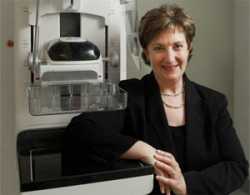 Dr. Elizabeth Rafferty[/caption]
Elizabeth A. Rafferty, MD
Department of Radiology,
Massachusetts General Hospital, Boston
Now with L&M Radiology, West Acton,
Massachusetts
MedicalResearch.com: What is the background for this study? What are the main findings?
Dr. Rafferty: Breast tomosynthesis has been approved for mammographic screening in the United States for just over 5 years, and many single center studies have demonstrated its improved performance for screening outcomes over digital mammography alone. Our previously published multi-center analysis, (JAMA 2014;311(24), the largest study on this topic to date, demonstrated significantly improved cancer detection and reduced recall rates for women undergoing tomosynthesis compared with digital mammography alone. In the current issue of JAMA we evaluate the differential screening performance after implementation of breast tomosynthesis as a function of breast density.
While tomosynthesis continues to be increasingly available, questions remained about which women should be imaged with this technique. In particular, does this technology offer additional benefit for all women, or only for women with dense breasts. The size of the database compiled by the centers participating in this study allowed us to evaluate this important question.
The most critical finding of our study was that the use of tomosynthesis for breast cancer screening significantly improved invasive cancer detection rates while simultaneously significantly reducing recall rates both for women with dense and non-dense breast tissue. Having said that, the magnitude of the benefit was largest for women with heterogeneously dense breast tissue; for this population, tomosynthesis increased the detection of invasive cancers by 50% while simultaneously reducing the recall rate by 14%.
Dr. Elizabeth Rafferty[/caption]
Elizabeth A. Rafferty, MD
Department of Radiology,
Massachusetts General Hospital, Boston
Now with L&M Radiology, West Acton,
Massachusetts
MedicalResearch.com: What is the background for this study? What are the main findings?
Dr. Rafferty: Breast tomosynthesis has been approved for mammographic screening in the United States for just over 5 years, and many single center studies have demonstrated its improved performance for screening outcomes over digital mammography alone. Our previously published multi-center analysis, (JAMA 2014;311(24), the largest study on this topic to date, demonstrated significantly improved cancer detection and reduced recall rates for women undergoing tomosynthesis compared with digital mammography alone. In the current issue of JAMA we evaluate the differential screening performance after implementation of breast tomosynthesis as a function of breast density.
While tomosynthesis continues to be increasingly available, questions remained about which women should be imaged with this technique. In particular, does this technology offer additional benefit for all women, or only for women with dense breasts. The size of the database compiled by the centers participating in this study allowed us to evaluate this important question.
The most critical finding of our study was that the use of tomosynthesis for breast cancer screening significantly improved invasive cancer detection rates while simultaneously significantly reducing recall rates both for women with dense and non-dense breast tissue. Having said that, the magnitude of the benefit was largest for women with heterogeneously dense breast tissue; for this population, tomosynthesis increased the detection of invasive cancers by 50% while simultaneously reducing the recall rate by 14%.

 Dr. Haidong Zhu[/caption]
Haidong Zhu, MD, PhD
Associate Professor of Pediatrics
Georgia Prevention Institute
Medical College of Georgia
Augusta University
MedicalResearch.com: What is the background for this study? What are the main findings?
Dr. Zhu: Vitamin D plays an important role in a wide range of body functions beyond bone health. Vitamin D deficiency is associated with increased risk of cancer and cardiovascular disease. Vitamin D deficiency is common among darker skin individuals, particularly African-Americans, which could contribute to health disparity. We want to understand underlying molecular mechanism (i.e. global DNA methylation) for how vitamin D deficiency causes cancer, cardiovascular disease and impaired immune function. DNA methylation, a chemical modification to our genome, is one of the ways that our body adapts to the environment. Low rate of global DNA methylation is a common event in cancer, which may lead to disturbances in the genome, make the genome more vulnerable to environmental damage and increase disease risk.
Our study shows that majority of black teens are vitamin D deficient and have a lower rate of global DNA methylation than white teens. We further demonstrate that vitamin D3 supplementation for 16 weeks increases global DNA methylation in black teens and young adults. Our study provides an important piece of evidence that vitamin D plays a role in epigenetic regulation in humans, which could be an underlying mechanism for vitamin D-deficiency related disease risk and health disparity.
Dr. Haidong Zhu[/caption]
Haidong Zhu, MD, PhD
Associate Professor of Pediatrics
Georgia Prevention Institute
Medical College of Georgia
Augusta University
MedicalResearch.com: What is the background for this study? What are the main findings?
Dr. Zhu: Vitamin D plays an important role in a wide range of body functions beyond bone health. Vitamin D deficiency is associated with increased risk of cancer and cardiovascular disease. Vitamin D deficiency is common among darker skin individuals, particularly African-Americans, which could contribute to health disparity. We want to understand underlying molecular mechanism (i.e. global DNA methylation) for how vitamin D deficiency causes cancer, cardiovascular disease and impaired immune function. DNA methylation, a chemical modification to our genome, is one of the ways that our body adapts to the environment. Low rate of global DNA methylation is a common event in cancer, which may lead to disturbances in the genome, make the genome more vulnerable to environmental damage and increase disease risk.
Our study shows that majority of black teens are vitamin D deficient and have a lower rate of global DNA methylation than white teens. We further demonstrate that vitamin D3 supplementation for 16 weeks increases global DNA methylation in black teens and young adults. Our study provides an important piece of evidence that vitamin D plays a role in epigenetic regulation in humans, which could be an underlying mechanism for vitamin D-deficiency related disease risk and health disparity.
 Dr. Rivera Hernandez[/caption]
Maricruz Rivera-Hernandez, PhD
Investigator
Department of Health Services, Policy & Practice
Center for Gerontology and Health Care Research
Brown University, Providence, RI
MedicalResearch.com: What is the background for this study? What are the main findings?
Dr. Rivera-Hernandez: Over three-quarters of Medicare-eligible residents in Puerto Rico enroll in Medicare Advantage plans, making them the primary source of health care coverage for the island’s seniors. Puerto Rican Medicare Advantage plans have a long history of receiving lower payments than Medicare Advantage plans located in the United States.
The study’s purpose was to compare the quality of care provided to Medicare Advantage enrollees in Puerto Rico with that delivered to Medicare Advantage enrollees in the 50 states and the District of Columbia.
We found significantly worse quality for Puerto Rican Medicare Advantage enrollees compared to their US counterparts for 15 of the 17 quality indicators. These indicators measured whether patients received the recommended treatment and achieved desired outcomes in diabetes care, cardiovascular disease, and cancer screening and whether they received any inappropriate medications in 2011.
Dr. Rivera Hernandez[/caption]
Maricruz Rivera-Hernandez, PhD
Investigator
Department of Health Services, Policy & Practice
Center for Gerontology and Health Care Research
Brown University, Providence, RI
MedicalResearch.com: What is the background for this study? What are the main findings?
Dr. Rivera-Hernandez: Over three-quarters of Medicare-eligible residents in Puerto Rico enroll in Medicare Advantage plans, making them the primary source of health care coverage for the island’s seniors. Puerto Rican Medicare Advantage plans have a long history of receiving lower payments than Medicare Advantage plans located in the United States.
The study’s purpose was to compare the quality of care provided to Medicare Advantage enrollees in Puerto Rico with that delivered to Medicare Advantage enrollees in the 50 states and the District of Columbia.
We found significantly worse quality for Puerto Rican Medicare Advantage enrollees compared to their US counterparts for 15 of the 17 quality indicators. These indicators measured whether patients received the recommended treatment and achieved desired outcomes in diabetes care, cardiovascular disease, and cancer screening and whether they received any inappropriate medications in 2011.
 Dr. Joan Luby[/caption]