Author Interviews, Infections, JAMA / 25.07.2016

MedicalResearch.com Interview with: Dr. Ane Uranga MD Department of Pneumology, Galdakao-Usansolo Hospital Galdakao, Bizkaia, Spain MedicalResearch.com: What is the background for this study? What are the main findings? Response: Despite clear benefits of shorter antibiotic treatments, reducing the duration of treatment remains challenging in daily clinical practice. Actually, IDSA/ATS recommendations for Community Acquired Pneumonia (CAP) suggested a minimum of 5 days of treatment based on clinical stability criteria. However, in our study the median of duration of antibiotic treatment in the control group was as high as 10 days. The main finding is that receiving 5 days antibiotic treatment in hospitalized patients suffering from CAP is not inferior to arbitrary treatment schedules in terms of clinical success.
Author Interviews, Biomarkers, Diabetes, Diabetologia, OBGYNE / 25.07.2016

MedicalResearch.com Interview with: Dr. Sandra Hummel and Dr. Daniela Much Institute of Diabetes Research Helmholtz Center Munich German Research Center for Environmental Health Munich MedicalResearch.com: What is the background for this study? What are the main findings? Response: Gestational diabetes mellitus is associated with a seven-fold increased risk of developing type 2 diabetes postpartum. In 2012, we published that type 2 diabetes risk was markedly reduced up to 15 years after delivery in women with gestational diabetes if they breastfed for more than 3 months. However the underlying biological mechanisms are still unclear to date. Aim of this biomarker study was to identify the mechanism underlying the protective effect of prolonged lactation. At our study site in Munich, we enrolled 197 women with previous gestational diabetes participating in a postpartum assessment of glucose tolerance at a median time of 3.6 years after delivery. By using a targeted metabolomics approach (including a broad spectrum of lipids and amino acids), we identified lactation-associated biochemical changes in maternal plasma samples. Most interestingly, these metabolite signatures have been described with decreased risk for type 2 diabetes previously. Our results indicate that lactation-associated alterations persisted up to 11 years post-lactation.
AHA Journals, Author Interviews, Gender Differences, Stroke, Tobacco Research / 23.07.2016

MedicalResearch.com Interview with: Joni Valdemar Lindbohm, MD Department of Public Health University of Helsinki, Finland MedicalResearch.com: What is the background for this study? Response: Approximately 1-6% percent of people carry an unruptured intracranial aneurysm but most of these never rupture during lifetime and cause subarachnoid hemorrhage (SAH). In SAH, the rupture of an aneurysm causes bleeding into the lining between the brain’s surface and underlying tissue. Despite advances in operative techniques, SAH can lead to death in up to 45% of the cases. Because life style risk factors are critical in development of subarachnoid hemorrhage, it is important to characterize the risk factor profile of those with an elevated risk. Widely accepted risk factors for SAH are increasing age, smoking, hypertension and female sex. However, the reasons for an elevated risk in women have remained uncovered and the effect of smoking habits are not well understood.
Author Interviews, Depression, Lancet / 23.07.2016

[caption id="attachment_26402" align="alignleft" width="189"]MedicalResearch.com Interview with: David A Richards, PhD Professor of Mental Health Services Research and NIHR Senior Investigator University of Exeter Medical School University of Exeter St Luke's Campus Exeter United Kingdom MedicalResearch.com: What is the background for this study? Response: Depression is a common mental health disorder affecting around 350 million people worldwide. Untreated depression is expected to cost the global economy US$5.36 trillion between 2011 and 2030. Many patients request psychological therapy, but the best-evidenced therapy—cognitive behavioural therapy (CBT)—is complex and costly. A simpler therapy—behavioural activation (BA)—might be as effective and cheaper than is CBT. We aimed to establish the clinical efficacy and cost-effectiveness of BA compared with CBT for adults with depression. MedicalResearch.com: What are the main findings? Response: We found that behavioural activation, a simpler psychological treatment than CBT, can be delivered by junior mental health workers with less intensive and costly training, with no lesser effect than CBT. Effective psychological therapy for depression can be delivered without the need for costly and highly trained professionals MedicalResearch.com: What should readers take away from your report? Response: Our findings have substantial implications given the increasing global pressure for cost containment across health systems in high-income countries and the need to develop accessible, scalable interventions in low-income and middle-income countries. Such countries might choose to investigate the training and employment of junior workers over expensive groups of psychological professionals. Our results, therefore, offer hope to many societies, cultures, and communities worldwide, rich and poor, struggling with the effect of depression on the health of their people and economies. MedicalResearch.com: What recommendations do you have for future research as a result of this study? Response: Research into these and other potential strengths of behavioural activation in the context of implementation science is necessary for the hope and promise offered by the COBRA trial to be fulfilled. Now that we have support for BA as a treatment that is clinically effective and cost-effective, we can shift our efforts to focus on what is necessary to produce sustainable large-scale behavioural activation implementation across diverse geographical and cultural settings. MedicalResearch.com: Is there anything else you would like to add? Response: Although many obstacles exist to successful dissemination in addition to training of Mental Health Workers, our findings suggest that health services globally could reduce the need for costly professional training and infrastructure, reduce waiting times, and increase access to psychological therapies. MedicalResearch.com: Thank you for your contribution to the MedicalResearch.com community. Citation: Lancet Cost and Outcome of Behavioural Activation versus Cognitive Behavioural Therapy for Depression (COBRA): a randomised, controlled, non-inferiority trial Note: Content is Not intended as medical advice. Please consult your health care provider regarding your specific medical condition and questions. More Medical Research Interviews on MedicalResearch.com Prof. David Richards[/caption] MedicalResearch.com Interview with: Professor David A. Richards, PhD Professor of Mental Health Services Research and NIHR Senior Investigator University of Exeter Medical School University of Exeter St Luke's Campus Exeter United Kingdom MedicalResearch.com: What is the background for this study? Response: Depression is a common mental health disorder affecting around 350 million people worldwide. Untreated depression is expected to cost the global economy US$5.36 trillion between 2011 and 2030. Many patients request psychological therapy, but the best-evidenced therapy—cognitive behavioural therapy (CBT)—is complex and costly. A simpler therapy—behavioural activation (BA)—might be as effective and cheaper than is CBT. We aimed to establish the clinical efficacy and cost-effectiveness of BA compared with CBT for adults with depression.
Author Interviews, Dermatology, JAMA / 22.07.2016

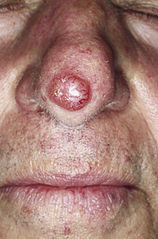
MedicalResearch.com Interview with: G. Thomas (Tom) Ray Division of Research, Kaiser Permanente 2000 Broadway Oakland, CA 94612-2304 MedicalResearch.com: What is the background for this study? [caption id="attachment_18144" align="alignleft" width="158"]Nirmala Pandeya, PhD Post Doctoral Research Fellow Faculty of Medicine and Biomedical Sciences, School of Public Health Herston campus The University of Queensland Basal cell skin cancer[/caption] Response: Basal cell carcinoma (BCC) is the most common cancer in the United States. BCCs tend to develop on sun-exposed areas such as the head and neck and are typically treated with various surgical techniques in an outpatient setting. Although BCCs are rarely fatal, they have been estimated to be among the most costly cancers in the Medicare population due to their high incidence. Yet because these cancers are not tracked by national registries the way, for example, melanoma is, basal cell carcinomas have been difficult to study. Incidence rates in the past have tended to rely on surveys such as those by the National Cancer Institute. And studies using disease codes have, until recently, been difficult because the codes used for basal cell carcinoma and squamous cell carcinoma were the same. Since 1997, Kaiser Permanente Northern California (KPNC) has had computerized pathology results that allowed us to develop an internal registry of BCC cancers. In addition to having detailed information about basal cell cancer patients, we also had detailed information on the underlying population - KPNC members – which allowed us to determine incidence rates of BCC by age, sex, and most importantly for this study, by geographic location. This is because we know the residential location of all KPNC members at any given time – both those that get basal cell cancer and those who do not. This combination of a validated BCC registry with a well-defined population at-risk gave us the unique ability to investigate the spatial distribution of BCC in Northern California and assess whether there existed geographic clustering of basal cell cancers. Although the investigation of spatial clustering of other cancers is fairly common, no such analyses have been performed for basal cell cancer in the United States.
Author Interviews, BMJ, Radiology, Thyroid / 22.07.2016

MedicalResearch.com Interview with: [caption id="attachment_26244" align="alignleft" width="148"]Megan Haymart, M.D. Assistant Professor Institute for HealthCare Policy and Innovation University of Michigan Dr. Megan Haymart[/caption] Megan Haymart, M.D. Assistant Professor Institute for HealthCare Policy and Innovation University of Michigan MedicalResearch.com: What is the background for this study? What are the main findings? Response: Over the past three decades the incidence of thyroid cancer has risen. The majority of this rise in incidence is secondary to an increase in low-risk disease. In the setting of this rise in low-risk thyroid cancer, our team noted that over time there was a dramatic rise in imaging after initial treatment for thyroid cancer. We subsequently wanted to understand the implications of this increase in imaging. Does more imaging equal improved outcomes? In this study published in BMJ, we found that this marked rise in imaging after primary treatment of differentiated thyroid cancer was associated with increased treatment for recurrence but with the exception of radioiodine scans in presumed iodine-avid disease, no clear improvement in disease specific survival.
Author Interviews, Environmental Risks, Hearing Loss, JAMA, Occupational Health / 22.07.2016

MedicalResearch.com Interview with: [caption id="attachment_26290" align="alignleft" width="150"]Harrison W. Lin, M.D. Assistant Professor Department of Otolaryngology-Head & Neck Surgery UC Irvine Medical Center Orange, CA 92868 Dr. Harrison LIn[/caption] Harrison W. Lin, M.D. Assistant Professor Department of Otolaryngology-Head & Neck Surgery UC Irvine Medical Center Orange, CA 92868 MedicalResearch.com: What is the background for this study? What are the main findings? Response: We reviewed the data from the Integrated Health Interview Series, which is a project funded by the National Institutes of Health to supplement the National Health Interview Survey (NHIS), a household-based, personal interview survey administered by the US Census Bureau and Centers for Disease Control and Prevention since 1957. The NHIS serves as the largest source of health information in the civilian population of the United States. Analyzing the available data on tinnitus symptoms from this survey, we found that approximately 1 in 10 Americans have chronic tinnitus. Moreover, durations of occupational and leisure time noise exposures correlated with rates of tinnitus – people who reported higher rates of loud noise exposures at work and recreationally more frequently reported chronic tinnitus. Finally, health care providers provided advice and treatment plans to patients with chronic tinnitus that were infrequently in line with the clinical practice guidelines published by the American Academy of Otolaryngology-Head & Neck Surgery Foundation.
AHA Journals, Author Interviews, Exercise - Fitness, Heart Disease / 22.07.2016

MedicalResearch.com Interview with: [caption id="attachment_26275" align="alignleft" width="180"]Jari Laukkanen MD, PhD Cardiologist Institute of Public Health and Clinical Nutrition University of Eastern Finland Kuopio Finland Dr. Jari Laukkanen[/caption] Jari Laukkanen MD, PhD Cardiologist Institute of Public Health and Clinical Nutrition University of Eastern Finland Kuopio Finland MedicalResearch.com: What is the background for this study? What are the main findings? Response: In this population-based study we found a strong inverse association between long-term change in directly measured cardio-respiratory fitness (CRF), using maximal oxygen uptake (VO2peak) and all-cause mortality. A small decrease in CRF over 11-years was associated with a lower risk of all-cause death in a graded fashion. The observed association was independent of risk factors. This population-based study with repeated and direct assessment of CRF using a very similar time-interval for all participants, whereas some previous studies showing the value of CRF were constructed on participants referred to exercise testing at varying time-intervals between two repeated tests using only indirect cardio-respiratory fitness assessment or other exercise scores. Cardiorespiratory fitness was assessed at baseline and follow-up using respiratory gas analyzer which is a golden standard for assessing aerobic fitness level. A single assessment of CRF predicts outcomes, however, no previous studies using directly measured VO2max have shown the association between long term changes in VO2max (i.e. 10 years) and its association with mortality. In the recent study VO2max defined from respirator gases with similar time-interval between two separate assessments of VO2max (=directly measured). This is a very novel finding in the field of exercise sciences, as well as in cardiovascular prevention and rehabilitation. Although cardio-respiratory fitness is recognized as an important marker of functional ability and cardiovascular health, it is currently the major risk factor that is not routinely and regularly assessed in either the general or specialized clinical setting, although it is suggested that an individual’s CRF level has been even a stronger or similar predictor of mortality than the traditional risk factors, including smoking, hypertension, high cholesterol, and type 2 diabetes mellitus.
Author Interviews, Neurological Disorders, PLoS / 21.07.2016

MedicalResearch.com Interview with: [caption id="attachment_26370" align="alignleft" width="160"]Zoltan Toroczkai, PhD, Professor of Physics Concurrent Professor of Computer Science and Engineering Physics Department University of Notre Dame, Notre Dame, IN, 46556 -- Dr. Zoltan Toroczkai[/caption] Zoltan Toroczkai, PhD, Professor of Physics Concurrent Professor of Computer Science and Engineering Physics Department University of Notre Dame, Notre Dame, IN, 46556 MedicalResearch.com: What is the background for this study? Response: The mammalian brain is arguably the most complex information processing network and with billions of neurons and trillions of connections it presents formidable challenges to deciphering its fundamental mechanisms for information processing. In the brain, information is encoded into the spatio-temporal firing patterns of groups of neurons (population coding), making the connectivity structure of the network crucial for brain function. Damages to this network have been associated with diseases such as Alzheimer’s, autism and schizophrenia, and thus understanding the cortical network would also help better understand certain diseases of the brain. An experimentally and computationally more feasible approach is to study the anatomical (physical connectivity) network between the functional areas of the cortex, a mosaic of brain patches, each associated with a specific function (e.g., visual, auditory, somatosensory). Based on phylogenic considerations one expects the existence of common fundamental network architectural (and implicitly, processing) principles to be present in all mammalian brains. However, the mammalian brain spans over five orders of variation in size and thus it is not clear at all what are this common architectural features and how would we find them. The challenge here is to compare networks of the same nature (information processing type) but of different orders, with different nodal identities, and of very different spatial embedding (geometrical size) properties.

Author Interviews, Endocrinology, Genetic Research, NEJM, Weight Research / 21.07.2016

MedicalResearch.com Interview with: Dr. Peter Kühnen MD Institute for Experimental Pediatric Endocrinology Charité–Universitätsmedizin Berlin Berlin, Germany MedicalResearch.com: What is the background for this study? What are the main findings? Dr. Kühnen: The patients, which were included in this study, are suffering from a genetic defect in a gene called POMC. This gene is cleaved into different hormones as e.g. MSH (melanocyte stimulating hormone). MSH is very important for the regulation of satiety by activation of the MC-4 receptor. For this reason these patients are persistent hyperphagic due to the lack of MSH and they gain weight very fast in the first months of their life. Setmelanotide activates the MC-4 receptor, which is important for the activation of satiety. By restoring the lost function Setmelanotide leads to a reduction of hyperphagia and to a reduction of body weight in this POMC deficient patients.
Author Interviews, Orthopedics, Science, Technology / 21.07.2016

MedicalResearch.com Interview with: [caption id="attachment_26353" align="alignleft" width="191"]Emilia Morosan PhD,  Professor  Rice University  Physics and Astronomy  Houston TX 77005 Dr. Emilia Morosan[/caption] Emilia Morosan PhD,  Professor Rice University Physics and Astronomy Houston TX 77005 MedicalResearch.com: What is the background for this study? What are the main findings?  Dr. Morosan: My group works mainly on searching for compounds with magnetic properties. The first step in the characterization of such compounds is powder X-ray diffraction, which requires grinding the samples to fine powder. When we discovered such a compound based on (titanium) Ti and (gold) Au, we were unable to grind it because of its apparent hardness. This prompted the hardness measurement on the magnetic compound (with equal amounts of Ti and Au) and also on other mixtures of the two metals. The main result of this study was that the particular compound beta-Ti3Au was the hardest among all Ti-Au mixture in our study and compared to previous hardness measurements on these binary alloys. Most remarkable was the four-fold increase in hardens in beta-Ti3Au over Ti, or most other biocompatible engineering alloys. Furthermore, beta-Ti3Au also has higher wear resistance, meaning its durability extends beyond that of other alloys.
Author Interviews, BMJ, Nutrition, Pediatrics / 21.07.2016

[caption id="attachment_26215" align="alignleft" width="136"]MedicalResearch.com Interview with: Sharon Carstairs PhD Student, Public Health Research, Polwarth Building, University of Aberdeen, Aberdeen, MedicalResearch.com: What is the background for this study? Response: The introduction of solid foods is a key period when the mil diet is no longer able to meet all dietary needs, additionally it is a key time for food learning and development of eating preferences in a child’s life. It is vital that children are provided with nutritionally balanced foods as well as a variety of foods to meet dietary requirements and are exposed to different tastes and textures. Some parents provide home-cooked meals however, there is a large market of commercially available infant/toddler meals which can provide parents with a convenient alternative to home-cooking. MedicalResearch.com: What are the main findings? Response: Our main findings indicate that home-cooked recipes based from infant and toddler cookbooks are a cheaper meal option and contain greater nutrient levels, such as protein, compared to commercially available infant/toddler meals. However, when we compare nutrient levels to recommendations the majority of these home-cooked recipes (50%) exceed energy density (ED) recommendations and 37% exceed dietary fat recommendations. In comparison, the majority of commercial meals (65%) meet these ED recommendations and provide a greater vegetable variety per meal however, are below the recommendations for dietary fat. MedicalResearch.com: What should readers take away from your report? Response: Readers need to be aware that despite providing a cheaper option with greater nutrient levels to commercial meals, the majority of home-cooked recipes from targeted cookbooks exceed recommendations for energy density and dietary fats. The majority of commercial meals in contrast meet energy density recommendations and provide greater vegetable variety per meal than home-cooked recipes however, are below recommendations for dietary fat which is an essential component in the diet of young children. MedicalResearch.com: What recommendations do you have for future research as a result of this study? Response: Our study did not investigate the micronutrient content of meals as this data was not available on commercial product labels. Furthermore, we did not investigate the inclusion of additives and preservatives within these meal types. Future work should therefore include these aspects to provide parents with a complete picture. MedicalResearch.com: Is there anything else you would like to add? Response: It is vital to remember that both home-cooked and commercial main meals incorporate only a part of the daily diet and these should be considered in the context of a whole daily diet. The inclusion of a variety of foods and textures is paramount to a child’s food learning experience and must be considered in the foods offered to young children. MedicalResearch.com: Thank you for your contribution to the MedicalResearch.com community. Citation: Bmj A comparison of preprepared commercial infant feeding meals with home-cooked recipes Note: Content is Not intended as medical advice. Please consult your health care provider regarding your specific medical condition and questions. More Medical Research Interviews on MedicalResearch.com Sharon Carstairs[/caption] MedicalResearch.com Interview with: Sharon Carstairs PhD Student Public Health Research University of Aberdeen, Aberdeen MedicalResearch.com: What is the background for this study? Response: The introduction of solid foods is a key period when the milk diet is no longer able to meet all dietary needs, additionally it is a key time for food learning and development of eating preferences in a child’s life. It is vital that children are provided with nutritionally balanced foods as well as a variety of foods to meet dietary requirements and are exposed to different tastes and textures. Some parents provide home-cooked meals however, there is a large market of commercially available infant/toddler meals which can provide parents with a convenient alternative to home-cooking.
Author Interviews, Diabetes, Heart Disease, JAMA / 21.07.2016

MedicalResearch.com Interview with: Dr Fiona Bragg Clinical Research Fellow Clinical Trial Service Unit and Epidemiological Studies Unit Nuffield Department of Population Health University of Oxford MedicalResearch.com: What is the background for this study? Response: Diabetes is known to be a risk factor for cardiovascular disease. It is less clear, however, whether higher blood glucose levels in individuals without diabetes are also associated with higher risk for cardiovascular diseases. It is important to examine this association because it may help us to understand the mechanisms underlying these diseases as well as appropriate approaches to preventing them. We therefore looked at this association in the China Kadoorie Biobank study of 0.5 million Chinese adults, examining the relationship between blood glucose levels and the subsequent risk for cardiovascular diseases among participants with no history of diabetes at the time of recruitment to the study.
Author Interviews, JAMA, Surgical Research / 21.07.2016

MedicalResearch.com Interview with: Dr. David A. Hyman, MD Division of Otolaryngology–Head and Neck Surgery Department of Surgery University of Wisconsin School of Medicine and Public Health Madison MedicalResearch.com: What is the background for this study? What are the main findings? Response: Motor vehicle collisions represent a significant source of facial fractures seen at US trauma centers. In the last few decades there have been significant advances in airbag technology as well as a national legislative push regarding seat belt use which has led to increased safety device use. With these trends, we sought to assess the incidence of facial fractures in patients who present to US trauma centers as well as to analyze what effect restraint devices have on the likelihood of facial fractures after motor vehicle collisions. This analysis was performed using National Trauma Data Bank data from 2007-2012. We found the incidence of at least one facial fracture after a motor vehicle collision was 10.9% with nasal fracture being the most common facial fracture. Based on our analysis of more than 56 thousand patients with a facial fracture, we found that use of an airbag alone reduced the likelihood of a facial fracture by 18% while use of a seat belt alone reduced likelihood by 43%. Use of both reduced the likelihood of facial fractures in a crash by 53%. Younger age, male sex, and use of alcohol increased the likelihood of facial fracture.
Author Interviews, Infections, NEJM, Vaccine Studies / 20.07.2016

MedicalResearch.com Interview with: [caption id="attachment_26324" align="alignleft" width="133"]Nicole E. Basta, PhD MPhil Assistant Professor Division of Epidemiology and Community Health School of Public Health University of Minnesota Dr. Nicole Basta[/caption] Nicole E. Basta, PhD MPhil Assistant Professor Division of Epidemiology and Community Health School of Public Health University of Minnesota MedicalResearch.com: What is the background for this study? Response: Meningococcal disease is a serious and often life-threatening condition. In the past several years, multiple outbreaks caused by meningococcal serogroup B (MenB) have occurred on college campuses in the US. Recently, a new meningococcal B vaccine known as 4CMenB or Bexsero was developed. The FDA granted special approval to use the vaccine to control an outbreak at a University in New Jersey prior to its licensure. We took advantage of this unique opportunity to investigate the impact of Bexsero during the outbreak. In doing so, we conducted the first clinical study of Bexsero among teens and young adults in the US.
Author Interviews, Dermatology, Science / 20.07.2016

MedicalResearch.com Interview with: [caption id="attachment_26320" align="alignleft" width="200"]Dr. Devin M. Barry, PhD, postdoc fellow Center for the Study of Itch,. 2Department of Anesthesiology Washington University School of Medicine St. Louis, MO 63110 Dr. Devin Barry[/caption] Dr. Devin M. Barry, PhD, postdoc fellow Center for the Study of Itch,. Department of Anesthesiology Washington University School of Medicine St. Louis, MO 63110 MedicalResearch.com: What is the background for this study? Response: Our group is interested in understanding the molecular and cellular mechanisms that underly itch sensation. Our study focused on peripheral sensory neurons of the DRG that mediate responses to itch-inducing stimuli, in particular the inflammatory mediator histamine and the antimalarial drug chloroquine. It has been shown that histamine and chloroquine activate distinct G protein–coupled receptors (GPCRs) in sensory neurons innervating the skin. Two members of the transient receptor potential (TRP) family of ion channels, TRPV1 and TRPA1, have been found to be important mediators of histamine- and chloroquine-induced itch signaling, respectively.
Author Interviews, Diabetes, JAMA, Pediatrics / 20.07.2016

MedicalResearch.com Interview with: [caption id="attachment_17266" align="alignleft" width="135"]Dr. Andy Menke PhD Social & Scientific Systems Inc Silver Spring, MD 20910 Dr. Andy Menke[/caption] Andy Menke PhD Social & Scientific Systems, Inc. Silver Spring, MD, 20910 MedicalResearch.com: What is the background for this study? What are the main findings? Response: Limited information was available on the prevalence of diabetes among adolescents in the US, particularly the percentage that are undiagnosed and unaware of the condition. We found that 0.8% of adolescents 12-19 years of age had diabetes and 18% had prediabetes. Of those with diabetes, 29% overall were unaware of it and this increased to 40% among Hispanic adolescents and 50% among non-Hispanic black adolescents.
Author Interviews, Diabetes, Lipids, PLoS / 20.07.2016

MedicalResearch.com Interview with: [caption id="attachment_26248" align="alignleft" width="200"]Dr. Fumiaki Imamura Ph.D. MRC Epidemiology Unit University of Cambridge Dr. Fumiaki Imamura[/caption] Dr. Fumiaki Imamura Ph.D. MRC Epidemiology Unit University of Cambridge MedicalResearch.com: What is the background for this study? What are the main findings? Response: There was insufficient evidence for effects of polyunsaturated fatty acids (PUFA) intake or blood biomarkers on the development of type 2 diabetes. For instance, previous studies using PUFA biomarkers had a maximum of only 673 type 2 diabetes cases. In the EPIC-InterAct Study - a large European collaborative, prospective study where 12,132 diabetes cases were ascertained during its follow-up - we found diverse associations of blood levels of different types of PUFAs with incidence of type 2 diabetes. Despite this diversity, clinically relevant results were observed for major polyunsaturated fatty acids. Higher blood levels of total omega-6 PUFAs and the major omega-6 PUFA (linolenic acid) were associated with a lower risk of developing type 2 diabetes. Likewise, levels of alpha linolenic acid, known as a plant-origin omega-3 PUFA, were associated with lower type 2 diabetes risk. Marine-origin omega-3 PUFAs, including docosahexaenoic acid (DHA), showed inconsistent associations with type 2 diabetes risk.
Author Interviews, Breast Cancer, Fertility, JAMA, OBGYNE / 20.07.2016

MedicalResearch.com Interview with: [caption id="attachment_26343" align="alignleft" width="174"]Alexandra W. van den Belt-Dusebout, PhD Department of Epidemiology The Netherlands Cancer Institute The Netherlands Dr. Alexandra van den Belt-Dusebout[/caption] Alexandra W. van den Belt-Dusebout, PhD Department of Epidemiology The Netherlands Cancer Institute The Netherlands MedicalResearch.com: What is the background for this study? Response: In vitro fertilization (IVF) is commonly used, but because of the relatively recent use of IVF, long-term breast cancer risk is not yet known. Female sex hormones have been shown to affect breast cancer risk. Because sex hormone levels during hormonal stimulation of the ovaries for IVF are up to 10 times higher than in natural cycles, IVF was expected to increase breast cancer risk.
Author Interviews, Diabetes, Heart Disease, JAMA, Pharmacology / 19.07.2016

[caption id="attachment_26204" align="alignleft" width="143"]Dr-Suetonia-C-Palmer.jpg Dr. Suetonia Palmer[/caption] MedicalResearch.com Interview with: Principal investigator A/Prof Suetonia Palmer PhD University of Otago, New Zealand [caption id="attachment_26202" align="alignleft" width="142"]Giovanni F. M. Strippoli, PhD Department of Emergency and Organ Transplantation University of Bari Bari, Italy Dr. Giovanni Strippoli[/caption] Senior investigator Prof. Giovanni Strippoli MD, PhD, MPH, MM University of Sydney, Australia and Diaverum, Sweden MedicalResearch.com: What is the background for this study? Response: Network meta-analysis is a new technique that allows us to evaluate ALL medical therapies for a specific clinical problem. We wondered whether any of the usual drugs used to treat glucose levels in people with diabetes were safest or most effective.
Annals Internal Medicine, Author Interviews, Breast Cancer, Mammograms / 19.07.2016

MedicalResearch.com Interview with: Dr-Brian-SpragueBrian L. Sprague, PhD Assistant Professor Department of Surgery Assistant Professor Department of Biochemistry University of Vermont MedicalResearch.com: What is the background for this study? Response: Having dense breasts makes mammography more difficult to interpret and is also an independent risk factor for developing breast cancer. About half of all U.S. states require that information on the density of a woman's breasts be made available to her after a mammogram, and in some states the report must also inform such women that there are additional tests, such as breast magnetic resonance imaging (MRI), that may detect breast cancer in women who have dense breasts and normal mammograms. Such laws are controversial because of the large number of women affected (around 40% of women aged 40-74) and due to a lack of consensus in the medical community regarding the benefits and harms of supplemental screening strategies. An additional concern is the subjective nature of breast density assessment, which is based on the Breast Imaging Reporting and Data System (BI-RADS) that provides four possible categories for breast density.
Asthma, Author Interviews, Environmental Risks, JAMA / 18.07.2016

MedicalResearch.com Interview with: [caption id="attachment_26221" align="alignleft" width="200"]Sara Rasmussen PhD Student Johns Hopkins School of Public Health Department of Environmental Health Sciences Johns Hopkins Bloomberg School of Public Health Baltimore, Maryland Sara Rasmussen[/caption] Sara Rasmussen PhD Student Johns Hopkins School of Public Health Department of Environmental Health Sciences Johns Hopkins Bloomberg School of Public Health Baltimore, Maryland MedicalResearch.com: What is the background for this study? What are the main findings? Response: Residents of communities undergoing unconventional natural gas development (the “fracking” industry) and those nearby can be exposed to noise, light, vibration, heavy truck traffic, air pollution, social disruption, and anxiety related to rapid industrial development of one’s community. In Pennsylvania, development began in the mid-2000s and by 2012, 6,253 wells were drilled. In our study, we found increased odds of asthma hospitalizations, asthma emergency department visits, and asthma oral corticosteroid medication orders (a medication used for asthma exacerbations) among asthma patients residing near bigger or larger numbers of active unconventional natural gas wells compared to those residing farther away.
Author Interviews, Depression, JAMA, Mental Health Research, Pediatrics / 18.07.2016

MedicalResearch.com Interview with: [caption id="attachment_26212" align="alignleft" width="200"]Dr Carmen Pace MPsych (Clin Child) PhD AMACPA Clinical Psychologist and Research Fellow Murdoch Childrens Research Institute The Royal Children’s Hospital Flemington Rd Parkville, Victoria AU Dr. Carmen Pace[/caption] Dr Carmen Pace MPsych (Clin Child) PhD AMACPA Clinical Psychologist and Research Fellow Murdoch Childrens Research Institute The Royal Children’s Hospital Flemington Rd Parkville, Victoria AUS MedicalResearch.com: What is the background for this study? Response: We know that mothers of very preterm infants (born prior to 32 weeks gestation) are at higher risk for psychological distress compared to mothers who have healthy full term infants. However, detailed longitudinal research looking at how symptoms evolve over the first weeks and months is limited, and fathers are largely neglected in the literature. We addressed these gaps by assessing symptoms of depression and anxiety in both mothers and fathers every two weeks for the first twelve weeks after birth, and again at six months.
AHA Journals, Author Interviews, Heart Disease / 18.07.2016

MedicalResearch.com Interview with: Seamus Kent, MSc, Research Fellow and Borislava Mihaylova, MSc DPhil, Associate Professor Health Economics Research Centre, Nuffield Department of Population Health University of Oxford, UK MedicalResearch.com: What is the background for this study? Response: Niacin lowers the LDL cholesterol and increases the HDL cholesterol and it was hoped this would translate into reduced risks of vascular events. This hypothesis was assessed in the Heart Protection Study 2 – Treatment of HDL to Reduce the Incidence of Vascular Events (HPS2-THRIVE) trial in which over 25,000 adults aged 50 to 80 years with prior cardiovascular disease were randomised to either niacin-laropiprant or placebo, in addition to effective LDL-cholesterol lowering therapy, and followed for about 4 years. Previously published results from the study demonstrated that niacin-laropiprant did not significantly reduce the risk of major vascular events but did significantly increase the risk of various adverse events including infections, bleeding, gastrointestinal, musculoskeletal, skin, and diabetes-related events.
Author Interviews, Cancer Research, End of Life Care, JAMA / 16.07.2016

MedicalResearch.com Interview with: [caption id="attachment_26193" align="alignleft" width="135"]Robert Gramling, MD, DSc Division of Palliative Medicine, University of Vermont, Burlington Department of Family Medicine Burlington Vermont School of Nursing and Department of Public Health Sciences Center for Communication and Disparities Research, Department of Family Medicine, and Division of Palliative Care, Center for Community Health, University of Rochester School of Medicine and Dentistry, Rochester, New York Dr. Robert Gramling[/caption] Robert Gramling, MD, DSc Division of Palliative Medicine, University of Vermont, Burlington Department of Family Medicine Burlington Vermont School of Nursing and Department of Public Health Sciences Center for Communication and Disparities Research, Department of Family Medicine, and Division of Palliative Care, Center for Community Health, University of Rochester School of Medicine and Dentistry, Rochester, New York MedicalResearch.com: What should readers take away from your report? Response: Patients with advanced cancer often misunderstand their doctor's expectations about the length of life they have remaining and this misunderstanding is relevant to their preferences for sharing in treatment decisions at end of life.
Author Interviews, Cancer, Cancer Research, Lung Cancer / 15.07.2016

MedicalResearch.com Interview with: [caption id="attachment_26169" align="alignleft" width="170"]Jan Marie Eberth, PhD Assistant Professor, Department of Epidemiology and Biostatistics Deputy Director, SC Rural Health Research Center Core Faculty, Statewide Cancer Prevention and Control Program Arnold School of Public Health University of South Carolina Columbia, SC 29208 Dr. Jan Marie Eberth[/caption] Jan Marie Eberth, PhD Assistant Professor, Department of Epidemiology and Biostatistics Deputy Director, SC Rural Health Research Center Core Faculty, Statewide Cancer Prevention and Control Program Arnold School of Public Health University of South Carolina Columbia, SC 29208 MedicalResearch.com: What is the background for this study? What are the main findings? Response: Large, randomized clinical trials have shown that chest x-rays do not reduce mortality from lung cancer. Low-dose computed tomography (LDCT) screening, however, was shown to reduce lung cancer mortality by 20% in the National Lung Screening Trial. The most significant risk of LDCT screening is the high rate of false-positives (about 25%), which subsequent studies have shown can be reduced by using new nodule management criteria such as Lung-RADS. Less than half of the physicians surveyed in our study reported reduced lung cancer mortality as a benefit of LDCT screening. Many also reported concerns about radiation exposure (50%) and unnecessary follow-up procedures (88%) as risks. Since the majority of family physicians surveyed did not know that organizations such as the US Preventive Services Task Force or National Comprehensive Cancer Network recommend high-risk individuals receive annual LDCT screening, it is not surprising that some family physicians would continue to order a chest x-ray for screening, despite the lack of scientific evidence. Similarly, only 36% of physicians reported that high-risk patients should be screened annually (vs. every 6 months, 2 years, or 3 years).
Author Interviews, Brigham & Women's - Harvard, Diabetes, Nutrition, PLoS, Weight Research / 15.07.2016

MedicalResearch.com Interview with: Dr. Qi Sun Sc.D, M.D., M.M.S. Dr. Geng Zong, Ph.D., a research fellow Assistant Professor in the Department of Nutrition Harvard T.H. Chan School of Public Heath Boston MedicalResearch.com: What is the background for this study? What are the main findings? Response: There is growing trend of eating meal prepared out of home in many countries. For example, energy intake from out-of-home meals has increased from less than 10% in mid 60s to over 30% in 2005-2008 among Americans, and average time spent on cooking has decreased by one third. In the meantime, the prevalence of diabetes and obesity of this country keep on growing. In the current study, we followed nearly 100 thousands middle-aged men and women for 26 years. In 1986, we asked people how often their lunch and dinner were prepared at home per week, which will be 14 meals in maximum, and updated this information during follow-up. We found men and women with 11-14 meals prepared at home per week had 14% lower risk of diabetes compared to those had 6 or less meals prepared at home. If we look at lunch and dinner separately, people with 5 or more lunch prepared at home per week had 9% lower risk of diabetes, and those with 5 or more dinner prepared at home had 15% lower risk of diabetes compared to the group who had 2 or less than lunch or dinner at home per week. We further investigated whether people with more meals prepared at home had lower risk of obesity or weight gain in our study. In the first eight years of follow-up, participants with 11-14 meals prepared at home had 14% lower risk of developing obesity compared to people had 0-6 meals prepared at home. For men, these people had 1.2kg less weight gain, and for women they had 0.3 kg less weight gain. Furthermore, we found potential impact of having meals at home and risk of diabetes became weaker. This suggest that weight gain could be one gearwheel that links eating meals prepared at home and diabetes risk.
Author Interviews, Geriatrics, JAMA, Surgical Research / 15.07.2016

MedicalResearch.com Interview with: [caption id="attachment_26055" align="alignleft" width="120"]Julia Berian, MD, MS ACS Clinical Research Scholar American College of Surgeons Chicago, IL 60611 Dr. Julia Berian,[/caption] Julia Berian, MD, MS ACS Clinical Research Scholar American College of Surgeons Chicago, IL 60611 MedicalResearch.com: What is the background for this study? What are the main findings? Response: The US population is rapidly aging and older adults consume a disproportionate share of operations. Older adults experience a high rate of postoperative complications, which can affect quality of life. In this study, function, mobility and living situation are considered together as independent living. The study examined a large surgical database for the occurrence of loss of independence (defined as a decline in function or mobility, or increased care needs in one's living situation) and its relationship to traditional outcomes such as readmission and death after the time of discharge. Patients included in the study were age 65 or older and underwent an inpatient surgical operation. Loss of independence was assessed at the time of discharge. Readmission and death-after-discharge were assessed up to 30 days postoperatively.
Author Interviews, Brigham & Women's - Harvard, Lancet, Weight Research / 15.07.2016

MedicalResearch.com Interview with: [caption id="attachment_26066" align="alignleft" width="103"]Dr. Shilpa Bhupathiraju, PhD Harvard T.H. Chan School of Public Health Dr. Shilpa Bhupathiraju[/caption] Dr. Shilpa Bhupathiraju, PhD Harvard T.H. Chan School of Public Health MedicalResearch.com: What is the background for this study? What are the main findings? Response: We wanted to investigate the association between body mass index (BMI) and mortality across major global regions. In doing so, we wanted to take into account important methodological limitations which plagued prior reports of BMI and mortality. One such limitation is reverse causality where a low body weight is the result of an underlying illness rather than the cause. Another major problem is confounding due to smoking where smokers have lower body weights than non-smokers but have much higher mortality rates. Therefore, to obtain an unbiased association between BMI and mortality, our primary pre-specified analysis was restricted to never smokers and those who had no existing chronic diseases at the start of the study. In this group, we found that those with a BMI of 22.5-<25 kg/m2 (considered a healthy weight range) had the lowest mortality risk during the time they were followed. The risk of mortality increased significantly with excess body weight. A BMI of 25-<27.5 kg/m2 (in the overweight range) was associated with a 7% higher risk of premature death; BMI of 27.5-<30 kg/m2 (also in the overweight range) was associated with a 20% higher risk; a BMI of 30.0-<35.0 kg/m2 was associated with a 45% higher risk; a BMI of 35.0-<40.0 kg/m2 was associated with a 94% higher risk; and a BMI of 40.0-<60.0 kg/m2 was associated with a nearly 3-fold risk. In general, we found that the association of excess body weight with mortality was greater in younger than older people and in men than women. Most importantly, the associations were broadly consistent in the major global regions we examined, including Europe, North America, Australia and New Zealand, East Asia, and South Asia.
Author Interviews, Biomarkers, CT Scanning, McGill, MRI, Nature / 13.07.2016

MedicalResearch.com Interview with: [caption id="attachment_26102" align="alignleft" width="200"]Dr. Yasser Iturria Medina PhD Post-doctoral fellow Montreal Neurological Institute Dr. Y. M. Medina[/caption] Dr. Yasser Iturria Medina PhD Post-doctoral fellow Montreal Neurological Institute MedicalResearch.com: What is the background for this study? What are the main findings? Response: We used over 200 peripheral molecular biomarkers, five different neuroimaging modalities and cognitive/clinical measurements to detect spatiotemporal abnormalities in subjects with dementia or with mild signs of cognitive deterioration. By means of a mathematical framework, we reordered all the biomarkers/descriptors considered, according to how much they change during the disease process. The results suggested that, contrary as suggested by more traditional clinical analyses, there are multiple early signs of neurodegeneration, at the molecular level and at the brain’s macroscopic and cognitive state. In particular, we observed notable early signs of generalized vascular dysregulation, which may be supporting the vascular hypothesis of Alzheimer’s disease. However, we still need to perform deeper analyzes, in order to clarify the complex causal mechanisms that trigger the disease.