
Medical Research Journals
14 Apr Clinical Findings and Brain Calcifications of Zika Babies Described
MedicalResearch.com Interview with: [caption id="attachment_23445" align="alignleft" width="300"] Team of Doctors: Ana van Der Linden, Alessandra Brainer, Maria de Fatima Aragao, Vanessa va Der Linden e Arthur Cesário[/caption]
Maria de Fatima Vasco Aragao MD, PhD
Radiologist and Neuroradiologist
Professor of Radiology, Mauricio de Nassau University, Recife, Brazil
Scientific Director of Multimagem Radiology Clinic, Recife - PE, Brazil
President of Pernambuco Radiology Society
MedicalResearch.com: What is the background for this study?
Response: The new Zika virus epidemic in Brazil was recognized as starting in the first half of 2015 and the microcephaly epidemic was detected in the second half of that same year.
[caption id="attachment_23410" align="alignleft" width="300"]
Team of Doctors: Ana van Der Linden, Alessandra Brainer, Maria de Fatima Aragao, Vanessa va Der Linden e Arthur Cesário[/caption]
Maria de Fatima Vasco Aragao MD, PhD
Radiologist and Neuroradiologist
Professor of Radiology, Mauricio de Nassau University, Recife, Brazil
Scientific Director of Multimagem Radiology Clinic, Recife - PE, Brazil
President of Pernambuco Radiology Society
MedicalResearch.com: What is the background for this study?
Response: The new Zika virus epidemic in Brazil was recognized as starting in the first half of 2015 and the microcephaly epidemic was detected in the second half of that same year.
[caption id="attachment_23410" align="alignleft" width="300"] This is a transmission electron micrograph (TEM) of Zika virus, which is a member of the family Flaviviridae. Virus particles are 40 nm in diameter, with an outer envelope, and an inner dense core.[/caption]
MedicalResearch.com: What are the main findings?
This is a transmission electron micrograph (TEM) of Zika virus, which is a member of the family Flaviviridae. Virus particles are 40 nm in diameter, with an outer envelope, and an inner dense core.[/caption]
MedicalResearch.com: What are the main findings?
- Response: In our study of the 23 mothers, only one did not report rash during pregnancy (rash is a sign that can happen in Zika virus infection). However, Zika virus infection can be asymptomatic in three of every four infected patients. All of the 23 babies had the same clinical and epidemiological characteristics and other congenital infection diseases had been excluded. Of these 23 babies, six were tested for IgM antibodies, specific to Zika virus and all six proved positive. So, by deduction, the other 17 babies on whom it was not possible to make the IgM test, were considered as also having presumed congenital infection related to the Zika virus, after other congenital infections being excluded.
- All the babies showed malformations of cortical development and sulcation. The most frequent cortical malformation were: Microcephaly with a simplified cortical gyral pattern and areas of thick cortex of polymicrogyria or pachygyria which were located predominantly in the frontal lobes.
- Abnormalities of the corpus callósum (hypogenesis and hypoplasia) were common.
- Decreased brain volume was a common finding. Ventriculomegaly was present in all the babies, with a predominant enlargement of the posterior portions of the lateral ventricles,
- Delayed myelination were also common. The cisterna magna was enlarged in most of the cases, with or without cerebellar hypoplasia.
- Some of the babies showed a symmetrical enlargement of the anterior subarachnoid space of the supratentorial compartment, associated with severe ventriculomegaly.
13 Apr Ponatinib Currently Not Indicated As First Line CML Chronic Phase Therapy
MedicalResearch.com Interview with: [caption id="attachment_23424" align="alignleft" width="136"] Prof. Jeffrey Lipton[/caption]
Prof Jeffrey H Lipton, PhD, MD, FRCPC
Princess Margaret Cancer Centre
Toronto, ON Canada
MedicalResearch.com: What is the background and purpose for this study?
Dr. Lipton: Ponatinib is a third generation tyrosine kinase inhibitor that has been shown to be extremely effective in treating patients with chronic myeloid leukemia resistant to other drugs. Because of this, it was decided to look at it in newly diagnosed patients in a randomized study against imatinib. The study was terminated prematurely because of evidence of vascular toxicity that became evident in the phase 1 and 2 studies of ponatinib in previously treated patients with resistant disease.
Prof. Jeffrey Lipton[/caption]
Prof Jeffrey H Lipton, PhD, MD, FRCPC
Princess Margaret Cancer Centre
Toronto, ON Canada
MedicalResearch.com: What is the background and purpose for this study?
Dr. Lipton: Ponatinib is a third generation tyrosine kinase inhibitor that has been shown to be extremely effective in treating patients with chronic myeloid leukemia resistant to other drugs. Because of this, it was decided to look at it in newly diagnosed patients in a randomized study against imatinib. The study was terminated prematurely because of evidence of vascular toxicity that became evident in the phase 1 and 2 studies of ponatinib in previously treated patients with resistant disease.
13 Apr 4-Dose Hepatitis B Vaccine Schedule For HIV Patients Induces Longer Protection
MedicalResearch.com Interview with: [caption id="attachment_23342" align="alignleft" width="160"]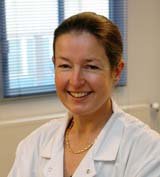 Dr. Odile Launay[/caption]
Odile Launay MD, PhD
Paris Descartes University
Assistance Publique Hôpitaux de Paris, Cochin Hospital
MedicalResearch.com: What is the background for this study? What are the main findings?
Dr. Launay: In patients with HIV infection, responses to standard HBV vaccination regimens remain suboptimal compared with responses in HIV seonegative individuals. We previously reported that alternative regimens (a 4 injection IMdouble dose regimen and a 4 injection intradermal low dose regimen) improve antibody response compared with the standard HBV vaccination regimen (ANRS HB03 VIHVAC-B study). Further precision on the duration of response achieved with alternative HBV vaccination regimes was needed.
We report in this paper the results from the follow-up of the study.
The results of this study show that the 4 dose IM regimen induces higher seroconversion rate but also higher long term seroprotection in HIV infected patients
Dr. Odile Launay[/caption]
Odile Launay MD, PhD
Paris Descartes University
Assistance Publique Hôpitaux de Paris, Cochin Hospital
MedicalResearch.com: What is the background for this study? What are the main findings?
Dr. Launay: In patients with HIV infection, responses to standard HBV vaccination regimens remain suboptimal compared with responses in HIV seonegative individuals. We previously reported that alternative regimens (a 4 injection IMdouble dose regimen and a 4 injection intradermal low dose regimen) improve antibody response compared with the standard HBV vaccination regimen (ANRS HB03 VIHVAC-B study). Further precision on the duration of response achieved with alternative HBV vaccination regimes was needed.
We report in this paper the results from the follow-up of the study.
The results of this study show that the 4 dose IM regimen induces higher seroconversion rate but also higher long term seroprotection in HIV infected patients
12 Apr Rather Than Inhibiting Regrowth, Spinal Cord Scars May Support Nerve Healing
MedicalResearch.com Interview with: [caption id="attachment_23405" align="alignleft" width="140"] Dr. Michael Sofroniew[/caption]
Dr. Michael V. Sofroniew, MD PhD
Professor of Neurobiology
David Geffen School of Medicine
UCLA
MedicalResearch.com: What is the background for this study?
Dr. Sofroniew: For over seventy-five years, it has been thought that scars formed by cells called astrocytes actively prevent the regeneration of damaged nerve fibers (also known as axons) across injury sites in the brain and spinal cord. This view was based largely on two forms of circumstantial evidence:
(1) after injury, damaged nerve fibers do not regrow past astrocyte scars and appear to be ‘stalled’ within them;
(2) astrocytes (along with other cells) can produce molecules that inhibit nerve fiber growth in cell culture experiments.
We also initially subscribed to this inhibitory view of astrocyte scars and about twenty years ago my lab began to develop experimental tools that allowed us to prevent astrocyte scar formation in mice. The hope was that preventing astrocyte scar formation would lead to nerve fiber regeneration across brain or spinal cord injuries. Unfortunately, although we were successful in preventing scar formation, we never saw any regrowth of nerve fibers in spite of multiple different attempts over many years of work. We were disappointed and held back from publishing those results, but kept thinking about the problem and looking for new ways to study it. Over the last five years, new tools and information became available that allowed us to return to this question and probe further. We kept getting similar kinds of results and eventually we collected enough different types of evidence to convince ourselves that the original view that astrocyte scars prevent nerve fiber regrowth was incorrect.
MedicalResearch.com: What are the main findings?
Dr. Sofroniew: We found that after preventing astrocyte scar formation, or after removing chronic astrocyte scars, there was no spontaneous regrowth of damaged nerve fibers and that instead, the nerve fibers retracted further back away from spinal cord injury sites. We found that both astrocytes and other cells in the injury sites produced numerous molecules that could support nerve fiber regrowth along with molecules that might repel or inhibit it. This suggested a complex molecular environment that needs to be studied more. We also found that when appropriate growth factors were applied locally into the injury site, nerve fibers could be stimulated to regrow in spite of astrocyte scar formation, and that this stimulated regrowth was significantly reduced, and not improved, when scar formation was prevented. Together, these findings show that rather than being major inhibitors of nerve fiber regrowth, scar-forming astrocytes can be supportive of such growth.
Dr. Michael Sofroniew[/caption]
Dr. Michael V. Sofroniew, MD PhD
Professor of Neurobiology
David Geffen School of Medicine
UCLA
MedicalResearch.com: What is the background for this study?
Dr. Sofroniew: For over seventy-five years, it has been thought that scars formed by cells called astrocytes actively prevent the regeneration of damaged nerve fibers (also known as axons) across injury sites in the brain and spinal cord. This view was based largely on two forms of circumstantial evidence:
(1) after injury, damaged nerve fibers do not regrow past astrocyte scars and appear to be ‘stalled’ within them;
(2) astrocytes (along with other cells) can produce molecules that inhibit nerve fiber growth in cell culture experiments.
We also initially subscribed to this inhibitory view of astrocyte scars and about twenty years ago my lab began to develop experimental tools that allowed us to prevent astrocyte scar formation in mice. The hope was that preventing astrocyte scar formation would lead to nerve fiber regeneration across brain or spinal cord injuries. Unfortunately, although we were successful in preventing scar formation, we never saw any regrowth of nerve fibers in spite of multiple different attempts over many years of work. We were disappointed and held back from publishing those results, but kept thinking about the problem and looking for new ways to study it. Over the last five years, new tools and information became available that allowed us to return to this question and probe further. We kept getting similar kinds of results and eventually we collected enough different types of evidence to convince ourselves that the original view that astrocyte scars prevent nerve fiber regrowth was incorrect.
MedicalResearch.com: What are the main findings?
Dr. Sofroniew: We found that after preventing astrocyte scar formation, or after removing chronic astrocyte scars, there was no spontaneous regrowth of damaged nerve fibers and that instead, the nerve fibers retracted further back away from spinal cord injury sites. We found that both astrocytes and other cells in the injury sites produced numerous molecules that could support nerve fiber regrowth along with molecules that might repel or inhibit it. This suggested a complex molecular environment that needs to be studied more. We also found that when appropriate growth factors were applied locally into the injury site, nerve fibers could be stimulated to regrow in spite of astrocyte scar formation, and that this stimulated regrowth was significantly reduced, and not improved, when scar formation was prevented. Together, these findings show that rather than being major inhibitors of nerve fiber regrowth, scar-forming astrocytes can be supportive of such growth.
12 Apr Among Indian Immigrants to Canada, Female Fetuses Aborted More Commonly than Male
MedicalResearch.com Interview with: [caption id="attachment_23288" align="alignleft" width="200"] Dr. Marcelo Urquia[/caption]
Marcelo L. Urquia PhD
PhD, MSc, Mg Public Health, BA
Scientist, Li Ka Shing Knowledge Institute
St. Michael’s Hospital
Assistant Professor, Dalla Lana School of Public Health, University of Toronto
MedicalResearch.com: What is the background for this study? What are the main findings?
Dr. Urquia: In most populations the sex ratio at birth, that is, ratio of male newborns to female newborns, is about 103 to 107 males per 100 females. This is well established and does not substantially vary according to whether a woman had one or two previous children of the same sex, as each pregnancy is an independent event. However, it is known that several parts of Asia characterize for having son-biased sex ratios at birth. As countries from Asia, such as India and China are the top contributors of births to immigrant women in Canada, we wanted to verify whether son-biased sex ratios were present in Canada. Since induced abortion following prenatal sex determination using ultrasonography has been hypothesized to be a major mechanism that may explain the distorted sex ratios observed in Asia, we also studied the connection between the probability of having boys after induced abortions.
In our first study entitled “Sex ratios after induced abortion” published in CMAJ (http://www.cmaj.ca/lookup/doi/10.1503/cmaj.151074), which used Ontario health care records, we found that sex ratios among Canadian-born women in Ontario were within the expected, irrespective of birth order. The sex ratio among immigrant women from India with two prior girls was 196 males per 100 females for the third live birth. Among Indian immigrant women with two prior daughters the sex ratio increased to 326 males per 100 females if they have had induced abortions preceding the third birth, to 409 males per 100 females if they have had more than one induced abortion since the last newborn child, and to 663 males per 100 females if they have had at least one preceding abortion after 14 weeks of gestation (when the sex of the fetus can be accurately estimated by ultrasonography). These findings suggest that among Indian immigrants to Ontario induced abortions of female fetuses are much more common than induced abortions of male fetuses, which helps explain the deficit in the expected number of female newborns.
In our companion paper entitled “Variations in male-female infant ratios among births toCanadian- and Indian-born mothers, 1990-2011: a population-based register study” and published in CMAJ Open (insert URL), we used national birth certificate data and verified that the patterns observed in Ontario are very likely to apply to all Canadian provinces. Moreover, son-biased sex ratios at birth among Indian immigrants have existed in Canada since the early 1990’s. The deficit in the expected number of girls to Indian immigrants over the last two decades in Canada is in between 3211 to 5921.
Dr. Marcelo Urquia[/caption]
Marcelo L. Urquia PhD
PhD, MSc, Mg Public Health, BA
Scientist, Li Ka Shing Knowledge Institute
St. Michael’s Hospital
Assistant Professor, Dalla Lana School of Public Health, University of Toronto
MedicalResearch.com: What is the background for this study? What are the main findings?
Dr. Urquia: In most populations the sex ratio at birth, that is, ratio of male newborns to female newborns, is about 103 to 107 males per 100 females. This is well established and does not substantially vary according to whether a woman had one or two previous children of the same sex, as each pregnancy is an independent event. However, it is known that several parts of Asia characterize for having son-biased sex ratios at birth. As countries from Asia, such as India and China are the top contributors of births to immigrant women in Canada, we wanted to verify whether son-biased sex ratios were present in Canada. Since induced abortion following prenatal sex determination using ultrasonography has been hypothesized to be a major mechanism that may explain the distorted sex ratios observed in Asia, we also studied the connection between the probability of having boys after induced abortions.
In our first study entitled “Sex ratios after induced abortion” published in CMAJ (http://www.cmaj.ca/lookup/doi/10.1503/cmaj.151074), which used Ontario health care records, we found that sex ratios among Canadian-born women in Ontario were within the expected, irrespective of birth order. The sex ratio among immigrant women from India with two prior girls was 196 males per 100 females for the third live birth. Among Indian immigrant women with two prior daughters the sex ratio increased to 326 males per 100 females if they have had induced abortions preceding the third birth, to 409 males per 100 females if they have had more than one induced abortion since the last newborn child, and to 663 males per 100 females if they have had at least one preceding abortion after 14 weeks of gestation (when the sex of the fetus can be accurately estimated by ultrasonography). These findings suggest that among Indian immigrants to Ontario induced abortions of female fetuses are much more common than induced abortions of male fetuses, which helps explain the deficit in the expected number of female newborns.
In our companion paper entitled “Variations in male-female infant ratios among births toCanadian- and Indian-born mothers, 1990-2011: a population-based register study” and published in CMAJ Open (insert URL), we used national birth certificate data and verified that the patterns observed in Ontario are very likely to apply to all Canadian provinces. Moreover, son-biased sex ratios at birth among Indian immigrants have existed in Canada since the early 1990’s. The deficit in the expected number of girls to Indian immigrants over the last two decades in Canada is in between 3211 to 5921.
12 Apr Antibiotics Don’t Promote Resistance Gene Transfers Between Cells
MedicalResearch.com Interview with: [caption id="attachment_23399" align="alignleft" width="200"] Dr. Lingchong You[/caption]
Dr. Lingchong You PhD
Paul Ruffin Scarborough Associate Professor of Engineering
Duke University
MedicalResearch.com: What is the background for this study? What are the main findings?
Dr. You: Horizontal gene transfer (HGT) refers to the transfer of genes between organisms of the same or different species other than reproduction. In bacteria, Horizontal gene transfer can occur through conjugation (bacterial mating), transduction mediated by phage, or transformation. During conjugation, a donor cell makes a copy of a conjugal plasmid and passes it to a recipient cell, turning it into a transconjugant.
It is well appreciated that HGT (particularly through conjugation) is the major mechanism underlying the wide spread of genes encoding antibiotic resistance. Given this notion, it is tempting to assume that the use of antibiotics could increase the efficiency of horizontal gene transfer, creating a vicious cycle. Indeed, this has been speculated in the literature even though precise experimental measurements have been lacking.
In our study, we find that antibiotics covering all major classes do not promote the probability of conjugation between donor and recipient cells. Instead, antibiotics modulate the final outcome of conjugation dynamics by imposing different degrees of selection on the donor cells, recipient cells, and the transconjugants. Depending on the antibiotic doses and how the antibiotic affects the three populations, the selection dynamics could lead to an increase or the decrease in the frequency of transconjugants.
Dr. Lingchong You[/caption]
Dr. Lingchong You PhD
Paul Ruffin Scarborough Associate Professor of Engineering
Duke University
MedicalResearch.com: What is the background for this study? What are the main findings?
Dr. You: Horizontal gene transfer (HGT) refers to the transfer of genes between organisms of the same or different species other than reproduction. In bacteria, Horizontal gene transfer can occur through conjugation (bacterial mating), transduction mediated by phage, or transformation. During conjugation, a donor cell makes a copy of a conjugal plasmid and passes it to a recipient cell, turning it into a transconjugant.
It is well appreciated that HGT (particularly through conjugation) is the major mechanism underlying the wide spread of genes encoding antibiotic resistance. Given this notion, it is tempting to assume that the use of antibiotics could increase the efficiency of horizontal gene transfer, creating a vicious cycle. Indeed, this has been speculated in the literature even though precise experimental measurements have been lacking.
In our study, we find that antibiotics covering all major classes do not promote the probability of conjugation between donor and recipient cells. Instead, antibiotics modulate the final outcome of conjugation dynamics by imposing different degrees of selection on the donor cells, recipient cells, and the transconjugants. Depending on the antibiotic doses and how the antibiotic affects the three populations, the selection dynamics could lead to an increase or the decrease in the frequency of transconjugants.
12 Apr Surgical Site Infection Reduction Program Penalizes Major Teaching and Advanced Care Hospitals
Posted at 11:23h
in Author Interviews, Hospital Acquired, JAMA, Outcomes & Safety, Surgical Research
MedicalResearch.com Interview with:
[caption id="attachment_23379" align="alignleft" width="128"] Dr. Christina Minami[/caption]
Christina A. Minami, MD
Surgical Outcomes and Quality Improvement Center
Department of Surgery, Feinberg School of Medicine,
Center for Healthcare Studies, Feinberg School of Medicine
Northwestern University, Chicago, Illinois
MedicalResearch.com: What is the background for this study?
Dr. Minami: An earlier study by our group demonstrated a seemingly paradoxical relationship between hospital quality and hospital penalization in the Hospital-Acquired Condition, or HAC, Reduction Program. Basically, of those hospitals that were penalized more frequently were those that were major teaching hospitals, had more quality accreditations, and had better performance on process and outcome measures. When CMS released that surgical-site infections were going to be added to the HAC scoring, we decided to see if these additional measures might exhibit the same paradoxical association between quality and penalization.
MedicalResearch.com: What are the main findings?
Dr. Minami: The SSI measures follow the same trend as was previously illustrated. Basically, the hospitals who were in the bottom 25% (that is, those who were the worst performers) were more often those that were major teaching hospitals, with more quality accreditations, and offered more advanced services. It’s possible that this is due in part to surveillance bias, or “the more you look, the more you find” phenomenon. Also, what do we really call an infection? The National Healthcare Safety Network has specific definitions and guidelines, but there are still different data collections used by different hospitals.
Dr. Christina Minami[/caption]
Christina A. Minami, MD
Surgical Outcomes and Quality Improvement Center
Department of Surgery, Feinberg School of Medicine,
Center for Healthcare Studies, Feinberg School of Medicine
Northwestern University, Chicago, Illinois
MedicalResearch.com: What is the background for this study?
Dr. Minami: An earlier study by our group demonstrated a seemingly paradoxical relationship between hospital quality and hospital penalization in the Hospital-Acquired Condition, or HAC, Reduction Program. Basically, of those hospitals that were penalized more frequently were those that were major teaching hospitals, had more quality accreditations, and had better performance on process and outcome measures. When CMS released that surgical-site infections were going to be added to the HAC scoring, we decided to see if these additional measures might exhibit the same paradoxical association between quality and penalization.
MedicalResearch.com: What are the main findings?
Dr. Minami: The SSI measures follow the same trend as was previously illustrated. Basically, the hospitals who were in the bottom 25% (that is, those who were the worst performers) were more often those that were major teaching hospitals, with more quality accreditations, and offered more advanced services. It’s possible that this is due in part to surveillance bias, or “the more you look, the more you find” phenomenon. Also, what do we really call an infection? The National Healthcare Safety Network has specific definitions and guidelines, but there are still different data collections used by different hospitals.
12 Apr Clinicians Describe Difficulties in Using Life Expectancy To Inform Medical Decisions
MedicalResearch.com Interview with: Nancy L. Schoenborn, MD
Assistant Professor
Division of Geriatric Medicine and Gerontology
Johns Hopkins University School of Medicine
MedicalResearch.com: What is the background for this study? What are the main findings?
Dr. Schoenborn: A growing body of research recommend that clinicians should consider patients’ life expectancy in a number of clinical decisions, but it is not clear how primary care clinicians approach these recommendations. We interviewed primary care clinicians to understand their perspectives on this topic.
We found that clinicians describe a number of barriers and ambiguities in using long-term life expectancy to inform medical decisions; they also varied widely in their approaches to assess and to discuss life expectancy.
Nancy L. Schoenborn, MD
Assistant Professor
Division of Geriatric Medicine and Gerontology
Johns Hopkins University School of Medicine
MedicalResearch.com: What is the background for this study? What are the main findings?
Dr. Schoenborn: A growing body of research recommend that clinicians should consider patients’ life expectancy in a number of clinical decisions, but it is not clear how primary care clinicians approach these recommendations. We interviewed primary care clinicians to understand their perspectives on this topic.
We found that clinicians describe a number of barriers and ambiguities in using long-term life expectancy to inform medical decisions; they also varied widely in their approaches to assess and to discuss life expectancy.
12 Apr New Class of Herbal Peptides May Ameliorate Multiple Sclerosis Symptoms
MedicalResearch.com Interview with: [caption id="attachment_23383" align="alignleft" width="141"] Dr. Christian Gruber[/caption]
Dr. Christian W. Gruber PhD
Assistant Professor tenure-track and ARC Future Fellow
The University of Queensland,
School of Biomedical Sciences, Australia
Medical University of Vienna,
Center for Physiology and Pharmacology,
Vienna, Austria
MedicalResearch.com: What is the background for this study? What are the main findings?
Dr. Gruber: We initially discovered that particular circular peptides (called cyclotides) isolated from an African traditional herbal medicine have promising immunosuppressive properties (Gründemann et al., 2012, J Nat Prod, 75(2):167-74).
Cyclotides are considered a pharmacological ‘treasure trove’ (Koehbach et al., 2013, PNAS, 110(52):21183-8). Hence we aimed at testing the efficacy of these peptides to treat and ameliorate multiple sclerosis, and found that the new plant-derived drug (‘T20K’), in an animal model, can block the progression of the disease. We demonstrated in an animal model that T20K stopped progression of the normal clinical symptoms of multiple sclerosis (Thell et al., PNAS, doi: 10.1073/pnas.1519960113).
Dr. Christian Gruber[/caption]
Dr. Christian W. Gruber PhD
Assistant Professor tenure-track and ARC Future Fellow
The University of Queensland,
School of Biomedical Sciences, Australia
Medical University of Vienna,
Center for Physiology and Pharmacology,
Vienna, Austria
MedicalResearch.com: What is the background for this study? What are the main findings?
Dr. Gruber: We initially discovered that particular circular peptides (called cyclotides) isolated from an African traditional herbal medicine have promising immunosuppressive properties (Gründemann et al., 2012, J Nat Prod, 75(2):167-74).
Cyclotides are considered a pharmacological ‘treasure trove’ (Koehbach et al., 2013, PNAS, 110(52):21183-8). Hence we aimed at testing the efficacy of these peptides to treat and ameliorate multiple sclerosis, and found that the new plant-derived drug (‘T20K’), in an animal model, can block the progression of the disease. We demonstrated in an animal model that T20K stopped progression of the normal clinical symptoms of multiple sclerosis (Thell et al., PNAS, doi: 10.1073/pnas.1519960113).
09 Apr Autism Pathways Linked To Multisystem Involvement and To Other Disease States
MedicalResearch.com Interview with: Ya Wen PhD TRANSCEND Research, Neurology Department Massachusetts General Hospital, Charlestown, Massachusetts, Harvard Medical School, Harvard University, Boston, Massachusetts Higher Synthesis Foundation, Cambridge, Massachusetts MedicalResearch.com: What is the background for this study? Dr. Ya Wen: At the time of this study (December 2014), the SFARI (Simons Foundation Autism Research Initiative) Gene-Human Gene Module recorded 667 human genes implicated as relevant to Autism spectrum disorders (ASDs). Now the number is close to 800. We sought to address the challenge of making sense of this large list of genes by identifying coherent underlying biological mechanisms that link groups of these genes together. To do this, we used information from several existing and well established databases and created a “demographics” of autism genes and pathways. MedicalResearch.com: What are the main findings? Dr. Ya Wen: From these hundreds of autism genes, we first found the relatively most important pathways, and then we generated a pathway network by mapping the pathway-pathway interactions into an Autism Pathway Network. Our systems analyses of this network converged upon an important role in autism pathophysiology for two pathways: MAPK signaling and calcium signaling, and specifically the process where they overlap, “calcium-protein kinase C-Ras-Raf-MAPK/ERK”. Our study also illuminated genetic relationships between autism and several other kinds of illness, including cancer, metabolic and heart diseases. Many of the significant genes and pathways were associated with vulnerability in the processing of challenging environmental influences.08 Apr Ablation Superior to Amiodarone for Atrial Fibrillation in CHF Patients with ICD
MedicalResearch.com Interview with: [caption id="attachment_23317" align="alignleft" width="120"]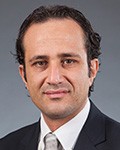 Dr. Luigi Di Biase[/caption]
Luigi Di Biase, MD, PhD, FACC, FHRS
Section Head Electrophysiology
Director of Arrhythmia Services
Associate Professor of Medicine, Department of Medicine (Cardiology)
Albert Einstein College of Medicine at Montefiore Hospital
Moses and Weiler Campuses
Montefiore-Einstein Center for Heart & Vascular Care
Bronx, NY 10467
MedicalResearch.com: What is the background for this study? What are the main findings?
Dr. Di Biase: The superiority of catheter ablation of atrial fibrillation (AF) over antiarrhythmic drugs (AADS) has been tested and demonstrated in several randomized clinical trial in patients with normal ejection fraction and paroxysmal AF. Only a few studies are available for patients with heart failure and persistent AF. In this multicenter randomized trial we compared the most utilized AAD for heart failure patients to achieve a rhythm control strategy (Amiodarone) vs ablation of atrial fibrillation in patients with heart failure, persistent AF and ICD. Catheter ablation was superior to Amiodarone to achieve long term freedom from AF. In addition patients undergoing ablation had a lower re-hospitalization rate and importantly a lower mortality.
Dr. Luigi Di Biase[/caption]
Luigi Di Biase, MD, PhD, FACC, FHRS
Section Head Electrophysiology
Director of Arrhythmia Services
Associate Professor of Medicine, Department of Medicine (Cardiology)
Albert Einstein College of Medicine at Montefiore Hospital
Moses and Weiler Campuses
Montefiore-Einstein Center for Heart & Vascular Care
Bronx, NY 10467
MedicalResearch.com: What is the background for this study? What are the main findings?
Dr. Di Biase: The superiority of catheter ablation of atrial fibrillation (AF) over antiarrhythmic drugs (AADS) has been tested and demonstrated in several randomized clinical trial in patients with normal ejection fraction and paroxysmal AF. Only a few studies are available for patients with heart failure and persistent AF. In this multicenter randomized trial we compared the most utilized AAD for heart failure patients to achieve a rhythm control strategy (Amiodarone) vs ablation of atrial fibrillation in patients with heart failure, persistent AF and ICD. Catheter ablation was superior to Amiodarone to achieve long term freedom from AF. In addition patients undergoing ablation had a lower re-hospitalization rate and importantly a lower mortality.
08 Apr Why Do Melanomas in Older Skin Have Greater Metastatic Potential?
MedicalResearch.com Interview with: [caption id="attachment_23313" align="alignleft" width="200"] Dr. Ashani Weeraratna[/caption]
Ashani T. Weeraratna, Ph.D.
Associate Professor
Melanoma Research Center
The Wistar Institute
Philadelphia, PA 19104
MedicalResearch.com: What is the background for this study? What are the main findings?
Dr. Weeraratna: The background for this study is the fact that advancing age remains the greatest risk factor for the development of many cancers, and melanoma is no exception. We found that age-related changes in normal skin, specifically dermal fibroblasts, increase both the metastatic potential and therapeutic resistance of melanoma cells. The most fascinating thing is that even targeted therapy, which should depend solely on the interaction between the drug and the target within the tumor cell is affected by the age of the microenvironment.
Dr. Ashani Weeraratna[/caption]
Ashani T. Weeraratna, Ph.D.
Associate Professor
Melanoma Research Center
The Wistar Institute
Philadelphia, PA 19104
MedicalResearch.com: What is the background for this study? What are the main findings?
Dr. Weeraratna: The background for this study is the fact that advancing age remains the greatest risk factor for the development of many cancers, and melanoma is no exception. We found that age-related changes in normal skin, specifically dermal fibroblasts, increase both the metastatic potential and therapeutic resistance of melanoma cells. The most fascinating thing is that even targeted therapy, which should depend solely on the interaction between the drug and the target within the tumor cell is affected by the age of the microenvironment.
08 Apr Public Largely Unaware of the Potential Negative Effects of Cancer Overdiagnosis
MedicalResearch.com Interview with: Dr Alex Ghanouni Research Associate UCL Research Department of Epidemiology and Public Health Health Behaviour Research Centre London MedicalResearch.com: What is the background for this study? What are the main findings? Dr. Ghanouni: This study comes out of growing concern among academics, doctors, and policymakers about the unintended harms of healthcare interventions. One prominent issue in the ongoing debate is ‘overdiagnosis’, that is detection of disease that would not have caused symptoms or death if it had remained undetected. There are many contexts in which overdiagnosis can occur but one of the most prominent is cancer screening, in which asymptomatic individuals undergoing testing may have slow-growing cancers detected that would never have otherwise come to light. However, because it is impossible to be sure which cancers are slow-growing and which are aggressive, most are treated. This means that overdiagnosis can lead to harm through the anxiety caused by a disease label and the negative effects of treatment (e.g. surgery) that is actually unnecessary. Despite professional concern about overdiagnosis, previous research has found that the public is mostly unaware that it exists. One study that was particularly relevant to our research was an Australian survey in which members of the public were asked whether they had encountered the term before and what they thought it meant. Although around half the sample stated that they had heard or seen the term before, only 41% were able to provide a definition that was approximately correct. We tested the extent to which this was true as part of an online survey of adults aged 50-70 years in the UK. We found that recognition of the term was very low (only 30%) and almost no-one (3%) gave an answer that was strictly accurate. Responses often indicated misconceptions (e.g. “misdiagnosis”, “false positive diagnosis”, or being “overly health conscious”).08 Apr Currently Available Skin Tests For Amoxicillin Allergy in Children Not Reliable
MedicalResearch.com Interview with: [caption id="attachment_23309" align="alignleft" width="200"] Dr. Moshe Ben-Shoshan[/caption]
Moshe Ben-Shoshan, MD, M.Sc.
Assistant Professor
Division of Pediatric Allergy and Clinical Immunology
Department of Pediatrics
McGill University Health Center
Montreal, Quebec, Canada
MedicalResearch.com: What is the background for this study? What are the main findings?
Dr. Ben-Shoshan: Given that up to 10% of children treated with amoxicillin are tagged as allergic usually with no confirmatory tests (given high waiting times to see an allergist and controversy regarding confirmatory tests) we aimed to assess the accuracy of the graded provocation challenge (PC) . Unlike previous studies we challenged ALL 818 children presenting with rashes on amoxicillin treatment .
We were able to show that almost 95% tolerated the challenge while 17 had immediate reactions (within 1 hour ) and 31 had non immediate reactions .
We found that although it is suggested to do skin tests ( with PrePen and pen G ) to diagnose immediate amoxicillin allergy only 1 of 17 had a positive skin test indicating poor sensitivity of this test. In addition among all those with negative challenge that we followed over 3 years 10% had mild skin reactions when they received subsequent full treatment .
Dr. Moshe Ben-Shoshan[/caption]
Moshe Ben-Shoshan, MD, M.Sc.
Assistant Professor
Division of Pediatric Allergy and Clinical Immunology
Department of Pediatrics
McGill University Health Center
Montreal, Quebec, Canada
MedicalResearch.com: What is the background for this study? What are the main findings?
Dr. Ben-Shoshan: Given that up to 10% of children treated with amoxicillin are tagged as allergic usually with no confirmatory tests (given high waiting times to see an allergist and controversy regarding confirmatory tests) we aimed to assess the accuracy of the graded provocation challenge (PC) . Unlike previous studies we challenged ALL 818 children presenting with rashes on amoxicillin treatment .
We were able to show that almost 95% tolerated the challenge while 17 had immediate reactions (within 1 hour ) and 31 had non immediate reactions .
We found that although it is suggested to do skin tests ( with PrePen and pen G ) to diagnose immediate amoxicillin allergy only 1 of 17 had a positive skin test indicating poor sensitivity of this test. In addition among all those with negative challenge that we followed over 3 years 10% had mild skin reactions when they received subsequent full treatment .
08 Apr Carefully Chosen Liquid Biopsy Can Detect and Monitor Lung Cancer Mutations
MedicalResearch.com Interview with: [caption id="attachment_23298" align="alignleft" width="191"] Dr. Adrian Sacher[/caption]
Adrian G. Sacher, M.D.
Assistant Professor of Medicine
Thoracic Oncology & Phase I Drug Development
Columbia University/New York-Presbyterian Hospital
MedicalResearch.com: What is the background for this study?
Dr. Sacher: The aim of this prospective study was to determine the accuracy, turnaround time and robustness of ddPCR-based liquid biopsy for the detection of EGFR and KRAS mutations in patients with advanced non-small cell lung cancer (NSCLC). The detection of these mutations is key to selecting optimal therapy for patients with this disease. Currently, the standard of care is to perform tissue biopsies on patients in order to obtain material to detect these mutations and make decisions about treatment. Frequently, patients undergo multiple tissue biopsies during the course of their treatment. We sought to determine if liquid biopsy could quickly and accurately detect these mutations with the ultimate goal of understanding how to use these tests to select treatment for patients.
Dr. Adrian Sacher[/caption]
Adrian G. Sacher, M.D.
Assistant Professor of Medicine
Thoracic Oncology & Phase I Drug Development
Columbia University/New York-Presbyterian Hospital
MedicalResearch.com: What is the background for this study?
Dr. Sacher: The aim of this prospective study was to determine the accuracy, turnaround time and robustness of ddPCR-based liquid biopsy for the detection of EGFR and KRAS mutations in patients with advanced non-small cell lung cancer (NSCLC). The detection of these mutations is key to selecting optimal therapy for patients with this disease. Currently, the standard of care is to perform tissue biopsies on patients in order to obtain material to detect these mutations and make decisions about treatment. Frequently, patients undergo multiple tissue biopsies during the course of their treatment. We sought to determine if liquid biopsy could quickly and accurately detect these mutations with the ultimate goal of understanding how to use these tests to select treatment for patients.
08 Apr Adding Ovarian Suppression to Tamoxifen Worsens Menopausal Symptoms in Early Breast Cancer Patients
Posted at 21:26h
in Author Interviews, Breast Cancer, Endocrinology, Journal Clinical Oncology, Menopause
MedicalResearch.com Interview with:
[caption id="attachment_23339" align="alignleft" width="200"] Dr. Karin Ribi[/caption]
Karin Ribi, PhD, MPH
Head of Quality of Life Office
IBCSG
International Breast Cancer Study Group
Bern Switzerland
MedicalResearch.com: What is the background for this study? What are the main findings?
Dr. Ribi: This study investigated the quality of life (QoL) outcomes for women in the Suppression of Ovarian Function (SOFT) trial. SOFT investigated the value of adding ovarian suppression (OFS) to tamoxifen and to determine the role of the aromatase inhibitor exemestane+OFS as adjuvant (post-surgery) therapies for hormone-sensitive early breast cancer. SOFT was conducted by the International Breast Cancer Study Group (IBCSG) in over 3000 premenopausal women from more than 500 centers worldwide. The primary analysis of SOFT compared tamoxifen alone with tamoxifen+OFS in over 2000 women, and showed that adding OFS to tamoxifen did not provide a significant benefit in the overall population of premenopausal women. However, for women who were at sufficient risk for recurrence to warrant adjuvant chemotherapy and who remained premenopausal, the addition of OFS improved disease outcomes.[1]
With regard to the QoL main findings, patients on tamoxifen+OFS were more affected than patients on tamoxifen alone by hot flushes at 6 and 24 months, by loss of sexual interest and sleep disturbance at 6 months, and by vaginal dryness up to 60 months. Without prior chemotherapy, patients on tamoxifen alone reported more vaginal discharge over the 5 years than patients on tamoxifen+OFS. Symptom-specific treatment differences at 6 months were less pronounced in patients with prior chemotherapy. Changes in global QoL indicators from baseline were small and similar between treatments over the whole treatment period.
Dr. Karin Ribi[/caption]
Karin Ribi, PhD, MPH
Head of Quality of Life Office
IBCSG
International Breast Cancer Study Group
Bern Switzerland
MedicalResearch.com: What is the background for this study? What are the main findings?
Dr. Ribi: This study investigated the quality of life (QoL) outcomes for women in the Suppression of Ovarian Function (SOFT) trial. SOFT investigated the value of adding ovarian suppression (OFS) to tamoxifen and to determine the role of the aromatase inhibitor exemestane+OFS as adjuvant (post-surgery) therapies for hormone-sensitive early breast cancer. SOFT was conducted by the International Breast Cancer Study Group (IBCSG) in over 3000 premenopausal women from more than 500 centers worldwide. The primary analysis of SOFT compared tamoxifen alone with tamoxifen+OFS in over 2000 women, and showed that adding OFS to tamoxifen did not provide a significant benefit in the overall population of premenopausal women. However, for women who were at sufficient risk for recurrence to warrant adjuvant chemotherapy and who remained premenopausal, the addition of OFS improved disease outcomes.[1]
With regard to the QoL main findings, patients on tamoxifen+OFS were more affected than patients on tamoxifen alone by hot flushes at 6 and 24 months, by loss of sexual interest and sleep disturbance at 6 months, and by vaginal dryness up to 60 months. Without prior chemotherapy, patients on tamoxifen alone reported more vaginal discharge over the 5 years than patients on tamoxifen+OFS. Symptom-specific treatment differences at 6 months were less pronounced in patients with prior chemotherapy. Changes in global QoL indicators from baseline were small and similar between treatments over the whole treatment period.
07 Apr No Causal Association Found Between Vaccines and Deaths in Young People
MedicalResearch.com Interview with: Natalie L. McCarthy, MPH Centers for Disease Control and Prevention Atlanta, Georgia MedicalResearch.com: What is the background for this study? What are the main findings? Response: Recently, deaths immediately following 4vHPV vaccination have garnered intense media attention. Often, these media stories do not take into account the background rates of death in older children and young adults or disclose the potential for non-vaccine related causes of death. The publicity surrounding deaths temporally associated with HPV and the paucity of studies examining deaths in adolescents following vaccination, was the basis for our evaluation of deaths following vaccines administered to individuals 9 through 26 years of age in the Vaccine Safety Datalink (VSD). The VSD is a collaborative project between the Centers for Disease Control and Prevention and several integrated healthcare systems, which monitors the safety of vaccines in the U.S. This study assessed the risk of death in the first 30 days following vaccination, described the causes of death, and included an evaluation of the potential association of vaccination and death among older children and young adults. The risk of death was not increased during the 30 days following vaccination, and no deaths were found to be causally associated with vaccination. The causes of death were consistent with what would be expected for this age group.07 Apr Earplugs Reduce Hearing Loss From Loud Concerts
MedicalResearch.com Interview with: [caption id="attachment_23274" align="alignleft" width="200"] Prof. Grolman[/caption]
Prof. dr. Wilko Grolman MD, PhD
Department of Otolaryngology Head and Neck Surgery
Brain Center Rudolf Magnus,
University Medical Center Utrecht, the Netherlands.
Linkedin: https://www.linkedin.com/in/wilko-grolman-73a4927
MedicalResearch.com: What is the background for this study? What are the main findings?
Dr. Grolman: The importance of healthy hearing is extremely important for us humans. Decline in hearing will potentially affect not only our functional status but also our emotional and social health but also our economic status. It is impossible to imagine what the impact of losing one’s hearing ability is while still having a healthy hearing. Although many of us will eventually suffer from reduced hearing as part of the physiological effect of getting older, scientists are alarmed by the fact that hearing loss is on the rise and especially the number of youngsters that are affected is increasing.
The WHO in their report of March 2015 reveal some alarming statistics; 360 million people have disabling hearing loss. In the acquired hearing loss group, excessive noise from personal audio devices and concert and festival visits has gained importance. Occupational noise has long been recognized as a source of acquired hearing loss. The WHO recognizes that half of the hearing loss cases can be prevented by primary prevention. For the noise induced hearing loss category, it is important to reduce exposure to loud sounds by raising awareness about the risks, implement relevant legislation and to encourage the use of personal protective devices such as earplugs, noise-canceling earphones and headphones. Our previous systematic review of the effectiveness of wearing earplugs to music venues showed that there were only two studies on this subject of which only one was a randomized clinical trial but had a major different set-up.
Prof. Grolman[/caption]
Prof. dr. Wilko Grolman MD, PhD
Department of Otolaryngology Head and Neck Surgery
Brain Center Rudolf Magnus,
University Medical Center Utrecht, the Netherlands.
Linkedin: https://www.linkedin.com/in/wilko-grolman-73a4927
MedicalResearch.com: What is the background for this study? What are the main findings?
Dr. Grolman: The importance of healthy hearing is extremely important for us humans. Decline in hearing will potentially affect not only our functional status but also our emotional and social health but also our economic status. It is impossible to imagine what the impact of losing one’s hearing ability is while still having a healthy hearing. Although many of us will eventually suffer from reduced hearing as part of the physiological effect of getting older, scientists are alarmed by the fact that hearing loss is on the rise and especially the number of youngsters that are affected is increasing.
The WHO in their report of March 2015 reveal some alarming statistics; 360 million people have disabling hearing loss. In the acquired hearing loss group, excessive noise from personal audio devices and concert and festival visits has gained importance. Occupational noise has long been recognized as a source of acquired hearing loss. The WHO recognizes that half of the hearing loss cases can be prevented by primary prevention. For the noise induced hearing loss category, it is important to reduce exposure to loud sounds by raising awareness about the risks, implement relevant legislation and to encourage the use of personal protective devices such as earplugs, noise-canceling earphones and headphones. Our previous systematic review of the effectiveness of wearing earplugs to music venues showed that there were only two studies on this subject of which only one was a randomized clinical trial but had a major different set-up.
07 Apr Diabetics With Atrial Fibrillation Get Significant Benefit From Anticoagulation
MedicalResearch.com Interview with: [caption id="attachment_23268" align="alignleft" width="125"] Dr. Frank Peacock[/caption]
Dr. William Frank Peacock MD, FACEP
Baylor College of Medicine, Houston
MedicalResearch.com: What is the background for this study? What are the main findings?
Dr. Peacock: Patients with atrial fibrillation get strokes but can take anticoagulation which is very effective at preventing strokes.
Patients on anticoagulation bleed, to the point that a very few die.
The higher the CHADSVASC score, the more likely you are to have a stroke.
Also the more likely you are to bleed.
But the risk of stroke ALWAYS exceeds the risk of bleeding.
We studied diabetics with atrial fibrillation as a subset, because diabetes is significant predictor for both stroke and bleeding and we wanted to determine if our understanding of the risks and benefits were maintained in real world trial.
What we found was the risk of a fatal major bleed for a diabetic with atrial fibrillation who was taking rivaroxaban was 0.09/100 patient years of treatment.
We know that the risk of having a stroke in a patient with a CHADS score of 2 is about 3% per year (that is 3/100 patients will stroke).
Put in a similar denominator as our study, failing to treat an Afib diabetic will results 300 strokes for every 100 patient years, which compares to the effect of treatment, which will significantly prevent stroke, at the cost of 0.1 major bleed fatality per 100 patient years. Even if the effect of treatment was as low as 50% (which it is not), that is still preventing 150 strokes.
0.1 dead, to prevent 150 strokes seems like easy math to me.
Dr. Frank Peacock[/caption]
Dr. William Frank Peacock MD, FACEP
Baylor College of Medicine, Houston
MedicalResearch.com: What is the background for this study? What are the main findings?
Dr. Peacock: Patients with atrial fibrillation get strokes but can take anticoagulation which is very effective at preventing strokes.
Patients on anticoagulation bleed, to the point that a very few die.
The higher the CHADSVASC score, the more likely you are to have a stroke.
Also the more likely you are to bleed.
But the risk of stroke ALWAYS exceeds the risk of bleeding.
We studied diabetics with atrial fibrillation as a subset, because diabetes is significant predictor for both stroke and bleeding and we wanted to determine if our understanding of the risks and benefits were maintained in real world trial.
What we found was the risk of a fatal major bleed for a diabetic with atrial fibrillation who was taking rivaroxaban was 0.09/100 patient years of treatment.
We know that the risk of having a stroke in a patient with a CHADS score of 2 is about 3% per year (that is 3/100 patients will stroke).
Put in a similar denominator as our study, failing to treat an Afib diabetic will results 300 strokes for every 100 patient years, which compares to the effect of treatment, which will significantly prevent stroke, at the cost of 0.1 major bleed fatality per 100 patient years. Even if the effect of treatment was as low as 50% (which it is not), that is still preventing 150 strokes.
0.1 dead, to prevent 150 strokes seems like easy math to me.
07 Apr DAPT Score Assists With Decision to Continue Dual Antiplatelet Therapy Beyond 12 months after Coronary Stenting
MedicalResearch.com Interview with: [caption id="attachment_23262" align="alignleft" width="120"] Dr. Laura Mauri[/caption]
Laura Mauri, MD,MSc
Professor, Harvard Medical School
Brigham and Women Hospital
MedicalResearch.com: What is the background for this study?
Dr. Mauri: The Dual Antiplatelet Therapy (DAPT) Study, the largest randomized controlled trial to date comparing different durations of dual antiplatelet therapy (thienopyridine plus aspirin) after coronary stenting, found that patients who were free from major ischemic or bleeding events at 1 year after coronary stenting with either drug-eluting or bare metal stents, and who were compliant with their antiplatelet therapy, experienced significant reductions in stent thrombosis and myocardial infarction (MI) but increases in moderate or severe bleeding when treated with 30 months of thienopyridine plus aspirin, as compared with 12 months. In this analysis of the DAPT Study, we wanted to determine whether the subset of patients who had a MI before the study or at the time of the index stenting procedure had different risks or benefits with long-term dual antiplatelet therapy compared to patients with no history of MI prior to or at the time of the index stenting procedure. We also wanted to evaluate whether the use of a clinical decision tool to identify patients expected to derive benefit vs. harm from continuing thienopyridine beyond one year after coronary stenting (the DAPT Score), would aid in the individualized prescription of dual antiplatelet therapy duration among these populations.
Dr. Laura Mauri[/caption]
Laura Mauri, MD,MSc
Professor, Harvard Medical School
Brigham and Women Hospital
MedicalResearch.com: What is the background for this study?
Dr. Mauri: The Dual Antiplatelet Therapy (DAPT) Study, the largest randomized controlled trial to date comparing different durations of dual antiplatelet therapy (thienopyridine plus aspirin) after coronary stenting, found that patients who were free from major ischemic or bleeding events at 1 year after coronary stenting with either drug-eluting or bare metal stents, and who were compliant with their antiplatelet therapy, experienced significant reductions in stent thrombosis and myocardial infarction (MI) but increases in moderate or severe bleeding when treated with 30 months of thienopyridine plus aspirin, as compared with 12 months. In this analysis of the DAPT Study, we wanted to determine whether the subset of patients who had a MI before the study or at the time of the index stenting procedure had different risks or benefits with long-term dual antiplatelet therapy compared to patients with no history of MI prior to or at the time of the index stenting procedure. We also wanted to evaluate whether the use of a clinical decision tool to identify patients expected to derive benefit vs. harm from continuing thienopyridine beyond one year after coronary stenting (the DAPT Score), would aid in the individualized prescription of dual antiplatelet therapy duration among these populations.
07 Apr Task Force Recommends Against Routine COPD Screening in Asymptomatic Adults
MedicalResearch.com Interview with: [caption id="attachment_23256" align="alignleft" width="117"] Dr. William Phillips[/caption]
Dr. William Phillips MD MPH
USPSTF Task Force member and
Theodore J. Phillips Endowed Professor in Family Medicine
University of Washington, Seattle. Dr. Phillips is also a founder and senior associate editor of the Annals of Family Medicine
MedicalResearch.com: What is the background for this study? What are the main findings?
Dr. Phillips: Chronic obstructive respiratory disease, or COPD, is a serious, chronic condition that affects a person’s ability to breathe. It is the third leading cause of death in the United States. When the Task Force reviewed the research on screening adults for COPD in a primary care setting, we concluded with moderate certainty that screening has no net benefit, which is why we do not recommend screening for COPD in people who do not have symptoms.
Dr. William Phillips[/caption]
Dr. William Phillips MD MPH
USPSTF Task Force member and
Theodore J. Phillips Endowed Professor in Family Medicine
University of Washington, Seattle. Dr. Phillips is also a founder and senior associate editor of the Annals of Family Medicine
MedicalResearch.com: What is the background for this study? What are the main findings?
Dr. Phillips: Chronic obstructive respiratory disease, or COPD, is a serious, chronic condition that affects a person’s ability to breathe. It is the third leading cause of death in the United States. When the Task Force reviewed the research on screening adults for COPD in a primary care setting, we concluded with moderate certainty that screening has no net benefit, which is why we do not recommend screening for COPD in people who do not have symptoms.
07 Apr Unexpected Loss of Life Partner Raises Risk of Atrial Fibrillation in Bereaved Spouse
MedicalResearch.com Interview with: Dr. Simon Graff Department of Public Health Aarhus University MedicalResearch.com: What is the background for this study? What are the main findings? Dr. Graff: We knew that a substantial amount of evidence have accumulated, linking our mental wellbeing to our body. With that in mind we wanted to examine one of the (if not the most) most stressful life event; the loss of a partner! Former studies have ranked bereavement of a life partner as the most stressful life event we humans can experience. Our study reports that spousal bereavement is followed by a transiently increased risk of new onset of atrial fibrillation (AF). The risk was highest 8-14 days after the loss and remains elevated for one year.07 Apr Coronary Artery Calcium Score Modestly Improves Primary Cardiovascular Disease Assessment
[caption id="attachment_20452" align="alignleft" width="117"] Dr. Joseph Yeboah[/caption] MedicalResearch.com Interview with: Joseph Yeboah MD, MS M.B.Ch.B. Maya Angelou Center for Health Equity Epidemiology & Prevention Heart and Vascular Center of Excellence Wake Forest University School of Medicine Medical Research: What is the background for this study? What are the main findings? Dr. Yeboah: In 2013 the American College of Cardiology/American...
07 Apr Genetic Engineering Platform Hopes To Develop Pig Hearts for Human Transplantation
MedicalResearch.com Interview with: Muhammad M. Mohiuddin, MD Cardiothoracic Surgery Research Program National Heart, Lung, and Blood Institute MedicalResearch.com: What is the background for this study? What are the main findings? Dr. Mohiuddin: There are around 150,000 patients waiting for organ transplants. Unfortunately, the supply of human donor organs will never be able to meet this demand. We are trying to explore if animal (pig) organs can be used for these patients. Pig organs are rejected within a few minutes by humans or baboons. Therefore, we along with our industrial partner Revivicor Inc. have modified the pig genetics to knock out molecules harmful to humans and have also expressed some human genes in these pigs. Through these modifications, along with the use of novel target-specific immunosuppressive drugs, we have extended pig heart survival in the abdomen for almost 3 years. In this experimental model, the heart is transplanted in the abdomen while the original heart stays in the chest cavity. The major advantage of this model is that the baboon is kept alive, despite the rejection of the transplanted organ in the abdomen.06 Apr Most Cancer Patients Have Overly Optimistic View Of Their Life Expectancy
MedicalResearch.com Interview with: [caption id="attachment_16091" align="alignleft" width="200"] Dr. Holly Prigerson[/caption]
Holly G. Prigerson, Ph.D.
Irving Sherwood Wright Professor in Geriatrics
Professor of Sociology in Medicine
Director, Center for Research on End of Life Care
Weill Cornell Medicine
New York Presbyterian Hospital
New York City, New York 10065
MedicalResearch.com: What is the background for this study? What are the main findings?
Dr. Prigerson: Patients need to know their prognosis to be informed consumers of end-stage cancer care. We found that most patients have an overly optimistic view of their life-expectancy and that few patients base their life expectancy estimate on communications with their healthcare providers. It was striking that 0% of black patients said their prognostic estimate was based on a medical professional.
Dr. Holly Prigerson[/caption]
Holly G. Prigerson, Ph.D.
Irving Sherwood Wright Professor in Geriatrics
Professor of Sociology in Medicine
Director, Center for Research on End of Life Care
Weill Cornell Medicine
New York Presbyterian Hospital
New York City, New York 10065
MedicalResearch.com: What is the background for this study? What are the main findings?
Dr. Prigerson: Patients need to know their prognosis to be informed consumers of end-stage cancer care. We found that most patients have an overly optimistic view of their life-expectancy and that few patients base their life expectancy estimate on communications with their healthcare providers. It was striking that 0% of black patients said their prognostic estimate was based on a medical professional.
06 Apr Injectable Hydromorphone May Be An Alternative Treatment For Chronic Heroin Addiction
MedicalResearch.com Interview with: [caption id="attachment_23240" align="alignleft" width="133"] Dr. Oviedo-Joekes[/caption]
Dr. Eugenia Oviedo-Joekes PhD
Assistant Professor, School of Population and Public Health
University British Columbia
Centre for Health Evaluation and Outcome Sciences
Providence Health Care, St Paul’s Hospital, Vancouver
British Columbia, Canada
MedicalResearch.com: What is the background for this study? What are the main findings?
Dr. Oviedo-Joekes: Diacetylmorphine is the active ingredient in heroin. Medically prescribed diacetylmorphine has shown greater effectiveness than methadone alone for the treatment of patients with long term opioid dependence who are not benefitting from available treatments (i.e., they continue injecting in the street daily for many years). Medically prescribed diacetylmorphine is being used in a small number of countries in Europe but is unlikely to be accepted in many countries around the world, including Canada and the US. SALOME is the world’s first study to examine the effectiveness of hydromorphone, a licensed, legal pain medication, as an alternative treatment to diacetylmorphine for chronic heroin addiction.
Participants were randomly assigned to receive injectable diacetylmorphine or hydromorphone, double-blinded (up to three times daily) for six months under supervision. Injectable hydromorphone was as effective as injectable diacetylmorphine for long-term street opioid users not currently benefitting from available treatments (about 10 per cent of the heroin-dependent population).Study participants on both medications reported far fewer days of street-heroin and other opioid use at six months compared to almost daily illicit opioid use before taking part in the study. They also reported a reduction in days of illegal activities, from an average of 14.1 days per month to fewer than four.
Dr. Oviedo-Joekes[/caption]
Dr. Eugenia Oviedo-Joekes PhD
Assistant Professor, School of Population and Public Health
University British Columbia
Centre for Health Evaluation and Outcome Sciences
Providence Health Care, St Paul’s Hospital, Vancouver
British Columbia, Canada
MedicalResearch.com: What is the background for this study? What are the main findings?
Dr. Oviedo-Joekes: Diacetylmorphine is the active ingredient in heroin. Medically prescribed diacetylmorphine has shown greater effectiveness than methadone alone for the treatment of patients with long term opioid dependence who are not benefitting from available treatments (i.e., they continue injecting in the street daily for many years). Medically prescribed diacetylmorphine is being used in a small number of countries in Europe but is unlikely to be accepted in many countries around the world, including Canada and the US. SALOME is the world’s first study to examine the effectiveness of hydromorphone, a licensed, legal pain medication, as an alternative treatment to diacetylmorphine for chronic heroin addiction.
Participants were randomly assigned to receive injectable diacetylmorphine or hydromorphone, double-blinded (up to three times daily) for six months under supervision. Injectable hydromorphone was as effective as injectable diacetylmorphine for long-term street opioid users not currently benefitting from available treatments (about 10 per cent of the heroin-dependent population).Study participants on both medications reported far fewer days of street-heroin and other opioid use at six months compared to almost daily illicit opioid use before taking part in the study. They also reported a reduction in days of illegal activities, from an average of 14.1 days per month to fewer than four.
06 Apr Cannabis During Pregnancy Can Lead To Low Birth Weight Infants
MedicalResearch.com Interview with: [caption id="attachment_23192" align="alignleft" width="192"] Dr. Cara Christ[/caption]
Cara Christ, M.D., M.S.
Director of the Arizona Department of Health Services
MedicalResearch.com: What is the background for this study? What are the main findings?
Dr. Christ: This study was a systematic review. The purpose of a systematic review is to critically assess and summarize the best available research evidence on a specific issue. This usually involves a critical synthesis of the results of several high quality studies on the issue under review. Overall, this review found that infants exposed to cannabis during pregnancy had a 77% higher likelihood of being underweight (<2500grams) at birth, compared to infants whose mothers did not use cannabis. Also, if the mother used cannabis during pregnancy, the likelihood of her infant needing to be placed in a neonatal intensive care unit was two times higher compared to those infants whose mothers did not use cannabis during pregnancy.
Dr. Cara Christ[/caption]
Cara Christ, M.D., M.S.
Director of the Arizona Department of Health Services
MedicalResearch.com: What is the background for this study? What are the main findings?
Dr. Christ: This study was a systematic review. The purpose of a systematic review is to critically assess and summarize the best available research evidence on a specific issue. This usually involves a critical synthesis of the results of several high quality studies on the issue under review. Overall, this review found that infants exposed to cannabis during pregnancy had a 77% higher likelihood of being underweight (<2500grams) at birth, compared to infants whose mothers did not use cannabis. Also, if the mother used cannabis during pregnancy, the likelihood of her infant needing to be placed in a neonatal intensive care unit was two times higher compared to those infants whose mothers did not use cannabis during pregnancy.
06 Apr Life Expectancy Still Shortened For Patients With Type 1 Diabetes
MedicalResearch.com Interview with: [caption id="attachment_23245" align="alignleft" width="183"]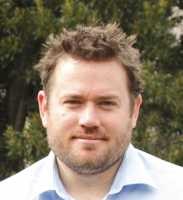 Dr. Dennis Petrie[/caption]
Dr. Dennis James Petrie
Melbourne School of Population and Global Health
MedicalResearch.com: What is the background for this study? What are the main findings?
Dr. Petrie: Life expectancy estimates for those with type 1 diabetes allow gaps with the general population to be identified and improvements to be quantified. This research examined mortality for those with type 1 diabetes in Sweden from 2002 till 2011. The aim was to explore whether life expectancy of those with type 1 diabetes has improved in Sweden over the last decade and how any improvement compared with improvements seen in the general population. It found that for men with type 1 diabetes, the remaining life expectancy at age 20 increased significantly by about 2 years (from 47.7 in 2002–06 to 49.7 years in 2007–11) but for women with type 1 diabetes there was no significant change, with a life expectancy at age 20 of 51.7 years in 2002–06 and 51.9 years in 2007–11. There have been recent gains for both men and women from reductions in cardiovascular mortality however these gains were also seen in the general population which meant that the life expectancy gaps have stayed at about 11 years for men and 12 years for women over the last decade in Sweden.
Dr. Dennis Petrie[/caption]
Dr. Dennis James Petrie
Melbourne School of Population and Global Health
MedicalResearch.com: What is the background for this study? What are the main findings?
Dr. Petrie: Life expectancy estimates for those with type 1 diabetes allow gaps with the general population to be identified and improvements to be quantified. This research examined mortality for those with type 1 diabetes in Sweden from 2002 till 2011. The aim was to explore whether life expectancy of those with type 1 diabetes has improved in Sweden over the last decade and how any improvement compared with improvements seen in the general population. It found that for men with type 1 diabetes, the remaining life expectancy at age 20 increased significantly by about 2 years (from 47.7 in 2002–06 to 49.7 years in 2007–11) but for women with type 1 diabetes there was no significant change, with a life expectancy at age 20 of 51.7 years in 2002–06 and 51.9 years in 2007–11. There have been recent gains for both men and women from reductions in cardiovascular mortality however these gains were also seen in the general population which meant that the life expectancy gaps have stayed at about 11 years for men and 12 years for women over the last decade in Sweden.
06 Apr Psychiatric Research Focuses On Major Hubs of Complex Brain Systems
MedicalResearch.com Interview with: [caption id="attachment_22994" align="alignleft" width="149"] Dr. Glenn Saxe[/caption]
Glenn Saxe, MD
Arnold Simon Professor of Child and Adolescent Psychiatry and
Chair, Department of Child and Adolescent Psychiatry
NYU Langone’s Child Study Center
Dr. Saxe’s bio page
MedicalResearch.com: What is the background for this approach? What are the main advantages and drawbacks to the CS-CN method in psychiatry research?
Dr. Saxe: Psychiatric disorders are complex and, in all likelihood, emerge and are sustained over time because they form what is called a complex system, involving the interaction between a great many variables of different types (e.g. molecules, neurons, brain circuits, developmental, social variables). There is a strong literature on complex systems in other fields that show remarkably similar properties between vastly different types of systems. Unfortunately, data methods used in research in psychiatry are not designed to ‘see’ the possible complex systems nature of a psychiatric disorder. Our method is designed to identify networks of variables related to psychiatric disorders that, together, have properties of complex systems. If such a system is identified, it may reveal new ways to treat these disorders.
Dr. Glenn Saxe[/caption]
Glenn Saxe, MD
Arnold Simon Professor of Child and Adolescent Psychiatry and
Chair, Department of Child and Adolescent Psychiatry
NYU Langone’s Child Study Center
Dr. Saxe’s bio page
MedicalResearch.com: What is the background for this approach? What are the main advantages and drawbacks to the CS-CN method in psychiatry research?
Dr. Saxe: Psychiatric disorders are complex and, in all likelihood, emerge and are sustained over time because they form what is called a complex system, involving the interaction between a great many variables of different types (e.g. molecules, neurons, brain circuits, developmental, social variables). There is a strong literature on complex systems in other fields that show remarkably similar properties between vastly different types of systems. Unfortunately, data methods used in research in psychiatry are not designed to ‘see’ the possible complex systems nature of a psychiatric disorder. Our method is designed to identify networks of variables related to psychiatric disorders that, together, have properties of complex systems. If such a system is identified, it may reveal new ways to treat these disorders.