

 Prof. Car[/caption]
Associate Professor Josip Car
MD, PhD, DIC, MSc, FFPH, FRCP (Edin)
Associate Professor of Health Services Outcomes Research,
Director, Health Services Outcomes Research Programme and Director
Centre for Population Health Sciences
Principal Investigator, Population Health & Living Laboratory
MedicalResearch.com: What is the background for this study?
Response: In 2018, almost 8% of people with diabetes who owned a smartphone used a diabetes app to support self-management. Currently, most apps are not regulated by the US Food and Drug Administration (FDA). We downloaded and assessed 371 diabetes self-management apps, to see if they provided evidence-based decision support and patient education.
Prof. Car[/caption]
Associate Professor Josip Car
MD, PhD, DIC, MSc, FFPH, FRCP (Edin)
Associate Professor of Health Services Outcomes Research,
Director, Health Services Outcomes Research Programme and Director
Centre for Population Health Sciences
Principal Investigator, Population Health & Living Laboratory
MedicalResearch.com: What is the background for this study?
Response: In 2018, almost 8% of people with diabetes who owned a smartphone used a diabetes app to support self-management. Currently, most apps are not regulated by the US Food and Drug Administration (FDA). We downloaded and assessed 371 diabetes self-management apps, to see if they provided evidence-based decision support and patient education.

 Prof. Bahn[/caption]
Prof Sabine Bahn MD PhD MRCPsych FRSB
Cambridge Centre for Neuropsychiatric Research
[caption id="attachment_48355" align="alignleft" width="99"]
Prof. Bahn[/caption]
Prof Sabine Bahn MD PhD MRCPsych FRSB
Cambridge Centre for Neuropsychiatric Research
[caption id="attachment_48355" align="alignleft" width="99"] Dr. Tomasik[/caption]
Jakub Tomasik, PhD
Department of Chemical Engineering and Biotechnology
University of Cambridge
MedicalResearch.com: What is the background for this study? What are the main findings?
Response: Schizophrenia patients are at increased risk of impaired glucose metabolism, yet the comorbidity between the two conditions cannot be fully explained by known risk factors such as obesity, smoking, stress or antipsychotic medication. Previous family and genome-wide studies have suggested that the co-occurrence between schizophrenia and impaired glucose metabolism might be due to shared genetic factors, as exemplified by increased risk of diabetes in first-degree relatives of schizophrenia patients, but the biological mechanisms underlying this association remain unknown.
We examined the association between insulin resistance, schizophrenia polygenic risk and response to treatment in 58 drug-naive schizophrenia patients and 58 matched healthy individuals while controlling for a range of demographic (age, gender, body mass index), lifestyle (smoking, alcohol and cannabis use) and clinical (psychopathology scores, treatment drug) factors.
We found that insulin resistance, a key feature contributing to the development of type 2 diabetes, significantly correlated with schizophrenia polygenic risk score in patients, with higher genetic risk of schizophrenia associated with increased insulin resistance. Furthermore, we found that patients with higher insulin resistance were more likely to switch medication during the first year of treatment, which implies lower clinical response.
Dr. Tomasik[/caption]
Jakub Tomasik, PhD
Department of Chemical Engineering and Biotechnology
University of Cambridge
MedicalResearch.com: What is the background for this study? What are the main findings?
Response: Schizophrenia patients are at increased risk of impaired glucose metabolism, yet the comorbidity between the two conditions cannot be fully explained by known risk factors such as obesity, smoking, stress or antipsychotic medication. Previous family and genome-wide studies have suggested that the co-occurrence between schizophrenia and impaired glucose metabolism might be due to shared genetic factors, as exemplified by increased risk of diabetes in first-degree relatives of schizophrenia patients, but the biological mechanisms underlying this association remain unknown.
We examined the association between insulin resistance, schizophrenia polygenic risk and response to treatment in 58 drug-naive schizophrenia patients and 58 matched healthy individuals while controlling for a range of demographic (age, gender, body mass index), lifestyle (smoking, alcohol and cannabis use) and clinical (psychopathology scores, treatment drug) factors.
We found that insulin resistance, a key feature contributing to the development of type 2 diabetes, significantly correlated with schizophrenia polygenic risk score in patients, with higher genetic risk of schizophrenia associated with increased insulin resistance. Furthermore, we found that patients with higher insulin resistance were more likely to switch medication during the first year of treatment, which implies lower clinical response.
 Dr. Hammond[/caption]
H. Kirk Hammond, MD
Professor of Medicine at University of California
San Diego
Basic research scientist and cardiologist
San Diego Veterans' Affairs Healthcare System
Dr. Hammond is winner of the 2017 William S. Middleton Award – the highest research honor in the U.S. Department of Veterans Affairs
MedicalResearch.com: What is the background for this study? What are the main findings?
Response: Worldwide, 9% of adults have diabetes, predominantly due to insulin resistance, known as Type 2 diabetes. It is associated with obesity and diets high in fat and carbohydrates. In this gene transfer study we showed that a single injection of a vector encoding a natural hormone (urocortin 2, Ucn2) increased glucose disposal and improved heart function in a model of diet-induced Type 2 diabetes in mice.
Dr. Hammond[/caption]
H. Kirk Hammond, MD
Professor of Medicine at University of California
San Diego
Basic research scientist and cardiologist
San Diego Veterans' Affairs Healthcare System
Dr. Hammond is winner of the 2017 William S. Middleton Award – the highest research honor in the U.S. Department of Veterans Affairs
MedicalResearch.com: What is the background for this study? What are the main findings?
Response: Worldwide, 9% of adults have diabetes, predominantly due to insulin resistance, known as Type 2 diabetes. It is associated with obesity and diets high in fat and carbohydrates. In this gene transfer study we showed that a single injection of a vector encoding a natural hormone (urocortin 2, Ucn2) increased glucose disposal and improved heart function in a model of diet-induced Type 2 diabetes in mice.
 Liv Guro Engen Hanem[/caption]
Liv Guro Engen Hanem, PhD Candidate
Department of Clinical and Molecular Medicine
Norwegian University of Science and Technology
MedicalResearch.com: What is the background for this study?
Response: The antidiabetic drug metformin is increasingly used in pregnancy: to treat gestational diabetes and type 2 diabetes, and to prevent pregnancy complications related to polycystic ovary syndrome (PCOS) and obesity. Metformin passes the placenta, and the fetus is thus exposed to the drug. Although no teratogenicity has been reported, metformin might have long-term effects on offspring health.
This study is a follow-up of cardiometabolic risk factors of 141 5- to 10-year-old children born in the PregMet study. This study was a double-blind, randomized controlled trial (RCT) designed to test the hypothesis that metformin given throughout pregnancy reduces the prevalence of pregnancy complications that are associated with the common endocrine disorder PCOS. Pregnant women with PCOS were randomized to receive metformin or placebo throughout pregnancy.
Liv Guro Engen Hanem[/caption]
Liv Guro Engen Hanem, PhD Candidate
Department of Clinical and Molecular Medicine
Norwegian University of Science and Technology
MedicalResearch.com: What is the background for this study?
Response: The antidiabetic drug metformin is increasingly used in pregnancy: to treat gestational diabetes and type 2 diabetes, and to prevent pregnancy complications related to polycystic ovary syndrome (PCOS) and obesity. Metformin passes the placenta, and the fetus is thus exposed to the drug. Although no teratogenicity has been reported, metformin might have long-term effects on offspring health.
This study is a follow-up of cardiometabolic risk factors of 141 5- to 10-year-old children born in the PregMet study. This study was a double-blind, randomized controlled trial (RCT) designed to test the hypothesis that metformin given throughout pregnancy reduces the prevalence of pregnancy complications that are associated with the common endocrine disorder PCOS. Pregnant women with PCOS were randomized to receive metformin or placebo throughout pregnancy.
 Dr. Robert Avram[/caption]
Robert Avram MD MSc
Division of Cardiology
University of California, San Francisco
MedicalResearch.com: What is the background for this study? Would you briefly describe what is meant by Photoplethysmography?
While analyzing the heart rate data as collected using smartphones apps in the Health-eHeart study, we noticed that diabetic patients had, on average, a higher ‘free-living’ heart rate than non-diabetic patients when adjusted from multiple factors. This pushed us to analyze the signal to see if there were other features that would help differentiate diabetes patients from non-diabetes patients. By identifying these features, we saw a huge opportunity to develop a screening tool for diabetes using deep learning and a smartphone camera and flash, in order to classify patients as having prevalent diabetes/no-diabetes.
Photoplethysmography is the technique of measuring the difference in light absorption by the skin in order to detect blood volume changes in the microvasculature. Most modern mobile devices, including smartphones and many fitness trackers (Apple Wathc, FitBit), have the ability to acquire PPG waveforms, providing a unique opportunity to detect diabetes-related vascular changes at population-scale.
Dr. Robert Avram[/caption]
Robert Avram MD MSc
Division of Cardiology
University of California, San Francisco
MedicalResearch.com: What is the background for this study? Would you briefly describe what is meant by Photoplethysmography?
While analyzing the heart rate data as collected using smartphones apps in the Health-eHeart study, we noticed that diabetic patients had, on average, a higher ‘free-living’ heart rate than non-diabetic patients when adjusted from multiple factors. This pushed us to analyze the signal to see if there were other features that would help differentiate diabetes patients from non-diabetes patients. By identifying these features, we saw a huge opportunity to develop a screening tool for diabetes using deep learning and a smartphone camera and flash, in order to classify patients as having prevalent diabetes/no-diabetes.
Photoplethysmography is the technique of measuring the difference in light absorption by the skin in order to detect blood volume changes in the microvasculature. Most modern mobile devices, including smartphones and many fitness trackers (Apple Wathc, FitBit), have the ability to acquire PPG waveforms, providing a unique opportunity to detect diabetes-related vascular changes at population-scale.
 Dr. Kramer[/caption]
Dr. Lynn Kramer, MD FAAN
VP and Chief Clinical Officer & Chief Medical Office
Eisai Co., Ltd
WeightControl.com: What is the background for this announcement?
Response: On February 25th, Eisai announced that the U.S. Food and Drug Administration (FDA) accepted its supplemental New Drug Application to potentially update the label for BELVIQ® (lorcaserin HCI) CIV 10 mg twice-daily/BELVIQ XR (lorcaserin HCI) CIV once daily to include long-term efficacy and safety data from CAMELLIA-TIMI 61, a clinical trial of BELVIQ in 12,000 overweight and obese patients with cardiovascular (CV) disease and/or multiple CV risk factors such as type 2 diabetes mellitus (T2DM).
Dr. Kramer[/caption]
Dr. Lynn Kramer, MD FAAN
VP and Chief Clinical Officer & Chief Medical Office
Eisai Co., Ltd
WeightControl.com: What is the background for this announcement?
Response: On February 25th, Eisai announced that the U.S. Food and Drug Administration (FDA) accepted its supplemental New Drug Application to potentially update the label for BELVIQ® (lorcaserin HCI) CIV 10 mg twice-daily/BELVIQ XR (lorcaserin HCI) CIV once daily to include long-term efficacy and safety data from CAMELLIA-TIMI 61, a clinical trial of BELVIQ in 12,000 overweight and obese patients with cardiovascular (CV) disease and/or multiple CV risk factors such as type 2 diabetes mellitus (T2DM).
 Dr. Spence[/caption]
David Spence M.D., FRCPC, FAHA
Professor of Neurology and Clinical Pharmacology
Director, Stroke Prevention & Atherosclerosis Research Centre,
Robarts Research Institute, Western University
London, ON Canada
MedicalResearch.com: What is the background for this study? What are the main findings?
Response: The motivation for the study was the chair of the committee that advises the Ontario Drug Benefit which medications to pay for said the IRIS results were not relevant to clinical practice. This because the Insulin Resistance Intervention after Stroke (IRIS) trial reported effects of pioglitazone in patients with stroke or TIA and insulin resistance assessed by the Homeostasis Model Assessment of Insulin Resistance (HOMA-IR) score for insulin resistance.1 ( However, few clinicians measure a HOMA-iR score, so the clinical impact of that trial was limited.
In this study we analyzed the effect of pioglitazone in stroke/TIA patients with prediabetes, which is commonly assessed by clinicians. Prediabetes was defined by the American Diabetes Association: a glycosylated hemoglobin (A1C) of 5.7% to <6.5% (we did not do glucose tolerance tests). We analyzed primarily the results for patients with 80% adherence, but also did an intention-to-treat (ITT) analysis. The reason for focusing on patients with good adherence was that pioglitazone cannot be taken by about 10-20% of patients, because of fluid retention and weight gain (mainly due to fluid retention). (The reasoning was that third party payers would not need to pay for the medication in patients who do not take it.)
In stroke/TIA patients with good adherence, the benefits of pioglitazone were greater than in the original IRIS trial. We found a 40% reduction of stroke/MI, a 33% reduction of stroke, and an 80% reduction of new-onset diabetes, over 5 years. Pioglitazone also improved blood pressure, triglycerides and HDL-cholesterol. As expected, pioglitazone was somewhat less beneficial in the ITT analysis.
Fluid retention can usually be managed by reducing the dose of pioglitazone; even small doses still have a beneficial effect . Also, amiloride has been shown to reduce fluid retention with pioglitazone.
Dr. Spence[/caption]
David Spence M.D., FRCPC, FAHA
Professor of Neurology and Clinical Pharmacology
Director, Stroke Prevention & Atherosclerosis Research Centre,
Robarts Research Institute, Western University
London, ON Canada
MedicalResearch.com: What is the background for this study? What are the main findings?
Response: The motivation for the study was the chair of the committee that advises the Ontario Drug Benefit which medications to pay for said the IRIS results were not relevant to clinical practice. This because the Insulin Resistance Intervention after Stroke (IRIS) trial reported effects of pioglitazone in patients with stroke or TIA and insulin resistance assessed by the Homeostasis Model Assessment of Insulin Resistance (HOMA-IR) score for insulin resistance.1 ( However, few clinicians measure a HOMA-iR score, so the clinical impact of that trial was limited.
In this study we analyzed the effect of pioglitazone in stroke/TIA patients with prediabetes, which is commonly assessed by clinicians. Prediabetes was defined by the American Diabetes Association: a glycosylated hemoglobin (A1C) of 5.7% to <6.5% (we did not do glucose tolerance tests). We analyzed primarily the results for patients with 80% adherence, but also did an intention-to-treat (ITT) analysis. The reason for focusing on patients with good adherence was that pioglitazone cannot be taken by about 10-20% of patients, because of fluid retention and weight gain (mainly due to fluid retention). (The reasoning was that third party payers would not need to pay for the medication in patients who do not take it.)
In stroke/TIA patients with good adherence, the benefits of pioglitazone were greater than in the original IRIS trial. We found a 40% reduction of stroke/MI, a 33% reduction of stroke, and an 80% reduction of new-onset diabetes, over 5 years. Pioglitazone also improved blood pressure, triglycerides and HDL-cholesterol. As expected, pioglitazone was somewhat less beneficial in the ITT analysis.
Fluid retention can usually be managed by reducing the dose of pioglitazone; even small doses still have a beneficial effect . Also, amiloride has been shown to reduce fluid retention with pioglitazone.
 Prof. Johnston[/caption]
Karen C. Johnston MD
Professor and Chair, Neurology
School of Medicine
University of Virginia
MedicalResearch.com: What is the background for this study?
Response: We know that acute ischemic stroke patient with hyperglycemia at presentation have worse outcomes. We also know if we lower the glucose too low that this is bad for ischemic brain also. T
he SHINE trial addressed a world wide debate about whether intensive treatment of hyperglycemia is beneficial. We assessed the efficacy and safety of an intensive glucose control protocol with a target glucose of 80-130 mg/dL compared to a more standard protocol with a target of less than 180 mg/dL.
Prof. Johnston[/caption]
Karen C. Johnston MD
Professor and Chair, Neurology
School of Medicine
University of Virginia
MedicalResearch.com: What is the background for this study?
Response: We know that acute ischemic stroke patient with hyperglycemia at presentation have worse outcomes. We also know if we lower the glucose too low that this is bad for ischemic brain also. T
he SHINE trial addressed a world wide debate about whether intensive treatment of hyperglycemia is beneficial. We assessed the efficacy and safety of an intensive glucose control protocol with a target glucose of 80-130 mg/dL compared to a more standard protocol with a target of less than 180 mg/dL.
 MedicalResearch.com: What is the background for this study? What are the main findings?
Response: We know from previous studies that there is a significant chance of diabetes remission following Roux-en-Y gastric bypass, but most studies evaluate smaller cohorts of selected patients (e.g. from a single center or only patients covered by a specific type of insurance). By using Danish registries, which hold information on all Danish Citizens independent of social- or economic status and have complete follow-up, we wanted to evaluate the Roux-en-Y gastric bypass surgery (RYGB) in a real-world setting.
The main findings are that more than 70 % of patients with obesity (BMI>35 kg/m2) and type 2 diabetes treated by RYGB had their diabetes go into remission or every 6-month period in the first 5 years after the procedure. Out of those who were in remission within the first year of follow-up 27% had undergone relapse at 5 years.
The most important predictor of a patient not going into remission was if they required insulin to control their disease. Other factors included older age and higher starting HbA1c level. During the more than five years of follow-up, the risk of microvascular complications was 47% lower in the RYGB group than in the control population, with largest decreases in the risk of diabetic retinopathy and diabetic kidney disease. There was a smaller impact on the risk of macrovascular events, which were 24% lower among patients who had received bariatric surgery; however, this difference was not large enough to achieve statistical significance. The 90-day mortality was very low (<0.5%).
MedicalResearch.com: What is the background for this study? What are the main findings?
Response: We know from previous studies that there is a significant chance of diabetes remission following Roux-en-Y gastric bypass, but most studies evaluate smaller cohorts of selected patients (e.g. from a single center or only patients covered by a specific type of insurance). By using Danish registries, which hold information on all Danish Citizens independent of social- or economic status and have complete follow-up, we wanted to evaluate the Roux-en-Y gastric bypass surgery (RYGB) in a real-world setting.
The main findings are that more than 70 % of patients with obesity (BMI>35 kg/m2) and type 2 diabetes treated by RYGB had their diabetes go into remission or every 6-month period in the first 5 years after the procedure. Out of those who were in remission within the first year of follow-up 27% had undergone relapse at 5 years.
The most important predictor of a patient not going into remission was if they required insulin to control their disease. Other factors included older age and higher starting HbA1c level. During the more than five years of follow-up, the risk of microvascular complications was 47% lower in the RYGB group than in the control population, with largest decreases in the risk of diabetic retinopathy and diabetic kidney disease. There was a smaller impact on the risk of macrovascular events, which were 24% lower among patients who had received bariatric surgery; however, this difference was not large enough to achieve statistical significance. The 90-day mortality was very low (<0.5%).
 Dr. Skipper[/caption]
Niels Skipper PhD
Associate Professor, Department of Economics and Business Economics
Aarhus University
MedicalResearch.com: What is the background for this study? What are the main findings?
Response: It is unclear if there is an association between type 1 diabetes and school performance in children. Some studies have found type 1 diabetes to be associated with worse performance, while others have found no differences. However, most of the existing literature are based on smaller, non-random samples of children with diabetes. In this study we used data on all public school children in the country of Denmark, involving more than 600,000 schoolchildren where approximately 2,000 had a confirmed diagnosis of type 1 diabetes. The children were tested in math and reading using a nationally standardized testing procedure, and we found no difference in the obtain test scores between children with diabetes compared to children without diabetes.
Dr. Skipper[/caption]
Niels Skipper PhD
Associate Professor, Department of Economics and Business Economics
Aarhus University
MedicalResearch.com: What is the background for this study? What are the main findings?
Response: It is unclear if there is an association between type 1 diabetes and school performance in children. Some studies have found type 1 diabetes to be associated with worse performance, while others have found no differences. However, most of the existing literature are based on smaller, non-random samples of children with diabetes. In this study we used data on all public school children in the country of Denmark, involving more than 600,000 schoolchildren where approximately 2,000 had a confirmed diagnosis of type 1 diabetes. The children were tested in math and reading using a nationally standardized testing procedure, and we found no difference in the obtain test scores between children with diabetes compared to children without diabetes.
 Dr. Gibson[/caption]
Diane M. Gibson, Ph.D.
Executive Director – New York Federal Statistical Research Data Center, Baruch RDC
Associate Professor – Marxe School of Public and International Affairs, Baruch College - CUNY
MedicalResearch.com: What is the background for this study? What are the main findings?
Response: Prior studies have found that screening for diabetic retinopathy in primary care settings using telemedicine increased screening rates among individuals with diabetes and among subgroups of individuals with diabetes who are at high risk of missing recommended eye exams. In a previous paper I looked at how often U.S. adults with diabetes visited primary care and eye care providers for recommended diabetes preventive care services using a sample from the 2007-2013 Medical Expenditure Panel Survey. I found that while visits to eye care providers were often skipped, most adults with diabetes did visit primary care physicians. I argued that these findings suggest that screening for diabetic retinopathy in primary care settings using telemedicine has the potential to fulfill unmet needs and reach most U.S. adults with diabetes.
My brief report in JAMA Ophthalmology examines patterns of eye examination receipt and visits to primary care physicians among U.S. adults with diabetes using a sample from the 2016 National Health Interview Survey. The report pays particular attention to individuals who are at high-risk of missing recommended eye exams.
The study found that 87.7% of the sample of adults with diabetes visited a primary care physician in the past year and that, except for the uninsured subgroup, more than 78% of each high-risk subgroup visited a primary care provider in the past year.
Dr. Gibson[/caption]
Diane M. Gibson, Ph.D.
Executive Director – New York Federal Statistical Research Data Center, Baruch RDC
Associate Professor – Marxe School of Public and International Affairs, Baruch College - CUNY
MedicalResearch.com: What is the background for this study? What are the main findings?
Response: Prior studies have found that screening for diabetic retinopathy in primary care settings using telemedicine increased screening rates among individuals with diabetes and among subgroups of individuals with diabetes who are at high risk of missing recommended eye exams. In a previous paper I looked at how often U.S. adults with diabetes visited primary care and eye care providers for recommended diabetes preventive care services using a sample from the 2007-2013 Medical Expenditure Panel Survey. I found that while visits to eye care providers were often skipped, most adults with diabetes did visit primary care physicians. I argued that these findings suggest that screening for diabetic retinopathy in primary care settings using telemedicine has the potential to fulfill unmet needs and reach most U.S. adults with diabetes.
My brief report in JAMA Ophthalmology examines patterns of eye examination receipt and visits to primary care physicians among U.S. adults with diabetes using a sample from the 2016 National Health Interview Survey. The report pays particular attention to individuals who are at high-risk of missing recommended eye exams.
The study found that 87.7% of the sample of adults with diabetes visited a primary care physician in the past year and that, except for the uninsured subgroup, more than 78% of each high-risk subgroup visited a primary care provider in the past year.

 Dr. Kirsten Perrett[/caption]
Dr Kirsten Perrett MBBS FRACP PhD
Team Leader / Clinician-Scientist Fellow, Population Allergy, Murdoch Children's Research Institute
Consultant Paediatrician, Department of Allergy and Immunology and General Medicine
The Royal Children's Hospital
Fellow, School of Population and Global Health
The University of Melbourne
Parkville, Victoria Australia
MedicalResearch.com: What is the background for this study?
Response: Before rotavirus vaccines were available, rotavirus infection was the most common cause of severe gastroenteritis in infants and young children. Because it is so contagious, infection in childhood is thought to be universal in unvaccinated children.
Previous studies indicated that rotavirus infection of infants might be an environmental promoter of type 1 diabetes. Therefore, we anticipated that the introduction of the rotavirus vaccine might alter the disease incidence in young children.
Dr. Kirsten Perrett[/caption]
Dr Kirsten Perrett MBBS FRACP PhD
Team Leader / Clinician-Scientist Fellow, Population Allergy, Murdoch Children's Research Institute
Consultant Paediatrician, Department of Allergy and Immunology and General Medicine
The Royal Children's Hospital
Fellow, School of Population and Global Health
The University of Melbourne
Parkville, Victoria Australia
MedicalResearch.com: What is the background for this study?
Response: Before rotavirus vaccines were available, rotavirus infection was the most common cause of severe gastroenteritis in infants and young children. Because it is so contagious, infection in childhood is thought to be universal in unvaccinated children.
Previous studies indicated that rotavirus infection of infants might be an environmental promoter of type 1 diabetes. Therefore, we anticipated that the introduction of the rotavirus vaccine might alter the disease incidence in young children.
 Example of Bullous Pemphigoid
 Dr. Chan[/caption]
Juliana CN Chan MD
Chair Professor of Medicine and Therapeutics
Head, Division of Clinical Pharmacology, Department of Medicine and Therapeutics
Director, Hong Kong Institute of Diabetes and Obesity
Director, Clinical Research Management Office
Faculty of Medicine
The Chinese University of Hong Kong
MedicalResearch.com: What is the background for this study? What are the main findings?
Response: The prevalence of young onset diabetes (YOD) is increasing world-wide with doubling of its prevalence in the last 10 years in many developed nations. Using the Hong Kong Diabetes Register established since 1995, we first reported that 1 in 5 Chinese adults with diabetes were diagnosed before the age of 40 years. These young patients had poor control of multiple risk factors with 1.5 fold higher risk of premature death and cardiovascular-renal complications compared to patients with usual onset of diabetes after the age of 40 (Chan JC et al AJM 2014, Luk A et al Diabetes Care 2014). Due to the multisystem nature of diabetes, we asked the question whether these young patients might have recurrent hospitalizations during their 3-4 decades of complex clinical course.
Using a territory-wide diabetes database involving 0.42 million people followed up between 2002 and 2014, we compared the hospitalization rates accrued till the age of 75 years and found that patients with young onset diabetes had the highest hospitalization rates by attained age. Compared to patients with usual onset of diabetes, patients with YOD had 1.8- 6.7 higher risk of hospitalizations due to all-causes, notably renal disease compared to those with usual onset of disease.
Amongst patients with young onset diabetes, over one-third of the bed-days were due to mental illness before the age of 40 years. We used mathematical modeling and estimated that intensified risk factor control in YOD can reduce the cumulative bed-days by 30% which can be further reduced by delaying the onset of diabetes. These original data is a wakening call to the community regarding the complex nature of YOD involving interactions amongst environment, lifestyles and personal factors (e.g. genetics, education and socioeconomic status) and the biomedical-psychological-behavioral needs of these high risk population, which if undiagnosed, untreated or suboptimally managed, can have huge economic impacts on health care system and loss of societal productivity, leaving personal suffering aside.
Dr. Chan[/caption]
Juliana CN Chan MD
Chair Professor of Medicine and Therapeutics
Head, Division of Clinical Pharmacology, Department of Medicine and Therapeutics
Director, Hong Kong Institute of Diabetes and Obesity
Director, Clinical Research Management Office
Faculty of Medicine
The Chinese University of Hong Kong
MedicalResearch.com: What is the background for this study? What are the main findings?
Response: The prevalence of young onset diabetes (YOD) is increasing world-wide with doubling of its prevalence in the last 10 years in many developed nations. Using the Hong Kong Diabetes Register established since 1995, we first reported that 1 in 5 Chinese adults with diabetes were diagnosed before the age of 40 years. These young patients had poor control of multiple risk factors with 1.5 fold higher risk of premature death and cardiovascular-renal complications compared to patients with usual onset of diabetes after the age of 40 (Chan JC et al AJM 2014, Luk A et al Diabetes Care 2014). Due to the multisystem nature of diabetes, we asked the question whether these young patients might have recurrent hospitalizations during their 3-4 decades of complex clinical course.
Using a territory-wide diabetes database involving 0.42 million people followed up between 2002 and 2014, we compared the hospitalization rates accrued till the age of 75 years and found that patients with young onset diabetes had the highest hospitalization rates by attained age. Compared to patients with usual onset of diabetes, patients with YOD had 1.8- 6.7 higher risk of hospitalizations due to all-causes, notably renal disease compared to those with usual onset of disease.
Amongst patients with young onset diabetes, over one-third of the bed-days were due to mental illness before the age of 40 years. We used mathematical modeling and estimated that intensified risk factor control in YOD can reduce the cumulative bed-days by 30% which can be further reduced by delaying the onset of diabetes. These original data is a wakening call to the community regarding the complex nature of YOD involving interactions amongst environment, lifestyles and personal factors (e.g. genetics, education and socioeconomic status) and the biomedical-psychological-behavioral needs of these high risk population, which if undiagnosed, untreated or suboptimally managed, can have huge economic impacts on health care system and loss of societal productivity, leaving personal suffering aside.
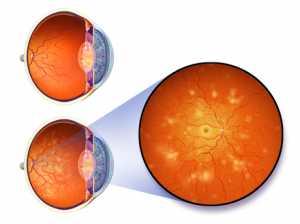 Illustration depicting diabetic retinopathy[/caption]
Eugene Yu-Chuan Kang, MD.
House Staff,
Department of Ophthalmology
Chang Gung Memorial Hospital
Chang Gung University, School of Medicine
MedicalResearch.com: What is the background for this study?
Response: More and more patients suffered from diabetes mellitus (DM) around the world, as well diabetic complications such as diabetic retinopathy (DR). DR is one of the major causes of blindness in working-age adults. In addition to the cost of treatment for patients with advanced DR, loss of visual function also yields a great burden to the family and society. For advanced DR, surgical interventions such as retinal laser, intravitreal injection, and vitrectomy are needed. However, those surgical interventions for severe DR can only retard or stop disease progression. If DR can be prevented or slowed by medical treatments, the burden of medical costs for treating severe DR may be decreased.
Statin, an HMG-CoA reductase inhibitor, was discussed frequently in the recent years. Multiple functions of statins besides their lipid lowering effect were discovered. Previous investigations have reported that statin therapy could reduce mortality rate and decrease risk of cardiovascular diseases.
In our study, we wanted to figure out if statin therapy may have any association between diabetic retinopathy.
Illustration depicting diabetic retinopathy[/caption]
Eugene Yu-Chuan Kang, MD.
House Staff,
Department of Ophthalmology
Chang Gung Memorial Hospital
Chang Gung University, School of Medicine
MedicalResearch.com: What is the background for this study?
Response: More and more patients suffered from diabetes mellitus (DM) around the world, as well diabetic complications such as diabetic retinopathy (DR). DR is one of the major causes of blindness in working-age adults. In addition to the cost of treatment for patients with advanced DR, loss of visual function also yields a great burden to the family and society. For advanced DR, surgical interventions such as retinal laser, intravitreal injection, and vitrectomy are needed. However, those surgical interventions for severe DR can only retard or stop disease progression. If DR can be prevented or slowed by medical treatments, the burden of medical costs for treating severe DR may be decreased.
Statin, an HMG-CoA reductase inhibitor, was discussed frequently in the recent years. Multiple functions of statins besides their lipid lowering effect were discovered. Previous investigations have reported that statin therapy could reduce mortality rate and decrease risk of cardiovascular diseases.
In our study, we wanted to figure out if statin therapy may have any association between diabetic retinopathy.
 Dr. Guy Fagherazzi[/caption]
Guy Fagherazzi, MSc, PhD, HDR
Senior Research Scientist in Digital & Diabetes Epidemiology
Center of Research in Epidemiology and Population Health
Inserm, Paris-South Paris-Saclay University
MedicalResearch.com: What is the background for this study? What are the main findings?
Response: Migraine has further been associated with increased risk of overall and specific cardiovascular disease events.
Because migraine has also been associated with factors related with insulin resistance and type 2 diabetes, an association between migraine and diabetes has been hypothesized.
We observed a lower risk of type 2 diabetes in women with active migraine.
We also show a linear decrease of migraine prevalence long before and a plateau long after type 2 diabetes diagnosis.
Dr. Guy Fagherazzi[/caption]
Guy Fagherazzi, MSc, PhD, HDR
Senior Research Scientist in Digital & Diabetes Epidemiology
Center of Research in Epidemiology and Population Health
Inserm, Paris-South Paris-Saclay University
MedicalResearch.com: What is the background for this study? What are the main findings?
Response: Migraine has further been associated with increased risk of overall and specific cardiovascular disease events.
Because migraine has also been associated with factors related with insulin resistance and type 2 diabetes, an association between migraine and diabetes has been hypothesized.
We observed a lower risk of type 2 diabetes in women with active migraine.
We also show a linear decrease of migraine prevalence long before and a plateau long after type 2 diabetes diagnosis.
 Dr. Al-Aly[/caption]
Dr. Ziyad Al-Aly, MD
Associate Chief of Staff for Research and Education
Veterans Affairs St. Louis Health Care System
Institute for Public Health
Washington University, St. Louis MO
MedicalResearch.com: What is the background for this study?
Response: A lot has changed in the US over the past 15 years including aging, population growth, and increased exposure to risk factors such as obesity, elevated blood pressure, etc. With all of these changes, we wondered, how did the burden of kidney disease change in the United States over the past 15 years.
Dr. Al-Aly[/caption]
Dr. Ziyad Al-Aly, MD
Associate Chief of Staff for Research and Education
Veterans Affairs St. Louis Health Care System
Institute for Public Health
Washington University, St. Louis MO
MedicalResearch.com: What is the background for this study?
Response: A lot has changed in the US over the past 15 years including aging, population growth, and increased exposure to risk factors such as obesity, elevated blood pressure, etc. With all of these changes, we wondered, how did the burden of kidney disease change in the United States over the past 15 years.
 Dr. Zhilei Shah PhD
Department of Nutrition and Food Hygiene, Hubei Key Laboratory of Food Nutrition and Safety
Ministry of Education Key Lab of Environment and Health, School of Public Health
Tongji Medical College, Huazhon
University of Science and Technology
Wuhan, China
MedicalResearch.com: What is the background for this study?
Response: Shift work has progressed in response to changes in economic pressure and greater consumer demand for 24-hour services. There are many economic advantages to increased shift work, including higher employment, increased services to customers, and improved trade opportunities. Currently, one in five employees in the U.S. works nonstandard hours in the evening, night, or rotating shifts. However, shift work, especially night shift work, has been associated with a higher risk of chronic diseases, including type 2 diabetes, cardiovascular disease, and several types of cancer.
Compelling evidence has shown that body weight and lifestyle behaviors, such as smoking, diet, and physical activity can influence type 2 diabetes risk. Among shift workers, excess adiposity and increased smoking are frequently and consistently reported, whereas the evidence on physical activity and diet is mixed. Additionally, no previous study has examined the joint associations of rotating night shift work duration and unhealthy lifestyle factors with risk of type 2 diabetes, or evaluated their potential interactions.
Therefore, we prospectively assessed the joint association of rotating night shift work and established type 2 diabetes lifestyle risk factors with risk of type 2 diabetes and quantitatively decomposed the proportions of the joint association to rotating night shift work alone, to lifestyle alone and to their interaction in two large US cohorts.
Dr. Zhilei Shah PhD
Department of Nutrition and Food Hygiene, Hubei Key Laboratory of Food Nutrition and Safety
Ministry of Education Key Lab of Environment and Health, School of Public Health
Tongji Medical College, Huazhon
University of Science and Technology
Wuhan, China
MedicalResearch.com: What is the background for this study?
Response: Shift work has progressed in response to changes in economic pressure and greater consumer demand for 24-hour services. There are many economic advantages to increased shift work, including higher employment, increased services to customers, and improved trade opportunities. Currently, one in five employees in the U.S. works nonstandard hours in the evening, night, or rotating shifts. However, shift work, especially night shift work, has been associated with a higher risk of chronic diseases, including type 2 diabetes, cardiovascular disease, and several types of cancer.
Compelling evidence has shown that body weight and lifestyle behaviors, such as smoking, diet, and physical activity can influence type 2 diabetes risk. Among shift workers, excess adiposity and increased smoking are frequently and consistently reported, whereas the evidence on physical activity and diet is mixed. Additionally, no previous study has examined the joint associations of rotating night shift work duration and unhealthy lifestyle factors with risk of type 2 diabetes, or evaluated their potential interactions.
Therefore, we prospectively assessed the joint association of rotating night shift work and established type 2 diabetes lifestyle risk factors with risk of type 2 diabetes and quantitatively decomposed the proportions of the joint association to rotating night shift work alone, to lifestyle alone and to their interaction in two large US cohorts.
 Haris Riaz MD (Cardiology Fellow
Haitham Ahmed MD, MPH , Preventive Cardiologist,
Cleveland Clinic, Ohio
MedicalResearch.com: What is the background for this study? What are the main findings?
Response: Elevated cholesterol (specially low density lipoprotein) has been causally linked to the development of coronary artery disease whereas the causal relationship between obesity and cardiovascular disease has remained controversial. This is important because of increasing epidemic of obesity and metabolic syndrome. Mendelian randomization studies provide one way of determining a causal association where we can look at the outcomes of individuals stratified by the presence or absence of a particular allele. Since these alleles are randomly distributed in the population of interest, this is "nature's randomized trial" in that the particular allele is naturally distributed and hence minimal risk of bias.
In other words, lets say that I hypothesize that a particular gene "A" is linked with coronary artery disease. If the given gene is indeed causally linked with coronary artery disease, patients with activation of that gene should have significantly greater risk of developing coronary artery disease.
Based on these principles, we conducted a systematic review and meta-analysis of the available evidence and found that the risk of developing coronary artery disease and diabetes is significantly increased with obesity. Although hypothesis generating, we think that these findings may suggest a causal association between obesity and cardiovascular disease.
Haris Riaz MD (Cardiology Fellow
Haitham Ahmed MD, MPH , Preventive Cardiologist,
Cleveland Clinic, Ohio
MedicalResearch.com: What is the background for this study? What are the main findings?
Response: Elevated cholesterol (specially low density lipoprotein) has been causally linked to the development of coronary artery disease whereas the causal relationship between obesity and cardiovascular disease has remained controversial. This is important because of increasing epidemic of obesity and metabolic syndrome. Mendelian randomization studies provide one way of determining a causal association where we can look at the outcomes of individuals stratified by the presence or absence of a particular allele. Since these alleles are randomly distributed in the population of interest, this is "nature's randomized trial" in that the particular allele is naturally distributed and hence minimal risk of bias.
In other words, lets say that I hypothesize that a particular gene "A" is linked with coronary artery disease. If the given gene is indeed causally linked with coronary artery disease, patients with activation of that gene should have significantly greater risk of developing coronary artery disease.
Based on these principles, we conducted a systematic review and meta-analysis of the available evidence and found that the risk of developing coronary artery disease and diabetes is significantly increased with obesity. Although hypothesis generating, we think that these findings may suggest a causal association between obesity and cardiovascular disease.
 Dr. Shah[/caption]
Viral Shah, MD
Assistant Professor of Medicine & Pediatrics
Barbara Davis Center for Diabetes, Adult Clinic
School of Medicine
University of Colorado Anschutz Medical Campus
MedicalResearch.com: What is the background for this study? What are the main findings?
Response: Cannabis use is increasing in Colorado and many patients with type 1 diabetes (which is an autoimmune form of diabetes that requires life insulin therapy) are using cannabis. Therefore, we surveyed adult patients with type 1 diabetes to study the association between cannabis use and glycemic control and diabetes acute complications (such as diabetic ketoacidosis) in adults with type 1 diabetes.
Main findings of the study: The risk for diabetic ketoacidosis (a serious condition where body produces high levels of acids called ketones in patients with diabetes) was two times higher among adults with type 1 diabetes who reported using cannabis in the past 12 months compared to adults with type 1 diabetes who reported not using cannabis.
Dr. Shah[/caption]
Viral Shah, MD
Assistant Professor of Medicine & Pediatrics
Barbara Davis Center for Diabetes, Adult Clinic
School of Medicine
University of Colorado Anschutz Medical Campus
MedicalResearch.com: What is the background for this study? What are the main findings?
Response: Cannabis use is increasing in Colorado and many patients with type 1 diabetes (which is an autoimmune form of diabetes that requires life insulin therapy) are using cannabis. Therefore, we surveyed adult patients with type 1 diabetes to study the association between cannabis use and glycemic control and diabetes acute complications (such as diabetic ketoacidosis) in adults with type 1 diabetes.
Main findings of the study: The risk for diabetic ketoacidosis (a serious condition where body produces high levels of acids called ketones in patients with diabetes) was two times higher among adults with type 1 diabetes who reported using cannabis in the past 12 months compared to adults with type 1 diabetes who reported not using cannabis.

 Dr. Verge[/caption]
Danilo Verge MD MBA
Vice President, CVRM Global Medical Affairs
AstraZeneca
MedicalResearch.com: What is the background for this study?
Response: Dapagliflozin, an SGLT2 inhibitor (sodium-glucose co-transporter 2), has been shown to improve glycemic control by decreasing glucose reabsorption in the kidneys and inducing urinary glucose clearance. SGLT2 inhibitors have also been shown to be effective in lowering albuminuria and stabilizing eGFR (estimated glomerular filtration rate). The effect of dapagliflozin on UACR (urine albumin-to-creatinine ratio) has been shown to vary among patients.
The objective of this post-hoc analysis, based on the pooled data from 11 randomized, placebo-controlled clinical trials, was to assess baseline characteristics and concurrent changes in cardiovascular (CV) risk markers associated with UACR response to dapagliflozin.
Dr. Verge[/caption]
Danilo Verge MD MBA
Vice President, CVRM Global Medical Affairs
AstraZeneca
MedicalResearch.com: What is the background for this study?
Response: Dapagliflozin, an SGLT2 inhibitor (sodium-glucose co-transporter 2), has been shown to improve glycemic control by decreasing glucose reabsorption in the kidneys and inducing urinary glucose clearance. SGLT2 inhibitors have also been shown to be effective in lowering albuminuria and stabilizing eGFR (estimated glomerular filtration rate). The effect of dapagliflozin on UACR (urine albumin-to-creatinine ratio) has been shown to vary among patients.
The objective of this post-hoc analysis, based on the pooled data from 11 randomized, placebo-controlled clinical trials, was to assess baseline characteristics and concurrent changes in cardiovascular (CV) risk markers associated with UACR response to dapagliflozin.

The results demonstrate both the potential and the challenges of using AI systems to identify diabetic retinopathy in clinical practice. ...
 Dr. Solomon[/caption]
Scott David Solomon, MD
Director, Noninvasive Cardiology
Professor, Harvard Medical School
Brigham and Women's Hospital
MedicalResearch.com: What is the background for this study? What are the main findings?
Response: The sodium glucose transport proteins are known to be important in regulating uptake of glucose. SGLT-1 is predominantly located in the gut and is responsible for uptake of glucose and galactose in the small intestine. Individuals born with severe mutations of this gene have severe malabsorption syndrome.
We looked at genetic variants that lead to reduced function of the protein, but not complete loss of function, in a large cohort of individuals in the NIH funded Atherosclerosis Risk in Communities Study. We found that those with mutations in the gene had reduced glucose uptake, as measured by an oral glucose tolerance test, as well as less obesity, diabetes, heart failure and death.
Dr. Solomon[/caption]
Scott David Solomon, MD
Director, Noninvasive Cardiology
Professor, Harvard Medical School
Brigham and Women's Hospital
MedicalResearch.com: What is the background for this study? What are the main findings?
Response: The sodium glucose transport proteins are known to be important in regulating uptake of glucose. SGLT-1 is predominantly located in the gut and is responsible for uptake of glucose and galactose in the small intestine. Individuals born with severe mutations of this gene have severe malabsorption syndrome.
We looked at genetic variants that lead to reduced function of the protein, but not complete loss of function, in a large cohort of individuals in the NIH funded Atherosclerosis Risk in Communities Study. We found that those with mutations in the gene had reduced glucose uptake, as measured by an oral glucose tolerance test, as well as less obesity, diabetes, heart failure and death.

MedicalResearch.com Interview with: [caption id="attachment_44905" align="alignleft" width="200"] Dr. Morieri[/caption] Mario Luca Morieri MD Section on Genetics and Epidemiology, Research Division, Joslin Diabetes Center Department of Medicine, Harvard Medical School, Boston, MA MedicalResearch.com: What is the background for this study? What are the main findings? Response: Coronary artery disease (CAD) is one of the most important complications...

 Knud Josefsen, senior researcher
Bartholin Institute, Rigshospitalet,
Copenhagen K, Denmark
MedicalResearch.com: What is the background for this study? What are the main findings?
Response: In a large population of pregnant women, we found that the risk of the offspring being diagnosed with type 1 diabetes before the age of 15.6 years (the follow up period) was doubled in the group of women ingesting the highest amounts of gluten (20-66 g/day) versus the group of women ingesting the lowest amounts of gluten (0-7 g/day). For every additional 10 grams of gluten ingested, the risk for type 1 diabetes in the child increased by a factor of 1.31.
It the sense that it was a hypothesis that we specifically tested, we were not surprised. We had seen in animal experiments that a gluten-free diet during pregnancy protected the offspring from diabetes, and we wanted to see if we could prove the same pattern in humans. There could be many reasons why we would not be able to show the association, even if it was there (sample size, low quality data, covariates we could not correct for and so on), but we were off course pleasantly surprised that we found the association that we were looking for, in particular because it is quite robust
Knud Josefsen, senior researcher
Bartholin Institute, Rigshospitalet,
Copenhagen K, Denmark
MedicalResearch.com: What is the background for this study? What are the main findings?
Response: In a large population of pregnant women, we found that the risk of the offspring being diagnosed with type 1 diabetes before the age of 15.6 years (the follow up period) was doubled in the group of women ingesting the highest amounts of gluten (20-66 g/day) versus the group of women ingesting the lowest amounts of gluten (0-7 g/day). For every additional 10 grams of gluten ingested, the risk for type 1 diabetes in the child increased by a factor of 1.31.
It the sense that it was a hypothesis that we specifically tested, we were not surprised. We had seen in animal experiments that a gluten-free diet during pregnancy protected the offspring from diabetes, and we wanted to see if we could prove the same pattern in humans. There could be many reasons why we would not be able to show the association, even if it was there (sample size, low quality data, covariates we could not correct for and so on), but we were off course pleasantly surprised that we found the association that we were looking for, in particular because it is quite robust