
microbiome Tag
14 Mar Frozen Fecal Transplant in Pill Form Found To Reverse C. Diff Infection
Posted at 23:27h
in Author Interviews, C. difficile, Gastrointestinal Disease, Microbiome, Transplantation
MedicalResearch.com Interview with:
[caption id="attachment_32899" align="alignleft" width="100"] Dr. DuPont[/caption]
Dr. H. L. DuPont MD
Director, Center for Infectious Diseases, UTHealth School of Public Health
Mary W. Kelsey Chair in the Medical Sciences, McGovern Medical School at UTHealth
Professor, Department of Epidemiology, Human Genetics and Environmental Sciences
UTHealth School of Public Health
Houston, TX 77030
MedicalResearch.com: What is the background for this study? What are the main findings?
Response: Many diseases and disorders are associated with “dysbiosis,” where the intestinal microbiota diversity is reduced. This contributes to disease and to the acquisition of antibiotic resistance. Fecal microbiota transplantation (FMT) is successful in conditions with pure dysbiosis (e.g. C diff infection) and a single dose of FMT is curative in most cases.
Dr. DuPont[/caption]
Dr. H. L. DuPont MD
Director, Center for Infectious Diseases, UTHealth School of Public Health
Mary W. Kelsey Chair in the Medical Sciences, McGovern Medical School at UTHealth
Professor, Department of Epidemiology, Human Genetics and Environmental Sciences
UTHealth School of Public Health
Houston, TX 77030
MedicalResearch.com: What is the background for this study? What are the main findings?
Response: Many diseases and disorders are associated with “dysbiosis,” where the intestinal microbiota diversity is reduced. This contributes to disease and to the acquisition of antibiotic resistance. Fecal microbiota transplantation (FMT) is successful in conditions with pure dysbiosis (e.g. C diff infection) and a single dose of FMT is curative in most cases.
23 Feb Cardioprotective Effect of Soy in Japanese May Be Mediated Through Equol
MedicalResearch.com Interview with: [caption id="attachment_32312" align="alignleft" width="200"] Dr. Sekikawa[/caption]
Akira Sekikawa, Ph.D.
Associate professor of epidemiology
University of Pittsburgh Graduate School of Public Health
MedicalResearch.com: What is the background for this study? What are the main findings?
Response: We found that Japanese men who are able to produce equol—a substance made by some types of “good” gut bacteria when they metabolize isoflavones (micronutrients found in dietary soy)—have lower levels of a risk factor for heart disease than their counterparts who cannot produce it. All monkeys can produce equol, as can 50 to 70 percent of people in Asian countries. However, only 20 to 30 percent of people in Western countries can.
Scientists have known for some time that isoflavones protect against the buildup of plaque in arteries, known as atherosclerosis, in monkeys, and are associated with lower rates of heart disease in people in Asian countries. It was surprising when a large trial of isoflavones in the U.S. didn’t show the beneficial effects on atherosclerosis.
My colleagues and I recruited 272 Japanese men aged 40 to 49 and performed blood tests to find out if they were producing equol. After adjusting for other heart disease risk factors such as high blood pressure, cholesterol, smoking and obesity as well as dietary intake of isoflavones, we found that the equol-producers had 90-percent lower odds of coronary artery calcification, a predictor of heart disease, than the equol non-producers.
Dr. Sekikawa[/caption]
Akira Sekikawa, Ph.D.
Associate professor of epidemiology
University of Pittsburgh Graduate School of Public Health
MedicalResearch.com: What is the background for this study? What are the main findings?
Response: We found that Japanese men who are able to produce equol—a substance made by some types of “good” gut bacteria when they metabolize isoflavones (micronutrients found in dietary soy)—have lower levels of a risk factor for heart disease than their counterparts who cannot produce it. All monkeys can produce equol, as can 50 to 70 percent of people in Asian countries. However, only 20 to 30 percent of people in Western countries can.
Scientists have known for some time that isoflavones protect against the buildup of plaque in arteries, known as atherosclerosis, in monkeys, and are associated with lower rates of heart disease in people in Asian countries. It was surprising when a large trial of isoflavones in the U.S. didn’t show the beneficial effects on atherosclerosis.
My colleagues and I recruited 272 Japanese men aged 40 to 49 and performed blood tests to find out if they were producing equol. After adjusting for other heart disease risk factors such as high blood pressure, cholesterol, smoking and obesity as well as dietary intake of isoflavones, we found that the equol-producers had 90-percent lower odds of coronary artery calcification, a predictor of heart disease, than the equol non-producers.
11 Feb Intestinal E. coli Linked to Arthritis in Inflammatory Bowel Disease
Posted at 03:19h
in Author Interviews, Gastrointestinal Disease, Infections, Microbiome, Rheumatology, Science
MedicalResearch.com Interview with:
[caption id="attachment_31926" align="alignleft" width="150"] Dr. Randy Longman[/caption]
Randy Longman, M.D. / Ph.D.
Assistant Professor of Medicine
Jill Roberts Center and Institute for Research in Inflammatory Bowel Disease
Weill Cornell Medicine
Division of Gastroenterology and Hepatology
Joan and Sanford I. Weill Department of Medicine
Department of Microbiology and Immunology
New York, NY 10021
MedicalResearch.com: What is the background for this study? What are the main findings?
Response: Inflammatory bowel disease is not limited to intestinal inflammation. Up to 1/3 of patients with active disease suffer from extra-intestinal manifestations.
The most common extra-intestinal manifestations in IBD is joint inflammation or spondyloarthritis. Peripheral joint spondyloarthritis carries a prevalence of 20% in Crohn’s Disease and 10% in Ulcerative Colitis, predominantly affecting joints of the lower limbs. It has long been suggested that gut bacteria can drive this systemic joint inflammation, but microbial targets have not been characterized.
Dr. Randy Longman[/caption]
Randy Longman, M.D. / Ph.D.
Assistant Professor of Medicine
Jill Roberts Center and Institute for Research in Inflammatory Bowel Disease
Weill Cornell Medicine
Division of Gastroenterology and Hepatology
Joan and Sanford I. Weill Department of Medicine
Department of Microbiology and Immunology
New York, NY 10021
MedicalResearch.com: What is the background for this study? What are the main findings?
Response: Inflammatory bowel disease is not limited to intestinal inflammation. Up to 1/3 of patients with active disease suffer from extra-intestinal manifestations.
The most common extra-intestinal manifestations in IBD is joint inflammation or spondyloarthritis. Peripheral joint spondyloarthritis carries a prevalence of 20% in Crohn’s Disease and 10% in Ulcerative Colitis, predominantly affecting joints of the lower limbs. It has long been suggested that gut bacteria can drive this systemic joint inflammation, but microbial targets have not been characterized.
01 Feb Investigational Compound Improves Gut Microbiome Without Long-Term GI Symptoms
MedicalResearch.com Interview with: [caption id="attachment_31681" align="alignleft" width="200"] Dr. Fernando Azpiroz[/caption]
Fernando Azpiroz, MD, PhD
Chief of the Department of Digestive Diseases
University Hospital Vall d’Hebron
Autonomous University of Barcelona, Spain
MedicalResearch.com: What is the background for this study? What are the main findings?
Response: This open-label, single-arm study, included 26 healthy volunteers who did not have gastrointestinal (GI) symptoms or a history of GI disorders, and were not required to change their diets during treatment. Twenty participants were included in the main evaluation and six were included as control subjects.
Participants in the main study were given HOST-G904 (2.8 g/day) for three weeks, during which time they followed their usual diet. In the evaluation periods (three-day periods immediately before, at the beginning and at the end of the administration), the participants followed a standardized low-fiber diet with one portion of high-fiber foods, at which time the investigators measured the following:
(1) number of daytime gas evacuations for two days;
(2) volume of gas evacuated; and
(3) microbiome composition (as measured by fecal Illumina MiSeq sequencing).
Dr. Fernando Azpiroz[/caption]
Fernando Azpiroz, MD, PhD
Chief of the Department of Digestive Diseases
University Hospital Vall d’Hebron
Autonomous University of Barcelona, Spain
MedicalResearch.com: What is the background for this study? What are the main findings?
Response: This open-label, single-arm study, included 26 healthy volunteers who did not have gastrointestinal (GI) symptoms or a history of GI disorders, and were not required to change their diets during treatment. Twenty participants were included in the main evaluation and six were included as control subjects.
Participants in the main study were given HOST-G904 (2.8 g/day) for three weeks, during which time they followed their usual diet. In the evaluation periods (three-day periods immediately before, at the beginning and at the end of the administration), the participants followed a standardized low-fiber diet with one portion of high-fiber foods, at which time the investigators measured the following:
(1) number of daytime gas evacuations for two days;
(2) volume of gas evacuated; and
(3) microbiome composition (as measured by fecal Illumina MiSeq sequencing).
26 Jan Intestinal and Blood-Brain Barrier Alterations Linked to Autism Spectrum Disorders
Posted at 16:42h
in Author Interviews, Autism, Brigham & Women's - Harvard, Gastrointestinal Disease, Microbiome
MedicalResearch.com Interview with:
[caption id="attachment_31521" align="alignleft" width="135"] Dr. Maria Rosaria Fiorentino[/caption]
Maria Rosaria Fiorentino, PhD
Assistant Professor at Harvard Medical School
Molecular Biologist at Mucosal Immunology and Biology Research Center
Massachusetts General Hospital East
Charlestown, MA 02129-4404
MedicalResearch.com: What is the background for this study? What are the main findings?
Response: Autism Spectrum Disorders (ASD) refers to complex neurodevelopmental disorders arising from the interaction of genes and environmental factors. There are no defined mechanisms explaining how environmental triggers can lead to these conditions. One hypothesis based on the gut-brain axis connection suggests that inappropriate antigens trafficking through an impaired intestinal barrier, followed by passage of these antigens through a permissive blood-brain barrier (BBB), can be part of the chain of events leading to the disease.
Many Autism Spectrum Disorders children experience co-morbid medical conditions, including gastrointestinal (GI) dysfunctions whose underlying nature is poorly understood. Several clinical observations describe increased intestinal permeability in ASD with often conflicting findings. Permeability to neuroactive food antigens derived from the partial digestion of wheat (gliadorphins) and cow’s milk (casomorphins) has been reported in ASD. However, while evidence of a permeable gut barrier in ASD is increasingly reported, no information is available concerning a similar breach for the BBB. The BBB is a critical line of defense in the Central Nervous System, limiting the access of circulating solutes, macromolecules, and cells that could negatively impact neuronal activity. Dysfunctions of the BBB have been associated with numerous inflammatory neurologic disorders, such as stroke, epilepsy, multiple sclerosis, Parkinson’s and Alzheimer’s disease.
Dr. Maria Rosaria Fiorentino[/caption]
Maria Rosaria Fiorentino, PhD
Assistant Professor at Harvard Medical School
Molecular Biologist at Mucosal Immunology and Biology Research Center
Massachusetts General Hospital East
Charlestown, MA 02129-4404
MedicalResearch.com: What is the background for this study? What are the main findings?
Response: Autism Spectrum Disorders (ASD) refers to complex neurodevelopmental disorders arising from the interaction of genes and environmental factors. There are no defined mechanisms explaining how environmental triggers can lead to these conditions. One hypothesis based on the gut-brain axis connection suggests that inappropriate antigens trafficking through an impaired intestinal barrier, followed by passage of these antigens through a permissive blood-brain barrier (BBB), can be part of the chain of events leading to the disease.
Many Autism Spectrum Disorders children experience co-morbid medical conditions, including gastrointestinal (GI) dysfunctions whose underlying nature is poorly understood. Several clinical observations describe increased intestinal permeability in ASD with often conflicting findings. Permeability to neuroactive food antigens derived from the partial digestion of wheat (gliadorphins) and cow’s milk (casomorphins) has been reported in ASD. However, while evidence of a permeable gut barrier in ASD is increasingly reported, no information is available concerning a similar breach for the BBB. The BBB is a critical line of defense in the Central Nervous System, limiting the access of circulating solutes, macromolecules, and cells that could negatively impact neuronal activity. Dysfunctions of the BBB have been associated with numerous inflammatory neurologic disorders, such as stroke, epilepsy, multiple sclerosis, Parkinson’s and Alzheimer’s disease.
20 Jan Gut Inflammation & Bacterial Changes Linked to Type 1 Diabetes
MedicalResearch.com Interview with: [caption id="attachment_31395" align="alignleft" width="149"] Prof Lorenzo Piemonti[/caption]
Prof Lorenzo Piemonti, MD
Professor of Endocrinology
Deputy Director, Diabetes Research Institute (SR-DRI)
Head, Beta Cell Biology Unit
Vita-Salute San Raffaele University,
San Raffaele Scientific Institute
Milano Italy
MedicalResearch.com: What is the background for this study? What are the main findings?
Response: The potential role of gut inflammation and microbiome is becoming a hot topic in the field of diabetes. Several very recent publications report the presence of intestinal abnormalities associated with autoimmune diabetes in both experimental rodent models and patients. We have previously published that, compared to healthy subjects, patients with type 1 diabetes or at high risk of developing type 1 diabetes shows increased intestinal permeability.
Among the factors that may modify the intestinal barrier and impact on its immune activation, the gut microbiota is at present the main suspect. Our study is the first in literature that had the opportunity to analyze the inflammatory profile, the microbiome and their correlation on duodenum biopsies of patients with type 1 diabetes, in comparison with patients with celiac disease and healthy controls. Previous papers pointed out a significant difference in the composition of the stool microflora in subjects with autoimmune diabetes.
A major advancement of our work comes from the direct analysis of small intestine, instead of studies on stool samples. In fact, because of their close functional and spatial relationships, as well as a shared blood supply, it is logical to consider the duodenum and the pancreas correlated. We found big differences among the groups: gut mucosa in diabetes shows a peculiar signature of inflammation, a specific microbiome composition and we also discovered a strong association between some analysed inflammatory markers and specific bacteria genera. We think that our data add an important piece to disentangle the complex pathogenesis of type 1 diabetes and more generally of autoimmune diseases.
Prof Lorenzo Piemonti[/caption]
Prof Lorenzo Piemonti, MD
Professor of Endocrinology
Deputy Director, Diabetes Research Institute (SR-DRI)
Head, Beta Cell Biology Unit
Vita-Salute San Raffaele University,
San Raffaele Scientific Institute
Milano Italy
MedicalResearch.com: What is the background for this study? What are the main findings?
Response: The potential role of gut inflammation and microbiome is becoming a hot topic in the field of diabetes. Several very recent publications report the presence of intestinal abnormalities associated with autoimmune diabetes in both experimental rodent models and patients. We have previously published that, compared to healthy subjects, patients with type 1 diabetes or at high risk of developing type 1 diabetes shows increased intestinal permeability.
Among the factors that may modify the intestinal barrier and impact on its immune activation, the gut microbiota is at present the main suspect. Our study is the first in literature that had the opportunity to analyze the inflammatory profile, the microbiome and their correlation on duodenum biopsies of patients with type 1 diabetes, in comparison with patients with celiac disease and healthy controls. Previous papers pointed out a significant difference in the composition of the stool microflora in subjects with autoimmune diabetes.
A major advancement of our work comes from the direct analysis of small intestine, instead of studies on stool samples. In fact, because of their close functional and spatial relationships, as well as a shared blood supply, it is logical to consider the duodenum and the pancreas correlated. We found big differences among the groups: gut mucosa in diabetes shows a peculiar signature of inflammation, a specific microbiome composition and we also discovered a strong association between some analysed inflammatory markers and specific bacteria genera. We think that our data add an important piece to disentangle the complex pathogenesis of type 1 diabetes and more generally of autoimmune diseases.
09 Dec Uterine Microbiome Plays Key Role in IVF Success
MedicalResearch.com Interview with: [caption id="attachment_30400" align="alignleft" width="155"] Dr. Carlos Simón[/caption]
Carlos Simón, M.D., Ph. D.
Professor of Obstetrics & Gynecology. Valencia University, Spain
Scientific Director, Igenomix SL.
Adjunct Clinical Professor, Department of Ob/Gyn, Stanford University, CA
Adjunct Professor, Department of Ob/Gyn, Baylor College of Medicine, TX
MedicalResearch.com: What is the background for this study? What are the main findings?
Response: The main findings of this study reside in the concept that the uterine cavity, which has been classically considered as a sterile organ, possess its own microbiome and that the composition of this uterine microbiome have a functional impact on the reproductive outcome of IVF patients.
Dr. Carlos Simón[/caption]
Carlos Simón, M.D., Ph. D.
Professor of Obstetrics & Gynecology. Valencia University, Spain
Scientific Director, Igenomix SL.
Adjunct Clinical Professor, Department of Ob/Gyn, Stanford University, CA
Adjunct Professor, Department of Ob/Gyn, Baylor College of Medicine, TX
MedicalResearch.com: What is the background for this study? What are the main findings?
Response: The main findings of this study reside in the concept that the uterine cavity, which has been classically considered as a sterile organ, possess its own microbiome and that the composition of this uterine microbiome have a functional impact on the reproductive outcome of IVF patients.
03 Dec Microbiome Is Major Driver of Recurrent Obesity
MedicalResearch.com Interview with: Dr. Eran Elinav. Principal investigator Immunology Department Weizmann Institute of Science Rehovot, Israel MedicalResearch.com: What is the background for this study? What are the main findings? Response: Recurrent obesity is a very common yet poorly studied and under researched phenomenon. It is well known that many people diet, but then regain the weight they lost and even add more weight. We found that the gut microbiome is a major driver of this enhanced weight regain phenomenon. We found that in the obese state, the microbiome is altered, and these alterations are not reversed upon weight loss. And these alterations are sufficient to drive weight regain, since transferring them to germ-free mice also transferred the enhanced weight regain phenotype. Moreover, we provide three different treatments for this condition: (1) Antibiotics; (2) transfer of bacteria from lean mice; and (3) addition of specific molecules that we found to be lacking in the altered microbiome. All of these treatments cured the mice we tested from enhanced weight regain.21 Nov Without Fiber, Gut Bacteria Begin To Eat Our Intestinal Lining
MedicalResearch.com Interview with: [caption id="attachment_29871" align="alignleft" width="200"] Dr. Mahesh Desai[/caption]
MedicalResearch.com: What is the background for this study?
Response: Over the last few decades, our intake of dietary fiber has fallen drastically mainly due to the consumption of processed food, which has been connected to increased cases of intestinal diseases including colon cancer and inflammatory bowel disease. The gut microbiota is essential for us as it allows our body to digest dietary fiber contained in fruits and vegetables, that could otherwise not be processed. Changed physiologies and abundances of the gut microbiota following a fiber-deprived diet have been commonly linked to several intestinal diseases. However, the mechanisms behind these connections have remained poorly understood.
Dr. Mahesh Desai[/caption]
MedicalResearch.com: What is the background for this study?
Response: Over the last few decades, our intake of dietary fiber has fallen drastically mainly due to the consumption of processed food, which has been connected to increased cases of intestinal diseases including colon cancer and inflammatory bowel disease. The gut microbiota is essential for us as it allows our body to digest dietary fiber contained in fruits and vegetables, that could otherwise not be processed. Changed physiologies and abundances of the gut microbiota following a fiber-deprived diet have been commonly linked to several intestinal diseases. However, the mechanisms behind these connections have remained poorly understood.
28 Sep Excess Zinc May Predispose to C.diff By Altering Gut Microbiome
MedicalResearch.com Interview with: [caption id="attachment_28403" align="alignleft" width="147"] Dr. Eric P Skaar,[/caption]
Eric P Skaar, Ph.D., MPH
Director, Division of Molecular Pathogenesis
Ernest W. Goodpasture Professor of Pathology
Vice Chair for Basic Research, Department of Pathology, Microbiology, and Immunology
Vanderbilt University School of Medicine
MedicalResearch.com: What is the background for this study? What are the main findings?
Response: Nutrient metals are known to be a critical driver of the outcome of host-pathogen interactions, and C. difficile is the most common cause of hospital-acquired infections. C. difficile infection typically occurs following antibiotic-mediated disruption of the healthy microbiome. We were interested in learning how nutrient metals can shape the microbiome and impact the outcome of Clostridium difficile infection.
We found that excess zinc alters the structure of the microbiome and increases the severity of C. difficile infection in mice.
Dr. Eric P Skaar,[/caption]
Eric P Skaar, Ph.D., MPH
Director, Division of Molecular Pathogenesis
Ernest W. Goodpasture Professor of Pathology
Vice Chair for Basic Research, Department of Pathology, Microbiology, and Immunology
Vanderbilt University School of Medicine
MedicalResearch.com: What is the background for this study? What are the main findings?
Response: Nutrient metals are known to be a critical driver of the outcome of host-pathogen interactions, and C. difficile is the most common cause of hospital-acquired infections. C. difficile infection typically occurs following antibiotic-mediated disruption of the healthy microbiome. We were interested in learning how nutrient metals can shape the microbiome and impact the outcome of Clostridium difficile infection.
We found that excess zinc alters the structure of the microbiome and increases the severity of C. difficile infection in mice.
21 Sep Intestinal Microbiome Linked to Obesity and Fat Storage in Children
MedicalResearch.com Interview with: [caption id="attachment_28185" align="alignleft" width="133"] Dr. Nicola Santoro[/caption]
Nicola Santoro, MD, PhD
Associate Research Scientist in Pediatrics (Endocrinology)
Yale University
MedicalResearch.com: What is the background for this study? What are the main findings?
Response: The study start from previous observations showing an association between the gut microbiota and obesity.
Similarly to what previously described in adults and in children, we found an association between the gut microbiota and obesity. We took a step further and also observed that the gut flora is associated to body fat partitioning (amount of fat in the abdomen). Moreover, we observed that the effect of microbiota could be mediated by the short chain fatty acids a product of gut flora.
Dr. Nicola Santoro[/caption]
Nicola Santoro, MD, PhD
Associate Research Scientist in Pediatrics (Endocrinology)
Yale University
MedicalResearch.com: What is the background for this study? What are the main findings?
Response: The study start from previous observations showing an association between the gut microbiota and obesity.
Similarly to what previously described in adults and in children, we found an association between the gut microbiota and obesity. We took a step further and also observed that the gut flora is associated to body fat partitioning (amount of fat in the abdomen). Moreover, we observed that the effect of microbiota could be mediated by the short chain fatty acids a product of gut flora.
10 Aug Abnormal Microbiome Found in Preterm Infants Who Develop Chronic Lung Disease
[caption id="attachment_26871" align="alignleft" width="139"] Dr. Lal[/caption] MedicalResearch.com Interview with: Charitharth ‘Vivek' Lal, MD Assistant Professor, Division of Neonatal-Perinatal Medicine, Departments of Pediatrics University of Alabama at Birmingham Birmingham, AL 35249-7335 MedicalResearch.com: What is the background for this study? What are the main findings? Response: Airway microbiome of neonates, at birth, has not been studied. Also, association of airway...
24 Jul Gut and Brain Communicate To Drive Irritable Bowel Syndrome
MedicalResearch.com Interview with: [caption id="attachment_26433" align="alignleft" width="150"] Prof. Nicholas Talley[/caption]
Laureate Professor Nicholas J. Talley, MBBS (Hons.)(NSW), MD (NSW), PhD (Syd), MMedSci (Clin Epi)(Newc.), FRACP, FAFPHM, FAHMS, FRCP (Lond. & Edin.), FACP, FACG, AGAF, FAMS, FRCPI (Hon), GAICD
Pro Vice-Chancellor, Global Research,
University of Newcastle, Australia
Professor of Medicine, Faculty of Health and Medicine, University of Newcastle, Australia
President, Royal Australasian College of Physicians
Chair, Committee of Presidents of Medical Colleges
Hon. Treasurer, Australian Academy of Health and Medical Sciences
Editor-in-Chief, Medical Journal of Australia
Senior Staff Specialist, John Hunter Hospital, Newcastle, Australia
Professor of Medicine and Professor of Epidemiology, Joint Supplemental Consultant Gastroenterology and Health Sciences Research, Mayo Clinic, Rochester, MN, USA
MedicalResearch.com: What is the background for this study? What are the main findings?
Response: Functional gastrointestinal diseases (FGIDs) like the irritable bowl syndrome (IBS) are very common, cause major distress including pain and psychological dysfunction, impact on quality of life and drive high health care costs. We speculated that there are two distinct types of functional gastrointestinal disease that others have not recognized.
For example, IBS in a subgroup may first begin with gut symptoms (pain, diarrhea, constipation, bloating etc) in those free of psychological distress and only later does new onset anxiety or depression develop, implicating gut disease as the primary driver of the entire symptom complex (a gut-to-brain disease). On the other hand, we speculated there is another quite different subgroup where disease begins with anxiety or depression and only later do new onset gut symptoms develop, and this is likely primarily a central nervous system cause (probably through the stress system), or a brain-to-gut disease. This is exactly what we found, with gut disease occurring first followed by new onset psychological distress in about two thirds of people from the community over a one year follow-up.
Prof. Nicholas Talley[/caption]
Laureate Professor Nicholas J. Talley, MBBS (Hons.)(NSW), MD (NSW), PhD (Syd), MMedSci (Clin Epi)(Newc.), FRACP, FAFPHM, FAHMS, FRCP (Lond. & Edin.), FACP, FACG, AGAF, FAMS, FRCPI (Hon), GAICD
Pro Vice-Chancellor, Global Research,
University of Newcastle, Australia
Professor of Medicine, Faculty of Health and Medicine, University of Newcastle, Australia
President, Royal Australasian College of Physicians
Chair, Committee of Presidents of Medical Colleges
Hon. Treasurer, Australian Academy of Health and Medical Sciences
Editor-in-Chief, Medical Journal of Australia
Senior Staff Specialist, John Hunter Hospital, Newcastle, Australia
Professor of Medicine and Professor of Epidemiology, Joint Supplemental Consultant Gastroenterology and Health Sciences Research, Mayo Clinic, Rochester, MN, USA
MedicalResearch.com: What is the background for this study? What are the main findings?
Response: Functional gastrointestinal diseases (FGIDs) like the irritable bowl syndrome (IBS) are very common, cause major distress including pain and psychological dysfunction, impact on quality of life and drive high health care costs. We speculated that there are two distinct types of functional gastrointestinal disease that others have not recognized.
For example, IBS in a subgroup may first begin with gut symptoms (pain, diarrhea, constipation, bloating etc) in those free of psychological distress and only later does new onset anxiety or depression develop, implicating gut disease as the primary driver of the entire symptom complex (a gut-to-brain disease). On the other hand, we speculated there is another quite different subgroup where disease begins with anxiety or depression and only later do new onset gut symptoms develop, and this is likely primarily a central nervous system cause (probably through the stress system), or a brain-to-gut disease. This is exactly what we found, with gut disease occurring first followed by new onset psychological distress in about two thirds of people from the community over a one year follow-up.
15 Jul Gut Bacteria May Play Role in Rheumatoid Arthritis Activity
MedicalResearch.com Interview with: [caption id="attachment_26144" align="alignleft" width="166"] Dr. Veena Taneja[/caption]
Veena Taneja, Ph.D
Immunologist
Mayo Clinic
Rochester MN
MedicalResearch.com: What is the background for this study? What are the main findings?
Response: Gut bacteria have been suggested to be involved in pathogenesis of rheumatoid arthritis. We used new technology to sequence the bacteria in patients with rheumatoid arthritis and first degree relatives and healthy individuals. We found that patients had lower diversity of bacteria than healthy individuals and the composition of the gut microbiota differed between patients and healthy people. We could identify some bacteria that have expanded in patients though those are generally observed with low numbers in healthy individuals. We could define certain metabolic signatures that associated with microbial profile. For the first time, we could show a direct link between the arthritis-associated bacteria we identified and enhancement of arthritis using a mice carrying the RA-susceptible HLA gene.
Dr. Veena Taneja[/caption]
Veena Taneja, Ph.D
Immunologist
Mayo Clinic
Rochester MN
MedicalResearch.com: What is the background for this study? What are the main findings?
Response: Gut bacteria have been suggested to be involved in pathogenesis of rheumatoid arthritis. We used new technology to sequence the bacteria in patients with rheumatoid arthritis and first degree relatives and healthy individuals. We found that patients had lower diversity of bacteria than healthy individuals and the composition of the gut microbiota differed between patients and healthy people. We could identify some bacteria that have expanded in patients though those are generally observed with low numbers in healthy individuals. We could define certain metabolic signatures that associated with microbial profile. For the first time, we could show a direct link between the arthritis-associated bacteria we identified and enhancement of arthritis using a mice carrying the RA-susceptible HLA gene.
02 Jul Multiple Sclerosis Patients Have Altered Microbiome That May Benefit From Dietary Changes
MedicalResearch.com Interview with: [caption id="attachment_25768" align="alignleft" width="133"] Mangalam~Ashu[/caption]
Ashutosh K Mangalam PhD
Assistant Professor
Department of Pathology
University of Iowa
Iowa City, IA
MedicalResearch.com: What is the background for this study? What are the main findings?
Response: Every human carries trillions of bacteria in their gut (gut microbiome) and recent advances in research indicate that these tiny passengers play an important role in our overall health maintenance. Having evolved over the time span of millions of years with the gut microbiome, they keep us healthy in multiple ways such as fermentation and absorption of undigested carbohydrates, synthesis of some vitamins, metabolism of bile acids etc.
However, new research suggests that gut microbiome, also regulating our body’s defense system. It is hypothesized that a diverse gut microbiome is good for our health and perturbations in this might predispose us to disease development. Therefore, we asked whether multiple sclerosis (MS) patients have a gut microbiome which is distinct from healthy individuals. We collected fecal samples from MS patients and healthy controls and performed microbiome analysis. I have recently moved to UI but the entire study was completed at Mayo Clinic Rochester. This study involved a big team comprised of neurologist, gastroenterologist, bioinformatician, system biologist and study coordinators. We found that multiple sclerosis patients indeed have a gut microbiome which is different from what is observed in healthy people. We identified certain bacteria which are increased or decreased in the gut of patients with multiple sclerosis compared to healthy controls.
Mangalam~Ashu[/caption]
Ashutosh K Mangalam PhD
Assistant Professor
Department of Pathology
University of Iowa
Iowa City, IA
MedicalResearch.com: What is the background for this study? What are the main findings?
Response: Every human carries trillions of bacteria in their gut (gut microbiome) and recent advances in research indicate that these tiny passengers play an important role in our overall health maintenance. Having evolved over the time span of millions of years with the gut microbiome, they keep us healthy in multiple ways such as fermentation and absorption of undigested carbohydrates, synthesis of some vitamins, metabolism of bile acids etc.
However, new research suggests that gut microbiome, also regulating our body’s defense system. It is hypothesized that a diverse gut microbiome is good for our health and perturbations in this might predispose us to disease development. Therefore, we asked whether multiple sclerosis (MS) patients have a gut microbiome which is distinct from healthy individuals. We collected fecal samples from MS patients and healthy controls and performed microbiome analysis. I have recently moved to UI but the entire study was completed at Mayo Clinic Rochester. This study involved a big team comprised of neurologist, gastroenterologist, bioinformatician, system biologist and study coordinators. We found that multiple sclerosis patients indeed have a gut microbiome which is different from what is observed in healthy people. We identified certain bacteria which are increased or decreased in the gut of patients with multiple sclerosis compared to healthy controls.
26 Jun Women With Breast Cancer Have Different Bacterial Microbiome in Breasts
MedicalResearch.com Interview with: [caption id="attachment_25539" align="alignleft" width="123"] Dr. Gregory Reid[/caption]
Gregor Reid, B.Sc. Hons., Ph.D., MBA, ARM, CCM, Dr. HS, FCAHS
Director, Canadian Centre for Human Microbiome and Probiotic Research
Lawson Health Research Institute
London, Ontario, Canada
MedicalResearch.com: What is the background for this study? What are the main findings?
Response: Women who breast feed have reduced risk of breast cancer. Human milk has bacteria passed on to the child. These bacteria reach the breast through the nipple and from the gut via the blood. Lactobacilli and Bifidobacteria, beneficial bacteria, grow well in milk. So, I wondered what if women never lactate or breast feed, could bacteria be there? Could bacteria be in the tissue itself and influence whether you got or did not get cancer. Proving there are bacteria in the actual breast tissue itself was an interesting discovery defying previous beliefs.
Dr. Gregory Reid[/caption]
Gregor Reid, B.Sc. Hons., Ph.D., MBA, ARM, CCM, Dr. HS, FCAHS
Director, Canadian Centre for Human Microbiome and Probiotic Research
Lawson Health Research Institute
London, Ontario, Canada
MedicalResearch.com: What is the background for this study? What are the main findings?
Response: Women who breast feed have reduced risk of breast cancer. Human milk has bacteria passed on to the child. These bacteria reach the breast through the nipple and from the gut via the blood. Lactobacilli and Bifidobacteria, beneficial bacteria, grow well in milk. So, I wondered what if women never lactate or breast feed, could bacteria be there? Could bacteria be in the tissue itself and influence whether you got or did not get cancer. Proving there are bacteria in the actual breast tissue itself was an interesting discovery defying previous beliefs.
23 Jun Microbiome Affects the Immune System of Transplanted Organs
MedicalResearch.com Interview with: [caption id="attachment_25456" align="alignleft" width="150"] Dr. Maria Luisa Alegre[/caption]
Maria-Luisa Alegre, MD, PhD
Professor of medicine
University of Chicago
MedicalResearch.com: What is the background for this study? What are the main findings?
Response: Most of the research that investigates why/how transplanted organs are rejected has focused on the genetic disparities between the donor and the recipient. Foreign proteins in the donor organ are recognized by the immune system of the host, which becomes activated to reject the transplanted organ. This is why transplant recipients need to take immunosuppressive medications for the rest of their lives.
Whether environmental factors, in addition to genetic factors, can also affect how the immune system is activated by the transplanted organ is much less understood. In particular, the microbiota, the communities of microbes that live on and in our body, is distinct in each individual and is known to affect the function of the immune system in diseases ranging from autoimmunity to cancer.
Using mouse models of skin and heart transplantation, we investigated if the microbiota was an environmental factor that could affect the speed at which the immune system rejects a transplanted organ.
We found that the microbial communities that colonize the donor and the host fine-tune the function of the immune system and control the strength with which the immune system reacts to a transplanted organ.
Dr. Maria Luisa Alegre[/caption]
Maria-Luisa Alegre, MD, PhD
Professor of medicine
University of Chicago
MedicalResearch.com: What is the background for this study? What are the main findings?
Response: Most of the research that investigates why/how transplanted organs are rejected has focused on the genetic disparities between the donor and the recipient. Foreign proteins in the donor organ are recognized by the immune system of the host, which becomes activated to reject the transplanted organ. This is why transplant recipients need to take immunosuppressive medications for the rest of their lives.
Whether environmental factors, in addition to genetic factors, can also affect how the immune system is activated by the transplanted organ is much less understood. In particular, the microbiota, the communities of microbes that live on and in our body, is distinct in each individual and is known to affect the function of the immune system in diseases ranging from autoimmunity to cancer.
Using mouse models of skin and heart transplantation, we investigated if the microbiota was an environmental factor that could affect the speed at which the immune system rejects a transplanted organ.
We found that the microbial communities that colonize the donor and the host fine-tune the function of the immune system and control the strength with which the immune system reacts to a transplanted organ.
02 Jun Gluten-Free Diet Induces Changes In Gut Microbiome
MedicalResearch.com Interview with: [caption id="attachment_24849" align="alignleft" width="180"] Ettje Tigchelaar[/caption]
Ettje Tigchelaar MSc
PhD student from department of Genetics
University of Groningen, Groningen
MedicalResearch.com: What is the background for this study? What are the main findings?
Response: A gluten-free diet is used by celiac disease patients to alleviate their symptoms. Previous research in these patients has shown differences in gut microbiota composition when on habitual gluten containing diet (HD) compared to a gluten-free diet (GFD). Recently more and more individuals without celiac disease also started to adopt a gluten-free diet to improve their health and/or control weight. We studied changes in gut microbiota composition in these healthy individuals on a gluten-free diet.
We observed changes in the abundance of specific bacteria, for example the abundance of the bacterium family Veillonellaceae was much lower on a gluten-free diet versus HD, whereas it was higher for the family Clostridiaceae. We also looked at the function of the bacteria in the gut and found that many of those bacteria that changed because of the gluten-free diet played a role in metabolism of starch. This makes sense since starch is like gluten highly present in wheat containing products, thus when eliminating gluten from the diet, the intake of starch also changes and the gut bacteria processing this dietary starch change accordingly.
Ettje Tigchelaar[/caption]
Ettje Tigchelaar MSc
PhD student from department of Genetics
University of Groningen, Groningen
MedicalResearch.com: What is the background for this study? What are the main findings?
Response: A gluten-free diet is used by celiac disease patients to alleviate their symptoms. Previous research in these patients has shown differences in gut microbiota composition when on habitual gluten containing diet (HD) compared to a gluten-free diet (GFD). Recently more and more individuals without celiac disease also started to adopt a gluten-free diet to improve their health and/or control weight. We studied changes in gut microbiota composition in these healthy individuals on a gluten-free diet.
We observed changes in the abundance of specific bacteria, for example the abundance of the bacterium family Veillonellaceae was much lower on a gluten-free diet versus HD, whereas it was higher for the family Clostridiaceae. We also looked at the function of the bacteria in the gut and found that many of those bacteria that changed because of the gluten-free diet played a role in metabolism of starch. This makes sense since starch is like gluten highly present in wheat containing products, thus when eliminating gluten from the diet, the intake of starch also changes and the gut bacteria processing this dietary starch change accordingly.
28 May Bill & Melinda Gates Foundation To Support Study of Microbiome of Infants in Developing Countries
MedicalResearch.com Interview with: [caption id="attachment_24747" align="alignleft" width="350"]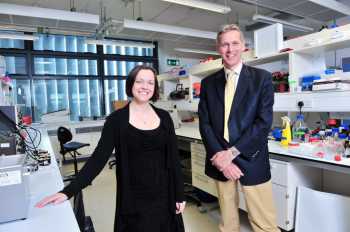 Jennifer Mahony, PhD and Prof Douwe Van Sinderen[/caption]
Jennifer Mahony, PhD and
Prof Douwe Van Sinderen
Dept of Microbiology
University College Cork
Cork, Ireland
MedicalResearch.com Editor's note: Dr Jennifer Mahony & Prof Douwe van Sinderen, of the APC (Alimentary Pharmbiotic Center) Microbiome Institute, University College Cork, Ireland, have received a Grand Challenges Explorations Grant from the Bill & Melinda Gates Foundation to study the microbiota (bacteria and viruses) of infants in developing countries. This study seeks to improve the gut health of infants which could potentially prevent/reduce the estimated 0.8 million infants who die annually in developing countries.
Dr. Mahony & Prof. van Sinderen answered several questions about the upcoming study for the MedicalResearch.com audience.
MedicalResearch.com: What is the background for this study? Would you briefly explain what is meant by a microbiome?
Response: The World Health Organisation promotes exclusive breast-feeding in infants until they are at least 6 months old. Early weaning in developing countries where sanitary conditions may be poor may lead to the introduction of microorganisms such as Shigella, which can cause intestinal infections and in extreme cases may be fatal. 0.8 million infant deaths in developing countries could be avoided annually according to UNICEF if exclusive breast-feeding is continued to the sixth month of life. Our intestinal tracts naturally contain many bacteria, called our microbiota, and the composition of this microbiota may have implications for our health and well-being. Just in the same way that drinking a probiotic drink every day is reported to promote a healthy gut microbiota, we will investigate how bacterial viruses (that specifically infect bacteria and not humans!) can change the gut bacterial population.
Jennifer Mahony, PhD and Prof Douwe Van Sinderen[/caption]
Jennifer Mahony, PhD and
Prof Douwe Van Sinderen
Dept of Microbiology
University College Cork
Cork, Ireland
MedicalResearch.com Editor's note: Dr Jennifer Mahony & Prof Douwe van Sinderen, of the APC (Alimentary Pharmbiotic Center) Microbiome Institute, University College Cork, Ireland, have received a Grand Challenges Explorations Grant from the Bill & Melinda Gates Foundation to study the microbiota (bacteria and viruses) of infants in developing countries. This study seeks to improve the gut health of infants which could potentially prevent/reduce the estimated 0.8 million infants who die annually in developing countries.
Dr. Mahony & Prof. van Sinderen answered several questions about the upcoming study for the MedicalResearch.com audience.
MedicalResearch.com: What is the background for this study? Would you briefly explain what is meant by a microbiome?
Response: The World Health Organisation promotes exclusive breast-feeding in infants until they are at least 6 months old. Early weaning in developing countries where sanitary conditions may be poor may lead to the introduction of microorganisms such as Shigella, which can cause intestinal infections and in extreme cases may be fatal. 0.8 million infant deaths in developing countries could be avoided annually according to UNICEF if exclusive breast-feeding is continued to the sixth month of life. Our intestinal tracts naturally contain many bacteria, called our microbiota, and the composition of this microbiota may have implications for our health and well-being. Just in the same way that drinking a probiotic drink every day is reported to promote a healthy gut microbiota, we will investigate how bacterial viruses (that specifically infect bacteria and not humans!) can change the gut bacterial population.
22 May Prolonged Antibiotic Therapy May Impact Brain Function
MedicalResearch.com Interview with: [caption id="attachment_24553" align="alignleft" width="180"] Dr. Susanne Asu Wolf[/caption]
Susanne Asu Wolf PhD
Max-Delbrueck-Center for Molecular Medicine
Berlin, Germany
MedicalResearch.com: What inspired you to research this link between Ly6Chi monocytes, antibiotics and neurogenesis?
Dr. Wolf: As a neuroimmunologist I research the communication between the immune system and the brain. Amongst other research groups we found almost 10 years ago that T cells are needed to maintain brain homeostasis and plasticity, namely neurogenesis. Since only activated T cells enter the brain, we were looking for a mouse model, where immune cells are not activated. My former supervisor Polly Matzinger (NIH), a well-known immunologist, suggested to use germ free mice, born and raised in an isolator without any contact to a pathogen or any bacteria. I did a pilot experiment with the germ free mice, but wanted to get closer to possible applications in humans. Since humans are rarely born and raised in a sterile environment, I was looking for another model. By chance I met with the group of Bereswill and Heimesaat (Berlin, Charite) who provided me with a model, where due to prolonged treatment with an antibiotic cocktail, the microbiota are below detection level and the mice are also virtually germ free. They got me into contact with the second senior author of the paper Ildiko Dunay (University of Magdeburg). Her expertise is the function of Ly6Chi monocytes during infection with malaria or toxoplasmosis.
Now we were ready to investigate the gut-immune-brain axis with the focus on neurogenesis and cognition. Meanwhile the impact of the microbiome on behavior was reported by several research groups using “sterile” germ free mice and I was also curious if we could see similar differences in our antibiotic treated mice.
Dr. Susanne Asu Wolf[/caption]
Susanne Asu Wolf PhD
Max-Delbrueck-Center for Molecular Medicine
Berlin, Germany
MedicalResearch.com: What inspired you to research this link between Ly6Chi monocytes, antibiotics and neurogenesis?
Dr. Wolf: As a neuroimmunologist I research the communication between the immune system and the brain. Amongst other research groups we found almost 10 years ago that T cells are needed to maintain brain homeostasis and plasticity, namely neurogenesis. Since only activated T cells enter the brain, we were looking for a mouse model, where immune cells are not activated. My former supervisor Polly Matzinger (NIH), a well-known immunologist, suggested to use germ free mice, born and raised in an isolator without any contact to a pathogen or any bacteria. I did a pilot experiment with the germ free mice, but wanted to get closer to possible applications in humans. Since humans are rarely born and raised in a sterile environment, I was looking for another model. By chance I met with the group of Bereswill and Heimesaat (Berlin, Charite) who provided me with a model, where due to prolonged treatment with an antibiotic cocktail, the microbiota are below detection level and the mice are also virtually germ free. They got me into contact with the second senior author of the paper Ildiko Dunay (University of Magdeburg). Her expertise is the function of Ly6Chi monocytes during infection with malaria or toxoplasmosis.
Now we were ready to investigate the gut-immune-brain axis with the focus on neurogenesis and cognition. Meanwhile the impact of the microbiome on behavior was reported by several research groups using “sterile” germ free mice and I was also curious if we could see similar differences in our antibiotic treated mice.
19 May The BioCollective Brings Public Input Into Microbiome Research
MedicalResearch.com Interview with: Martha Carlin
Founder of The BioCollective
MedicalResearch.com Editor’s Note: In recognition of the National Microbiome Initiative (NMI) announced by the White House Office of Science and Technology Policy, Martha Carlin, founder of the The BioCollective, discussed this research effort for the readers of MedicalResearch.com.
‘The BioCollective, is a direct-to-consumer microbiome marketplace where members receive a percentage of revenue from microbiome sample sales to scientists. By becoming a member of The BioCollective, individuals help advance microbiome research and learn about their own microbiome along the way.’
MedicalResearch.com: Would you tell us a little about yourself? How did you become interested in microbiomes?
Martha Carlin: My husband was diagnosed with Parkinson’s Disease (PD) in 2002. At the time, John was 44 years old, a marathon runner and life-long athlete. He had always been healthy. We were both perplexed by both his diagnosis and wanted to do everything we could to maintain his quality of life as well as hinder the progression of the disease.
Although I did not have a scientific background, I began studying the many fields of science so that I could piece together my observations of his health and his life history in my search for answers.
After reading Dr. Martin Blaser’s Missing Microbes in 2014, I later connected it to Dr. Filip Scheperjans’ research showing a correlation between the presence or absence of specific gut bacteria and symptoms in Parkinson’s Disease. This accelerated my research and led me to Dr. Jack Gilbert at the University of Chicago who later became one of my co-founders. I started working with Jack on sequencing samples and learning more about the field of microbiome research. From this work, we saw a need for samples to accelerate the research and founded The BioCollective with our third co-founder, Dr. Suzanne Vernon.
MedicalResearch.com: Can you briefly explain what a microbiome is? Does it just refer to the organisms in our intestines or are there other microbiomes? Are microbiomes unique to an individual or a community?
Martha Carlin: The microbiome is the sum total of microbial life in your body - the bacteria, archaea, fungi and viruses that call you home. There are 100 trillion microbial cells in your body, and they collectively can influence your health in profound ways. The possibilities in microbiome research are exciting. It has the potential to create technologies as revolutionary as probiotics to prevent obesity and allergies; “living” buildings that reduce the spread of viruses or allergens in schools and offices; personalized diets to treat depression; growth-promoting animal feed that eliminates the need for growth-promoting antibiotics; bacteria to reduce methane production in cows and flooded soils; plant-microbiome interactions that suppress disease and improve productivity, and bacterial cocktails that restore the health of damaged aquatic ecosystems ranging from streams to oceans.
Martha Carlin
Founder of The BioCollective
MedicalResearch.com Editor’s Note: In recognition of the National Microbiome Initiative (NMI) announced by the White House Office of Science and Technology Policy, Martha Carlin, founder of the The BioCollective, discussed this research effort for the readers of MedicalResearch.com.
‘The BioCollective, is a direct-to-consumer microbiome marketplace where members receive a percentage of revenue from microbiome sample sales to scientists. By becoming a member of The BioCollective, individuals help advance microbiome research and learn about their own microbiome along the way.’
MedicalResearch.com: Would you tell us a little about yourself? How did you become interested in microbiomes?
Martha Carlin: My husband was diagnosed with Parkinson’s Disease (PD) in 2002. At the time, John was 44 years old, a marathon runner and life-long athlete. He had always been healthy. We were both perplexed by both his diagnosis and wanted to do everything we could to maintain his quality of life as well as hinder the progression of the disease.
Although I did not have a scientific background, I began studying the many fields of science so that I could piece together my observations of his health and his life history in my search for answers.
After reading Dr. Martin Blaser’s Missing Microbes in 2014, I later connected it to Dr. Filip Scheperjans’ research showing a correlation between the presence or absence of specific gut bacteria and symptoms in Parkinson’s Disease. This accelerated my research and led me to Dr. Jack Gilbert at the University of Chicago who later became one of my co-founders. I started working with Jack on sequencing samples and learning more about the field of microbiome research. From this work, we saw a need for samples to accelerate the research and founded The BioCollective with our third co-founder, Dr. Suzanne Vernon.
MedicalResearch.com: Can you briefly explain what a microbiome is? Does it just refer to the organisms in our intestines or are there other microbiomes? Are microbiomes unique to an individual or a community?
Martha Carlin: The microbiome is the sum total of microbial life in your body - the bacteria, archaea, fungi and viruses that call you home. There are 100 trillion microbial cells in your body, and they collectively can influence your health in profound ways. The possibilities in microbiome research are exciting. It has the potential to create technologies as revolutionary as probiotics to prevent obesity and allergies; “living” buildings that reduce the spread of viruses or allergens in schools and offices; personalized diets to treat depression; growth-promoting animal feed that eliminates the need for growth-promoting antibiotics; bacteria to reduce methane production in cows and flooded soils; plant-microbiome interactions that suppress disease and improve productivity, and bacterial cocktails that restore the health of damaged aquatic ecosystems ranging from streams to oceans.
12 May HuMiX Effectively Models Human Intestinal Microbiome
MedicalResearch.com Interview with: [caption id="attachment_24295" align="alignleft" width="180"] Paul Wilmes[/caption]
Prof. Dr. Paul Wilmes
Associate Professor
Head of the Eco-Systems Biology Research Group
Luxembourg Centre for Systems Biomedicine
University of Luxembourg
Luxembourg
MedicalResearch.com: What is the background for this intestinal model?
Dr. Wilmes: Changes in the human gastrointestinal microbiome are associated with several diseases. To infer causality, experiments in representative models are essential. Widely used animal models exhibit limitations. Therefore, we set out to develop the HuMiX model which allows co-culture of human and microbial cells under conditions representative of the gastrointestinal interface.
Paul Wilmes[/caption]
Prof. Dr. Paul Wilmes
Associate Professor
Head of the Eco-Systems Biology Research Group
Luxembourg Centre for Systems Biomedicine
University of Luxembourg
Luxembourg
MedicalResearch.com: What is the background for this intestinal model?
Dr. Wilmes: Changes in the human gastrointestinal microbiome are associated with several diseases. To infer causality, experiments in representative models are essential. Widely used animal models exhibit limitations. Therefore, we set out to develop the HuMiX model which allows co-culture of human and microbial cells under conditions representative of the gastrointestinal interface.
05 May Hormones in Breast Milk Shape Infant’s Microbiome
MedicalResearch.com Interview with: [caption id="attachment_24069" align="alignleft" width="133"] Dr. Jed Friedman[/caption]
Jacob (Jed) E. Friedman, Professor, Ph.D.
Department of Pediatrics, Biochemistry & Molecular Genetics
Director, NIH Center for Human Nutrition Research Metabolism Core Laboratory
University of Colorado Anschutz
MedicalResearch.com: What is the background for this study? What are the main findings?
Response: Scientists have long established that children who are breastfed are less likely to be obese as adults, though they have yet to identify precisely how breastfeeding protects children against obesity. One likely reason is that children who are breastfed have different bacteria in their intestines than those who are formula fed.
The study, published Monday in the American Journal of Clinical Nutrition examines the role of human milk hormones in the development of infants’ microbiome, a bacterial ecosystem in the digestive system that contributes to multiple facets of health.
“This is the first study of its kind to suggest that hormones in human milk may play an important role in shaping a healthy infant microbiome,” said Bridget Young, co-first author and assistant professor of pediatric nutrition at CU Anschutz. “We’ve known for a long time that breast milk contributes to infant intestinal maturation and healthy growth. This study suggests that hormones in milk may be partly responsible for this positive impact through interactions with the infant’s developing microbiome.”
Researchers found that levels of insulin and leptin in the breastmilk were positively associated with greater microbial diversity and families of bacteria in the infants’ stool. Insulin and leptin were associated with bacterial functions that help the intestine develop as a barrier against harmful toxins, which help prevent intestinal inflammation. By promoting a stronger intestinal barrier early in life, these hormones also may protect children from chronic low-grade inflammation, which can lead to a host of additional digestive problems and diseases.
In addition, researchers found significant differences in the intestinal microbiome of breastfed infants who are born to mothers with obesity compared to those born to mothers of normal weight. Infants born to mothers with obesity showed a significant reduction in gammaproteobacteria, a pioneer species that aids in normal intestinal development and microbiome maturation.
Gammaproteobacteria have been shown in mice and newborn infants to cause a healthy amount inflammation in their intestines, protecting them from inflammatory and autoimmune disorders later in life. The 2-week-old infants born to obese mothers in this study had a reduced number of gammaproteobacteria in the infant gut microbiome.
Dr. Jed Friedman[/caption]
Jacob (Jed) E. Friedman, Professor, Ph.D.
Department of Pediatrics, Biochemistry & Molecular Genetics
Director, NIH Center for Human Nutrition Research Metabolism Core Laboratory
University of Colorado Anschutz
MedicalResearch.com: What is the background for this study? What are the main findings?
Response: Scientists have long established that children who are breastfed are less likely to be obese as adults, though they have yet to identify precisely how breastfeeding protects children against obesity. One likely reason is that children who are breastfed have different bacteria in their intestines than those who are formula fed.
The study, published Monday in the American Journal of Clinical Nutrition examines the role of human milk hormones in the development of infants’ microbiome, a bacterial ecosystem in the digestive system that contributes to multiple facets of health.
“This is the first study of its kind to suggest that hormones in human milk may play an important role in shaping a healthy infant microbiome,” said Bridget Young, co-first author and assistant professor of pediatric nutrition at CU Anschutz. “We’ve known for a long time that breast milk contributes to infant intestinal maturation and healthy growth. This study suggests that hormones in milk may be partly responsible for this positive impact through interactions with the infant’s developing microbiome.”
Researchers found that levels of insulin and leptin in the breastmilk were positively associated with greater microbial diversity and families of bacteria in the infants’ stool. Insulin and leptin were associated with bacterial functions that help the intestine develop as a barrier against harmful toxins, which help prevent intestinal inflammation. By promoting a stronger intestinal barrier early in life, these hormones also may protect children from chronic low-grade inflammation, which can lead to a host of additional digestive problems and diseases.
In addition, researchers found significant differences in the intestinal microbiome of breastfed infants who are born to mothers with obesity compared to those born to mothers of normal weight. Infants born to mothers with obesity showed a significant reduction in gammaproteobacteria, a pioneer species that aids in normal intestinal development and microbiome maturation.
Gammaproteobacteria have been shown in mice and newborn infants to cause a healthy amount inflammation in their intestines, protecting them from inflammatory and autoimmune disorders later in life. The 2-week-old infants born to obese mothers in this study had a reduced number of gammaproteobacteria in the infant gut microbiome.
05 Apr Gut Microbiome May Play Role in Myelination Disorders Including Multiple Sclerosis
MedicalResearch.com Interview with: [caption id="attachment_23164" align="alignleft" width="85"] Prof. John Cryan[/caption]
Professor JF Cryan PhD
Department of Anatomy and Neuroscience
APC Microbiome Institute
University College Cork
Cork, Ireland
MedicalResearch.com: What is the background for this study? What are the main findings?
Prof. Cryan: Over the past decade there has been an ever growing body of preclinical studies that highlight an essential role of the gut microbiota in many aspects of physiology including and perhps most surprtisingly the brain . Germ-free animals are one useful approach used to establish causality in gut microbiota-brain relationships. This model has been extremely useful in establishing that the microbiota is essential for appropriate stress responsibility, anxiety-like behaviours, neurogenesis, blood-brain barrier function and microglia activity. From these findings we can see that there is a clear cut role for the microbiota in CNS developmental processes.
Here we wanted to investigate using next generation sequencing, as we had done previously in the amygdala what impact life without microbes has on transcriptional regulation in the prefrontal cortex, a brain region essential in many aspects of emotional behaviour. What we uncovered from this was that there was a large number of dysregulated genes in germ-free animals that have a direct role in myelination. We found increased expression levels of genes that encode for structural proteins that are key in forming the myelin sheath. We followed up this finding with transmission electron microscopy to identify whether this marked increase in myelin related gene expression was functional at a structural level. What we found was germ-free myelinated axons in the prefrontal cortex were hypermyelinated (lower g-ratio), they had thicker myelin sheaths compared to conventionally raised mice. Additionally we also had germ-free colonized animals, animals that were born germ-free but have been colonized with a conventional microbiome early in life. These animals displayed no change in myelin related gene expression and appeared to be indistinguishable from the conventional animals. However, at the protein levels they appeared to have increased myelin protein like germ-free mice. This could be due to the fact that these mice were germ-free for at least 3 weeks of life and the hypermyelinated axons had already been established before colonization. Really this shows that we can still target the microbiota in later life that can have an impact of myelin gene regulation.
Prof. John Cryan[/caption]
Professor JF Cryan PhD
Department of Anatomy and Neuroscience
APC Microbiome Institute
University College Cork
Cork, Ireland
MedicalResearch.com: What is the background for this study? What are the main findings?
Prof. Cryan: Over the past decade there has been an ever growing body of preclinical studies that highlight an essential role of the gut microbiota in many aspects of physiology including and perhps most surprtisingly the brain . Germ-free animals are one useful approach used to establish causality in gut microbiota-brain relationships. This model has been extremely useful in establishing that the microbiota is essential for appropriate stress responsibility, anxiety-like behaviours, neurogenesis, blood-brain barrier function and microglia activity. From these findings we can see that there is a clear cut role for the microbiota in CNS developmental processes.
Here we wanted to investigate using next generation sequencing, as we had done previously in the amygdala what impact life without microbes has on transcriptional regulation in the prefrontal cortex, a brain region essential in many aspects of emotional behaviour. What we uncovered from this was that there was a large number of dysregulated genes in germ-free animals that have a direct role in myelination. We found increased expression levels of genes that encode for structural proteins that are key in forming the myelin sheath. We followed up this finding with transmission electron microscopy to identify whether this marked increase in myelin related gene expression was functional at a structural level. What we found was germ-free myelinated axons in the prefrontal cortex were hypermyelinated (lower g-ratio), they had thicker myelin sheaths compared to conventionally raised mice. Additionally we also had germ-free colonized animals, animals that were born germ-free but have been colonized with a conventional microbiome early in life. These animals displayed no change in myelin related gene expression and appeared to be indistinguishable from the conventional animals. However, at the protein levels they appeared to have increased myelin protein like germ-free mice. This could be due to the fact that these mice were germ-free for at least 3 weeks of life and the hypermyelinated axons had already been established before colonization. Really this shows that we can still target the microbiota in later life that can have an impact of myelin gene regulation.
30 Mar Quitting Smoking Can Restore Normal Bacteria To Oral Microbiome
MedicalResearch.com Interview with: Jiyoung Ahn, PhD, RD, MS Associate Professor of Population Health Associate Director of Population Sciences, NYU Perlmutter Cancer Center and Brandilyn Peters (post-doctoral fellow, lead author) NYU Langone School of Medicine MedicalResearch.com: What is the background for this study? What are the main findings? Response: Oral bacteria play important roles in oral health, and can influence the health of other body systems as well. We were interested in studying how cigarette smoking affects oral bacteria. To do this, we examined the oral bacteria in mouthwash samples from 112 current smokers, 571 former smokers, and 521 people who never smoked. We found that the mouth bacterial composition of current smokers differed dramatically from those who never smoked. However, the mouth bacterial composition of former smokers was similar to that of never smokers, suggesting that quitting can restore the oral bacteria back to a healthy state.30 Mar Immune System Uses Mucous To Anchor Desired Bacteria to Intestine
MedicalResearch.com Interview with: [caption id="attachment_22982" align="alignleft" width="150"] Dr. Jonas Schluter[/caption]
Jonas Schluter, DPhil
Memorial Sloan Kettering Cancer Center
New York City
[caption id="attachment_22983" align="alignleft" width="95"]
Dr. Jonas Schluter[/caption]
Jonas Schluter, DPhil
Memorial Sloan Kettering Cancer Center
New York City
[caption id="attachment_22983" align="alignleft" width="95"] Dr. Kirstie McLoughlin[/caption]
Kirstie McLoughlin
Department of Zoology
Oxford University
MedicalResearch.com: What is the background for this study? What are the main findings?
Response: Microbes in our guts perform many important functions for our health. Healthy individuals are inhabited by a complex microbial community. A less diverse community is often a sign of ill health, and can be accompanied by loss of beneficial functions that a normal microbial community provides for the host.
We try to understand how such complex communities can persist – after all, competition between microbes could lead to the eradication of slow-growing, but helpful microbes. We built a computer model of the gut that allows us to simulate how the host can actively help such slow microbes, and thereby maintain a healthily diverse microbial community. We show that a mechanism by which the host can achieve such selection is via secretions that help slow growing microbes persist by sticking in place.
We propose that the host can change microbiota composition by conveying increased adhesion to disadvantages microbes, for example using mucus molecules and the attached sugars such as fucose. We hypothesise that this might also help explain the secretion of vast amounts of immune system molecules such as immunoglobulin A – perhaps they are not only a way to harm, but also to help certain microbes by anchoring them to the mucus. Indeed, we demonstrate that the host can change the selective effect of increased adhesion by tuning the mucus secretion rate: from beneficial for the adhered microbes at low mucus flow to detrimental at high mucus secretion rates.
Dr. Kirstie McLoughlin[/caption]
Kirstie McLoughlin
Department of Zoology
Oxford University
MedicalResearch.com: What is the background for this study? What are the main findings?
Response: Microbes in our guts perform many important functions for our health. Healthy individuals are inhabited by a complex microbial community. A less diverse community is often a sign of ill health, and can be accompanied by loss of beneficial functions that a normal microbial community provides for the host.
We try to understand how such complex communities can persist – after all, competition between microbes could lead to the eradication of slow-growing, but helpful microbes. We built a computer model of the gut that allows us to simulate how the host can actively help such slow microbes, and thereby maintain a healthily diverse microbial community. We show that a mechanism by which the host can achieve such selection is via secretions that help slow growing microbes persist by sticking in place.
We propose that the host can change microbiota composition by conveying increased adhesion to disadvantages microbes, for example using mucus molecules and the attached sugars such as fucose. We hypothesise that this might also help explain the secretion of vast amounts of immune system molecules such as immunoglobulin A – perhaps they are not only a way to harm, but also to help certain microbes by anchoring them to the mucus. Indeed, we demonstrate that the host can change the selective effect of increased adhesion by tuning the mucus secretion rate: from beneficial for the adhered microbes at low mucus flow to detrimental at high mucus secretion rates.
30 Mar Intestinal Bacterial Play a Role in Inflammation After Stroke
MedicalResearch.com Interview with: [caption id="attachment_22978" align="alignleft" width="115"] Dr. Josef Anrather[/caption] Josef Anrather, VMD Finbar and Marianne Kenny Research Scholar Associate Professor, Feil Family Brain and Mind Research Institute Weill Cornell Medical College New York, NY10065 MedicalResearch.com: What is the background for this study? What are the main findings? Dr. Anrather: Worldwide, stroke is causing 5.6 million deaths annually. This...
09 Mar Emollient Treatment Improves Skin Microbiome in Atopic Dermatitis
MedicalResearch.com Interview with: [caption id="attachment_22536" align="alignleft" width="133"] Dr. Sophie Seite[/caption]
Sophie Seite, PhD
La-Roche-Posay Dermatological Laboratories
Asnières, France
MedicalResearch.com: What is the background for this study? What are the main findings?
Dr. Seite: These studies were performed in order to confirm the previous results published by H. Kong et al showing that the skin microbiota of atopic dermatitis patients was less diversified and presented an overabundance of S. aureus in comparison to healthy subjects. Because each of us has a specific skin microbiota (huge inter-individual variation) we performed an intra-individual design protocol in order to compare the microbiome of a lesional skin area to those of a non-lesional adjacent area. This strategy showed that the skin diversity in AD patients was reduced in non-lesional area and even more in lesional area and that not only Staphylococcus aureus is overabundant but also Staphylococcus epidermidis and Staphylococcus haemolyticus. Furthermore, for the first time the effect of a topical treatment on the skin microbiome was evaluated. Prebiotic strategies using thermal spring water or biomass lysate of nonpathogenic bacteria demonstrated their efficiency for a long term management of AD patients through an action on the skin microbiome.
Dr. Sophie Seite[/caption]
Sophie Seite, PhD
La-Roche-Posay Dermatological Laboratories
Asnières, France
MedicalResearch.com: What is the background for this study? What are the main findings?
Dr. Seite: These studies were performed in order to confirm the previous results published by H. Kong et al showing that the skin microbiota of atopic dermatitis patients was less diversified and presented an overabundance of S. aureus in comparison to healthy subjects. Because each of us has a specific skin microbiota (huge inter-individual variation) we performed an intra-individual design protocol in order to compare the microbiome of a lesional skin area to those of a non-lesional adjacent area. This strategy showed that the skin diversity in AD patients was reduced in non-lesional area and even more in lesional area and that not only Staphylococcus aureus is overabundant but also Staphylococcus epidermidis and Staphylococcus haemolyticus. Furthermore, for the first time the effect of a topical treatment on the skin microbiome was evaluated. Prebiotic strategies using thermal spring water or biomass lysate of nonpathogenic bacteria demonstrated their efficiency for a long term management of AD patients through an action on the skin microbiome.
23 Feb Vaginal Seeding After C-Section Can Transfer Harmful Germs To Baby
MedicalResearch.com Interview with: [caption id="attachment_21901" align="alignleft" width="214"] Dr. Aubrey Cunnington[/caption]
Dr. Aubrey Cunnington
Faculty of Medicine, Department of Medicine
Clinical Senior Lecturer
Imperial College, London
Medical Research: What is the background for this study? What are the main findings?
Dr. Cunnington: We noticed that increasing numbers of women who were having Caesarean section deliveries at our hospitals were requesting for their vaginal fluid to be swabbed onto their babies after birth – a process often termed “vaginal seeding”. The idea behind this, is that it transfers all the natural bacteria (microbiota) from the mother’s vagina to the baby. We know that early on in life, babies born by Caesarean section have different bacteria living on their bodies and in their guts to those of babies born by vaginal delivery. Some people think these differences in the microbiota may be responsible for differences in long-term health, although a causal link is unproven. The hope is that vaginal seeding might reduce the risk of the baby developing some diseases like obesity and asthma in the future. Unfortunately we are a long way from having the evidence to show that this is possible, and we do not know whether vaginal seeding is really safe. Babies born by elective Caesarean section are at lower risk of transfer of some potentially harmful bacteria and viruses from the birth canal, but these harmful bacteria and viruses could be transferred to the baby on a swab and potentially cause a devastating infection.
MedicalResearch.com Editor's note: 'Vaginal Seeding' is also known as "microbirthing",
Dr. Aubrey Cunnington[/caption]
Dr. Aubrey Cunnington
Faculty of Medicine, Department of Medicine
Clinical Senior Lecturer
Imperial College, London
Medical Research: What is the background for this study? What are the main findings?
Dr. Cunnington: We noticed that increasing numbers of women who were having Caesarean section deliveries at our hospitals were requesting for their vaginal fluid to be swabbed onto their babies after birth – a process often termed “vaginal seeding”. The idea behind this, is that it transfers all the natural bacteria (microbiota) from the mother’s vagina to the baby. We know that early on in life, babies born by Caesarean section have different bacteria living on their bodies and in their guts to those of babies born by vaginal delivery. Some people think these differences in the microbiota may be responsible for differences in long-term health, although a causal link is unproven. The hope is that vaginal seeding might reduce the risk of the baby developing some diseases like obesity and asthma in the future. Unfortunately we are a long way from having the evidence to show that this is possible, and we do not know whether vaginal seeding is really safe. Babies born by elective Caesarean section are at lower risk of transfer of some potentially harmful bacteria and viruses from the birth canal, but these harmful bacteria and viruses could be transferred to the baby on a swab and potentially cause a devastating infection.
MedicalResearch.com Editor's note: 'Vaginal Seeding' is also known as "microbirthing",