Posted at 16:41h
in
Author Interviews
MedicalResearch.com Interview with:
[caption id="attachment_54800" align="alignleft" width="149"]

Dr. Samson[/caption]
Susan Leanne Samson, M.D., Ph.D., FRCPC, FACE
Associate Professor (tenured)
Department of Medicine
Endocrinology, Diabetes and Metabolism
Medical Director,Pituitary Center
Program Director
,Endocrinology Fellowship
Baylor College of Medicine
Dr. Samson discusses the FDA approval of MYCAPSSA
® (octreotide) capsules as the
first and only oral somatostatin analog (SSA) for the long-term maintenance treatment in adult patients with acromegaly who have responded to and tolerated treatment with octreotide or lanreotide.
MedicalResearch.com: What is the background for this study? Would you briefly explain what is meant by Acromegaly? How do octreotide or lanreotide impact this disease? What is unique about MYCAPSSA?
Response: The Phase 3 CHIASMA OPTIMAL (Octreotide capsules vs. Placebo Treatment In MultinationAL centers) study was a randomized, double-blind, placebo-controlled trial designed to evaluate the biochemical response of patients with acromegaly to MYCAPSSA® compared to placebo. This pivotal study included 56 adults, 28 patients in each arm, and met its primary endpoint and all four secondary endpoints.
Acromegaly is a rare disorder typically caused by a noncancerous tumor of the pituitary gland, which is located just below the brain. This tumor produces too much growth hormone (GH), which causes the liver to overproduce another hormone called insulin-like growth factor 1 (IGF-1). Excess GH or IGF-1 in the bloodstream results in growth in the tissues of the body and causes a wide range of symptoms. If untreated, acromegaly may alter facial appearance, cause enlargement of the hands, feet, and organs, cause joint pain and lead to other life-altering complications, including diabetes, elevated blood pressure, and cardiovascular disease.
After surgery, octreotide and lanreotide long-acting injections are often the first choice for the treatment of acromegaly. Both of these medications mimic the effects of somatostatin, a naturally occurring hormone that reduces the secretion of GH by binding to GH receptors on the surface of specialized cells in the pituitary gland. For GH secreting pituitary tumors, these medications can reduce GH and IGF-1 levels, and even cause the tumor to shrink. However, injections also carry significant treatment and emotional burdens including pain and other injection-site reactions, suboptimal symptom control and worsened quality of life due to loss of independence.
MYCAPSSA contains octreotide but is the first and only oral somatostatin receptor ligand indicated for the long-term maintenance treatment in acromegaly patients who have responded to and tolerated treatment with octreotide or lanreotide. MYCAPSSA provides the known benefits of octreotide but eliminates many of the treatment burdens associated with injectable delivery and can be taken from the comfort of home.


 Dr. Dixon[/caption]
Cinnamon A. Dixon, DO, MPH
Associate Professor of Pediatrics
University of Colorado School of Medicine
Children’s Hospital Colorado
Senior Investigator | Center for Global Health
Colorado School of Public Health
Aurora, CO
MedicalResearch.com: What is the background for this commentary?
Response: Dog bites are a long-standing public health problem. Each year there are approximately 4.5 million dog bites across the Unites States (US),1 and global estimates suggest tens of millions of these injuries worldwide.2 Children are the most vulnerable population with nearly 1 million annual dog bites in the US and more severe injury outcomes.1
National organizations espouse consistent strategies on how to prevent dog bites to children, however studies reveal that most children have never received dog bite prevention education.3,4 Furthermore, children lack critical knowledge of how to prevent dog bites in high-risk “resource guarding” situations (such as when a dog is eating or chewing on toys).4
During the COVID-19 pandemic, millions of US households are experiencing restrictions in activities. Children now spend more time in the home environment and presumably have increased exposure to their pet dogs. Parents and caregivers likely experience greater stress with more potential for competing interests and resultant decreased supervision of their children and dogs. Finally, pet dogs may be affected by the increased tension of their environment and be more likely to mirror the emotions of their human caregivers.
We hypothesized that these combined elements compound the risk of dog bites to children during the COVID-19 pandemic.
Dr. Dixon[/caption]
Cinnamon A. Dixon, DO, MPH
Associate Professor of Pediatrics
University of Colorado School of Medicine
Children’s Hospital Colorado
Senior Investigator | Center for Global Health
Colorado School of Public Health
Aurora, CO
MedicalResearch.com: What is the background for this commentary?
Response: Dog bites are a long-standing public health problem. Each year there are approximately 4.5 million dog bites across the Unites States (US),1 and global estimates suggest tens of millions of these injuries worldwide.2 Children are the most vulnerable population with nearly 1 million annual dog bites in the US and more severe injury outcomes.1
National organizations espouse consistent strategies on how to prevent dog bites to children, however studies reveal that most children have never received dog bite prevention education.3,4 Furthermore, children lack critical knowledge of how to prevent dog bites in high-risk “resource guarding” situations (such as when a dog is eating or chewing on toys).4
During the COVID-19 pandemic, millions of US households are experiencing restrictions in activities. Children now spend more time in the home environment and presumably have increased exposure to their pet dogs. Parents and caregivers likely experience greater stress with more potential for competing interests and resultant decreased supervision of their children and dogs. Finally, pet dogs may be affected by the increased tension of their environment and be more likely to mirror the emotions of their human caregivers.
We hypothesized that these combined elements compound the risk of dog bites to children during the COVID-19 pandemic.



 Jakob Weitzer[/caption]
Jakob Weitzer MSc
Department of Epidemiology
Center for Public Health
Medical University of Vienna
Vienna, Austria
MedicalResearch.com: What is the background for this study?
Response: Chronic insomnia is a highly prevalent, often underdiagnosed and undertreated disease. Previous research has linked dispositional optimism to a better sleep quality and to insomnia symptoms, and showed that optimism can be trained. Since we think that positive psychology plays an important role for our health we wanted to further shed light on this topic.
Jakob Weitzer[/caption]
Jakob Weitzer MSc
Department of Epidemiology
Center for Public Health
Medical University of Vienna
Vienna, Austria
MedicalResearch.com: What is the background for this study?
Response: Chronic insomnia is a highly prevalent, often underdiagnosed and undertreated disease. Previous research has linked dispositional optimism to a better sleep quality and to insomnia symptoms, and showed that optimism can be trained. Since we think that positive psychology plays an important role for our health we wanted to further shed light on this topic. 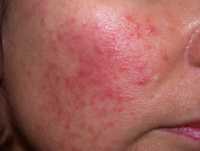
 Dr. Harper[/caption]
Julie C. Harper, MD
Clinical Associate Professor of Dermatology
University of Alabama-Birmingham
MedicalResearch.com: What is the background for this study?
How common is rosacea?
What are the clinical manifestations of facial rosacea or psoriasis?
Dr. Harper[/caption]
Julie C. Harper, MD
Clinical Associate Professor of Dermatology
University of Alabama-Birmingham
MedicalResearch.com: What is the background for this study?
How common is rosacea?
What are the clinical manifestations of facial rosacea or psoriasis?

 Dr. Blundon[/caption]
Elizabeth Blundon PhD
Department of Psychology
University of British Columbia – Vancouver
MedicalResearch.com: What is the background for this study?
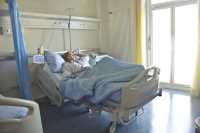
Response: Many healthcare workers have noticed that dying patients appear to be comforted by the words of their loved ones, even when patients appear to be unconscious and are no longer able to communicate. There is a persistent belief, therefore, that hearing may persist into the last hours of someone's life. Our study attempts to detect evidence of hearing among a small group of unresponsive hospice patients at the end of life.
To do this, we compared the brain activity of young, healthy control participants, with the brain activity of hospice patients, both when the patients were awake and responsive, and again when they became unresponsive. The brain activity we measured was in response to a complex series of tone-patterns, where participants were asked to identify by pressing a button (control participants) or by counting (hospice patients) every time they heard a tone-pattern that was different from the rest of the series.
Dr. Blundon[/caption]
Elizabeth Blundon PhD
Department of Psychology
University of British Columbia – Vancouver
MedicalResearch.com: What is the background for this study?
Response: Many healthcare workers have noticed that dying patients appear to be comforted by the words of their loved ones, even when patients appear to be unconscious and are no longer able to communicate. There is a persistent belief, therefore, that hearing may persist into the last hours of someone's life. Our study attempts to detect evidence of hearing among a small group of unresponsive hospice patients at the end of life.
To do this, we compared the brain activity of young, healthy control participants, with the brain activity of hospice patients, both when the patients were awake and responsive, and again when they became unresponsive. The brain activity we measured was in response to a complex series of tone-patterns, where participants were asked to identify by pressing a button (control participants) or by counting (hospice patients) every time they heard a tone-pattern that was different from the rest of the series. 



 Samia Arshad[/caption]
Samia Arshad, MPH
Epidemiologist II
Infectious Disease
Henry Ford Hospital, Detroit, MI
I would like to start off by saying: We need to keep partisanship out of science. During this pandemic, we hope we can stick to science and help save lives with purposeful data driven facts.
MedicalResearch.com: What is the background for this study?
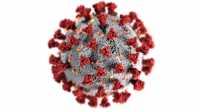
Response: Hydroxychloroquine, an antimalarial and immunomodulatory agent has demonstrated antiviral activity against SARS-CoV-2. We are in an acceleration phase of the COVID-19 pandemic, with 25% of the world’s cases occurring in the United States. Currently there is no known therapy or vaccine for treatment of SARS-CoV-2, highlighting the urgency around identifying effective therapies. The purpose of this study was to evaluate the role of hydroxychloroquine therapy alone and in combination with azithromycin in hospitalized patients positive for COVID-19.
Samia Arshad[/caption]
Samia Arshad, MPH
Epidemiologist II
Infectious Disease
Henry Ford Hospital, Detroit, MI
I would like to start off by saying: We need to keep partisanship out of science. During this pandemic, we hope we can stick to science and help save lives with purposeful data driven facts.
MedicalResearch.com: What is the background for this study?
Response: Hydroxychloroquine, an antimalarial and immunomodulatory agent has demonstrated antiviral activity against SARS-CoV-2. We are in an acceleration phase of the COVID-19 pandemic, with 25% of the world’s cases occurring in the United States. Currently there is no known therapy or vaccine for treatment of SARS-CoV-2, highlighting the urgency around identifying effective therapies. The purpose of this study was to evaluate the role of hydroxychloroquine therapy alone and in combination with azithromycin in hospitalized patients positive for COVID-19. 


 Dr. Robbins[/caption]
Dr. Rebecca Robbins, PhD MS
Fellow at Brigham & Women's Hospital
and Harvard Medical School
MedicalResearch.com: What is the background for this study?
Response: Sleep difficulties are common among older adults and are associated with cognitive decline. We used data collected over 10 years from a large, nationally representative longitudinal survey of adults over the age of 50 in the U.S. We examined the relationship between specific sleep difficulties and cognitive function over time.
MedicalResearch.com: What are the main findings?
Response: Our results show that early difficulty falling asleep and early morning awakenings, when experienced "most nights" of the week, were each associated with worse cognitive function. Conversely, reports of waking feeling rested was associated with better cognitive function, over time.
Dr. Robbins[/caption]
Dr. Rebecca Robbins, PhD MS
Fellow at Brigham & Women's Hospital
and Harvard Medical School
MedicalResearch.com: What is the background for this study?
Response: Sleep difficulties are common among older adults and are associated with cognitive decline. We used data collected over 10 years from a large, nationally representative longitudinal survey of adults over the age of 50 in the U.S. We examined the relationship between specific sleep difficulties and cognitive function over time.
MedicalResearch.com: What are the main findings?
Response: Our results show that early difficulty falling asleep and early morning awakenings, when experienced "most nights" of the week, were each associated with worse cognitive function. Conversely, reports of waking feeling rested was associated with better cognitive function, over time. 
 Dr. Zhang[/caption]
Ruiyuan Zhang, MD, MS
Department of Epidemiology and Biostatistics
University of Georgia College of Public Health
Athens, Georgia
MedicalResearch.com: What is the background for this study?
Response: Although there are several studies that focused on the effect of alcohol drinking on cognitive function, their findings were still mixed. So we want to use some new analysis techniques on this topic to see if we can have new findings.
MedicalResearch.com: What are the main findings?
Response: The main finding of our study is that low-to-moderate alcohol drinking is associated with better cognitive function outcomes.
Dr. Zhang[/caption]
Ruiyuan Zhang, MD, MS
Department of Epidemiology and Biostatistics
University of Georgia College of Public Health
Athens, Georgia
MedicalResearch.com: What is the background for this study?
Response: Although there are several studies that focused on the effect of alcohol drinking on cognitive function, their findings were still mixed. So we want to use some new analysis techniques on this topic to see if we can have new findings.
MedicalResearch.com: What are the main findings?
Response: The main finding of our study is that low-to-moderate alcohol drinking is associated with better cognitive function outcomes.


 Dr. Trudo[/caption]
Frank Trudo, MD MBA
Vice President, US Medical Affairs
Respiratory & Immunology
AstraZeneca
MedicalResearch.com: What is the background for this study?
Response: ETHOS is a randomized, double-blinded, multi-center, parallel-group, 52-week trial to assess the efficacy and safety of PT010 in symptomatic patients with moderate to very severe COPD and a history of exacerbation(s) in the previous year. Outcomes in the ETHOS trial included, as a primary endpoint, the rate of moderate or severe exacerbations.
MedicalResearch.com: How does PT010 differ from other treatments for COPD?
Dr. Trudo[/caption]
Frank Trudo, MD MBA
Vice President, US Medical Affairs
Respiratory & Immunology
AstraZeneca
MedicalResearch.com: What is the background for this study?
Response: ETHOS is a randomized, double-blinded, multi-center, parallel-group, 52-week trial to assess the efficacy and safety of PT010 in symptomatic patients with moderate to very severe COPD and a history of exacerbation(s) in the previous year. Outcomes in the ETHOS trial included, as a primary endpoint, the rate of moderate or severe exacerbations.
MedicalResearch.com: How does PT010 differ from other treatments for COPD?

 Dr. Hesse[/caption]
Dr. Elisabeth Hesse, MD
Epidemic Intelligence Service (EIS Officer)
Centers for Disease Control and Prevention
MedicalResearch.com: What is the background for this study?
Response: Over the last decade, there has been increasing attention given to shoulder injuries diagnosed after intramuscular vaccinations, with multiple publications of case reports and case series. However, to the best of our knowledge, there haven’t been any robust studies to determine how frequently this happens and what may make some people more likely than others to have shoulder injuries after vaccination. The Vaccine Safety Datalink (VSD) is an ideal system to use for such a study, because it contains medical and vaccination records of over 10 million people across the United States. We found that out of the 2.9 million people over the age of 3 who received an injectable flu vaccine (specifically, inactivated influenza vaccine) during the 2016-2017 flu season, fewer than 8 people per million vaccinated developed shoulder bursitis that can be attributed to the vaccination.
Dr. Hesse[/caption]
Dr. Elisabeth Hesse, MD
Epidemic Intelligence Service (EIS Officer)
Centers for Disease Control and Prevention
MedicalResearch.com: What is the background for this study?
Response: Over the last decade, there has been increasing attention given to shoulder injuries diagnosed after intramuscular vaccinations, with multiple publications of case reports and case series. However, to the best of our knowledge, there haven’t been any robust studies to determine how frequently this happens and what may make some people more likely than others to have shoulder injuries after vaccination. The Vaccine Safety Datalink (VSD) is an ideal system to use for such a study, because it contains medical and vaccination records of over 10 million people across the United States. We found that out of the 2.9 million people over the age of 3 who received an injectable flu vaccine (specifically, inactivated influenza vaccine) during the 2016-2017 flu season, fewer than 8 people per million vaccinated developed shoulder bursitis that can be attributed to the vaccination. 

 Dr. Lang[/caption]
Dr. Kathryn Lang
VP, Outcomes and Evidence
Guardant Health
MedicalResearch.com: What is the background for this study?
Response: Despite a wide variety of screening methods available and increasing public awareness of the value of early detection, colorectal cancer (CRC) remains a leading cause of cancer-related deaths. However nearly 1 in 3 adults in the United States is not compliant with screening recommendations, with most citing that current screening methods are time consuming, unpleasant (stool-based testing), and in the case of colonoscopy, invasive. A blood-based CRC screening test could improve compliance rates by providing physicians with an opportunistic, in-office screening modality. However, demonstrating the clinical utility of blood-based cell-free circulating tumor DNA (ctDNA) fractions for the detection of cancer in asymptomatic individuals has thus far been challenged by the failure to achieve clinically meaningful sensitivity and specificity thresholds due to significantly lower tumor cell-free free DNA fractions and the increasing relevance of biological confounders.
The multi-modal approach of Guardant Health’s LUNAR-2 assay (genomics, methylation and fragmentomics) coupled with advanced bioinformatic analysis and a focused approach of honing in on the unique signals of CRC has been shown in previously reported cohorts to perform with sensitivity and specificity which satisfies the needs of clinicians in screening for CRC.
Dr. Lang[/caption]
Dr. Kathryn Lang
VP, Outcomes and Evidence
Guardant Health
MedicalResearch.com: What is the background for this study?
Response: Despite a wide variety of screening methods available and increasing public awareness of the value of early detection, colorectal cancer (CRC) remains a leading cause of cancer-related deaths. However nearly 1 in 3 adults in the United States is not compliant with screening recommendations, with most citing that current screening methods are time consuming, unpleasant (stool-based testing), and in the case of colonoscopy, invasive. A blood-based CRC screening test could improve compliance rates by providing physicians with an opportunistic, in-office screening modality. However, demonstrating the clinical utility of blood-based cell-free circulating tumor DNA (ctDNA) fractions for the detection of cancer in asymptomatic individuals has thus far been challenged by the failure to achieve clinically meaningful sensitivity and specificity thresholds due to significantly lower tumor cell-free free DNA fractions and the increasing relevance of biological confounders.
The multi-modal approach of Guardant Health’s LUNAR-2 assay (genomics, methylation and fragmentomics) coupled with advanced bioinformatic analysis and a focused approach of honing in on the unique signals of CRC has been shown in previously reported cohorts to perform with sensitivity and specificity which satisfies the needs of clinicians in screening for CRC. 
 Dr. Brantley[/caption]
Erin Brantley, PhD, MPH
Senior Research Associate
Department of Health Policy and Management
Milken Institute School of Public Health
Preferred pronouns: she/her/hers
MedicalResearch.com: What is the background for this study? What are the main findings?
Response: We looked at what happened when work requirements for the Supplemental Nutrition Assistance Program Participation, or SNAP, were turned on in many places after the Great Recession.
We found large drops in participation in SNAP benefits due to work requirements, and that black recipients were more likely to lose benefits than white recipients. We think this is driven by the fact that black workers face higher unemployment rates than white workers, and work requirement policies do not take this into account.
We also found that some people who report having disabilities lost benefits, even though the intent of work requirements is that they apply to people without disabilities.
Dr. Brantley[/caption]
Erin Brantley, PhD, MPH
Senior Research Associate
Department of Health Policy and Management
Milken Institute School of Public Health
Preferred pronouns: she/her/hers
MedicalResearch.com: What is the background for this study? What are the main findings?
Response: We looked at what happened when work requirements for the Supplemental Nutrition Assistance Program Participation, or SNAP, were turned on in many places after the Great Recession.
We found large drops in participation in SNAP benefits due to work requirements, and that black recipients were more likely to lose benefits than white recipients. We think this is driven by the fact that black workers face higher unemployment rates than white workers, and work requirement policies do not take this into account.
We also found that some people who report having disabilities lost benefits, even though the intent of work requirements is that they apply to people without disabilities. ![MedicalResearch.com Interview with: Dr Herman Anne Service de Dermatologie Cliniques Universitaires Saint-Luc Avenue Hippocrate, 10 1200 Bruxelle MedicalResearch.com: What is the background for this study? Response: In the context of the COVID-19 pandemic, several cases of acro-located lesions (on foot or hands) suggestive of chilblains have been reported and were possibly related to COVID-19. We wanted to determine if chilblains, observed in many patients recently referred to our department, are indicative of COVID-19. MedicalResearch.com: Would you briefly explain what is meant by chilblains? Response: Chilblains are frequent cold induced inflammatory lesions. Chilblains are typically seen in winter and occur after repeated exposure to cold temperatures. Clinical presentation includes erythema and swelling on toes and/or digits followed by red-purple macules or patches. However, given the large number of patients affected, and the exceptionally high outdoor temperatures for the spring season over the past month and at the time of case-observation, cold-exposure seemed unlikely. These lesions were, therefore, suspected to be associated with COVID-19. However, to date, no study has proven a pathological link between these lesions and COVID-19. MedicalResearch.com: What are the main findings? Response: In our series of 31 patients who recently developed chilblains, negative nasopharyngeal swabs and the absence of anti-SARS-CoV-2 blood immunoglobulin (Ig)M and IgG antibodies in all patients included in your study suggested that these patients had not been infected with COVID-19. These lesions appeared not to be directly related to COVID-19. MedicalResearch.com: What should readers take away from your report? Response: One hypothesis points to an indirect consequence of the COVID-19 pandemic due to imposed community containment and lockdown measures. Indeed, all patients in this study had either been working from home or were home-schooled since the beginning of containment measures in Belgium (March 11, 2020) or were temporarily unemployed. As a result of containment measures, the majority (64.5%) of patients reported a decrease in their physical activity and significantly more time spent in sedentary positions in front of screens. Most of the patients declared that they remained barefoot or in socks most of the day. All these lifestyle changes can be considered as risk factors for developing chilblains. Therefore, it seems plausible that containment, through its collateral effects, may induce chilblains. Interestingly also, the mean BMI of the patients included was relatively low, suggesting that thin people may be more at risk of developing chilblains. MedicalResearch.com: What recommendations do you have for future research as a result of this work? Response: During the current pandemic, several reports have suggested a possible link between cutaneous manifestations including aural lesions such as chilblains, and COVID-19, however, only few patients were tested for SARS-CoV-2 by RT-PCR and no serologic tests were performed. Therefore, reliable testings (RT-PCR and serologic testing) are essential to confirm a potential association with COVID-19. Citation: Herman A, Peeters C, Verroken A, et al. Evaluation of Chilblains as a Manifestation of the COVID-19 Pandemic. JAMA Dermatol. Published online June 25, 2020. doi:10.1001/jamadermatol.2020.2368 https://jamanetwork.com/journals/jamadermatology/fullarticle/2767774 [subscribe] Last Modified: [last-modified] The information on MedicalResearch.com is provided for educational purposes only, and is in no way intended to diagnose, cure, or treat any medical or other condition. Always seek the advice of your physician or other qualified health and ask your doctor any questions you may have regarding a medical condition. In addition to all other limitations and disclaimers in this agreement, service provider and its third party providers disclaim any liability or loss in connection with the content provided on this website.](https://medicalresearch.com/wp-content/uploads/2020/06/chilblain-example-dermnet-nz.jpg)


 Dr. Erdlenbruch[/caption]
Response: At the World Federation of Hemophilia Virtual Summit 2020 (WFH 2020),
Dr. Erdlenbruch[/caption]
Response: At the World Federation of Hemophilia Virtual Summit 2020 (WFH 2020),