MedicalResearch.com Interview with:
[caption id="attachment_55578" align="alignleft" width="150"]

Nathan B. Warren[/caption]
Nathan Warren is a Ph.D.
candidate in marketing at the University of Oregon. His research examines how people respond when social norms, such as masculinity norms, are disrupted by social change. He hopes that his research can empower people who are struggling to adapt to changing norms to live healthier, happier, and more productive lives. For more information on his research, please visit: www.nathanwarrenresearch.com
[caption id="attachment_55579" align="alignleft" width="150"]

Dr. Troy Campbell[/caption]
Dr. Troy Campbell is a behavioral scientist (PhD, Duke University), former marketing professor (University of Oregon), former art, film, and psychology scholar (UC Irvine), professional designer and researcher (Netflix Insights, Disney Imagineering, UnitedHealth) and currently chief scientist at On Your Feet. Troy believes everything can be awesome when you start with the right science and follow with the right creative process, and he hopes his professional services or public guides can help his clients make something awesome and impactful. For more information on Troy Campbell, please visit: www.troy-campbell.com
MedicalResearch.com: What is the background for this study? What are the main findings?
Response: In the United States, the average American sleeps less than the minimum seven hours of sleep per night recommended by the Center for Disease Control, and nearly half of Americans report negative consequences from insufficient sleep. This problem appears to be especially prevalent in men, who report getting significantly less sleep, on average, than women.
A cultural complication is the notion that getting less than the recommended amount of sleep signals something positive about an individual. For example, US President Donald Trump has boasted about getting less than four hours of sleep per night and regularly derogates his political opponent Joe Biden as “Sleepy Joe.”
"The Sleep-Deprived Masculinity Stereotype," a new paper in the
Journal of the Association for Consumer Research, examines a possible stereotype connecting sleep and masculinity along with its underlying mechanisms and its social implications.
Authors Nathan B. Warren and Troy H. Campbell conducted 12 experiments involving 2,564 American participants to demonstrate that a sleep-deprived masculinity stereotype exists. In one experiment, participants were asked to imagine seeing a man shopping for a bed. Then, a salesperson asked the man, “How much do you normally sleep?” The results found that the mean masculinity rating for participants in the lots of sleep condition was significantly lower than the mean masculinity rating for participants in the little sleep condition.
In another experiment, participants were asked to ascribe different attributes to a male character, assigned to either a “very masculine and manly” man or a “not very masculine and not very manly” man. Participants in the masculine condition described their character sleeping 33 minutes less sleep per night than the characters described in the not masculine condition. A final experiment showed that participants who imagined stating they sleep more than average felt significantly less masculine than participants who imagined stating they sleep less than average.
Collectively, the experiments found that men who sleep less are seen as more masculine and more positively judged by society. The same patterns were not consistently observed for perceptions of women.






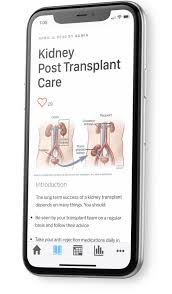
 Jim Gleason, National President of Transplant Recipients International Organization (TRIO), discusses what organ transplant patients are experiencing during the pandemic, and some tips they ought to consider to help ease some of the burden.
Mr. Gleason also discusses his role in the development of the recently released AlloCare app is in the AppStore --
Jim Gleason, National President of Transplant Recipients International Organization (TRIO), discusses what organ transplant patients are experiencing during the pandemic, and some tips they ought to consider to help ease some of the burden.
Mr. Gleason also discusses his role in the development of the recently released AlloCare app is in the AppStore -- 



 Response: The background for this study involves the associations of household rules and parental awareness with youth tobacco use using data from the Population Assessment Tobacco and Health Study. Health concerns regarding non-cigarette tobacco products, specifically e-cigarettes, have been on the rise. We wanted to explore whether parents are up to date with the trends of popular tobacco products today and what role they may play in youth tobacco cessation and prevention.
The main findings of the study revealed that parents less often suspected their children’s tobacco use if their children reported using only e-cigarettes, and other non-cigarette tobacco products, when compared with cigarettes. Additionally, we found that youth who agreed with their parents that their home has strict rules for tobacco use were less likely to initiate of tobacco use compared to youth who had different understanding of the rules from their parents or youth from households with more permissive household rules.
Response: The background for this study involves the associations of household rules and parental awareness with youth tobacco use using data from the Population Assessment Tobacco and Health Study. Health concerns regarding non-cigarette tobacco products, specifically e-cigarettes, have been on the rise. We wanted to explore whether parents are up to date with the trends of popular tobacco products today and what role they may play in youth tobacco cessation and prevention.
The main findings of the study revealed that parents less often suspected their children’s tobacco use if their children reported using only e-cigarettes, and other non-cigarette tobacco products, when compared with cigarettes. Additionally, we found that youth who agreed with their parents that their home has strict rules for tobacco use were less likely to initiate of tobacco use compared to youth who had different understanding of the rules from their parents or youth from households with more permissive household rules. 

 Dr. Senior[/caption]
Brent A. Senior, MD, FACS, FARS
Professor of Otolaryngology/Neurosurgery
Vice Chairman for Clinical Affairs
Nathaniel and Sheila Harris Distinguished Professor
Chief, Division of Rhinology, Allergy, and Endoscopic Skull Base Surgery
Department of Otolaryngology-Head and Neck Surgery
University of North Carolina at Chapel Hill
Chapel Hill, NC
MedicalResearch.com: What is the background for this study? How common is the problem of chronic rhinosinusitis with nasal polyps?
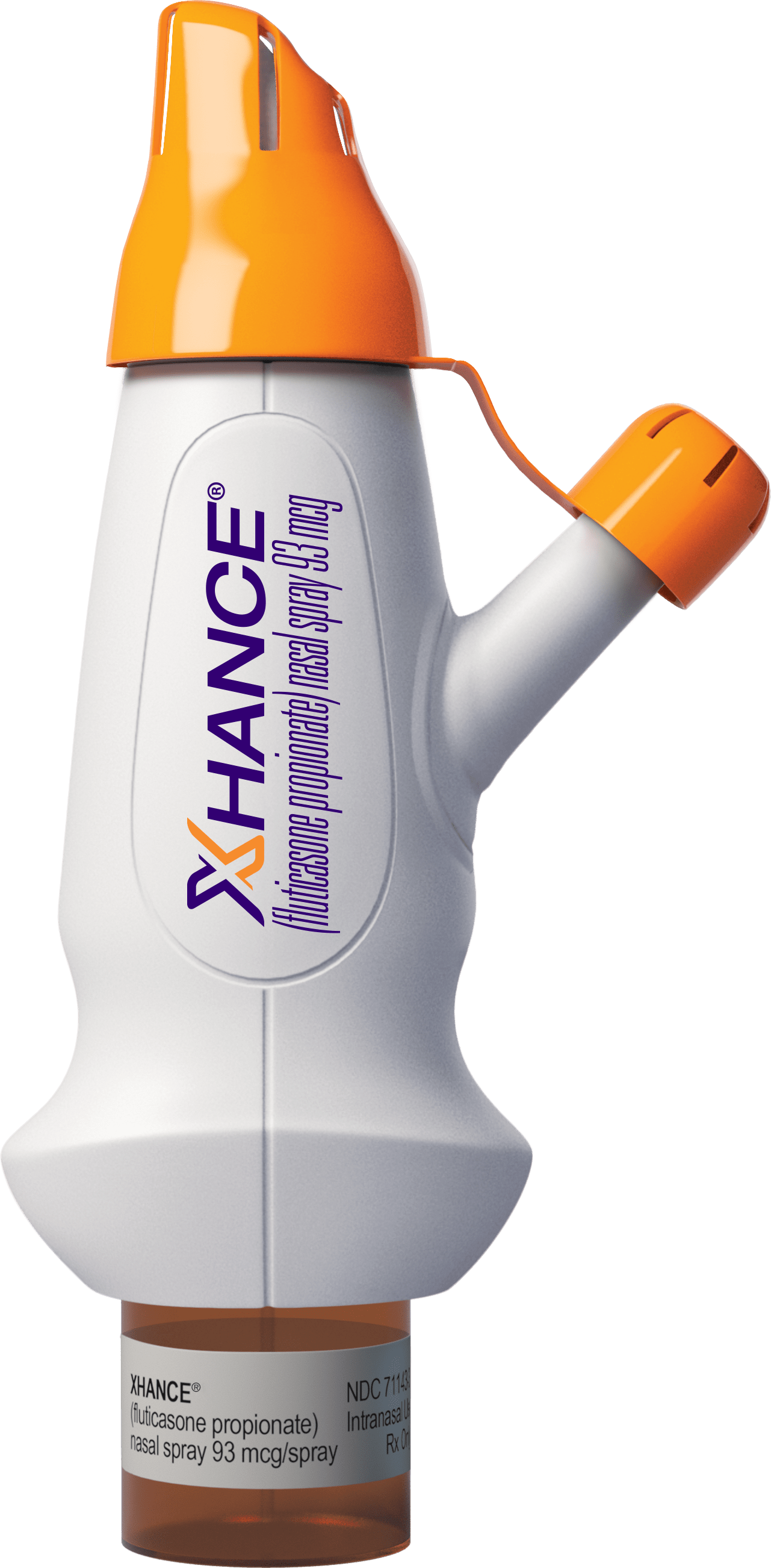
Response: Chronic rhinosinusitis (CRS) is a very common illness in the United States and around the world, estimated to impact 2-14% of the US population. Chronic rhinosinusitis with polyps is a particularly challenging form of the disease marked by significant impact on quality of life, and being challenging to treat with significant recurrences of symptoms despite standard medical and surgical treatment.
Inhaled intranasal steroids are standard therapy for patients with CRS including those with nasal polyps. However, many patients continue to have significant nasal symptoms despite treatment with these medications. This study was designed to answer the question of whether patients who had been receiving treatment with inhaled intranasal steroids and failed were improved by using EDS-FLU. Results were obtained by pooling data from two previous studies of the use of EDS-FLU in patients with CRS, called Navigate 1 and 2.
Dr. Senior[/caption]
Brent A. Senior, MD, FACS, FARS
Professor of Otolaryngology/Neurosurgery
Vice Chairman for Clinical Affairs
Nathaniel and Sheila Harris Distinguished Professor
Chief, Division of Rhinology, Allergy, and Endoscopic Skull Base Surgery
Department of Otolaryngology-Head and Neck Surgery
University of North Carolina at Chapel Hill
Chapel Hill, NC
MedicalResearch.com: What is the background for this study? How common is the problem of chronic rhinosinusitis with nasal polyps?
Response: Chronic rhinosinusitis (CRS) is a very common illness in the United States and around the world, estimated to impact 2-14% of the US population. Chronic rhinosinusitis with polyps is a particularly challenging form of the disease marked by significant impact on quality of life, and being challenging to treat with significant recurrences of symptoms despite standard medical and surgical treatment.
Inhaled intranasal steroids are standard therapy for patients with CRS including those with nasal polyps. However, many patients continue to have significant nasal symptoms despite treatment with these medications. This study was designed to answer the question of whether patients who had been receiving treatment with inhaled intranasal steroids and failed were improved by using EDS-FLU. Results were obtained by pooling data from two previous studies of the use of EDS-FLU in patients with CRS, called Navigate 1 and 2. 
 Dr. Nagata, MD[/caption]
Jason Nagata, MD, MSc
Assistant Professor of Pediatrics
University of California, San Francisco
San Francisco, California, USA
MedicalResearch.com: What is the background for this study?
Response: During the COVID-19 pandemic, food insecurity is expected to rise given economic uncertainty and job losses. Vulnerable and marginalized populations are disproportionately affected by both COVID-19 and food insecurity.
MedicalResearch.com: What are the main findings?
Response: In this perspective, we argue that food insecurity and COVID-19 can exacerbate one another via bidirectional links. Experiencing food insecurity can lead to nutritional deficiencies and weakened host defenses, increasing susceptibility to COVID-19 infection. Food insecurity is also associated with chronic medical conditions which may lead to a higher risk of severe COVID-19 illness.
Conversely, people with COVID-19 may not be able to work, generate income, or procure food while quarantined, which may worsen food insecurity.
Dr. Nagata, MD[/caption]
Jason Nagata, MD, MSc
Assistant Professor of Pediatrics
University of California, San Francisco
San Francisco, California, USA
MedicalResearch.com: What is the background for this study?
Response: During the COVID-19 pandemic, food insecurity is expected to rise given economic uncertainty and job losses. Vulnerable and marginalized populations are disproportionately affected by both COVID-19 and food insecurity.
MedicalResearch.com: What are the main findings?
Response: In this perspective, we argue that food insecurity and COVID-19 can exacerbate one another via bidirectional links. Experiencing food insecurity can lead to nutritional deficiencies and weakened host defenses, increasing susceptibility to COVID-19 infection. Food insecurity is also associated with chronic medical conditions which may lead to a higher risk of severe COVID-19 illness.
Conversely, people with COVID-19 may not be able to work, generate income, or procure food while quarantined, which may worsen food insecurity.

 Dr. Lanza[/caption]
Isabella Lanza, PhD
Associate Professor of Human Development
California State University, Long Beach
MedicalResearch.com: What is the background for this study? What are the main findings? Response: This is the first study to examine both nicotine vaping and cannabis vaping trajectories across adolescence and young adulthood, which allowed us to assess whether poly-substance vaping is common among adolescents and young adults. Poly-substance vaping (nicotine and cannabis vaping) was reported among a significant proportion of participants in the study (25% were identified as poly-substance vapers). For those that either escalated to frequent nicotine vaping use in adolescence or initiated frequent nicotine vaping use in young adulthood, the probability of engaging in cannabis vaping was very high (85%+).
Dr. Lanza[/caption]
Isabella Lanza, PhD
Associate Professor of Human Development
California State University, Long Beach
MedicalResearch.com: What is the background for this study? What are the main findings? Response: This is the first study to examine both nicotine vaping and cannabis vaping trajectories across adolescence and young adulthood, which allowed us to assess whether poly-substance vaping is common among adolescents and young adults. Poly-substance vaping (nicotine and cannabis vaping) was reported among a significant proportion of participants in the study (25% were identified as poly-substance vapers). For those that either escalated to frequent nicotine vaping use in adolescence or initiated frequent nicotine vaping use in young adulthood, the probability of engaging in cannabis vaping was very high (85%+).


 Dr. Bandi[/caption]
Priti Bandi PhD
Principal Scientist, Risk Factors Surveillance Research
American Cancer Society, Inc.
Atlanta, GA 30303
MedicalResearch.com: What is the background for this study? What are the main findings?
Response: Trends in e-cigarette prevalence and population count of users according to cigarette smoking histories are unknown. These data are needed to inform public health actions against a rapidly changing U.S. e-cigarette market.
Dr. Bandi[/caption]
Priti Bandi PhD
Principal Scientist, Risk Factors Surveillance Research
American Cancer Society, Inc.
Atlanta, GA 30303
MedicalResearch.com: What is the background for this study? What are the main findings?
Response: Trends in e-cigarette prevalence and population count of users according to cigarette smoking histories are unknown. These data are needed to inform public health actions against a rapidly changing U.S. e-cigarette market.



 Dr. Moline[/caption]
Margaret Moline, PhD
Executive Director, Neurology Business Group, Eisai, Inc
Lemborexant International Program Lead and Global Medical Lead
MedicalResearch.com: What is the background for this study? What are the main findings?
Dr. Moline[/caption]
Margaret Moline, PhD
Executive Director, Neurology Business Group, Eisai, Inc
Lemborexant International Program Lead and Global Medical Lead
MedicalResearch.com: What is the background for this study? What are the main findings?



 Dr. Garg[/caption]
Dr. Madhur Garg, MD MBA
Clinical director, Radiation Oncology
Montefiore Health System and Professor
Departments of Otorhinolaryngology - Head & Neck Surgery - and Urology
Albert Einstein College of Medicine
MedicalResearch.com: What is the background for this study?
Response: The Bronx was hit particularly hard with Covid-19 - making up one of the highest per capita cases and deaths in the country. Montefiore Health System and Albert Einstein College of Medicine, care for a large population of ethnic minorities (non-Hispanic Black and Hispanic individuals make up 65% of our patient population).
Dr. Garg[/caption]
Dr. Madhur Garg, MD MBA
Clinical director, Radiation Oncology
Montefiore Health System and Professor
Departments of Otorhinolaryngology - Head & Neck Surgery - and Urology
Albert Einstein College of Medicine
MedicalResearch.com: What is the background for this study?
Response: The Bronx was hit particularly hard with Covid-19 - making up one of the highest per capita cases and deaths in the country. Montefiore Health System and Albert Einstein College of Medicine, care for a large population of ethnic minorities (non-Hispanic Black and Hispanic individuals make up 65% of our patient population).




 Dr. Pollard[/caption]
Michael S. Pollard, Ph.D.
Professor, Pardee RAND Graduate School
Senior Sociologist
RAND Corporation
Santa Monica, CA 90407-2138
MedicalResearch.com: What is the background for this study? What are the main findings?
Response: There are ample anecdotal jokes and stories about increased alcohol use during COVID-19 and stay-at-home orders. Our study provides robust longitudinal evidence that people drank more frequently, and for women in particular, more heavily, and with more negative consequences, during the initial stages of COVID-19 compared to their own behaviors from a year earlier (May/June 2020 compared to May/June 2019). Women’s alcohol consumption was most significantly changed, with a 17% increase in number of days drinking, and a 41% increase in days of binge drinking (when they had four or more drinks in a couple of hours). This means that, nationally, one in five women drank heavily one more day a month than the same time in 2019, on average. Women also reported a 39% increase in alcohol-related problems, such as “I took foolish risks” or “I failed to do what was expected of me” because of drinking alcohol.
Dr. Pollard[/caption]
Michael S. Pollard, Ph.D.
Professor, Pardee RAND Graduate School
Senior Sociologist
RAND Corporation
Santa Monica, CA 90407-2138
MedicalResearch.com: What is the background for this study? What are the main findings?
Response: There are ample anecdotal jokes and stories about increased alcohol use during COVID-19 and stay-at-home orders. Our study provides robust longitudinal evidence that people drank more frequently, and for women in particular, more heavily, and with more negative consequences, during the initial stages of COVID-19 compared to their own behaviors from a year earlier (May/June 2020 compared to May/June 2019). Women’s alcohol consumption was most significantly changed, with a 17% increase in number of days drinking, and a 41% increase in days of binge drinking (when they had four or more drinks in a couple of hours). This means that, nationally, one in five women drank heavily one more day a month than the same time in 2019, on average. Women also reported a 39% increase in alcohol-related problems, such as “I took foolish risks” or “I failed to do what was expected of me” because of drinking alcohol.

 Prof. Medland[/caption]
Professor Sarah Medland
Coordinator of the Mental Health Research Program and Group Leader Psychiatric Genetics
QIMR Berghofer Medical Research Institute
MedicalResearch.com: What is the background for this study?
Response: This large collaborative project involving participants and researchers from around the world which has been underway for about 10 years. The aim was to try and identify genetic variants that influence handedness with the goal of increasing our knowledge about the way lateralization develops in behaviour and in the brain.
In this project we were able to bring together results from cohort studies conducted by academic collaborators, the UK Biobank and 23andMe yielding a total sample size of over 1.7 million participants. Working with Professor David Evans the co-senior author of the paper (University of Queensland) and Dr Gabriel Cuellar-Partida the first author of the paper (formally UQ now at 23andMe) and the other researchers who worked on the project we meta-analysed the genome-wide association analysis results from the cohorts and were able to identify 41 genetic variants that influence left-handedness and 7 that influence ambidextrousness.
Prof. Medland[/caption]
Professor Sarah Medland
Coordinator of the Mental Health Research Program and Group Leader Psychiatric Genetics
QIMR Berghofer Medical Research Institute
MedicalResearch.com: What is the background for this study?
Response: This large collaborative project involving participants and researchers from around the world which has been underway for about 10 years. The aim was to try and identify genetic variants that influence handedness with the goal of increasing our knowledge about the way lateralization develops in behaviour and in the brain.
In this project we were able to bring together results from cohort studies conducted by academic collaborators, the UK Biobank and 23andMe yielding a total sample size of over 1.7 million participants. Working with Professor David Evans the co-senior author of the paper (University of Queensland) and Dr Gabriel Cuellar-Partida the first author of the paper (formally UQ now at 23andMe) and the other researchers who worked on the project we meta-analysed the genome-wide association analysis results from the cohorts and were able to identify 41 genetic variants that influence left-handedness and 7 that influence ambidextrousness.