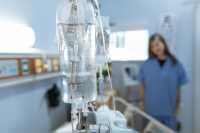
For many years now, professional nursing has held a unique place in the American health care system. Nurses make up one of the largest health care professions in the U.S. with more than 3.1 million nurses working in diverse fields and settings.
Although most nurses work in health care settings like hospitals, a nurse’s expertise expands well beyond the hospital walls. Working on their own and alongside other healthcare professionals, nurses promote the health of families, individuals, and communities.
Nurses have always played an important role in healthcare settings. However, their role has changed a lot over the years. In the past, nurses had extraordinarily little formal medical training. In fact, nurses learned the medical skills they needed from their mothers or other women in the nursing profession.
Today, the nursing profession has changed for the better. Not only are there extensive training programs available for nurses, but this role now comes with a level of prestige that was not there before. And this is not the only thing that has altered. Technology has also played a huge role in changing this profession for the better. Keep reading below to find out about the history of nursing and how technology has changed the role of nursing. For those seeking additional assistance or support in navigating the complexities of nursing education or academic tasks, exploring resources from reputable
nursing paper writing services can offer valuable expertise and assistance in achieving success in the field.
How Nursing Has Changed Over Time
Time has done a lot for many career paths. However, the nursing profession has seen more changes than most. Here are some of the ways the nursing profession has changed over time:
Training – in the past, nurses were not required to have any formal education. However, nowadays nurses are no longer able to care for patients without passing the correct certification first.
Setting – many years ago, nurses would take care of people in their homes or on the battlefield. Although some nurses still care for patients in their homes, nowadays, most nurses work in a hospital setting.
Responsibilities – nursing responsibilities have come a long way from the early days when they used to look a lot like a household chore list. The change in responsibilities for nurses stems from several changes in the profession, including the changing views of women, more comprehensive training, and the growing demand for medical professionals.
Culture – in the 20
th century, nursing culture was known as being mainly made up of females who had a small amount of medical knowledge. While nursing culture has not changed completely, it has changed a lot over the years. In fact, research suggests that more men than ever are choosing to train in this profession.
Patient care – patient care is more important than ever before. The advancements in technology have created an environment that makes patient care more helpful and efficient for patients. These advancements have altered almost every industry in the U.S. and the medical field is no different.


 Dr. Saha[/caption]
Abhishek Saha, PhD
Assistant Professor
Department of Mechanical and Aerospace Engineering
University of California San Diego
MedicalResearch.com: What is the background for this study?
Response: At a very early stage of COVID 19 pandemic, the scientific community identified that respiratory droplet is the primary mode of transmission of the SARS-CoV2 virus. Naturally, the health agencies have encouraged facemasks to restrict these droplets from spreading during respiratory events, like coughing, sneezing, talking, etc. While WHO recommended using either N95 masks or other types of three-layer masks, due to a sharp increase in demand and scarcity in supplies, a variety of either home-made or locally purchased masks became popular. Naturally, one wonders if these single- and double-layer masks provide enough protection. To provide some insight into this critical question, our team, which also includes Professor Swetaprovo Chaudhuri from the University of Toronto, and Professor Saptarshi Basu of the Indian Institute of Science, experimentally analyzed what happens to the respiratory droplets when they impact single- and multi-layer masks.
Dr. Saha[/caption]
Abhishek Saha, PhD
Assistant Professor
Department of Mechanical and Aerospace Engineering
University of California San Diego
MedicalResearch.com: What is the background for this study?
Response: At a very early stage of COVID 19 pandemic, the scientific community identified that respiratory droplet is the primary mode of transmission of the SARS-CoV2 virus. Naturally, the health agencies have encouraged facemasks to restrict these droplets from spreading during respiratory events, like coughing, sneezing, talking, etc. While WHO recommended using either N95 masks or other types of three-layer masks, due to a sharp increase in demand and scarcity in supplies, a variety of either home-made or locally purchased masks became popular. Naturally, one wonders if these single- and double-layer masks provide enough protection. To provide some insight into this critical question, our team, which also includes Professor Swetaprovo Chaudhuri from the University of Toronto, and Professor Saptarshi Basu of the Indian Institute of Science, experimentally analyzed what happens to the respiratory droplets when they impact single- and multi-layer masks.
 Dr. Fornwalt[/caption]
Brandon K Fornwalt, MD, PhD
Associate Professor, Director Department of Imaging Science and Innovation
Geisinger
MedicalResearch.com: What is the background for this study?
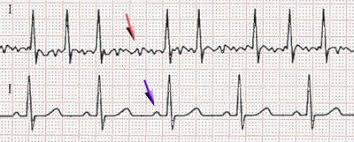
Response: Atrial fibrillation (AF) is an abnormal heart rhythm that is associated with outcomes such as stroke, heart failure and death. If we know a patient has atrial fibrillation, we can treat them to reduce the risk of stroke by nearly two-thirds. Unfortunately, patients often don’t know they have AF. They present initially with a stroke, and we have no chance to treat them before this happens. If we could predict who is at high risk of either currently having AF or developing it in the near future, we could intervene earlier and hopefully reduce bad outcomes like stroke. Artificial intelligence approaches may be able to help with this task.
Dr. Fornwalt[/caption]
Brandon K Fornwalt, MD, PhD
Associate Professor, Director Department of Imaging Science and Innovation
Geisinger
MedicalResearch.com: What is the background for this study?
Response: Atrial fibrillation (AF) is an abnormal heart rhythm that is associated with outcomes such as stroke, heart failure and death. If we know a patient has atrial fibrillation, we can treat them to reduce the risk of stroke by nearly two-thirds. Unfortunately, patients often don’t know they have AF. They present initially with a stroke, and we have no chance to treat them before this happens. If we could predict who is at high risk of either currently having AF or developing it in the near future, we could intervene earlier and hopefully reduce bad outcomes like stroke. Artificial intelligence approaches may be able to help with this task. 
 Dr. Jacob[/caption]
Jesse T. Jacob, MD
School of Medicine
Director, Antibiotic Stewardship Program
Emory University, Atlanta, Georgia
MedicalResearch.com: What is the background for this study?
Response: Since coronavirus disease 2019 (COVID-19) was recognized in the United States in January 2020, the risk of infection with severe acute respiratory syndrome coronavirus 2 (SARS-CoV-2) attributed to exposures in the health care workplace has been studied with conflicting results, and the role of job functions (such as nurse) or specific workplace activities, including care for individuals with known and unknown SARS-CoV-2 positivity, increase the risk of SARS-CoV-2 infection.
We assessed more than 24,000 healthcare providers between April and August 2020 across four large academic medical systems (Emory, Johns Hopkins, Rush University Medical Center, and University of Maryland) which collaborate in the CDC’s Prevention Epicenter Program and conduct innovative infection prevention research. Each site conducted voluntary COVID-19 antibody testing on its health care workers, as well as offered a questionnaire/survey on the employees’ occupational activities and possible exposures to individuals with COVID-19 infection both inside and outside the workplace. We also looked at three-digit residential zip-code prefixes to determine COVID-19 prevalence in communities.
Dr. Jacob[/caption]
Jesse T. Jacob, MD
School of Medicine
Director, Antibiotic Stewardship Program
Emory University, Atlanta, Georgia
MedicalResearch.com: What is the background for this study?
Response: Since coronavirus disease 2019 (COVID-19) was recognized in the United States in January 2020, the risk of infection with severe acute respiratory syndrome coronavirus 2 (SARS-CoV-2) attributed to exposures in the health care workplace has been studied with conflicting results, and the role of job functions (such as nurse) or specific workplace activities, including care for individuals with known and unknown SARS-CoV-2 positivity, increase the risk of SARS-CoV-2 infection.
We assessed more than 24,000 healthcare providers between April and August 2020 across four large academic medical systems (Emory, Johns Hopkins, Rush University Medical Center, and University of Maryland) which collaborate in the CDC’s Prevention Epicenter Program and conduct innovative infection prevention research. Each site conducted voluntary COVID-19 antibody testing on its health care workers, as well as offered a questionnaire/survey on the employees’ occupational activities and possible exposures to individuals with COVID-19 infection both inside and outside the workplace. We also looked at three-digit residential zip-code prefixes to determine COVID-19 prevalence in communities. 



 Anne Yuk-Lam Ho, MPH
Million Veteran Program (MVP) Data Core
MVP Coordinating Center
VA Boston Healthcare System
MedicalResearch.com: What is the background for this study?
Response: Cardiovascular disease (CVD) has been the leading cause of morbidity and mortality globally. Prevalence of CVD among US population is approximately 7% which places huge burden on our healthcare systems. And prevalence of CVD is as high as 28% among veterans at the VA healthcare system as veteran users are primarily older male with more histories of comorbidities. Most CVD risk factors including lipids and blood pressure can be controlled by lifestyle modifications, such as diet.
Chocolate is among dietary factors that play a role in modulating CVD risk factors is widely consumed in the US (~2.8 billion pounds annually. Although previous studies have reported beneficial effects of chocolate and/or cacao products (rich in flavonoids) on lipids, glucose metabolism and risk of diabetes, and lipids, little is known about the association of chocolate intake with coronary artery disease (CAD) among US veterans. Thus, sought to test the hypothesis that chocolate consumption is associated with a lower risk of CAD among xxx US veterans enrolled in the Million Veteran Program.
Anne Yuk-Lam Ho, MPH
Million Veteran Program (MVP) Data Core
MVP Coordinating Center
VA Boston Healthcare System
MedicalResearch.com: What is the background for this study?
Response: Cardiovascular disease (CVD) has been the leading cause of morbidity and mortality globally. Prevalence of CVD among US population is approximately 7% which places huge burden on our healthcare systems. And prevalence of CVD is as high as 28% among veterans at the VA healthcare system as veteran users are primarily older male with more histories of comorbidities. Most CVD risk factors including lipids and blood pressure can be controlled by lifestyle modifications, such as diet.
Chocolate is among dietary factors that play a role in modulating CVD risk factors is widely consumed in the US (~2.8 billion pounds annually. Although previous studies have reported beneficial effects of chocolate and/or cacao products (rich in flavonoids) on lipids, glucose metabolism and risk of diabetes, and lipids, little is known about the association of chocolate intake with coronary artery disease (CAD) among US veterans. Thus, sought to test the hypothesis that chocolate consumption is associated with a lower risk of CAD among xxx US veterans enrolled in the Million Veteran Program.

 Dr. Lee[/caption]
Brian P. Lee, MD, MAS
Assistant Professor Clinical Medicine
University of Southern Californi
Keck School of Medicine
Los Angeles, California
MedicalResearch.com: What is the background for this study?
Response: The COVID-19 pandemic has been associated with mental health stressors, including anxiety, loneliness, and social instability. We hypothesized the pandemic may have led to increased alcohol and tobacco use as a coping mechanism for these stressors. National retrospective questionnaires had suggested higher reports of substance use, but these are limited by selection and recall biases, in addition to subjective report – we sought to address this knowledge gap by using a nationally-representative longitudinal cohort (Nielsen National Consumer Panel) tracking real-time purchases of households across the US.
Dr. Lee[/caption]
Brian P. Lee, MD, MAS
Assistant Professor Clinical Medicine
University of Southern Californi
Keck School of Medicine
Los Angeles, California
MedicalResearch.com: What is the background for this study?
Response: The COVID-19 pandemic has been associated with mental health stressors, including anxiety, loneliness, and social instability. We hypothesized the pandemic may have led to increased alcohol and tobacco use as a coping mechanism for these stressors. National retrospective questionnaires had suggested higher reports of substance use, but these are limited by selection and recall biases, in addition to subjective report – we sought to address this knowledge gap by using a nationally-representative longitudinal cohort (Nielsen National Consumer Panel) tracking real-time purchases of households across the US. 



 Dr. Bunik[/caption]
Maya Bunik, MD, MPH | Professor, Pediatrics
Medical Director, Child Health Clinic, Primary Care | Breastfeeding Management Clinic
Adult and Child Consortium for Health Outcomes Research and Delivery Science (ACCORDS)
School of Medicine| University of Colorado Anschutz Medical Campus
Children's Hospital Colorado
MedicalResearch.com: What is the background for this study?
Response: Marijuana legalization has been increasing in the United States, with increasing consumption of marijuana products. Currently, the American Academy of Pediatrics (AAP), American College of Obstetricians and Gynecologists (ACOG) and Academy of Breastfeeding Medicine (ABM) do not recommend marijuana use during pregnancy or lactation due to concerning though limited data on the effects of perinatal marijuana exposure.
As there has been increasing prevalence of women using marijuana during pregnancy due to legalization and perceptions of safety, we sought to determine the duration of THC excretion in breast milk among women who had evidence of marijuana use at delivery and abstained post-partum.
Dr. Bunik[/caption]
Maya Bunik, MD, MPH | Professor, Pediatrics
Medical Director, Child Health Clinic, Primary Care | Breastfeeding Management Clinic
Adult and Child Consortium for Health Outcomes Research and Delivery Science (ACCORDS)
School of Medicine| University of Colorado Anschutz Medical Campus
Children's Hospital Colorado
MedicalResearch.com: What is the background for this study?
Response: Marijuana legalization has been increasing in the United States, with increasing consumption of marijuana products. Currently, the American Academy of Pediatrics (AAP), American College of Obstetricians and Gynecologists (ACOG) and Academy of Breastfeeding Medicine (ABM) do not recommend marijuana use during pregnancy or lactation due to concerning though limited data on the effects of perinatal marijuana exposure.
As there has been increasing prevalence of women using marijuana during pregnancy due to legalization and perceptions of safety, we sought to determine the duration of THC excretion in breast milk among women who had evidence of marijuana use at delivery and abstained post-partum. 


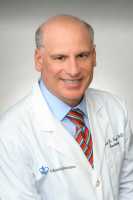

 Dr. Traverso[/caption]
Carlo Giovanni Traverso, MB, BChir, PhD
Associate Physician, Brigham and Women's Hospital
Assistant Professor,
[caption id="attachment_56823" align="alignleft" width="150"]
Dr. Traverso[/caption]
Carlo Giovanni Traverso, MB, BChir, PhD
Associate Physician, Brigham and Women's Hospital
Assistant Professor,
[caption id="attachment_56823" align="alignleft" width="150"] Dr. Chai[/caption]
Peter R. Chai, MD, MMS
Emergency Medicine Physician and Medical Toxicologist
Harvard Medical School
Brigham and Women's Hospital
Department of Medicine
Dr. Chai[/caption]
Peter R. Chai, MD, MMS
Emergency Medicine Physician and Medical Toxicologist
Harvard Medical School
Brigham and Women's Hospital
Department of Medicine
 MedicalResearch.com: What is the background for this study? What are some of the functions that Dr. Spot can facilitate?
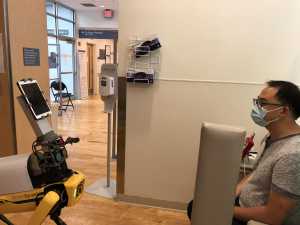
Response: During the COVID-19 pandemic, we wanted to consider innovative methods to provide additional social distance for physicians evaluating low acuity individuals who may have COVID-19 disease in the emergency department. While other health systems had instituted processes like evaluating patients from outside of emergency department rooms or calling patients to obtain a history, we considered the use of a mobile robotic system in collaboration with Boston Dynamics to provide telemedicine triage on an agile platform that could be navigated around a busy emergency department. Dr. Spot was built with a camera system to help an operator navigate it through an emergency department into a patient room where an on-board tablet would permit face-to-face triage and assessment of individuals.
MedicalResearch.com: What is the background for this study? What are some of the functions that Dr. Spot can facilitate?
Response: During the COVID-19 pandemic, we wanted to consider innovative methods to provide additional social distance for physicians evaluating low acuity individuals who may have COVID-19 disease in the emergency department. While other health systems had instituted processes like evaluating patients from outside of emergency department rooms or calling patients to obtain a history, we considered the use of a mobile robotic system in collaboration with Boston Dynamics to provide telemedicine triage on an agile platform that could be navigated around a busy emergency department. Dr. Spot was built with a camera system to help an operator navigate it through an emergency department into a patient room where an on-board tablet would permit face-to-face triage and assessment of individuals.

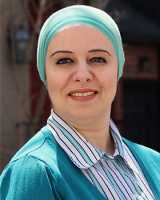 Dr. El Khoudary[/caption]
Samar El Khoudary, PhD, MPH, BPharm, FAHA
Associate Professor of Epidemiology
University of Pittsburgh Graduate School of Public Health
MedicalResearch.com: What is the background for this study?
Response: Research increasingly shows that it isn’t so important how much fat a woman is carrying, which doctors typically measure using weight and BMI, as it is where she is carrying that fat. To investigate this, we looked at 25 years of data on 362 women from Pittsburgh and Chicago who participated in the
Dr. El Khoudary[/caption]
Samar El Khoudary, PhD, MPH, BPharm, FAHA
Associate Professor of Epidemiology
University of Pittsburgh Graduate School of Public Health
MedicalResearch.com: What is the background for this study?
Response: Research increasingly shows that it isn’t so important how much fat a woman is carrying, which doctors typically measure using weight and BMI, as it is where she is carrying that fat. To investigate this, we looked at 25 years of data on 362 women from Pittsburgh and Chicago who participated in the 
 Laura M. Bogart, PhD
Senior Behavioral Scientist
RAND Corporation
Santa Monica, CA 90407-2138
MedicalResearch.com: What is the background for this study?
Response: Recent media polls continue to show that Black Americans are less likely to intend to get the COVID-19 vaccine than White Americans, and initial state data show a similar racial/ethnic disparity in vaccination rates. Initial uptake of the vaccine has been significantly affected by inequities in vaccine access and supply. In addition to these challenges, other factors contribute to hesitancy around vaccination, including self-perceived risk of infection, trust in the vaccine itself, trust in healthcare systems, healthcare providers, and policymakers who support the vaccine, and trust in the pharmaceutical industry and clinical research. In this study, we conducted a survey of a nationally representative sample of 207 Black Americans in late 2020, after initial COVID-19 vaccine effectiveness and safety data were released to the public. We also did in-depth interviews with a subsample of those surveyed who said that they would not get vaccinated. In addition, we engaged with a stakeholder advisory committee comprised of individuals who represent different subgroups and organizations in Black communities in the U.S., in order to discuss the results and make recommendations for policies to increase COVID-19 vaccination among Black Americans.
Laura M. Bogart, PhD
Senior Behavioral Scientist
RAND Corporation
Santa Monica, CA 90407-2138
MedicalResearch.com: What is the background for this study?
Response: Recent media polls continue to show that Black Americans are less likely to intend to get the COVID-19 vaccine than White Americans, and initial state data show a similar racial/ethnic disparity in vaccination rates. Initial uptake of the vaccine has been significantly affected by inequities in vaccine access and supply. In addition to these challenges, other factors contribute to hesitancy around vaccination, including self-perceived risk of infection, trust in the vaccine itself, trust in healthcare systems, healthcare providers, and policymakers who support the vaccine, and trust in the pharmaceutical industry and clinical research. In this study, we conducted a survey of a nationally representative sample of 207 Black Americans in late 2020, after initial COVID-19 vaccine effectiveness and safety data were released to the public. We also did in-depth interviews with a subsample of those surveyed who said that they would not get vaccinated. In addition, we engaged with a stakeholder advisory committee comprised of individuals who represent different subgroups and organizations in Black communities in the U.S., in order to discuss the results and make recommendations for policies to increase COVID-19 vaccination among Black Americans.