MedicalResearch.com Interview with:
[caption id="attachment_57310" align="alignleft" width="200"]

Dr. Peruvemba[/caption]
Ramani “Ram” Peruvemba, MD, FASA
Co-founder and CMO of HSR.
health
MedicalResearch.com: Would you tell us about your background?
Response: I am a dual-board certified Anesthesiologist and Pain Management physician, currently serving as the co-founder and CMO of
HSR.health. I am a Health IT expert and well-versed in the clinical, regulatory, and policy issues surrounding healthcare. I leverage my expertise, professional networks, and insights to HSR
.health to bring health risk information to industry.
As a clinician, I formerly served as Vice Chairman of the board for the largest anesthesia provider in Maryland and led them through a private equity transaction that helped elevate our group onto a national platform.
I have also served on the advisory boards of QSSI corp, a Health IT firm involved in the construction of Healthcare.gov and ultimately sold to Optum, as well as Welldoc, a digital health leader that developed the only FDA approved digital health solution for the management of diabetes. Through my role on the Maryland Health Services Cost Review Commissions Advisory Council, I play a key role in the development and implementation of the unique value based hospital payment system, the Total Cost of Care Model, in conjunction with CMS and CMMI.
I currently serve on the board of the Maryland State Medical Society, MedChi, as chairman of the medical policy council, and am the President of the Maryland Society of Anesthesiologists.
Most recently, I’m proud to share that I was named a 2021 Top 100 Healthcare Innovator for my leadership in HSR
.health's efforts supporting COVID-19 pandemic response globally.


 Dr. Andersson[/caption]
Niklas Worm Andersson, MD
Department of Epidemiology Research
Statens Serum Institut,
Copenhagen Denmark
MedicalResearch.com: What is the background for this study?
Response: "Findings from some previous fetal safety studies on topical corticosteroid use in pregnancy have raised concerns for an increased risk of newborns being small for gestational age or having low birth weight, in particular among pregnancies where larger amounts of potent to very potent agents have been used."
Dr. Andersson[/caption]
Niklas Worm Andersson, MD
Department of Epidemiology Research
Statens Serum Institut,
Copenhagen Denmark
MedicalResearch.com: What is the background for this study?
Response: "Findings from some previous fetal safety studies on topical corticosteroid use in pregnancy have raised concerns for an increased risk of newborns being small for gestational age or having low birth weight, in particular among pregnancies where larger amounts of potent to very potent agents have been used."

 Dr. Mezue[/caption]
Kenechukwu Ndubisi Mezue, M.D
Fellow in
Dr. Mezue[/caption]
Kenechukwu Ndubisi Mezue, M.D
Fellow in 
 Dr. Wong[/caption]
John B. Wong, M.D.
Chief Scientific Officer
Vice chair for Clinical Affairs
Chief of the Division of Clinical Decision Making and
Primary care Clinician
Department of Medicine at Tufts Medical Center
MedicalResearch.com: What is the background for this study?
Response: Hypertension affects nearly half of all adults in the United States and is a major risk factor for many serious health conditions. Fortunately, by screening all adults for hypertension, clinicians can improve their patient’s health. The Task Force continues to recommend screening all adults for hypertension so that they can get the care they need to help prevent health conditions such as heart attack, stroke, and kidney failure.
Dr. Wong[/caption]
John B. Wong, M.D.
Chief Scientific Officer
Vice chair for Clinical Affairs
Chief of the Division of Clinical Decision Making and
Primary care Clinician
Department of Medicine at Tufts Medical Center
MedicalResearch.com: What is the background for this study?
Response: Hypertension affects nearly half of all adults in the United States and is a major risk factor for many serious health conditions. Fortunately, by screening all adults for hypertension, clinicians can improve their patient’s health. The Task Force continues to recommend screening all adults for hypertension so that they can get the care they need to help prevent health conditions such as heart attack, stroke, and kidney failure.




 Dr. Jinhee Hur[/caption]
Jinhee Hur, PhD
Research Fellow
Department of Nutrition
Harvard T.H. Chan School of Public Health
Boston, MA 02115
MedicalResearch.com: What is the background for this study?
Response: Early-onset colorectal cancer (EO-CRC, age <50 years at diagnosis) is rapidly rising in the US since the mid-1980s, with an unclear understanding of its etiology and contributors to the rise. Sugar-sweetened beverages (SSBs) exert adverse metabolic repercussions throughout the life course, including insulin resistance and inflammation. Higher SSB intake can induce obesity, which has been linked to risk of EO-CRC. A recent experimental study also suggests that high fructose corn syrup, a primary sweetener in SSBs, may promote colon tumor growth, independent of metabolic dysregulation. In the US, SSB consumption has dramatically increased during the 2nd half of the 20th century, and adolescents and young adults have been the heaviest SSB drinkers across all age groups. Thus, we expect SSBs may be an emerging risk factor for EO-CRC and likely contribute to the rising incidence of EO-CRC.
Dr. Jinhee Hur[/caption]
Jinhee Hur, PhD
Research Fellow
Department of Nutrition
Harvard T.H. Chan School of Public Health
Boston, MA 02115
MedicalResearch.com: What is the background for this study?
Response: Early-onset colorectal cancer (EO-CRC, age <50 years at diagnosis) is rapidly rising in the US since the mid-1980s, with an unclear understanding of its etiology and contributors to the rise. Sugar-sweetened beverages (SSBs) exert adverse metabolic repercussions throughout the life course, including insulin resistance and inflammation. Higher SSB intake can induce obesity, which has been linked to risk of EO-CRC. A recent experimental study also suggests that high fructose corn syrup, a primary sweetener in SSBs, may promote colon tumor growth, independent of metabolic dysregulation. In the US, SSB consumption has dramatically increased during the 2nd half of the 20th century, and adolescents and young adults have been the heaviest SSB drinkers across all age groups. Thus, we expect SSBs may be an emerging risk factor for EO-CRC and likely contribute to the rising incidence of EO-CRC.
 Dr. Navlakha[/caption]
Saket Navlakha PhD
Simons Center for Quantitative Biology
Cold Spring Harbor Laboratory
Cold Spring Harbor, NY
MedicalResearch.com: What is the background for this algorithm? How does it aide in patient care?
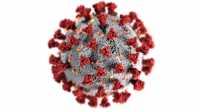
Response: The machine learning algorithm helps to predict if and when a patient will develop severe COVID symptoms, based on information on how the patient presents on the day of infection. This could lead to improved patient outcomes, by getting a “heads up” on what may happen in the near future.
Dr. Navlakha[/caption]
Saket Navlakha PhD
Simons Center for Quantitative Biology
Cold Spring Harbor Laboratory
Cold Spring Harbor, NY
MedicalResearch.com: What is the background for this algorithm? How does it aide in patient care?
Response: The machine learning algorithm helps to predict if and when a patient will develop severe COVID symptoms, based on information on how the patient presents on the day of infection. This could lead to improved patient outcomes, by getting a “heads up” on what may happen in the near future.





 Dr. Hong-Sheng Wang[/caption]
Hong-Sheng Wang PhD
Department of Pharmacology and Systems Physiology
University of Cincinnati
College of Medicine, Cincinnati
MedicalResearch.com: What is the background for this study? What is the significance of tritan?
Response: Bisphenol A (BPA) is used widely in the manufacturing of consumer plastic goods. Researchers and the general public increasingly recognize the potentially harmful effect of BPA. These days BPA-based polycarbonate plastic water bottles have all but disappeared in most US stores, replaced by various BPA-free bottles including Tritan bottles.
Tritan is a plastic that is not based on BPA or BPA analogues. In earlier studies, we unexpectedly found transient release of BPA from some Tritan bottles. Similar results have been reported in a past study. We wanted to figure out why the BPA release from Tritan bottles, and how consumers can best clean their bottles.
Dr. Hong-Sheng Wang[/caption]
Hong-Sheng Wang PhD
Department of Pharmacology and Systems Physiology
University of Cincinnati
College of Medicine, Cincinnati
MedicalResearch.com: What is the background for this study? What is the significance of tritan?
Response: Bisphenol A (BPA) is used widely in the manufacturing of consumer plastic goods. Researchers and the general public increasingly recognize the potentially harmful effect of BPA. These days BPA-based polycarbonate plastic water bottles have all but disappeared in most US stores, replaced by various BPA-free bottles including Tritan bottles.
Tritan is a plastic that is not based on BPA or BPA analogues. In earlier studies, we unexpectedly found transient release of BPA from some Tritan bottles. Similar results have been reported in a past study. We wanted to figure out why the BPA release from Tritan bottles, and how consumers can best clean their bottles.



 As a specialized healthcare position where you will be responsible for the health and wellbeing of patients, nurses are required to hold a degree and a license before they can begin work. To qualify as a registered nurse, you will need to obtain a BSN degree, which typically takes around four years when studying full-time. However, if you already have a bachelor’s degree in another subject, there is an option that will allow you to become a nurse in half the time; accelerated nursing programs are designed for those who already have a bachelor’s degree and want a quick career change into nursing. The


 Dr. Yun Liu[/caption]
Yun Liu, PhD
Google Health
Palo Alto, California
MedicalResearch.com: What is the background for this study? Would you describe the system? Does it use dermatoscopic images?
Response: Dermatologic conditions are extremely common and a leading cause of morbidity worldwide. Due to limited access to dermatologists, patients often first seek help from non-specialists. However, non-specialists have been reported to have lower diagnostic accuracies compared to dermatologists, which may impact the quality of care.
In this study, we built upon prior work published in
Dr. Yun Liu[/caption]
Yun Liu, PhD
Google Health
Palo Alto, California
MedicalResearch.com: What is the background for this study? Would you describe the system? Does it use dermatoscopic images?
Response: Dermatologic conditions are extremely common and a leading cause of morbidity worldwide. Due to limited access to dermatologists, patients often first seek help from non-specialists. However, non-specialists have been reported to have lower diagnostic accuracies compared to dermatologists, which may impact the quality of care.
In this study, we built upon prior work published in 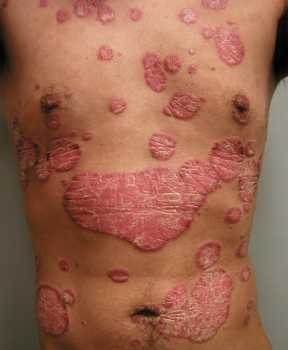
 Prof. Reich[/caption]
Prof. Kristian Reich, MD, PhD
Professor for Translational Research in Inflammatory Skin Diseases
Institute for Health Services Research in Dermatology and Nursing
University Medical Center Hamburg-Eppendorf
MedicalResearch.com: What is the background for this study? What are the main findings?
Response: Complete skin clearance is an important treatment goal for patients with psoriasis and is closely associated with treatment satisfaction and improved quality of life. However, it remains an unmet need for many patients.
The interleukin (IL)-17 isoforms IL-17A and IL-17F play central roles in psoriasis pathophysiology and are overexpressed in psoriatic tissues. Existing biologic therapies, such as secukinumab, inhibit IL-17A only. However, increasing evidence indicates that IL-17F contributes independently to the pathobiology of plaque psoriasis, and that blocking both IL-17A and IL-17F may lead to more complete suppression of inflammation and superior clinical outcomes, compared with blocking IL‑17A alone.
Bimekizumab is a humanized monoclonal IgG1 antibody that has been designed to selectively inhibit IL-17F in addition to IL-17A.
Prof. Reich[/caption]
Prof. Kristian Reich, MD, PhD
Professor for Translational Research in Inflammatory Skin Diseases
Institute for Health Services Research in Dermatology and Nursing
University Medical Center Hamburg-Eppendorf
MedicalResearch.com: What is the background for this study? What are the main findings?
Response: Complete skin clearance is an important treatment goal for patients with psoriasis and is closely associated with treatment satisfaction and improved quality of life. However, it remains an unmet need for many patients.
The interleukin (IL)-17 isoforms IL-17A and IL-17F play central roles in psoriasis pathophysiology and are overexpressed in psoriatic tissues. Existing biologic therapies, such as secukinumab, inhibit IL-17A only. However, increasing evidence indicates that IL-17F contributes independently to the pathobiology of plaque psoriasis, and that blocking both IL-17A and IL-17F may lead to more complete suppression of inflammation and superior clinical outcomes, compared with blocking IL‑17A alone.
Bimekizumab is a humanized monoclonal IgG1 antibody that has been designed to selectively inhibit IL-17F in addition to IL-17A.


 Dr. Gamboa Madeira[/caption]
Sara Gamboa Madeira
Medical Doctor - General & Family Physician
PhD Student - EnviHealth&Co - Faculty of Medicine
Lisbon University
MedicalResearch.com: What is the background for this study?
Response: One in every five employees work in shifts across Europe1. Shift work have been associated with an increased risk for several cardiovascular diseases2 and three main mechanism have been proposed: unhealthy behaviours, disturbed sleep, and circadian misalignment.
This study focused on the role of circadian misalignment, which we assessed via social jetlag. Social jetlag is calculated using the Munich Chronotype Questionnaire3 by the difference between sleep behaviour on free-days (mainly driven by the individual “biological clock”, also called chronotype) and sleep behaviour on workdays (mainly drive by the “social clock”, namely work schedules). Chronotype is an individual feature which ranges from early/morning people to late/evening people (from proverbial lark to owls), with the majority of the population falling in between as a Gaussian distribution. Therefore higher levels of social jetlag mean a greater mismatch between what your biological clock need (e.g. go to sleep at 9pm) and what your social obligations impose on you (e.g. work until midnight).
Dr. Gamboa Madeira[/caption]
Sara Gamboa Madeira
Medical Doctor - General & Family Physician
PhD Student - EnviHealth&Co - Faculty of Medicine
Lisbon University
MedicalResearch.com: What is the background for this study?
Response: One in every five employees work in shifts across Europe1. Shift work have been associated with an increased risk for several cardiovascular diseases2 and three main mechanism have been proposed: unhealthy behaviours, disturbed sleep, and circadian misalignment.
This study focused on the role of circadian misalignment, which we assessed via social jetlag. Social jetlag is calculated using the Munich Chronotype Questionnaire3 by the difference between sleep behaviour on free-days (mainly driven by the individual “biological clock”, also called chronotype) and sleep behaviour on workdays (mainly drive by the “social clock”, namely work schedules). Chronotype is an individual feature which ranges from early/morning people to late/evening people (from proverbial lark to owls), with the majority of the population falling in between as a Gaussian distribution. Therefore higher levels of social jetlag mean a greater mismatch between what your biological clock need (e.g. go to sleep at 9pm) and what your social obligations impose on you (e.g. work until midnight).
 Dr. Ulhas Nair[/caption]
Nishanth Ulhas Nair, Ph.D.
Affiliation: Staff Scientist at Cancer Data Science Laboratory, Center for Cancer Research
National Cancer Institute (NCI), National Institutes of Health (NIH)
Bethesda, Maryland, USA. Date: April 22, 2021
Dr. Raffit Hassan and Dr. Eytan Ruppin at the National Cancer Institute (NCI) are the senior authors of this study.
MedicalResearch.com: What is the background for this study?
Response: Malignant mesothelioma is an aggressive cancer with limited treatment options and poor prognosis. An in-depth knowledge of genetic, transcriptomic and immunogenic events involved in mesothelioma is critical for successful development of prognostics and therapeutic modalities. In this study we aim to address this by exploring a new large scale patient tumor dataset of 122 mesothelioma patients, called NCI mesothelioma patient data, along with their genomic, transcriptomic, and phenotypic information. Unlike previous large-scale studies which have been focused on malignant pleural mesothelioma patients, our dataset contains an approximately equal representation of malignant pleural and peritoneal mesothelioma patients which allows to identify any differences between them.
Dr. Ulhas Nair[/caption]
Nishanth Ulhas Nair, Ph.D.
Affiliation: Staff Scientist at Cancer Data Science Laboratory, Center for Cancer Research
National Cancer Institute (NCI), National Institutes of Health (NIH)
Bethesda, Maryland, USA. Date: April 22, 2021
Dr. Raffit Hassan and Dr. Eytan Ruppin at the National Cancer Institute (NCI) are the senior authors of this study.
MedicalResearch.com: What is the background for this study?
Response: Malignant mesothelioma is an aggressive cancer with limited treatment options and poor prognosis. An in-depth knowledge of genetic, transcriptomic and immunogenic events involved in mesothelioma is critical for successful development of prognostics and therapeutic modalities. In this study we aim to address this by exploring a new large scale patient tumor dataset of 122 mesothelioma patients, called NCI mesothelioma patient data, along with their genomic, transcriptomic, and phenotypic information. Unlike previous large-scale studies which have been focused on malignant pleural mesothelioma patients, our dataset contains an approximately equal representation of malignant pleural and peritoneal mesothelioma patients which allows to identify any differences between them. 
 Prof. Papageorghiou[/caption]
Aris Papageorghiou MBChB, MRCOG
Professor of Fetal Medicine and the Clinical Research Director
Oxford Maternal and Perinatal Health Institute
University of Oxford
MedicalResearch.com: What is the background for this study?
Response: Our study was really guided by a key question: does Covid-19 in pregnancy increase the risk of adverse maternal and neonatal outcomes as compared with pregnant women who do not have the infection?
The question is highly relevant because of the known deleterious effects of other coronavirus infections in pregnancy, e.g. SARS (severe acute respiratory syndrome) and MERS-CoV (Middle East respiratory syndrome coronavirus).
In order to answer this question we undertook this multinational cohort study.
Prof. Papageorghiou[/caption]
Aris Papageorghiou MBChB, MRCOG
Professor of Fetal Medicine and the Clinical Research Director
Oxford Maternal and Perinatal Health Institute
University of Oxford
MedicalResearch.com: What is the background for this study?
Response: Our study was really guided by a key question: does Covid-19 in pregnancy increase the risk of adverse maternal and neonatal outcomes as compared with pregnant women who do not have the infection?
The question is highly relevant because of the known deleterious effects of other coronavirus infections in pregnancy, e.g. SARS (severe acute respiratory syndrome) and MERS-CoV (Middle East respiratory syndrome coronavirus).
In order to answer this question we undertook this multinational cohort study.

 Dr. Hosie[/caption]
Margaret J. Hosie BVM&S, MRCVS, BSc. PhD.
Professor of Comparative Virology
MRC-University of Glasgow Centre for Virus Research
United Kingdom
MedicalResearch.com: What is the background for this study?
Response: SARS-CoV-2 is a new coronavirus of animal origin that recently jumped to humans and has spread rapidly across the world. It is likely that SARS-CoV-2 will establish as an endemic virus of humans, which has the potential to be transmitted to animals that live in close proximity to humans. There have been sporadic reports of infections in pet cats in households with COVID-19 patients, which demonstrates that cats are susceptible to SARS-CoV-2 infection and could act as virus reservoirs.
Dr. Hosie[/caption]
Margaret J. Hosie BVM&S, MRCVS, BSc. PhD.
Professor of Comparative Virology
MRC-University of Glasgow Centre for Virus Research
United Kingdom
MedicalResearch.com: What is the background for this study?
Response: SARS-CoV-2 is a new coronavirus of animal origin that recently jumped to humans and has spread rapidly across the world. It is likely that SARS-CoV-2 will establish as an endemic virus of humans, which has the potential to be transmitted to animals that live in close proximity to humans. There have been sporadic reports of infections in pet cats in households with COVID-19 patients, which demonstrates that cats are susceptible to SARS-CoV-2 infection and could act as virus reservoirs.

 Dr. Blankson[/caption]
Joel N. Blankson, MD, PhD
Department of Infectious Diseases
Associate Professor
Cellular and Molecular Medicine Program
Johns Hopkins
MedicalResearch.com: What is the background for this study? Which vaccines did you evaluate?
Response: Prior studies from several groups including our own have found T cell cross-recognition of peptides from SARS-CoV-2 and the common cold coronaviruses.
We asked whether as a result of this cross-reactivity, immunization with the SARS-CoV-2 vaccine would also enhance T cell responses to the common cold coronaviruses.
Prior studies also suggested that antibodies elicited from the mRNA vaccines had a reduced ability to neutralize the emerging variants of concern.
Most of the study participants had received the Pfizer vaccine, but a few had received the Moderna vaccine.
Dr. Blankson[/caption]
Joel N. Blankson, MD, PhD
Department of Infectious Diseases
Associate Professor
Cellular and Molecular Medicine Program
Johns Hopkins
MedicalResearch.com: What is the background for this study? Which vaccines did you evaluate?
Response: Prior studies from several groups including our own have found T cell cross-recognition of peptides from SARS-CoV-2 and the common cold coronaviruses.
We asked whether as a result of this cross-reactivity, immunization with the SARS-CoV-2 vaccine would also enhance T cell responses to the common cold coronaviruses.
Prior studies also suggested that antibodies elicited from the mRNA vaccines had a reduced ability to neutralize the emerging variants of concern.
Most of the study participants had received the Pfizer vaccine, but a few had received the Moderna vaccine. 

 Dr. Lashaki[/caption]
Masoud Jahandar Lashaki, Ph.D.
Assistant Professor
Department of Civil, Environmental and Geomatics Engineering
Florida Atlantic University
MedicalResearch.com: What is the background for this study?
Response: Toilet flushing can generate large quantities of microbe-containing aerosols depending on the design and water pressure or flushing energy of the toilet. Based on previous reports, a variety of different pathogens which are found in stagnant water or in waste products (e.g., urine, feces, and vomit) can get dispersed widely via such aerosolization, including the legionella bacterium responsible for causing Legionnaire’s disease, the Ebola virus, the norovirus which causes severe gastroenteritis (food poisoning), and the Middle East Respiratory Syndrome coronavirus (MERS-CoV).
Based on previous reports, such airborne dispersion is suspected to have played a key role in the outbreak of viral gastroenteritis aboard a cruise ship, where infection was twice as prevalent among passengers who used shared toilets compared to those who had private bathrooms. Similarly, transmission of norovirus via aerosolized droplets was linked to the occurrence of vomiting or diarrhea within an aircraft restroom, as passengers and crew who got infected subsequently were more likely to have visited restrooms than those that were not infected. The participants in the study reported that all of the restroom surfaces appeared to be clean, which indicates that infection is likely to have occurred via bioaerosols suspended within the restroom.
Although many of these studies blamed flush-generated aerosols for disease outbreak, a limited number of them quantified the presence of such aerosols. Consequently, we decided to conduct this study to demonstrate the spike in aerosol concentrations following flushing.
Dr. Lashaki[/caption]
Masoud Jahandar Lashaki, Ph.D.
Assistant Professor
Department of Civil, Environmental and Geomatics Engineering
Florida Atlantic University
MedicalResearch.com: What is the background for this study?
Response: Toilet flushing can generate large quantities of microbe-containing aerosols depending on the design and water pressure or flushing energy of the toilet. Based on previous reports, a variety of different pathogens which are found in stagnant water or in waste products (e.g., urine, feces, and vomit) can get dispersed widely via such aerosolization, including the legionella bacterium responsible for causing Legionnaire’s disease, the Ebola virus, the norovirus which causes severe gastroenteritis (food poisoning), and the Middle East Respiratory Syndrome coronavirus (MERS-CoV).
Based on previous reports, such airborne dispersion is suspected to have played a key role in the outbreak of viral gastroenteritis aboard a cruise ship, where infection was twice as prevalent among passengers who used shared toilets compared to those who had private bathrooms. Similarly, transmission of norovirus via aerosolized droplets was linked to the occurrence of vomiting or diarrhea within an aircraft restroom, as passengers and crew who got infected subsequently were more likely to have visited restrooms than those that were not infected. The participants in the study reported that all of the restroom surfaces appeared to be clean, which indicates that infection is likely to have occurred via bioaerosols suspended within the restroom.
Although many of these studies blamed flush-generated aerosols for disease outbreak, a limited number of them quantified the presence of such aerosols. Consequently, we decided to conduct this study to demonstrate the spike in aerosol concentrations following flushing.