MedicalResearch.com Interview with:
[caption id="attachment_58487" align="alignleft" width="150"]

Dr. Esquivel[/caption]
Bernard Esquivel Zavala, MD, PhD, MHA
GenXys Chief Medical Officer
MedicalResearch.com: What is the mission of GenXys?
Response: Our mission at GenXys is to tailor the right treatment for each individual patient at the right time. GenXys founders, including Professors Pieter Cullis and Martin Dawes, were heavily involved in the precision medicine field from the very beginning, and they noticed a functional gap between the expectations and the actual clinical implementation of precision medicine Particularly, when it came to, at the time, the new field of pharmacogenetics. Their solution was to provide a comprehensive, user-friendly platform that organizes all patient data relevant to prescribing to provide the safest and most appropriate personalized prescribing options. Simply put, GenXys’ solutions were made by clinicians, for clinicians. The GenXys software suite collects patient information and categorizes that information, including pharmacogenetic data, based on clinical relevance and runs it through advanced condition -based algorithms to provide real time accurate prescribing options. It makes my life as a clinician easier and safer and gives me the confidence that I am not practicing ‘trial and error’ prescribing.
Ideally, every healthcare provider should be using a real time medication decision support solution like ours, and not just for pharmacogenetic test results. Pharmacogenomics is just one piece. In fact, our core product, TreatGx™ can run with or without pharmacogenomics. Let's say that you've run it without pharmacogenomics, meaning that you are using this tool to organize and rapidly identify how biophysical factors, liver function, kidney function, comorbidities, and drug-drug interactions may impact the medication you're about to prescribe to your patient. This functionality alone is incredibly helpful. In fact, the factors I just mentioned likely account for 95% of the reasons why a patient does not respond to a particular medication or might have an adverse drug reaction. But the TreatGx platform will also highlight when the evidence supports bringing pharmacogenomic information into the mix. The right approach is bringing all those relevant clinical, biochemical, and molecular factors closer to the provider which will ultimately foster personalization. We will start treating the individual instead of the disease(s).
As with any new technology, there are barriers to precision prescribing. This includes educational and emotional barriers. It’s important to educate providers and keep them up to date to help them understand the power that precision prescribing can bring into their practice—and the limitations—to set the right level of expectation. The Human Genome Project was finished in 2000, and there was a lot of buzz about pharmacogenomics even back in 2003. The field got a lot of traction in 2015. So, everyone thought, "Oh, this is going to be groundbreaking and quite disruptive. From now on my prescription is going to be a hundred percent accurate and safe." But it's not quite the whole story. Pharmacogenomics has to be considered as another piece of the puzzle. It's like saying that by having an MRI, you're curing cancer. It's just another piece of the treatment puzzle. There are also emotional barriers, where ego can factor into a decision. It can be uncomfortable for a physician to say, "I don't know this. Let me check it out. Let me explore it further, review, and come back to you." It's easier to say if I don't know it, that it doesn't work or isn’t relevant, rather than exposing yourself. And so that, in terms of the emotional piece, I would say is a big component. We can tackle the emotional component that element by fostering education and bringing education closer to providers.


 Morgan Walker[/caption]
Morgan Walker
Ph.D. Candidate, UNC-Chapel Hill Chemistry
Redinbo Laboratory
MedicalResearch.com: What is the background for this study? Where is triclosan commonly found?
Response: Triclosan is a commonly found antibacterial compound present in hand soaps, toothpastes, athletic clothes, and children’s toys. A previous study by the Zhang group (corresponding author on this publication) found that antimicrobial compounds including triclosan increased inflammation (similar to that of inflammatory bowel disease (IBD)) and tumor formation in the colon. These effects were observed only in mice with an intact gut microbiome, not in germ-free mice which lack a gut microbiome, suggesting that the gut microbiome is somehow responsible for the toxicity of triclosan to the gut. Our study investigates how gut bacteria promote triclosan toxicity in the gut
Morgan Walker[/caption]
Morgan Walker
Ph.D. Candidate, UNC-Chapel Hill Chemistry
Redinbo Laboratory
MedicalResearch.com: What is the background for this study? Where is triclosan commonly found?
Response: Triclosan is a commonly found antibacterial compound present in hand soaps, toothpastes, athletic clothes, and children’s toys. A previous study by the Zhang group (corresponding author on this publication) found that antimicrobial compounds including triclosan increased inflammation (similar to that of inflammatory bowel disease (IBD)) and tumor formation in the colon. These effects were observed only in mice with an intact gut microbiome, not in germ-free mice which lack a gut microbiome, suggesting that the gut microbiome is somehow responsible for the toxicity of triclosan to the gut. Our study investigates how gut bacteria promote triclosan toxicity in the gut



 Sneha Vaddadi[/caption]
Sneha Vaddadi, BS
Department of Medical Education
Geisinger Commonwealth School of Medicine
Scranton, Pennsylvania
MedicalResearch.com: What is the background for this study?
Response: The prescription stimulants methylphenidate, amphetamine, and lisdexamfetamine, classified as Schedule II substances, are sympathomimetic drugs with therapeutic use widely used in the US for Attention Deficit Hyperactivity Disorder. Changes in criteria for diagnosis of Attention Deficit Hyperactivity Disorder in 2013 and approval of lisdexamfetamine for binge eating disorder in 2015 may have impacted usage patterns.
The goal of this study1 was to extend upon past research2 to compare the pharmacoepidemiology of these stimulants in the United States from 2010–2017, including consideration to variation within geographic regions, the Hispanic population, and the Medicaid population.
Sneha Vaddadi[/caption]
Sneha Vaddadi, BS
Department of Medical Education
Geisinger Commonwealth School of Medicine
Scranton, Pennsylvania
MedicalResearch.com: What is the background for this study?
Response: The prescription stimulants methylphenidate, amphetamine, and lisdexamfetamine, classified as Schedule II substances, are sympathomimetic drugs with therapeutic use widely used in the US for Attention Deficit Hyperactivity Disorder. Changes in criteria for diagnosis of Attention Deficit Hyperactivity Disorder in 2013 and approval of lisdexamfetamine for binge eating disorder in 2015 may have impacted usage patterns.
The goal of this study1 was to extend upon past research2 to compare the pharmacoepidemiology of these stimulants in the United States from 2010–2017, including consideration to variation within geographic regions, the Hispanic population, and the Medicaid population.

 Dr. Myran[/caption]
Daniel Myran, MD, MPH, CCFP, FRCPC
Family and Public Health and Preventive Medicine Physician
CIHR Fellow, Ottawa Hospital Research Institute
Department of Family Medicine Innovation Fellow
University of Ottawa
MedicalResearch.com: What is the background for this study?
Response: Canada legalized recreational, or non-medical, cannabis in October 2018. Canada took phased approach to legalization initially only allowing flower-based cannabis products and oils and after one year permitting the sale of commercial cannabis edibles (e.g. THC containing candies, baked goods, and drinks). In this study we took advantage of this phased roll out of legal cannabis to understand the impact of legalization on cannabis exposures or poisonings in children aged 0-9 years and the contribution of different types of cannabis products to these events.
Dr. Myran[/caption]
Daniel Myran, MD, MPH, CCFP, FRCPC
Family and Public Health and Preventive Medicine Physician
CIHR Fellow, Ottawa Hospital Research Institute
Department of Family Medicine Innovation Fellow
University of Ottawa
MedicalResearch.com: What is the background for this study?
Response: Canada legalized recreational, or non-medical, cannabis in October 2018. Canada took phased approach to legalization initially only allowing flower-based cannabis products and oils and after one year permitting the sale of commercial cannabis edibles (e.g. THC containing candies, baked goods, and drinks). In this study we took advantage of this phased roll out of legal cannabis to understand the impact of legalization on cannabis exposures or poisonings in children aged 0-9 years and the contribution of different types of cannabis products to these events.





 Sean C. Rose, MD
Child Neurology
Nationwide Children’s Hospital
The Ohio State University, Columbus
MedicalResearch.com: What is the background for this study? What are the main findings?
Response: There is conflicting evidence regarding the association between repetitive head impacts during youth contact sports and worse neurocognitive outcomes. Most research has been conducted in older adults, while the research in children is mostly limited to 1-2 sports seasons.
Sean C. Rose, MD
Child Neurology
Nationwide Children’s Hospital
The Ohio State University, Columbus
MedicalResearch.com: What is the background for this study? What are the main findings?
Response: There is conflicting evidence regarding the association between repetitive head impacts during youth contact sports and worse neurocognitive outcomes. Most research has been conducted in older adults, while the research in children is mostly limited to 1-2 sports seasons.

 Dr. O'Donnell[/caption]
Julie O’Donnell, PhD MPH
Division of Overdose Prevention
National Center for Injury Prevention and Control
CDC
National Network of Public Health Institutes
New Orleans, Louisiana
MedicalResearch.com: What is the background for this study?
Response: The estimated number of drug overdose deaths in the US surpassed 100,000 over a 12-month period for the first time during May 2020-April 2021, driven by the involvement of synthetic opioids other than methadone (mainly illicitly manufactured fentanyl (IMF)), according to data from the National Vital Statistics System.
The State Unintentional Drug Overdose Reporting System (SUDORS) is a CDC-funded surveillance program that has collected detailed data on unintentional and undetermined intent drug overdose deaths since 2016 from death certificates, medical examiner and coroner reports, and full postmortem toxicology reports. SUDORS data allow for the analysis specifically of deaths involving fentanyl (rather than the larger category of synthetic opioids), and contain information about decedent demographics and other characteristics, as well as circumstances surrounding the overdose that might help inform prevention.
Dr. O'Donnell[/caption]
Julie O’Donnell, PhD MPH
Division of Overdose Prevention
National Center for Injury Prevention and Control
CDC
National Network of Public Health Institutes
New Orleans, Louisiana
MedicalResearch.com: What is the background for this study?
Response: The estimated number of drug overdose deaths in the US surpassed 100,000 over a 12-month period for the first time during May 2020-April 2021, driven by the involvement of synthetic opioids other than methadone (mainly illicitly manufactured fentanyl (IMF)), according to data from the National Vital Statistics System.
The State Unintentional Drug Overdose Reporting System (SUDORS) is a CDC-funded surveillance program that has collected detailed data on unintentional and undetermined intent drug overdose deaths since 2016 from death certificates, medical examiner and coroner reports, and full postmortem toxicology reports. SUDORS data allow for the analysis specifically of deaths involving fentanyl (rather than the larger category of synthetic opioids), and contain information about decedent demographics and other characteristics, as well as circumstances surrounding the overdose that might help inform prevention.

 Dr. Eberly[/caption]
Lauren A. Eberly, MD, MPH
Clinical Fellow, Cardiovascular Medicine
Perelman School of Medicine
Cardiovascular Division, Perelman School of Medicine
Center for Cardiovascular Outcomes, Quality, and Evaluative Research,
Cardiovascular Center for Health Equity and Social Justice,
Leonard Davis Institute of Health Economics
University of Pennsylvania, Philadelphia
MedicalResearch.com: What is the background for this study?
Response: Racial inequities are pervasive in our country, and cardiovascular therapeutics with proven benefit have been shown to be underutilized among Black and Latinx patients.
Glucagon-like peptide-1 receptor agonists (GLP-1 RAs), a recommended treatment option for glycemic control in patients with diabetes, have recently emerged as a cardioprotective therapy as multiple large randomized clinical trials have shown they prevent cardiovascular events among patients with Type 2 Diabetes (T2D), particularly patients with established atherosclerotic cardiovascular disease (ASCVD). Given this, they are now recommended therapy for patients with diabetes and established or high risk of ASCVD.
Given the known inequitable utilization of other therapies, along with the known higher burden of diabetes and cardiovascular disease among Black patients, the aim of this study was to evaluate the uptake of GLP-1 RA as well as for inequities in utilization.
Dr. Eberly[/caption]
Lauren A. Eberly, MD, MPH
Clinical Fellow, Cardiovascular Medicine
Perelman School of Medicine
Cardiovascular Division, Perelman School of Medicine
Center for Cardiovascular Outcomes, Quality, and Evaluative Research,
Cardiovascular Center for Health Equity and Social Justice,
Leonard Davis Institute of Health Economics
University of Pennsylvania, Philadelphia
MedicalResearch.com: What is the background for this study?
Response: Racial inequities are pervasive in our country, and cardiovascular therapeutics with proven benefit have been shown to be underutilized among Black and Latinx patients.
Glucagon-like peptide-1 receptor agonists (GLP-1 RAs), a recommended treatment option for glycemic control in patients with diabetes, have recently emerged as a cardioprotective therapy as multiple large randomized clinical trials have shown they prevent cardiovascular events among patients with Type 2 Diabetes (T2D), particularly patients with established atherosclerotic cardiovascular disease (ASCVD). Given this, they are now recommended therapy for patients with diabetes and established or high risk of ASCVD.
Given the known inequitable utilization of other therapies, along with the known higher burden of diabetes and cardiovascular disease among Black patients, the aim of this study was to evaluate the uptake of GLP-1 RA as well as for inequities in utilization. 

 Dr. Deshmukh[/caption]
Ashish A. Deshmukh, PhD, MPH
Associate Professor, Management, Policy & Community Health
Associate Director, Center for Health Services Research
Co-director, Clinical Analytics and Decision Science Lab
UTHealth School of Public Health
Houston, TX 77030
MedicalResearch.com: What is the background for this study?
Response: Oropharyngeal cancer is the most common cancer caused by human papillomavirus (HPV) in the United States (US). We know from previous studies that oropharyngeal cancer to be one of the fastest rising cancers in the US. However, trends (i.e., extent of change) in incidence rates among men and women in all 50 US states and trends according to tumor diagnostic characteristics (i.e., stage, size) have not been comprehensively studied. In addition, no prior study evaluated contemporary trends in oropharyngeal cancer mortality (death) rates in the US. Our study provides a comprehensive picture of oropharyngeal cancer incidence and mortality (according to age, stage, tumor size, and state of residence) in all 50 states and DC.
Dr. Deshmukh[/caption]
Ashish A. Deshmukh, PhD, MPH
Associate Professor, Management, Policy & Community Health
Associate Director, Center for Health Services Research
Co-director, Clinical Analytics and Decision Science Lab
UTHealth School of Public Health
Houston, TX 77030
MedicalResearch.com: What is the background for this study?
Response: Oropharyngeal cancer is the most common cancer caused by human papillomavirus (HPV) in the United States (US). We know from previous studies that oropharyngeal cancer to be one of the fastest rising cancers in the US. However, trends (i.e., extent of change) in incidence rates among men and women in all 50 US states and trends according to tumor diagnostic characteristics (i.e., stage, size) have not been comprehensively studied. In addition, no prior study evaluated contemporary trends in oropharyngeal cancer mortality (death) rates in the US. Our study provides a comprehensive picture of oropharyngeal cancer incidence and mortality (according to age, stage, tumor size, and state of residence) in all 50 states and DC.

 Jiawen Liu[/caption]
Jiawen Liu, PhD student
Department of Civil & Environmental Engineering
University of Washington
MedicalResearch.com: What is the background for this study?
Response: As previous literature has documented, racial/ethnic minority populations and lower-income populations in the US often experience higher-than-average burdens of air pollution and its associated health impacts.
The disparities vary by pollutant, location, and time. In 2014, Clark et al. found higher average NO2 exposure for nonwhites than for whites and for below-poverty-level than for above-poverty-level. Clark et al. (2017) expanded research for NO2 exposure by race-ethnicity and socioeconomic status to 2000 and 2010 and found that absolute racial-ethnic disparities decreased over time while relative racial-ethnic disparities persisted.
Jiawen Liu[/caption]
Jiawen Liu, PhD student
Department of Civil & Environmental Engineering
University of Washington
MedicalResearch.com: What is the background for this study?
Response: As previous literature has documented, racial/ethnic minority populations and lower-income populations in the US often experience higher-than-average burdens of air pollution and its associated health impacts.
The disparities vary by pollutant, location, and time. In 2014, Clark et al. found higher average NO2 exposure for nonwhites than for whites and for below-poverty-level than for above-poverty-level. Clark et al. (2017) expanded research for NO2 exposure by race-ethnicity and socioeconomic status to 2000 and 2010 and found that absolute racial-ethnic disparities decreased over time while relative racial-ethnic disparities persisted. 
 Dr. Ooi Eng Eong[/caption]
Professor Ooi Eng Eong
Programme in Emerging Infectious Diseases
Duke-NUS Medical School
Professor, Saw Swee Hock School of Public Health
National University of Singapore
Co-director, Viral Research And Experimental Medicine Centre
MedicalResearch.com: What is the background for this study?
Response: The emergence of Zika virus as a cause of fetal developmental disorder, or congenital Zika syndrome (CZS), mirrors the impact of congenital rubella syndrome on public health. Congenital rubella syndrome was controlled through the development of a live attenuated rubella virus vaccine that, when given to young children, elicited long-lasting immunity that protected against rubella well into adulthood.
Indeed, live viral vaccines cause subclinical infection to elicit immunity that approaches those that develop following wild-type viral infection. However, the boundary between attenuated and virulent Zika virus has not been clearly defined, making development of any live attenuated Zika virus vaccine risky.
Dr. Ooi Eng Eong[/caption]
Professor Ooi Eng Eong
Programme in Emerging Infectious Diseases
Duke-NUS Medical School
Professor, Saw Swee Hock School of Public Health
National University of Singapore
Co-director, Viral Research And Experimental Medicine Centre
MedicalResearch.com: What is the background for this study?
Response: The emergence of Zika virus as a cause of fetal developmental disorder, or congenital Zika syndrome (CZS), mirrors the impact of congenital rubella syndrome on public health. Congenital rubella syndrome was controlled through the development of a live attenuated rubella virus vaccine that, when given to young children, elicited long-lasting immunity that protected against rubella well into adulthood.
Indeed, live viral vaccines cause subclinical infection to elicit immunity that approaches those that develop following wild-type viral infection. However, the boundary between attenuated and virulent Zika virus has not been clearly defined, making development of any live attenuated Zika virus vaccine risky.

 Shuchi Anand, MD MS (she/her)
Assistant Professor in Medicine
Director, Center for Tubulointerstitial Kidney Disease
Stanford University School of Medicine
MedicalResearch.com: What is the background for this study? What are the main findings?
Response: A majority of people on dialysis who completed vaccination as of September 2021 have had a decline in antibody response to levels that would render them vulnerable to infection. Antibody response immediately after vaccination and circulating antibody response is strongly associated with risk for breakthrough after the initial vaccination series.
Shuchi Anand, MD MS (she/her)
Assistant Professor in Medicine
Director, Center for Tubulointerstitial Kidney Disease
Stanford University School of Medicine
MedicalResearch.com: What is the background for this study? What are the main findings?
Response: A majority of people on dialysis who completed vaccination as of September 2021 have had a decline in antibody response to levels that would render them vulnerable to infection. Antibody response immediately after vaccination and circulating antibody response is strongly associated with risk for breakthrough after the initial vaccination series.
 Dr. Mapara[/caption]
Markus Y Mapara, MD
Professor of Medicine
Director of the Blood and Marrow Transplantation
Columbia University Medical Center
MedicalResearch.com: What is the background for this study? What are the main findings?
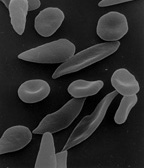
Response: Sickle cell disease is caused by a point mutation in the beta-globin gene of hemoglobin resulting in the production of abnormal hemoglobin which leads to formation of sickle-shaped RBC under conditions of low oxygen. Sickle cell disease affects about 100,000 patients in the US which are predominantly African American. The only curative approach is to perform an allogeneic bone marrow transplant which is however fraught with significant treatment-related risks if a matched sibling donor is not available.
The current study describes the successful application of a novel gene therapy to treat patients with sickle cell disease. The strategy is based on a gene-addition approach to introduce the genetic information for a Hemoglobin F-like molecule termed HgAT87Q into hematopoietic stem cells. The expression of this novel hemoglobin prevents polymerization of HgbS and has now been demonstrated to prevent the occurrence of vaso-occlusive pain crises in sickle cell disease patients.
Dr. Mapara[/caption]
Markus Y Mapara, MD
Professor of Medicine
Director of the Blood and Marrow Transplantation
Columbia University Medical Center
MedicalResearch.com: What is the background for this study? What are the main findings?
Response: Sickle cell disease is caused by a point mutation in the beta-globin gene of hemoglobin resulting in the production of abnormal hemoglobin which leads to formation of sickle-shaped RBC under conditions of low oxygen. Sickle cell disease affects about 100,000 patients in the US which are predominantly African American. The only curative approach is to perform an allogeneic bone marrow transplant which is however fraught with significant treatment-related risks if a matched sibling donor is not available.
The current study describes the successful application of a novel gene therapy to treat patients with sickle cell disease. The strategy is based on a gene-addition approach to introduce the genetic information for a Hemoglobin F-like molecule termed HgAT87Q into hematopoietic stem cells. The expression of this novel hemoglobin prevents polymerization of HgbS and has now been demonstrated to prevent the occurrence of vaso-occlusive pain crises in sickle cell disease patients.



 Dr. Thakrar[/caption]
Ashish Thakrar, MD
Internal Medicine & Addiction Medicine
National Clinician Scholars Program
University of Pennsylvania
MedicalResearch.com: What is the background for this study?
Response: About 1.8 million Americans are currently incarcerated, more than any other country in the world per capita. Of those 1.8 million, about 1 in 7 suffers from opioid addiction, putting them at high risk of overdose and death, particularly in the weeks following release.
Opioid use disorder is a treatable condition, particularly with the medications buprenorphine or methadone, but historically, prisons and jails have not offered treatment. Over the past five years, a few states and municipalities have enacted policies to provide access for OUD treatment. We examined whether these policies were actually improving access to treatment.
Dr. Thakrar[/caption]
Ashish Thakrar, MD
Internal Medicine & Addiction Medicine
National Clinician Scholars Program
University of Pennsylvania
MedicalResearch.com: What is the background for this study?
Response: About 1.8 million Americans are currently incarcerated, more than any other country in the world per capita. Of those 1.8 million, about 1 in 7 suffers from opioid addiction, putting them at high risk of overdose and death, particularly in the weeks following release.
Opioid use disorder is a treatable condition, particularly with the medications buprenorphine or methadone, but historically, prisons and jails have not offered treatment. Over the past five years, a few states and municipalities have enacted policies to provide access for OUD treatment. We examined whether these policies were actually improving access to treatment. 
 Dr. van Dalen[/caption]
Jan Willem van Dalen, PhD
Department of Neurology
Donders Institute for Brain, Behaviour and Cognition
Radboud University Medical Centre Nijmegen
Department of Neurology
The Netherlands3Department of Public and Occupational Health
Amsterdam UMC, University of Amsterdam, Amsterdam
MedicalResearch.com: What is the background for this study?
Response: Although high systolic blood pressure in midlife has consistently been reported as a condition that increases the risk of developing dementia in old age, reports regarding this relationship in older people have been inconsistent. One potential reason for this, is that the relationship between systolic blood pressure and dementia in later life may be U-shaped, meaning that both individuals with low and with high systolic blood pressure are at increased incident dementia risk.
This study combined data from several longitudinal cohort studies specifically designed to study incident dementia in older people, to investigate whether these U-shaped relationships exist, and in which age ranges they appear. We included more than 16,500 people aged 60 and older, with over 2,700 incident dementia cases.
Also, we aimed to investigate whether these observational associations might be caused by confounding, differences in mortality, or result from opposite relationships between certain subgroups of individuals.
Dr. van Dalen[/caption]
Jan Willem van Dalen, PhD
Department of Neurology
Donders Institute for Brain, Behaviour and Cognition
Radboud University Medical Centre Nijmegen
Department of Neurology
The Netherlands3Department of Public and Occupational Health
Amsterdam UMC, University of Amsterdam, Amsterdam
MedicalResearch.com: What is the background for this study?
Response: Although high systolic blood pressure in midlife has consistently been reported as a condition that increases the risk of developing dementia in old age, reports regarding this relationship in older people have been inconsistent. One potential reason for this, is that the relationship between systolic blood pressure and dementia in later life may be U-shaped, meaning that both individuals with low and with high systolic blood pressure are at increased incident dementia risk.
This study combined data from several longitudinal cohort studies specifically designed to study incident dementia in older people, to investigate whether these U-shaped relationships exist, and in which age ranges they appear. We included more than 16,500 people aged 60 and older, with over 2,700 incident dementia cases.
Also, we aimed to investigate whether these observational associations might be caused by confounding, differences in mortality, or result from opposite relationships between certain subgroups of individuals.




 Dr. Cabana[/caption]
Michael Cabana, M.D., M.A., M.P.H
Professor of Pediatrics
Albert Einstein College of Medicine.
Physician-in-chief , Children's Hospital at Montefiore
Chair of the Department of Pediatrics
Albert Einstein College of Medicine
Member, U.S. Preventive Services Task Force
MedicalResearch.com: What is the background for this study and recommendation statement?
Response: Dental caries, also known as cavities or tooth decay, is the most common chronic disease in children in the United States and can develop in any child whose teeth have come in. Many young children under five years old do not visit a dentist, so the Task Force reviewed the latest evidence on how primary care clinicians can help prevent tooth decay in young children.
The Task Force’s research led to two important findings: all young children whose teeth have come in should have fluoride varnish applied by their clinician, and all children six months and older whose water supply doesn’t contain enough fluoride should receive fluoride supplements. Both approaches can help prevent cavities in kids.
The Task Force also determined that there is not enough evidence to recommend for or against screening for tooth decay in the primary care setting for children under five. This is consistent with the Task Force’s 2014 recommendation on dental caries.
Dr. Cabana[/caption]
Michael Cabana, M.D., M.A., M.P.H
Professor of Pediatrics
Albert Einstein College of Medicine.
Physician-in-chief , Children's Hospital at Montefiore
Chair of the Department of Pediatrics
Albert Einstein College of Medicine
Member, U.S. Preventive Services Task Force
MedicalResearch.com: What is the background for this study and recommendation statement?
Response: Dental caries, also known as cavities or tooth decay, is the most common chronic disease in children in the United States and can develop in any child whose teeth have come in. Many young children under five years old do not visit a dentist, so the Task Force reviewed the latest evidence on how primary care clinicians can help prevent tooth decay in young children.
The Task Force’s research led to two important findings: all young children whose teeth have come in should have fluoride varnish applied by their clinician, and all children six months and older whose water supply doesn’t contain enough fluoride should receive fluoride supplements. Both approaches can help prevent cavities in kids.
The Task Force also determined that there is not enough evidence to recommend for or against screening for tooth decay in the primary care setting for children under five. This is consistent with the Task Force’s 2014 recommendation on dental caries.