Blog – Medical Research News and Interviews

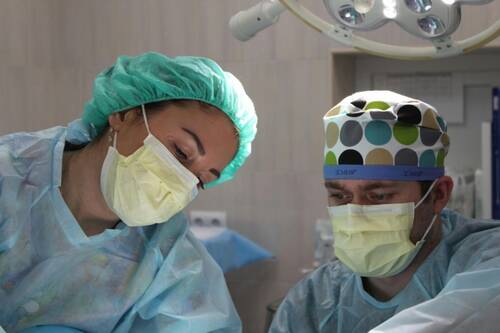
Considering Botox but unsure what to expect? Whether you're exploring it to smooth wrinkles or for medical reasons, understanding the process can make your journey easier and stress-free. This guide will walk you through the duration, expectations, and recovery process so you can feel confident and informed.   botox-journey.jpg

What Is Botox?

The Science Behind Botox
Botox is a purified protein derived from the bacterium Clostridium botulinum. When injected in small, controlled doses, it temporarily blocks nerve signals to targeted muscles, causing them to relax. This relaxation smooths wrinkles and fine lines, making Botox a popular anti-aging solution. Beyond aesthetics, it’s also used for medical conditions like migraines and excessive sweating.
Common Uses for Botox
Botox is widely known for its ability to reduce forehead lines, crow’s feet, and frown lines. However, it’s also effective for treating muscle spasms, overactive bladder, excessive sweating and even lazy eye. Its versatility makes it a go-to solution for a variety of issues. Always choose a reputable provider, such as Injection Gal.

Thyroid issues are among the most misunderstood health conditions today. Many people are unaware of how critical the thyroid gland is to overall health and often fall victim to myths and misinformation. This can lead to delayed diagnosis, improper treatment, and worsening symptoms. This article emphasize the importance of expert diagnosis, and explore effective treatments for thyroid disorders. thyroid-gland-exam.jpg

Understanding the Thyroid Gland

What Is the Thyroid Gland?

The thyroid gland is a butterfly-shaped organ located at the base of the neck. Small but mighty, it produces hormones that regulate metabolism, energy production, and numerous bodily functions. Despite its significance, this gland often goes unnoticed until problems arise.

Role of the Thyroid in Overall Health

The thyroid controls key processes, including heart rate, digestion, and temperature regulation. When it functions abnormally, it can throw the entire body out of balance. Disorders like hypothyroidism or hyperthyroidism can significantly affect physical and mental well-being, emphasizing the need for awareness.

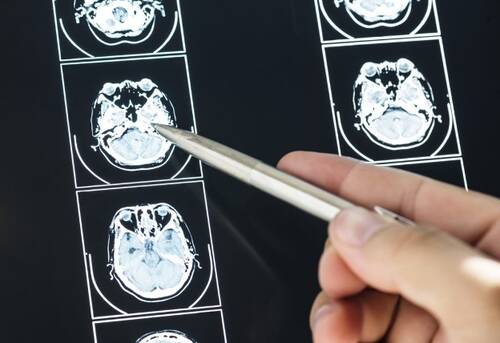
  [caption id="attachment_65980" align="aligncenter" width="500"]social-security-claim.jpg Photo by Accuray on Unsplash[/caption] Many people assume that they’ll automatically be approved for Social Security Disability benefits if their doctor says they can’t work. In reality, it’s not so straightforward. The Social Security Administration (SSA) requires a lot more objective medical evidence before deciding if you qualify. When it comes to proving a disability claim, certain medical tests carry much more weight than others. In this article, we’ll look at five categories of tests that could potentially make or break your case.

Why Medical Tests Matter for Social Security Disability

Social Security doesn’t just take your word (or even your doctor’s word) that you can’t work. They rely on hard medical evidence to back up your condition. While your medical records and treatment history are one piece of the puzzle, they’re not always enough to get a claim approved. That often comes down to specific diagnostic tests. A Social Security disability lawyer can make sure you’ve got the medical evidence you need before applying. This gives you the best chance of approval on your first application. Without it, you may be denied, even if you have a serious health condition.

Are you struggling with chronic pain? You're not alone. Approximately 21% of Americans have experienced chronic pain in the last year. Of those, 1 in 5 will be prescribed pain medications. For those seeking relief, exploring options like physical therapy near Troy can be a great alternative to medications. [caption id="attachment_65971" align="aligncenter" width="500"]physical-therapy-pain-management Photo Credit: Freepik [/caption] Commonly prescribed Pain medications include NSAIDS, Opioids, Anticonvulsants, and corticosteroids. Most of these drugs have side effects that can range from stomach aches to addiction and death. On top of this, most drugs only treat the symptoms without addressing the root cause of the problem. This means many patients do not recover completely.

MedicalResearch.com Interview with: Prof Alfonso Savastano Ospedale Generale Regionale “F. Miulli” - Acquaviva delle Fonti (BA) and Libera Università Mediterranea Degennaro (L.U.M.)- Casamassima (BA)  MedicalResearch.com: What is the background for this study? Response: The SING IMT® (Smaller-Incision New-Generation Implantable Miniature Telescope) is a novel, intraocular device for people blinded in the central vision by late-stage, age-related macular degeneration (AMD), the leading cause of unpreventable blindness. It is approved for use in CE referenced countries and under investigation in the United States. [caption id="attachment_65965" align="aligncenter" width="500"]Ocular Telescope for Blindness from Ocular Degeneration SING IMT for Late-Stage, Age-Related Macular Degeneration from Samsara Vision[/caption] Our study evaluated the intermediate-term visual and safety outcomes of the SING IMT in patients (n=35) 55 years and older at 6 months post-surgery and found that SING IMT implantation improved distance and near vision, with an expected impact on the corneal endothelium cell density and manageable safety outcomes. Key findings include:
  • At six months post-surgery, at least 1-, 2-, and 3-line gains in best-corrected distance (BCDVA) were achieved in 97.1 percent, 68.6 percent and 51.4 percent of operated eyes, respectively
  • The percentage of patients able to read at near distance increased from 28.6 percent at baseline to 97.1 percent at six months.
  • The study also found that corrected near visual acuity was also significantly improved by ⁓3 lines at 6 months post-surgery.
  • The mean (SD) change from baseline in corneal endothelial cell density (ECD) at six months in operated eyes was -280.7 (315.9) cells/mm2 (-11.4 %). This is a result similar to that seen with standard cataract surgery.
  • The most frequent adverse event was corneal edema, and all cases were resolved with topical medications.

MedicalResearch.com Interview with: [caption id="attachment_65957" align="alignleft" width="160"]Xinyang Yu Xinyang Yu[/caption] Xinyang Yu, PhD Candidate Institute of Psychiatry Psychology & Neuroscience King’s College London MedicalResearch.com: What is the background for this study? Response: This study explores how genetics, brain development, and mental health work together to influence eating behaviours in young people. By analysing data from nearly 1,000 adolescents, we investigated the relationships between eating behaviours, genetic predispositions for high BMI, and changes in brain structure and mental health from ages 14 to 23. The aim was to understand why disordered eating behaviours, such as restrictive dieting or emotional overeating, often emerge alongside mental health issues during adolescence—a time when eating disorders are increasingly common.

Let’s be real—running a private practice has changed. The days of doing things “the way they’ve always been done” are long gone. Patients expect more. Providers are juggling tighter margins, growing admin work, and tech that’s supposed to help—but often just clogs up the flow. You’re working harder to deliver quality care, but what about the business side? If your practice is still operating like it’s 2019, you’re leaving opportunities—and possibly revenue—on the table. [caption id="attachment_65949" align="aligncenter" width="500"]medical-office Photo by Pavel Danilyuk[/caption] Rethink Your Digital Front Door If you’re thinking, “We have a website; we’re good,” you’re already behind. Patients aren’t just stumbling onto your practice anymore—they’re shopping for care like they shop for shoes: scrolling through reviews, comparing options, and judging whether you’re worth their time (and money) before they even pick up the phone. Your digital presence is your front door, and it’s not just about looking professional—it’s about feeling approachable. Think user-friendly scheduling where no one has to dig through four menus just to find an open slot. Think virtual check-in that cuts out that awkward clipboard shuffle in the waiting room. Think SEO that makes your practice pop up when someone searches for “best pediatrician near me” at 2 a.m. Every friction point—every glitchy “Contact Us” form or slow-to-load page—is sending patients straight to the next provider in their search results. Digital-first convenience isn’t a luxury anymore. It’s a dealbreaker.

MedicalResearch.com Interview with: Vishal A Shetty, MS, PhD Candidate
Center for Pharmacy and Innovation Outcomes, Geisinger
University of Massachusetts AmherstVishal A ShettyMS, PhD Candidate Center for Pharmacy and Innovation Outcomes, Geisinger University of Massachusetts Amherst MedicalResearch.com: What is the background for this study? Response: With more U.S. states moving toward the legalization of medical and recreational cannabis, recent studies have explored electronic health record (EHR) documentation to understand the nature of cannabis use among patient populations. However, these efforts have not been extended to patient portal messaging, which allows patients to describe health-related behaviors in ways that may not be sufficiently captured in standard EHR documentation. The primary objective of this study was to identify patient and provider secure messages that discussed cannabis and contextualize these discussions over periods prior to and after its legalization for medical purposes in Pennsylvania.

nursing-career-path.jpg   Career planning refers to creating a ‘roadmap’ for your professional life, with personal and work-related goals and steps for achieving them. The goal is to map out your professional journey so you can navigate its stages and challenges and achieve long-term success and satisfaction. This article will explain how to help chart a career plan as a nurse and highlight some of the main benefits of career planning for nurses. 

What is a career plan?

A career plan is a structured and strategic roadmap that focuses on our professional goals, the steps we need to take to attain them, and the approximate timeframes within which we must achieve certain milestones. Creating plans of this kind can help ambitious nursing professionals map out their career trajectories, goals, and aspirations, and also supports and assists them in understanding exactly what they’ll need to do to succeed in their profession. Career plans can also provide nurses with structure and meaning in the daily pursuit of their professional goals, as well as ensuring they don’t lose sight of their end objectives.  Admittedly, it can be easy to lose momentum and motivation when we are constantly working towards and seemingly endlessly chasing long-term goals — especially if we are not seeing results or rewards for our hard work and efforts right away. But ultimately, career plans help keep us on our paths toward success, keeping us on track even when certain elements of our plan go awry. 

Pets and Mental Health   Since the day that early dogs first worked out that they might be able to snag a bone or two and maybe even a spot by the fire if they hung around early man’s caves, warding off predators and scavengers (although this is hard to believe, when you look at some of the handbag dogs of today - chihuahuas), we as humans have had a special relationship with the domesticable animal. These days the title of “man’s best friend” is contested firmly between increasingly diverse strands of nature’s great tapestry - although according to the American Veterinary Medical Association, dogs remain the most commonplace pet in American households - the role that pets in general can play as a bulwark for your mental health is becoming increasingly clear, as this study by the American Psychiatric Association (APA) suggests.

“Overwhelming Positive Mental Health Impact”

As anyone with a psychiatry or mental health counseling masters online degree knows, mental health can be affected by many different factors, and the ways we look after our mental health can differ greatly from person to person. In a recent survey by the APA entitled the “Healthy Minds Monthly Poll,” psychiatrists found that the vast majority of pet owners considered their four-legged (or otherwise) friends a massive boon to their well-being; among cat and dog owners, for example, the proportion of those polled who agreed with this sentiment was 86-87%. 

According to Florida law, you can only use cannabis for medical purposes, such as pain relief or anxiety. If you have a medical diagnosis, obtaining a permit is fairly simple. You need to see a certified doctor and pay a fee. However, it is important to be aware of this...

Diabetes is one of the most prevalent chronic conditions globally, affecting millions of people. Whether it's Type 1 or Type 2 diabetes, managing blood sugar levels effectively is crucial to preventing complications and maintaining a high quality of life. With advancements in medical science, the landscape of diabetes management has evolved significantly, offering patients more options than ever before.  [caption id="attachment_65918" align="aligncenter" width="333"]diabetes-medications-types.jpg Photo by Nataliya Vaitkevich[/caption]

Understanding Type 1 and Type 2 Diabetes

Before diving into modern medications, it's essential to understand the fundamental differences between Type 1 and Type 2 diabetes, as these differences often dictate the type of treatment required.

Type 1 Diabetes

Type 1 diabetes is an autoimmune condition where the body mistakenly attacks and destroys the insulin-producing beta cells in the pancreas. This results in little or no insulin production, making individuals with Type 1 diabetes reliant on insulin therapy to regulate their blood glucose levels. It usually manifests early in life, although it can develop at any age. Managing Type 1 diabetes requires careful monitoring and adjusting of insulin doses, often with the help of advanced tools like insulin pumps and continuous glucose monitors (CGMs). For those using tubeless insulin pump systems, staying stocked with supplies is essential, and some individuals choose to sell Omnipod pods they no longer need to help others access affordable diabetes management resources.

Type 2 Diabetes

Type 2 diabetes, on the other hand, is primarily characterized by insulin resistance, where the body does not respond to insulin as effectively as it should. Over time, the pancreas may struggle to produce enough insulin to overcome this resistance, leading to elevated blood glucose levels. Type 2 diabetes is more common in adults, though increasing rates are now being observed in younger populations due to lifestyle factors like poor diet and lack of exercise. In addition to lifestyle changes, medications are often required to help manage the condition. Understanding these distinctions is crucial because it helps in determining the most appropriate medications and treatment plans for each type of diabetes.

MedicalResearch.com Interview with: [caption id="attachment_65913" align="alignleft" width="150"]Professor Ooi Eng EongEmerging Infectious Diseases Programme Duke-NUS Medical School and Shirin Kalimuddin Assistant Professor  and Senior Consultant Department of Infectious Diseases Singapore General Hospital and a faculty member of the Emerging Infectious Diseases Programme at Duke-NUS Medical School Prof. Ooi Eng Eong[/caption] Professor Ooi Eng Eong Emerging Infectious Diseases Programme Duke-NUS Medical School and Shirin Kalimuddin Assistant Professor  and Senior Consultant Department of Infectious Diseases Singapore General Hospital and a faculty member of the Emerging Infectious Diseases Programme at Duke-NUS Medical School   MedicalResearch.com: What is the background for this study? Response: The recent pandemic taught us the importance of T cells to protect against COVID-19, especially severe disease. Indeed, where SARS-CoV-2 antibody titres have been too low to neutralise new variants of concern, there is now sizeable evidence that T cells can serve as the correlate of protection against symptomatic infection. However, most working on developing or applying vaccines to prevent diseases such as dengue, continue to focus on measuring antibodies. The goal of this study was thus to determine the extent to which T cells, in the absence of neutralising antibodies, can control infection and hence disease. We thus took advantage of two other viruses that are genetically related to dengue virus, with licensed vaccines that allow us to probe the effectiveness of T cells in controlling infection. The two vaccines are the live attenuated yellow fever vaccine and the Japanese encephalitis/yellow fever chimeric vaccine. The latter vaccine was constructed using the yellow fever vaccine as the genetic backbone but bearing the genes that encode the Japanese encephalitis viral membrane and envelope proteins. As neutralising antibodies target the envelope protein, vaccination with one vaccine would produce antibodies that would not neutralise the second vaccine. However, the T cell response, which mostly target the other proteins that remain common in both vaccine strains, would be identical. 

MedicalResearch.com Interview with: [caption id="attachment_65905" align="alignleft" width="200"]Brian C. Callaghan, MD, Ph.D, FAAN,Chair of the American Academy of Neurology’s Health Services Research Subcommittee University of Michigan Health in Ann Arbor, Michigan Dr. Callaghan[/caption] Brian C. Callaghan, MD, Ph.D, FAAN, Chair of the American Academy of Neurology’s Health Services Research Subcommittee University of Michigan Health in Ann Arbor, Michigan MedicalResearch.com: What is the background for this study? Response: Access to neurologists can be a challenge, but few studies have attempted to quantify wait times to see neurologists and the factors that affect how long a patient must wait. MedicalResearch.com: What are the main findings? Response:  Patients on Medicare wait an average of 34 days to see a neurologist after being referred by another physician with almost one in five waiting more than 90 days.

routine-foot-care.jpg   Foot pain or dry, cracked heels often disrupt comfort and daily routines. Neglecting foot health can lead to discomfort, infections, and long-term issues. These challenges affect mobility and reduce overall well-being, especially without consistent care. Common foot problems often go unnoticed, worsening over time.   Routine foot care by a foot specialist plays a critical role in improving foot health and preventing serious issues. Regular preventive maintenance helps avoid infections, reduces discomfort, and promotes better mobility. It contributes significantly to overall health and ensures long-lasting comfort in daily activities.   This article offers practical insights into routine foot care for maintaining healthy feet. Simple, consistent care practices can prevent common problems and enhance foot health for all individuals.

biomimetric dentristy
X ray of teeth Biomimetic dentistry, a progressive approach to oral care, is gaining traction in locales such as Newport Beach, California. This method, which emphasizes the replication of natural tooth structure and function, has proven advantageous regarding durability and patient satisfaction. With the application of advanced materials like composite resins and ceramics, the approach minimizes invasiveness and prioritizes the preservation of natural teeth. A closer inspection of the practices in Newport Beach reveals a compelling story of innovation and success in dental healthcare. The question arises: How exactly does this trend contribute to the enhancement of oral health and patient experience?

Understanding Biomimetic Dentistry

Biomimetic Dentistry, a term derived from the sciences of biology and mimicry, is gaining considerable recognition within the dental profession. This innovative approach is centered on the usage of biomimetic materials to create dental solutions that mimic the natural structure and function of teeth, promoting dental aesthetics and overall oral health. Biomimetic Dentistry represents a paradigm shift from the traditional restorative dentistry. It capitalizes on the advanced biomimetic materials, including ceramics and composite resin, which are akin to the natural dental tissues regarding their mechanical properties and appearance. These materials are used to restore the damaged or decayed teeth, emulating their original structure and function, thereby enhancing dental aesthetics. This methodology is more than just a cosmetic solution; it aims to replicate the natural biologic processes and biomechanics of the oral cavity. It accommodates the dynamic nature of the oral environment, focusing on preserving the tooth structure, preventing tooth decay, and reducing the need for root canals and crowns. The goal is to create restorations that work harmoniously with the existing dental structure, ensuring long-term oral health and aesthetic satisfaction.

[caption id="attachment_65880" align="aligncenter" width="500"]online-medical-education Photo by Christina Morillo:[/caption]

Key Takeaways

  • Online healthcare education offers flexibility for students to balance work and studies.
  • Technological advancements are enhancing virtual learning experiences.
  • Accreditation is crucial in choosing a reputable online program.
  • Affordability and financial aid can significantly impact student decisions.
  • There are challenges in maintaining practical hands-on training in virtual scenarios.

The Rise of Online Healthcare Education

The landscape of education has radically transformed with the advent of online learning platforms. In many fields, particularly healthcare, the demand for qualified professionals continues to grow, prompting numerous educational institutions to offer online nursing programs. These programs are meticulously designed to offer the same quality and depth of education as their traditional counterparts while providing students with the flexibility to learn at their convenience. Geographic barriers are dissolving as students can now attend lectures from the other side of the world, fostering a global educational community. This democratization of education ensures that learners from diverse backgrounds can access top-quality instruction, irrespective of their location. With the pandemic further accelerating the adoption of online education, it is clear that this modality is not just a temporary trend but a permanent shift in the educational paradigm.

Behavior technicians, often referred to as behavior techs, play a pivotal role in the field of behavioral health. These professionals work closely with individuals who have various behavioral challenges, particularly those diagnosed with Autism Spectrum Disorder (ASD). They are the front-line workers who implement behavioral interventions designed to improve the quality of life for their clients. If you're interested in pursuing a career that makes a meaningful difference, consider enrolling in a behavior tech course to get started. behavior-techician

What Does a Behavior Technician Do?

Behavior technicians are responsible for carrying out behavior intervention plans (BIPs) under the supervision of a Board Certified Behavior Analyst (BCBA). Their duties include observing and recording client behavior, implementing interventions, and providing feedback to supervisors. The primary goal of a behavior technician is to help clients develop skills and behaviors that enable them to function more effectively in their daily lives.

Planning for retirement is a multifaceted process, but it becomes even more complex when living with a disability. The intersection of health and financial planning is crucial for ensuring stability, independence, and a fulfilling retirement. By addressing unique challenges and leveraging available resources, individuals with disabilities can develop a comprehensive strategy that meets their long-term needs. [caption id="attachment_65859" align="aligncenter" width="500"]disability-retirement Photo by Malcolm Hill[/caption]

Understanding the Unique Challenges

Retiring with a disability introduces distinct considerations that differ from traditional retirement planning. Some of the key challenges include:
  • Increased Healthcare Costs: Chronic conditions or disabilities often require ongoing medical care, adaptive equipment, and specialized services, which can lead to higher out-of-pocket expenses.
  • Limited Work History or Income: Disabilities may reduce the ability to work consistently, potentially impacting Social Security benefits or retirement savings.
  • Access to Benefits: Navigating disability-related benefits, such as Social Security Disability Insurance (SSDI) or Supplemental Security Income (SSI), requires careful planning to avoid potential reductions when transitioning to retirement benefits.
  • Housing and Accessibility Needs: Creating a living environment that accommodates a disability often involves modifications or choosing specialized housing options, which can be costly.
Understanding these challenges helps in creating a retirement plan that accounts for both immediate and long-term needs.

MedicalResearch.com Interview with: [caption id="attachment_65850" align="alignleft" width="150"]Dr. Or Shemesh PhDThe Harvey M. Krueger Family Center for
Center for Nanoscience and Nanotechnology
School of Pharmacy - Institute for Drug Research
The Hebrew University of Jerusalem Dr. Or Shemesh[/caption] Dr. Or Shemesh PhD The Harvey M. Krueger Family Center for Center for Nanoscience and Nanotechnology School of Pharmacy - Institute for Drug Research The Hebrew University of Jerusalem MedicalResearch.com: What is the background for this study? Response: Our study investigated the connection between herpes simplex virus 1 (HSV-1) and Alzheimer's disease (AD) pathologies. We explored how HSV-1 proteins are present in the brains of individuals with AD and examined their interactions with tau, a key protein in AD pathology. MedicalResearch.com: What are the main findings? Response:  The main finding is that tau, traditionally seen as detrimental, might initially act as a protective response to HSV-1 by reducing neuronal death through an antiviral innate immunity pathway called cGAS-STING . Over time, this (initially beneficial) antiviral response of tau can manifest as the well established tau toxicity in Alzheimer's disease.

Author Bio: Lorraine Culpo is a dedicated writer with a focus on healthcare, disability advocacy, and family well-being. With a passion for shedding light on the importance of early pediatric support, she aims to empower readers with insights into how comprehensive care can shape brighter futures for children with disabilities. pediatric-care-academic-support.jpg Pediatric care plays an essential role in helping children grow and develop, especially those living with disabilities. Through early support, medical care, and learning resources, pediatric care improves children’s outcomes and builds a foundation for a more inclusive society. Understanding how pediatric care shapes disability support can help families, educators, and healthcare providers create an environment where every child can thrive.

Early Support Changes Lives

Early support services can make a big difference for children with disabilities. When doctors and specialists spot developmental challenges early, children can get help sooner. This early start allows them to build important skills at key stages of growth. For example, speech therapy can help a child with delayed language skills improve their ability to communicate. Physical therapy can help children with motor challenges gain strength and coordination, while occupational therapy services support the development of everyday functional skills. These interventions work best when they begin as early as possible, which increases the chances that children will meet milestones that lead to more independence. In many cases, NDIS treatment plans for children ensure that the support they receive is tailored to their specific developmental and medical requirements. It provides a structured approach that aligns with their long-term goals.