MedicalResearch.com Interview with:
[caption id="attachment_60529" align="alignleft" width="200"]
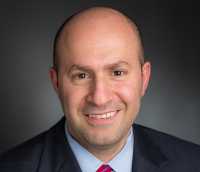
Dr. Hafezi-Moghadam[/caption]
Ali Hafezi-Moghadam, Ph.D., M.D
Director, Molecular Biomarkers Nano-Imaging Laboratory (MBNI)
Associate Professor of Radiology, Harvard Medical School
Brigham and Women’s Hospital
MedicalResearch.com: What is the background for this study?
Response: “It is very easy to answer many fundamental biological questions” said Richard Feynman in his 1959 address, where he also offered his simple and ingenious solution: “you just look at the thing!”
[1].
As a biologist, I am familiar with the challenges surrounding looking at things in the context of life. There is no single device or technology that lets me simply see the answers to my questions. How does diabetes harm the tissues in the body? When exactly does the pathology start and which molecules and cells are involved? Trying to answer these questions, I have spent the past two decades innovating new ways of quantifying expression of molecules in the living organism
[2].
At the same time to study diabetes, we needed a realistic rodent model that mirrors the human disease. In collaboration with KC Hayes
[3], we first introduced the Nile grass rat (NGR, Arvicanthis niloticus), a gerbil that recapitulates the main features of the human type 2 diabetes
[4]. For visualization of early changes, the eye offers a unique site. Much of my lab’s work focused on the first effects of diabetes in the retina, the site of the neurons that perceive light in the back of the eye
[5], [6], [7]. In recent studies, we focused on how diabetes affects the lens in the eye of our animals
[8], [9].
Diabetes is a major risk factor for cataract formation, a condition during which the lens loses its original transparency to visible light. How diabetic cataracts are formed is not well understood. A popular and prevailing theory, termed “sugar cataracts”, has been around for over half a century. According to the sugar hypothesis of cataracts, the excess levels of the sugar molecule, glucose, in the lens are transformed through the polyol pathway into the sugar-alcohol sorbitol. The resulting osmotic dysbalance leads to swelling of the fiber cells and opacity of the lens. Even though the sugar hypothesis has never been proven, it was generally accepted and remained unchallenged for a very long time. That is where our latest experimental results became relevant.

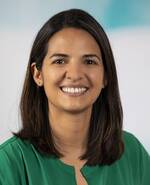
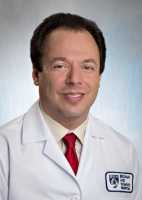
 Dr. Walsh[/caption]
Christopher Walsh, M.D., Ph.D.
Chief, Division of Genetics and Genomics
Bullard Professor of Pediatrics and Neurology at Harvard Medical School
and researcher who has used material donated to the brain bank
MedicalResearch.com: What is the background for this study?
Response: Many different types of genetic variants contribute to neurodevelopmental disorders such as autism. Copy number variants are large pieces of genetic material that are duplicated or deleted. We have known for many years that many copy number variants at certain genetic locations are linked to autism. Because these copy number variants may include lots of different genes, it has been difficult to understand how these copy number variants alter human brain function. Furthermore, although animal models are important, autism is in many ways defined by differences in uniquely human cognitive and social functioning. Better understanding of how these copy number variants change human brain function will shed light on universal mechanisms that regulate neurodevelopment. We studied a copy number variant called dup15q, that is associated with almost 40-fold higher rates of autism vs. the general population. We studied post-mortem human brain tissue from individuals with dup15q, individuals with autism not related to dup15q, and neurotypical controls, to better understand how the human brain is impacted by dup15q. We focused on frontal cortex, an important brain region in executive function and social perspective taking. We applied cutting edge techniques that allow us to assess individual cells in the brain.
Dr. Walsh[/caption]
Christopher Walsh, M.D., Ph.D.
Chief, Division of Genetics and Genomics
Bullard Professor of Pediatrics and Neurology at Harvard Medical School
and researcher who has used material donated to the brain bank
MedicalResearch.com: What is the background for this study?
Response: Many different types of genetic variants contribute to neurodevelopmental disorders such as autism. Copy number variants are large pieces of genetic material that are duplicated or deleted. We have known for many years that many copy number variants at certain genetic locations are linked to autism. Because these copy number variants may include lots of different genes, it has been difficult to understand how these copy number variants alter human brain function. Furthermore, although animal models are important, autism is in many ways defined by differences in uniquely human cognitive and social functioning. Better understanding of how these copy number variants change human brain function will shed light on universal mechanisms that regulate neurodevelopment. We studied a copy number variant called dup15q, that is associated with almost 40-fold higher rates of autism vs. the general population. We studied post-mortem human brain tissue from individuals with dup15q, individuals with autism not related to dup15q, and neurotypical controls, to better understand how the human brain is impacted by dup15q. We focused on frontal cortex, an important brain region in executive function and social perspective taking. We applied cutting edge techniques that allow us to assess individual cells in the brain.
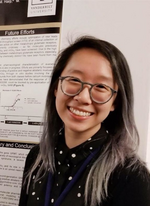



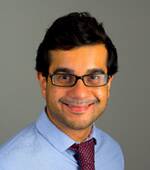

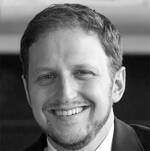

 Dr. Orkaby[/caption]
Ariela Orkaby, MD, MPH
Geriatrics & Preventive Cardiology
Associate Epidemiologist
Division of Aging, Brigham and Women's Hospital
Assistant Professor of Medicine, Harvard Medical School
MedicalResearch.com: What is the background for this study?
Response: As the population is living longer, there is increased risk of frailty and vulnerability. Frailty is defined as reduced physiological reserve and decreased ability to cope with even an acute stress. Up to half of adults over the age of 85 are living with frailty and preventative measures are greatly needed. We tested the effect of vitamin D and marine omega-3 fatty acid supplementation on the risk of developing frailty in healthy older adults in the US enrolled in the VITamin D and OmegA-3 TriaL (VITAL) trial.
Dr. Orkaby[/caption]
Ariela Orkaby, MD, MPH
Geriatrics & Preventive Cardiology
Associate Epidemiologist
Division of Aging, Brigham and Women's Hospital
Assistant Professor of Medicine, Harvard Medical School
MedicalResearch.com: What is the background for this study?
Response: As the population is living longer, there is increased risk of frailty and vulnerability. Frailty is defined as reduced physiological reserve and decreased ability to cope with even an acute stress. Up to half of adults over the age of 85 are living with frailty and preventative measures are greatly needed. We tested the effect of vitamin D and marine omega-3 fatty acid supplementation on the risk of developing frailty in healthy older adults in the US enrolled in the VITamin D and OmegA-3 TriaL (VITAL) trial.
 Dr. Orkaby[/caption]
Ariela Orkaby, MD, MPH
Geriatrics & Preventive Cardiology
Associate Epidemiologist
Division of Aging, Brigham and Women's Hospital
Assistant Professor of Medicine, Harvard Medical School
MedicalResearch.com: What is the background for this study?
Response: As the population is living longer, there is increased risk of frailty and vulnerability. Frailty is defined as reduced physiological reserve and decreased ability to cope with even an acute stress. Up to half of adults over the age of 85 are living with frailty and preventative measures are greatly needed. We tested the effect of vitamin D and marine omega-3 fatty acid supplementation on the risk of developing frailty in healthy older adults in the US enrolled in the VITamin D and OmegA-3 TriaL (VITAL) trial.
Dr. Orkaby[/caption]
Ariela Orkaby, MD, MPH
Geriatrics & Preventive Cardiology
Associate Epidemiologist
Division of Aging, Brigham and Women's Hospital
Assistant Professor of Medicine, Harvard Medical School
MedicalResearch.com: What is the background for this study?
Response: As the population is living longer, there is increased risk of frailty and vulnerability. Frailty is defined as reduced physiological reserve and decreased ability to cope with even an acute stress. Up to half of adults over the age of 85 are living with frailty and preventative measures are greatly needed. We tested the effect of vitamin D and marine omega-3 fatty acid supplementation on the risk of developing frailty in healthy older adults in the US enrolled in the VITamin D and OmegA-3 TriaL (VITAL) trial.

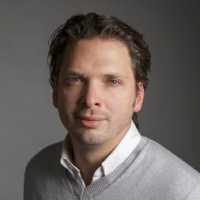
 Dr. Dryden-Peterson[/caption]
SCOTT DRYDEN-PETERSON, MD
Assistant Professor, Medicine, Harvard Medical School
Research Affiliate, Immunology and Infectious Diseases
Harvard T.H. Chan School Of Public Health
Associate Physician, Medicine, Infectious Diseases
Brigham And Women's Hospital
Research Associate, Botswana Harvard AIDS Institute
MedicalResearch.com: What is the background for this study?
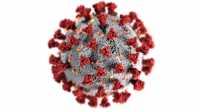
Response: The combination of the antiviral medicine nirmatrelvir and ritonavir (Paxlovid) which boosts antiviral levels was found to reduce the need for hospitalization by nearly 90% among unvaccinated people. Whether nirmatrelvir plus ritonavir can also help vaccinated people was uncertain.
Dr. Dryden-Peterson[/caption]
SCOTT DRYDEN-PETERSON, MD
Assistant Professor, Medicine, Harvard Medical School
Research Affiliate, Immunology and Infectious Diseases
Harvard T.H. Chan School Of Public Health
Associate Physician, Medicine, Infectious Diseases
Brigham And Women's Hospital
Research Associate, Botswana Harvard AIDS Institute
MedicalResearch.com: What is the background for this study?
Response: The combination of the antiviral medicine nirmatrelvir and ritonavir (Paxlovid) which boosts antiviral levels was found to reduce the need for hospitalization by nearly 90% among unvaccinated people. Whether nirmatrelvir plus ritonavir can also help vaccinated people was uncertain.


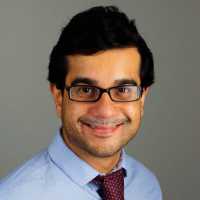
 Dr. Aris[/caption]
Izzuddin M Aris, PhD
Assistant Professor
Department of Population Medicine, Harvard Medical School
Division of Chronic Disease Research Across the Lifecourse
Harvard Pilgrim Health Care Institute
Boston, MA
MedicalResearch.com: What is the background for this study?
Response: Puberty is a key stage during child development. Previous research indicates that children in the United States are entering puberty at younger ages. These children may be in danger of developing certain diseases, such as type 2 diabetes, later in life. A better understanding of how early life factors affect puberty development is important for combating earlier puberty onset. .
Dr. Aris[/caption]
Izzuddin M Aris, PhD
Assistant Professor
Department of Population Medicine, Harvard Medical School
Division of Chronic Disease Research Across the Lifecourse
Harvard Pilgrim Health Care Institute
Boston, MA
MedicalResearch.com: What is the background for this study?
Response: Puberty is a key stage during child development. Previous research indicates that children in the United States are entering puberty at younger ages. These children may be in danger of developing certain diseases, such as type 2 diabetes, later in life. A better understanding of how early life factors affect puberty development is important for combating earlier puberty onset. .

 Dr. Singer[/caption]
Daniel E. Singer, MD
Professor of Medicine, Harvard Medical School
Professor in the Department of Epidemiology
Harvard T.H. Chan School of Public Health
Division of General Internal Medicine
Massachusetts General Hospital
Boston, MA, 02114
MedicalResearch.com: What is the background for this study?
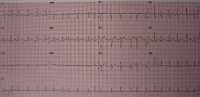
Response: Atrial fibrillation (AF) raises the risk of ischemic stroke 4-5-fold and this risk is largely reversible by oral anticoagulants (OAC). These facts are part of the core knowledge of internal medicine and the basis of multiple guidelines. They are based on studies of patients with persistent or predominantly “heavy burden” paroxysmal AF completed in the 1990s.
More recent studies using cardiac implantable devices (CIEDs: implantable defibrillators, pacemakers, etc) which have the capacity to monitor heart rhythm continuously have found that many older patients have brief, often undiagnosed, episodes of AF. Several of these studies have found that strokes occur during periods of sinus rhythm temporally distant from a preceding episode of AF. This has led to a widespread suspicion that AF is not a direct causal risk factor but a risk “marker” indicating the presence of other truly causal features like a diseased left atrium (atrial myopathy). If the risk marker hypothesis is correct, then long-term anticoagulation is needed even for brief and rare episodes of AF (assuming the patient’ s CHA2DS2-VASc score is high enough). The key problem with prior prospective studies using CIEDs was that only a small number of strokes were observed leading to inadequate statistical power.
Our study addressed this power problem by linking the very large Optum electronic health record database which could identify ischemic strokes with the Medtronic CareLink database of long-term, continuous heart rhythm records of patients with CIEDs. We ended up studying 891 individuals who had an ischemic stroke and had 120 days of continuous heart monitoring prior to the stroke.
Dr. Singer[/caption]
Daniel E. Singer, MD
Professor of Medicine, Harvard Medical School
Professor in the Department of Epidemiology
Harvard T.H. Chan School of Public Health
Division of General Internal Medicine
Massachusetts General Hospital
Boston, MA, 02114
MedicalResearch.com: What is the background for this study?
Response: Atrial fibrillation (AF) raises the risk of ischemic stroke 4-5-fold and this risk is largely reversible by oral anticoagulants (OAC). These facts are part of the core knowledge of internal medicine and the basis of multiple guidelines. They are based on studies of patients with persistent or predominantly “heavy burden” paroxysmal AF completed in the 1990s.
More recent studies using cardiac implantable devices (CIEDs: implantable defibrillators, pacemakers, etc) which have the capacity to monitor heart rhythm continuously have found that many older patients have brief, often undiagnosed, episodes of AF. Several of these studies have found that strokes occur during periods of sinus rhythm temporally distant from a preceding episode of AF. This has led to a widespread suspicion that AF is not a direct causal risk factor but a risk “marker” indicating the presence of other truly causal features like a diseased left atrium (atrial myopathy). If the risk marker hypothesis is correct, then long-term anticoagulation is needed even for brief and rare episodes of AF (assuming the patient’ s CHA2DS2-VASc score is high enough). The key problem with prior prospective studies using CIEDs was that only a small number of strokes were observed leading to inadequate statistical power.
Our study addressed this power problem by linking the very large Optum electronic health record database which could identify ischemic strokes with the Medtronic CareLink database of long-term, continuous heart rhythm records of patients with CIEDs. We ended up studying 891 individuals who had an ischemic stroke and had 120 days of continuous heart monitoring prior to the stroke.