

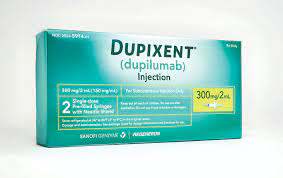
 Response: Asthma is a chronic, progressive disease driven in part by underlying inflammation and requires long-term control of symptoms. Over time, this chronic inflammation can lead to a decline in lung function.
The Phase 3 open-label extension trial evaluated long-term safety and efficacy of Dupixent treatment in adults and adolescents with moderate-to-severe asthma who had previously participated in a controlled Dupixent clinical trial, including three pivotal trials that lasted between 24 and 52 weeks. With more than 2,200 patients enrolled, the Phase 3 LIBERTY ASTHMA TRAVERSE open-label extension trial is the largest of a biologic medicine ever conducted in asthma.
Dupixent is a biologic therapy that works differently from existing therapies that treat asthma. Dupixent is a fully-human monoclonal antibody that inhibits the signaling of the interleukin-4 (IL-4) and interleukin-13 (IL-13) proteins. Data from Dupixent clinical trials have shown that interleukin-4 (IL-4) and interleukin-13 (IL-13) are key drivers of the type 2 inflammation that plays a major role in asthma. It is the only biologic to demonstrate sustained improvements in lung function and asthma exacerbations across a broad patient population with type 2 inflammation. Dupixent is not an immunosuppressant.
Response: Asthma is a chronic, progressive disease driven in part by underlying inflammation and requires long-term control of symptoms. Over time, this chronic inflammation can lead to a decline in lung function.
The Phase 3 open-label extension trial evaluated long-term safety and efficacy of Dupixent treatment in adults and adolescents with moderate-to-severe asthma who had previously participated in a controlled Dupixent clinical trial, including three pivotal trials that lasted between 24 and 52 weeks. With more than 2,200 patients enrolled, the Phase 3 LIBERTY ASTHMA TRAVERSE open-label extension trial is the largest of a biologic medicine ever conducted in asthma.
Dupixent is a biologic therapy that works differently from existing therapies that treat asthma. Dupixent is a fully-human monoclonal antibody that inhibits the signaling of the interleukin-4 (IL-4) and interleukin-13 (IL-13) proteins. Data from Dupixent clinical trials have shown that interleukin-4 (IL-4) and interleukin-13 (IL-13) are key drivers of the type 2 inflammation that plays a major role in asthma. It is the only biologic to demonstrate sustained improvements in lung function and asthma exacerbations across a broad patient population with type 2 inflammation. Dupixent is not an immunosuppressant.
 Prof. Mebazaa[/caption]
Prof. Alexandre Mebazaa
Head of the Department of Anesthesia and Critical Care
Hôpital Lariboisiere and of the Research group MASCOT supported by Inserm and the Université de Paris (Paris, France).
Prof. Mebazaa is the principle investigator of the recently published preclinical experiments on Procizumab, a potent, pre-clinical drug candidate targeting DPP3 in patients with acute mycardial depression.
MedicalResearch.com: What is the background for this study? What is the significance of DPP3?
Response: The global burden of sepsis counts for one in three deaths world-wide. Recent findings have shown that circulating Dipeptidyl Pepidase 3 (cDPP3) is elevated in critical patients, including cardiogenic shock and septic patients, with the highest DPP3 blood levels found in non-survivors.
Dipeptidyl Peptidase 3 (DPP3) is an intracellular peptidase that is released into the bloodstream upon cell injury and death, where it inactivates many circulating peptides including angiotensin II. This process likely leads to cardiac depression. Procizumab is a humanized monoclonal antibody in preclinical development that targets and modulates DPP3. The aim of the current study was to evaluate the benefits of inhibiting circulating DPP3 by Procizumab in a preclinical model of sepsis-induced myocardial depression.
Prof. Mebazaa[/caption]
Prof. Alexandre Mebazaa
Head of the Department of Anesthesia and Critical Care
Hôpital Lariboisiere and of the Research group MASCOT supported by Inserm and the Université de Paris (Paris, France).
Prof. Mebazaa is the principle investigator of the recently published preclinical experiments on Procizumab, a potent, pre-clinical drug candidate targeting DPP3 in patients with acute mycardial depression.
MedicalResearch.com: What is the background for this study? What is the significance of DPP3?
Response: The global burden of sepsis counts for one in three deaths world-wide. Recent findings have shown that circulating Dipeptidyl Pepidase 3 (cDPP3) is elevated in critical patients, including cardiogenic shock and septic patients, with the highest DPP3 blood levels found in non-survivors.
Dipeptidyl Peptidase 3 (DPP3) is an intracellular peptidase that is released into the bloodstream upon cell injury and death, where it inactivates many circulating peptides including angiotensin II. This process likely leads to cardiac depression. Procizumab is a humanized monoclonal antibody in preclinical development that targets and modulates DPP3. The aim of the current study was to evaluate the benefits of inhibiting circulating DPP3 by Procizumab in a preclinical model of sepsis-induced myocardial depression.
 Dr. Dar[/caption]
Dr. Arvin C. Dar, PhD
Associate Professor
Departments of Oncological Sciences
& Pharmacological Sciences
Tisch Cancer Institute
Icahn School of Medicine at Mount Sinai
Associate Director
Mount Sinai Center for Therapeutic Discovery
MedicalResearch.com: What is the background for this study?
Response: We were interested in better understanding the mechanism of action for the drug trametinib. We wanted to understand how the drug actually works – even though its clinically approved, the drug was a ‘serendipitous discovery’ and originally found through phenotypic screens.
Dr. Dar[/caption]
Dr. Arvin C. Dar, PhD
Associate Professor
Departments of Oncological Sciences
& Pharmacological Sciences
Tisch Cancer Institute
Icahn School of Medicine at Mount Sinai
Associate Director
Mount Sinai Center for Therapeutic Discovery
MedicalResearch.com: What is the background for this study?
Response: We were interested in better understanding the mechanism of action for the drug trametinib. We wanted to understand how the drug actually works – even though its clinically approved, the drug was a ‘serendipitous discovery’ and originally found through phenotypic screens.
 Dr. Langford[/caption]
Aisha T. Langford, PhD, MPH
Assistant Professor
Department of Population Health
Co-Director, CTSI Recruitment and Retention Core
NYU Grossman School of Medicine
NYU Langone Health
New York, NY 10016
MedicalResearch.com: What is the background for this study?
Response: In 2018, the American Heart Association (AHA) published an updated Scientific Statement on Resistant Hypertension. The term apparent treatment-resistant hypertension (aTRH) is used when pseudoresistance (e.g., white coat effect, medication nonadherence) cannot be excluded. The current study was designed to investigate if Black adults with aTRH, a group disproportionately affected by cardiovascular disease, receive evidence-based approaches to lower blood pressure as recommended in the 2018 AHA Scientific Statement.
Specifically, we studied healthy lifestyle factors including not smoking, not consuming alcohol, ≥75 minutes of vigorous-intensity or ≥150 minutes of moderate or vigorous physical activity per week, and body mass index <25 kg/m2; and recommended antihypertensive medication classes among US Black adults.
Dr. Langford[/caption]
Aisha T. Langford, PhD, MPH
Assistant Professor
Department of Population Health
Co-Director, CTSI Recruitment and Retention Core
NYU Grossman School of Medicine
NYU Langone Health
New York, NY 10016
MedicalResearch.com: What is the background for this study?
Response: In 2018, the American Heart Association (AHA) published an updated Scientific Statement on Resistant Hypertension. The term apparent treatment-resistant hypertension (aTRH) is used when pseudoresistance (e.g., white coat effect, medication nonadherence) cannot be excluded. The current study was designed to investigate if Black adults with aTRH, a group disproportionately affected by cardiovascular disease, receive evidence-based approaches to lower blood pressure as recommended in the 2018 AHA Scientific Statement.
Specifically, we studied healthy lifestyle factors including not smoking, not consuming alcohol, ≥75 minutes of vigorous-intensity or ≥150 minutes of moderate or vigorous physical activity per week, and body mass index <25 kg/m2; and recommended antihypertensive medication classes among US Black adults.
 Dr. Rong Xu[/caption]
Rong Xu PhD
Center for Artificial Intelligence in Drug Discovery, School of Medicine
Case Western Reserve University
Cleveland, OH
MedicalResearch.com: What is the background for this study? What are the main findings?
Response: Chronic use of tobacco, alcohol and other drugs is associated with cardiovascular, pulmonary, and metabolic diseases, all of which are also risk factors for COVID-19 infection and for worse outcomes. Additionally, individuals with substance use disorders are more likely to experience social adversity such as homelessness, decreased access to health care, housing insecurity among others. Based on these, we hypothesis or predict that individuals with SUD are especially vulnerable for COVID-19 infection and adverse outcomes.
In our study, we found that individuals with substance use disorders, especially individuals with OUD and African Americans with SUD, as having increased risk for COVID-19 and its adverse outcomes
Dr. Rong Xu[/caption]
Rong Xu PhD
Center for Artificial Intelligence in Drug Discovery, School of Medicine
Case Western Reserve University
Cleveland, OH
MedicalResearch.com: What is the background for this study? What are the main findings?
Response: Chronic use of tobacco, alcohol and other drugs is associated with cardiovascular, pulmonary, and metabolic diseases, all of which are also risk factors for COVID-19 infection and for worse outcomes. Additionally, individuals with substance use disorders are more likely to experience social adversity such as homelessness, decreased access to health care, housing insecurity among others. Based on these, we hypothesis or predict that individuals with SUD are especially vulnerable for COVID-19 infection and adverse outcomes.
In our study, we found that individuals with substance use disorders, especially individuals with OUD and African Americans with SUD, as having increased risk for COVID-19 and its adverse outcomes
 Dr. Rowell[/caption]
Susan Rowell MD, MBA, MCR
Associate Professor, Department of Surgery
Division of Trauma, Acute & Critical Care Surgery
Duke University School of Medicine
Durham, NC 27710
MedicalResearch.com: What is the background for this study?
Response: Tranexamic acid (TXA) has been increasingly used in trauma patients since publication of the CRASH-2 trial in 2010 demonstrated a survival benefit for patients at risk for traumatic hemorrhage. Subsequently, it was shown that the earlier TXA was administered, the better the outcome. There had been several small studies suggesting that TXA may also be beneficial in patients with traumatic brain injury (TBI), however, an adequate prospective randomized trial was needed.
In this trial we randomized over 1000 patients with moderate and severe TBI as early as possible after injury (by paramedics in the prehospital setting an average of 42 minutes after injury) to either a 1-gram TXA bolus followed by a 1-gram 8-hour TXA infusion (the dose typically used for trauma patients), a 2-gram TXA bolus only (a logistically easier route of administration requiring no maintenance infusion), or placebo only.
Dr. Rowell[/caption]
Susan Rowell MD, MBA, MCR
Associate Professor, Department of Surgery
Division of Trauma, Acute & Critical Care Surgery
Duke University School of Medicine
Durham, NC 27710
MedicalResearch.com: What is the background for this study?
Response: Tranexamic acid (TXA) has been increasingly used in trauma patients since publication of the CRASH-2 trial in 2010 demonstrated a survival benefit for patients at risk for traumatic hemorrhage. Subsequently, it was shown that the earlier TXA was administered, the better the outcome. There had been several small studies suggesting that TXA may also be beneficial in patients with traumatic brain injury (TBI), however, an adequate prospective randomized trial was needed.
In this trial we randomized over 1000 patients with moderate and severe TBI as early as possible after injury (by paramedics in the prehospital setting an average of 42 minutes after injury) to either a 1-gram TXA bolus followed by a 1-gram 8-hour TXA infusion (the dose typically used for trauma patients), a 2-gram TXA bolus only (a logistically easier route of administration requiring no maintenance infusion), or placebo only.

 Dr. Lara-Corrales[/caption]
Irene Lara-Corrales, MD
Associate Professor of Pediatrics at the University of Toronto
Staff physician in Pediatric Dermatology at the
Hospital for Sick Children in Toronto, Canada
She is a member of the Society for Pediatric Dermatology.
[caption id="attachment_55387" align="alignleft" width="100"] Dr. Boull[/caption]
Christina Boull, MD
Assistant Professor of Dermatology at the University of Minnesota
Program Director for the Advanced Dermatology Medical Student Rotation
Fellowship Director for the Pediatric Dermatology Fellowship
MedicalResearch.com: What is the background for this study?
Response: We got involved in this project a couple of years ago when many members of the Pediatric Dermatology Research Alliance's (PeDRA) Skin Tumors and Reactions to Cancer Therapies (STARC) group started seeing many patients with skin toxicities given by targeted therapies. We recognized that this was a new and growing area of skin concerns that pediatric dermatologists were starting to see. Being such a new field, and with little known about these medications, we thought it would be important to put our cases together and describe what we were seeing.
Dr. Lara-Corrales[/caption]
Irene Lara-Corrales, MD
Associate Professor of Pediatrics at the University of Toronto
Staff physician in Pediatric Dermatology at the
Hospital for Sick Children in Toronto, Canada
She is a member of the Society for Pediatric Dermatology.
[caption id="attachment_55387" align="alignleft" width="100"] Dr. Boull[/caption]
Christina Boull, MD
Assistant Professor of Dermatology at the University of Minnesota
Program Director for the Advanced Dermatology Medical Student Rotation
Fellowship Director for the Pediatric Dermatology Fellowship
MedicalResearch.com: What is the background for this study?
Response: We got involved in this project a couple of years ago when many members of the Pediatric Dermatology Research Alliance's (PeDRA) Skin Tumors and Reactions to Cancer Therapies (STARC) group started seeing many patients with skin toxicities given by targeted therapies. We recognized that this was a new and growing area of skin concerns that pediatric dermatologists were starting to see. Being such a new field, and with little known about these medications, we thought it would be important to put our cases together and describe what we were seeing.
 Dr. Shafiee[/caption]
Hadi Shafiee, PhD
Assistant Professor, Harvard Medical School
Brigham and Women's Hospital
Department of Medicine
MedicalResearch.com: What is the background for this study? What are some of the characteristics that AI uses to identify blastocysts witha better chance of successful implantation?
Response: In-vitro fertilization (IVF), while a solution to many infertile couples is still extremely inefficient with a success rate of nearly 30% and is both mentally, physically, and economically taxing to patients. The IVF process involves the insemination of eggs and the culture of embryos externally in a fertility lab before transferring the developed embryo to the mother.
A major challenge in the field is deciding on the embryos that need to be transferred during IVF, such that chances of a healthy birth are maximal and any complications for both mother and child are minimal. Currently, the tools available to embryologists when making such are extremely limited and expensive, and thus, most embryologists are required to make these life-altering decisions using only their observational skills and expertise. In such scenarios, their decision-making process is extremely subjective and tends to be variable.
Dr. Shafiee[/caption]
Hadi Shafiee, PhD
Assistant Professor, Harvard Medical School
Brigham and Women's Hospital
Department of Medicine
MedicalResearch.com: What is the background for this study? What are some of the characteristics that AI uses to identify blastocysts witha better chance of successful implantation?
Response: In-vitro fertilization (IVF), while a solution to many infertile couples is still extremely inefficient with a success rate of nearly 30% and is both mentally, physically, and economically taxing to patients. The IVF process involves the insemination of eggs and the culture of embryos externally in a fertility lab before transferring the developed embryo to the mother.
A major challenge in the field is deciding on the embryos that need to be transferred during IVF, such that chances of a healthy birth are maximal and any complications for both mother and child are minimal. Currently, the tools available to embryologists when making such are extremely limited and expensive, and thus, most embryologists are required to make these life-altering decisions using only their observational skills and expertise. In such scenarios, their decision-making process is extremely subjective and tends to be variable.
 Dr. Falchi[/caption]
Dr Mario Falchi
Head of Bioinformatics for the School of Life Course Sciences
Department of Twin Research & Genetic Epidemiology
King’s College London
MedicalResearch.com: What is the background for this study?
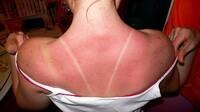
Response: The relationship between sun exposure and health is a double-edged sword, on one side there is the beneficial effect of vitamin D production and on the other the increased risk of skin cancer, depending on length and frequency of exposure, and on the individual skin type.
Despite public health campaigns, changing sun-seeking behaviour seems to be challenging for some people, even for those with a familial or personal history of skin cancer. Previous investigations have suggested that exposure to UV could be addictive.
Dr. Falchi[/caption]
Dr Mario Falchi
Head of Bioinformatics for the School of Life Course Sciences
Department of Twin Research & Genetic Epidemiology
King’s College London
MedicalResearch.com: What is the background for this study?
Response: The relationship between sun exposure and health is a double-edged sword, on one side there is the beneficial effect of vitamin D production and on the other the increased risk of skin cancer, depending on length and frequency of exposure, and on the individual skin type.
Despite public health campaigns, changing sun-seeking behaviour seems to be challenging for some people, even for those with a familial or personal history of skin cancer. Previous investigations have suggested that exposure to UV could be addictive.
 Dr. Rahman[/caption]
Irfan Rahman, Ph.D.
Principal Investigator. Center for Inhalation and Flavoring Toxicological Research
University of Rochester
MedicalResearch.com: What is the background for this study? What are the main findings?
Response: Our study aimed to determine whether vaping and smoking affect Covid-19 proteins and genes and whether that effect changes depending on the age of the vaper/smoker. SARS-Cov-2, the virus that causes Covid-19, enters cells by interacting with ACE2 and TMPRSS2-Furin proteins. We found that both of these proteins increase with age and are also increased by smoking or vaping. This suggests that older adults, smokers and vapers may be more prone to infection with SARS-Cov-2 and may be more likely to have severe complications.
Dr. Rahman[/caption]
Irfan Rahman, Ph.D.
Principal Investigator. Center for Inhalation and Flavoring Toxicological Research
University of Rochester
MedicalResearch.com: What is the background for this study? What are the main findings?
Response: Our study aimed to determine whether vaping and smoking affect Covid-19 proteins and genes and whether that effect changes depending on the age of the vaper/smoker. SARS-Cov-2, the virus that causes Covid-19, enters cells by interacting with ACE2 and TMPRSS2-Furin proteins. We found that both of these proteins increase with age and are also increased by smoking or vaping. This suggests that older adults, smokers and vapers may be more prone to infection with SARS-Cov-2 and may be more likely to have severe complications.
 Dr. Bahar[/caption]
MedicalResearch.com Interview with:
Burak Bahar, MD
Children’s National Hospital
Laboratory Medicine Division
Washington DC
MedicalResearch.com: What is the background for this study? What are the main findings?
Response: Objective of this study was to help us better understand how long it takes pediatric patients with COVID-19 to clear it from their system, and at what point they start to make antibodies against the virus.
Main findings of our study were 19.5 days being the median duration of viral positivity which is later than 18 days that is the median time for detecting antibodies in the circulation. We also found that kids aged 6 through 15 had a longer duration of viral positivity which was a median of 32 days.
Dr. Bahar[/caption]
MedicalResearch.com Interview with:
Burak Bahar, MD
Children’s National Hospital
Laboratory Medicine Division
Washington DC
MedicalResearch.com: What is the background for this study? What are the main findings?
Response: Objective of this study was to help us better understand how long it takes pediatric patients with COVID-19 to clear it from their system, and at what point they start to make antibodies against the virus.
Main findings of our study were 19.5 days being the median duration of viral positivity which is later than 18 days that is the median time for detecting antibodies in the circulation. We also found that kids aged 6 through 15 had a longer duration of viral positivity which was a median of 32 days.
 Dr. Rhee[/caption]
Chanu Rhee MD MPH
Associate Hospital Epidemiologist
Attending Physician, Infectious Diseases and Critical Care Medicine
Assistant Professor of Medicine
Brigham and Women's Hospital
MedicalResearch.com: What is the background for this study?
Response: Many patients have been avoiding essential care during the COVID-19 pandemic due to fear of contracting SARS-CoV-2 in healthcare settings. Little is known, however about the adequacy of infection control practices in preventing nosocomial COVID-19 in U.S. acute care hospitals.
We therefore conducted this observational study to determine the incidence of nosocomial COVID-19 in patients hospitalized at a large academic medical center in Boston (Brigham and Women’s Hospital) during the first 12 weeks of the surge in Massachusetts.
Dr. Rhee[/caption]
Chanu Rhee MD MPH
Associate Hospital Epidemiologist
Attending Physician, Infectious Diseases and Critical Care Medicine
Assistant Professor of Medicine
Brigham and Women's Hospital
MedicalResearch.com: What is the background for this study?
Response: Many patients have been avoiding essential care during the COVID-19 pandemic due to fear of contracting SARS-CoV-2 in healthcare settings. Little is known, however about the adequacy of infection control practices in preventing nosocomial COVID-19 in U.S. acute care hospitals.
We therefore conducted this observational study to determine the incidence of nosocomial COVID-19 in patients hospitalized at a large academic medical center in Boston (Brigham and Women’s Hospital) during the first 12 weeks of the surge in Massachusetts.

 Dr. Obisesan[/caption]
Funmi (Abiru) Obisesan, MD, MPH
Postdoctoral Fellow
Johns Hopkins Ciccarone Center for the Prevention of Cardiovascular Disease
Postdoctoral Fellow
Johns Hopkins Ciccarone Center for the Prevention of Cardiovascular Disease
MedicalResearch.com: What is the background for this study?
Response: E-cigarettes are conceived by many individuals to be less harmful than combustible cigarettes, resulting in their use among young individuals and other vulnerable subpopulations. The recent outbreak of EVALI (e-cigarette, or vaping, product-use associated lung injuries) which was directly associated with e-cigarette use, and the rapidly evolving e-cigarette market, as well as regulations concerning them necessitates the need for up-to-date analyses of e-cigarette use trends.
Dr. Obisesan[/caption]
Funmi (Abiru) Obisesan, MD, MPH
Postdoctoral Fellow
Johns Hopkins Ciccarone Center for the Prevention of Cardiovascular Disease
Postdoctoral Fellow
Johns Hopkins Ciccarone Center for the Prevention of Cardiovascular Disease
MedicalResearch.com: What is the background for this study?
Response: E-cigarettes are conceived by many individuals to be less harmful than combustible cigarettes, resulting in their use among young individuals and other vulnerable subpopulations. The recent outbreak of EVALI (e-cigarette, or vaping, product-use associated lung injuries) which was directly associated with e-cigarette use, and the rapidly evolving e-cigarette market, as well as regulations concerning them necessitates the need for up-to-date analyses of e-cigarette use trends.
 Prof. MacKay[/caption]
Prof Stuart MacKay BSc (Med) MB BS (Hons) FRACS
Honorary Clinical Professor Otolaryngology Head and Neck Surgery
Clinical Professor at University of Wollongong Graduate School of Medicine
Adjunct Professor Faculty of Health Sciences
MedicalResearch.com: What is the background for this study?
Prof. MacKay[/caption]
Prof Stuart MacKay BSc (Med) MB BS (Hons) FRACS
Honorary Clinical Professor Otolaryngology Head and Neck Surgery
Clinical Professor at University of Wollongong Graduate School of Medicine
Adjunct Professor Faculty of Health Sciences
MedicalResearch.com: What is the background for this study?
 Dr. Furukawa[/caption]
Dr. Nathan Furukawa, MD, MPH
Medical officer, Division of HIV/AIDS Prevention
CDC
MedicalResearch.com: What is the background for this study?
Response: The cost of the PrEP medication is the largest driver of the cost of providing PrEP care. Most patients need insurance or help from a medication assistance program to cover the large costs of the PrEP medication. We wanted to describe how these costs were paid by patients (out-of-pocket payments) and insurers (third-party payments) nationally.
MedicalResearch.com: What are the main findings?
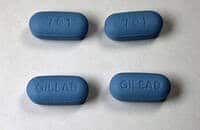
Response: The study found that the cost for a month of the PrEP medication tenofovir disoproxil fumarate/emtricitabine increased from $1350 to $1638 from 2014 to 2018, an average annual increase of 5%. Out-of-pocket costs increased faster from $54 to $94, an average annual increase of 14.9%. In 2018, at least $2 billion was spent paying for the PrEP medication, and this covered 18% of people that had an indication for PrEP.
Dr. Furukawa[/caption]
Dr. Nathan Furukawa, MD, MPH
Medical officer, Division of HIV/AIDS Prevention
CDC
MedicalResearch.com: What is the background for this study?
Response: The cost of the PrEP medication is the largest driver of the cost of providing PrEP care. Most patients need insurance or help from a medication assistance program to cover the large costs of the PrEP medication. We wanted to describe how these costs were paid by patients (out-of-pocket payments) and insurers (third-party payments) nationally.
MedicalResearch.com: What are the main findings?
Response: The study found that the cost for a month of the PrEP medication tenofovir disoproxil fumarate/emtricitabine increased from $1350 to $1638 from 2014 to 2018, an average annual increase of 5%. Out-of-pocket costs increased faster from $54 to $94, an average annual increase of 14.9%. In 2018, at least $2 billion was spent paying for the PrEP medication, and this covered 18% of people that had an indication for PrEP.
 Dr. Johnston[/caption]
Kenton J. Johnston, PhD
Associate Professor
Dept of Health Management & Policy
Dept of Health & Clinical Outcomes Research
Saint Louis University
MedicalResearch.com: What is the background for this study?
Response: Consolidation of physician practices into larger health systems comprised of hospitals and other group practices has been occurring rapidly in the U.S. market over the past 10 years. During this same period, Medicare has been gradually increasing the use of “pay for performance,” or “value-based payment” programs. 2019 was the first year that nearly all physicians in the U.S. were paid under Medicare’s new mandatory Merit-Based Incentive Payment System (MIPS). We conducted a study to see whether physicians who were affiliated with health systems performed better under the MIPS than those not affiliated with health systems.
Dr. Johnston[/caption]
Kenton J. Johnston, PhD
Associate Professor
Dept of Health Management & Policy
Dept of Health & Clinical Outcomes Research
Saint Louis University
MedicalResearch.com: What is the background for this study?
Response: Consolidation of physician practices into larger health systems comprised of hospitals and other group practices has been occurring rapidly in the U.S. market over the past 10 years. During this same period, Medicare has been gradually increasing the use of “pay for performance,” or “value-based payment” programs. 2019 was the first year that nearly all physicians in the U.S. were paid under Medicare’s new mandatory Merit-Based Incentive Payment System (MIPS). We conducted a study to see whether physicians who were affiliated with health systems performed better under the MIPS than those not affiliated with health systems.

 Dr. Huang[/caption]
Jennifer Huang, MD
Dr. Huang is a pediatric dermatologist at Boston Children’s Hospital and Dana-Farber Cancer Institute.
She is an Associate Professor of Dermatology at Harvard Medical School.
Dr. Huang is a member of the Society for Pediatric Dermatology.
[caption id="attachment_55369" align="alignleft" width="100"] Dr. Zhong[/caption]
Connie Zhong, MD, MSc
Dr. Zhong is an intern at Brigham and Women’s Hospital
She will be doing her dermatology residency at the Harvard Combined Dermatology Program.
She is a member of the Society for Pediatric Dermatology.
MedicalResearch.com: What is the background for this study?
Response: Pediatric nonmelanoma skin cancers (NMSC) are rare and when they do occur, are often associated with genetic/predisposing skin conditions or iatrogenic risk factors. There are some pediatric patients who develop NMSCs who do not have identifiable risk factors. The objective of our study was to describe the demographic and clinical features of these children without identifiable risk factors and compare them with those who have either genetic or iatrogenic risk factors. We conducted a retrospective study at 11 tertiary care institutions across North America through the Pediatric Dermatology Research Alliance (PeDRA)
Dr. Huang[/caption]
Jennifer Huang, MD
Dr. Huang is a pediatric dermatologist at Boston Children’s Hospital and Dana-Farber Cancer Institute.
She is an Associate Professor of Dermatology at Harvard Medical School.
Dr. Huang is a member of the Society for Pediatric Dermatology.
[caption id="attachment_55369" align="alignleft" width="100"] Dr. Zhong[/caption]
Connie Zhong, MD, MSc
Dr. Zhong is an intern at Brigham and Women’s Hospital
She will be doing her dermatology residency at the Harvard Combined Dermatology Program.
She is a member of the Society for Pediatric Dermatology.
MedicalResearch.com: What is the background for this study?
Response: Pediatric nonmelanoma skin cancers (NMSC) are rare and when they do occur, are often associated with genetic/predisposing skin conditions or iatrogenic risk factors. There are some pediatric patients who develop NMSCs who do not have identifiable risk factors. The objective of our study was to describe the demographic and clinical features of these children without identifiable risk factors and compare them with those who have either genetic or iatrogenic risk factors. We conducted a retrospective study at 11 tertiary care institutions across North America through the Pediatric Dermatology Research Alliance (PeDRA)
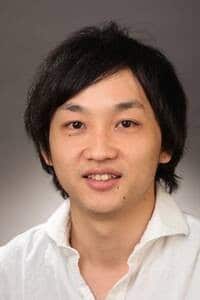 Dr. Takebe[/caption]
Takanori Takebe MD
Director for Commercial Innovation, Center for Stem Cell and Organoid Research and Medicine (CuSTOM)
Assistant Professor, University Cincinnati
Department of Pediatrics, Cincinnati Children’s
Professor, Institute of Research
Tokyo Medical and Dental University, Japan
MedicalResearch.com: What is the background for this study? What are the main findings?
Response: Drug induced liver injury (DILI) is rare yet highly unpredictable disorder that oftentimes causes drug failure withdrawn from the market during clinical trial even at a very rare incidence of DILI (1/10,000). Indeed, one particular drug TAK875 (Fasigliam) was the case despite promising efficacy. This not only disappoints patient but impact significant financial risk to pharmaceuticals.
In collaboration with DILI genomics consortium at US, EU and UK, we’ve found +20,000 genetic make up (variants) defines potential risk of developing Drug induced liver injury thru amplifying cellular stress signal cascades that were investigated by human cell, organoid and patient datasets.
Dr. Takebe[/caption]
Takanori Takebe MD
Director for Commercial Innovation, Center for Stem Cell and Organoid Research and Medicine (CuSTOM)
Assistant Professor, University Cincinnati
Department of Pediatrics, Cincinnati Children’s
Professor, Institute of Research
Tokyo Medical and Dental University, Japan
MedicalResearch.com: What is the background for this study? What are the main findings?
Response: Drug induced liver injury (DILI) is rare yet highly unpredictable disorder that oftentimes causes drug failure withdrawn from the market during clinical trial even at a very rare incidence of DILI (1/10,000). Indeed, one particular drug TAK875 (Fasigliam) was the case despite promising efficacy. This not only disappoints patient but impact significant financial risk to pharmaceuticals.
In collaboration with DILI genomics consortium at US, EU and UK, we’ve found +20,000 genetic make up (variants) defines potential risk of developing Drug induced liver injury thru amplifying cellular stress signal cascades that were investigated by human cell, organoid and patient datasets.
 Dr. Segal[/caption]
Dr. Gadi Segal
Director of the Internal Medicine Department
Sheba Medical Center
MedicalResearch.com: What is the background for this study? What are the main findings?
Response: The background is the need to learn about COVID-19 pathophysiology in order to better stratify patients according to current and future severity. Such classification will enable better triage in times of pandemic and health-care-system over-load.
Dr. Segal[/caption]
Dr. Gadi Segal
Director of the Internal Medicine Department
Sheba Medical Center
MedicalResearch.com: What is the background for this study? What are the main findings?
Response: The background is the need to learn about COVID-19 pathophysiology in order to better stratify patients according to current and future severity. Such classification will enable better triage in times of pandemic and health-care-system over-load.
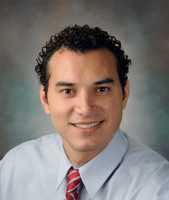 Dr. Moreira[/caption]
Alvaro Moreira, MD
Assistant Professor, Department of Pediatrics
Co-Director Neonatal Nutrition and Bone Institute
UT Health San Antonio
MedicalResearch.com: What is the background for this study?
Response: Multisystem inflammatory syndrome in children (MIS-C), also known as pediatric inflammatory multisystem syndrome, is a new dangerous childhood disease that is temporally associated with coronavirus disease 2019 (COVID-19).
We conducted a systematic review to communicate the typical presentation and outcomes of children diagnosed with this hyperinflammatory condition.
Dr. Moreira[/caption]
Alvaro Moreira, MD
Assistant Professor, Department of Pediatrics
Co-Director Neonatal Nutrition and Bone Institute
UT Health San Antonio
MedicalResearch.com: What is the background for this study?
Response: Multisystem inflammatory syndrome in children (MIS-C), also known as pediatric inflammatory multisystem syndrome, is a new dangerous childhood disease that is temporally associated with coronavirus disease 2019 (COVID-19).
We conducted a systematic review to communicate the typical presentation and outcomes of children diagnosed with this hyperinflammatory condition.
 Dr. Auger[/caption]
Katherine A. S. Auger, MD, MSc
Division of Hospital Medicine
James M. Anderson Center for Health Systems Excellence,
Cincinnati Children’s Hospital Medical Center
Department of Pediatrics, University of Cincinnati College of Medicine
Pediatric Research in Inpatient Settings Network
Cincinnati, Ohio
MedicalResearch.com: What is the background for this study? What are the main findings?
Response: All states closed schools in the spring of 2020 to try to mitigate the spread of COVID-19. Our study demonstrated a large, significant association between school closure and fewer COVID-19 cases and deaths even when accounting for other state policies.
Dr. Auger[/caption]
Katherine A. S. Auger, MD, MSc
Division of Hospital Medicine
James M. Anderson Center for Health Systems Excellence,
Cincinnati Children’s Hospital Medical Center
Department of Pediatrics, University of Cincinnati College of Medicine
Pediatric Research in Inpatient Settings Network
Cincinnati, Ohio
MedicalResearch.com: What is the background for this study? What are the main findings?
Response: All states closed schools in the spring of 2020 to try to mitigate the spread of COVID-19. Our study demonstrated a large, significant association between school closure and fewer COVID-19 cases and deaths even when accounting for other state policies.

 Dr. Ellingson[/caption]
Jarrod Ellingson PhD
Assistant Professor
Department of Psychiatry
Anschutz Medical Campus
University of Colorado Denver
MedicalResearch.com: What is the background for this study? What are the main findings?
Response: We know that cannabis use is associated with many negative outcomes, but there could be many of reasons for that. For example, socioeconomic factors and peer influences both affect adolescent cannabis use and poorer cognitive functioning. To account for some of those risk factors, we studied nearly 600 sibling pairs with moderate to heavy cannabis use. We found that, as a person uses more cannabis than their sibling, they tend to have worse memory recall than their sibling.
Dr. Ellingson[/caption]
Jarrod Ellingson PhD
Assistant Professor
Department of Psychiatry
Anschutz Medical Campus
University of Colorado Denver
MedicalResearch.com: What is the background for this study? What are the main findings?
Response: We know that cannabis use is associated with many negative outcomes, but there could be many of reasons for that. For example, socioeconomic factors and peer influences both affect adolescent cannabis use and poorer cognitive functioning. To account for some of those risk factors, we studied nearly 600 sibling pairs with moderate to heavy cannabis use. We found that, as a person uses more cannabis than their sibling, they tend to have worse memory recall than their sibling.


 Kyla Fergason[/caption]
Kyla Fergason
Senior Undergraduate Student
Michael K. Scullin, Ph.D.
Principal Investigator
Baylor University
MedicalResearch.com: What is the background for this study? What are the main findings?
Response: There’s a fairly sizable literature suggesting that religious affiliation and religious engagement are associated with positive health outcomes. Therefore, we were surprised to find that agnostic/atheist individuals reported better sleep health than Christian individuals in the Baylor Religion Survey (BRS-5). 73% of agnostic/atheist individuals reported sleeping 7-9 hours/night whereas only 63% of Christian individuals met these consensus sleep guidelines. The most affected Christian denominations were Baptists (54.6%) and Catholics (62.3%). These results stood even after adjusting for age and gender. We predicted the opposite pattern.
And, it wasn’t just about longer sleep durations. Agnostic/atheist individuals even reported greater ease falling asleep compared to Christian individuals.
Kyla Fergason[/caption]
Kyla Fergason
Senior Undergraduate Student
Michael K. Scullin, Ph.D.
Principal Investigator
Baylor University
MedicalResearch.com: What is the background for this study? What are the main findings?
Response: There’s a fairly sizable literature suggesting that religious affiliation and religious engagement are associated with positive health outcomes. Therefore, we were surprised to find that agnostic/atheist individuals reported better sleep health than Christian individuals in the Baylor Religion Survey (BRS-5). 73% of agnostic/atheist individuals reported sleeping 7-9 hours/night whereas only 63% of Christian individuals met these consensus sleep guidelines. The most affected Christian denominations were Baptists (54.6%) and Catholics (62.3%). These results stood even after adjusting for age and gender. We predicted the opposite pattern.
And, it wasn’t just about longer sleep durations. Agnostic/atheist individuals even reported greater ease falling asleep compared to Christian individuals.
 Dr. Glicksberg[/caption]
Benjamin Glicksberg, PhD
Assistant Professor of Genetics and Genomic Sciences
Member of the Mount Sinai COVID Informatics Center
Member of the Hasso Plattner Institute for Digital Healt
Icahn School of Medicine at Mount Sinai
MedicalResearch.com: What is the background for this study?
Response: Reports from health systems that detailed the clinical characteristics and outcomes of their COVID-19 patients were instrumental in helping other health systems rapidly adapt and know what to expect. There are few studies, however, that assess what happens to these patients after they were discharged from the hospital.
In our work, we address this gap by determining both how many individuals re-present to the hospital within 14 days, and what clinical characteristics of these patients differ from those who do not. Such information is critical in order to continue to refine optimal treatment plans and discharge decisions for patients of all backgrounds and clinical profiles. To provide more context to the question, we also determined if and how these factors changed between initial presentation and readmission to the hospital.
Dr. Glicksberg[/caption]
Benjamin Glicksberg, PhD
Assistant Professor of Genetics and Genomic Sciences
Member of the Mount Sinai COVID Informatics Center
Member of the Hasso Plattner Institute for Digital Healt
Icahn School of Medicine at Mount Sinai
MedicalResearch.com: What is the background for this study?
Response: Reports from health systems that detailed the clinical characteristics and outcomes of their COVID-19 patients were instrumental in helping other health systems rapidly adapt and know what to expect. There are few studies, however, that assess what happens to these patients after they were discharged from the hospital.
In our work, we address this gap by determining both how many individuals re-present to the hospital within 14 days, and what clinical characteristics of these patients differ from those who do not. Such information is critical in order to continue to refine optimal treatment plans and discharge decisions for patients of all backgrounds and clinical profiles. To provide more context to the question, we also determined if and how these factors changed between initial presentation and readmission to the hospital.