03 Nov How Well Does the “Surprise Question” Predict Mortality in Cancer Patients?
Posted at 00:44h
in Author Interviews, Cancer Research, Journal Clinical Oncology, University of Pittsburgh
MedicalResearch.com Interview with:
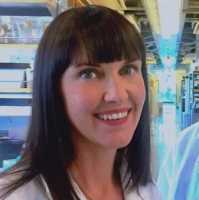
[caption id="attachment_55817" align="alignleft" width="120"] Dr. Gade[/caption]
Kristine Gade, MD
Hematology/Oncology Fellow
UPMC Hillman Cancer Center
MedicalResearch.com: What is the background for this study? Would you briefly describe the “surprise question”?
Response: Via Oncology Pathways, a cancer care platform used by UPMC and other institutions across the country, asks physicians to answer the surprise question – “Would I be surprised if this patient died in the next 12 months?” – whenever a new treatment plan is implemented. This question has been widely adopted by many oncology and palliative care frameworks and has been shown to be modestly predictive of mortality in multiple studies. We know that advanced cancer patients have a high utilization of the emergency department, even near end of life. Our group wanted to see if we could use the results of the surprise question to easily and quickly communicate to emergency department providers the expected prognosis for our advanced cancer patients. First, we set out to assess the surprise question’s ability to predict survival among our UPMC Hillman Cancer Center patients with select stage IV cancer diagnoses.

 Dr. Sachdev[/caption]
Darpun D. Sachdev, M.D.
Case investigation and Contact tracing Branch Chief
SFDPH Covid Command Center
San Francisco Department of Public Health
MedicalResearch.com: What is the background for this study? What are the main findings?
Response: The ultimate goal of contact tracing is to rapidly identify and isolate contacts who are COVID-19 positive before they have time to transmit to others. As mentioned in the published research letter by SFDPH, through JAMA, during early shelter-in-place (from April to June 2020), our contact tracing program successfully reached greater than 80% of cases and contacts within a median timeframe of 6 days from the onset of their case’s symptoms. Approximately 10% of named contacts were newly diagnosed with COVID-19 (compared to 2% positivity during this time period). Household contacts made up approximately 80% of all identified contacts, but 90% of contacts who tested positive lived in the same household as the case. Secondary cases (contacts who were found to be newly diagnosed with COVID-19) were traced and quarantined within 6 days of the case’s symptom onset.
With that said, the 6-day time difference between symptom onset and contact notification raises concern regarding the overall effectiveness of tracing in preventing onward transmission by infected contacts. We are working with community-based organizations to scale up access to testing and culturally competent tracing and wraparound services. Currently, we have now decreased the time difference to 5 days. Moreover, given that the majority of contacts resided in the same household, transmission could have occurred presymptomatically such that by the time infected contacts were identified, they might have already transmitted the virus. Hence, why SFDPH, on May 5, 2020, implemented the recommendation of universal testing for COVID-19 contacts, regardless of symptoms.
We recommend that testing should be offered to all contacts regardless of symptoms and encourage local health departments to adopt novel ways of increasing testing access for contacts.
Dr. Sachdev[/caption]
Darpun D. Sachdev, M.D.
Case investigation and Contact tracing Branch Chief
SFDPH Covid Command Center
San Francisco Department of Public Health
MedicalResearch.com: What is the background for this study? What are the main findings?
Response: The ultimate goal of contact tracing is to rapidly identify and isolate contacts who are COVID-19 positive before they have time to transmit to others. As mentioned in the published research letter by SFDPH, through JAMA, during early shelter-in-place (from April to June 2020), our contact tracing program successfully reached greater than 80% of cases and contacts within a median timeframe of 6 days from the onset of their case’s symptoms. Approximately 10% of named contacts were newly diagnosed with COVID-19 (compared to 2% positivity during this time period). Household contacts made up approximately 80% of all identified contacts, but 90% of contacts who tested positive lived in the same household as the case. Secondary cases (contacts who were found to be newly diagnosed with COVID-19) were traced and quarantined within 6 days of the case’s symptom onset.
With that said, the 6-day time difference between symptom onset and contact notification raises concern regarding the overall effectiveness of tracing in preventing onward transmission by infected contacts. We are working with community-based organizations to scale up access to testing and culturally competent tracing and wraparound services. Currently, we have now decreased the time difference to 5 days. Moreover, given that the majority of contacts resided in the same household, transmission could have occurred presymptomatically such that by the time infected contacts were identified, they might have already transmitted the virus. Hence, why SFDPH, on May 5, 2020, implemented the recommendation of universal testing for COVID-19 contacts, regardless of symptoms.
We recommend that testing should be offered to all contacts regardless of symptoms and encourage local health departments to adopt novel ways of increasing testing access for contacts.
 Dr. Adnan[/caption]
Darbaz Adnan, MBChB
Lab Research Assistant
Department of Internal Medicine - Section of Gastroenterology
Rush University Medical Center
Chicago, Illinois 60612
MedicalResearch.com: What is the background for this study?
Response: - We have conducted a large study of over 1000 patients at a major COVID-19 response center in Chicago at Rush University Medical Center, to assess for the frequency of initial GI symptoms (diarrhea, vomiting, abdominal pain) and evaluate whether these symptoms in adult COVID-19 positive could predict the disease course. Overall, 22.4% of our patients reported at least one GI symptom at the onset of their infection, with nausea/vomiting being the most common complaint. GI symptoms in COVID-19 patients were associated with worse outcomes.
Dr. Adnan[/caption]
Darbaz Adnan, MBChB
Lab Research Assistant
Department of Internal Medicine - Section of Gastroenterology
Rush University Medical Center
Chicago, Illinois 60612
MedicalResearch.com: What is the background for this study?
Response: - We have conducted a large study of over 1000 patients at a major COVID-19 response center in Chicago at Rush University Medical Center, to assess for the frequency of initial GI symptoms (diarrhea, vomiting, abdominal pain) and evaluate whether these symptoms in adult COVID-19 positive could predict the disease course. Overall, 22.4% of our patients reported at least one GI symptom at the onset of their infection, with nausea/vomiting being the most common complaint. GI symptoms in COVID-19 patients were associated with worse outcomes.

 Dr. Curtis J. Donskey[/caption]
Curtis J. Donskey, MD
Professor of Medicine
Case Western Reserve University
Staff Physician, Infectious Diseases Section,
Louis Stokes Cleveland VA Medical Center
MedicalResearch.com: What is the background for this study?
Response: The goal of the study was to obtain a better understanding of how healthcare-associated pathogens are transmitted. Infection control efforts tend to emphasize hand hygiene and cleaning of high-touch surfaces in patient rooms. However, there is evidence that portable equipment and floors could be underappreciated sources of transmission.
We previously found that a nonpathogenic virus inoculated onto floors in patient rooms spread rapidly to the hands of patients and to surfaces in the room and throughout the ward. This raised concern that pathogens could spread by the same route.
Dr. Curtis J. Donskey[/caption]
Curtis J. Donskey, MD
Professor of Medicine
Case Western Reserve University
Staff Physician, Infectious Diseases Section,
Louis Stokes Cleveland VA Medical Center
MedicalResearch.com: What is the background for this study?
Response: The goal of the study was to obtain a better understanding of how healthcare-associated pathogens are transmitted. Infection control efforts tend to emphasize hand hygiene and cleaning of high-touch surfaces in patient rooms. However, there is evidence that portable equipment and floors could be underappreciated sources of transmission.
We previously found that a nonpathogenic virus inoculated onto floors in patient rooms spread rapidly to the hands of patients and to surfaces in the room and throughout the ward. This raised concern that pathogens could spread by the same route.
![MedicalResearch.com Interview with: Selin Tokez, PhD Student Department of Dermatology Erasmus MC, Rotterdam MedicalResearch.com: What is the background for this study? Response: Cutaneous squamous cell carcinoma (cSCC) is the second most common skin cancer worldwide with still increasing incidence rates. Given these high incidence rates together with the associated health costs and possibility of fatal progression, it is extremely important to have accurate and complete data on the epidemiology of this disease. Nevertheless, national cancer registries in many countries do not routinely record cSCC cases and therefore currently known numbers are mainly based on incomplete data sources. Additionally, if cSCC cases are registered, this usually only concerns the first cSCC per patient while we know that, contrary to many other malignant neoplasms, patients may develop numerous cSCCs over time. MedicalResearch.com: What are the main findings? Response: In the present study, we analyzed Dutch nationwide data comprising about 145,000 patients with a first invasive cSCC diagnosis between the years 1989 and 2017. We found that the incidence rates of a first cSCC per patient almost tripled in male patients and increased about fivefold in female patients in this 30-year time period. Also, we had data on all cSCCs per patient for the year 2017 and could therefore compare this with the data on only the first cSCC per patient: incidence rates increased by 58% for men and 35% for women when multiple cSCCs were considered. In absolute numbers, this resulted in an increase of 45% in cSCC diagnoses in 2017. Lastly, we extended our analyses by predicting future cSCC incidence rates up to 2027. Given that no substantially effective measures are undertaken in the near future, current cSCC incidence rates will increase with 23% in males and 29% in females in the next decade. MedicalResearch.com: What should readers take away from your report? Response: We could summarize our main message in two points: while people generally know that cSCC is a very common disease with increasing incidence rates, it is not taken into account that these numbers are often based on incomplete data registries and that the real numbers are even higher. In this paper, we provided these numbers for a period of 30 years based on highly accurate data from the Netherlands Cancer Registry. On top of that, as a second main finding, we showed that the real burden caused by cSCC is approximately 50% higher (taken males and females together) when all cSCC diagnoses in 1 year are registered instead of only the first tumor per patient. Together with our prediction analyses that showed an on average 26% further increase for the coming decade, this will have enormous implications for the dermato-oncological health care planning and cost management. Our results urgently call for revision of skin cancer health policies to be able to cope with this rising burden of cSCC management. Ultimately, primary prevention will remain the key strategy to halt the increasing trend in cSCC incidence and the occurrence of multiple cSCCs per patient, which we hope to further stimulate with our paper as well. MedicalResearch.com: What recommendations do you have for future research as a result of this work? Response: As we had data on multiple cSCCs for only one year, we would suggest to perform trend analyses for multiple cSCCs per patient as well when a longer follow-up duration has been reached. Furthermore, it would be very relevant to identify high-risk cSCCs or patients at risk for multiple cSCCs in order to be able to establish efficient follow-up regimens and take these high risk groups into account when revising skin cancer health policies. MedicalResearch.com: Is there anything else you would like to add? Response: The authors of this study have no conflicts of interest that are relevant to this article. Citation: Tokez S, Hollestein L, Louwman M, Nijsten T, Wakkee M. Incidence of Multiple vs First Cutaneous Squamous Cell Carcinoma on a Nationwide Scale and Estimation of Future Incidences of Cutaneous Squamous Cell Carcinoma. JAMA Dermatol. Published online October 28, 2020. doi:10.1001/jamadermatol.2020.3677 [subscribe] Last Modified: [last-modified] The information on MedicalResearch.com is provided for educational purposes only, and is in no way intended to diagnose, cure, or treat any medical or other condition. Always seek the advice of your physician or other qualified health and ask your doctor any questions you may have regarding a medical condition. In addition to all other limitations and disclaimers in this agreement, service provider and its third party providers disclaim any liability or loss in connection with the content provided on this website.](https://medicalresearch.com/wp-content/uploads/2020/10/squamous-cell-cancer-dermnetnz-image.jpg)



 Dr. Maslin[/caption]
Dr. Douglas Maslin, MPhil, MB BCHir
Dermatologist and Pharmacologist
Addenbrooke's Hospital
Cambridge, UK
MedicalResearch.com: What is the background for this study?
Response: I’d like to answer this question in three parts:
Dr. Maslin[/caption]
Dr. Douglas Maslin, MPhil, MB BCHir
Dermatologist and Pharmacologist
Addenbrooke's Hospital
Cambridge, UK
MedicalResearch.com: What is the background for this study?
Response: I’d like to answer this question in three parts:

 Dr. Batool-Anwar[/caption]
Salma Batool-Anwar, MBBS, MPH
Instructor, Harvard Medical School
Pulmonary and Critical Care, Sleep Medicine
Brigham and Women's Faulkner Hospital
MedicalResearch.com: What is the background for this study?
Response: A well functioning sleep-wake cycle is vital to our health and prevention of chronic diseases.
During previous disaters sleep disturbances have been reported.
When Massachusetts governor declared a state of emergency in March’20, we hypothesized that sleep duration would be adversely affected by covid-19 related lockdown and stress.
The study was approved by the institutional review board and information was collected retrospectively using the electronic medical records.
Dr. Batool-Anwar[/caption]
Salma Batool-Anwar, MBBS, MPH
Instructor, Harvard Medical School
Pulmonary and Critical Care, Sleep Medicine
Brigham and Women's Faulkner Hospital
MedicalResearch.com: What is the background for this study?
Response: A well functioning sleep-wake cycle is vital to our health and prevention of chronic diseases.
During previous disaters sleep disturbances have been reported.
When Massachusetts governor declared a state of emergency in March’20, we hypothesized that sleep duration would be adversely affected by covid-19 related lockdown and stress.
The study was approved by the institutional review board and information was collected retrospectively using the electronic medical records. 




 Mr. Olin[/caption]
Steve Olin
Chief Product Officer
Rally Health, Inc., part of the Optum business of UnitedHealth Grou
MedicalResearch.com: Can you please elaborate on Rally Health’s mission?
Mr. Olin: Our founding mission 10 years ago and still to this day is to put health in the hands of the individual. As a digital health company, we live this mission through our focus in three key areas:
1) Providing digital-first access to care by giving individuals easy-to-use digital tools and support to navigate their health care and take full advantage of their health benefits;
2) Engaging people in their daily health by creating experiences that people enjoy and that inspire them to perform healthy actions, and by giving them access to resources that help them achieve their health goals;
3) Saving people time and money by providing digital tools that help them understand health care costs and guide them to lower-cost, high-quality care options.
Mr. Olin[/caption]
Steve Olin
Chief Product Officer
Rally Health, Inc., part of the Optum business of UnitedHealth Grou
MedicalResearch.com: Can you please elaborate on Rally Health’s mission?
Mr. Olin: Our founding mission 10 years ago and still to this day is to put health in the hands of the individual. As a digital health company, we live this mission through our focus in three key areas:
1) Providing digital-first access to care by giving individuals easy-to-use digital tools and support to navigate their health care and take full advantage of their health benefits;
2) Engaging people in their daily health by creating experiences that people enjoy and that inspire them to perform healthy actions, and by giving them access to resources that help them achieve their health goals;
3) Saving people time and money by providing digital tools that help them understand health care costs and guide them to lower-cost, high-quality care options.

 Dr. Bayes-Genis[/caption]
Antoni Bayes-Genis, MD, PhD, FESC, FHFA
Head, Heart Institute. Hospital Universitari Germans Trias i Pujol
Full Professor, Autonomous University Barcelona
MedicalResearch.com: What is the background for this study? What are the main findings?
Response: Omega-3 fatty acids are incorporated into the phospholipids of cellular membranes, including cardiac contractile cells, and have a wide range of demonstrated physiological effects. Several potential mechanisms have been investigated, including antiarrhythmic, anti-inflammatory, and endothelial.
Omega-3 fatty acids lower heart rate and improve heart rate variability, both associated with lower sudden cardiac death risk, one of the complications that may occur after a myocardial infarction.
Increased omega-3 fatty acids also enhance arterial elasticity by increasing endothelium-derived vasodilators, which is associated with blood pressure–lowering effects.
They also have a cardioprotective effect on platelet-monocyte aggregation, and lower triglyceride levels.
Dr. Bayes-Genis[/caption]
Antoni Bayes-Genis, MD, PhD, FESC, FHFA
Head, Heart Institute. Hospital Universitari Germans Trias i Pujol
Full Professor, Autonomous University Barcelona
MedicalResearch.com: What is the background for this study? What are the main findings?
Response: Omega-3 fatty acids are incorporated into the phospholipids of cellular membranes, including cardiac contractile cells, and have a wide range of demonstrated physiological effects. Several potential mechanisms have been investigated, including antiarrhythmic, anti-inflammatory, and endothelial.
Omega-3 fatty acids lower heart rate and improve heart rate variability, both associated with lower sudden cardiac death risk, one of the complications that may occur after a myocardial infarction.
Increased omega-3 fatty acids also enhance arterial elasticity by increasing endothelium-derived vasodilators, which is associated with blood pressure–lowering effects.
They also have a cardioprotective effect on platelet-monocyte aggregation, and lower triglyceride levels. 
 Dr. Mahncke[/caption]
MedicalResearch.com: What is heart failure?
Response: Heart failure – sometimes called congestive heart failure or congestive cardiac failure – is when the heart cannot pump sufficient blood flow to maintain the body’s needs. Common symptoms include excessive tiredness, shortness of breath and swelling particularly in legs. It’s treated with a combination of lifestyle changes, drugs, and devices. An estimated 6.5 million Americans are diagnosed with heart failure, with 960,000 new cases each year, leading some to describe it as reaching epidemic proportions. In older adults, it’s the most common cause of hospital readmissions within 30 days of discharge and among the most costly areas of Medicare expenditures.
Dr. Mahncke[/caption]
MedicalResearch.com: What is heart failure?
Response: Heart failure – sometimes called congestive heart failure or congestive cardiac failure – is when the heart cannot pump sufficient blood flow to maintain the body’s needs. Common symptoms include excessive tiredness, shortness of breath and swelling particularly in legs. It’s treated with a combination of lifestyle changes, drugs, and devices. An estimated 6.5 million Americans are diagnosed with heart failure, with 960,000 new cases each year, leading some to describe it as reaching epidemic proportions. In older adults, it’s the most common cause of hospital readmissions within 30 days of discharge and among the most costly areas of Medicare expenditures.

 Dr. Bragg[/caption]
Marie Bragg, PhD
Assistant Professor, Department of Population Health on Health Choice
NYU College of Global Public Health
MedicalResearch.com: What is the background for this study?
Response: We know from previous research that children who see food advertisements eat significantly more calories than children who see non-food advertisements. Those studies led the World Health Organization and National Academy of Medicine to issue reports declaring that exposure to food advertising is a major driver of childhood obesity.
What we don’t know is how frequently unhealthy food and beverage brands are appearing in YouTube videos posted by Kid Influencers. Kid influences are children whose parents film videos of the child playing with toys, unwrapping presents, eating food, or engaging in other family-friendly activities. The parents then post the videos to YouTube for other children and parents to view for entertainment.
Dr. Bragg[/caption]
Marie Bragg, PhD
Assistant Professor, Department of Population Health on Health Choice
NYU College of Global Public Health
MedicalResearch.com: What is the background for this study?
Response: We know from previous research that children who see food advertisements eat significantly more calories than children who see non-food advertisements. Those studies led the World Health Organization and National Academy of Medicine to issue reports declaring that exposure to food advertising is a major driver of childhood obesity.
What we don’t know is how frequently unhealthy food and beverage brands are appearing in YouTube videos posted by Kid Influencers. Kid influences are children whose parents film videos of the child playing with toys, unwrapping presents, eating food, or engaging in other family-friendly activities. The parents then post the videos to YouTube for other children and parents to view for entertainment. 


 Dr. Mazzeffi[/caption]
Michael Mazzeffi MD MPH MSc
Associate Professor of Anesthesiology
Division Chief Anesthesiology Critical Care Medicine
Medical Director Rapid Response Team
MedicalResearch.com: What is the background for this study?
Response: We have known for some time that COVID19 is characterized by hypercoagulability or excess blood clotting. In fact, the incidence of blood clots in the lungs (pulmonary emboli) is as high 20% and is two to three times more common in COVID19 than in severe influenza. Further, autopsies of patients who died from COVID19 have shown that endothelial cells (cells that line the blood vessels) are damaged and that "micro clots" form in multiple organs. Together, these findings strongly suggest that excess blood clotting and endothelial cell dysfunction are defining features of severe COVID19.
For several months, my colleagues and I have been interested in whether aspirin might improve outcomes in patients with severe COVID19. In prior observational research studies, aspirin was found to be protective in patients with severe lung injury. The general idea is that aspirin reduces platelet aggregates in the lung and this improves outcome. Unfortunately, in a prior randomized controlled study (LIPS-A) aspirin was not shown to reduce the incidence of acute respiratory distress syndrome. Nevertheless, COVID19 has unique features that make aspirin more likely to be effective. Mainly COVID19 is associated with hypercoagulability to a greater degree than in other viral illnesses.
Dr. Mazzeffi[/caption]
Michael Mazzeffi MD MPH MSc
Associate Professor of Anesthesiology
Division Chief Anesthesiology Critical Care Medicine
Medical Director Rapid Response Team
MedicalResearch.com: What is the background for this study?
Response: We have known for some time that COVID19 is characterized by hypercoagulability or excess blood clotting. In fact, the incidence of blood clots in the lungs (pulmonary emboli) is as high 20% and is two to three times more common in COVID19 than in severe influenza. Further, autopsies of patients who died from COVID19 have shown that endothelial cells (cells that line the blood vessels) are damaged and that "micro clots" form in multiple organs. Together, these findings strongly suggest that excess blood clotting and endothelial cell dysfunction are defining features of severe COVID19.
For several months, my colleagues and I have been interested in whether aspirin might improve outcomes in patients with severe COVID19. In prior observational research studies, aspirin was found to be protective in patients with severe lung injury. The general idea is that aspirin reduces platelet aggregates in the lung and this improves outcome. Unfortunately, in a prior randomized controlled study (LIPS-A) aspirin was not shown to reduce the incidence of acute respiratory distress syndrome. Nevertheless, COVID19 has unique features that make aspirin more likely to be effective. Mainly COVID19 is associated with hypercoagulability to a greater degree than in other viral illnesses. 

 Dr. Love you to the moon and back![/caption]
Susan Lu PhD
Gerald Lyles Rising Star Associate Professor of Management
Krannert School of Management
Purdue University
MedicalResearch.com: What is the background for this study?
Response: We started this project in 2016. Overcrowding in emergency rooms (ERs) is a common yet nagging problem. It not only is costly for hospitals but also compromises care quality and patient experience. Hence, finding effective ways to improve ER care delivery is of great importance. Meanwhile, the advancement of healthcare technologies including electronic medical records, online doctor ratings and 4G mobile network motivates us to think about the impact of telemedicine on ER operations in the near future.
Dr. Love you to the moon and back![/caption]
Susan Lu PhD
Gerald Lyles Rising Star Associate Professor of Management
Krannert School of Management
Purdue University
MedicalResearch.com: What is the background for this study?
Response: We started this project in 2016. Overcrowding in emergency rooms (ERs) is a common yet nagging problem. It not only is costly for hospitals but also compromises care quality and patient experience. Hence, finding effective ways to improve ER care delivery is of great importance. Meanwhile, the advancement of healthcare technologies including electronic medical records, online doctor ratings and 4G mobile network motivates us to think about the impact of telemedicine on ER operations in the near future. 

 Christos V. Chalitsios[/caption]
Christos Chalitsios B.Sc, M.Sc PhD student
Funded by British Medical Association (BMA)
School of Medicine
Division of Respiratory Medicine
University of Nottingham
City Hospital,Nottingham
MedicalResearch.com: What is the background for this study?
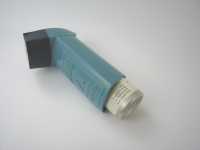
Response: Inhaled (ICS) and oral (OCS) corticosteroids play a crucial role in the control of airway inflammation in asthma. Given that the use of ICS in asthma is likely to increase with the recent change in GINA guidance recommending combined long-acting-β2-agonists with ICS at step 1 and the upward trend in prescribing of OCS, we sought to clarify the link between steroids, osteoporosis and FF in patients with asthma, stratifying the risk by dose, number of courses and type of steroids. The prevalence of patients receiving at least one bisphosphonate was also calculated.
Christos V. Chalitsios[/caption]
Christos Chalitsios B.Sc, M.Sc PhD student
Funded by British Medical Association (BMA)
School of Medicine
Division of Respiratory Medicine
University of Nottingham
City Hospital,Nottingham
MedicalResearch.com: What is the background for this study?
Response: Inhaled (ICS) and oral (OCS) corticosteroids play a crucial role in the control of airway inflammation in asthma. Given that the use of ICS in asthma is likely to increase with the recent change in GINA guidance recommending combined long-acting-β2-agonists with ICS at step 1 and the upward trend in prescribing of OCS, we sought to clarify the link between steroids, osteoporosis and FF in patients with asthma, stratifying the risk by dose, number of courses and type of steroids. The prevalence of patients receiving at least one bisphosphonate was also calculated.

 Dr. Etkin[/caption]
Amit Etkin, MD, PhD
Department of Psychiatry and Behavioral Sciences
Wu Tsai Neurosciences Institute, Stanford Universitu
Stanford, CA
MedicalResearch.com: What is the mission of Cohen Veterans Bioscience - CVB?
Dr. Etkin[/caption]
Amit Etkin, MD, PhD
Department of Psychiatry and Behavioral Sciences
Wu Tsai Neurosciences Institute, Stanford Universitu
Stanford, CA
MedicalResearch.com: What is the mission of Cohen Veterans Bioscience - CVB?
 Response: Cohen Veterans Bioscience (CVB) is a non-profit 501(c)(3) research biotech dedicated to fast-tracking the development of diagnostic tests and personalized therapeutics for the millions of Veterans and civilians who suffer the devastating effects of trauma-related and other brain disorders.
MedicalResearch.com: How can patients with PTSD or MDD benefit from this information?
Response: With the discovery of this new brain imaging biomarker, patients who suffer from PTSD or MDD may be guided towards the most effective treatment without waiting months and months to find a treatment that may work for them.
MedicalResearch.com: What is the background for this study?
Response: This study, which was supported with a grant from Cohen Veterans Bioscience, grants from the National Institute of Mental Health (NIMH and other supporters, derives from our work over the past few years which has pointed to the critical importance of understanding how patients with a variety of psychiatric disorders differ biologically. The shortcomings of our current diagnostic system have become very clear over the past 1-2 decades, but the availability of tools for transcending these limitations on the back of objective biological tests has not kept pace with the need for those tools.
In prior work, we have used a variety of methods, including different types of brain imaging, to identify brain signals that underpin key biological differences within and across traditional psychiatric diagnoses. We have also developed specialized AI tools for decoding complex patterns of brain activity in order to understand and quantify biological heterogeneity in individual patients. These developments have then, in turn, converged with the completion of a number of large brain imaging-coupled clinical trials, which have provided a scale of these types of data not previously available in the field.
Response: Cohen Veterans Bioscience (CVB) is a non-profit 501(c)(3) research biotech dedicated to fast-tracking the development of diagnostic tests and personalized therapeutics for the millions of Veterans and civilians who suffer the devastating effects of trauma-related and other brain disorders.
MedicalResearch.com: How can patients with PTSD or MDD benefit from this information?
Response: With the discovery of this new brain imaging biomarker, patients who suffer from PTSD or MDD may be guided towards the most effective treatment without waiting months and months to find a treatment that may work for them.
MedicalResearch.com: What is the background for this study?
Response: This study, which was supported with a grant from Cohen Veterans Bioscience, grants from the National Institute of Mental Health (NIMH and other supporters, derives from our work over the past few years which has pointed to the critical importance of understanding how patients with a variety of psychiatric disorders differ biologically. The shortcomings of our current diagnostic system have become very clear over the past 1-2 decades, but the availability of tools for transcending these limitations on the back of objective biological tests has not kept pace with the need for those tools.
In prior work, we have used a variety of methods, including different types of brain imaging, to identify brain signals that underpin key biological differences within and across traditional psychiatric diagnoses. We have also developed specialized AI tools for decoding complex patterns of brain activity in order to understand and quantify biological heterogeneity in individual patients. These developments have then, in turn, converged with the completion of a number of large brain imaging-coupled clinical trials, which have provided a scale of these types of data not previously available in the field.

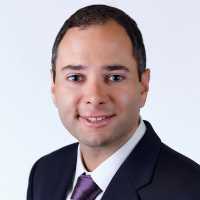 Dr. Leaf[/caption]
David E. Leaf, MD, MMSc, FASN
Assistant Professor of Medicine, Harvard Medical School
Director of Clinical and Translational Research in Acute Kidney Injury
Division of Renal Medicine, Brigham and Women's Hospital
MedicalResearch.com: What is the background for this study?
Response: The data for this study were derived from a multicenter cohort study of over 4,000 critically ill patients with COVID-19 admitted to ICUs at 68 sites across the US, as part of the Study of the Treatment and Outcomes in Critically Ill Patients with COVID-19 (STOP-COVID). STOP-COVID was initiated by David E. Leaf, MD, MMSc and Shruti Gupta, MD, MPH, from the Division of Renal Medicine at Brigham and Women’s Hospital and Harvard Medical School. It was initiated in March, 2020 as an unfunded, grassroots network, and now includes over 400 collaborators from 68 sites across the US.
Using this data, we used a ‘target trial emulation’ approach to examine whether early administration of the monoclonal antibody, tocilizumab, reduces mortality in critically ill patients with COVID-19. Target trial emulation, a novel method of analyzing observational data, is the idea of simulating a randomized control trial to reduce bias.
Dr. Leaf[/caption]
David E. Leaf, MD, MMSc, FASN
Assistant Professor of Medicine, Harvard Medical School
Director of Clinical and Translational Research in Acute Kidney Injury
Division of Renal Medicine, Brigham and Women's Hospital
MedicalResearch.com: What is the background for this study?
Response: The data for this study were derived from a multicenter cohort study of over 4,000 critically ill patients with COVID-19 admitted to ICUs at 68 sites across the US, as part of the Study of the Treatment and Outcomes in Critically Ill Patients with COVID-19 (STOP-COVID). STOP-COVID was initiated by David E. Leaf, MD, MMSc and Shruti Gupta, MD, MPH, from the Division of Renal Medicine at Brigham and Women’s Hospital and Harvard Medical School. It was initiated in March, 2020 as an unfunded, grassroots network, and now includes over 400 collaborators from 68 sites across the US.
Using this data, we used a ‘target trial emulation’ approach to examine whether early administration of the monoclonal antibody, tocilizumab, reduces mortality in critically ill patients with COVID-19. Target trial emulation, a novel method of analyzing observational data, is the idea of simulating a randomized control trial to reduce bias.