[caption id="attachment_19778" align="alignleft" width="200"]
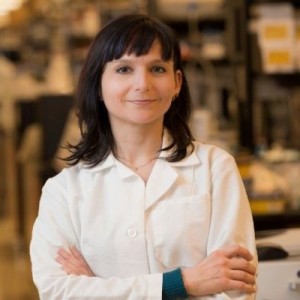
Dr. Elsa Suberbielle[/caption]
MedicalResearch.com Interview with:
Elsa Suberbielle, DVM, PhD
Research Scientist
Gladstone Institute of Neurological Diseases
San Francisco, CA 94158
Medical Research: What is the background for this study?
Dr. Suberbielle: BRCA1 is a key protein involved in DNA repair, and mutations that impair its function increase the risk for breast and ovarian cancer. Research into DNA repair mechanisms in dividing cells recently was recently rewarded by the Nobel Prize in Chemistry. In such cells, BRCA1 helps repair a type of DNA damage known as
double-strand breaks that can occur when cells are injured. In neurons, though, such breaks can occur even under normal circumstances, for example, after increased brain activity, as shown by the team of Gladstone scientists in an
earlier study. The researchers speculated that in brain cells, cycles of DNA damage and repair facilitate learning and memory, whereas an imbalance between damage and repair disrupts these functions.
Medical Research: What are the main findings?
Dr. Suberbielle In a new study published in
Nature Communications, Researchers from the Gladstone Institutes demonstrates that Alzheimer’s disease is associated with a depletion of BRCA1 in neurons and that BRCA1 depletion can cause cognitive deficits.
The researchers experimentally reduced BRCA1 levels in the neurons of mice. Reduction of the DNA repair factor led to an accumulation of DNA damage and to neuronal shrinkage. It also caused learning and memory deficits. Because Alzheimer’s disease is associated with similar neuronal and cognitive problems, the scientists wondered whether they might be mediated by depletion of BRCA1. They therefore analyzed neuronal BRCA1 levels in post-mortem brains of Alzheimer’s patients.
Compared with non-demented controls, neuronal BRCA1 levels in the patients were reduced by 65-75%. To determine the causes of this depletion, the investigators treated neurons grown in cell culture with amyloid-beta proteins, which accumulate in Alzheimer brains. These proteins depleted BRCA1 in the cultured neurons, suggesting that they may be an important cause of the faulty DNA repair seen in Alzheimer brains. Further supporting this conclusion, the researchers demonstrated that accumulation of amyloid-beta in the brains of mice also reduced neuronal
BRCA1 levels. They are now testing whether increasing BRCA1 levels in these mouse models can prevent or reverse neurodegeneration and memory problems.

 Dr. Daniel Friedman[/caption]
MedicalResearch.com Interview with:
Daniel Friedman, MD
Cardiology Fellow
Duke University Hospital
Durham, North Carolina
MedicalResearch: What is the background for this study? What are the main findings?
Dr. Friedman: Cardiac resynchronization therapy (CRT) has been demonstrated to reduce heart failure hospitalizations, heart failure symptoms, and mortality in randomized clinical trials. However, these well-known trials either formally excluded or did not report enrollment of patients with more advanced chronic kidney disease (CKD), which we defined as a glomerular filtration rate of <45ml/minute. Since advanced CKD has been associated with an increased risk of adverse outcomes among patients with a variety of pacemakers and defibrillators, many have questioned whether the risks of CRT may outweigh the benefits in this population. Furthermore, many have hypothesized that the competing causes of morbidity and mortality among advanced CKD patients who meet criteria for CRT may mitigate clinical response and net benefit.
Our study assessed the comparative effectiveness of CRT with defibrillator (CRT-D) versus defibrillator alone in CRT eligible patients with a glomerular filtration rate of <60ml/minute (Stage III-V CKD, including those on dialysis). We demonstrated that CRT-D use was associated with a significant reduction in heart failure hospitalization or death in the overall population and across the spectrum of CKD. The lower rates of heart failure hospitalization or death was apparent in all subgroups we tested except for those without a left bundle branch block. Importantly, we also demonstrated that complication rates did not increase with increasing severity of CKD.
Dr. Daniel Friedman[/caption]
MedicalResearch.com Interview with:
Daniel Friedman, MD
Cardiology Fellow
Duke University Hospital
Durham, North Carolina
MedicalResearch: What is the background for this study? What are the main findings?
Dr. Friedman: Cardiac resynchronization therapy (CRT) has been demonstrated to reduce heart failure hospitalizations, heart failure symptoms, and mortality in randomized clinical trials. However, these well-known trials either formally excluded or did not report enrollment of patients with more advanced chronic kidney disease (CKD), which we defined as a glomerular filtration rate of <45ml/minute. Since advanced CKD has been associated with an increased risk of adverse outcomes among patients with a variety of pacemakers and defibrillators, many have questioned whether the risks of CRT may outweigh the benefits in this population. Furthermore, many have hypothesized that the competing causes of morbidity and mortality among advanced CKD patients who meet criteria for CRT may mitigate clinical response and net benefit.
Our study assessed the comparative effectiveness of CRT with defibrillator (CRT-D) versus defibrillator alone in CRT eligible patients with a glomerular filtration rate of <60ml/minute (Stage III-V CKD, including those on dialysis). We demonstrated that CRT-D use was associated with a significant reduction in heart failure hospitalization or death in the overall population and across the spectrum of CKD. The lower rates of heart failure hospitalization or death was apparent in all subgroups we tested except for those without a left bundle branch block. Importantly, we also demonstrated that complication rates did not increase with increasing severity of CKD.
 Dr. Ken Uchino[/caption]
MedicalResearch.com Interview with:
Ken Uchino, MD FAHA FANA
Director, Vascular Neurology Fellowship
Research Director, Cerebrovascular Center, Cleveland Clinic
Associate Professor of Medicine (Neurology)
Cleveland Clinic
Lerner College of Medicine of CWRU
Cleveland, OH 44195
Medical Research: What is the background for this study? What are the main findings?
Dr. Uchino: Treatment for acute ischemic stroke is time dependent. Multiple studies have reported strategies to improve time to treatment after arrival in the hospital. Mimicking pre-hospital thrombolysis of acute myocardial infarction pioneered 30 years ago, two groups in Germany have implemented pre-hospital ischemic stroke thrombolysis using mobile stroke unit (“stroke ambulance”) that includes CT scan and laboratory capabilities. These units have been demonstrated to provide stroke treatment earlier than bringing patients to the emergency departments.
Our report extends the concept mobile stroke unit further by using telemedicine for remote physician presence. The other mobile stroke units were designed to have at least one physician on board. This allows potential multiple or geographically distant units to be supported by stroke specialists.
The study demonstrates that after patient arrival in the ambulance, the time to evaluation (CT scanning and blood testing) and to thrombolytic treatment is as quick or better as patient arrival in emergency department door. We are reporting the overall time efficiency after emergency medical service notification (911 call) in a separate paper.
Dr. Ken Uchino[/caption]
MedicalResearch.com Interview with:
Ken Uchino, MD FAHA FANA
Director, Vascular Neurology Fellowship
Research Director, Cerebrovascular Center, Cleveland Clinic
Associate Professor of Medicine (Neurology)
Cleveland Clinic
Lerner College of Medicine of CWRU
Cleveland, OH 44195
Medical Research: What is the background for this study? What are the main findings?
Dr. Uchino: Treatment for acute ischemic stroke is time dependent. Multiple studies have reported strategies to improve time to treatment after arrival in the hospital. Mimicking pre-hospital thrombolysis of acute myocardial infarction pioneered 30 years ago, two groups in Germany have implemented pre-hospital ischemic stroke thrombolysis using mobile stroke unit (“stroke ambulance”) that includes CT scan and laboratory capabilities. These units have been demonstrated to provide stroke treatment earlier than bringing patients to the emergency departments.
Our report extends the concept mobile stroke unit further by using telemedicine for remote physician presence. The other mobile stroke units were designed to have at least one physician on board. This allows potential multiple or geographically distant units to be supported by stroke specialists.
The study demonstrates that after patient arrival in the ambulance, the time to evaluation (CT scanning and blood testing) and to thrombolytic treatment is as quick or better as patient arrival in emergency department door. We are reporting the overall time efficiency after emergency medical service notification (911 call) in a separate paper.
 Dr. Walter Dzik[/caption]
MedicalResearch.com Interview with:
Dr. Walter H. Dzik MD
Associate Pathologist, Massachusetts General Hospital
Associate Professor of Pathology
Harvard Medical School
Medical Research: What is the background for this study? What are the main findings?
Dr. Dzik: Millions of Red Blood Cell transfusions are given each year. To maintain adequate blood inventories worldwide, Red Blood Cell units are stored under refrigerated conditions. Previous animal and laboratory research has highlighted the fact that red cells undergo biochemical, morphologic, and biophysical changes during prolonged refrigerated blood storage. Researchers and clnicians have questioned whether the changes that occur during storage would impair the ability of transfused Red Cells to delivery oxygen to tissues.
Our study was a randomized controlled trial conducted in patients with extreme anemia and insufficient global tissue oxygenation. We randomly assigned children with severe anemia and lactic acidosis to receive Red Blood Cells stored 1-10 days versus Red Blood Cells stored 25-35 days. We measured the recovery from lactic acidosis in response to transfusion in the two groups. We also measured cerebral tissue oxygenation using a non-invasive tissue oximeter. We found that the proportion of patients who achieved reversal of lactic acidosis was the same in the two RBC storage-duration groups. The rate of decline of lactic acidosis was also equal. There was also no difference in cerebral oxygenation, resolution of acidosis, correction of vital signs, clinical recovery, survival and 30-day followup.
Dr. Walter Dzik[/caption]
MedicalResearch.com Interview with:
Dr. Walter H. Dzik MD
Associate Pathologist, Massachusetts General Hospital
Associate Professor of Pathology
Harvard Medical School
Medical Research: What is the background for this study? What are the main findings?
Dr. Dzik: Millions of Red Blood Cell transfusions are given each year. To maintain adequate blood inventories worldwide, Red Blood Cell units are stored under refrigerated conditions. Previous animal and laboratory research has highlighted the fact that red cells undergo biochemical, morphologic, and biophysical changes during prolonged refrigerated blood storage. Researchers and clnicians have questioned whether the changes that occur during storage would impair the ability of transfused Red Cells to delivery oxygen to tissues.
Our study was a randomized controlled trial conducted in patients with extreme anemia and insufficient global tissue oxygenation. We randomly assigned children with severe anemia and lactic acidosis to receive Red Blood Cells stored 1-10 days versus Red Blood Cells stored 25-35 days. We measured the recovery from lactic acidosis in response to transfusion in the two groups. We also measured cerebral tissue oxygenation using a non-invasive tissue oximeter. We found that the proportion of patients who achieved reversal of lactic acidosis was the same in the two RBC storage-duration groups. The rate of decline of lactic acidosis was also equal. There was also no difference in cerebral oxygenation, resolution of acidosis, correction of vital signs, clinical recovery, survival and 30-day followup.
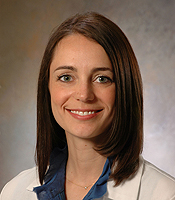 Dr. Jane Churpek[/caption]
MedicalResearch.com Interview with:
Dr. Jane E. Churpek, MD
Assistant Professor of Medicine
Co-Director, Comprehensive Cancer Risk and Prevention Program
The University of Chicago Medicine
Chicago, IL 6063
Medical Research: What is the background for this study? What are the main findings?
Dr. Churpek: We designed this study to try to understand whether damaging, inherited changes in genes known to cause an increased risk of breast cancer are common in those who develop leukemia after getting chemotherapy and/or radiation for treatment of breast cancer.
Leukemias that occur in this setting are called “therapy-related.” This means that chemotherapy or radiation, or both, may have been involved in causing the leukemia. This is an uncommon but serious complication of cancer treatment, and the factors that put women at risk for this complication are not well understood.
We looked at the clinical histories of 88 such women. We found that most of them have relatives who also had cancer, suggesting they may be cancer-prone to begin with. Because we did not have a group of women who had similar breast cancer treatment and who did not get a therapy-related leukemia, we cannot definitively prove that more women with therapy-related leukemia than expected had these mutations. However, this study gives us reason to further study the role of these genes in therapy-related leukemia.
Dr. Jane Churpek[/caption]
MedicalResearch.com Interview with:
Dr. Jane E. Churpek, MD
Assistant Professor of Medicine
Co-Director, Comprehensive Cancer Risk and Prevention Program
The University of Chicago Medicine
Chicago, IL 6063
Medical Research: What is the background for this study? What are the main findings?
Dr. Churpek: We designed this study to try to understand whether damaging, inherited changes in genes known to cause an increased risk of breast cancer are common in those who develop leukemia after getting chemotherapy and/or radiation for treatment of breast cancer.
Leukemias that occur in this setting are called “therapy-related.” This means that chemotherapy or radiation, or both, may have been involved in causing the leukemia. This is an uncommon but serious complication of cancer treatment, and the factors that put women at risk for this complication are not well understood.
We looked at the clinical histories of 88 such women. We found that most of them have relatives who also had cancer, suggesting they may be cancer-prone to begin with. Because we did not have a group of women who had similar breast cancer treatment and who did not get a therapy-related leukemia, we cannot definitively prove that more women with therapy-related leukemia than expected had these mutations. However, this study gives us reason to further study the role of these genes in therapy-related leukemia.
 Dr. Vittorio Gallo[/caption]
MedicalResearch.com Interview with:
Dr. Vittorio Gallo PhD
Center for Neuroscience Research
Children’s Research Institute
Children’s National Medical Center
Washington, DC 20010
Medical Research: What is the background for this study? What are the main findings?
Dr. Gallo: Astrocytes are cells in the central nervous system (CNS) that provide nutrients, recycle neurotransmitters, and help maintain homeostasis. In many neurodegenerative disorders – including multiple sclerosis (MS) –astrocytes undergo a cellular and biochemical transformation called reactive gliosis. This process significantly impacts – both positively and negatively – neural regeneration. Reactive astrocytes (RAs) synthesize and release a peptide called Endothelin-1 (ET-1). Gallo and his team previously demonstrated that ET-1 is expressed at high levels by RAs in multiple sclerosis (MS) lesions and that – in animal models of MS – this peptide inhibits repair by delaying oligodendrocyte maturation and remyelination.
The main finding of the study published in Cell Reports is the identification of the cellular and molecular pathway that mediates the inhibitory effects of ET-1 on oligodendrocyte regeneration and remyelinaton in demyelinated lesions. In particular - by using pharmacological and genetic approaches - the study demonstrates that the ET-1 acts selectively through the ET-receptor B (ENDRB) on astrocytes - and not oligodendrocytes - to indirectly inhibit remyelination.
Dr. Vittorio Gallo[/caption]
MedicalResearch.com Interview with:
Dr. Vittorio Gallo PhD
Center for Neuroscience Research
Children’s Research Institute
Children’s National Medical Center
Washington, DC 20010
Medical Research: What is the background for this study? What are the main findings?
Dr. Gallo: Astrocytes are cells in the central nervous system (CNS) that provide nutrients, recycle neurotransmitters, and help maintain homeostasis. In many neurodegenerative disorders – including multiple sclerosis (MS) –astrocytes undergo a cellular and biochemical transformation called reactive gliosis. This process significantly impacts – both positively and negatively – neural regeneration. Reactive astrocytes (RAs) synthesize and release a peptide called Endothelin-1 (ET-1). Gallo and his team previously demonstrated that ET-1 is expressed at high levels by RAs in multiple sclerosis (MS) lesions and that – in animal models of MS – this peptide inhibits repair by delaying oligodendrocyte maturation and remyelination.
The main finding of the study published in Cell Reports is the identification of the cellular and molecular pathway that mediates the inhibitory effects of ET-1 on oligodendrocyte regeneration and remyelinaton in demyelinated lesions. In particular - by using pharmacological and genetic approaches - the study demonstrates that the ET-1 acts selectively through the ET-receptor B (ENDRB) on astrocytes - and not oligodendrocytes - to indirectly inhibit remyelination.
 Prof. Voskuhl[/caption]
MedicalResearch.com Interview with:
Professor Rhonda Voskuhl, M.D.
Jack H. Skirball Chair in MS Research
Director of the UCLA MS Program
David Geffen School of Medicine
University of California, Los Angeles
Medical Research: What is the background for this study? What are the main findings?
Dr. Voskuhl: It had been known for decades that relapses were reduced during pregnancy in women with Multiple Sclerosis (MS), psoriasis and rheumatoid arthritis. We viewed this as a major clue to help find new disease modifying treatments. Focusing on MS, we investigated treatment with estriol, an estrogen that is made by the fetus/placenta during pregnancy. Preclinical studies and a pilot clinical trial at UCLA showed good results leading to the current Phase 2 clinical trial at 16 sites across the U.S. It showed that treatment with estriol pills compared to placebo pills, each in combination with standard of care (glatirmar acetate) injections, reduced relapses by one third to one half over and above standard of care treatment.
Prof. Voskuhl[/caption]
MedicalResearch.com Interview with:
Professor Rhonda Voskuhl, M.D.
Jack H. Skirball Chair in MS Research
Director of the UCLA MS Program
David Geffen School of Medicine
University of California, Los Angeles
Medical Research: What is the background for this study? What are the main findings?
Dr. Voskuhl: It had been known for decades that relapses were reduced during pregnancy in women with Multiple Sclerosis (MS), psoriasis and rheumatoid arthritis. We viewed this as a major clue to help find new disease modifying treatments. Focusing on MS, we investigated treatment with estriol, an estrogen that is made by the fetus/placenta during pregnancy. Preclinical studies and a pilot clinical trial at UCLA showed good results leading to the current Phase 2 clinical trial at 16 sites across the U.S. It showed that treatment with estriol pills compared to placebo pills, each in combination with standard of care (glatirmar acetate) injections, reduced relapses by one third to one half over and above standard of care treatment.
 Dr. Gersing[/caption]
MedicalResearch.com Interview with:
Alexandra S. Gersing, MD
Department of Radiology and Biomedical Imaging
University of California, San Francisco
Medical Research: What is the background for this study? What are the main findings?
Dr. Gersing: This study is part of a larger NIH-funded project focusing on the effects of weight change in individuals at risk for and with osteoarthritis. Our group has previously shown that weight gain causes substantial worsening of knee joint degeneration in patients with risk factors for osteoarthritis and now we aimed to show that weight loss could protect the knee joint from degeneration and osteoarthritis. Osteoarthritis is one of the major causes of pain and disability worldwide; and cartilage plays a central role in the development of joint degeneration. Since cartilage loss is irreversible, we wanted to assess whether lifestyle interventions, such as weight loss, could make a difference at a very early, potentially reversible stage of cartilage degradation and whether a certain amount of weight loss is more beneficial to prevent cartilage deterioration. To measure these early changes we used a novel Magnetic Resonance Imaging (MRI) technique, called T2 mapping, which allows us to evaluate biochemical cartilage degradation in the patient on a molecular level. The most relevant finding of this study is that patients with more that 10% of
Dr. Gersing[/caption]
MedicalResearch.com Interview with:
Alexandra S. Gersing, MD
Department of Radiology and Biomedical Imaging
University of California, San Francisco
Medical Research: What is the background for this study? What are the main findings?
Dr. Gersing: This study is part of a larger NIH-funded project focusing on the effects of weight change in individuals at risk for and with osteoarthritis. Our group has previously shown that weight gain causes substantial worsening of knee joint degeneration in patients with risk factors for osteoarthritis and now we aimed to show that weight loss could protect the knee joint from degeneration and osteoarthritis. Osteoarthritis is one of the major causes of pain and disability worldwide; and cartilage plays a central role in the development of joint degeneration. Since cartilage loss is irreversible, we wanted to assess whether lifestyle interventions, such as weight loss, could make a difference at a very early, potentially reversible stage of cartilage degradation and whether a certain amount of weight loss is more beneficial to prevent cartilage deterioration. To measure these early changes we used a novel Magnetic Resonance Imaging (MRI) technique, called T2 mapping, which allows us to evaluate biochemical cartilage degradation in the patient on a molecular level. The most relevant finding of this study is that patients with more that 10% of  Dr. Ida Donkin[/caption]
MedicalResearch.com Interview with:
Ida Donkin MD, PhD
Postdoc, Medical Doctor, PhD
University of Copenhagen
Faculty Of Health Sciences
Copenhagen, Denmark
Medical Research: What is the background for this study?
Dr. Donkin: We know that children of obese fathers are more prone to develop obesity themselves – regardless of the weight of the mother. We also know that obesity and diabetes are diseases with a very big inheritable components in their aetiology. If your parents are obese, you have a risk of about 75% percent of developing obesity yourself. But we do not know how the disease is inherited from one generation to the next. Despite exhaustive research trying to investigate genes potentially responsible for this, and more than 125 genetic mutations have been discovered to associate to the development of obesity, all the genetic mutations put together cannot explain more than about 10% of the actual inheritance. So how is obesity inherited from parents to children? One explanation could be the transfer of epigenetic information from one generation to the next. Epigenetic information is established in our body’s cells in response to our lifestyle and the environment around us. We discovered that the epigenetic factors of semen cells also responds to changes in our lifestyle, and we speculated whether these might be the key to understand how obesity in dads can lead to obesity in children.
Medical Research: What are the main findings?
Dr. Donkin: In this study we discovered that the information kept in our semen cells responds dynamically to changes in our lifestyle. If you are obese, your semen cells will contain a different epigenetic pattern than if you are lean. Weight loss induced by gastric bypass surgery will dynamically change these epigenetic patterns, meaning that by changing our lifestyle, we can actively change the epigenetic information we pass on to our children. Other research groups have created solid evidence showing us that most these epigenetic marks kept in the
Dr. Ida Donkin[/caption]
MedicalResearch.com Interview with:
Ida Donkin MD, PhD
Postdoc, Medical Doctor, PhD
University of Copenhagen
Faculty Of Health Sciences
Copenhagen, Denmark
Medical Research: What is the background for this study?
Dr. Donkin: We know that children of obese fathers are more prone to develop obesity themselves – regardless of the weight of the mother. We also know that obesity and diabetes are diseases with a very big inheritable components in their aetiology. If your parents are obese, you have a risk of about 75% percent of developing obesity yourself. But we do not know how the disease is inherited from one generation to the next. Despite exhaustive research trying to investigate genes potentially responsible for this, and more than 125 genetic mutations have been discovered to associate to the development of obesity, all the genetic mutations put together cannot explain more than about 10% of the actual inheritance. So how is obesity inherited from parents to children? One explanation could be the transfer of epigenetic information from one generation to the next. Epigenetic information is established in our body’s cells in response to our lifestyle and the environment around us. We discovered that the epigenetic factors of semen cells also responds to changes in our lifestyle, and we speculated whether these might be the key to understand how obesity in dads can lead to obesity in children.
Medical Research: What are the main findings?
Dr. Donkin: In this study we discovered that the information kept in our semen cells responds dynamically to changes in our lifestyle. If you are obese, your semen cells will contain a different epigenetic pattern than if you are lean. Weight loss induced by gastric bypass surgery will dynamically change these epigenetic patterns, meaning that by changing our lifestyle, we can actively change the epigenetic information we pass on to our children. Other research groups have created solid evidence showing us that most these epigenetic marks kept in the  Dr. Grovaert[/caption]
MedicalResearch.com Interview with:
Johannes Govaert MD
Department of Surgery
Leiden University Medical Center
Leiden, The Netherlands
Medical Research: What is the background for this study?
Dr. Govaert: The Value Based Health Care agenda ofPprof. Porter (Harvard Business School) suggests that focus in healthcare should shift from reducing costs to improving quality: where quality of healthcare improves, cost reduction will follow. One of the cornerstones of potential cost reduction, as mentioned by Porter, could be availability of key clinical data on processes and outcomes of care. Despite the important societal and economical role the healthcare system fulfils, it still lags behind when it comes to standardised reporting processes. With the introduction of the Dutch Surgical Colorectal Audit (DSCA) in 2009, robust quality information became available enabling monitoring, evaluation and improvement of surgical colorectal cancer care in the Netherlands. Since the introduction of the DSCA postoperative morbidity and mortality declined.
Primary aim of this study was to investigate whether improving quality of surgical colorectal cancer care, by using a national quality improvement initiative, leads to a reduction of hospital costs. Detailed clinical data was obtained from the 2010-2012 population-based Dutch Surgical Colorectal Audit. Costs at patient-level were measured uniformly in all 29 participating hospitals and based on Time-Driven Activity-Based Costing.
Medical Research: What are the main findings?
Dr. Govaert: Over three consecutive years (2010-2012) severe complications and mortality after colorectal cancer surgery respectively declined with 20% and 29%. Simultaneously, costs during primary admission decreased with 9% without increase in costs within the first 90 days after discharge. Moreover, an inverse relationship (at hospital level) between severe complication rate and hospital costs was identified among the 29 participating hospitals. Hospitals with increasing severe complication rates (between 2010 and 2012) were associated with increasing costs whereas hospitals with declining severe complication rates were associated with cost reduction.
Dr. Grovaert[/caption]
MedicalResearch.com Interview with:
Johannes Govaert MD
Department of Surgery
Leiden University Medical Center
Leiden, The Netherlands
Medical Research: What is the background for this study?
Dr. Govaert: The Value Based Health Care agenda ofPprof. Porter (Harvard Business School) suggests that focus in healthcare should shift from reducing costs to improving quality: where quality of healthcare improves, cost reduction will follow. One of the cornerstones of potential cost reduction, as mentioned by Porter, could be availability of key clinical data on processes and outcomes of care. Despite the important societal and economical role the healthcare system fulfils, it still lags behind when it comes to standardised reporting processes. With the introduction of the Dutch Surgical Colorectal Audit (DSCA) in 2009, robust quality information became available enabling monitoring, evaluation and improvement of surgical colorectal cancer care in the Netherlands. Since the introduction of the DSCA postoperative morbidity and mortality declined.
Primary aim of this study was to investigate whether improving quality of surgical colorectal cancer care, by using a national quality improvement initiative, leads to a reduction of hospital costs. Detailed clinical data was obtained from the 2010-2012 population-based Dutch Surgical Colorectal Audit. Costs at patient-level were measured uniformly in all 29 participating hospitals and based on Time-Driven Activity-Based Costing.
Medical Research: What are the main findings?
Dr. Govaert: Over three consecutive years (2010-2012) severe complications and mortality after colorectal cancer surgery respectively declined with 20% and 29%. Simultaneously, costs during primary admission decreased with 9% without increase in costs within the first 90 days after discharge. Moreover, an inverse relationship (at hospital level) between severe complication rate and hospital costs was identified among the 29 participating hospitals. Hospitals with increasing severe complication rates (between 2010 and 2012) were associated with increasing costs whereas hospitals with declining severe complication rates were associated with cost reduction.
 Prof. Ajai Singh[/caption]
MedicalResearch.com Interview with:
Professor Ajai Singh
Department of Orthopaedic Surgery
King George's Medical University
India
Medical Research: What is the background for this study?
Prof. Singh: Road traffic accidents (RTAs), in the current scenario, have taken the form of an epidemic. Developing countries are presently showing an increasing trend with respect to the number of vehicles and population. Personality characteristics are becoming a significant contributor in RTAs, owing to rising stress levels and varying circumstances. In developing countries, most of the RTAs occur in urban regions and pedestrians, passengers, and motorcyclists collectively constitute around 90% of deaths. We, therefore, conducted this study in order to evaluate the patterns of various personality characteristics in patients suffering from nonfatal orthopedic injuries as a result of Road traffic accidents and attending a tertiary care center, with special focus on motorcyclists.
Medical Research: What are the main findings?
Prof. Singh: Most of the accidental injuries are faced by motorized two wheeler drivers of younger age. This is probably due to the fact that we are a developing nation with a huge population having motorized two wheeler vehicles as a major means of private transport. Also, these motorized two wheelers have a low safety profile that makes their riders more prone to accident. Amongst all the motorcyclists encountering road traffic accidents, impulsive personality trait is found in 85.19% and histrionic trait was found in 82.72% of cases.
Prof. Ajai Singh[/caption]
MedicalResearch.com Interview with:
Professor Ajai Singh
Department of Orthopaedic Surgery
King George's Medical University
India
Medical Research: What is the background for this study?
Prof. Singh: Road traffic accidents (RTAs), in the current scenario, have taken the form of an epidemic. Developing countries are presently showing an increasing trend with respect to the number of vehicles and population. Personality characteristics are becoming a significant contributor in RTAs, owing to rising stress levels and varying circumstances. In developing countries, most of the RTAs occur in urban regions and pedestrians, passengers, and motorcyclists collectively constitute around 90% of deaths. We, therefore, conducted this study in order to evaluate the patterns of various personality characteristics in patients suffering from nonfatal orthopedic injuries as a result of Road traffic accidents and attending a tertiary care center, with special focus on motorcyclists.
Medical Research: What are the main findings?
Prof. Singh: Most of the accidental injuries are faced by motorized two wheeler drivers of younger age. This is probably due to the fact that we are a developing nation with a huge population having motorized two wheeler vehicles as a major means of private transport. Also, these motorized two wheelers have a low safety profile that makes their riders more prone to accident. Amongst all the motorcyclists encountering road traffic accidents, impulsive personality trait is found in 85.19% and histrionic trait was found in 82.72% of cases.
 Dr. Melody Ding[/caption]
MedicalResearch.com Interview with:
Ding Ding (Melody), Ph.D., MPH
NHMRC Early Career Senior Research Fellow
Sydney University Postdoctoral Research Fellow
Prevention Research Collaboration
Sydney School of Public Health
The University of Sydney
Medical Research: What is the background for this study? What are the main findings?
Response: The study followed a large sample (around 200,000) of Australian adults aged 45 or older. Participants reported their lifestyle behaviours (smoking, excessive alcohol use, physical inactivity, unhealthy diet, prolonged sitting, short/long sleep duration) at baseline (2006-2009) and were followed up for around 6 years (up to June 2014). Based on linked administrative data (death records), we found a clear relationship between the total number of lifestyle risk behaviours and the risk of mortality---the more risk behaviours, the higher risk for mortality. This pattern of associations was consistent in men and women, participants in different age groups, of different socioeconomic status, and with and without major chronic disease.
Certain behavioural risk factors have synergistic associations with mortality and appear more harmful together than individually. For example, if people only sit for long hours (defined as >7 hours a day), without having other co-occurring risk behaviours, the risk for mortality was only elevated by 15%, and if people are only physically inactive without having other co-occurring risk behaviours, the risk for mortality was elevated by 60%. However when the two risk factors were combined, say if one is not physically active AND
Dr. Melody Ding[/caption]
MedicalResearch.com Interview with:
Ding Ding (Melody), Ph.D., MPH
NHMRC Early Career Senior Research Fellow
Sydney University Postdoctoral Research Fellow
Prevention Research Collaboration
Sydney School of Public Health
The University of Sydney
Medical Research: What is the background for this study? What are the main findings?
Response: The study followed a large sample (around 200,000) of Australian adults aged 45 or older. Participants reported their lifestyle behaviours (smoking, excessive alcohol use, physical inactivity, unhealthy diet, prolonged sitting, short/long sleep duration) at baseline (2006-2009) and were followed up for around 6 years (up to June 2014). Based on linked administrative data (death records), we found a clear relationship between the total number of lifestyle risk behaviours and the risk of mortality---the more risk behaviours, the higher risk for mortality. This pattern of associations was consistent in men and women, participants in different age groups, of different socioeconomic status, and with and without major chronic disease.
Certain behavioural risk factors have synergistic associations with mortality and appear more harmful together than individually. For example, if people only sit for long hours (defined as >7 hours a day), without having other co-occurring risk behaviours, the risk for mortality was only elevated by 15%, and if people are only physically inactive without having other co-occurring risk behaviours, the risk for mortality was elevated by 60%. However when the two risk factors were combined, say if one is not physically active AND  Dr. Nakharni[/caption]
MedicalResearch.com Interview with:
Girish N. Nadkarni, MD, MPH
Division of Nephrology, Department of Medicine
Icahn School of Medicine at Mount Sinai
New York, New York
MedicalResearch.com: What is the background for this study? What are the main findings?
Dr. Nadkarni: Cardiovascular disease is one of the major causes of morbidity and mortality in patients with kidney disease. Moreover, there is a lack of good quality evidence in kidney disease patients. In addition, previous studies have shown that cardiovascular trials exclude patients with kidney disease. We wanted to analyze all of the clinical trials on acute myocardial infarctions and heart failure in the last decade and see if they continued excluding patients with kidney disease. We discovered that in 371 trials including close to six hundred thousand patients, the majority (57%) excluded patients with kidney disease. A large proportion of the trials excluded patients for non-specific reasons, rather than a prespecified threshold of kidney function and did not report kidney function at baseline. Finally, in trials that did include kidney patients and reported outcomes by
Dr. Nakharni[/caption]
MedicalResearch.com Interview with:
Girish N. Nadkarni, MD, MPH
Division of Nephrology, Department of Medicine
Icahn School of Medicine at Mount Sinai
New York, New York
MedicalResearch.com: What is the background for this study? What are the main findings?
Dr. Nadkarni: Cardiovascular disease is one of the major causes of morbidity and mortality in patients with kidney disease. Moreover, there is a lack of good quality evidence in kidney disease patients. In addition, previous studies have shown that cardiovascular trials exclude patients with kidney disease. We wanted to analyze all of the clinical trials on acute myocardial infarctions and heart failure in the last decade and see if they continued excluding patients with kidney disease. We discovered that in 371 trials including close to six hundred thousand patients, the majority (57%) excluded patients with kidney disease. A large proportion of the trials excluded patients for non-specific reasons, rather than a prespecified threshold of kidney function and did not report kidney function at baseline. Finally, in trials that did include kidney patients and reported outcomes by 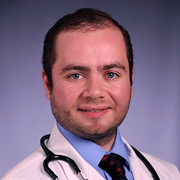 Dr. Al-Kindi[/caption]
MedicalResearch.com Interview with:
Sadeer G Al-Kindi, MD
Fellow, Harrington Heart and Vascular Institute
Onco-Cardiology Program, Advanced Heart Failure and Transplant Center, Harrington Heart and Vascular Institute,
University Hospitals Case Medical Center
Cleveland, OH
Medical Research: What is the background for this study?
Dr. Al-Kindi: Cardiovascular disease and cancer are the most common causes of death in the United States. They often have the same risk factors (for example, smoking, advancing age, obesity). Many cancers are treated with drugs that can have detrimental effect on the heart thus limiting their use. Some studies have suggested that cardiovascular diseases can worsen outcomes in patients with cancer. The emergence of onco-cardiology programs led to multidisciplinary care of patients with cancer and heart disease. Given this tight relationship between cancers and cardiovascular disease, we hypothesized that heart disease and its risk factors are very common in patients diagnosed with cancer.
Medical Research: What are the main findings?
Dr. Al-Kindi: Using a very large clinical database of 1/8th of the US population, we identified patients with most common cancers that are treated with cardiotoxic medications and identified the prevalence of cardiovascular diseases. Overall, prevalence was 33% for hematologic malignancies (leukemia and lymphoma), 43% for lung cancers, 17% for breast cancers, 26% for colon cancers, 35% for renal cancers, and 26% for head and neck cancers. Peripheral artery disease, coronary artery disease and cerebrovascular diseases were the most common, followed by heart failure, and carotid artery disease. Despite the high prevalence, only about a half of these patients were on the cardiovascular medicines and half were referred to cardiologists.
Dr. Al-Kindi[/caption]
MedicalResearch.com Interview with:
Sadeer G Al-Kindi, MD
Fellow, Harrington Heart and Vascular Institute
Onco-Cardiology Program, Advanced Heart Failure and Transplant Center, Harrington Heart and Vascular Institute,
University Hospitals Case Medical Center
Cleveland, OH
Medical Research: What is the background for this study?
Dr. Al-Kindi: Cardiovascular disease and cancer are the most common causes of death in the United States. They often have the same risk factors (for example, smoking, advancing age, obesity). Many cancers are treated with drugs that can have detrimental effect on the heart thus limiting their use. Some studies have suggested that cardiovascular diseases can worsen outcomes in patients with cancer. The emergence of onco-cardiology programs led to multidisciplinary care of patients with cancer and heart disease. Given this tight relationship between cancers and cardiovascular disease, we hypothesized that heart disease and its risk factors are very common in patients diagnosed with cancer.
Medical Research: What are the main findings?
Dr. Al-Kindi: Using a very large clinical database of 1/8th of the US population, we identified patients with most common cancers that are treated with cardiotoxic medications and identified the prevalence of cardiovascular diseases. Overall, prevalence was 33% for hematologic malignancies (leukemia and lymphoma), 43% for lung cancers, 17% for breast cancers, 26% for colon cancers, 35% for renal cancers, and 26% for head and neck cancers. Peripheral artery disease, coronary artery disease and cerebrovascular diseases were the most common, followed by heart failure, and carotid artery disease. Despite the high prevalence, only about a half of these patients were on the cardiovascular medicines and half were referred to cardiologists.
 Dr. Kaltman[/caption]
MedicalResearch.com Interview with:
Jonathan Kaltman, MD
Chief, Heart Development and Structural Diseases Branch
Division of Cardiovascular Sciences
National Heart, Lung, and Blood Institute
Medical Research: What are the main findings?
Dr. Kaltman: Congenital heart disease (CHD) is the most common birth defect but the cause for most defects is unknown. Surgery and clinical care of patients with congenital heart disease has improved survival but now we are learning that many patients have neurodevelopmental abnormalities, including learning disability and attention/behavioral issues.
Medical Research: What are the main findings?
Dr. Kaltman[/caption]
MedicalResearch.com Interview with:
Jonathan Kaltman, MD
Chief, Heart Development and Structural Diseases Branch
Division of Cardiovascular Sciences
National Heart, Lung, and Blood Institute
Medical Research: What are the main findings?
Dr. Kaltman: Congenital heart disease (CHD) is the most common birth defect but the cause for most defects is unknown. Surgery and clinical care of patients with congenital heart disease has improved survival but now we are learning that many patients have neurodevelopmental abnormalities, including learning disability and attention/behavioral issues.
Medical Research: What are the main findings?
 Dr. Jamie Stagl[/caption]
MedicalResearch.com Interview with:
Dr. Jamie Stagl, PhD
Was a Ph.D. student in Psychology at University of Miami during the research period
Currently, a post-doctoral fellow in Psychiatric Oncology
Massachusetts General Hospital Cancer Center in Boston
Medical Research: What is the background for this study? What are the main findings?
Dr. Stagl: This is a newly published finding from a randomized trial funded by the National Cancer Institute that showed that women with breast cancer who received stress management skills early on in their treatment had longer survival and longer time without breast cancer recurrence at eight to 15 years after their initial diagnosis. This secondary analysis is published online and in the November 2015 issue of Breast Cancer Research and Treatment.
The study was conducted by senior investigator, Michael Antoni, Ph.D., Survivorship Theme Leader of the Cancer Control research program at Sylvester Comprehensive Cancer Center at the University of Miami Miller School of Medicine and Professor of Psychology and Psychiatry and Behavioral Sciences, and his research team, including lead author Jamie Stagl, Ph.D., currently a postdoctoral fellow at Massachusetts General Hospital Cancer Center in Psychiatric Oncology and Behavioral Sciences.
In this trial, women received an intervention called Cognitive-Behavioral Stress Management, which was created by Dr. Michael Antoni at the University of Miami. After surgery for breast cancer, women received 10 weekly, group-based sessions of skills to manage stress based in
Dr. Jamie Stagl[/caption]
MedicalResearch.com Interview with:
Dr. Jamie Stagl, PhD
Was a Ph.D. student in Psychology at University of Miami during the research period
Currently, a post-doctoral fellow in Psychiatric Oncology
Massachusetts General Hospital Cancer Center in Boston
Medical Research: What is the background for this study? What are the main findings?
Dr. Stagl: This is a newly published finding from a randomized trial funded by the National Cancer Institute that showed that women with breast cancer who received stress management skills early on in their treatment had longer survival and longer time without breast cancer recurrence at eight to 15 years after their initial diagnosis. This secondary analysis is published online and in the November 2015 issue of Breast Cancer Research and Treatment.
The study was conducted by senior investigator, Michael Antoni, Ph.D., Survivorship Theme Leader of the Cancer Control research program at Sylvester Comprehensive Cancer Center at the University of Miami Miller School of Medicine and Professor of Psychology and Psychiatry and Behavioral Sciences, and his research team, including lead author Jamie Stagl, Ph.D., currently a postdoctoral fellow at Massachusetts General Hospital Cancer Center in Psychiatric Oncology and Behavioral Sciences.
In this trial, women received an intervention called Cognitive-Behavioral Stress Management, which was created by Dr. Michael Antoni at the University of Miami. After surgery for breast cancer, women received 10 weekly, group-based sessions of skills to manage stress based in  Prof. Stephen W. Duffy[/caption]
MedicalResearch.com Interview with:
Prof Stephen Duffy BSc MSc CStat
Professor Of Cancer Screening
Wolfson Institute Of Preventive Medicine
Queen Mary University of London
Medical Research: What is the background for this study? What are the main findings?
Prof. Duffy: There is debate on the value of diagnosing and treating ductal carcinoma in situ (DCIS) of the breast, depending mainly on different theories about the risk of progression to invasive breast cancer if DCIS were untreated. No-one asserts that no DCIS is progressive and no-one asserts that all DCIS is progressive. There is, however, a range of opinions on the proportion of progressive disease.
We found that those mammography screening units in the UK with higher detection rates of DCIS had lower subsequent rates of invasive cancers in the three years after screening.
Prof. Stephen W. Duffy[/caption]
MedicalResearch.com Interview with:
Prof Stephen Duffy BSc MSc CStat
Professor Of Cancer Screening
Wolfson Institute Of Preventive Medicine
Queen Mary University of London
Medical Research: What is the background for this study? What are the main findings?
Prof. Duffy: There is debate on the value of diagnosing and treating ductal carcinoma in situ (DCIS) of the breast, depending mainly on different theories about the risk of progression to invasive breast cancer if DCIS were untreated. No-one asserts that no DCIS is progressive and no-one asserts that all DCIS is progressive. There is, however, a range of opinions on the proportion of progressive disease.
We found that those mammography screening units in the UK with higher detection rates of DCIS had lower subsequent rates of invasive cancers in the three years after screening.
 Dr. Boiselle[/caption]
MedicalResearch.com Interview with:
Phillip Boiselle, M.D.
Staff, Cardiothoracic Imaging
Beth Israel Deaconess Medical Center
Associate Dean for Academic and Clinical Affairs
Professor of Radiology, Harvard Medical School
Boston, Mass
Medical Research: What is the background for this study? What are the main findings?
Dr. Boiselle: Previous studies have shown that women have a greater mortality benefit from lung cancer screening then men, and that this test (CT screening) is more cost-effective for women than men. Our purpose was to determine whether the relative risk of lung cancer for women and men differed depending on the specific type of lung nodule that was discovered at screening. Such differences could potentially help to influence a more personalized approach to patient management in lung cancer screening.
Dr. Boiselle[/caption]
MedicalResearch.com Interview with:
Phillip Boiselle, M.D.
Staff, Cardiothoracic Imaging
Beth Israel Deaconess Medical Center
Associate Dean for Academic and Clinical Affairs
Professor of Radiology, Harvard Medical School
Boston, Mass
Medical Research: What is the background for this study? What are the main findings?
Dr. Boiselle: Previous studies have shown that women have a greater mortality benefit from lung cancer screening then men, and that this test (CT screening) is more cost-effective for women than men. Our purpose was to determine whether the relative risk of lung cancer for women and men differed depending on the specific type of lung nodule that was discovered at screening. Such differences could potentially help to influence a more personalized approach to patient management in lung cancer screening.
 Dr. Meyerhans[/caption]
MedicalResearch.com Interview with:
Andreas Meyerhans, PhD
ICREA Research Professor at the University Pompeu Fabra
Infection Biology Group
Department of Experimental and Health Sciences
Universitat Pompeu Fabra
Barcelona Spain
Medical Research: What is the background for this study? What are the main findings?
Dr. Meyerhans: In brief, chronic HIV infections lead to a dampening of HIV-specific killer cells. This phenomenon is named exhaustion and is mediated by inhibitory proteins, such as PD-1, on the cell surface. A consequence of exhaustion is a reduction of the immune control over virus expansion.
We have studied the effect of blocking the negative signaling from the inhibitory proteins by means of PD-1/PD-L1 pathway inhibition on effector and regulatory T cells (Treg). We found that one can augment antiviral immune control only when the virus load was well controlled in the HIV-infected individuals i.e. by antiviral drugs. In that case, PD-1/PD-L1 pathway blockage led to an expansion of anti-HIV killer cells over Treg cells. This latter are suppressive white blood cells also subject to the same inhibitory pathway regulation. In contrast, when blood cells from viremic HIV-infected individuals were analyzed, Treg cells expanded efficiently and thus reduced the effector to regulatory T cell ratio that controls HIV. Taken together, our data point to Treg cells as an important component in the outcome of PD-1/PD-L1 pathway inhibitor therapies and suggest a net gain in anti-HIV immune responses only when the HIV loads are well controlled during the administration of these novel compounds.
Dr. Meyerhans[/caption]
MedicalResearch.com Interview with:
Andreas Meyerhans, PhD
ICREA Research Professor at the University Pompeu Fabra
Infection Biology Group
Department of Experimental and Health Sciences
Universitat Pompeu Fabra
Barcelona Spain
Medical Research: What is the background for this study? What are the main findings?
Dr. Meyerhans: In brief, chronic HIV infections lead to a dampening of HIV-specific killer cells. This phenomenon is named exhaustion and is mediated by inhibitory proteins, such as PD-1, on the cell surface. A consequence of exhaustion is a reduction of the immune control over virus expansion.
We have studied the effect of blocking the negative signaling from the inhibitory proteins by means of PD-1/PD-L1 pathway inhibition on effector and regulatory T cells (Treg). We found that one can augment antiviral immune control only when the virus load was well controlled in the HIV-infected individuals i.e. by antiviral drugs. In that case, PD-1/PD-L1 pathway blockage led to an expansion of anti-HIV killer cells over Treg cells. This latter are suppressive white blood cells also subject to the same inhibitory pathway regulation. In contrast, when blood cells from viremic HIV-infected individuals were analyzed, Treg cells expanded efficiently and thus reduced the effector to regulatory T cell ratio that controls HIV. Taken together, our data point to Treg cells as an important component in the outcome of PD-1/PD-L1 pathway inhibitor therapies and suggest a net gain in anti-HIV immune responses only when the HIV loads are well controlled during the administration of these novel compounds.
 Ms. Gemberling[/caption]
MedicalResearch.com Interview with:
Tess M. Gemberling, M.A.
Social Psychology Ph.D. Student
Co-Principal Investigator
University of Alabama
Medical Research: What is the background for this study?
Response: Many stereotypes of BDSM (bondage and discipline [B&D], dominance and submission [D/s], sadomasochism [SM],) that can be seen on websites similar to
Ms. Gemberling[/caption]
MedicalResearch.com Interview with:
Tess M. Gemberling, M.A.
Social Psychology Ph.D. Student
Co-Principal Investigator
University of Alabama
Medical Research: What is the background for this study?
Response: Many stereotypes of BDSM (bondage and discipline [B&D], dominance and submission [D/s], sadomasochism [SM],) that can be seen on websites similar to  Dr. Azim[/caption]
MedicalResearch.com Interview with:
Hatem A. Azim MD PhD
Breast Cancer Translational Research Laboratory
Institut Jules Bordet
Université Libre de Bruxelles
Brussels, Belgium
Medical Research: What is the background for this study? What are the main findings?
Dr. Azim: As at breast cancer diagnosis is known to impact prognosis, with young patients having worse outcome. On the other hand, elderly patients are less studies in general and little is known on their tumor characteristics.
In this study, we aimed to define the pattern of genomic aberrations in different age groups. This can result in identifying if key potentially targetable genomic alterations are more specific to particular age groups and thus could open the door to design particular studies targeting these aberrations in these age groups. We found that age is associated with unique biological features at the DNA level, independent of tumor stage, histology and breast cancer molecular subtype.
Of particular mention, the higher prevalence of GATA3 mutation in younger patient, a known driver mutation associated with endocrine resistance. In addition, age at diagnosis appears to impact the tumor transcriptome confirming previous observations, but also highlighting novel findings, of particular relevance the higher expression of stem cell related genes in young patients.
Dr. Azim[/caption]
MedicalResearch.com Interview with:
Hatem A. Azim MD PhD
Breast Cancer Translational Research Laboratory
Institut Jules Bordet
Université Libre de Bruxelles
Brussels, Belgium
Medical Research: What is the background for this study? What are the main findings?
Dr. Azim: As at breast cancer diagnosis is known to impact prognosis, with young patients having worse outcome. On the other hand, elderly patients are less studies in general and little is known on their tumor characteristics.
In this study, we aimed to define the pattern of genomic aberrations in different age groups. This can result in identifying if key potentially targetable genomic alterations are more specific to particular age groups and thus could open the door to design particular studies targeting these aberrations in these age groups. We found that age is associated with unique biological features at the DNA level, independent of tumor stage, histology and breast cancer molecular subtype.
Of particular mention, the higher prevalence of GATA3 mutation in younger patient, a known driver mutation associated with endocrine resistance. In addition, age at diagnosis appears to impact the tumor transcriptome confirming previous observations, but also highlighting novel findings, of particular relevance the higher expression of stem cell related genes in young patients.
 Prof. Cnattingius[/caption]
MedicalResearch.com Interview with:
Professor Sven Cnattingius
Professor in reproductive epidemiology
Clinical Epidemiology Unit, Department of Medicine
Karolinska University Hospital
Karolinska Institutet, Stockholm, Sweden
Medical Research: What is the background for this study?
Prof. Cnattingius: Maternal overweight and obesity are associated with increased risks of stillbirth and infant mortality.
Weight gain between pregnancies increases risks of other obesity-related complications, including preeclampsia, gestational diabetes, and preterm birth. Weight gain appear to increase these risks especially in women who start off with normal weight.
As these complications increases risks of stillbirth and infant mortality, we wanted to study the associations between weight change between successive pregnancies and risks of stillbirth and infant mortality (deaths during the first year of life).
Medical Research: What are the main findings?
Prof. Cnattingius: The main findings include:
Prof. Cnattingius[/caption]
MedicalResearch.com Interview with:
Professor Sven Cnattingius
Professor in reproductive epidemiology
Clinical Epidemiology Unit, Department of Medicine
Karolinska University Hospital
Karolinska Institutet, Stockholm, Sweden
Medical Research: What is the background for this study?
Prof. Cnattingius: Maternal overweight and obesity are associated with increased risks of stillbirth and infant mortality.
Weight gain between pregnancies increases risks of other obesity-related complications, including preeclampsia, gestational diabetes, and preterm birth. Weight gain appear to increase these risks especially in women who start off with normal weight.
As these complications increases risks of stillbirth and infant mortality, we wanted to study the associations between weight change between successive pregnancies and risks of stillbirth and infant mortality (deaths during the first year of life).
Medical Research: What are the main findings?
Prof. Cnattingius: The main findings include:
 Dr. Andrew Auld[/caption]
MedicalResearch.com Interview with:
Dr. Andrew Auld MD, MSc
Dr. Andrew Auld[/caption]
MedicalResearch.com Interview with:
Dr. Andrew Auld MD, MSc
 Dr. Wenji Li[/caption]
MedicalResearch.com Interview with:
Wenji Li, MMed, PhD
Postdoc Associate
Department of Pharmaceutics
Ernest Mario School of Pharmacy
Rutgers, The State University of New Jersey
Medical Research: What is the background for this study? What are the main findings?
Dr. Li: Hypertension is a vital risk factor for many serious disorders. Male and age ≥40 years were found to be highly associated with more severe hypertension. In Singapore, the prevalence of hypertension increased markedly from age 40 years onwards. Tea, a popular beverage in Chinese people, has been approved to possess many beneficial pharmacological effects including antihypertension. However, no clinical studies on the correlation between
Dr. Wenji Li[/caption]
MedicalResearch.com Interview with:
Wenji Li, MMed, PhD
Postdoc Associate
Department of Pharmaceutics
Ernest Mario School of Pharmacy
Rutgers, The State University of New Jersey
Medical Research: What is the background for this study? What are the main findings?
Dr. Li: Hypertension is a vital risk factor for many serious disorders. Male and age ≥40 years were found to be highly associated with more severe hypertension. In Singapore, the prevalence of hypertension increased markedly from age 40 years onwards. Tea, a popular beverage in Chinese people, has been approved to possess many beneficial pharmacological effects including antihypertension. However, no clinical studies on the correlation between  Dr. Haque[/caption]
MedicalResearch.com Interview with:
Reina Haque, PhD, MPH
Research scientist
Department of Research & Evaluation
Kaiser Permanente Southern California
Pasadena Calif
Medical Research: What is the background for this study? What are the main findings?
Dr. Haque: Tamoxifen is a commonly prescribed generic drug taken by women with breast cancer to reduce their chances of developing a recurrence. Tamoxifen is recommended for five years, but has notable side effects, including hot flashes, night sweats and depression. Since hormone replacement therapy is not recommended to alleviate these symptoms in breast-cancer survivors, antidepressants have been increasingly prescribed for relief. Almost half of the 2.4 million breast-cancer survivors in the U.S. take antidepressants.
However, previous studies have suggested that antidepressants reduce tamoxifen's effectiveness in lowering subsequent breast-cancer risk. This study was conducted to determine whether taking tamoxifen and antidepressants (in particular, paroxetine) concomitantly is associated with an increased risk of recurrence or contralateral breast cancer.
Dr. Haque[/caption]
MedicalResearch.com Interview with:
Reina Haque, PhD, MPH
Research scientist
Department of Research & Evaluation
Kaiser Permanente Southern California
Pasadena Calif
Medical Research: What is the background for this study? What are the main findings?
Dr. Haque: Tamoxifen is a commonly prescribed generic drug taken by women with breast cancer to reduce their chances of developing a recurrence. Tamoxifen is recommended for five years, but has notable side effects, including hot flashes, night sweats and depression. Since hormone replacement therapy is not recommended to alleviate these symptoms in breast-cancer survivors, antidepressants have been increasingly prescribed for relief. Almost half of the 2.4 million breast-cancer survivors in the U.S. take antidepressants.
However, previous studies have suggested that antidepressants reduce tamoxifen's effectiveness in lowering subsequent breast-cancer risk. This study was conducted to determine whether taking tamoxifen and antidepressants (in particular, paroxetine) concomitantly is associated with an increased risk of recurrence or contralateral breast cancer.
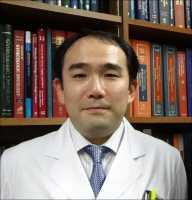 Dr. Hamanishi[/caption]
MedicalResearch.com Interview with:
Junzo Hamanishi M.D., Ph.D.
Department of Gynecology and Obstetrics,
Kyoto University Graduate School of Medicine
Assistant Professor
Kyoto Japan
Medical Research: What is the background for this study?
Dr. Hamanishi: More than 70% of patients with advanced ovarian cancer who achieve remission ultimately relapse and there are few effective treatments for these patients. Because the development of new treatment strategies for these patients is urgently required, we have focused on and studied the potential of cancer cells to escape from host immunity with PD-1/PD-L1 immunosuppressive signal in the tumor microenvironment to find new treatment strategies to overcome this phenomenon,
Dr. Hamanishi[/caption]
MedicalResearch.com Interview with:
Junzo Hamanishi M.D., Ph.D.
Department of Gynecology and Obstetrics,
Kyoto University Graduate School of Medicine
Assistant Professor
Kyoto Japan
Medical Research: What is the background for this study?
Dr. Hamanishi: More than 70% of patients with advanced ovarian cancer who achieve remission ultimately relapse and there are few effective treatments for these patients. Because the development of new treatment strategies for these patients is urgently required, we have focused on and studied the potential of cancer cells to escape from host immunity with PD-1/PD-L1 immunosuppressive signal in the tumor microenvironment to find new treatment strategies to overcome this phenomenon,  Prof. Paludan[/caption]
MedicalResearch.com Interview with:
Professor Søren Riis Paludan DMSc, PhD
Department of Biomedicine
Aarhus University
Denmark
Medical Research: What is the background for this study? What are the main findings?
Prof. Paluden: We were interested in understanding the first immune reactions that occur when an organism meets an infectious agent (virus or bacteria).
The main finding is that we have identified an immune reaction that is activated as the microbe disturbed the mucus layer at mucosal surfaces. This is an immune reaction occuring earlier than what has been thought previously, and may represent a mechanism that enables the organism to fight most microbes that we meet without mounting strong immune responses. This is important, since strong immune reactions - in addition to contributing to elimination of microbes - also have negative effects such as fever, etc.
Prof. Paludan[/caption]
MedicalResearch.com Interview with:
Professor Søren Riis Paludan DMSc, PhD
Department of Biomedicine
Aarhus University
Denmark
Medical Research: What is the background for this study? What are the main findings?
Prof. Paluden: We were interested in understanding the first immune reactions that occur when an organism meets an infectious agent (virus or bacteria).
The main finding is that we have identified an immune reaction that is activated as the microbe disturbed the mucus layer at mucosal surfaces. This is an immune reaction occuring earlier than what has been thought previously, and may represent a mechanism that enables the organism to fight most microbes that we meet without mounting strong immune responses. This is important, since strong immune reactions - in addition to contributing to elimination of microbes - also have negative effects such as fever, etc.