
24 Jan Genes Identified That May Predispose Some Individuals to Getting Sick
[caption id="attachment_20931" align="alignleft" width="200"]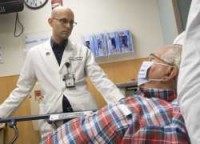 Dr. Ephraim Tsalik
Duke Health[/caption] MedicalResearch.com Interview with: Ephraim L. Tsalik, MD MHS PhD Assistant Professor of Medicine Division of Infectious Diseases Center for Applied Genomics & Precision Medicine Duke University Medical Center Emergency Department Service Line Durham VA Medical Center Medical Research: What is the background for this study? What are the main findings? Dr. Tsalik: This study was motivated by the convergence of two research interests. The first was spearheaded by Dr. Sack, leading our collaboration at Johns Hopkins. Dr. Sack and his colleagues have a long history and expertise in studying enteric infections such as E. coli. The second is our group here at Duke’s Center for Applied Genomics & Precision Medicine as well as the Durham VA Medical Center. Specifically, we have an interest in studying the host response to infectious disease. One of the ways we’ve done that historically is through challenge studies where healthy volunteers are exposed to a pathogen in a controlled setting. Despite everyone getting the same exposure, not everyone gets sick. That observation gives us a unique opportunity to study the host biology of symptomatic individuals, asymptomatic individuals, and what distinguishes the two from each other. That is precisely what we did here. Volunteers ingested Enterotoxigenic E. coli (ETEC), which is a common cause of traveler’s diarrhea. Some subjects became ill with diarrhea while others remained well. In this study, we focused on gene expression patterns, which is a snapshot of how genes in the body are being used in response to this infection. Some genes are more active, some are less. The pattern of those changes that occur in response to infection is what we call a “signature”. This approach allowed us to generate some key findings. First of all, we were able to define the genes involved in the body’s response to this type of E. coli infection. Second, we discovered genes that were differentially expressed at baseline that could distinguish people who would go on to become ill from those that would remain healthy. Although this study was not designed to identify the mechanism for that resilience to infection, it does focus our attention on where to look. We suspect the genes we identified are likely to play a role in infectious disease resilience and susceptibility based on their known immune function roles. We also have data, which wasn’t published in this study, that implicates some of these genes in the resilience to other infections such as influenza. The last major finding was something called Drug Repositioning Analysis. This is a tool that allowed us to identify drugs and drug classes that could be used to mitigate infections caused by ETEC. That analysis highlighted some compounds already known to be effective such as Zinc. But it also identified several other drug classes that have not previously been investigated and could be important tools to combat such infections especially as antibiotic resistance looms.
 Prof. Ian Wong[/caption]
MedicalResearch.com Interview with:
Professor Ian C K Wong
Fellow of Royal Pharmaceutical Society
Fellow of Royal College of Paediatrics and Child Health (Honorary)
Fellow of the Higher Education Academy
Chair in Pharmacy Practice
Head of Research Department of Practice and Policy
UCL School of Pharmacy
London
Medical Research: What is the background for this study? What are the main findings?
Dr. Wong: Previous studies had showed an increased cardiovascular risk associated with clarithromycin (a widely used antibiotic) but the duration of effect remained unclear. Therefore, we conducted this study to investigate the duration of cardiovascular adverse effect provided that the risk exists after patients receiving clarithromycin in Hong Kong. We used three study designs to examine the association (temporal relationship) between clarithromycin and cardiovascular adverse outcomes such as myocardial infarction, arrhythmia, stroke, cardiac mortality at different time points.
Prof. Ian Wong[/caption]
MedicalResearch.com Interview with:
Professor Ian C K Wong
Fellow of Royal Pharmaceutical Society
Fellow of Royal College of Paediatrics and Child Health (Honorary)
Fellow of the Higher Education Academy
Chair in Pharmacy Practice
Head of Research Department of Practice and Policy
UCL School of Pharmacy
London
Medical Research: What is the background for this study? What are the main findings?
Dr. Wong: Previous studies had showed an increased cardiovascular risk associated with clarithromycin (a widely used antibiotic) but the duration of effect remained unclear. Therefore, we conducted this study to investigate the duration of cardiovascular adverse effect provided that the risk exists after patients receiving clarithromycin in Hong Kong. We used three study designs to examine the association (temporal relationship) between clarithromycin and cardiovascular adverse outcomes such as myocardial infarction, arrhythmia, stroke, cardiac mortality at different time points.
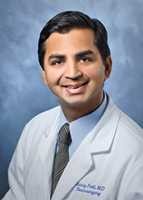 Dr. Chirag Patil[/caption]
MedicalResearch.com Interview with:
Dr. Chirag Patil, MD
American Board Certified Neurosurgeon
Brain & Spine Tumor Program
Lead Investigator, Precision Medicine Initiative Against Brain Cancer
Program Director, Neurosurgical Residence training program
Director, Center for Neurosurgical Outcomes Research Cedars-Sinai Medical Center, Los Angeles, California
MedicalResearch.com Editor’s note: Dr. Patil’s research is focused on developing a method of personalized cancer treatment through the harnessing of genome wide mutational analysis of a specific patient’s cancer.
MedicalResearch.com: Would you tell us a little about yourself and your research interests?
Dr. Patil: I am a Stanford-trained, Board Certified Neurosurgeon and cancer researcher at Cedars-Sinai Medical Center in Los Angeles, California. I primarily focus on the care of patients with malignant brain tumors, particularly glioblastomas. I received my undergraduate degree from Cornell, followed by a medical degree from the University of California, San Francisco (UCSF), where I was a Regent’s scholar. I completed a residency in neurosurgery and a fellowship in stereotactic radiology at Stanford University. I also have a master’s degree in epidemiology with a focus on clinical trial design and mathematical modeling from Stanford.
MedicalResearch.com: Can you tell us about some of your research interests?
Dr. Patil: I am keenly interested in and focused on developing precision science-powered novel brain tumor therapies, immuno-therapies, and patient-centered “big data” outcomes research. I lead the recently-funded Cedars-Sinai Precision Medicine Initiative Against Brain Cancer, which utilizes tumor genomics to build a mathematical computer model, i.e., a virtual cancer cell of each patient’s unique tumor. The White House and several other stakeholders have taken keep interest in this research initiative as an example of a leading precision medicine program.
Dr. Chirag Patil[/caption]
MedicalResearch.com Interview with:
Dr. Chirag Patil, MD
American Board Certified Neurosurgeon
Brain & Spine Tumor Program
Lead Investigator, Precision Medicine Initiative Against Brain Cancer
Program Director, Neurosurgical Residence training program
Director, Center for Neurosurgical Outcomes Research Cedars-Sinai Medical Center, Los Angeles, California
MedicalResearch.com Editor’s note: Dr. Patil’s research is focused on developing a method of personalized cancer treatment through the harnessing of genome wide mutational analysis of a specific patient’s cancer.
MedicalResearch.com: Would you tell us a little about yourself and your research interests?
Dr. Patil: I am a Stanford-trained, Board Certified Neurosurgeon and cancer researcher at Cedars-Sinai Medical Center in Los Angeles, California. I primarily focus on the care of patients with malignant brain tumors, particularly glioblastomas. I received my undergraduate degree from Cornell, followed by a medical degree from the University of California, San Francisco (UCSF), where I was a Regent’s scholar. I completed a residency in neurosurgery and a fellowship in stereotactic radiology at Stanford University. I also have a master’s degree in epidemiology with a focus on clinical trial design and mathematical modeling from Stanford.
MedicalResearch.com: Can you tell us about some of your research interests?
Dr. Patil: I am keenly interested in and focused on developing precision science-powered novel brain tumor therapies, immuno-therapies, and patient-centered “big data” outcomes research. I lead the recently-funded Cedars-Sinai Precision Medicine Initiative Against Brain Cancer, which utilizes tumor genomics to build a mathematical computer model, i.e., a virtual cancer cell of each patient’s unique tumor. The White House and several other stakeholders have taken keep interest in this research initiative as an example of a leading precision medicine program.
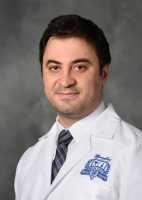 Dr. Firas Abdollah[/caption]
MedicalResearch.com Interview with:
Firas Abdollah, M.D., F.E.B.U.
(Fellow of European Board of Urology) Urology Fellow with the Center for Outcomes Research, Analytics and Evaluation
Vattikuti Urology Institute at Henry Ford Hospital in Detroit
MedicalResearch: What is the background for this study? What are the main findings?
Dr. Abdollah: Cancer screening aims to detect tumors early, before they become symptomatic. Evidence suggests that detection and treatment of early-stage tumors may reduce cancer mortality among screened individuals. Despite this potential benefit, screening programs may also cause harm. Notably, screening may identify low-risk indolent tumors that would never become clinically evident in the absence of screening (overdiagnosis), subjecting patients to the harms of unnecessary treatment. Such considerations are central to screening for prostate and breast cancers, the most prevalent solid tumors in men and women, respectively. These tumors are often slow growing, and guidelines recommend against screening (non-recommended screening) for these tumors in individuals with limited life expectancy, i.e. those with a life expectancy less than 10 years. Unfortunately, our study found that this practice is not uncommon in the US. Using a nationwide representative survey conducted in 2012, we found that among 149,514 individuals 65 years or older, 76,419 (51.1%) received any prostate/breast screening. Among these, 23,532 (30.8%) individuals had a life expectancy of less than 10 years. These numbers imply that among the screened population over 65 years old, almost one in three individuals received a non-recommended screening. This corresponds to an overall rate of non-recommended screening of 15.7% (23,532 of 149,514 individuals).
Another important finding of our study was that there were important variations in the rate of non-recommended screening from state to state; i.e. the chance of an individual older than 65 to receive a non-recommended screening varies based on his/her geographical location in United States.
Finally, on a state-by-state level, there was a correlation (40%) between non-recommended screening for prostate and breast cancer, i.e. states that are more likely to offer non-recommended screening for
Dr. Firas Abdollah[/caption]
MedicalResearch.com Interview with:
Firas Abdollah, M.D., F.E.B.U.
(Fellow of European Board of Urology) Urology Fellow with the Center for Outcomes Research, Analytics and Evaluation
Vattikuti Urology Institute at Henry Ford Hospital in Detroit
MedicalResearch: What is the background for this study? What are the main findings?
Dr. Abdollah: Cancer screening aims to detect tumors early, before they become symptomatic. Evidence suggests that detection and treatment of early-stage tumors may reduce cancer mortality among screened individuals. Despite this potential benefit, screening programs may also cause harm. Notably, screening may identify low-risk indolent tumors that would never become clinically evident in the absence of screening (overdiagnosis), subjecting patients to the harms of unnecessary treatment. Such considerations are central to screening for prostate and breast cancers, the most prevalent solid tumors in men and women, respectively. These tumors are often slow growing, and guidelines recommend against screening (non-recommended screening) for these tumors in individuals with limited life expectancy, i.e. those with a life expectancy less than 10 years. Unfortunately, our study found that this practice is not uncommon in the US. Using a nationwide representative survey conducted in 2012, we found that among 149,514 individuals 65 years or older, 76,419 (51.1%) received any prostate/breast screening. Among these, 23,532 (30.8%) individuals had a life expectancy of less than 10 years. These numbers imply that among the screened population over 65 years old, almost one in three individuals received a non-recommended screening. This corresponds to an overall rate of non-recommended screening of 15.7% (23,532 of 149,514 individuals).
Another important finding of our study was that there were important variations in the rate of non-recommended screening from state to state; i.e. the chance of an individual older than 65 to receive a non-recommended screening varies based on his/her geographical location in United States.
Finally, on a state-by-state level, there was a correlation (40%) between non-recommended screening for prostate and breast cancer, i.e. states that are more likely to offer non-recommended screening for  Dr. Frank Rybicki[/caption]
MedicalResearch.com Interview with:
Frank J. Rybicki, MD, PhD
Professor, Chair and Chief, Department of Radiology
The University of Ottawa, Faculty of Medicine and
The Ottawa Hospital
Editor-in-Chief, 3D Printing in Medicine
Medical Research: What is the background for this document?
Dr. Rybicki: This document represents a conglomeration of the approach to appropriateness of three large medical professional groups. The American College of Radiology Appropriateness Criteria® are evidence based guidelines to assist referring physicians to order the most appropriate imaging test for a wide range of clinical scenarios. The Appropriateness Criteria are divided by organ section, and while they include emergent imaging studies, there is not a single publication to provide imaging guidance for patients who present to the emergency room with chest pain. The American College of Cardiology Appropriate Use Criteria provides evidence based data for a very large gamut of cardiovascular conditions. These guidelines include emergent cardiovascular imaging; however the Appropriate Use Criteria are divided by modality and like the ACR have not specially addressed this important, high risk patient population. The American College of Emergency Physicians, a key stakeholder group that represents referring physicians, has developed a large number of guidelines but also has not organized this group of imaging recommendations. Thus, the background of this document was a joint effort among all three societies to update, harmonize, and publish contemporary guidelines that can be readily incorporated into clinical practice but also provide standards for a large fraction of patients who come to the emergency room with chest pain who require imaging to evaluate for a life threatening diagnosis.
Medical Research: What types of chest pain conditions are covered by these guidelines?
Dr. Rybicki: Based on the background as noted above, the Writing Group for this important document included cardiologists, emergency physicians, and radiologists. Since the group was charged with describing common clinical scenarios seen in contemporary practice, there are four entry points for chest pain conditions. They are as follows:
Dr. Frank Rybicki[/caption]
MedicalResearch.com Interview with:
Frank J. Rybicki, MD, PhD
Professor, Chair and Chief, Department of Radiology
The University of Ottawa, Faculty of Medicine and
The Ottawa Hospital
Editor-in-Chief, 3D Printing in Medicine
Medical Research: What is the background for this document?
Dr. Rybicki: This document represents a conglomeration of the approach to appropriateness of three large medical professional groups. The American College of Radiology Appropriateness Criteria® are evidence based guidelines to assist referring physicians to order the most appropriate imaging test for a wide range of clinical scenarios. The Appropriateness Criteria are divided by organ section, and while they include emergent imaging studies, there is not a single publication to provide imaging guidance for patients who present to the emergency room with chest pain. The American College of Cardiology Appropriate Use Criteria provides evidence based data for a very large gamut of cardiovascular conditions. These guidelines include emergent cardiovascular imaging; however the Appropriate Use Criteria are divided by modality and like the ACR have not specially addressed this important, high risk patient population. The American College of Emergency Physicians, a key stakeholder group that represents referring physicians, has developed a large number of guidelines but also has not organized this group of imaging recommendations. Thus, the background of this document was a joint effort among all three societies to update, harmonize, and publish contemporary guidelines that can be readily incorporated into clinical practice but also provide standards for a large fraction of patients who come to the emergency room with chest pain who require imaging to evaluate for a life threatening diagnosis.
Medical Research: What types of chest pain conditions are covered by these guidelines?
Dr. Rybicki: Based on the background as noted above, the Writing Group for this important document included cardiologists, emergency physicians, and radiologists. Since the group was charged with describing common clinical scenarios seen in contemporary practice, there are four entry points for chest pain conditions. They are as follows:
 Acupuncture Presure[/caption]
MedicalResearch.com Interview with:
Carolyn Ee, MBBS
Department of General Practice
University of Melbourne
Carlton, Victoria, Australia
Medical Research: What is the background for this study? What are the main findings?
Response: Hot flushes affect up to 90% of women during the menopause and beyond, and women are turning to complementary therapies. Our randomised sham-controlled trial found no difference between real and sham acupuncture (given with a blunt needle) for hot flushes, with both groups improving by around 40% at the end of treatment.
Acupuncture Presure[/caption]
MedicalResearch.com Interview with:
Carolyn Ee, MBBS
Department of General Practice
University of Melbourne
Carlton, Victoria, Australia
Medical Research: What is the background for this study? What are the main findings?
Response: Hot flushes affect up to 90% of women during the menopause and beyond, and women are turning to complementary therapies. Our randomised sham-controlled trial found no difference between real and sham acupuncture (given with a blunt needle) for hot flushes, with both groups improving by around 40% at the end of treatment.
 Dr. Dirk Timmerman[/caption]
 Dr. Refaat Hegazi[/caption]
MedicalResearch.com Interview with:
Dr. Refaat Hegazi, MD, PhD MS MPH
Abbott medical director and study author
MedicalResearch: What is the background for this study? What are the main findings?
Dr. Hegazi: The NOURISH study that was recently published in Clinical Nutrition showed that a specialized oral nutrition supplement (with high protein, HMB and Vitamin D) was associated with a 50 percent lower death rate in older, malnourished patients with a heart or lung disease, 90 days after leaving the hospital.
The study was conducted with the utmost scientific rigor and is one of the largest nutrition clinical studies of its kind. In the study, we evaluated the effects of this specialized nutrition supplement compared to a placebo supplement on the incidence of hospital readmission or death through 90-days after leaving the hospital. The population studied has never been evaluated before in this way.
Results showed no significant differences between the two groups for the primary composite (i.e. combined) endpoint of hospital readmissions or death. However, the study individual components and additional analyses showed:
Dr. Refaat Hegazi[/caption]
MedicalResearch.com Interview with:
Dr. Refaat Hegazi, MD, PhD MS MPH
Abbott medical director and study author
MedicalResearch: What is the background for this study? What are the main findings?
Dr. Hegazi: The NOURISH study that was recently published in Clinical Nutrition showed that a specialized oral nutrition supplement (with high protein, HMB and Vitamin D) was associated with a 50 percent lower death rate in older, malnourished patients with a heart or lung disease, 90 days after leaving the hospital.
The study was conducted with the utmost scientific rigor and is one of the largest nutrition clinical studies of its kind. In the study, we evaluated the effects of this specialized nutrition supplement compared to a placebo supplement on the incidence of hospital readmission or death through 90-days after leaving the hospital. The population studied has never been evaluated before in this way.
Results showed no significant differences between the two groups for the primary composite (i.e. combined) endpoint of hospital readmissions or death. However, the study individual components and additional analyses showed:
 Dr. Marita Teng[/caption]
MedicalResearch.com Interview with:
Marita Teng, MD
Associate Professor of Otolaryngology
Head and Neck Institute
Icahn School of Medicine at Mount Sinai
MedicalResearch.com Editor's note: January is Thyroid Awareness Month. In recognition, Dr. Teng discusses the thyroid gland's important role in the production of hormones that help the body regulate its metabolism. Dr. Teng also discusses the recognition of thyroid nodules and cancer.
MedicalResearch: What does the thyroid gland do? Why is it important for health?
Dr. Teng: The thyroid gland produces thyroid hormone, which is carried through the circulation to the other organs in the body. Thyroid hormone is responsible for the body’s metabolism, and therefore maintains functions such as keeping the body warm, and properly use the energy we derive from food.
MedicalResearch: What is are some signs or symptoms of an underactive or overactive thyroid?
Dr. Teng: Thyroid overactivity (hyperactivity) results in heat intolerance, weight loss, rapid heartbeat, nervousness, increased appetite, difficulty sleeping, skin thinning, and hair loss, among other symptoms. Thyroid underactivity (hypothyroidism) causes fatigue, weight gain, cold sensitivity, slowed heart rate, depression, memory impairment, and weakness, among other symptoms. It should be noted that these symptoms are all nonspecific and can certainly be caused by other medical conditions as well.
Dr. Marita Teng[/caption]
MedicalResearch.com Interview with:
Marita Teng, MD
Associate Professor of Otolaryngology
Head and Neck Institute
Icahn School of Medicine at Mount Sinai
MedicalResearch.com Editor's note: January is Thyroid Awareness Month. In recognition, Dr. Teng discusses the thyroid gland's important role in the production of hormones that help the body regulate its metabolism. Dr. Teng also discusses the recognition of thyroid nodules and cancer.
MedicalResearch: What does the thyroid gland do? Why is it important for health?
Dr. Teng: The thyroid gland produces thyroid hormone, which is carried through the circulation to the other organs in the body. Thyroid hormone is responsible for the body’s metabolism, and therefore maintains functions such as keeping the body warm, and properly use the energy we derive from food.
MedicalResearch: What is are some signs or symptoms of an underactive or overactive thyroid?
Dr. Teng: Thyroid overactivity (hyperactivity) results in heat intolerance, weight loss, rapid heartbeat, nervousness, increased appetite, difficulty sleeping, skin thinning, and hair loss, among other symptoms. Thyroid underactivity (hypothyroidism) causes fatigue, weight gain, cold sensitivity, slowed heart rate, depression, memory impairment, and weakness, among other symptoms. It should be noted that these symptoms are all nonspecific and can certainly be caused by other medical conditions as well.
 Dr. Rachael Callcut[/caption]
MedicalResearch.com Interview with:
Dr. Rachael Callcut M.D., M.S.P.H
Dr. Rachael Callcut[/caption]
MedicalResearch.com Interview with:
Dr. Rachael Callcut M.D., M.S.P.H
 Dr. Ilir Agalliu[/caption]
 Dr. Jennifer Stein[/caption]
 Dr. Jerry Park[/caption]
MedicalResearch.com Interview with:
Jerry Park, Ph.D.
Associate professor of sociology
Affiliate Fellow, Institute for Studies on Religion
Baylor's College of Arts & Sciences
Medical Research: What is the background for this study? What are the main findings?
Dr. Park: Research has shown that media representations of Asian Americans tend stereotype them as a “model minority.” The implied message in those media-based stereotypes is that non-Asian American minorities must not be working hard enough to achieve the same upward mobility levels of Asian Americans.
So we wanted to know
1) whether these stereotypes inhabit the minds of college students and
2) whether those stereotypes are associated with beliefs about racial inequality.
Using data on a sample of white college students at very selective universities (e.g. Columbia, Northwestern, Rice, Stanford) we found that these students tended to rate Asian Americans (as a group) as more competent than Blacks or Latinos. Then we analyzed whether there was a relationship between this stereotype and attitudes that read: “Many [Blacks/ Latinos] have only themselves to blame for not doing better in life. If they tried harder they would do better.” We found that most students disagree with this statement moderately; however when we account for their beliefs about Asian American competence, their responses shift more toward agreement. This confirmed for us that this model minority stereotype is not just in the media but in the thinking of college students as well. And it’s associated with beliefs about other minority groups who are perceived as not working hard enough (as opposed to recognizing the realities of systemic discrimination).
Dr. Jerry Park[/caption]
MedicalResearch.com Interview with:
Jerry Park, Ph.D.
Associate professor of sociology
Affiliate Fellow, Institute for Studies on Religion
Baylor's College of Arts & Sciences
Medical Research: What is the background for this study? What are the main findings?
Dr. Park: Research has shown that media representations of Asian Americans tend stereotype them as a “model minority.” The implied message in those media-based stereotypes is that non-Asian American minorities must not be working hard enough to achieve the same upward mobility levels of Asian Americans.
So we wanted to know
1) whether these stereotypes inhabit the minds of college students and
2) whether those stereotypes are associated with beliefs about racial inequality.
Using data on a sample of white college students at very selective universities (e.g. Columbia, Northwestern, Rice, Stanford) we found that these students tended to rate Asian Americans (as a group) as more competent than Blacks or Latinos. Then we analyzed whether there was a relationship between this stereotype and attitudes that read: “Many [Blacks/ Latinos] have only themselves to blame for not doing better in life. If they tried harder they would do better.” We found that most students disagree with this statement moderately; however when we account for their beliefs about Asian American competence, their responses shift more toward agreement. This confirmed for us that this model minority stereotype is not just in the media but in the thinking of college students as well. And it’s associated with beliefs about other minority groups who are perceived as not working hard enough (as opposed to recognizing the realities of systemic discrimination).
 Dr. Murchison[/caption]
MedicalResearch.com Interview with:
Dr. Elizabeth Murchison
Menzies Institute for Medical Research
University of Tasmania
Save the Tasmanian Devil Program
Tasmanian Department of Primary Industries, Parks, Water and the Environment
Hobart Australia
Department of Veterinary Medicine
University of Cambridge, Cambridge UK
Medical Research: What is the background for this study?
Dr. Murchison: Transmissible cancers are cancers that can be transmitted between individuals by the transfer of living cancer cells. Transmissible cancers emerge only very rarely in nature, and until now only three examples were known. One of the three known naturally occurring transmissible cancers affects Tasmanian devils, the world’s largest carnivorous marsupial. This disease, which causes disfiguring facial tumours, was first observed in the late 1990s, and since then the disease has spread widely through the Tasmanian devil population. This transmissible cancer first emerged as a cancer in a single individual Tasmanian devil that probably lived about 30 years ago; this devil’s cancer cells have continued to survive by transmitting between hosts by biting.
Medical Research: What are the main findings?
Dr. Murchison: In late 2014, routine monitoring of the Tasmanian devil population led to the discovery of a male devil with facial tumours that resembled the known Tasmanian devil transmissible facial cancer. However, genetic analysis of this tumour indicated that the tumour in this devil was derived from a second transmissible cancer that was genetically unrelated to the first transmissible cancer in this species. Indeed, the genetic profile of this second cancer indicated that it had originally emerged from a male animal. This second cancer has subsequently been found in nine additional devils in the same part of Tasmania.
Dr. Murchison[/caption]
MedicalResearch.com Interview with:
Dr. Elizabeth Murchison
Menzies Institute for Medical Research
University of Tasmania
Save the Tasmanian Devil Program
Tasmanian Department of Primary Industries, Parks, Water and the Environment
Hobart Australia
Department of Veterinary Medicine
University of Cambridge, Cambridge UK
Medical Research: What is the background for this study?
Dr. Murchison: Transmissible cancers are cancers that can be transmitted between individuals by the transfer of living cancer cells. Transmissible cancers emerge only very rarely in nature, and until now only three examples were known. One of the three known naturally occurring transmissible cancers affects Tasmanian devils, the world’s largest carnivorous marsupial. This disease, which causes disfiguring facial tumours, was first observed in the late 1990s, and since then the disease has spread widely through the Tasmanian devil population. This transmissible cancer first emerged as a cancer in a single individual Tasmanian devil that probably lived about 30 years ago; this devil’s cancer cells have continued to survive by transmitting between hosts by biting.
Medical Research: What are the main findings?
Dr. Murchison: In late 2014, routine monitoring of the Tasmanian devil population led to the discovery of a male devil with facial tumours that resembled the known Tasmanian devil transmissible facial cancer. However, genetic analysis of this tumour indicated that the tumour in this devil was derived from a second transmissible cancer that was genetically unrelated to the first transmissible cancer in this species. Indeed, the genetic profile of this second cancer indicated that it had originally emerged from a male animal. This second cancer has subsequently been found in nine additional devils in the same part of Tasmania.
 Prof. Bisgaard[/caption]
 Dr. Jeffrey Silber[/caption]
Jeffrey H. Silber, M.D., Ph.D.
The Nancy Abramson Wolfson Professor of Health Services Research
Professor of Pediatrics and Anesthesiology & Critical Care, The University of Pennsylvania Perelman School of Medicine
Professor of Health Care Management
The Wharton School
Director, Center for Outcomes Research
The Children's Hospital of Philadelphia
Philadelphia, PA 19104
Medical Research: What is the background for this study?
Response: We wanted to test whether hospitals with better nursing work environments displayed better outcomes and value than those with worse nursing environments, and to determine whether these results depended on how sick patients were when first admitted to the hospital.
Medical Research: What are the main findings?
Response: Hospitals with better nursing work environments (defined by Magnet status), and staffing that was above average (a nurse-to-bed ratio greater than or equal to 1), had lower mortality than those hospitals with worse nursing environments and below average staffing levels. The mortality rate in Medicare patients undergoing general surgery was 4.8% in the hospitals with the better nursing environments versus 5.8% in those hospitals with worse nursing environments. Furthermore, cost per patient was similar. We found that better nursing environments were also associated with lower need to use the Intensive Care Unit. The greatest mortality benefit occurred in patients in the highest risk groups.
Dr. Jeffrey Silber[/caption]
Jeffrey H. Silber, M.D., Ph.D.
The Nancy Abramson Wolfson Professor of Health Services Research
Professor of Pediatrics and Anesthesiology & Critical Care, The University of Pennsylvania Perelman School of Medicine
Professor of Health Care Management
The Wharton School
Director, Center for Outcomes Research
The Children's Hospital of Philadelphia
Philadelphia, PA 19104
Medical Research: What is the background for this study?
Response: We wanted to test whether hospitals with better nursing work environments displayed better outcomes and value than those with worse nursing environments, and to determine whether these results depended on how sick patients were when first admitted to the hospital.
Medical Research: What are the main findings?
Response: Hospitals with better nursing work environments (defined by Magnet status), and staffing that was above average (a nurse-to-bed ratio greater than or equal to 1), had lower mortality than those hospitals with worse nursing environments and below average staffing levels. The mortality rate in Medicare patients undergoing general surgery was 4.8% in the hospitals with the better nursing environments versus 5.8% in those hospitals with worse nursing environments. Furthermore, cost per patient was similar. We found that better nursing environments were also associated with lower need to use the Intensive Care Unit. The greatest mortality benefit occurred in patients in the highest risk groups.
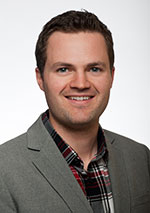 Dr. Daniel McIsaac[/caption]
Dr. Daniel I McIsaac, MD, MPH, FRCPC
Assistant Professor of Anesthesiology
Department of Anesthesiology
The Ottawa Hospital, Civic Campus
Ottawa, ON
Medical Research: What is the background for this study?
Dr. McIsaac: Older age is a well-known risk factor for adverse outcomes after surgery, however, many older patients have positive surgical outcomes. Frailty is a syndrome that encompasses the negative health attributes and comorbidities that accumulate across the lifespan, and is a strong discriminating factor between high- and low-risk older surgical patients. By definition, frail patients are “sicker” than non-frail patients, so their higher rates of morbidity and mortality after surgery aren’t surprising. However, frailty increases in prevalence with increasing age, so as our population ages we expect to see more frail people presenting for surgery. Our goal was to evaluate the impact of frailty on postoperative mortality at a population-level, and over the first year after surgery to provide insights that aren’t available in the current literature, which largely consists of single center studies limited to in-hospital and 30-day outcome windows.
Dr. Daniel McIsaac[/caption]
Dr. Daniel I McIsaac, MD, MPH, FRCPC
Assistant Professor of Anesthesiology
Department of Anesthesiology
The Ottawa Hospital, Civic Campus
Ottawa, ON
Medical Research: What is the background for this study?
Dr. McIsaac: Older age is a well-known risk factor for adverse outcomes after surgery, however, many older patients have positive surgical outcomes. Frailty is a syndrome that encompasses the negative health attributes and comorbidities that accumulate across the lifespan, and is a strong discriminating factor between high- and low-risk older surgical patients. By definition, frail patients are “sicker” than non-frail patients, so their higher rates of morbidity and mortality after surgery aren’t surprising. However, frailty increases in prevalence with increasing age, so as our population ages we expect to see more frail people presenting for surgery. Our goal was to evaluate the impact of frailty on postoperative mortality at a population-level, and over the first year after surgery to provide insights that aren’t available in the current literature, which largely consists of single center studies limited to in-hospital and 30-day outcome windows.
 Prof. Carl Clarke[/caption]
 Dr. Christoph Correll[/caption]
More on Mental Health on MedicalResearch.com
MedicalResearch.com Interview with:
Christoph U. Correll, MD
Professor of Psychiatry and Molecular Medicine
Hofstra Northwell School of Medicine
Hempstead, New York, USA
Investigator, Center for Psychiatric Neuroscience
Feinstein Institute for Medical Research
Manhasset, New York,
Medical Director, Recognition and Prevention
The Zucker Hillside Hospital,
Department of Psychiatry
Medical Research: What is the background for this study?
Dr. Correll: Antipsychotics have been used increasingly for psychotic, but also for many non-psychotic conditions, including for disorders and conditions for which they have not received regulatory approval. Moreover, antipsychotics have been associated with weight gain and abnormalities in blood fat and blood glucose levels. Although data in youth have been less available than in children and adolescents, youth appear to be more sensitive to the cardiometabolic adverse effects of antipsychotics than adults in whom significant weight gain might have already occurred due to long-term prior antipsychotic treatment. Nevertheless, type 2 diabetes, which is related to weight gain, overweight and obesity, seemed to be more common in adults than youth, likely due to the fact that it takes a long time for the body to develop diabetes. Recently, several individual epidemiologic or database studies with sufficient long-term follow-up durations suggested that the type 2 diabetes risk was higher in youth exposed to antipsychotics than healthy control youth and, possibly, even compared to psychiatrically ill patients treated with non-antipsychotic medications. However, a meta-analytic pooling of all available data has not been available to estimate the absolute and relative risk of type 2 diabetes in youth receiving antipsychotic treatment.
Medical Research: What are the main findings?
Dr. Correll: The main findings of the study that meta-analyzed data from 13 studies with 185,105 youth exposed to antipsychotics (average age 14.1 and 59.5 percent male) are that the absolute rates of type 2 diabetes are fortunately still relatively low, i.e. a cumulative type 2 diabetes risk of 5.7/1,000 patients and an exposure adjusted incidence rate of 3.1/1,000 patient-years. Nevertheless, the cumulative risk of
Dr. Christoph Correll[/caption]
More on Mental Health on MedicalResearch.com
MedicalResearch.com Interview with:
Christoph U. Correll, MD
Professor of Psychiatry and Molecular Medicine
Hofstra Northwell School of Medicine
Hempstead, New York, USA
Investigator, Center for Psychiatric Neuroscience
Feinstein Institute for Medical Research
Manhasset, New York,
Medical Director, Recognition and Prevention
The Zucker Hillside Hospital,
Department of Psychiatry
Medical Research: What is the background for this study?
Dr. Correll: Antipsychotics have been used increasingly for psychotic, but also for many non-psychotic conditions, including for disorders and conditions for which they have not received regulatory approval. Moreover, antipsychotics have been associated with weight gain and abnormalities in blood fat and blood glucose levels. Although data in youth have been less available than in children and adolescents, youth appear to be more sensitive to the cardiometabolic adverse effects of antipsychotics than adults in whom significant weight gain might have already occurred due to long-term prior antipsychotic treatment. Nevertheless, type 2 diabetes, which is related to weight gain, overweight and obesity, seemed to be more common in adults than youth, likely due to the fact that it takes a long time for the body to develop diabetes. Recently, several individual epidemiologic or database studies with sufficient long-term follow-up durations suggested that the type 2 diabetes risk was higher in youth exposed to antipsychotics than healthy control youth and, possibly, even compared to psychiatrically ill patients treated with non-antipsychotic medications. However, a meta-analytic pooling of all available data has not been available to estimate the absolute and relative risk of type 2 diabetes in youth receiving antipsychotic treatment.
Medical Research: What are the main findings?
Dr. Correll: The main findings of the study that meta-analyzed data from 13 studies with 185,105 youth exposed to antipsychotics (average age 14.1 and 59.5 percent male) are that the absolute rates of type 2 diabetes are fortunately still relatively low, i.e. a cumulative type 2 diabetes risk of 5.7/1,000 patients and an exposure adjusted incidence rate of 3.1/1,000 patient-years. Nevertheless, the cumulative risk of  Pritesh Karia[/caption]
MedicalResearch.com Interview with:
Pritesh Karia[/caption]
MedicalResearch.com Interview with: Tanning Bed CDC Image[/caption]
MedicalResearch.com Interview with:
Myra Sendelweck M.Eng
M.D. Candidate 2018 and
Robert Dellavalle, MD, PhD, MSPH
Chief, Dermatology Service Denver VA Medical Center Denver, CO
University of Colorado School of Medicine
MedicalResearch: What is the background for this study? What are the main findings?
Response: Indoor tanning has increasingly been recognized amongst providers as a public health concern. Recent literature suggests an association between indoor tanning and other risky health behaviors in adolescents.
We were intrigued by this association. We analyzed a survey of Colorado high school students and found that those who tanned were also more likely to use various substances, such as steroids, alcohol, marijuana, and illicit drugs. Tanners were over five times as likely to report steroid use!
Tanning Bed CDC Image[/caption]
MedicalResearch.com Interview with:
Myra Sendelweck M.Eng
M.D. Candidate 2018 and
Robert Dellavalle, MD, PhD, MSPH
Chief, Dermatology Service Denver VA Medical Center Denver, CO
University of Colorado School of Medicine
MedicalResearch: What is the background for this study? What are the main findings?
Response: Indoor tanning has increasingly been recognized amongst providers as a public health concern. Recent literature suggests an association between indoor tanning and other risky health behaviors in adolescents.
We were intrigued by this association. We analyzed a survey of Colorado high school students and found that those who tanned were also more likely to use various substances, such as steroids, alcohol, marijuana, and illicit drugs. Tanners were over five times as likely to report steroid use!
 Dr. Brian Elbel[/caption]
Brian Elbel, PhD, MPH, Associate Professor, Department of Population Health, NYU Langone Medical Center
Amy Schwartz, PhD, Director, New York University Institute for Education and Social Policy, and the Daniel Patrick Moynihan Chair in Public Affairs, Syracuse University
Michele Leardo, MA, Assistant Director
New York University Institute for Education and Social Policy
Medical Research: What is the background for this study? What are the main findings?
Response: New York City, as well as other school districts, is making tap water available to students during lunch by placing water dispensers, called water jets, in schools. Surprisingly, drinking water was not always readily available in the lunchroom. Water jets are part of a larger effort to combat child obesity.
We find small, but statistically significant, decreases in weight for students in schools with water jets compared to students in schools without water jets. We see a .025 reduction in standardized body mass index for boys and .022 for girls. We also see a .9 percentage point reduction in the likelihood of being overweight for boys and a .6 percentage point reduction for girls. In other words, the intervention is working.
Dr. Brian Elbel[/caption]
Brian Elbel, PhD, MPH, Associate Professor, Department of Population Health, NYU Langone Medical Center
Amy Schwartz, PhD, Director, New York University Institute for Education and Social Policy, and the Daniel Patrick Moynihan Chair in Public Affairs, Syracuse University
Michele Leardo, MA, Assistant Director
New York University Institute for Education and Social Policy
Medical Research: What is the background for this study? What are the main findings?
Response: New York City, as well as other school districts, is making tap water available to students during lunch by placing water dispensers, called water jets, in schools. Surprisingly, drinking water was not always readily available in the lunchroom. Water jets are part of a larger effort to combat child obesity.
We find small, but statistically significant, decreases in weight for students in schools with water jets compared to students in schools without water jets. We see a .025 reduction in standardized body mass index for boys and .022 for girls. We also see a .9 percentage point reduction in the likelihood of being overweight for boys and a .6 percentage point reduction for girls. In other words, the intervention is working.
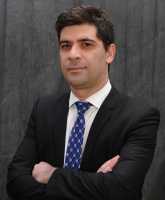 Dr. Yitschak Biton[/caption]
MedicalResearch.com Interview with:
Yitschak (Yitsik) Biton, MD
Postdoctoral Research Fellow
University of Rochester Medical Center
Saunders Research Building
Heart Research Follow-Up Program
Rochester, NY
Medical Research: What is the background for this study? What are the main findings?
Dr. Biton: Patients with heart failure and reduced ejection fraction have increased risk for sudden cardiac death due to ventricular arrhythmias. The causes of these arrhythmias are thought to be adverse left ventricular remodeling and scarring. Cardiac resynchronization therapy has been previously shown to reverse the adverse process of remodeling and induce reduction in cardiac chamber volumes. Relative wall thickness is a measure of the remodeling process, and it could be classified into normal, eccentric and concentric. In our study we showed that the degree relative wall thickness in patients with dilated cardiomyopathy and eccentric hypertrophy is inversely associated with the risk of ventricular arrhythmias. Furthermore we showed the CRT treated patients who had increase in relative wall thickness (became less eccentric) had lower risk for ventricular arrhythmias.
Dr. Yitschak Biton[/caption]
MedicalResearch.com Interview with:
Yitschak (Yitsik) Biton, MD
Postdoctoral Research Fellow
University of Rochester Medical Center
Saunders Research Building
Heart Research Follow-Up Program
Rochester, NY
Medical Research: What is the background for this study? What are the main findings?
Dr. Biton: Patients with heart failure and reduced ejection fraction have increased risk for sudden cardiac death due to ventricular arrhythmias. The causes of these arrhythmias are thought to be adverse left ventricular remodeling and scarring. Cardiac resynchronization therapy has been previously shown to reverse the adverse process of remodeling and induce reduction in cardiac chamber volumes. Relative wall thickness is a measure of the remodeling process, and it could be classified into normal, eccentric and concentric. In our study we showed that the degree relative wall thickness in patients with dilated cardiomyopathy and eccentric hypertrophy is inversely associated with the risk of ventricular arrhythmias. Furthermore we showed the CRT treated patients who had increase in relative wall thickness (became less eccentric) had lower risk for ventricular arrhythmias.