[caption id="attachment_19992" align="alignleft" width="181"]

Dr. Sherry Grace[/caption]
MedicalResearch.com Interview with:
Sherry L. Grace, PhD
Professor, York University
Senior Scientist, University Health Network
University of Toronto
MedicalResearch: What is the background for this study? What are the main findings?
Dr. Grace: Cardiovascular disease (CVD) is the leading cause of morbidity and mortality for women world-wide. Cardiac rehabilitation (CR) is an outpatient secondary prevention program composed of structured exercise and comprehensive education and counseling.Cardiac rehabilitation participation results in lower morbidity and mortality, among other benefits. Unfortunately, women are significantly less likely to adhere to these programs than men.
While the traditional model of Cardiac rehabilitation care is a hospital-based mixed-sex program, women are the minority in such programs, and state that these programs do not meet their care preferences. Two other models of CR care have been developed: hospital-based women-only (sex-specific) and monitored home-based programs. Women’s adherence to these program models is not well known.
Cardiac Rehabilitation for her Heart Event Recovery (CR4HER) was a 3 parallel arm pragmatic randomized controlled trial (RCT) designed to compare women’s program adherence to traditional hospital-based CR with males and females attending (mixed-sex), home-based CR (bi-weekly phone calls), and women-only hospital-based CR. The primary outcome was program adherence operationalized as Cardiac rehabilitation site-reported percentage of prescribed sessions completed by phone or on-site, as reported by a staff member who was blind to study objectives. The secondary outcomes included functional capacity. It was hoped that by identifying the CR program model which resulted in the greatest adherence for women, their participation and potentially their cardiac outcomes could be optimized.
MedicalResearch: What are the main findings?
Dr. Grace: Similar to previous research, we found that women did not adhere very highly to the Cardiac rehabilitation programs. Half of the women dropped out of CR, and this occurred regardless of the type of program they went to. Some women did not even start
Cardiac rehabilitation at all, even though we had referred them.
On average, the women went to just over half the sessions (at the CR centre or on the phone; they were prescribed a median of 24 sessions). If we consider only the women who actually started CR, they attended almost 2/3rds of prescribed CR sessions.
Women experienced gains in their exercise capacity over the course of CR participation. Attending the traditional co-ed program was associated with the greatest exercise capacity. This could be due to the fact that the staff push them to exercise at their target levels when they are in a supervised program.

 Dr. Weitzman[/caption]
MedicalResearch.com Interview with:
Michael L. Weitzman MD
Professor, Departments of Pediatrics and Environmental Medicine
NYU Langone Medical Center.
Medical Research: What is the background for this study? What are the main findings?
Dr. Weitzman: While the prevalence of cigarette smoking in the United States has recently seen a steady decline, more and more individuals report hookah (water pipe) usage. Researchers have shown that web queries for ‘hookah’ and ‘hookah bars’ have increased dramatically, but it is unclear whether this interest has led to an increase in the number of hookah bars in a given area. We first tested the website Yelp.com to see whether it could reliably provide us with information – such as the date of establishment of a hookah bar – by comparing the date of the first review written on Yelp.com with the actual opening date. We found that, for 2014 onwards, the first review posting on Yelp.com, on average, occurred within the first month of a hookah bar’s opening date. Additionally, we found a dramatic increase in the number of hookah bars in New York City over the past 5 years. These hookah bars tend to be not randomly distributed, but instead clustered near universities and specific ethnic neighborhoods.
Dr. Weitzman[/caption]
MedicalResearch.com Interview with:
Michael L. Weitzman MD
Professor, Departments of Pediatrics and Environmental Medicine
NYU Langone Medical Center.
Medical Research: What is the background for this study? What are the main findings?
Dr. Weitzman: While the prevalence of cigarette smoking in the United States has recently seen a steady decline, more and more individuals report hookah (water pipe) usage. Researchers have shown that web queries for ‘hookah’ and ‘hookah bars’ have increased dramatically, but it is unclear whether this interest has led to an increase in the number of hookah bars in a given area. We first tested the website Yelp.com to see whether it could reliably provide us with information – such as the date of establishment of a hookah bar – by comparing the date of the first review written on Yelp.com with the actual opening date. We found that, for 2014 onwards, the first review posting on Yelp.com, on average, occurred within the first month of a hookah bar’s opening date. Additionally, we found a dramatic increase in the number of hookah bars in New York City over the past 5 years. These hookah bars tend to be not randomly distributed, but instead clustered near universities and specific ethnic neighborhoods.
 Dr. Eileen Shinn[/caption]
MedicalResearch.com Interview with:
Dr. Eileen H. Shinn PhD
Assistant Professor, Department of Behavioral Science
Cancer Prevention and Population Sciences
MD Anderson Cancer Center
The University of Texas
Houston, TX
Medical Research: What is the background for this study? What are the main findings?
Dr. Shinn: Recent studies with leukemia, breast, lung, renal and liver cancer patients have shown that patients with depression have worsened survival. These effect sizes are small, but independent of any of the traditional factors that are known to impact survival, such as extent of cancer, types of treatment administered and baseline health and age of the patient. The current thinking is that cancer patients who are depressed have chronically heightened responses to stress; the constant release of stress hormones trigger changes in the tumor itself (such as noradrenergically-driven tumor angiogenesis) or may weakens the body’s immune function and ability to resist tumor growth.
When we measured depression in newly diagnosed patients with oropharyngeal cancer (cancer of the base of tongue and tonsil), we found that those patients who scored as depressed were 3.5 times more likely to have died within the five year period after their diagnosis, compared to nondepressed patients. We also found that patients who were depressed were also 3.8 times more likely to have their cancer recur within the first five years after diagnosis. We also found that patients who continued to smoke after diagnosis were more likely to recur within the first five years. These effect sizes were larger than those typically found in recent studies. We believe that the larger effect size may be due to the tight eligibility criteria ( e.g., we did not include patients who already had recurrent disease, we only included patients with one specific type of head and neck cancer, oropharyngeal) and also due to controlling other known factors (all patients completed individualized treatment regimens of radiation/ chemoradiation at a comprehensive cancer center and patients with more advanced disease stage were more likely to have received treatment intensification compared to patients with early stage disease). In all, we had 130 patients, one of the largest prospective studies with oropharyngeal cancer to examine the effect of depression on cancer outcome.
Dr. Eileen Shinn[/caption]
MedicalResearch.com Interview with:
Dr. Eileen H. Shinn PhD
Assistant Professor, Department of Behavioral Science
Cancer Prevention and Population Sciences
MD Anderson Cancer Center
The University of Texas
Houston, TX
Medical Research: What is the background for this study? What are the main findings?
Dr. Shinn: Recent studies with leukemia, breast, lung, renal and liver cancer patients have shown that patients with depression have worsened survival. These effect sizes are small, but independent of any of the traditional factors that are known to impact survival, such as extent of cancer, types of treatment administered and baseline health and age of the patient. The current thinking is that cancer patients who are depressed have chronically heightened responses to stress; the constant release of stress hormones trigger changes in the tumor itself (such as noradrenergically-driven tumor angiogenesis) or may weakens the body’s immune function and ability to resist tumor growth.
When we measured depression in newly diagnosed patients with oropharyngeal cancer (cancer of the base of tongue and tonsil), we found that those patients who scored as depressed were 3.5 times more likely to have died within the five year period after their diagnosis, compared to nondepressed patients. We also found that patients who were depressed were also 3.8 times more likely to have their cancer recur within the first five years after diagnosis. We also found that patients who continued to smoke after diagnosis were more likely to recur within the first five years. These effect sizes were larger than those typically found in recent studies. We believe that the larger effect size may be due to the tight eligibility criteria ( e.g., we did not include patients who already had recurrent disease, we only included patients with one specific type of head and neck cancer, oropharyngeal) and also due to controlling other known factors (all patients completed individualized treatment regimens of radiation/ chemoradiation at a comprehensive cancer center and patients with more advanced disease stage were more likely to have received treatment intensification compared to patients with early stage disease). In all, we had 130 patients, one of the largest prospective studies with oropharyngeal cancer to examine the effect of depression on cancer outcome.
 Dr. Chagpar[/caption]
MedicalResearch.com Interview with:
Anees B. Chagpar, MD, MSc, MPH, MA, MBA, FRCS(C), FACS
Associate Professor, Department of Surgery
Director, The Breast Center
Smilow Cancer Hospital at Yale-New Haven
Assistant Director -- Global Oncology
Yale Comprehensive Cancer Center
Yale University School of Medicine
Medical Research: What is the background for this study?
Dr. Chagpar: Up to 40% of women undergoing breast conserving surgery for breast cancer will have to return to the operating room due to positive margins (or cancer cells being found at the edge of what was removed at the initial surgery). We recently reported the results of a randomized controlled trial, published in the
Dr. Chagpar[/caption]
MedicalResearch.com Interview with:
Anees B. Chagpar, MD, MSc, MPH, MA, MBA, FRCS(C), FACS
Associate Professor, Department of Surgery
Director, The Breast Center
Smilow Cancer Hospital at Yale-New Haven
Assistant Director -- Global Oncology
Yale Comprehensive Cancer Center
Yale University School of Medicine
Medical Research: What is the background for this study?
Dr. Chagpar: Up to 40% of women undergoing breast conserving surgery for breast cancer will have to return to the operating room due to positive margins (or cancer cells being found at the edge of what was removed at the initial surgery). We recently reported the results of a randomized controlled trial, published in the  Dr. Elena Santagostino[/caption]
MedicalResearch.com Interview with:
Dr. Elena Santagostino, MD PhD
Angelo Bianchi Bonomi Hemophilia and Thrombosis Center
Ca' Granda Foundation
Maggiore Hospital Policlinico, Milan, Italy
Medical Research: What is the background for this study? What are the main findings?
Dr. Santagostino: Two of our abstracts presented at the 57th ASH Annual Meeting are part of the PROLONG-9FP clinical program evaluating the efficacy and safety of CSL Behring’s investigational long-acting fusion protein linking recombinant coagulation factor IX with recombinant albumin (rIX-FP). The first is an oral presentation on results from two Phase III studies and an ongoing extension study of rIX-FP for routine prophylaxis in previously-treated people with
Dr. Elena Santagostino[/caption]
MedicalResearch.com Interview with:
Dr. Elena Santagostino, MD PhD
Angelo Bianchi Bonomi Hemophilia and Thrombosis Center
Ca' Granda Foundation
Maggiore Hospital Policlinico, Milan, Italy
Medical Research: What is the background for this study? What are the main findings?
Dr. Santagostino: Two of our abstracts presented at the 57th ASH Annual Meeting are part of the PROLONG-9FP clinical program evaluating the efficacy and safety of CSL Behring’s investigational long-acting fusion protein linking recombinant coagulation factor IX with recombinant albumin (rIX-FP). The first is an oral presentation on results from two Phase III studies and an ongoing extension study of rIX-FP for routine prophylaxis in previously-treated people with  Dr. Zachary Kerr[/caption]
MedicalResearch.com Interview with:
Zachary Y. Kerr, PhD, MPH
Sports Injury Epidemiologist
Director, NCAA Injury Surveillance Program
Datalys Center for Sports Injury Research and Prevention
Indianapolis, IN 46202
Medical Research: What is the background for this study? What are the main findings?
Dr. Kerr: The NCAA Injury Surveillance Program has been ongoing since 1982, but the Datalys Center for Sports Injury Research and Prevention began management in 2009. We provide the NCAA sports and medical committees with evidence-based data they can use to make rule and policy decisions aimed at student-athlete health and safety. However, among the research community, there lacks current injury incidence data across the collegiate student-athlete population.
The main findings of this study is that the rate of injury was higher in competitions than in practices. However, the total number of
Dr. Zachary Kerr[/caption]
MedicalResearch.com Interview with:
Zachary Y. Kerr, PhD, MPH
Sports Injury Epidemiologist
Director, NCAA Injury Surveillance Program
Datalys Center for Sports Injury Research and Prevention
Indianapolis, IN 46202
Medical Research: What is the background for this study? What are the main findings?
Dr. Kerr: The NCAA Injury Surveillance Program has been ongoing since 1982, but the Datalys Center for Sports Injury Research and Prevention began management in 2009. We provide the NCAA sports and medical committees with evidence-based data they can use to make rule and policy decisions aimed at student-athlete health and safety. However, among the research community, there lacks current injury incidence data across the collegiate student-athlete population.
The main findings of this study is that the rate of injury was higher in competitions than in practices. However, the total number of  Dr. Frans Boch Waldorff[/caption]
 Dr. Chia-Yu Chu[/caption]
MedicalResearch.com Interview with:
Chia-Yu Chu, MD, PhD
Associate Professor, Department of Dermatology
National Taiwan University Hospital
Medical Research: What is the background for this study? What are the main findings?
Dr. Chia-Yu Chu: It has been well known that EGFR TKIs could cause skin toxicities (acneiform eruptions, pruritus, xerosis and paronychia). However, incidences of these skin toxicities have varied according to the different clinical trials, some of which even simply use “skin rash” instead of specific cutaneous findings in the reports.
Afatinib, in contrast to first generation EGFR TKIs like gefitinib and erlotinib, is a second generation EGFR TKI with irreversible inhibition to not only EGFR, but also HER2 and ErbB4. Whether afatinib cause more skin toxicities remained unknown.
Many of our patients received 2 or even 3 different EGFR TKIs with adequate drug exposure and washout period. Therefore, we had an opportunity to compare skin toxicities in “same patients” receiving different EGFR TKIs, and we found that around 30% of patients receiving afatinib developed paronychia whereas only 10% in gefetinib or erlotinib. This was the only significant difference between the 3 drugs. We also found afatinib treated patients needed significantly more dermatologic visits within 180 days of treatments and the reason was due to higher incidence of afatinib-related paronychia. Interestingly, regardless of causative agents, once skin toxicities developed they could be managed effectively in the same manners.
Dr. Chia-Yu Chu[/caption]
MedicalResearch.com Interview with:
Chia-Yu Chu, MD, PhD
Associate Professor, Department of Dermatology
National Taiwan University Hospital
Medical Research: What is the background for this study? What are the main findings?
Dr. Chia-Yu Chu: It has been well known that EGFR TKIs could cause skin toxicities (acneiform eruptions, pruritus, xerosis and paronychia). However, incidences of these skin toxicities have varied according to the different clinical trials, some of which even simply use “skin rash” instead of specific cutaneous findings in the reports.
Afatinib, in contrast to first generation EGFR TKIs like gefitinib and erlotinib, is a second generation EGFR TKI with irreversible inhibition to not only EGFR, but also HER2 and ErbB4. Whether afatinib cause more skin toxicities remained unknown.
Many of our patients received 2 or even 3 different EGFR TKIs with adequate drug exposure and washout period. Therefore, we had an opportunity to compare skin toxicities in “same patients” receiving different EGFR TKIs, and we found that around 30% of patients receiving afatinib developed paronychia whereas only 10% in gefetinib or erlotinib. This was the only significant difference between the 3 drugs. We also found afatinib treated patients needed significantly more dermatologic visits within 180 days of treatments and the reason was due to higher incidence of afatinib-related paronychia. Interestingly, regardless of causative agents, once skin toxicities developed they could be managed effectively in the same manners.
 Sam Smith, PhD CPsychol[/caption]
MedicalResearch.com Interview with:
Sam Smith, PhD CPsychol
Cancer Research UK Postdoctoral Fellow
Centre for Cancer Prevention
Queen Mary University of London
Wolfson Institute of Preventive Medicine
London
Medical Research: What is the background for this study? What are the main findings?
Dr. Smith: Several trials have demonstrated that agents (e.g. ) can be used to prevent breast cancer among women at increased risk. However, their effectiveness is dependent upon their appropriate use by this patient group. Several studies have suggested that uptake is low, and that women are not taking the medications for the full 5 year course. We attempted to synthesize the evidence investigating these topics, as well as identify the factors affecting these behaviours.
The main findings are that only 1 in 6 women (16.3%) were willing to start taking oral medications to prevent breast cancer.
Furthermore, uptake rates were lower in routine clinical practice (9%) compared with trial enrollment rates (25%), suggesting that there may be problems with implementing chemoprevention within routine clinical care. We noted that day to day adherence and persistence over a short period (e.g. 1 year) was adequate, but when looking at the longer term studies only 1 in 10 reported that >80% of women were still taking their medications at the 5 year end point. Women may not be experiencing the full preventive effect of these medications.
Sam Smith, PhD CPsychol[/caption]
MedicalResearch.com Interview with:
Sam Smith, PhD CPsychol
Cancer Research UK Postdoctoral Fellow
Centre for Cancer Prevention
Queen Mary University of London
Wolfson Institute of Preventive Medicine
London
Medical Research: What is the background for this study? What are the main findings?
Dr. Smith: Several trials have demonstrated that agents (e.g. ) can be used to prevent breast cancer among women at increased risk. However, their effectiveness is dependent upon their appropriate use by this patient group. Several studies have suggested that uptake is low, and that women are not taking the medications for the full 5 year course. We attempted to synthesize the evidence investigating these topics, as well as identify the factors affecting these behaviours.
The main findings are that only 1 in 6 women (16.3%) were willing to start taking oral medications to prevent breast cancer.
Furthermore, uptake rates were lower in routine clinical practice (9%) compared with trial enrollment rates (25%), suggesting that there may be problems with implementing chemoprevention within routine clinical care. We noted that day to day adherence and persistence over a short period (e.g. 1 year) was adequate, but when looking at the longer term studies only 1 in 10 reported that >80% of women were still taking their medications at the 5 year end point. Women may not be experiencing the full preventive effect of these medications.
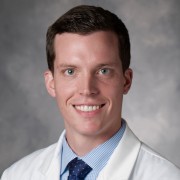 Dr. Kevin Nead[/caption]
MedicalResearch.com Interview with:
Kevin T. Nead, MD, MPhil
Dept. of Radiation Oncology
Perelman School of Medicine
University of Pennsylvania
MedicalResearch: What is the background for this study? What are the main findings?
Dr. Nead: There are a growing number of studies suggesting that the use of Androgen Deprivation Therapy (ADT) may be associated with cognitive changes and some of these changes overlap with characteristic features of Alzheimer’s disease. In addition, low testosterone levels have been associated with Alzheimer’s disease risk and ADT lowers testosterone levels. Despite these findings, we could not identify any studies examining the association between ADT and Alzheimer’s disease risk. We therefore felt this study could make an important contribution in guiding future research to fully understand the relative risks and benefits of ADT.
We examined electronic medical record data from Stanford University and Mt. Sinai hospitals to identify a cohort of 16,888 patients with prostate cancer. We found that men with prostate cancer who received Androgen Deprivation Therapy were more likely to develop Alzheimer’s disease than men who did not receive
Dr. Kevin Nead[/caption]
MedicalResearch.com Interview with:
Kevin T. Nead, MD, MPhil
Dept. of Radiation Oncology
Perelman School of Medicine
University of Pennsylvania
MedicalResearch: What is the background for this study? What are the main findings?
Dr. Nead: There are a growing number of studies suggesting that the use of Androgen Deprivation Therapy (ADT) may be associated with cognitive changes and some of these changes overlap with characteristic features of Alzheimer’s disease. In addition, low testosterone levels have been associated with Alzheimer’s disease risk and ADT lowers testosterone levels. Despite these findings, we could not identify any studies examining the association between ADT and Alzheimer’s disease risk. We therefore felt this study could make an important contribution in guiding future research to fully understand the relative risks and benefits of ADT.
We examined electronic medical record data from Stanford University and Mt. Sinai hospitals to identify a cohort of 16,888 patients with prostate cancer. We found that men with prostate cancer who received Androgen Deprivation Therapy were more likely to develop Alzheimer’s disease than men who did not receive  Dr. Bette Liu[/caption]
MedicalResearch.com Interview with:
Dr Bette Liu MD PhD
University of New South Wales
Sydney, NSW
Medical Research: What is the background for this study? What are the main findings?
Dr. Liu: There is a generally held belief that being happier makes you live longer. We wanted to look at this question. We examined over 700,000 women enrolled in the UK Million Women Study. We found that being in poor health was associated with being unhappy but after accounting for an individuals poor health, unhappiness in itself was not associated with an increased risk of death. This finding was true for overall deaths, for deaths from heart disease and from cancer and it was true for stress as well as for unhappiness.
Dr. Bette Liu[/caption]
MedicalResearch.com Interview with:
Dr Bette Liu MD PhD
University of New South Wales
Sydney, NSW
Medical Research: What is the background for this study? What are the main findings?
Dr. Liu: There is a generally held belief that being happier makes you live longer. We wanted to look at this question. We examined over 700,000 women enrolled in the UK Million Women Study. We found that being in poor health was associated with being unhappy but after accounting for an individuals poor health, unhappiness in itself was not associated with an increased risk of death. This finding was true for overall deaths, for deaths from heart disease and from cancer and it was true for stress as well as for unhappiness.
 Dr. McHugh[/caption]
MedicalResearch.com Interview with:
Leo McHugh, Ph.D.
Director, Bioinformatics
Immunexpress
Seattle, Washington
Medical Research: What is the background for this study? What are the main findings?
Dr. McHugh: Sepsis is the leading cause of child mortality in the world, and in developing countries kills more adults than breast cancer, prostate cancer and HIV combined. Approximately 30% of people admitted to ICU have sepsis, and up to 50% of these patients die. It’s a major cost burden also, costing the US health system $17 billion per year. The best way to reduce costs and improve patient outcomes is to detect sepsis early and with confidence, so that appropriate treatments can be applied. Each hour delay in the detection of sepsis has been reported to correspond to an 8% increase in mortality. So the need for a rapid and accurate diagnostic is recognized. Traditional methods rely on detection of the specific pathogen causing the infection, and these methods often take more than 24 hours, and find a pathogen in only 30% of clinically confirmed cases because they’re trying to detect a minuscule amount of pathogen or pathogenic product in the blood. Our approach was to use the host’s own immune system, which is highly tuned to respond to the presence of pathogens. Around 30% of all genes are dysregulated in sepsis, so there is a huge signal base to draw from. The trick with using multi marker host response is to pick out the specific combination of gene expression patterns that cover the broad range of patients that present with sepsis and who may present either early or late in the episode, thus with different gene activation patterns.
This paper describes a simple combination of such genes that can be used to detect sepsis and performs over the full range of patients irrespective of stage of infection or severity of infection. In it’s current format, the test is manual and takes 4-6 hours, and is a great advance on the current tools, however the methods we’ve used are specifically designed to meet requirements to port this assay onto a fully automated Point of Care platform that could deliver a result in under 90 minutes.
Dr. McHugh[/caption]
MedicalResearch.com Interview with:
Leo McHugh, Ph.D.
Director, Bioinformatics
Immunexpress
Seattle, Washington
Medical Research: What is the background for this study? What are the main findings?
Dr. McHugh: Sepsis is the leading cause of child mortality in the world, and in developing countries kills more adults than breast cancer, prostate cancer and HIV combined. Approximately 30% of people admitted to ICU have sepsis, and up to 50% of these patients die. It’s a major cost burden also, costing the US health system $17 billion per year. The best way to reduce costs and improve patient outcomes is to detect sepsis early and with confidence, so that appropriate treatments can be applied. Each hour delay in the detection of sepsis has been reported to correspond to an 8% increase in mortality. So the need for a rapid and accurate diagnostic is recognized. Traditional methods rely on detection of the specific pathogen causing the infection, and these methods often take more than 24 hours, and find a pathogen in only 30% of clinically confirmed cases because they’re trying to detect a minuscule amount of pathogen or pathogenic product in the blood. Our approach was to use the host’s own immune system, which is highly tuned to respond to the presence of pathogens. Around 30% of all genes are dysregulated in sepsis, so there is a huge signal base to draw from. The trick with using multi marker host response is to pick out the specific combination of gene expression patterns that cover the broad range of patients that present with sepsis and who may present either early or late in the episode, thus with different gene activation patterns.
This paper describes a simple combination of such genes that can be used to detect sepsis and performs over the full range of patients irrespective of stage of infection or severity of infection. In it’s current format, the test is manual and takes 4-6 hours, and is a great advance on the current tools, however the methods we’ve used are specifically designed to meet requirements to port this assay onto a fully automated Point of Care platform that could deliver a result in under 90 minutes.
 Dr. Susana Puig[/caption]
MedicalResearch.com Interview with:
Susana Puig MD PhD
Chief Dermatology Service
Research Director
"Melanoma: Imaging, genetics and immunology" at IDIBAPS
Consultant & Assistant Professor
Melanoma Unit, Dermatology Department
Hospital Clinic, University of Barcelona
Barcelona Spain
Medical Research: What is the background for this study? What are the main findings?
Dr. Puig: CDKN2A is the main high-penetrance melanoma susceptibility gene. A rare functional variant in MITF, p.E318K (rs149617956), has been identified as a moderate risk allele in melanoma susceptibility and also predisposes to renal cell carcinoma.
In this study MITF p.E318K was associated with an increased melanoma risk (OR=3.3, p<0.01), especially in patients with multiple primary melanoma (OR=4.5, p<0.01) and high nevi count (>200 nevi) (OR=8.4, p<0.01). Interestingly, two fast growing melanomas were detected among two MITF p.E318K carriers during dermatologic digital follow-up. Furthermore, we have detected a similar prevalence of MITF p.E318K in CDKN2A wild-type and mutated individuals.
Dr. Susana Puig[/caption]
MedicalResearch.com Interview with:
Susana Puig MD PhD
Chief Dermatology Service
Research Director
"Melanoma: Imaging, genetics and immunology" at IDIBAPS
Consultant & Assistant Professor
Melanoma Unit, Dermatology Department
Hospital Clinic, University of Barcelona
Barcelona Spain
Medical Research: What is the background for this study? What are the main findings?
Dr. Puig: CDKN2A is the main high-penetrance melanoma susceptibility gene. A rare functional variant in MITF, p.E318K (rs149617956), has been identified as a moderate risk allele in melanoma susceptibility and also predisposes to renal cell carcinoma.
In this study MITF p.E318K was associated with an increased melanoma risk (OR=3.3, p<0.01), especially in patients with multiple primary melanoma (OR=4.5, p<0.01) and high nevi count (>200 nevi) (OR=8.4, p<0.01). Interestingly, two fast growing melanomas were detected among two MITF p.E318K carriers during dermatologic digital follow-up. Furthermore, we have detected a similar prevalence of MITF p.E318K in CDKN2A wild-type and mutated individuals.
 Prof. Jagger[/caption]
MedicalResearch.com Interview with:
Prof. Carol Jagger
AXA Professor of Epidemiology of Ageing and
Deputy Director of the Newcastle University Institute for Ageing (NUIA)
Institute of Health & Society
Campus for Ageing and Vitality
Newcastle upon Tyne
Medical Research: What is the background for this study?
Prof. Jagger: Although we know that life expectancy at older ages is increasing, there is still uncertainty about whether the extra years are healthy ones. Our results are based on data from the Cognitive Function and Ageing Studies (CFASI and II), two cohorts of people aged 65 years and over in three centres in England (Cambridgeshire, Newcastle and Nottingham) who were interviewed in 1991 and 2011. The participants, over 7000 people in each study, were recruited from general practices in the area and included those living in care homes to ensure our results reflect the total older population.
Medical Research: What are the main findings?
Prof. Jagger: We used three health measures to calculate the health expectancies at age 65: cognitive impairment, self-perceived health and
Prof. Jagger[/caption]
MedicalResearch.com Interview with:
Prof. Carol Jagger
AXA Professor of Epidemiology of Ageing and
Deputy Director of the Newcastle University Institute for Ageing (NUIA)
Institute of Health & Society
Campus for Ageing and Vitality
Newcastle upon Tyne
Medical Research: What is the background for this study?
Prof. Jagger: Although we know that life expectancy at older ages is increasing, there is still uncertainty about whether the extra years are healthy ones. Our results are based on data from the Cognitive Function and Ageing Studies (CFASI and II), two cohorts of people aged 65 years and over in three centres in England (Cambridgeshire, Newcastle and Nottingham) who were interviewed in 1991 and 2011. The participants, over 7000 people in each study, were recruited from general practices in the area and included those living in care homes to ensure our results reflect the total older population.
Medical Research: What are the main findings?
Prof. Jagger: We used three health measures to calculate the health expectancies at age 65: cognitive impairment, self-perceived health and  Dr. Becevic[/caption]
MedicalResearch.com Interview with:
Mirna Becevic, PhD, MHA
Assistant Research Professor of Telemedicine
University of Missouri - Department of Dermatology
Missouri Telehealth Network
Medical Research: What is the background for this study? What are the main findings?
Dr. Becevic: The Missouri Telehealth Network (MTN) at the University of Missouri has been providing outpatient clinical services to rural Missourians since 1995. Over 29 specialties and subspecialties have been utilized to assist patients in 69 counties. We have learned a lot along the way, what works well and what does not, in terms of telehealth protocols, trainings, best practices, etc.
The MTN holds bi-annual two day training conference for new sites to share these experiences and provide hands-on training in telemedicine. Our main goal with this study was to reach all telehealth users on the Missouri Telehealth Network (patients, providers, and telehealth coordinators-patient presenters) and learn about their perceptions of and opinions regarding this form of health care delivery. We also wanted to evaluate the overall accessibility and discernment of the MTN by telehealth coordinators, since we felt that they might need to have continuous support in order to successfully manage their telehealth programs.
Our main findings indicated that all three surveyed groups had high satisfaction with telemedicine. Patients were confident in their doctors’ medical skills, and lack of physical contact was not viewed as a barrier. Telehealth providers thought telehealth was an effective tool for providing care at a distance, but indicated that they did not prefer telehealth over in-person visits.
Dr. Becevic[/caption]
MedicalResearch.com Interview with:
Mirna Becevic, PhD, MHA
Assistant Research Professor of Telemedicine
University of Missouri - Department of Dermatology
Missouri Telehealth Network
Medical Research: What is the background for this study? What are the main findings?
Dr. Becevic: The Missouri Telehealth Network (MTN) at the University of Missouri has been providing outpatient clinical services to rural Missourians since 1995. Over 29 specialties and subspecialties have been utilized to assist patients in 69 counties. We have learned a lot along the way, what works well and what does not, in terms of telehealth protocols, trainings, best practices, etc.
The MTN holds bi-annual two day training conference for new sites to share these experiences and provide hands-on training in telemedicine. Our main goal with this study was to reach all telehealth users on the Missouri Telehealth Network (patients, providers, and telehealth coordinators-patient presenters) and learn about their perceptions of and opinions regarding this form of health care delivery. We also wanted to evaluate the overall accessibility and discernment of the MTN by telehealth coordinators, since we felt that they might need to have continuous support in order to successfully manage their telehealth programs.
Our main findings indicated that all three surveyed groups had high satisfaction with telemedicine. Patients were confident in their doctors’ medical skills, and lack of physical contact was not viewed as a barrier. Telehealth providers thought telehealth was an effective tool for providing care at a distance, but indicated that they did not prefer telehealth over in-person visits.
 Dr. April[/caption]
MedicalResearch.com Interview with:
Michael D. April, MD, DPhil
Department of Emergency Medicine
San Antonio Uniformed Services Health Education Consortium
San Antonio, TX
Medical Research: What is the background for this study? What are the main findings?
Dr. April: Anesthesia research studies have found that nasal inhalation of isopropyl
alcohol has efficacy in treating nausea among post-operative patients. We
sought to study this agent among Emergency Department patients with nausea or
vomiting. We found that patients randomized to inhale isopropyl alcohol had
improved self-reported nausea scores compared to patients randomized to inhale
saline (placebo).
Dr. April[/caption]
MedicalResearch.com Interview with:
Michael D. April, MD, DPhil
Department of Emergency Medicine
San Antonio Uniformed Services Health Education Consortium
San Antonio, TX
Medical Research: What is the background for this study? What are the main findings?
Dr. April: Anesthesia research studies have found that nasal inhalation of isopropyl
alcohol has efficacy in treating nausea among post-operative patients. We
sought to study this agent among Emergency Department patients with nausea or
vomiting. We found that patients randomized to inhale isopropyl alcohol had
improved self-reported nausea scores compared to patients randomized to inhale
saline (placebo).
 Dr. Chao[/caption]
MedicalResearch.com Interview with:
Maria T. Chao, DrPH, MPA
Assistant Professor of Medicine
Osher Center for Integrative Medicine
& Division of General Internal Medicine - SFGH
UCSF
San Francisco, CA 94143-1726
Medical Research: What is the background for this study? What are the main findings?
Dr. Chao: Many Americans use complementary and integrative health (CIH) approaches to help them manage the symptoms of chronic diseases. To date, most of these treatments are only available in outpatient clinics. In this study, we asked oncology inpatients which of 12 different CIH approaches they currently use or have tried in the past, and also which approaches they would like to be available in the hospital. We found that 95% of patients had tried at least one complementary and integrative health approach in the past, and that a similarly high number were interested in accessing these services as an inpatient. More than three quarters of our sample expressed interest in receiving nutritional counseling and massage during their hospital stay, and approximately half were interested in acupuncture, biofeedback, and
Dr. Chao[/caption]
MedicalResearch.com Interview with:
Maria T. Chao, DrPH, MPA
Assistant Professor of Medicine
Osher Center for Integrative Medicine
& Division of General Internal Medicine - SFGH
UCSF
San Francisco, CA 94143-1726
Medical Research: What is the background for this study? What are the main findings?
Dr. Chao: Many Americans use complementary and integrative health (CIH) approaches to help them manage the symptoms of chronic diseases. To date, most of these treatments are only available in outpatient clinics. In this study, we asked oncology inpatients which of 12 different CIH approaches they currently use or have tried in the past, and also which approaches they would like to be available in the hospital. We found that 95% of patients had tried at least one complementary and integrative health approach in the past, and that a similarly high number were interested in accessing these services as an inpatient. More than three quarters of our sample expressed interest in receiving nutritional counseling and massage during their hospital stay, and approximately half were interested in acupuncture, biofeedback, and  Dr. McCoy[/caption]
MedicalResearch.com Interview with:
Rozalina G. McCoy, M.D.
Senior Associate Consultant
Division of Primary Care Internal Medicine
Assistant Professor of Medicine
Mayo Clinic
Medical Research: What is the background for this study? What are the main findings?
Dr. McCoy: Blood glucose monitoring is an integral component of managing diabetes. Glycosylated hemoglobin (HbA1c) is a measure of average glycemia over approximately 3 months, and is used in routine clinical practice to monitor and adjust treatment with glucose-lowering medications. However, monitoring and treatment protocols are not well defined by professional societies and regulatory bodies; while lower thresholds of testing frequencies are often discussed, the upper boundaries are rarely mentioned. Most agree that for adult patients who are not using insulin, have stable glycemic control within the recommended targets, and have no history of severe hypoglycemia or hyperglycemia, checking once or twice a year should suffice. Yet in practice, there is a much higher prevalence of excess testing. We believe that such over-testing results in redundancy and waste, adding unnecessary costs and burdens for patients and the health care system.
We therefore conducted a large retrospective study among 31,545 adults across the U.S. with stable and controlled type 2 diabetes who had HbA1c less than 7% without use of insulin and without documented severe hypoglycemia or hyperglycemia. We found that 55% of patients had their HbA1c checked 3-4 times per year, and 6% had it checked 5 times a year or more. Such excessive testing had additional harms as well – we found that excessive testing was associated with greater risk of treatment intensification despite the fact that all patients in the study already met glycemic targets by having HbA1c under 7%. Indeed, treatment was intensified by addition of more glucose lowering drugs or insulin in 8.4% of patients (comprising 13%, 9%, and 7% of those tested 5 or more times per year; 3-4 times per year; and 1-2 times per year, respectively).
Dr. McCoy[/caption]
MedicalResearch.com Interview with:
Rozalina G. McCoy, M.D.
Senior Associate Consultant
Division of Primary Care Internal Medicine
Assistant Professor of Medicine
Mayo Clinic
Medical Research: What is the background for this study? What are the main findings?
Dr. McCoy: Blood glucose monitoring is an integral component of managing diabetes. Glycosylated hemoglobin (HbA1c) is a measure of average glycemia over approximately 3 months, and is used in routine clinical practice to monitor and adjust treatment with glucose-lowering medications. However, monitoring and treatment protocols are not well defined by professional societies and regulatory bodies; while lower thresholds of testing frequencies are often discussed, the upper boundaries are rarely mentioned. Most agree that for adult patients who are not using insulin, have stable glycemic control within the recommended targets, and have no history of severe hypoglycemia or hyperglycemia, checking once or twice a year should suffice. Yet in practice, there is a much higher prevalence of excess testing. We believe that such over-testing results in redundancy and waste, adding unnecessary costs and burdens for patients and the health care system.
We therefore conducted a large retrospective study among 31,545 adults across the U.S. with stable and controlled type 2 diabetes who had HbA1c less than 7% without use of insulin and without documented severe hypoglycemia or hyperglycemia. We found that 55% of patients had their HbA1c checked 3-4 times per year, and 6% had it checked 5 times a year or more. Such excessive testing had additional harms as well – we found that excessive testing was associated with greater risk of treatment intensification despite the fact that all patients in the study already met glycemic targets by having HbA1c under 7%. Indeed, treatment was intensified by addition of more glucose lowering drugs or insulin in 8.4% of patients (comprising 13%, 9%, and 7% of those tested 5 or more times per year; 3-4 times per year; and 1-2 times per year, respectively).
 Prof. Michael Gnant[/caption]
MedicalResearch.com Interview with:
Professor Michael Gnant, M.D., FASC
Director and Chairman
Department of Surgery
President, Austrian Breast&Colorectal Cancer Study Group
Head, Breast Health Center Vienna
Comprehensive Cancer Center Vienna
Medical University of Vienna - Department of Surgery
Austria
Medical Research: What is the background for this study? What are the main findings?
Response: The background of this presentation is as follows: For many years, we have seen intriguing - but also sometimes conflicting - results of trials using adjuvant bone-targeted therapy.
ABCSG-18 is a placebo-controlled trial of adjuvant denosumab 60mg twice yearly, and I have been able to present to you at this year’s ASCO meeting the dramatic reduction in clinical fractures which was the primary end point of the trial. We have also showed that twice yearly denosumab can be administered without added toxicity in this double-blind placebo-controlled trial. These results were as well published in the Lancet earlier this year.
The obvious question remaining now is whether adjuvant treatment with the anti-RANK ligand antibody also improves outcomes in a way similar to what bisphosphonates do.
Main findings of ABCSG-18: disease-free survival results of the intention-to-treat analysis: In the placebo group, we observed 203 DFS events. In the denosumab group, there were 167 DFS events, resulting in a hazard ratio of 0.816, indicating an 18% relative DFS improvement by denosumab. In terms of absolute differences, the benefit was 1.2% at 3 years, 2.1% at 5 years, and 3.1% at 7 years.
Prof. Michael Gnant[/caption]
MedicalResearch.com Interview with:
Professor Michael Gnant, M.D., FASC
Director and Chairman
Department of Surgery
President, Austrian Breast&Colorectal Cancer Study Group
Head, Breast Health Center Vienna
Comprehensive Cancer Center Vienna
Medical University of Vienna - Department of Surgery
Austria
Medical Research: What is the background for this study? What are the main findings?
Response: The background of this presentation is as follows: For many years, we have seen intriguing - but also sometimes conflicting - results of trials using adjuvant bone-targeted therapy.
ABCSG-18 is a placebo-controlled trial of adjuvant denosumab 60mg twice yearly, and I have been able to present to you at this year’s ASCO meeting the dramatic reduction in clinical fractures which was the primary end point of the trial. We have also showed that twice yearly denosumab can be administered without added toxicity in this double-blind placebo-controlled trial. These results were as well published in the Lancet earlier this year.
The obvious question remaining now is whether adjuvant treatment with the anti-RANK ligand antibody also improves outcomes in a way similar to what bisphosphonates do.
Main findings of ABCSG-18: disease-free survival results of the intention-to-treat analysis: In the placebo group, we observed 203 DFS events. In the denosumab group, there were 167 DFS events, resulting in a hazard ratio of 0.816, indicating an 18% relative DFS improvement by denosumab. In terms of absolute differences, the benefit was 1.2% at 3 years, 2.1% at 5 years, and 3.1% at 7 years.
 Dr. Cleynen[/caption]
MedicalResearch.com Interview with:
Isabelle Cleynen PhD
University of Leuven
Medical Research: What is the background for this study? What are the main findings?
Dr. Cleynen : Ulcerative colitis and Crohn’s disease, together inflammatory bowel disease (IBD), are characterized by chronic inflammation of the gastrointestinal tract. Treatment for IBD usually involves drug therapy including anti-inflammatory drugs and immune system repressors, amongst which biologics as the anti-TNF antibodies used for patients with moderate to severe IBD. Although these TNF-blocking drugs are effective in many patients with immune-mediated disorders like psoriasis, rheumatoid arthritis and spondylarthropathies, and IBD, several case reports and series showed that some patients developed troubling skin problems (including psoriasis and eczema), causing them to stop the anti-TNF treatment. It is however not clear how often these skin problems develop in IBD patients treated with anti-TNF, and what could be the predisposing factors.
In a retrospective cohort of 917
Dr. Cleynen[/caption]
MedicalResearch.com Interview with:
Isabelle Cleynen PhD
University of Leuven
Medical Research: What is the background for this study? What are the main findings?
Dr. Cleynen : Ulcerative colitis and Crohn’s disease, together inflammatory bowel disease (IBD), are characterized by chronic inflammation of the gastrointestinal tract. Treatment for IBD usually involves drug therapy including anti-inflammatory drugs and immune system repressors, amongst which biologics as the anti-TNF antibodies used for patients with moderate to severe IBD. Although these TNF-blocking drugs are effective in many patients with immune-mediated disorders like psoriasis, rheumatoid arthritis and spondylarthropathies, and IBD, several case reports and series showed that some patients developed troubling skin problems (including psoriasis and eczema), causing them to stop the anti-TNF treatment. It is however not clear how often these skin problems develop in IBD patients treated with anti-TNF, and what could be the predisposing factors.
In a retrospective cohort of 917 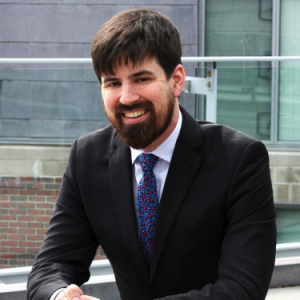 Dr. Douglas A. Mata Harvard Medical School[/caption]
Douglas A. Mata, M.D., M.P.H.
Anatomic and Clinical Pathology
Resident Physician, Brigham & Women’s Hospital
Clinical Fellow, Harvard Medical School
Boston, MA 02115
Marco A. Ramos, M.Phil., M.S.Ed.
History of Science and Medicine
M.D./Ph.D. Candidate, Yale School of Medicine
New Haven, CT 06511
Medical Research: What is the background for your study?
Dr. Mata: Training to be a doctor is clearly stressful, but the prevalence of depression among trainees is not well known. They may get especially depressed during their grueling years of residency, when young physicians are learning their craft by working long hours and taking care of critically ill patients. Coming up with a reliable estimate of the prevalence of depression among graduate medical trainees would help us identify causes of resident depression and begin to treat or prevent it. We thus aimed to find answers to two questions:
Dr. Douglas A. Mata Harvard Medical School[/caption]
Douglas A. Mata, M.D., M.P.H.
Anatomic and Clinical Pathology
Resident Physician, Brigham & Women’s Hospital
Clinical Fellow, Harvard Medical School
Boston, MA 02115
Marco A. Ramos, M.Phil., M.S.Ed.
History of Science and Medicine
M.D./Ph.D. Candidate, Yale School of Medicine
New Haven, CT 06511
Medical Research: What is the background for your study?
Dr. Mata: Training to be a doctor is clearly stressful, but the prevalence of depression among trainees is not well known. They may get especially depressed during their grueling years of residency, when young physicians are learning their craft by working long hours and taking care of critically ill patients. Coming up with a reliable estimate of the prevalence of depression among graduate medical trainees would help us identify causes of resident depression and begin to treat or prevent it. We thus aimed to find answers to two questions:
 Dr. Sondheimer[/caption]
MedicalResearch.com Interview with:
Henry Sondheimer, MD
Senior director of student affairs
American Association of Medical Colleges
Medical Research: What is the background for this study? What are the main findings?
Dr. Sondheimer: The background for this study in JAMA's Med Ed issue of December 8th is that a group of the medical schools' deans asked us (AAMC staff) in 2014 whether there was a differential in placement of African-American, Hispanic, and Native American graduates into Graduate Medical Education at the time of their graduation from medical school. In fact, as shown in this short paper, there is a difference with more current graduates from the under-represented in medicine graduates not beginning their GME immediately post-graduation. However, over time this difference diminishes substantially but does not disappear completely.
Dr. Sondheimer[/caption]
MedicalResearch.com Interview with:
Henry Sondheimer, MD
Senior director of student affairs
American Association of Medical Colleges
Medical Research: What is the background for this study? What are the main findings?
Dr. Sondheimer: The background for this study in JAMA's Med Ed issue of December 8th is that a group of the medical schools' deans asked us (AAMC staff) in 2014 whether there was a differential in placement of African-American, Hispanic, and Native American graduates into Graduate Medical Education at the time of their graduation from medical school. In fact, as shown in this short paper, there is a difference with more current graduates from the under-represented in medicine graduates not beginning their GME immediately post-graduation. However, over time this difference diminishes substantially but does not disappear completely.
 Halle Amick[/caption]
MedicalResearch.com Interview with:
Halle Amick, research associate
Sheps Center for Health Services Research
University of North Carolina at Chapel Hill
Chapel Hill, NC
Medical Research: What is the background for this study? What are the main findings?
Response: Major depressive disorder (MDD) affects more than 32 million Americans and millions more worldwide. Many patients first seek care from a primary care provider, and the most common treatment initiated in that setting is medication. Although there is an evidence base that shows certain psychotherapies to be effective treatments, primary care providers may not be familiar enough with psychotherapy to present it as a treatment option. We conducted a full review of clinical trials that compared antidepressant medication—specifically second-generation antidepressants (SGAs)—with cognitive behavioral therapy (CBT).
We found that symptom improvement and rate of remission were similar between SGAs and CBT, whether they were used alone or in combination with each other. We also found no difference in the rates of withdrawal from the clinical trials either overall or due to adverse events.
Halle Amick[/caption]
MedicalResearch.com Interview with:
Halle Amick, research associate
Sheps Center for Health Services Research
University of North Carolina at Chapel Hill
Chapel Hill, NC
Medical Research: What is the background for this study? What are the main findings?
Response: Major depressive disorder (MDD) affects more than 32 million Americans and millions more worldwide. Many patients first seek care from a primary care provider, and the most common treatment initiated in that setting is medication. Although there is an evidence base that shows certain psychotherapies to be effective treatments, primary care providers may not be familiar enough with psychotherapy to present it as a treatment option. We conducted a full review of clinical trials that compared antidepressant medication—specifically second-generation antidepressants (SGAs)—with cognitive behavioral therapy (CBT).
We found that symptom improvement and rate of remission were similar between SGAs and CBT, whether they were used alone or in combination with each other. We also found no difference in the rates of withdrawal from the clinical trials either overall or due to adverse events.
 Dr. David Ouyang[/caption]
MedicalResearch.com Interview with:
David Ouyang MD
Department of Internal Medicine
Stanford University School of Medicine
Stanford, California
Medical Research: What is the background for this study? What are the main findings?
Dr. Ouyang: In American teaching hospitals, trainee resident physicians are an integral part of the medical team in performing procedures, writing notes, and coordinating care. As more care is being facilitated by electronic medical record (EMR) systems, we are just now finally able to understand how much residents work and how residents spend their time. In our study, we examined the types and timing of electronic actions performed on the EMR system by residents and found that residents spend about a third (36%) of their day in front of the computer and frequently perform many simultaneous tasks across the charts of multiple patients. Additionally, residents often do work long hours, with a median of 69.2 hours per week when on the inpatient medicine service.
Dr. David Ouyang[/caption]
MedicalResearch.com Interview with:
David Ouyang MD
Department of Internal Medicine
Stanford University School of Medicine
Stanford, California
Medical Research: What is the background for this study? What are the main findings?
Dr. Ouyang: In American teaching hospitals, trainee resident physicians are an integral part of the medical team in performing procedures, writing notes, and coordinating care. As more care is being facilitated by electronic medical record (EMR) systems, we are just now finally able to understand how much residents work and how residents spend their time. In our study, we examined the types and timing of electronic actions performed on the EMR system by residents and found that residents spend about a third (36%) of their day in front of the computer and frequently perform many simultaneous tasks across the charts of multiple patients. Additionally, residents often do work long hours, with a median of 69.2 hours per week when on the inpatient medicine service.