MedicalResearch.com Interview with:
Simone Ullrich, PhD
Senior Lecturer in Forensic Mental Health
Violence Prevention Research Unit
Queen Mary University of London
Medical Research: What is the background for this study? What are the main findings?
Dr. Ullrich: There are currently thought to be more than three hundred risk assessment instruments used by professionals such as psychiatrists, psychologists, and probation officers to assess the risks of violence and sexual offending among psychiatric patients, prisoners, and the general population. In some mental health services the hospital does not get paid unless staff have carried out a risk assessment on their patients. Producing risk assessment instruments has become an ‘industry’ and new instruments are being produced annually, on every form of violence and criminal activity. The Queen Mary research group believe that none of these instruments have any advantage over those produced before. Furthermore, their best predictions for future violence get 30% wrong.
Professor Coid and colleagues believe that no further progress can be made because researchers have been too obsessed with predicting the future of whether a patient will be violent rather than looking for the causes of why they become violent. All previous studies have used special statistical techniques which are designed to measure predictive accuracy. The Queen Mary research group say there is nothing wrong with being accurate or measuring accuracy, but there is no point in trying to develop new instruments which can never improve on getting it right more than 70% of the time. It may be helpful to know that your patient has a high or low risk of being violent if you release them from hospital, but this is not going to tell you what you should do to stop them being violent. Furthermore, if the risk assessment says that their risk is high then it is likely that you will not release them. The problem is that professionals will always play safe and, although there is a good chance (around 30%) that they are totally wrong, the patient will not be released. This is probably one of the most important reasons why patients are staying longer and longer in secure mental health services. These instruments achieve little more than making healthcare professionals risk averse.
The National Institute for Health Research (NIHR) funded a study where 409 male and female patients who were discharged from medium secure services in England and Wales were followed up after release into the community. They received assessments with two ‘state of the art’ assessment instruments, the HCR-20 which aims to guide clinicians in their assessment of violence, and the SAPROF, another instrument aimed to guide clinicians on which factors protect patients from becoming violent. Both instruments were developed on the basis of predictive statistics. Measures were taken with these instruments prior to release into the community, then after 6 and 12 months following discharge.
Information on violence was gathered via individual case notes and a search of the police national computer. By 6 months following discharge, 54 (14%) had committed a violent act, between 6 and 12 months 43 (13%) had been violent.
The authors used two methods to investigate the associations between these risk/ protective factors and violence. They first tested the standard approach of risk assessment for the factors that occurred in the past 6 months which were then used to statistically predict
violence in the following 6 months (predictive model). They then used a second approach which looked at the co-occurrence of the risk/ protective factors and violence within the same 6 month time window (causal model).
Using the traditional approach and looking at accuracy, the predictive model produced statistical coefficients of low size, suggesting that the risk and protective factors were poor in identifying who would be violent and who would not. Because many associations between the factors and violence were weak, few appeared useful in identifying those which should be targeted to manage future violence. Surprisingly, symptoms of major mental disorder did not show an association with violence, even though most of the patients in the study suffered from major mental disorder. It might have been expected that some patients would relapse, with more symptoms, leading to violence.
When the researchers used a causal approach aiming to confirm which risk and protective factors resulted in violence, the findings were very different. Symptoms of major mental disorder, the patients’ living condition, and whether they were taking medication were highly important factors. Secondly, the effects of risk and protective factors on
violence were much bigger using the causal approach. For example, the effects of violent thoughts and ruminations, being in an unstable life situation, were about 3 times stronger using the causal model. The effects of being under stress and unable to cope were more than 4 times stronger than using the traditional predictive approach. They concluded that the causal approach was much better in identifying the key factors that need to be considered in the assessment and management of violence.

 Dr. Yang[/caption]
MedicalResearch.com Interview with:
Quanhe Yang, PhD
Division for Heart Disease and Stroke Prevention
Centers for Disease Control and Prevention
Atlanta, GA 30341
MedicalResearch: What is the background for this study? What are the main findings?
Dr. Yang: Body mass index (BMI) is an important risk factor for high blood pressure among adolescents. Despite a recent leveling off in the numbers of overweight and obese youths, weight-associated health outcomes remain a problem in the U.S. Some researchers have suggested that the increased prevalence of high blood pressure among adolescents is associated with the epidemic of overweight and obesity in the U.S.
As a result, we analyzed trends in pre-high blood pressure and high blood pressure among U.S. youth using data from a series of National Health and Nutrition Examination Surveys. Nearly 15,000 adolescents between the ages of 12 and 19 were included in the surveys, which were conducted between 1988 and 2012.
During that 24-year timeframe, the prevalence of high blood pressure actually decreased overall, while pre-high blood pressure remained largely unchanged. However, those rates differed based on body weight category. For example, pre-high blood pressure was consistently higher among overweight/obese adolescents (18 to 22 percent) than those of normal weight (11 to 12 percent). The observed changes in both pre-high blood pressure and high blood pressure prevalence were consistent across age group, sex and race/ethnicity.
Dr. Yang[/caption]
MedicalResearch.com Interview with:
Quanhe Yang, PhD
Division for Heart Disease and Stroke Prevention
Centers for Disease Control and Prevention
Atlanta, GA 30341
MedicalResearch: What is the background for this study? What are the main findings?
Dr. Yang: Body mass index (BMI) is an important risk factor for high blood pressure among adolescents. Despite a recent leveling off in the numbers of overweight and obese youths, weight-associated health outcomes remain a problem in the U.S. Some researchers have suggested that the increased prevalence of high blood pressure among adolescents is associated with the epidemic of overweight and obesity in the U.S.
As a result, we analyzed trends in pre-high blood pressure and high blood pressure among U.S. youth using data from a series of National Health and Nutrition Examination Surveys. Nearly 15,000 adolescents between the ages of 12 and 19 were included in the surveys, which were conducted between 1988 and 2012.
During that 24-year timeframe, the prevalence of high blood pressure actually decreased overall, while pre-high blood pressure remained largely unchanged. However, those rates differed based on body weight category. For example, pre-high blood pressure was consistently higher among overweight/obese adolescents (18 to 22 percent) than those of normal weight (11 to 12 percent). The observed changes in both pre-high blood pressure and high blood pressure prevalence were consistent across age group, sex and race/ethnicity.
 MedicalResearch.com Interview with:
Brittany Kmush, ScM
Doctoral Candidate
Global Disease Epidemiology and Control
Department of International Health
Johns Hopkins Bloomberg School of Public Health
Baltimore, MD
Medical Research: What is the background for this study? What are the main findings?
Response: Hepatitis E virus (HEV) is a global pathogen responsible for approximately 20 million infections every year in developing countries. In the general population, HEV causes acute, self-limiting hepatitis with only a 1-2% case fatality rate. However, in pregnant women, Hepatitis E virus infection can be very severe, resulting in fulminant hepatic failure and death, with a case fatality rate around 30%. Despite this important burden, Hepatitis E virus remains an under-recognized and under-reported pathogen. The early years of HEV research were plagued by poor quality commercial assays, highly variable in sensitivity and specificity. As a result, there is still no diagnostic assay approved for commercial use in the United States. However, over the past two decades, several new, highly sensitive and specific assays have been developed.
In this study, we re-tested banked sera from a population-based sero-survey of over 1000 participants from rural Bangladesh in order to investigate the comparability of a high-performing first generation test to recently developed, commercially available assay. In the early 2000s, the Walter Reed Army Institute of Research (WRAIR, Bethesda, MD) developed an in-house enzyme immune-assay (EIA) to diagnose Hepatitis E virus infections by detecting anti-HEV total immunoglobulin (Ig) in serum. More recently, Wantai Diagnostics (Beijing, China) developed a commercially available EIA for detecting anti-HEV IgG.
The WRAIR assay estimated the overall population seroprevalence as 26.6% while the Wantai assay produced significantly higher estimated seroprevalence, 46.7%. There was a 77% agreement between the two tests. Overall, the Wantai assay found a much higher seroprevalence of anti-HEV antibodies compared to the WRAIR assay, using the same serum. Additionally, the majority of the differences between the two tests are from people initially classified by WRAIR as anti-HEV negative that Wantai classified as anti-HEV positive.
MedicalResearch.com Interview with:
Brittany Kmush, ScM
Doctoral Candidate
Global Disease Epidemiology and Control
Department of International Health
Johns Hopkins Bloomberg School of Public Health
Baltimore, MD
Medical Research: What is the background for this study? What are the main findings?
Response: Hepatitis E virus (HEV) is a global pathogen responsible for approximately 20 million infections every year in developing countries. In the general population, HEV causes acute, self-limiting hepatitis with only a 1-2% case fatality rate. However, in pregnant women, Hepatitis E virus infection can be very severe, resulting in fulminant hepatic failure and death, with a case fatality rate around 30%. Despite this important burden, Hepatitis E virus remains an under-recognized and under-reported pathogen. The early years of HEV research were plagued by poor quality commercial assays, highly variable in sensitivity and specificity. As a result, there is still no diagnostic assay approved for commercial use in the United States. However, over the past two decades, several new, highly sensitive and specific assays have been developed.
In this study, we re-tested banked sera from a population-based sero-survey of over 1000 participants from rural Bangladesh in order to investigate the comparability of a high-performing first generation test to recently developed, commercially available assay. In the early 2000s, the Walter Reed Army Institute of Research (WRAIR, Bethesda, MD) developed an in-house enzyme immune-assay (EIA) to diagnose Hepatitis E virus infections by detecting anti-HEV total immunoglobulin (Ig) in serum. More recently, Wantai Diagnostics (Beijing, China) developed a commercially available EIA for detecting anti-HEV IgG.
The WRAIR assay estimated the overall population seroprevalence as 26.6% while the Wantai assay produced significantly higher estimated seroprevalence, 46.7%. There was a 77% agreement between the two tests. Overall, the Wantai assay found a much higher seroprevalence of anti-HEV antibodies compared to the WRAIR assay, using the same serum. Additionally, the majority of the differences between the two tests are from people initially classified by WRAIR as anti-HEV negative that Wantai classified as anti-HEV positive.
 Dr. Oktay[/caption]
MedicalResearch.com Interview with:
Kutluk Oktay, MD, PhD.
Professor of Obstetrics & Gynecology, Medicine, and Cell Biology & Anatomy
Director, Division of Reproductive Medicine & Institute for Fertility Preservation
Innovation Institute for Fertility and In Vitro Fertilization
New York Medical College, Valhalla, NY
Medical Research: What is the background for this study? What are the main findings?
Dr. Oktay: Cancer treatments cause infertility and early menopause in a growing number of young women around the world and US. One of the strategies to preserve fertility, which was developed by our team, is to cryopreserve ovarian tissue before chemotherapy and later transplant it back to the patient when they are cured of the cancer and ready to have children. However, success of ovarian transplantation has been limited due to limitation in blood flow to grafts. In this study we described a new approach which seems to improve graft function. The utility of an extracellular tissue matrix and robotic surgery seems to enhance graft function. With this approach both patients conceived with frozen embryos to spare and one has already delivered.
Dr. Oktay[/caption]
MedicalResearch.com Interview with:
Kutluk Oktay, MD, PhD.
Professor of Obstetrics & Gynecology, Medicine, and Cell Biology & Anatomy
Director, Division of Reproductive Medicine & Institute for Fertility Preservation
Innovation Institute for Fertility and In Vitro Fertilization
New York Medical College, Valhalla, NY
Medical Research: What is the background for this study? What are the main findings?
Dr. Oktay: Cancer treatments cause infertility and early menopause in a growing number of young women around the world and US. One of the strategies to preserve fertility, which was developed by our team, is to cryopreserve ovarian tissue before chemotherapy and later transplant it back to the patient when they are cured of the cancer and ready to have children. However, success of ovarian transplantation has been limited due to limitation in blood flow to grafts. In this study we described a new approach which seems to improve graft function. The utility of an extracellular tissue matrix and robotic surgery seems to enhance graft function. With this approach both patients conceived with frozen embryos to spare and one has already delivered.
 Dr. Jerome Leis[/caption]
MedicalResearch.com Interview with:
Jerome A. Leis, MD MSc FRCPC
Staff physician, General Internal Medicine and Infectious Diseases
Physician Lead, Antimicrobial Stewardship Team
Staff member, Centre for Quality Improvement and Patient Safety
Sunnybrook Health Sciences Centre
Assistant Professor, Department of Medicine, University of Toronto
Medical Research: What is the background for this study? What are the main findings?
Dr. Leis: Overuse of urinary catheters leads to significant morbidity among hospitalized patients. In most hospitals, discontinuation of urinary catheters relies on individual providers remembering to re-assess whether patients have an ongoing reason for a urinary catheter. We engaged all of the attending physicians to agree on the appropriate reasons for leaving a urinary catheter in place and developed a medical directive for nurses to remove all urinary catheters lacking these indications. This nurse-led intervention resulted in a significant reduction in urinary catheter use and catheter-associated urinary tract infections, compared with wards that continued to rely on usual practice.
Dr. Jerome Leis[/caption]
MedicalResearch.com Interview with:
Jerome A. Leis, MD MSc FRCPC
Staff physician, General Internal Medicine and Infectious Diseases
Physician Lead, Antimicrobial Stewardship Team
Staff member, Centre for Quality Improvement and Patient Safety
Sunnybrook Health Sciences Centre
Assistant Professor, Department of Medicine, University of Toronto
Medical Research: What is the background for this study? What are the main findings?
Dr. Leis: Overuse of urinary catheters leads to significant morbidity among hospitalized patients. In most hospitals, discontinuation of urinary catheters relies on individual providers remembering to re-assess whether patients have an ongoing reason for a urinary catheter. We engaged all of the attending physicians to agree on the appropriate reasons for leaving a urinary catheter in place and developed a medical directive for nurses to remove all urinary catheters lacking these indications. This nurse-led intervention resulted in a significant reduction in urinary catheter use and catheter-associated urinary tract infections, compared with wards that continued to rely on usual practice.
 Dr. Jason Gold[/caption]
MedicalResearch.com Interview with:
Jason S. Gold MD FACS
Chief of Surgical Oncology, VA Boston Healthcare System
Assistant Professor of Surgery, Harvard Medical School
Brigham and Women’s Hospital
Medical Research: What is the background for this study?
Dr. Gold: Pancreas cancer is a lethal disease. While advances in the best available care for pancreas cancer are desperately needed, improvements can be made in addressing disparities in care. This study aimed to evaluate associations of social and demographic variables with the utilization of surgical resection as well as with survival after surgical resection for early-stage pancreas cancer.
Medical Research: What are the main findings?
Dr. Gold: The main findings are the following:
1: We found that less than half of patients with early-stage pancreas cancer undergo resection in the United States. Interestingly, the rate of resection has not changed with time during the eight-year study period.
2. We also found significant disparities associated with the utilization of surgical resection for early-stage pancreas cancer in the United States. African American patients, Hispanic patients, single patients, and uninsured patients were significantly less likely to have their tumors removed. There were regional variations in the utilization of surgical resection as well. Patients in the Southeast were significantly less likely to have a pancreas resection for cancer compared to patients in the Northeast.
3. Among the patients who underwent surgical resection for early-stage pancreas cancer, we did not see significant independent associations with survival for most of the social and demographic variables analyzed. Surprisingly, however, patients from the Southeast had worse long-term survival after pancreas cancer resection compared to those in other regions of the United States even after adjusting for other variables.
Dr. Jason Gold[/caption]
MedicalResearch.com Interview with:
Jason S. Gold MD FACS
Chief of Surgical Oncology, VA Boston Healthcare System
Assistant Professor of Surgery, Harvard Medical School
Brigham and Women’s Hospital
Medical Research: What is the background for this study?
Dr. Gold: Pancreas cancer is a lethal disease. While advances in the best available care for pancreas cancer are desperately needed, improvements can be made in addressing disparities in care. This study aimed to evaluate associations of social and demographic variables with the utilization of surgical resection as well as with survival after surgical resection for early-stage pancreas cancer.
Medical Research: What are the main findings?
Dr. Gold: The main findings are the following:
1: We found that less than half of patients with early-stage pancreas cancer undergo resection in the United States. Interestingly, the rate of resection has not changed with time during the eight-year study period.
2. We also found significant disparities associated with the utilization of surgical resection for early-stage pancreas cancer in the United States. African American patients, Hispanic patients, single patients, and uninsured patients were significantly less likely to have their tumors removed. There were regional variations in the utilization of surgical resection as well. Patients in the Southeast were significantly less likely to have a pancreas resection for cancer compared to patients in the Northeast.
3. Among the patients who underwent surgical resection for early-stage pancreas cancer, we did not see significant independent associations with survival for most of the social and demographic variables analyzed. Surprisingly, however, patients from the Southeast had worse long-term survival after pancreas cancer resection compared to those in other regions of the United States even after adjusting for other variables.
 Prof. Bisgaard[/caption]
MedicalResearch.com Interview with:
Professor of Pediatrics Hans Bisgaard, MD, DMSc
Copenhagen Prospective Studies on Asthma in Childhood
Herlev and Gentofte Hospital,
University of Copenhagen, Denmark
Medical Research: What is the background for this study?
Prof. Bisgaard: Birth season has been reported to be a risk factor for several immune-mediated diseases, although the critical season varies depending on the disease. Autoimmune diseases are generally associated with spring births, whereas asthma and allergies are more common among subjects born in fall and winter. Because many of these diseases, such as asthma, rheumatoid arthritis, and
Prof. Bisgaard[/caption]
MedicalResearch.com Interview with:
Professor of Pediatrics Hans Bisgaard, MD, DMSc
Copenhagen Prospective Studies on Asthma in Childhood
Herlev and Gentofte Hospital,
University of Copenhagen, Denmark
Medical Research: What is the background for this study?
Prof. Bisgaard: Birth season has been reported to be a risk factor for several immune-mediated diseases, although the critical season varies depending on the disease. Autoimmune diseases are generally associated with spring births, whereas asthma and allergies are more common among subjects born in fall and winter. Because many of these diseases, such as asthma, rheumatoid arthritis, and  MedicalResearch.com Interview with:
Claudia van Borkulo, MSc
University of Groningen, University Medical Center Groningen
Department of Psychiatry,
Research School of Behavioural and Cognitive Neurosciences,
Interdisciplinary Center for Psychopathology and Emotion Regulation,
Groningen, the Netherlands
Medical Research: What is the background for this study? What are the main findings?
Response: We consider psychiatric disorders as complex dynamical systems in which symptoms can interact with each other. This novel network approach to psychopathology – that is new to psychiatry – implies that a more densely connected network of symptoms of a disorder might be indicative of worse prognosis. Having one symptom can easily lead to developing more symptoms in a densely connected network, in which more symptoms reinforce each other. Reversely, a symptom in a less densely connected network will rarely turn on other symptoms. A densely connected network can theoretically be related to an increased vulnerability; because of the high level of mutual reinforcement, a small external stressor can induce a quicker transition from a healthy state to a depressed state for people with a more densely connected network.
In our study, we investigated the association between baseline network structure of
MedicalResearch.com Interview with:
Claudia van Borkulo, MSc
University of Groningen, University Medical Center Groningen
Department of Psychiatry,
Research School of Behavioural and Cognitive Neurosciences,
Interdisciplinary Center for Psychopathology and Emotion Regulation,
Groningen, the Netherlands
Medical Research: What is the background for this study? What are the main findings?
Response: We consider psychiatric disorders as complex dynamical systems in which symptoms can interact with each other. This novel network approach to psychopathology – that is new to psychiatry – implies that a more densely connected network of symptoms of a disorder might be indicative of worse prognosis. Having one symptom can easily lead to developing more symptoms in a densely connected network, in which more symptoms reinforce each other. Reversely, a symptom in a less densely connected network will rarely turn on other symptoms. A densely connected network can theoretically be related to an increased vulnerability; because of the high level of mutual reinforcement, a small external stressor can induce a quicker transition from a healthy state to a depressed state for people with a more densely connected network.
In our study, we investigated the association between baseline network structure of  Dr. Weir[/caption]
MedicalResearch.com Interview with:
Hannah K. Weir, PhD, MSc
Senior Epidemiologist
CDC
Medical Research: What is the background for this study? What are the main findings?
Dr. Weir: Colorectal cancer (CRC) is one of the leading causes of cancer related deaths in the United States.
We know that the risk of dying from colorectal cancer is not the same across all communities – people living in poorer communities have a higher risk of dying from
Dr. Weir[/caption]
MedicalResearch.com Interview with:
Hannah K. Weir, PhD, MSc
Senior Epidemiologist
CDC
Medical Research: What is the background for this study? What are the main findings?
Dr. Weir: Colorectal cancer (CRC) is one of the leading causes of cancer related deaths in the United States.
We know that the risk of dying from colorectal cancer is not the same across all communities – people living in poorer communities have a higher risk of dying from  Dr. Curry[/caption]
MedicalResearch.com Interview with:
Dr. Michael P. Curry, MD
Medical Director for Liver Transplantation
Harvard Medical Faculty Physicians
Beth Israel Deaconess Medical Center
Medical Research: What is the background for this study? What are the main findings
Dr. Curry: As the population that is infected with the hepatitis C virus (HCV) ages, the number of patients with decompensated cirrhosis is expected to increase. For many years, the only treatment option for these patients was liver transplantation. Recently, however, clinical trials of newly approved direct-acting antiviral agents (DAAs) have shown that it is possible to treat HCV infection safely and effectively in patients with decompensated cirrhosis. We conducted this Phase 3, open-label trial to assess the efficacy and safety of a fixed dose combination of sofosbuvir/velpatasvir with or without ribavirin for 12 weeks or sofosbuvir/velpatasvir for 24 weeks in patients infected with hepatitis C virus genotypes 1 through 6 and with decompensated cirrhosis. We found that treatment with sofosbuvir/velpatasvir resulted in high rates of sustained virologic response (SVR) and early improvements in hepatic function in this patient population. SVR rates were 83 percent in patients who received sofosbuvir/velpatasvir for 12 weeks, 94 percent among those who received sofosbuvir/velpatasvir plus ribavirin, and 86 percent among those who received sofosbuvir/velpatasvir for 24 weeks.
Dr. Curry[/caption]
MedicalResearch.com Interview with:
Dr. Michael P. Curry, MD
Medical Director for Liver Transplantation
Harvard Medical Faculty Physicians
Beth Israel Deaconess Medical Center
Medical Research: What is the background for this study? What are the main findings
Dr. Curry: As the population that is infected with the hepatitis C virus (HCV) ages, the number of patients with decompensated cirrhosis is expected to increase. For many years, the only treatment option for these patients was liver transplantation. Recently, however, clinical trials of newly approved direct-acting antiviral agents (DAAs) have shown that it is possible to treat HCV infection safely and effectively in patients with decompensated cirrhosis. We conducted this Phase 3, open-label trial to assess the efficacy and safety of a fixed dose combination of sofosbuvir/velpatasvir with or without ribavirin for 12 weeks or sofosbuvir/velpatasvir for 24 weeks in patients infected with hepatitis C virus genotypes 1 through 6 and with decompensated cirrhosis. We found that treatment with sofosbuvir/velpatasvir resulted in high rates of sustained virologic response (SVR) and early improvements in hepatic function in this patient population. SVR rates were 83 percent in patients who received sofosbuvir/velpatasvir for 12 weeks, 94 percent among those who received sofosbuvir/velpatasvir plus ribavirin, and 86 percent among those who received sofosbuvir/velpatasvir for 24 weeks.
 Dr. Cooper[/caption]
MedicalResearch.com Interview with:
Lauren Cooper, MD
Fellow in Cardiovascular Diseases
Duke University Medical Center
Duke Clinical Research Institute
Medical Research: What is the background for this study?
Dr. Cooper: The HF-ACTION study, published in 2009, showed that exercise training is associated with reduced risk of death or hospitalization, and is a safe and effective therapy for patients with heart failure and reduced ejection fraction. Subsequently, Medicare began to cover cardiac rehabilitation for patients with heart failure. However, many patients referred to an exercise training program are not fully adherent to the program. Our study looked at psychosocial reasons that may impact participation in an exercise program.
Medical Research: What are the main findings?
Dr. Cooper: We found that patients with higher levels of social support and fewer barriers to exercise exercised more than patients with lower levels of social support and more barriers to exercise. And patients who exercised less had a higher risk of cardiovascular death or heart failure hospitalization compared to patients who exercised more.
Dr. Cooper[/caption]
MedicalResearch.com Interview with:
Lauren Cooper, MD
Fellow in Cardiovascular Diseases
Duke University Medical Center
Duke Clinical Research Institute
Medical Research: What is the background for this study?
Dr. Cooper: The HF-ACTION study, published in 2009, showed that exercise training is associated with reduced risk of death or hospitalization, and is a safe and effective therapy for patients with heart failure and reduced ejection fraction. Subsequently, Medicare began to cover cardiac rehabilitation for patients with heart failure. However, many patients referred to an exercise training program are not fully adherent to the program. Our study looked at psychosocial reasons that may impact participation in an exercise program.
Medical Research: What are the main findings?
Dr. Cooper: We found that patients with higher levels of social support and fewer barriers to exercise exercised more than patients with lower levels of social support and more barriers to exercise. And patients who exercised less had a higher risk of cardiovascular death or heart failure hospitalization compared to patients who exercised more.
 Dr. Wang[/caption]
MedicalResearch.com Interview with:
Cunlin Wang, MD, PhD
Division of Epidemiology I,
Office of Surveillance and Epidemiology,
Center for Drug Evaluation and Research
US Food and Drug Administration
MedicalResearch: What is the background for this study? What are the main findings?
Dr. Wang: IV Iron has been known for its risk of anaphylactic reaction, but there has been little research on the comparative safety of individual IV Iron products from a large population-based study. This study included 688,183 new users of IV iron not on dialysis from the U.S. Medicare program over a ten-year span (January 2003 to December 2013). The main findings of the study are: the risk for anaphylaxis at first exposure was higher for iron dextran than non-dextran IV iron products combined (iron sucrose, gluconate and ferumoxytol). When individual IV Iron products were compared, the data suggested that iron dextran has the highest risk of anaphylaxis and Iron sucrose has the lowest risk, estimated both at the first time exposure and after cumulative exposures. The low and high molecular weight dextran products could not be individually identified during most of study period. However, from January 2006 through March 2008, during which the use of two dextran products could be distinguished, there was very low use of high molecular weight dextran (Dexferrum@). This suggested that the study results likely represent the risk of the low molecular weight dextran (Infed@).
Dr. Wang[/caption]
MedicalResearch.com Interview with:
Cunlin Wang, MD, PhD
Division of Epidemiology I,
Office of Surveillance and Epidemiology,
Center for Drug Evaluation and Research
US Food and Drug Administration
MedicalResearch: What is the background for this study? What are the main findings?
Dr. Wang: IV Iron has been known for its risk of anaphylactic reaction, but there has been little research on the comparative safety of individual IV Iron products from a large population-based study. This study included 688,183 new users of IV iron not on dialysis from the U.S. Medicare program over a ten-year span (January 2003 to December 2013). The main findings of the study are: the risk for anaphylaxis at first exposure was higher for iron dextran than non-dextran IV iron products combined (iron sucrose, gluconate and ferumoxytol). When individual IV Iron products were compared, the data suggested that iron dextran has the highest risk of anaphylaxis and Iron sucrose has the lowest risk, estimated both at the first time exposure and after cumulative exposures. The low and high molecular weight dextran products could not be individually identified during most of study period. However, from January 2006 through March 2008, during which the use of two dextran products could be distinguished, there was very low use of high molecular weight dextran (Dexferrum@). This suggested that the study results likely represent the risk of the low molecular weight dextran (Infed@).
 Dr. McDonald[/caption]
MedicalResearch.com Interview with:
Professor John McDonald PhD
Director of its Integrated Cancer Research Center
School of Biology at the Georgia Institute of Technology
Medical Research: What is the background for this study? What are the main findings?
Response: Ovarian cancer is a deadly disease because it cannot be diagnosed at early stages when it can be most effectively effectively treated.
It has long been recognized that there is a great need for an accurate diagnostic test for early stage ovarian cancer.
Until now, efforts to develop a highly accurate way to detect early stage ovarian cancer have been unsuccessful.
We have used a novel approach that integrates advanced methods in analytical chemistry with advanced machine learning algorithms to identify 16 metabolites that collectively can detect ovarian cancer with extremely high accuracy (100% in the samples tested in our study)
Dr. McDonald[/caption]
MedicalResearch.com Interview with:
Professor John McDonald PhD
Director of its Integrated Cancer Research Center
School of Biology at the Georgia Institute of Technology
Medical Research: What is the background for this study? What are the main findings?
Response: Ovarian cancer is a deadly disease because it cannot be diagnosed at early stages when it can be most effectively effectively treated.
It has long been recognized that there is a great need for an accurate diagnostic test for early stage ovarian cancer.
Until now, efforts to develop a highly accurate way to detect early stage ovarian cancer have been unsuccessful.
We have used a novel approach that integrates advanced methods in analytical chemistry with advanced machine learning algorithms to identify 16 metabolites that collectively can detect ovarian cancer with extremely high accuracy (100% in the samples tested in our study)
 Dr. Delnevo[/caption]
MedicalResearch.com Interview with:
Cristine D. Delnevo, PhD, MPH
Chair, Professor, and Director, Center for Tobacco Studies
Rutgers School of Public Health
Medical Research: What is the background for this study? What are the main findings?
Dr. Delnevo: We analyzed data from the 2014 National Health Interview Survey (NHIS) to examine how e-cigarette use differs by demographic subgroups and smoking status. We found that daily e-cigarette use is highest among
Dr. Delnevo[/caption]
MedicalResearch.com Interview with:
Cristine D. Delnevo, PhD, MPH
Chair, Professor, and Director, Center for Tobacco Studies
Rutgers School of Public Health
Medical Research: What is the background for this study? What are the main findings?
Dr. Delnevo: We analyzed data from the 2014 National Health Interview Survey (NHIS) to examine how e-cigarette use differs by demographic subgroups and smoking status. We found that daily e-cigarette use is highest among  Dr. Bacharier[/caption]
MedicalResearch.com Interview with:
Leonard B. Bacharier, MD
Professor of pediatrics
Clinical Director, Division of Allergy, Immunology and Pulmonary Medicine
St Louis School of Medicine
Washington University
St Louis, Missouri
Medical Research: What is the background for this study? What are the main findings?
Dr. Bacharier: Oral corticosteroids such as prednisone have become the standard of care for children whose colds tend to progress and lead to severe wheezing and difficulty breathing.
“But there are some studies that suggest these treatments don’t consistently work for young children. That’s why we want to find ways to prevent upper respiratory infections from progressing to lower respiratory tract illnesses. Once the episode gets going, standard interventions are less effective than would be desired”, reported Dr. Bacharier.
Dr. Bacharier[/caption]
MedicalResearch.com Interview with:
Leonard B. Bacharier, MD
Professor of pediatrics
Clinical Director, Division of Allergy, Immunology and Pulmonary Medicine
St Louis School of Medicine
Washington University
St Louis, Missouri
Medical Research: What is the background for this study? What are the main findings?
Dr. Bacharier: Oral corticosteroids such as prednisone have become the standard of care for children whose colds tend to progress and lead to severe wheezing and difficulty breathing.
“But there are some studies that suggest these treatments don’t consistently work for young children. That’s why we want to find ways to prevent upper respiratory infections from progressing to lower respiratory tract illnesses. Once the episode gets going, standard interventions are less effective than would be desired”, reported Dr. Bacharier.
 Dr. Biglan[/caption]
MedicalResearch.com Interview with:
Kevin M. Biglan, M.D., M.P.H
Professor of Neurology and the Associate Chair for Clinical Research
Department of Neurology and the Center for Human Experimental Therapeutics
University of Rochester School of Medicine and Dentistry
Rochester, New York
Medical Research: What is the background for this study? What are the main findings?
Dr. Biglan: A therapeutic goal of research in Huntington Disease (HD) is the identification of treatments that delay the progression of disease and onset of illness in individuals at risk for developing manifest HD. Designing such efficacy trials is challenging. A major hurdle is the lack of practical primary outcome measures to assess the effect of an intervention on delaying disease onset. Use of the dichotomous endpoint of clinical diagnosis as the primary outcome requires large sample sizes and long duration of follow up in order to show a significant therapeutic effect on delaying disease onset. Continuous measures that can reliably distinguish cytosine-adenine-guanine (CAG) expanded individuals in the pre-manifest period may allow for the identification of potential disease modifying therapies using relatively smaller cohorts followed for shorter periods of time.
The Prospective Huntington At-Risk Observational Study (PHAROS) represents the largest observational study to clinically evaluate pre-manifest Huntington Disease wherein both research participants and investigators were unaware of
Dr. Biglan[/caption]
MedicalResearch.com Interview with:
Kevin M. Biglan, M.D., M.P.H
Professor of Neurology and the Associate Chair for Clinical Research
Department of Neurology and the Center for Human Experimental Therapeutics
University of Rochester School of Medicine and Dentistry
Rochester, New York
Medical Research: What is the background for this study? What are the main findings?
Dr. Biglan: A therapeutic goal of research in Huntington Disease (HD) is the identification of treatments that delay the progression of disease and onset of illness in individuals at risk for developing manifest HD. Designing such efficacy trials is challenging. A major hurdle is the lack of practical primary outcome measures to assess the effect of an intervention on delaying disease onset. Use of the dichotomous endpoint of clinical diagnosis as the primary outcome requires large sample sizes and long duration of follow up in order to show a significant therapeutic effect on delaying disease onset. Continuous measures that can reliably distinguish cytosine-adenine-guanine (CAG) expanded individuals in the pre-manifest period may allow for the identification of potential disease modifying therapies using relatively smaller cohorts followed for shorter periods of time.
The Prospective Huntington At-Risk Observational Study (PHAROS) represents the largest observational study to clinically evaluate pre-manifest Huntington Disease wherein both research participants and investigators were unaware of  Dr. Ding[/caption]
MedicalResearch.com Interview with:
Ming Ding, MD, DSc
Departments of Nutrition and Epidemiology
Harvard T.H. Chan School of Public Health
Boston, MA
Medical Research: What is the background for this study?
Response: Coffee is one of the most commonly consumed beverages worldwide. Previous studies showed coffee consumption was associated with a lower risk of type 2 diabetes, cardiovascular disease, liver disease, and Parkinson’s disease. However, the association between coffee consumption and risk of mortality remains uncertain. Some studies showed an inverse association between moderate
Dr. Ding[/caption]
MedicalResearch.com Interview with:
Ming Ding, MD, DSc
Departments of Nutrition and Epidemiology
Harvard T.H. Chan School of Public Health
Boston, MA
Medical Research: What is the background for this study?
Response: Coffee is one of the most commonly consumed beverages worldwide. Previous studies showed coffee consumption was associated with a lower risk of type 2 diabetes, cardiovascular disease, liver disease, and Parkinson’s disease. However, the association between coffee consumption and risk of mortality remains uncertain. Some studies showed an inverse association between moderate  Dr. Schlansky[/caption]
MedicalResearch.com Interview with:
Barry Schlansky, M.D., M.P.H
Assistant Professor of Medicine
Oregon Health & Science University
Medical Research: What are the main findings and significance of this study?
Dr. Schlansky: This study examines how obese patients fare before and after liver transplantation. Similar to other researchers, we found that obese patients do just as well as normal weight patients after liver transplantation. We were surprised, however, to find that very obese patients died more often while on the wait list before liver transplant.
Dr. Schlansky[/caption]
MedicalResearch.com Interview with:
Barry Schlansky, M.D., M.P.H
Assistant Professor of Medicine
Oregon Health & Science University
Medical Research: What are the main findings and significance of this study?
Dr. Schlansky: This study examines how obese patients fare before and after liver transplantation. Similar to other researchers, we found that obese patients do just as well as normal weight patients after liver transplantation. We were surprised, however, to find that very obese patients died more often while on the wait list before liver transplant.
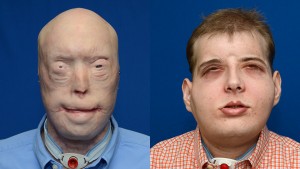 Patrick Hardison before surgery (left) and in November 2015, nearly three months after the surgery.[/caption]
Mr. Hardison was referred to
Patrick Hardison before surgery (left) and in November 2015, nearly three months after the surgery.[/caption]
Mr. Hardison was referred to  Diana Frenier[/caption]
MedicalResearch.com Interview with:
Diane Frenier Esq
Reed Smith Corporate Partner
Member of Corporate & Securities Group and Life Sciences Health Industry Group
Background: Diane Frenier Esq discusses the M&A boom in the pharmaceutical and retail drug industry including a the
Diana Frenier[/caption]
MedicalResearch.com Interview with:
Diane Frenier Esq
Reed Smith Corporate Partner
Member of Corporate & Securities Group and Life Sciences Health Industry Group
Background: Diane Frenier Esq discusses the M&A boom in the pharmaceutical and retail drug industry including a the