MedicalResearch.com Interview with:
[caption id="attachment_57406" align="alignleft" width="200"]

Dr. Hoberman[/caption]
Alejandro Hoberman, M.D.
Vice Chair of Clinical Research, Division Director, General Academic Pediatrics, and Professor of Pediatrics and Clinical and Translational Science
Jack L. Paradise, MD Endowed Professor of Pediatric Research, UPMC Children's Hospital of PittsburghPresident, UPMC Children's Community Pediatrics
MedicalResearch.com: What is the background for this study?
Response: Acute otitis media (AOM) is the most frequently diagnosed illness in children in the United States for which antibiotics are prescribed. Recurrent AOM is the principal indication for tympanostomy-tube placement, the most frequently performed operation in children after the newborn period. Supporting the performance of tympanostomy-tube placement for recurrent acute otitis media has been the commonplace observation, after surgery, of acute otitis media–free periods of varying duration. Counterbalancing this view have been the cost of tympanostomy-tube placement; risks and possible late sequelae of anesthesia in young children; the possible occurrence of refractory tube otorrhea, tube blockage, premature extrusion, or dislocation of the tube into the middle-ear cavity; various structural tympanic membrane sequelae; and the possible development of mild conductive hearing loss. Tempering support for surgery is the progressive reduction in the incidence of acute otitis media that usually accompanies a child’s increasing age.
Previous trials of tympanostomy-tube placement for recurrent acute otitis media, all conducted before the introduction of pneumococcal conjugate vaccine, have given mixed results and were limited, variously, by small sample size, uncertain validity of diagnoses of acute otitis media determining trial eligibility, short periods of follow-up, and substantial attrition of participants. Official recommendations regarding tympanostomy-tube placement for children with recurrent acute otitis media differ — an otolaryngologic guideline recommends the procedure for children with recurrent acute otitis media, provided that middle-ear effusion is present in at least one ear; a contemporaneous pediatric guideline discusses tympanostomy-tube placement as an “option [that] clinicians may offer.”
Given these uncertainties, we undertook the present trial involving children 6 to 35 months of age who had a history of recurrent acute otitis media to determine whether tympanostomy-tube placement, as compared with medical management (comprising episodic antimicrobial treatment, with the option of tympanostomy-tube placement in the event of treatment failure), would result in a greater reduction in the children’s rate of recurrence of acute otitis media during the ensuing 2-year period.




 Dr. Ferrara[/caption]
Michele Ferrara, PhD.
Professor of Psychobiology and Physiological Psychology
Chair of the Psychology Didactic Council
Department of Biotechnological and Applied Clinical Sciences
University of L'Aquila
MedicalResearch.com: What is the background for this study?
Response: During the current period of social distancing, the pervasive increase in the use of electronic devices (smartphones, computers, tablets and televisions) is an indisputable fact. Especially during the long lockdown period of Spring 2020, technologies played a pivotal role in coping with the unprecedented and stressful isolation phase. However, exposure to backlit screens in the hours before falling asleep can have serious repercussions on sleep health: on the one hand, by mimicking the effects of exposure to sunlight, and thus interfering with the circadian rhythm of the hormone melatonin, and on the other hand, counteracting the evening sleepiness due to the emotionally and psycho-physiologically activating contents.
In light of this assumption, we decided to test longitudinally during the third and the seventh week of lockdown a large Italian sample (2123 subjects) through a web-based survey. We assessed sleep disturbances/habits and the occurring changes of electronic device usage in the 2 hours before the sleep onset.
Dr. Ferrara[/caption]
Michele Ferrara, PhD.
Professor of Psychobiology and Physiological Psychology
Chair of the Psychology Didactic Council
Department of Biotechnological and Applied Clinical Sciences
University of L'Aquila
MedicalResearch.com: What is the background for this study?
Response: During the current period of social distancing, the pervasive increase in the use of electronic devices (smartphones, computers, tablets and televisions) is an indisputable fact. Especially during the long lockdown period of Spring 2020, technologies played a pivotal role in coping with the unprecedented and stressful isolation phase. However, exposure to backlit screens in the hours before falling asleep can have serious repercussions on sleep health: on the one hand, by mimicking the effects of exposure to sunlight, and thus interfering with the circadian rhythm of the hormone melatonin, and on the other hand, counteracting the evening sleepiness due to the emotionally and psycho-physiologically activating contents.
In light of this assumption, we decided to test longitudinally during the third and the seventh week of lockdown a large Italian sample (2123 subjects) through a web-based survey. We assessed sleep disturbances/habits and the occurring changes of electronic device usage in the 2 hours before the sleep onset.
 Prof Jeffrey S Tobias, Prof Jayant S Vaidya, Prof Max Bulsara and Prof Michael BaumMedicalResearch.com Interview with:[/caption]
Professor Jayant S Vaidya
MBBS MS DNB FRCS PhD
Professor of Surgery and Oncology
University College London
MedicalResearch.com: What is the background for this study? What type of single dose radiation is used?
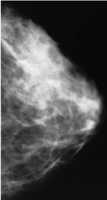
Response: The new paper published in the British Journal of Cancer (
Prof Jeffrey S Tobias, Prof Jayant S Vaidya, Prof Max Bulsara and Prof Michael BaumMedicalResearch.com Interview with:[/caption]
Professor Jayant S Vaidya
MBBS MS DNB FRCS PhD
Professor of Surgery and Oncology
University College London
MedicalResearch.com: What is the background for this study? What type of single dose radiation is used?
Response: The new paper published in the British Journal of Cancer (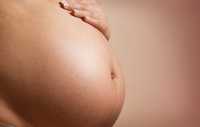
 Dr. Chien-Wen Tseng[/caption]
Chien-Wen Tseng, M.D., M.P.H., M.S.E.E.
The Hawaii Medical Service Association Endowed Chair
Health Services and Quality Research
Professor, and Associate Research Director
Department of Family Medicine and Community Health
University of Hawaii John A. Burns School of Medicine
MedicalResearch.com: What is the background for this study? What are the main findings?
Response: Gaining weight during pregnancy is natural but gaining too little or too much weight can be harmful for pregnant people and their babies. For the first time, the Task Force reviewed the evidence and found that counseling pregnant people on healthy weight gain during pregnancy can lower their risk for diabetes during pregnancy, emergency cesarean deliveries, and babies born with a birth weight that is too high. Pregnant people may not know what amount of weight gain is healthy during pregnancy, or how weight gain can affect their pregnancy and baby.
We recommend that clinicians offer all pregnant people counseling on healthy weight gain throughout their pregnancy for healthier, safer pregnancies.
Dr. Chien-Wen Tseng[/caption]
Chien-Wen Tseng, M.D., M.P.H., M.S.E.E.
The Hawaii Medical Service Association Endowed Chair
Health Services and Quality Research
Professor, and Associate Research Director
Department of Family Medicine and Community Health
University of Hawaii John A. Burns School of Medicine
MedicalResearch.com: What is the background for this study? What are the main findings?
Response: Gaining weight during pregnancy is natural but gaining too little or too much weight can be harmful for pregnant people and their babies. For the first time, the Task Force reviewed the evidence and found that counseling pregnant people on healthy weight gain during pregnancy can lower their risk for diabetes during pregnancy, emergency cesarean deliveries, and babies born with a birth weight that is too high. Pregnant people may not know what amount of weight gain is healthy during pregnancy, or how weight gain can affect their pregnancy and baby.
We recommend that clinicians offer all pregnant people counseling on healthy weight gain throughout their pregnancy for healthier, safer pregnancies. 
 Professor Marie-Aleth Richard
EADV Communications Committee Chair
Professor, University Hospital of La Timone
Marseille, France
MedicalResearch.com: What is the background for this Roundtable event? Would you describe the mission of the European Commission’s Beating Cancer Plan?
Response: Europe’s Beating Cancer Plan is the first, comprehensive EU strategy on cancer, aimed at tackling the disease through all key stages: prevention; early detection; diagnosis and treatment; and quality of life of cancer patients and survivors. The Plan also aims to create opportunities to improve cancer care through research and innovative projects, such as artificial intelligence, and to promote equal access to knowledge and treatments in cancer care across Europe.
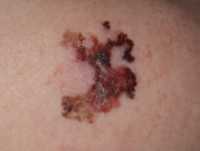
The EADV seeks to create a bridge between the EU health policy agenda and scientific research, by engaging with policymakers, patient organisations and other stakeholders to support a patient centric-approach; tackling melanoma and non-melanoma skin cancers (NMSC) at all stages of the pathway, from prevention to follow-up care.
Through our Roundtable event, the EADV brought together these key stakeholders to evaluate the effectiveness of the EBCP on preventing both melanoma and NMSC, as well as identify joint recommendations that step-up measures towards this goal.
Professor Marie-Aleth Richard
EADV Communications Committee Chair
Professor, University Hospital of La Timone
Marseille, France
MedicalResearch.com: What is the background for this Roundtable event? Would you describe the mission of the European Commission’s Beating Cancer Plan?
Response: Europe’s Beating Cancer Plan is the first, comprehensive EU strategy on cancer, aimed at tackling the disease through all key stages: prevention; early detection; diagnosis and treatment; and quality of life of cancer patients and survivors. The Plan also aims to create opportunities to improve cancer care through research and innovative projects, such as artificial intelligence, and to promote equal access to knowledge and treatments in cancer care across Europe.
The EADV seeks to create a bridge between the EU health policy agenda and scientific research, by engaging with policymakers, patient organisations and other stakeholders to support a patient centric-approach; tackling melanoma and non-melanoma skin cancers (NMSC) at all stages of the pathway, from prevention to follow-up care.
Through our Roundtable event, the EADV brought together these key stakeholders to evaluate the effectiveness of the EBCP on preventing both melanoma and NMSC, as well as identify joint recommendations that step-up measures towards this goal. 

 Prof. Hypponen[/caption]
Professor Elina Hypponen
Professor in Nutritional and Genetic Epidemiology
Director: Australian Centre for Precision Health
University of South Australia
MedicalResearch.com: What is the background for this study?
Response: Diet is an important determinant of cardiovascular disease, and several studies have shown an association between high dairy and milk consumption with cardio-metabolic risk factors.
Especially high fat dairy products can increase the risk of high cholesterol and cardiovascular disease by increasing the intakes of saturated fat and dietary cholesterol.
However, milk is also a rich source of calcium and other nutrients, and evidence from randomized controlled trials has been inconsistent with respect to the role milk may have in cardiovascular health
Prof. Hypponen[/caption]
Professor Elina Hypponen
Professor in Nutritional and Genetic Epidemiology
Director: Australian Centre for Precision Health
University of South Australia
MedicalResearch.com: What is the background for this study?
Response: Diet is an important determinant of cardiovascular disease, and several studies have shown an association between high dairy and milk consumption with cardio-metabolic risk factors.
Especially high fat dairy products can increase the risk of high cholesterol and cardiovascular disease by increasing the intakes of saturated fat and dietary cholesterol.
However, milk is also a rich source of calcium and other nutrients, and evidence from randomized controlled trials has been inconsistent with respect to the role milk may have in cardiovascular health 
 Dani Clode[/caption]
Dani Clode
Designer & Senior Research Technician
Plasticity Laboratory
Institute of Cognitive Neuroscience
University College London
MedicalResearch.com: What was the inspiration behind creating the Third Thumb?
[caption id="attachment_57498" align="alignleft" width="145"]
Dani Clode[/caption]
Dani Clode
Designer & Senior Research Technician
Plasticity Laboratory
Institute of Cognitive Neuroscience
University College London
MedicalResearch.com: What was the inspiration behind creating the Third Thumb?
[caption id="attachment_57498" align="alignleft" width="145"]



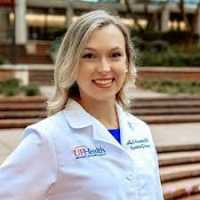





 Dr. Carlson[/caption]
Susan E. Carlson Ph.D.
Associate Dean for Research
Program Director,, AJ Rice Professor
Department of Dietetics and Nutrition
University of Kansas Medical Center
Kansas City, KS
MedicalResearch.com: What is the background for this study? What are its benefits?
Response: DHA is an omega-3 fatty acid. Good food sources include some types of seafood (e.g., salmon, tuna, trout) and chicken eggs. Persons in the USA and in much of the developing world consume little dietary DHA. DHA supplements in pregnancy have been linked to lower risk of preterm birth for 20 years, especially early preterm births (<34 weeks gestation). For about 10 years, prenatal supplements with about 200 mg DHA have been readily available in the USA, however, no study has asked if this amount of DHA is optimal to reduce early preterm birth. Participants were given a supplement of 1000 mg or 200 mg DHA beginning before 20 weeks gestation using an adaptive randomization that periodically assigned more participants to the group with the fewest early preterm births.
Dr. Carlson[/caption]
Susan E. Carlson Ph.D.
Associate Dean for Research
Program Director,, AJ Rice Professor
Department of Dietetics and Nutrition
University of Kansas Medical Center
Kansas City, KS
MedicalResearch.com: What is the background for this study? What are its benefits?
Response: DHA is an omega-3 fatty acid. Good food sources include some types of seafood (e.g., salmon, tuna, trout) and chicken eggs. Persons in the USA and in much of the developing world consume little dietary DHA. DHA supplements in pregnancy have been linked to lower risk of preterm birth for 20 years, especially early preterm births (<34 weeks gestation). For about 10 years, prenatal supplements with about 200 mg DHA have been readily available in the USA, however, no study has asked if this amount of DHA is optimal to reduce early preterm birth. Participants were given a supplement of 1000 mg or 200 mg DHA beginning before 20 weeks gestation using an adaptive randomization that periodically assigned more participants to the group with the fewest early preterm births. 
 Dr. Hwang[/caption]
Geelsu Hwang, Ph.D.
Assistant Professor
Department of Preventive and Restorative Sciences
Center for Innovation and Precision Dentistry (CiPD)
School of Dental Medicine
University of Pennsylvania
MedicalResearch.com: What is the background for this study? What is the significance of this oral biofilm?
Response: Dental caries is one of the most common and costly biofilm-dependent diseases that afflict children and adults worldwide. Particularly, Early Childhood Caries (ECC) is a hyper-virulent type of chronic tooth decay that most frequently afflicts underprivileged preschool children. The onset and progression of carious lesions in ECC are rapid and aggressive, causing rampant destruction of the smooth surfaces of teeth.
ECC is painful and often requires surgical procedure under general anesthesia, while current treatment modalities are inefficient and recurrence of ECC is common. Notably, interactions between a fungus, Candida albicans, and a bacterium, Streptococcus mutans, have been known to play important roles in the pathogenesis of dental caries.
Thus, we attempted to strategically develop a targeted measure to effectively prevent cross-kingdom interactions and subsequent biofilm development.
Dr. Hwang[/caption]
Geelsu Hwang, Ph.D.
Assistant Professor
Department of Preventive and Restorative Sciences
Center for Innovation and Precision Dentistry (CiPD)
School of Dental Medicine
University of Pennsylvania
MedicalResearch.com: What is the background for this study? What is the significance of this oral biofilm?
Response: Dental caries is one of the most common and costly biofilm-dependent diseases that afflict children and adults worldwide. Particularly, Early Childhood Caries (ECC) is a hyper-virulent type of chronic tooth decay that most frequently afflicts underprivileged preschool children. The onset and progression of carious lesions in ECC are rapid and aggressive, causing rampant destruction of the smooth surfaces of teeth.
ECC is painful and often requires surgical procedure under general anesthesia, while current treatment modalities are inefficient and recurrence of ECC is common. Notably, interactions between a fungus, Candida albicans, and a bacterium, Streptococcus mutans, have been known to play important roles in the pathogenesis of dental caries.
Thus, we attempted to strategically develop a targeted measure to effectively prevent cross-kingdom interactions and subsequent biofilm development.


 Dr. Clarke[/caption]
Katherine Clark, MD MBA
Division of Cardiovascular Medicine
Department of Internal Medicine
Yale School of Medicine
MedicalResearch.com: What is the background for this study?
Response: Racial and ethnic disparities affect cardiac transplantation outcomes. In cohort analyses of racial and ethnic groups from the previous three decades, Black patients were constantly at a higher risk of mortality after cardiac transplantation. In 2018, the United Network for Organ Sharing (UNOS) revised the allocation system to expand access to organs for the most medically urgent patients and reduce disparities and regional differences. We sought to evaluate contemporary trends and impact of the new 2018 allocation system.
Dr. Clarke[/caption]
Katherine Clark, MD MBA
Division of Cardiovascular Medicine
Department of Internal Medicine
Yale School of Medicine
MedicalResearch.com: What is the background for this study?
Response: Racial and ethnic disparities affect cardiac transplantation outcomes. In cohort analyses of racial and ethnic groups from the previous three decades, Black patients were constantly at a higher risk of mortality after cardiac transplantation. In 2018, the United Network for Organ Sharing (UNOS) revised the allocation system to expand access to organs for the most medically urgent patients and reduce disparities and regional differences. We sought to evaluate contemporary trends and impact of the new 2018 allocation system.