MedicalResearch.com Interview with:
[caption id="attachment_57030" align="alignleft" width="200"]

Dr. Dashti[/caption]
Hesam Dashti, PhD
Brigham and Women's Hospital, Harvard Medical School
Senior Computational Scientist
The Broad Institute of MIT and Harvard
MedicalResearch.com: What is the background for this study? What parameters does the SARS2 score take into consideration?
Response: While complex models have been developed for predicting the severity of COVID-19 from the medical history, laboratory, and imaging results of patients, simplified models with similar accuracy would be more practical for individualizing the decision making, especially when detailed medical history of patients is not readily available. In this study, we developed the SARS2 risk equations for estimating risk of hospitalization of patients with COVID-19 and also the risk of mortality among hospitalized patients. The “
SARS2” risk equations are named for their input variables:
Sex,
Age,
Race,
Socioeconomic and
Smoking status.
To develop and validate the models, we used the electronic records from 12,347 patients who tested positive for COVID-19 at the Mass General Brigham medical centers in Massachusetts between 02/26/2020 and 07/14/2020 to construct derivation and validation cohorts for estimating 1) risk of hospitalization within 30 days of COVID-19 positive PCR test, and 2) for the hospitalized patients, risk of mortality within approximately 3 months.


 Dr. Chien-Wen Tseng[/caption]
Chien-Wen Tseng, M.D., M.P.H., M.S.E.E.
The Hawaii Medical Service Association Endowed Chair
Health Services and Quality Research
Professor, and Associate Research Director
Department of Family Medicine and Community Health
University of Hawaii John A. Burns School of Medicine
MedicalResearch.com: What is the background for this study? What are the main findings?
Response: Age-related hearing loss cannot be reversed and can be a significant problem for older adults. Four out of 10 adults who are age 70 and older report hearing loss and it can worsen isolation, cognitive decline, and quality of life, as well as interfere with someone’s ability to live independently. There are simple screening tests to detect hearing loss, so the Task Force did an extensive review of whether there are health benefits to screening for hearing loss in people who do not have symptoms before they notice any hearing problems.
The Task Force determined that there is not enough evidence to recommend for or against screening for hearing loss in adults who are age 50 and older and do not have signs or symptoms of hearing loss. This is an I statement.
Dr. Chien-Wen Tseng[/caption]
Chien-Wen Tseng, M.D., M.P.H., M.S.E.E.
The Hawaii Medical Service Association Endowed Chair
Health Services and Quality Research
Professor, and Associate Research Director
Department of Family Medicine and Community Health
University of Hawaii John A. Burns School of Medicine
MedicalResearch.com: What is the background for this study? What are the main findings?
Response: Age-related hearing loss cannot be reversed and can be a significant problem for older adults. Four out of 10 adults who are age 70 and older report hearing loss and it can worsen isolation, cognitive decline, and quality of life, as well as interfere with someone’s ability to live independently. There are simple screening tests to detect hearing loss, so the Task Force did an extensive review of whether there are health benefits to screening for hearing loss in people who do not have symptoms before they notice any hearing problems.
The Task Force determined that there is not enough evidence to recommend for or against screening for hearing loss in adults who are age 50 and older and do not have signs or symptoms of hearing loss. This is an I statement.

 Prof. Mainous[/caption]
Arch G. Mainous III, PhD
Professor
Department of Health Services Research, Management and Policy
Professor and Vice Chair for Research
Department of Community Health and Family Medicine
University of Florida
MedicalResearch.com: What is the background for this study?
Response: We are always concerned about infections from antibiotic resistant bacteria. When the bacteria are resistant to our current treatments this lengthens the time and severity of the illness. Staphylococcus aureus is a major cause of community and healthcare associated infections. These range from skin infections to invasive infections and even death. Methicillin-resistant S. aureus (MRSA) is of particular concern and is a burden on the health care system. Importantly, patients colonized, not infected, with MRSA are more likely to develop MRSA infections and patients with MRSA infections have increased risk of hospital length of stay and even death.
We are always concerned about infections from antibiotic resistant bacteria. When the bacteria are resistant to our current treatments this lengthens the time and severity of the illness. Staphylococcus aureus is a major cause of community and healthcare associated infections. These range from skin infections to invasive infections and even death. Methicillin-resistant S. aureus (MRSA) is of particular concern and is a burden on the health care system. Importantly, patients colonized, not infected, with MRSA are more likely to develop MRSA infections and patients with MRSA infections have increased risk of hospital length of stay and even death.
Prof. Mainous[/caption]
Arch G. Mainous III, PhD
Professor
Department of Health Services Research, Management and Policy
Professor and Vice Chair for Research
Department of Community Health and Family Medicine
University of Florida
MedicalResearch.com: What is the background for this study?
Response: We are always concerned about infections from antibiotic resistant bacteria. When the bacteria are resistant to our current treatments this lengthens the time and severity of the illness. Staphylococcus aureus is a major cause of community and healthcare associated infections. These range from skin infections to invasive infections and even death. Methicillin-resistant S. aureus (MRSA) is of particular concern and is a burden on the health care system. Importantly, patients colonized, not infected, with MRSA are more likely to develop MRSA infections and patients with MRSA infections have increased risk of hospital length of stay and even death.
We are always concerned about infections from antibiotic resistant bacteria. When the bacteria are resistant to our current treatments this lengthens the time and severity of the illness. Staphylococcus aureus is a major cause of community and healthcare associated infections. These range from skin infections to invasive infections and even death. Methicillin-resistant S. aureus (MRSA) is of particular concern and is a burden on the health care system. Importantly, patients colonized, not infected, with MRSA are more likely to develop MRSA infections and patients with MRSA infections have increased risk of hospital length of stay and even death.

 Prof. D'Aiuto[/caption]
Francesco D’Aiuto
Professor/Hon Consultant
Head of Periodontology Unit
UCL Eastman Dental Institute
MedicalResearch.com: What is the background for this study?
Response: This study was set out to further our understanding of the link between gum disease and high blood pressure. Recent evidence suggested that individuals with gum disease had a 20-70% increased risk of hypertension and systemic inflammation seemed to be a driver in mediating this association. Further research on the matter was needed. We recruited two relatively large groups of otherwise healthy participants (without a confirmed diagnosis of hypertension) who had gum disease one and healthy gums the other.
We found that diagnosis of periodontitis (gum disease) was consistently linked to higher systolic blood pressure independent of other cardiovascular risk factors.
Prof. D'Aiuto[/caption]
Francesco D’Aiuto
Professor/Hon Consultant
Head of Periodontology Unit
UCL Eastman Dental Institute
MedicalResearch.com: What is the background for this study?
Response: This study was set out to further our understanding of the link between gum disease and high blood pressure. Recent evidence suggested that individuals with gum disease had a 20-70% increased risk of hypertension and systemic inflammation seemed to be a driver in mediating this association. Further research on the matter was needed. We recruited two relatively large groups of otherwise healthy participants (without a confirmed diagnosis of hypertension) who had gum disease one and healthy gums the other.
We found that diagnosis of periodontitis (gum disease) was consistently linked to higher systolic blood pressure independent of other cardiovascular risk factors.
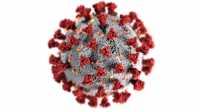
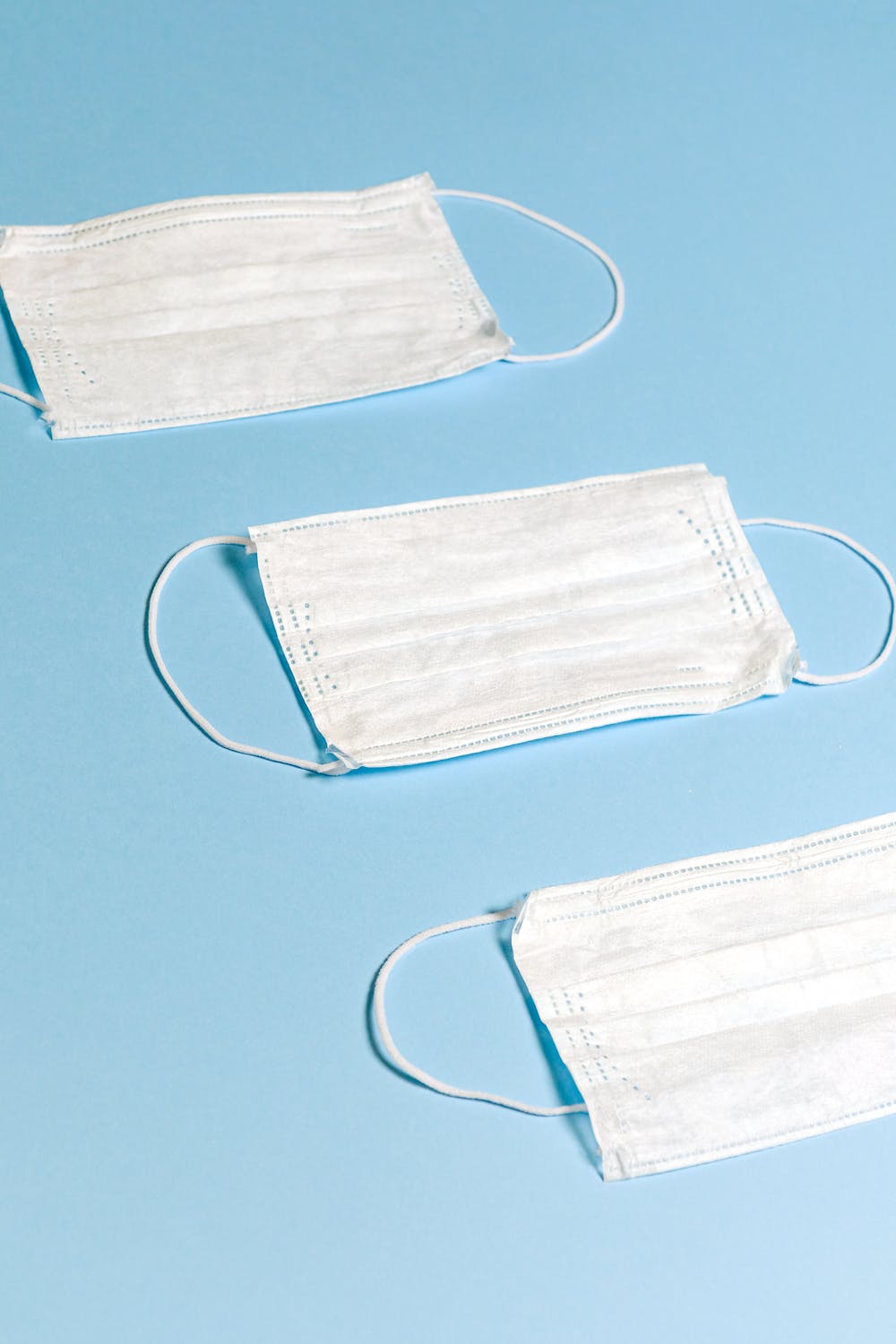
 Dr. Sinha[/caption]
Pranay Sinha, MD
Section of Infectious Diseases
Boston University School of Medicine
MedicalResearch.com: What is the background for this study?
Response: We hypothesized that mitigation measures such as physical distancing and mask wearing instituted in Boston would reduce transmission of common respiratory viruses such as influenza, Rhinovirus, and Parainfluenzavirus. We compared the rate of detection of such viruses at Boston Medical Center on comprehensive respiratory panels in the ambulatory, emergency room, and hospital settings in 2020 to rates in the previous five years.
Dr. Sinha[/caption]
Pranay Sinha, MD
Section of Infectious Diseases
Boston University School of Medicine
MedicalResearch.com: What is the background for this study?
Response: We hypothesized that mitigation measures such as physical distancing and mask wearing instituted in Boston would reduce transmission of common respiratory viruses such as influenza, Rhinovirus, and Parainfluenzavirus. We compared the rate of detection of such viruses at Boston Medical Center on comprehensive respiratory panels in the ambulatory, emergency room, and hospital settings in 2020 to rates in the previous five years.

 Dr. Meyer, J.D.[/caption]
Michelle N. Meyer, PhD, JD
Assistant Professor & Associate Director, Research Ethics, Center for Translational Bioethics & Health Care Policy
Faculty Co-Director, Behavioral Insights Team, Steele Institute for Health Innovation
Assistant Professor of Bioethics
Geisinger Commonwealth School of Medicine
Geisinger, PA
MedicalResearch.com: What is the background for this study?
Response: Earlier research had found people are less likely to say they'll receive a COVID-19 vaccine offered to them under an Emergency Use Authorization (EUA) than one offered to them following full FDA approval. Earlier surveys had also found that only around 30% of health care workers intended to receive a COVID-19 vaccine. Because the public often looks to local health care workers for health advice, and in most prioritization schemes they were slated to be offered vaccines first, this was quite concerning for the prospect of achieving population immunity. Commenters had warned that if the FDA chose to make COVID-19 vaccines available under EUAs, that substantial efforts would need to be made to ensure trust. On Dec. 4, 2020, an announcement about anticipated vaccine availability was emailed to all 23,784 Geisinger employees, who were asked to indicate their intention to receive a vaccine when one was available to them and the reasons for any hesitation they might have.
Dr. Meyer, J.D.[/caption]
Michelle N. Meyer, PhD, JD
Assistant Professor & Associate Director, Research Ethics, Center for Translational Bioethics & Health Care Policy
Faculty Co-Director, Behavioral Insights Team, Steele Institute for Health Innovation
Assistant Professor of Bioethics
Geisinger Commonwealth School of Medicine
Geisinger, PA
MedicalResearch.com: What is the background for this study?
Response: Earlier research had found people are less likely to say they'll receive a COVID-19 vaccine offered to them under an Emergency Use Authorization (EUA) than one offered to them following full FDA approval. Earlier surveys had also found that only around 30% of health care workers intended to receive a COVID-19 vaccine. Because the public often looks to local health care workers for health advice, and in most prioritization schemes they were slated to be offered vaccines first, this was quite concerning for the prospect of achieving population immunity. Commenters had warned that if the FDA chose to make COVID-19 vaccines available under EUAs, that substantial efforts would need to be made to ensure trust. On Dec. 4, 2020, an announcement about anticipated vaccine availability was emailed to all 23,784 Geisinger employees, who were asked to indicate their intention to receive a vaccine when one was available to them and the reasons for any hesitation they might have.

 Dr. Grant[/caption]
Leilah K. Grant, PhD
Postdoctoral Research Fellow in Medicine
Brigham and Women’s Hospital
Harvard Medical School
MedicalResearch.com: What is the background for this study?
Response: The prevalence of obesity increases in women around the age of menopause which increases the risk of diseases like diabetes and heart disease. Changes in hormones, like estrogen, are thought to contribute to weight gain during menopause, but other common symptoms of menopause such as sleep interruption may also play a role. While short sleep is known to adversely affect metabolism, little is known about the metabolic consequences of the type of sleep disruption most common in menopausal women – increased nighttime awakenings (i.e., sleep interruption) caused by hot flashes, but no change in overall sleep duration. We therefore did this study to see how an experimental model menopause-related sleep interruption would affect metabolic outcomes that may contribute to weight gain.
Dr. Grant[/caption]
Leilah K. Grant, PhD
Postdoctoral Research Fellow in Medicine
Brigham and Women’s Hospital
Harvard Medical School
MedicalResearch.com: What is the background for this study?
Response: The prevalence of obesity increases in women around the age of menopause which increases the risk of diseases like diabetes and heart disease. Changes in hormones, like estrogen, are thought to contribute to weight gain during menopause, but other common symptoms of menopause such as sleep interruption may also play a role. While short sleep is known to adversely affect metabolism, little is known about the metabolic consequences of the type of sleep disruption most common in menopausal women – increased nighttime awakenings (i.e., sleep interruption) caused by hot flashes, but no change in overall sleep duration. We therefore did this study to see how an experimental model menopause-related sleep interruption would affect metabolic outcomes that may contribute to weight gain. 
 Dr. Rettew[/caption]
David C. Rettew, MD
Child & Adolescent Psychiatrist
Associate Professor of Psychiatry and Pediatrics
University of Vermont Larner College of Medicine
MedicalResearch.com: What is the background for this study?
Response: Our group, the Wellness Environment Scientific Team at the University of Vermont, hadn’t planned to look at COVID at the outset of this study and instead were going to look at mental health and engagement in wellness activities in college students across a semester. The pandemic disrupted that plan when students were abruptly sent home but fortunately, they continued to do their daily app-based ratings of their mood, stress levels, and engagement in healthy activities. We then realized we had some interesting pre-COVID to COVID data that was worth exploring.
Dr. Rettew[/caption]
David C. Rettew, MD
Child & Adolescent Psychiatrist
Associate Professor of Psychiatry and Pediatrics
University of Vermont Larner College of Medicine
MedicalResearch.com: What is the background for this study?
Response: Our group, the Wellness Environment Scientific Team at the University of Vermont, hadn’t planned to look at COVID at the outset of this study and instead were going to look at mental health and engagement in wellness activities in college students across a semester. The pandemic disrupted that plan when students were abruptly sent home but fortunately, they continued to do their daily app-based ratings of their mood, stress levels, and engagement in healthy activities. We then realized we had some interesting pre-COVID to COVID data that was worth exploring. 


 Prof.Auger[/caption]
Nathalie Auger
Professeure agrégée de clinique
École de santé publique - Département de médecine sociale et preventive
University of Montreal
MedicalResearch.com: What is the background for this study?
Response: COVID-19, caused by severe acute respiratory syndrome coronavirus-2 (SARS-CoV-2), has been a major public health concern. The number of infected pregnant women continues to increase. Pregnant women and infants are particularly susceptible to COVID-19 because the physiologic changes of pregnancy involve cardiovascular, respiratory, and immune changes that may alter the response to SARS-CoV-2 infection. Fetuses may be exposed to SARS-CoV-2 during critical periods of development. The nature of the association between COVID-19 and pregnancy outcomes remains unclear and meta-analyses of pregnant women with COVID-19 are lacking.
Prof.Auger[/caption]
Nathalie Auger
Professeure agrégée de clinique
École de santé publique - Département de médecine sociale et preventive
University of Montreal
MedicalResearch.com: What is the background for this study?
Response: COVID-19, caused by severe acute respiratory syndrome coronavirus-2 (SARS-CoV-2), has been a major public health concern. The number of infected pregnant women continues to increase. Pregnant women and infants are particularly susceptible to COVID-19 because the physiologic changes of pregnancy involve cardiovascular, respiratory, and immune changes that may alter the response to SARS-CoV-2 infection. Fetuses may be exposed to SARS-CoV-2 during critical periods of development. The nature of the association between COVID-19 and pregnancy outcomes remains unclear and meta-analyses of pregnant women with COVID-19 are lacking.



 Matt Spick[/caption]
Matt Spick, Post-Graduate Researcher
University of Surrey
Faculty of Engineering and Physical Sciences
Guildford, UK
MedicalResearch.com: What is the background for this study? Are you measuring lipids or the virus?
Response: In this study, we aimed to detect what the virus does to us, rather than the virus itself. The gold standard for detecting COVID-19 is the RT-PCR test, but by their nature, PCR tests only provide diagnostic information, and at times during the pandemic the availability of PCR tests has been a bottleneck for the identification of the disease. Our goal was to investigate a novel method for the diagnosis of COVID-19, at the same time as learning more about what the disease does to us through lipidomics.
Matt Spick[/caption]
Matt Spick, Post-Graduate Researcher
University of Surrey
Faculty of Engineering and Physical Sciences
Guildford, UK
MedicalResearch.com: What is the background for this study? Are you measuring lipids or the virus?
Response: In this study, we aimed to detect what the virus does to us, rather than the virus itself. The gold standard for detecting COVID-19 is the RT-PCR test, but by their nature, PCR tests only provide diagnostic information, and at times during the pandemic the availability of PCR tests has been a bottleneck for the identification of the disease. Our goal was to investigate a novel method for the diagnosis of COVID-19, at the same time as learning more about what the disease does to us through lipidomics.

 Benjamin E. Gewurz MD, PhD
Broad Institute of MIT and Harvard, Cambridge,
Division of Infectious Disease, Department of Medicine, Brigham and Women’s Hospital,
Department of Microbiology, Harvard Medical School
Boston, MA
MedicalResearch.com: What is the background for this study?
Response: When the Covid-19 virus infects cells, it takes over and redirects our cells resources towards the projection of virus building blocks and new viruses. Building blocks include large amounts of RNAs that encode for the viral proteins, much as the mRNA vaccines direct our bodies to make the spike protein. We wondered how the virus changes cell metabolism in order to support the synthesis of vast amounts of viral RNAs within hours of infection.
Benjamin E. Gewurz MD, PhD
Broad Institute of MIT and Harvard, Cambridge,
Division of Infectious Disease, Department of Medicine, Brigham and Women’s Hospital,
Department of Microbiology, Harvard Medical School
Boston, MA
MedicalResearch.com: What is the background for this study?
Response: When the Covid-19 virus infects cells, it takes over and redirects our cells resources towards the projection of virus building blocks and new viruses. Building blocks include large amounts of RNAs that encode for the viral proteins, much as the mRNA vaccines direct our bodies to make the spike protein. We wondered how the virus changes cell metabolism in order to support the synthesis of vast amounts of viral RNAs within hours of infection.

 Anne Cust[/caption]
Anne Cust | PhD, Professor of Cancer Epidemiology
The University of Sydney
Faculty of Medicine and Health
Sydney School of Public Health
MedicalResearch.com: What is the background for this study? Are the screeners specially trained, use full body photographs, dermoscopy etc?
Response: The Melanoma High-risk Clinic Study was developed to optimise the early detection of new melanomas in people at high risk of developing melanoma. A previous single-centre study observed fewer excisions and healthcare costs, thinner melanomas and better quality of life when surveillance of high risk patients was conducted in a melanoma dermatology clinic with a structured surveillance protocol involving 6-monthly full body examinations aided by total body photography (TBP) and sequential digital dermoscopy imaging (SDDI). The initial pilot study was performed in a single tertiary referral specialist centre using trained dermatologists who routinely used the diagnostic interventions.
Our objective was to examine longer-term sustainability and expansion of the program to multiple practices including a primary care skin cancer clinic setting. The hypothesis was that the outcomes would be similar if using the same protocol and diagnostic tools. The participating doctors were trained to follow the protocol, which included instruction on how to respond and interpret changing lesions, but not in use of dermoscopy or skin examinations, which were routinely and consistently used in all clinics prior to the study commencing. There were 593 participants assessed as very high risk of melanoma who participated in the Melanoma High-risk Clinic Study from 2012-2018. Nearly all of the participants had had a previous melanoma and had additional melanoma risk factors. 57% were male and the median age at study entry was 58 years.
Anne Cust[/caption]
Anne Cust | PhD, Professor of Cancer Epidemiology
The University of Sydney
Faculty of Medicine and Health
Sydney School of Public Health
MedicalResearch.com: What is the background for this study? Are the screeners specially trained, use full body photographs, dermoscopy etc?
Response: The Melanoma High-risk Clinic Study was developed to optimise the early detection of new melanomas in people at high risk of developing melanoma. A previous single-centre study observed fewer excisions and healthcare costs, thinner melanomas and better quality of life when surveillance of high risk patients was conducted in a melanoma dermatology clinic with a structured surveillance protocol involving 6-monthly full body examinations aided by total body photography (TBP) and sequential digital dermoscopy imaging (SDDI). The initial pilot study was performed in a single tertiary referral specialist centre using trained dermatologists who routinely used the diagnostic interventions.
Our objective was to examine longer-term sustainability and expansion of the program to multiple practices including a primary care skin cancer clinic setting. The hypothesis was that the outcomes would be similar if using the same protocol and diagnostic tools. The participating doctors were trained to follow the protocol, which included instruction on how to respond and interpret changing lesions, but not in use of dermoscopy or skin examinations, which were routinely and consistently used in all clinics prior to the study commencing. There were 593 participants assessed as very high risk of melanoma who participated in the Melanoma High-risk Clinic Study from 2012-2018. Nearly all of the participants had had a previous melanoma and had additional melanoma risk factors. 57% were male and the median age at study entry was 58 years.






 Nadia Koyratty[/caption]
Nadia Koyratty PhD student
Department of Epidemiology and Environmental Health
University at Buffalo
State University of New York
MedicalResearch.com: What is the background for this study?
Response: The literature suggests that sugars contribute to the incidence of breast cancer, but few exists on the prognosis after a breast cancer diagnosis.
MedicalResearch.com: What are the main findings?
Response: Compared to breast cancer patients who never or rarely drank non-diet soda, those who reported drinking non-diet soda five times or more per week had a 62% higher likelihood of dying from any causes, and were 85% more likely to die from breast cancer specifically.
Nadia Koyratty[/caption]
Nadia Koyratty PhD student
Department of Epidemiology and Environmental Health
University at Buffalo
State University of New York
MedicalResearch.com: What is the background for this study?
Response: The literature suggests that sugars contribute to the incidence of breast cancer, but few exists on the prognosis after a breast cancer diagnosis.
MedicalResearch.com: What are the main findings?
Response: Compared to breast cancer patients who never or rarely drank non-diet soda, those who reported drinking non-diet soda five times or more per week had a 62% higher likelihood of dying from any causes, and were 85% more likely to die from breast cancer specifically.


 Dr. Saha[/caption]
Abhishek Saha, PhD
Assistant Professor
Department of Mechanical and Aerospace Engineering
University of California San Diego
MedicalResearch.com: What is the background for this study?
Response: At a very early stage of COVID 19 pandemic, the scientific community identified that respiratory droplet is the primary mode of transmission of the SARS-CoV2 virus. Naturally, the health agencies have encouraged facemasks to restrict these droplets from spreading during respiratory events, like coughing, sneezing, talking, etc. While WHO recommended using either N95 masks or other types of three-layer masks, due to a sharp increase in demand and scarcity in supplies, a variety of either home-made or locally purchased masks became popular. Naturally, one wonders if these single- and double-layer masks provide enough protection. To provide some insight into this critical question, our team, which also includes Professor Swetaprovo Chaudhuri from the University of Toronto, and Professor Saptarshi Basu of the Indian Institute of Science, experimentally analyzed what happens to the respiratory droplets when they impact single- and multi-layer masks.
Dr. Saha[/caption]
Abhishek Saha, PhD
Assistant Professor
Department of Mechanical and Aerospace Engineering
University of California San Diego
MedicalResearch.com: What is the background for this study?
Response: At a very early stage of COVID 19 pandemic, the scientific community identified that respiratory droplet is the primary mode of transmission of the SARS-CoV2 virus. Naturally, the health agencies have encouraged facemasks to restrict these droplets from spreading during respiratory events, like coughing, sneezing, talking, etc. While WHO recommended using either N95 masks or other types of three-layer masks, due to a sharp increase in demand and scarcity in supplies, a variety of either home-made or locally purchased masks became popular. Naturally, one wonders if these single- and double-layer masks provide enough protection. To provide some insight into this critical question, our team, which also includes Professor Swetaprovo Chaudhuri from the University of Toronto, and Professor Saptarshi Basu of the Indian Institute of Science, experimentally analyzed what happens to the respiratory droplets when they impact single- and multi-layer masks. 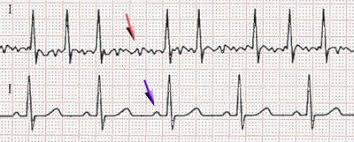
 Dr. Fornwalt[/caption]
Brandon K Fornwalt, MD, PhD
Associate Professor, Director Department of Imaging Science and Innovation
Geisinger
MedicalResearch.com: What is the background for this study?
Response: Atrial fibrillation (AF) is an abnormal heart rhythm that is associated with outcomes such as stroke, heart failure and death. If we know a patient has atrial fibrillation, we can treat them to reduce the risk of stroke by nearly two-thirds. Unfortunately, patients often don’t know they have AF. They present initially with a stroke, and we have no chance to treat them before this happens. If we could predict who is at high risk of either currently having AF or developing it in the near future, we could intervene earlier and hopefully reduce bad outcomes like stroke. Artificial intelligence approaches may be able to help with this task.
Dr. Fornwalt[/caption]
Brandon K Fornwalt, MD, PhD
Associate Professor, Director Department of Imaging Science and Innovation
Geisinger
MedicalResearch.com: What is the background for this study?
Response: Atrial fibrillation (AF) is an abnormal heart rhythm that is associated with outcomes such as stroke, heart failure and death. If we know a patient has atrial fibrillation, we can treat them to reduce the risk of stroke by nearly two-thirds. Unfortunately, patients often don’t know they have AF. They present initially with a stroke, and we have no chance to treat them before this happens. If we could predict who is at high risk of either currently having AF or developing it in the near future, we could intervene earlier and hopefully reduce bad outcomes like stroke. Artificial intelligence approaches may be able to help with this task. 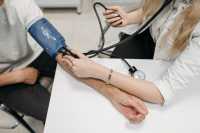
 Dr. Jacob[/caption]
Jesse T. Jacob, MD
School of Medicine
Director, Antibiotic Stewardship Program
Emory University, Atlanta, Georgia
MedicalResearch.com: What is the background for this study?
Response: Since coronavirus disease 2019 (COVID-19) was recognized in the United States in January 2020, the risk of infection with severe acute respiratory syndrome coronavirus 2 (SARS-CoV-2) attributed to exposures in the health care workplace has been studied with conflicting results, and the role of job functions (such as nurse) or specific workplace activities, including care for individuals with known and unknown SARS-CoV-2 positivity, increase the risk of SARS-CoV-2 infection.
We assessed more than 24,000 healthcare providers between April and August 2020 across four large academic medical systems (Emory, Johns Hopkins, Rush University Medical Center, and University of Maryland) which collaborate in the CDC’s Prevention Epicenter Program and conduct innovative infection prevention research. Each site conducted voluntary COVID-19 antibody testing on its health care workers, as well as offered a questionnaire/survey on the employees’ occupational activities and possible exposures to individuals with COVID-19 infection both inside and outside the workplace. We also looked at three-digit residential zip-code prefixes to determine COVID-19 prevalence in communities.
Dr. Jacob[/caption]
Jesse T. Jacob, MD
School of Medicine
Director, Antibiotic Stewardship Program
Emory University, Atlanta, Georgia
MedicalResearch.com: What is the background for this study?
Response: Since coronavirus disease 2019 (COVID-19) was recognized in the United States in January 2020, the risk of infection with severe acute respiratory syndrome coronavirus 2 (SARS-CoV-2) attributed to exposures in the health care workplace has been studied with conflicting results, and the role of job functions (such as nurse) or specific workplace activities, including care for individuals with known and unknown SARS-CoV-2 positivity, increase the risk of SARS-CoV-2 infection.
We assessed more than 24,000 healthcare providers between April and August 2020 across four large academic medical systems (Emory, Johns Hopkins, Rush University Medical Center, and University of Maryland) which collaborate in the CDC’s Prevention Epicenter Program and conduct innovative infection prevention research. Each site conducted voluntary COVID-19 antibody testing on its health care workers, as well as offered a questionnaire/survey on the employees’ occupational activities and possible exposures to individuals with COVID-19 infection both inside and outside the workplace. We also looked at three-digit residential zip-code prefixes to determine COVID-19 prevalence in communities.