
Author: Marie Benz MD FAAD
19 Apr Study Finds No Link To Autism, ADHD In Offspring From Antidepressant Use In Pregnancy
MedicalResearch.com Interview with: [caption id="attachment_33979" align="alignleft" width="133"] Dr. Vigod[/caption]
Simone Vigod, MD, MSc, FRCPC
Psychiatrist and Lead, Reproductive Life Stages Program
Women’s Mental Health Program
Women’s College Hospital
Toronto, ON
MedicalResearch.com: What is the background for this study? What are the main findings?
Response: Depression is one of the most common problems that can complicate a pregnancy. Untreated, or incompletely treated, it can be associated with significant harm to mother and child. While psychotherapies alone may be effective for women with mild (or even moderate) severity symptoms, sometimes antidepressant medication is required. In these cases, the benefits of treatment must be weighed against potential risks. Previous research suggested that there may be an increased risk for autism in children exposed to antidepressant medication during pregnancy. However, previous studies were limited in their ability to account for other potential causes of autism in their analyses. In our study, we used several different strategies to try to compare children whose pregnancy exposures were very similar, except for exposure to an antidepressant.
The main finding was that after using these strategies, there was no longer a statistically significant association between in-utero antidepressant exposure and autism.
Dr. Vigod[/caption]
Simone Vigod, MD, MSc, FRCPC
Psychiatrist and Lead, Reproductive Life Stages Program
Women’s Mental Health Program
Women’s College Hospital
Toronto, ON
MedicalResearch.com: What is the background for this study? What are the main findings?
Response: Depression is one of the most common problems that can complicate a pregnancy. Untreated, or incompletely treated, it can be associated with significant harm to mother and child. While psychotherapies alone may be effective for women with mild (or even moderate) severity symptoms, sometimes antidepressant medication is required. In these cases, the benefits of treatment must be weighed against potential risks. Previous research suggested that there may be an increased risk for autism in children exposed to antidepressant medication during pregnancy. However, previous studies were limited in their ability to account for other potential causes of autism in their analyses. In our study, we used several different strategies to try to compare children whose pregnancy exposures were very similar, except for exposure to an antidepressant.
The main finding was that after using these strategies, there was no longer a statistically significant association between in-utero antidepressant exposure and autism.
19 Apr USPSTF Recommendations Would Lead to Fewer Individuals Being Treated With Statin Therapy, But Maybe Some Who Would Benefit
MedicalResearch.com Interview with: [caption id="attachment_33953" align="alignleft" width="156"] Dr. Pagidipati[/caption]
Neha Pagidipati, MD MPH
Duke Clinical Research Institute
Duke University
Durham, North Carolina
MedicalResearch.com: What is the background for this study? What are the main findings?
Response: The 2013 ACC/AHA guidelines for treatment of blood cholesterol to prevent cardiovascular disease created a new paradigm for lipid management and raised numerous ongoing controversies.
In 2016, the US Preventive Services Task Force released recommendations for primary prevention statin therapy which were different in some important ways from the 2013 ACC/AHA guidelines. We aimed to understand the practical difference between these two sets of guidelines in terms of the number of Americans who would be potentially eligible for statin therapy. Using U.S. cross-sectional survey data between 2009 and 2014, we found that, if fully implemented, the USPSTF recommendations would reduce the percentage of US adults age 40-75 who should initiate statin therapy from 24% to 16% as compared to the 2013 ACC/AHA guidelines. Those newly recommended for statin therapy would be in addition to the 21% of US adults already taking lipid-lowering therapy.
Of the approximately 9 million adults who would no longer be recommended to receive statin therapy under the new USPSTF recommendations, over half of them would be younger adults with a high long-term risk of cardiovascular disease (about 1 in 3), and over one quarter would be individuals with diabetes.
Dr. Pagidipati[/caption]
Neha Pagidipati, MD MPH
Duke Clinical Research Institute
Duke University
Durham, North Carolina
MedicalResearch.com: What is the background for this study? What are the main findings?
Response: The 2013 ACC/AHA guidelines for treatment of blood cholesterol to prevent cardiovascular disease created a new paradigm for lipid management and raised numerous ongoing controversies.
In 2016, the US Preventive Services Task Force released recommendations for primary prevention statin therapy which were different in some important ways from the 2013 ACC/AHA guidelines. We aimed to understand the practical difference between these two sets of guidelines in terms of the number of Americans who would be potentially eligible for statin therapy. Using U.S. cross-sectional survey data between 2009 and 2014, we found that, if fully implemented, the USPSTF recommendations would reduce the percentage of US adults age 40-75 who should initiate statin therapy from 24% to 16% as compared to the 2013 ACC/AHA guidelines. Those newly recommended for statin therapy would be in addition to the 21% of US adults already taking lipid-lowering therapy.
Of the approximately 9 million adults who would no longer be recommended to receive statin therapy under the new USPSTF recommendations, over half of them would be younger adults with a high long-term risk of cardiovascular disease (about 1 in 3), and over one quarter would be individuals with diabetes.
18 Apr Trunk and Branch Drivers Distinguish Early vs Late Mutations in Hepatocellular Carcinoma
Posted at 23:40h
in AACR, Author Interviews, Cancer Research, Genetic Research, Hepatitis - Liver Disease
MedicalResearch.com Interview with:
Sara Torrecilla Recio
PhD Student
Mount Sinai Liver Cancer Program - Division of Liver Diseases Icahn School of Medicine at Mount Sinai
New York, NY
MedicalResearch.com: What is the background for this study?
Response: Hepatocellular carcinoma (HCC) is the most common type of primary liver cancer, which represents the second-leading cause of cancer related death worldwide. The landscape of molecular alterations in HCC has been thoroughly explored using next-generation sequencing technologies in single biopsies of tumors. However, in the recent years it has been demonstrated that not all the regions of a tumor harbor the same molecular alterations. This intra-tumor heterogeneity may lead to a misinterpretation of the molecular landscape of the malignancy since not all the molecular alterations would be captured by single-biopsies.
18 Apr Gene Linked To X-linked Intellectual Disability Identified In Less Than A Day
MedicalResearch.com Interview with: Daryl Armstrong Scott, M.D., Ph.D Associate Professor Molecular and Human Genetics Baylor College of Medicine Houston, TX, US MedicalResearch.com: What is the background for this study? What are the main findings? Response: This case started with a male child with intellectual disability, developmental delay, hypotonia, hypermobile joints and relative macrocephaly (large head size). Clinical testing showed that he carried a small deletion on chromosome Xp11.22. Since the deleted region had not been previously associated with human disease, the patient was referred to our clinic for additional testing. However, a more detailed analysis revealed that mice that were missing one of the genes located in the deletion interval, Maged1, had neurocognitive and neurobehavioral problems. This sparked additional inquiries which resulted in the identification of three other males from two other families who carried small, overlapping Xp11.22 deletions and had similar features. In all cases, their deletions were inherited from their asymptomatic mothers. We concluded that deletion of an ~430 kb region on chromosome Xp11.22 that encompasses two pseudogenes (CENPVL1 and CENPVL2) and two protein-coding genes (MAGED1 and GSPT2) causes a novel, syndromic form of X-linked intellectual disability characterized by developmental delay, hypotonia, hypermobile joints and relative macrocephaly.18 Apr Concussion History and Cognitive Function in Retired Professional Hockey Players
MedicalResearch.com Interview with: [caption id="attachment_33999" align="alignleft" width="200"]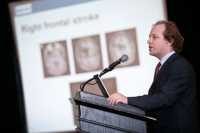 Dr. Brian Levine[/caption]
Brian Levine, Ph.D., C.Psych, ABPP-cn
Senior Scientist, Rotman Research Institute, Baycrest
Professor, Departments of Psychology and Medicine (Neurology)
University of Toronto
MedicalResearch.com: What is the background for this study?
Response: There is growing concern about the effects of concussion on brain function with aging. Retired professional athletes provide a unique perspective on this question, as many of them have a high concussion exposure before retirement in their 20’s or 30’s. Yet much of the research on professional athletes has been in post-mortem samples. There is a need for more research in retired athletes during life.
Dr. Brian Levine[/caption]
Brian Levine, Ph.D., C.Psych, ABPP-cn
Senior Scientist, Rotman Research Institute, Baycrest
Professor, Departments of Psychology and Medicine (Neurology)
University of Toronto
MedicalResearch.com: What is the background for this study?
Response: There is growing concern about the effects of concussion on brain function with aging. Retired professional athletes provide a unique perspective on this question, as many of them have a high concussion exposure before retirement in their 20’s or 30’s. Yet much of the research on professional athletes has been in post-mortem samples. There is a need for more research in retired athletes during life.
18 Apr Beta-Blockers Reduce Heart Attack Size By Limiting Inflammation
MedicalResearch.com Interview with: [caption id="attachment_33993" align="alignleft" width="163"] Dr. Ibáñez[/caption]
Borja Ibáñez MD
Spanish National Centre for Cardiovascular Research
Madrid
MedicalResearch.com: What is the background for this study? What are the main findings?
Response: Acute myocardial infarction (heart attack) is a severe condition responsible for thousands of deaths every year and with important long-term consequences for survivors. Best treatment for acute myocardial infarction is a rapid coronary reperfusion.
Upon reperfusion, all inflammatory cells and mediators accumulated in the circulation during the infarction process, enter into the myocardium and causes an extra damage to the heart. Activated neutrophils play a critical role in this damage occurring upon reperfusion. The final size of infarction is the main determinant for mortality and long-term morbidity. The possibility of limiting the extent of infarcted tissue is of paramount importance.
Betablockers have been used in patients for more than 4 decades, mainly to treat arrhythmias and high blood pressure. Recently the same group of investigators demonstrated that the very early administration (i.e. during ambulance transfer to the hospital) of the betablocker “metoprolol” was able to reduce the size of infarction in patients. The mechanism by which metoprolol was protective in patients suffering a myocardial infarction was unknown.
Dr. Ibáñez[/caption]
Borja Ibáñez MD
Spanish National Centre for Cardiovascular Research
Madrid
MedicalResearch.com: What is the background for this study? What are the main findings?
Response: Acute myocardial infarction (heart attack) is a severe condition responsible for thousands of deaths every year and with important long-term consequences for survivors. Best treatment for acute myocardial infarction is a rapid coronary reperfusion.
Upon reperfusion, all inflammatory cells and mediators accumulated in the circulation during the infarction process, enter into the myocardium and causes an extra damage to the heart. Activated neutrophils play a critical role in this damage occurring upon reperfusion. The final size of infarction is the main determinant for mortality and long-term morbidity. The possibility of limiting the extent of infarcted tissue is of paramount importance.
Betablockers have been used in patients for more than 4 decades, mainly to treat arrhythmias and high blood pressure. Recently the same group of investigators demonstrated that the very early administration (i.e. during ambulance transfer to the hospital) of the betablocker “metoprolol” was able to reduce the size of infarction in patients. The mechanism by which metoprolol was protective in patients suffering a myocardial infarction was unknown.
18 Apr New Breast Cancer Genes May Identify Women Who Can Benefit From Enhanced Screening
MedicalResearch.com Interview with: [caption id="attachment_33859" align="alignleft" width="166"] Dr. Couch[/caption]
Fergus J. Couch, Ph.D.
Zbigniew and Anna M. Scheller Professor of Medical Research
Chair, Division of Experimental Pathology
Department of Laboratory Medicine and Pathology
Mayo Clinic
Rochester, MN
MedicalResearch.com: What is the background for this study? What are the main findings?
Response: The main finding is that RAD51D, BARD1, and MSH6 can now be included in the list of moderate risk breast cancer genes. In contrast, other genes such as MRE11A and RAD50 do not increase risk of breast cancer. In addition, we provide initial estimates of the level of breast cancer risk associated with mutations in the genes that cause breast cancer. The "new" breast cancer genes may now be useful for identifying women who can benefit from enhanced screening. These new data will need to be considered by the National Comprehensive Cancer Network (NCCN) which provides guidelines for clinical management of individuals with mutations in cancer predisposition genes. These results will also be useful for identifying members of families who are at increased risk of breast cancer.
Dr. Couch[/caption]
Fergus J. Couch, Ph.D.
Zbigniew and Anna M. Scheller Professor of Medical Research
Chair, Division of Experimental Pathology
Department of Laboratory Medicine and Pathology
Mayo Clinic
Rochester, MN
MedicalResearch.com: What is the background for this study? What are the main findings?
Response: The main finding is that RAD51D, BARD1, and MSH6 can now be included in the list of moderate risk breast cancer genes. In contrast, other genes such as MRE11A and RAD50 do not increase risk of breast cancer. In addition, we provide initial estimates of the level of breast cancer risk associated with mutations in the genes that cause breast cancer. The "new" breast cancer genes may now be useful for identifying women who can benefit from enhanced screening. These new data will need to be considered by the National Comprehensive Cancer Network (NCCN) which provides guidelines for clinical management of individuals with mutations in cancer predisposition genes. These results will also be useful for identifying members of families who are at increased risk of breast cancer.
18 Apr Millions of Americans Become Chronic Opioid Users After Surgery
MedicalResearch.com Interview with: [caption id="attachment_33814" align="alignleft" width="124"] Dr. Brummett[/caption]
Chad M. Brummett, MD
Division of Pain Medicine, Department of Anesthesiology
University of Michigan Medical School
Ann Arbor, MI 48109
MedicalResearch.com: What is the background for this study? What are the main findings?
Response: The opioid epidemic has received considerable attention, but most of the focus has been on chronic pain and primary care. However, surgeons prescribe ~40% of the opioids in the US, and little attention has been given to the importance of prescribing after surgery.
In this study, we found that among patients not using opioids in the year prior to surgery, ~6% of patients continued to use opioids long after what would be considered normal surgical recovery. Furthermore, there was no difference between patients undergoing minor and major surgeries, thereby suggesting that some patients continue to use opioids for reasons other than pain related to surgery.
Dr. Brummett[/caption]
Chad M. Brummett, MD
Division of Pain Medicine, Department of Anesthesiology
University of Michigan Medical School
Ann Arbor, MI 48109
MedicalResearch.com: What is the background for this study? What are the main findings?
Response: The opioid epidemic has received considerable attention, but most of the focus has been on chronic pain and primary care. However, surgeons prescribe ~40% of the opioids in the US, and little attention has been given to the importance of prescribing after surgery.
In this study, we found that among patients not using opioids in the year prior to surgery, ~6% of patients continued to use opioids long after what would be considered normal surgical recovery. Furthermore, there was no difference between patients undergoing minor and major surgeries, thereby suggesting that some patients continue to use opioids for reasons other than pain related to surgery.
18 Apr Doctors Continue To Order Mammograms Outside of Current Age Guidelines
MedicalResearch.com Interview with: Archana Radhakrishnan MD MHS Division of General Internal Medicine Johns Hopkins University Baltimore, Maryland MedicalResearch.com: What is the background for this study? What are the main findings? Response: We were interested in understanding the current practice trends in breast cancer screening recommendations by doctors in light of the guideline changes. We performed a national survey of primary care providers and gynecologists asking about their breast cancer screening practices. We found that a large number of doctors recommend breast cancer screening to younger and older women—upwards of 80% of doctors recommend it for younger women (ages 40-44) and almost 70% for women 75 and older. But this varies by the type of doctor that a woman see. Gynecologists were, in general, more likely to recommend routine mammograms.18 Apr Modest Effect of Spinal Manipulation For Back Pain
MedicalResearch.com Interview with: [caption id="attachment_33772" align="alignleft" width="109"] Dr. Shekelle[/caption]
Paul Shekelle, MD PhD MPH
Chief of General internal Medicine
VA Greater Los Angeles Healthcare System
MedicalResearch.com: What is the background for this study? What are the main findings?
Response: Back pain is one of the commonest symptoms for adult patients to seek health care. For a number of years now, VA has had chiropractic care integrated into the ambulatory care available at many large VA medical centers. Most patients referred from VA primary care to chiropractic clinic have chronic back pain. VA was interested in an evidence synthesis of the use of spinal manipulative therapy in acute low back pain. Spinal manipulative therapy is a manual technique delivered by almost all chiropractors, but also delivered by some physical therapists, osteopathic physicians, and some medical doctors.
The main findings are that spinal manipulative therapy is associated with, on average, a modest beneficial effect on pain and function. However, there are large difference sin outcome across studies, and this suggests that some patients may respond much better, and other may respond not at all.
Dr. Shekelle[/caption]
Paul Shekelle, MD PhD MPH
Chief of General internal Medicine
VA Greater Los Angeles Healthcare System
MedicalResearch.com: What is the background for this study? What are the main findings?
Response: Back pain is one of the commonest symptoms for adult patients to seek health care. For a number of years now, VA has had chiropractic care integrated into the ambulatory care available at many large VA medical centers. Most patients referred from VA primary care to chiropractic clinic have chronic back pain. VA was interested in an evidence synthesis of the use of spinal manipulative therapy in acute low back pain. Spinal manipulative therapy is a manual technique delivered by almost all chiropractors, but also delivered by some physical therapists, osteopathic physicians, and some medical doctors.
The main findings are that spinal manipulative therapy is associated with, on average, a modest beneficial effect on pain and function. However, there are large difference sin outcome across studies, and this suggests that some patients may respond much better, and other may respond not at all.
18 Apr Human Behavioral Complexity Peaks At Age 25
MedicalResearch.com Interview with: Dr. Hector Zenil Co-director Information Dynamics Lab Unit of Computational Medicine, SciLifeLab Center for Molecular Medicine Karolinska Institute, Stockholm, Sweden MedicalResearch.com: What is the background for this study? What are the main findings? Response: The generation of randomness is known to be related to cognitive abilities. It has also recently been shown that animals can recur to random behaviour to outsmart other animals or overcome certain situations. Our results that humans can best outsmart computers in generating randomness at a certain age (25). The results correspond to what it was suspected, that cognitive abilities peak at an early age before declining and that no other factor was important. We quantified a type of mathematical randomness that is known to be the true type of randomness as opposed to e.g. 'statistical randomness'. Something that is random is difficult to describe in a succinct way. Unlike 'statistical randomness', 'algorithmic randomness' does not only produce something that appears random but also that is very difficult to generate or produce. Conversely, something that may look random for the standard of statistical randomness may not turn out to be truly random.18 Apr Low CD4 Count Linked To Heart Failure in HIV Patients
MedicalResearch.com Interview with: Matthew S Freiberg, MD, MSc Associate Professor of Medicine, Division of Cardiovascular Medicine Vanderbilt Translational and Clinical Cardiovascular Research Center MedicalResearch.com: What is the background for this study? Response: HIV infected people are living longer and are at risk for cardiovascular diseases. While acute myocardial infarction has been studied and the increased risk of Acute Myocardial Infarction (AMI) among HIV+ people compared to uninfected people is well documented, there are less data describing the risk of HIV and different types of heart failure, including reduced and preserved ejection fraction heart failure. Understanding more about the link between HIV and different types of HF is important because reduced and preserved ejection fraction heart failure differ with respect to underlying mechanism, treatment, and prognosis. Moreover, as cardiovascular care has improved, HIV infected people who experience an AMI are likely to survive but may live with a damaged heart. Understanding more about the link between HIV and heart failure may help providers and their patients prevent or reduce the impact of HF on the HIV community.17 Apr Inhaling Poppers Associated With Visual Toxicity
MedicalResearch.com Interview with: Dr. Rebecca Rewbury Sussex Eye Hospital Brighton and Sussex University Hospitals Trust Brighton, UK MedicalResearch.com: What is the background for this study? What are the main findings? Response: ‘Poppers’ are recreational drugs which are illegal to sell for human ingestion, but are sold under the guise of household cleaning products. Inhalation leads to a brief sense of euphoria, enhanced sexual arousal and smooth muscle relaxation. The Psychoactive Substances Act 2016 was due to outlaw poppers, but they were excluded on the basis that they do not act directly on the central nervous system. The main constituent of poppers, isopropyl nitrite, replaced isobutyl nitrite when the latter was classified as a carcinogen in 2006. Since then, there have been several case reports of ‘poppers maculopathy.’ We noted an increase in patients presenting with central visual disturbances after using poppers and describe 12 such cases. They all demonstrated similar disruption of the photoreceptor layer on retinal imaging. Onset of symptoms was frequently linked to specific brands of poppers, with 3 people having used poppers for many years and only developing side effects on changing brand. Chemical analysis showed that these products contained isopropyl nitrite. One brand of poppers, used without side effects by one patient, contained amyl nitrite, 2-methyl butyl nitrite and isobutyl alcohol, but no isopropyl nitrite. The outcome of poppers maculopathy varied, but following abstention, visual disturbances and retinal damage tended to improve over months, if not fully resolve. Although in some cases, symptoms and/or imaging findings were prolonged. Ongoing use of implicated brands led to persistent, but not worsening maculopathy, whereas one patient that switched back to another brand showed full recovery.17 Apr Review of Risk for Autism Spectrum Disorders According to Period of Prenatal Antidepressant Exposure:
Posted at 23:57h
in AstraZeneca, Author Interviews, Autism, Boehringer Ingelheim, Depression, Eli Lilly, J&J-Janssen, JAMA, Merck, OBGYNE
MedicalResearch.com Interview with:
Florence Gressier MD PhD
Insermk Department of psychiatry
CHU de Bicêtrem Le Kremlin Bicêtre
France
MedicalResearch.com: What is the background for this study? What are the main findings?
Response: Results from recent studies have suggested an increased risk for Autism Spectrum Disorders (ASDs) in children exposed to antidepressants in utero.
We performed a systematic review of and a meta-analysis of published studies to assess the association between ASDs and fetal exposure to antidepressants during pregnancy for each trimester of pregnancy and preconception.
Our systematic review and meta-analysis suggests a significant association between increased ASD risk and maternal use of antidepressants during pregnancy; however, it appears to be more consistent during the preconception period than during each trimester. In addition, the association was weaker when controlled for past maternal mental illness. Maternal psychiatric disorders in treatment before pregnancy rather than antenatal exposure to antidepressants could have a major role in the risk for Autism Spectrum Disorders.
17 Apr Sonoillumination May Expand Skin Types That Can Be Treated With Laser Therapy
MedicalResearch.com Interview with: [caption id="attachment_33956" align="alignleft" width="180"] Dr. Heather Hunt and Paul Whiteside[/caption]
Paul J.D. Whiteside, doctoral candidate and
Dr. Heather Hunt, assistant professor of bioengineering
University of Missouri
MedicalResearch.com: What is the background for this technology? What are the barriers to the use of conventional laser treatment of tattoos?
Response: Traditional laser treatments rely on the concept of selective photothermolysis (laser-induced heating) to specifically target certain structures for treatment, while leaving other parts of the skin unaffected. The problem with traditional laser treatments is that the laser needs to transmit through the epidermis, which acts as a barrier to laser transmission both due to its reflective properties and because it is filled with light-absorbing melanin, the pigment that gives our skin its color. Sonoillumination acts to change the properties of the epidermis temporarily using painless ultrasound technology, thereby allowing more laser light to penetrate deeper into the skin to impact desired targets, such as hair follicles, tattoos, and blood vessels. Funding for clinical trials is currently being sought to provide evidence for what we surmise may be benefits of this technology relative to traditional laser treatments. These benefits may include being able to treat darker-skinned people more effectively, being able to provide laser therapy with less risk of scarring or pigment changes, and being able to do treatments with less discomfort, fewer treatments, and lower laser energy settings.
Dr. Heather Hunt and Paul Whiteside[/caption]
Paul J.D. Whiteside, doctoral candidate and
Dr. Heather Hunt, assistant professor of bioengineering
University of Missouri
MedicalResearch.com: What is the background for this technology? What are the barriers to the use of conventional laser treatment of tattoos?
Response: Traditional laser treatments rely on the concept of selective photothermolysis (laser-induced heating) to specifically target certain structures for treatment, while leaving other parts of the skin unaffected. The problem with traditional laser treatments is that the laser needs to transmit through the epidermis, which acts as a barrier to laser transmission both due to its reflective properties and because it is filled with light-absorbing melanin, the pigment that gives our skin its color. Sonoillumination acts to change the properties of the epidermis temporarily using painless ultrasound technology, thereby allowing more laser light to penetrate deeper into the skin to impact desired targets, such as hair follicles, tattoos, and blood vessels. Funding for clinical trials is currently being sought to provide evidence for what we surmise may be benefits of this technology relative to traditional laser treatments. These benefits may include being able to treat darker-skinned people more effectively, being able to provide laser therapy with less risk of scarring or pigment changes, and being able to do treatments with less discomfort, fewer treatments, and lower laser energy settings.
17 Apr Neural Tube Defects in Infants Share Molecular Processes With Neurodegenerative Diseases
MedicalResearch.com Interview with: [caption id="attachment_33947" align="alignleft" width="160"] Dr. Zhiyong Zhao[/caption]
Zhiyong Zhao, Ph.D.
Associate Professor
Department of Obstetrics, Gynecology & Reproductive Sciences
University of Maryland School of Medicine
Baltimore, MD
MedicalResearch.com: What is the background for this study? What are the main findings?
Response: Diabetes in early pregnancy can cause neural tube defects in fetus. The defects are a result of failure in neural tube closure, due to excess cell death. The aim of this study was to delineate molecular processes that induce cell death.
The main findings of this study are:
(1) Hyperglycemia disrupts protein folding. The misfolded proteins, including the ones that are associated with neurodegenerative diseases, form aggregates, indicating similar molecular processes in both fetal neural tube defects and adult neurodegenerative diseases.
(2) Protein aggregation leads to formation of a neurodegenerative disease-related cell death inducting mechanism.
Dr. Zhiyong Zhao[/caption]
Zhiyong Zhao, Ph.D.
Associate Professor
Department of Obstetrics, Gynecology & Reproductive Sciences
University of Maryland School of Medicine
Baltimore, MD
MedicalResearch.com: What is the background for this study? What are the main findings?
Response: Diabetes in early pregnancy can cause neural tube defects in fetus. The defects are a result of failure in neural tube closure, due to excess cell death. The aim of this study was to delineate molecular processes that induce cell death.
The main findings of this study are:
(1) Hyperglycemia disrupts protein folding. The misfolded proteins, including the ones that are associated with neurodegenerative diseases, form aggregates, indicating similar molecular processes in both fetal neural tube defects and adult neurodegenerative diseases.
(2) Protein aggregation leads to formation of a neurodegenerative disease-related cell death inducting mechanism.
17 Apr Process Refines Conversion of Skin Fibroblasts into Cardiac Blood Vessels
MedicalResearch.com Interview with: [caption id="attachment_33880" align="alignleft" width="160"] Dr. Rehman[/caption]
Jalees Rehman, MD
Director of Research, Division of Cardiology
Associate Professor of Medicine and Pharmacology
University of Illinois at Chicago
College of Medicine
Chicago, IL 60612
MedicalResearch.com: What is the background for this study?
Response: Converting skin fibroblasts into regenerative blood vessel endothelial cells could be a valuable approach to repair diseased blood vessels in patients with cardiovascular disease and also to build new blood vessels in order to supply engineered tissues and organs.
Using skin fibroblasts is very well suited for personalized therapies because they can be obtained from a skin biopsy in an outpatient setting. The biopsied skin sample is used to extract the skin fibroblasts, which are then expanded in cell culture dishes before they are converted to endothelial cells. This allows for the generation of tens or hundreds of millions of cells that will likely be needed for blood vessel repair and regeneration. By converting skin fibroblasts of a patient, we can generate personalized endothelial cells with the same genetic signature as the patient so that they are less likely to be rejected if implanted back into the same patient after the conversion.
Dr. Rehman[/caption]
Jalees Rehman, MD
Director of Research, Division of Cardiology
Associate Professor of Medicine and Pharmacology
University of Illinois at Chicago
College of Medicine
Chicago, IL 60612
MedicalResearch.com: What is the background for this study?
Response: Converting skin fibroblasts into regenerative blood vessel endothelial cells could be a valuable approach to repair diseased blood vessels in patients with cardiovascular disease and also to build new blood vessels in order to supply engineered tissues and organs.
Using skin fibroblasts is very well suited for personalized therapies because they can be obtained from a skin biopsy in an outpatient setting. The biopsied skin sample is used to extract the skin fibroblasts, which are then expanded in cell culture dishes before they are converted to endothelial cells. This allows for the generation of tens or hundreds of millions of cells that will likely be needed for blood vessel repair and regeneration. By converting skin fibroblasts of a patient, we can generate personalized endothelial cells with the same genetic signature as the patient so that they are less likely to be rejected if implanted back into the same patient after the conversion.
17 Apr Heart Responds To Stress of Cardiac Surgery By Clearing Damaged Mitochondria and Making New Ones
MedicalResearch.com Interview with: [caption id="attachment_33929" align="alignleft" width="142"] Dr. Roberta Gottlieb[/caption]
Roberta Gottlieb, MD
Director of Molecular Cardiobiology
Professor of Medicine
Cedars-Sinai Heart Institute
Cedars-Sinai
Los Angeles, California
MedicalResearch.com: What is the background for this study?
Response: Most heart surgeries involve stopping the heart and relying upon a machine to oxygenate the blood and pump it to the rest of the body, a procedure called cardiopulmonary bypass. The heart is typically cooled, which further reduces metabolic demand. During this time, the heart is without a blood supply to provide oxygen and nutrients, but near the end of the procedure, the heart is re-started and blood flow is restored. This period of ischemia followed by reperfusion can injure the heart muscle, much like what happens during a myocardial infarction, or heart attack.
It has been shown that the degree of injury at the time of surgery (measured by the release of cardiac enzymes) is associated with mortality at 30 days and risk of heart failure within 3 years. For that reason, it is important to understand the cellular and molecular events that occur in the heart muscle during cardiac surgery so that we can decrease ischemia/reperfusion injury.
Dr. Roberta Gottlieb[/caption]
Roberta Gottlieb, MD
Director of Molecular Cardiobiology
Professor of Medicine
Cedars-Sinai Heart Institute
Cedars-Sinai
Los Angeles, California
MedicalResearch.com: What is the background for this study?
Response: Most heart surgeries involve stopping the heart and relying upon a machine to oxygenate the blood and pump it to the rest of the body, a procedure called cardiopulmonary bypass. The heart is typically cooled, which further reduces metabolic demand. During this time, the heart is without a blood supply to provide oxygen and nutrients, but near the end of the procedure, the heart is re-started and blood flow is restored. This period of ischemia followed by reperfusion can injure the heart muscle, much like what happens during a myocardial infarction, or heart attack.
It has been shown that the degree of injury at the time of surgery (measured by the release of cardiac enzymes) is associated with mortality at 30 days and risk of heart failure within 3 years. For that reason, it is important to understand the cellular and molecular events that occur in the heart muscle during cardiac surgery so that we can decrease ischemia/reperfusion injury.
17 Apr Gene Involved in Defective Skin Barrier and Eczema and Ichthyosis Identified
MedicalResearch.com Interview with: [caption id="attachment_33975" align="alignleft" width="149"] Dr. Akio Kihara[/caption]
Akio Kihara, PhD.
Laboratory of Biochemistry
Faculty of Pharmaceutical Sciences, Hokkaido University
Sapporo, Japan
MedicalResearch.com: What is the background for this study? What are the main findings?
Response: The skin barrier is the most powerful defensive mechanism terrestrial animals possess against pathogens and harmful substances such as allergens and pollutants. Recent studies indicate that lipids play a central role in skin barrier formation. Multi-lamellar structures consisting of lipids are formed extracellularly in the stratum corneum, the outermost layer of epidermis, and their high hydrophobicity prevents the invasion of external pathogens and compounds.
The stratum corneum-specific lipid acylceramide is especially important for skin barrier formation. Decreases in acylceramide levels are associated with cutaneous disorders such as ichthyosis and atopic dermatitis. However, the mechanism behind acylceramide production is poorly understood, especially regarding the last step of acylceramide production: i.e., esterification of ω-hydroxyceramide with linoleic acid. This means that the broader picture of the molecular mechanisms behind skin barrier formation still remained unclear.
Although PNPLA1 has been identified as an ichthyosis-causative gene, its function in skin barrier formation remains unresolved. In the present study, we revealed that PNPLA1 catalyzes the last step of acylceramide synthesis. Our finding completes our knowledge of the entire pathway of the acylceramide production, providing important insights into the molecular mechanisms of skin barrier formation.
Dr. Akio Kihara[/caption]
Akio Kihara, PhD.
Laboratory of Biochemistry
Faculty of Pharmaceutical Sciences, Hokkaido University
Sapporo, Japan
MedicalResearch.com: What is the background for this study? What are the main findings?
Response: The skin barrier is the most powerful defensive mechanism terrestrial animals possess against pathogens and harmful substances such as allergens and pollutants. Recent studies indicate that lipids play a central role in skin barrier formation. Multi-lamellar structures consisting of lipids are formed extracellularly in the stratum corneum, the outermost layer of epidermis, and their high hydrophobicity prevents the invasion of external pathogens and compounds.
The stratum corneum-specific lipid acylceramide is especially important for skin barrier formation. Decreases in acylceramide levels are associated with cutaneous disorders such as ichthyosis and atopic dermatitis. However, the mechanism behind acylceramide production is poorly understood, especially regarding the last step of acylceramide production: i.e., esterification of ω-hydroxyceramide with linoleic acid. This means that the broader picture of the molecular mechanisms behind skin barrier formation still remained unclear.
Although PNPLA1 has been identified as an ichthyosis-causative gene, its function in skin barrier formation remains unresolved. In the present study, we revealed that PNPLA1 catalyzes the last step of acylceramide synthesis. Our finding completes our knowledge of the entire pathway of the acylceramide production, providing important insights into the molecular mechanisms of skin barrier formation.
17 Apr Low Magnesium May Be Linked To Increased Risk of Hip Fractures
MedicalResearch.com Interview with: [caption id="attachment_33919" align="alignleft" width="150"] Dr. Kunutsor[/caption]
Dr Setor Kunutsor Ba(Legon), MBChB(Legon), MA(Cantab), PhD(Cantab)
Research Fellow
Musculoskeletal Research Unit
University of Bristol
MedicalResearch.com: What is the background for this study?
Response: Bone fractures are one of the leading causes of disability and ill health especially among the ageing population and are a burden to health care systems. There is established evidence that calcium and vitamin D play an important role in bone health.
Magnesium is an essential trace element, being the second most abundant intracellular cation after potassium and the fourth most abundant cation in the body. It serves several important functions in the body, which include protein synthesis, nucleic acid synthesis, enzymatic reactions, and has also been shown to be cardio-protective. It is also an important component of bone, with majority (67 percent) of total body magnesium known to be found in the bone tissue. There have been suggestions from both human and animal experiments that magnesium may have a beneficial effect on bone health; however, its relationship with fractures is not very certain.
Dr. Kunutsor[/caption]
Dr Setor Kunutsor Ba(Legon), MBChB(Legon), MA(Cantab), PhD(Cantab)
Research Fellow
Musculoskeletal Research Unit
University of Bristol
MedicalResearch.com: What is the background for this study?
Response: Bone fractures are one of the leading causes of disability and ill health especially among the ageing population and are a burden to health care systems. There is established evidence that calcium and vitamin D play an important role in bone health.
Magnesium is an essential trace element, being the second most abundant intracellular cation after potassium and the fourth most abundant cation in the body. It serves several important functions in the body, which include protein synthesis, nucleic acid synthesis, enzymatic reactions, and has also been shown to be cardio-protective. It is also an important component of bone, with majority (67 percent) of total body magnesium known to be found in the bone tissue. There have been suggestions from both human and animal experiments that magnesium may have a beneficial effect on bone health; however, its relationship with fractures is not very certain.
15 Apr Sleep Difficulties Linked to Survival Among Women With Breast Cancer
MedicalResearch.com Interview with: [caption id="attachment_33905" align="alignleft" width="132"] Dr. Trudel-Fitzgerald[/caption]
Claudia Trudel-Fitzgerald Ph.D.
FRQS Postdoctoral research fellow & Clinical psychologist (OPQ)
Department of Social and Behavioral Sciences
Harvard T.H. Chan School of Public Health
Boston, MA 02115
MedicalResearch.com: What is the background for this study? What are the main findings?
Response: There is very limited research on the association between sleep characteristics and survival among individuals with cancer. However, this is an important question, especially among breast cancer patients because sleep disturbances are frequently reported by these women. Preliminary studies have suggested that sleep duration is related to mortality. The novel findings of our research indicate that not only sleep duration, but also changes in sleep duration before versus after diagnosis, as well as regular difficulties to fall or stay asleep, may also be associated with mortality among women with breast cancer over a period of up to 30 years.
Dr. Trudel-Fitzgerald[/caption]
Claudia Trudel-Fitzgerald Ph.D.
FRQS Postdoctoral research fellow & Clinical psychologist (OPQ)
Department of Social and Behavioral Sciences
Harvard T.H. Chan School of Public Health
Boston, MA 02115
MedicalResearch.com: What is the background for this study? What are the main findings?
Response: There is very limited research on the association between sleep characteristics and survival among individuals with cancer. However, this is an important question, especially among breast cancer patients because sleep disturbances are frequently reported by these women. Preliminary studies have suggested that sleep duration is related to mortality. The novel findings of our research indicate that not only sleep duration, but also changes in sleep duration before versus after diagnosis, as well as regular difficulties to fall or stay asleep, may also be associated with mortality among women with breast cancer over a period of up to 30 years.
14 Apr Bernie Williams Discusses His Dad’s Journey With IPF and New Treatment Options
MedicalResearch.com Interview with: [caption id="attachment_33897" align="alignleft" width="200"] Mr. Bernie Williams[/caption]
Mr. Bernie Williams
Four-time World Series champion and star centerfielder for the New York Yankees discusses his beloved dad Bernabé’s struggle with a rare lung disease called idiopathic pulmonary fibrosis (IPF)
MedicalResearch.com: Would you briefly explain what idiopathic pulmonary fibrosis is? How does it affect a person's health and ability to breathe?
Mr. Williams: IPF is a rare and serious lung disease that causes permanent scarring of the lungs, and makes it difficult to breathe. Symptoms of IPF include breathlessness during activity, a dry and persistent cough, chest discomfort, fatigue and weakness. Although considered “rare,” IPF affects up to 132,000 Americans, and about 50,000 people in the U.S. are diagnosed every year with IPF – enough to fill a baseball stadium.
Mr. Bernie Williams[/caption]
Mr. Bernie Williams
Four-time World Series champion and star centerfielder for the New York Yankees discusses his beloved dad Bernabé’s struggle with a rare lung disease called idiopathic pulmonary fibrosis (IPF)
MedicalResearch.com: Would you briefly explain what idiopathic pulmonary fibrosis is? How does it affect a person's health and ability to breathe?
Mr. Williams: IPF is a rare and serious lung disease that causes permanent scarring of the lungs, and makes it difficult to breathe. Symptoms of IPF include breathlessness during activity, a dry and persistent cough, chest discomfort, fatigue and weakness. Although considered “rare,” IPF affects up to 132,000 Americans, and about 50,000 people in the U.S. are diagnosed every year with IPF – enough to fill a baseball stadium.
14 Apr Hepatitis C Can Be Successfully Treated in Homeless Population
MedicalResearch.com Interview with: Joshua Barocas, MD Clinical and Research Fellow Division of Infectious Diseases Massachusetts General Hospital and Brigham and Women's Hospital MedicalResearch.com: What is the background for this study? What are the main findings? Response: Boston Health Care for the Homeless Program began treating HCV-infected individuals with the new oral medications. Based on clinical experience and previous experience with medication adherence in the setting of HIV, there were no clinical reasons that homeless persons should be excluded. As a result, we began to track the experience of treated individuals including cure, side effects, and adherence. We found that in the initial group of treated individuals, 62 of 64 persons achieved SVR. There were minimal side effects and adherence was excellent.14 Apr Potential Drug-Binding Site Against Zika Virus Identified
MedicalResearch.com Interview with: [caption id="attachment_33892" align="alignleft" width="160"] Dr. Jikui Song[/caption]
Dr. Jikui Song PhD
Assistant professor of biochemistry
University of California, Riverside.
MedicalResearch.com: What is the background for this study? What are the main findings?
Response: Recent outbreak of Zika virus (ZIKV) has become a wordwide health concern. However, no vaccines or antiviral drugs against ZIKV are currently available. To explore potential druggable sites for ZIKV, we set out to determine the crystal structure of full-length ZIKV NS5, the molecular machinery responsible for the genomic replication of ZIKV.
The major findings of our study include the identification of a conserved domain conformation within flavivirus NS5 family, which may be important for functional regulation of flavivirus NS5. Furthermore, our structural analysis revealed a potential drug-binding site of ZIKV NS5, providing basis for future development of novel antivirals against ZIKV.
Dr. Jikui Song[/caption]
Dr. Jikui Song PhD
Assistant professor of biochemistry
University of California, Riverside.
MedicalResearch.com: What is the background for this study? What are the main findings?
Response: Recent outbreak of Zika virus (ZIKV) has become a wordwide health concern. However, no vaccines or antiviral drugs against ZIKV are currently available. To explore potential druggable sites for ZIKV, we set out to determine the crystal structure of full-length ZIKV NS5, the molecular machinery responsible for the genomic replication of ZIKV.
The major findings of our study include the identification of a conserved domain conformation within flavivirus NS5 family, which may be important for functional regulation of flavivirus NS5. Furthermore, our structural analysis revealed a potential drug-binding site of ZIKV NS5, providing basis for future development of novel antivirals against ZIKV.
13 Apr Vascular Safety of Ranibizumab in Patients With Diabetic Macular Edema
MedicalResearch.com Interview with: [caption id="attachment_33673" align="alignleft" width="170"] Dr. Zarbin[/caption]
Marco A Zarbin, MD, PhD, FACS
Alfonse Cinotti, MD/Lions Eye Research
Professor and Chair
Institute of Ophthalmology & Visual Science
Rutgers-New Jersey Medical School
Rutgers University Newark, NJ 0710
MedicalResearch.com: What is the background for this study? What are the main findings?
Dr. Zarbin[/caption]
Marco A Zarbin, MD, PhD, FACS
Alfonse Cinotti, MD/Lions Eye Research
Professor and Chair
Institute of Ophthalmology & Visual Science
Rutgers-New Jersey Medical School
Rutgers University Newark, NJ 0710
MedicalResearch.com: What is the background for this study? What are the main findings?
- Most large, randomized clinical trials are powered to assess the efficacy of drugs or interventions, but they usually do not enroll enough patients to accurately assess the frequency of uncommon, undesirable side effects.
- In order to compensate for this deficiency in trial design, investigators aggregate the results of numerous studies all of which address the same clinical question with the same (or similar) drugs/interventions to increase the power to detect uncommon side effects. These aggregate studies can be meta-analyses.
- Unfortunately, most meta-analyses do not have the ability to answer some critical questions such as the timing of an adverse event relative to the last exposure to the drug, nor can they compensate fully for differences among the aggregated studies in trial design, length of patient follow-up, or presence pre-existing risk factors for the side effects in question.
- A pooled analysis of combined clinical trials using patient level data, however, allows a more in depth analysis of side effects than study level data, which are usually used for most published meta-analyses, because patient level data allow one to incorporate the per-patient duration of exposure to treatment, adjust for imbalances in predefined baseline risk factors, and adjust for the effect of results of single studies on the overall result.
13 Apr Monthly Doses of Vitamin D Do Not Prevent Cardiovascular Disease
MedicalResearch.com Interview with: Robert Scragg, MBBS, PhD School of Population Health The University of Auckland Auckland New Zealand MedicalResearch.com: What is the background for this study? What are the main findings? Response: Interest in a possible role for vitamin D deficiency as a risk factor for cardiovascular disease was stimulated by studies showing a seasonal variation in cardiovascular disease, which is much higher in winter, when body levels of vitamin D are low, than in summer. Main findings are that bolus monthly doses of vitamin D supplementation do not prevent against cardiovascular disease, even in people with low levels of vitamin D.13 Apr 26 Additional Genes Linked to Intellectual Disability Identified
MedicalResearch.com Interview with: Dr. Muhammad Ayub MBBS, MRCPsych, MSc., MD Professor of Psychiatry Chair Division of Developmental Disabilities Department of Psychiatry Queens University Kingston Kingston ON Canada MedicalResearch.com: What is the background for this study? Response: Intellectual Disability affects about 1 percent of the population worldwide. Genetics play a major role in its etiology. Better understanding of the genetic causes is a necessary step in development of improved diagnosis and treatment. Recessive inheritance where the affected child inherits a defective copy of a gene from both the parents is an important genetic mechanism for prevalence of the disease in populations where within family marriages are common. These types of marital bonds are common in South Asia and Middle Eastern countries. The families where parents are related are an effective resource to study recessive forms of Intellectual Disability.13 Apr Founder of ‘The Pink Fund’ Describes Her Journey With Breast Cancer
MedicalResearch.com Interview with: [caption id="attachment_33870" align="alignleft" width="191"] Molly MacDonald[/caption]
Molly MacDonald
Founder/President/CEO
SurThrivor™
MedicalResearch.com: Would you tell us a little about yourself, especially your life before/outside of your cancer diagnosis?
Response: My life before cancer was a struggle of a different sort. In 1997 I drove up the driveway to our lovely home with five children ages 4-13 safely strapped into the back of my gus guzzling suburban. As I approached the front of the house, I noticed a small paper, about the 4X10 inches tacked to our front door, and where we lived no one tacked notes to the front door and all service providers went around to the side.
Pulling it off I read that the house was to auctioned off in 30 days. That night I had a very unpleasant conversation with my husband during which I learned the deal he was pursuing, among other things, had not come to fruition and he was fronting it with our assets.
Within a monthI liquidated what I could, rented a house for cash and began the process of transitioning our lives from a life of luxury to living paycheck to paycheck.
Trying to find work, while navigating a nasty divorce and helping my children adjust was a huge challenge.
Molly MacDonald[/caption]
Molly MacDonald
Founder/President/CEO
SurThrivor™
MedicalResearch.com: Would you tell us a little about yourself, especially your life before/outside of your cancer diagnosis?
Response: My life before cancer was a struggle of a different sort. In 1997 I drove up the driveway to our lovely home with five children ages 4-13 safely strapped into the back of my gus guzzling suburban. As I approached the front of the house, I noticed a small paper, about the 4X10 inches tacked to our front door, and where we lived no one tacked notes to the front door and all service providers went around to the side.
Pulling it off I read that the house was to auctioned off in 30 days. That night I had a very unpleasant conversation with my husband during which I learned the deal he was pursuing, among other things, had not come to fruition and he was fronting it with our assets.
Within a monthI liquidated what I could, rented a house for cash and began the process of transitioning our lives from a life of luxury to living paycheck to paycheck.
Trying to find work, while navigating a nasty divorce and helping my children adjust was a huge challenge.
13 Apr Novel Viral Vector Allows Gene Transfer To Correct Hearing Loss
MedicalResearch.com Interview with: [caption id="attachment_33853" align="alignleft" width="163"] Dr. Landegger[/caption]
Lukas Landegger MD
Molecular Neurotology Laboratory (PI Konstantina Stankovic)
Massachusetts Eye and Ear Infirmary
MedicalResearch.com: What is the background for this study? What are the main findings?
Response: Genetic hearing loss affects more than 125 million people worldwide and constitutes a major hurdle for language acquisition and child development in general. Technological advances over the last decades, such as cochlear implants, have made it possible for deaf children to partially regain their sense of hearing. However, these devices still have several shortcomings, especially when listeners attempt to understand speech in noise or listen to music.
In establishing Anc80L65 as a reliable vector for gene delivery in the inner ear and releasing the first data demonstrating convincing hearing and vestibular function rescue in mice, we provide a foundation for other researchers interested in assessing the benefits of gene therapy in animal models of human disease.
Dr. Landegger[/caption]
Lukas Landegger MD
Molecular Neurotology Laboratory (PI Konstantina Stankovic)
Massachusetts Eye and Ear Infirmary
MedicalResearch.com: What is the background for this study? What are the main findings?
Response: Genetic hearing loss affects more than 125 million people worldwide and constitutes a major hurdle for language acquisition and child development in general. Technological advances over the last decades, such as cochlear implants, have made it possible for deaf children to partially regain their sense of hearing. However, these devices still have several shortcomings, especially when listeners attempt to understand speech in noise or listen to music.
In establishing Anc80L65 as a reliable vector for gene delivery in the inner ear and releasing the first data demonstrating convincing hearing and vestibular function rescue in mice, we provide a foundation for other researchers interested in assessing the benefits of gene therapy in animal models of human disease.