
Author: Marie Benz MD FAAD
15 Mar Military Physicians Say They Need More Education on Transgender Health Care
MedicalResearch.com Interview with: David A. Klein, MD, MPH Uniformed Services University of the Health Sciences (USUHS) Bethesda, Maryland Fort Belvoir Community Hospital (FBCH), Fort Belvoir, Virginia MedicalResearch.com: What is the background for this study? What are the main findings? Response: In June 2016, the ban was lifted on transgender personnel serving openly in the military. Research suggests approximately 200 active-duty service members may request a gender transition annually. The purpose of this study is to determine military family physician readiness to care for such patients. The majority (74 percent) of physicians have not received any formal education on the treatment of patients with gender dysphoria. Almost half of surveyed physicians are willing to prescribe cross-hormone therapy; of these, 99 percent report the need for additional training and/or assistance to do so. 53 report an unwillingness to prescribe even with additional education and assistance.14 Mar Parents Live Longer Than Those Without Children
MedicalResearch.com Interview with: [caption id="attachment_32866" align="alignleft" width="150"] Dr. Modig[/caption]
Dr. Karin Modig, PhD
Institute of Environmental Medicine,Epidemiology
Karolinska Institute
MedicalResearch.com: What is the background for this study?
Response: The background to the study was that even though it is established that parents live longer than non-parents the underlying mechanisms are not clear. And it was not known how the association changed with the age of the parents. We hypothesize that if social support is one mechanism – the association between having children and the death risk of parents-non-parents would increase with age of the parents, when health starts to deteriorate and the need of support increases.
Dr. Modig[/caption]
Dr. Karin Modig, PhD
Institute of Environmental Medicine,Epidemiology
Karolinska Institute
MedicalResearch.com: What is the background for this study?
Response: The background to the study was that even though it is established that parents live longer than non-parents the underlying mechanisms are not clear. And it was not known how the association changed with the age of the parents. We hypothesize that if social support is one mechanism – the association between having children and the death risk of parents-non-parents would increase with age of the parents, when health starts to deteriorate and the need of support increases.
14 Mar Frozen Fecal Transplant in Pill Form Found To Reverse C. Diff Infection
Posted at 23:27h
in Author Interviews, C. difficile, Gastrointestinal Disease, Microbiome, Transplantation
MedicalResearch.com Interview with:
[caption id="attachment_32899" align="alignleft" width="100"] Dr. DuPont[/caption]
Dr. H. L. DuPont MD
Director, Center for Infectious Diseases, UTHealth School of Public Health
Mary W. Kelsey Chair in the Medical Sciences, McGovern Medical School at UTHealth
Professor, Department of Epidemiology, Human Genetics and Environmental Sciences
UTHealth School of Public Health
Houston, TX 77030
MedicalResearch.com: What is the background for this study? What are the main findings?
Response: Many diseases and disorders are associated with “dysbiosis,” where the intestinal microbiota diversity is reduced. This contributes to disease and to the acquisition of antibiotic resistance. Fecal microbiota transplantation (FMT) is successful in conditions with pure dysbiosis (e.g. C diff infection) and a single dose of FMT is curative in most cases.
Dr. DuPont[/caption]
Dr. H. L. DuPont MD
Director, Center for Infectious Diseases, UTHealth School of Public Health
Mary W. Kelsey Chair in the Medical Sciences, McGovern Medical School at UTHealth
Professor, Department of Epidemiology, Human Genetics and Environmental Sciences
UTHealth School of Public Health
Houston, TX 77030
MedicalResearch.com: What is the background for this study? What are the main findings?
Response: Many diseases and disorders are associated with “dysbiosis,” where the intestinal microbiota diversity is reduced. This contributes to disease and to the acquisition of antibiotic resistance. Fecal microbiota transplantation (FMT) is successful in conditions with pure dysbiosis (e.g. C diff infection) and a single dose of FMT is curative in most cases.
14 Mar Home-Based Rehabilitation Found As Effective As Inpatient After Knee Replacement
MedicalResearch.com Interview with: Justine M. Naylor, PhD Braeside Hospital, HammondCare, Australia South West Sydney Clinical School, University of New South Wales, Liverpool Hospital South West Sydney Local Health District, Liverpool 2170, NSW, Australia MedicalResearch.com: What is the background for this study? Response: Total knee arthroplasty (replacement) for end-stage arthritis is a very successful procedure for relieving the associated pain and functional impairments. Formalized rehabilitation following the surgery is also considered an essential adjunct to optimise recovery. World-wide, the volume of knee arthroplasty surgeries is increasing each year. In the US, for example, the prevalence of this surgery increased 11-fold from 1980 to 2010. The costs of the procedures (including the acute and rehabilitation costs) are also increasing. Because of these trends, there is concern for the future sustainability of these procedures. Research devoted to identifying the most cost-effective strategies in this field is required. Our group conducted a randomized trial comparing 10-days of inpatient rehabilitation to a simple, clinician-monitored home program in people who underwent total knee arthroplasty for end-stage osteoarthritis. Inpatient rehabilitation in a rehabilitation facility is commonly provided after knee arthroplasty in various countries including Australia, the US and Switzerland, and is comparatively expensive. In particular, it is a commonly available option for people with private healthcare insurance. Essentially, we wanted to compare 2 extremes – a resource-intensive program to one with far less resource requirements. Because patients who experience complications immediately after surgery may require inpatient rehabilitation to aid their recovery, we only included patients who did not experience a significant complication while in hospital, thus, were otherwise deemed able to be discharged directly home.14 Mar Appropriate Anticoagulation Underutilized in Atrial fibrillation
MedicalResearch.com Interview with: Dr. Ying Xian MD PhD Department of Neurology, Duke Clinical Research Institute Duke University Medical Center Durham, North Carolina MedicalResearch.com: What is the background for this study? Response: Atrial fibrillation (AF) is the most common arrhythmia. AF increases the risk for stroke and accounts for 10% to 15% of all ischemic strokes. While the burden of AF-related stroke is high, AF is a potentially treatable risk factor. Numerous studies have demonstrated that vitamin K antagonists, such as warfarin, or non-vitamin K antagonist oral anticoagulants (NOACs), reduce the risk of ischemic stroke. Based on these data, current guidelines recommend adjusted-dose warfarin or NOACs over aspirin for stroke prevention in high-risk patients with Atrial fibrillation.14 Mar Physical Activity In Decline For Most Kids By School Age
MedicalResearch.com Interview with: Professor John J Reilly University of Strathclyde Glasgow Physical Activity for Health Group Scotland, UK MedicalResearch.com: What is the background for this study? Response: There is Concern that levels of physical activity among modern children are typically very low, well below the amounts recommended for their physical & mental health, well-being, and academic...
14 Mar Most Baby Boomers Still Not Receiving Recommended Hepatitis C Testing
MedicalResearch.com Interview with: [caption id="attachment_23631" align="alignleft" width="132"] Dr. Fedewa[/caption]
Stacey Fedewa, Ph.D.
Strategic Director, Risk Factors & Screening Surveillance
American Cancer Society
Atlanta GA 30303-1002
MedicalResearch.com: What is the background for this study? What are the main findings?
Response: About 3.5 million people in the US are chronically infected with Hepatitis C, the majority are unaware of their infection despite the availability of treatments that may reduce the risk of HCV-related diseases such as liver cancer. About 80% of those with the infection are baby-boomers (people born between 1945-1965). To help reduce growing burden of these HCV-associated diseases, the U.S. Preventive Services Task Force (USPSTF) recommended one-time HCV testing for baby-boomers in 2013.
We examined nationwide data between 2013-2015 to see if HCV testing in baby-boomers has increased since the USPSTF recommendation. We found that only about 14% of baby-boomers had ever been tested in 2015, which represented a very small increase from 2013 where testing prevalence was about 12%. In 2015, we estimated that there were about 76.2 million baby boomers and only 10.5 reported ever receiving HCV testing.
Dr. Fedewa[/caption]
Stacey Fedewa, Ph.D.
Strategic Director, Risk Factors & Screening Surveillance
American Cancer Society
Atlanta GA 30303-1002
MedicalResearch.com: What is the background for this study? What are the main findings?
Response: About 3.5 million people in the US are chronically infected with Hepatitis C, the majority are unaware of their infection despite the availability of treatments that may reduce the risk of HCV-related diseases such as liver cancer. About 80% of those with the infection are baby-boomers (people born between 1945-1965). To help reduce growing burden of these HCV-associated diseases, the U.S. Preventive Services Task Force (USPSTF) recommended one-time HCV testing for baby-boomers in 2013.
We examined nationwide data between 2013-2015 to see if HCV testing in baby-boomers has increased since the USPSTF recommendation. We found that only about 14% of baby-boomers had ever been tested in 2015, which represented a very small increase from 2013 where testing prevalence was about 12%. In 2015, we estimated that there were about 76.2 million baby boomers and only 10.5 reported ever receiving HCV testing.
13 Mar Association of Intensive Blood Pressure Control and Kidney Disease Progression in Nondiabetic Patients With CKD
MedicalResearch.com Interview with: Hon-Yen Wu, MD, PhD, on behalf of all authors Attending Physician and Assistant Professor, Division of Nephrology, Department of Internal Medicine, Far Eastern Memorial Hospital, New Taipei City, Taiwan. Assistant Professor, Institute of Epidemiology and Preventive Medicine, National Taiwan University, Taipei, Taiwan. Assistant Professor, National Taiwan University Hospital and College of Medicine, National Taiwan University, Taipei, Taiwan. Assistant Professor, School of Medicine, National Yang-Ming University, Taipei, Taiwan. MedicalResearch.com: What is the background for this study? What are the main findings? Response: The effect of intensive blood pressure (BP) control in nondiabetic patients with chronic kidney disease (CKD) has long been a topic of debate. We summarized the published information comparing intensive BP control (< 130/80 mmHg) with standard BP control (< 140/90 mmHg) on major renal outcomes in CKD patients without diabetes. We pooled data from 9 randomized clinical trials with more than 8000 patients and over 800 events of kidney disease progression. We found that targeting blood pressure below the current standard did not provide additional benefit for renal outcomes compared with standard BP control, but may benefit nonblack patients or those with heavy proteinuria. MedicalResearch.com: What should readers take away from your report? Response: For the optimal blood pressure target in CKD patients without diabetes, an individually tailored treatment rather than a general rule to control hypertension is suggested.13 Mar Failed Fertility Therapy Linked To Increased Risk of Heart Disease
MedicalResearch.com Interview with: [caption id="attachment_32860" align="alignleft" width="200"] Dr. Jacob Udell[/caption]
Jacob A. Udell MD MPH FRCPC
Cardiovascular Division
Women's College Hospital
Toronto General Hospital
University of Toronto
MedicalResearch.com: What is the background for this study?
Response: We’ve noticed for a long time that fertility drug treatment can cause short-term complications such as high blood pressure or diabetes in pregnancy. We recently started wondering whether there may be long term consequences for these women years after a baby was or was not born. To do this, we looked at all women who were treated with fertility therapy in Ontario for the last 20 years, from what we could determine this amounted to more than 28,000 women. We then followed up years later to examine every woman’s cardiovascular health.
Dr. Jacob Udell[/caption]
Jacob A. Udell MD MPH FRCPC
Cardiovascular Division
Women's College Hospital
Toronto General Hospital
University of Toronto
MedicalResearch.com: What is the background for this study?
Response: We’ve noticed for a long time that fertility drug treatment can cause short-term complications such as high blood pressure or diabetes in pregnancy. We recently started wondering whether there may be long term consequences for these women years after a baby was or was not born. To do this, we looked at all women who were treated with fertility therapy in Ontario for the last 20 years, from what we could determine this amounted to more than 28,000 women. We then followed up years later to examine every woman’s cardiovascular health.
13 Mar Increased Physician Spending On Hospital Care Does Not Improve Outcomes
MedicalResearch.com Interview with: Yusuke Tsugawa, research associate Department of Health Policy and Management Harvard T H Chan School of Public Division of General Internal Medicine and Primary Care Brigham and Women’s Hospital, Boston, MA MedicalResearch.com: What is the background for this study? What are the main findings? Response: It is well known that health spending varies substantially across geographical regions, and yet regions that spend more on health care dot not achieve better health outcomes. These findings has led to many to conclude that at least 20% of U.S. health care spending could be reduced without compromising quality of care. However, while physicians play a critical role in health care decision making, little is known as to how much health care spending varies between physicians, and its implications for patient outcomes. In this study, we found that the variation in spending across physicians is slightly larger than the variation across hospitals. More importantly, higher spending by physicians did not lead to lower patient mortality or readmission rates, within the same hospital.13 Mar Cystic Fibrosis Patients Survive Ten Years Longer in Canada than in US
MedicalResearch.com Interview with: Dr. Anne L. Stephenson, MD, PhD St. Michael’s Hospital Toronto Canada MedicalResearch.com: What is the background for this study? What are the main findings? Response: Both Canada and the US have maintained national registries on individuals with cystic fibrosis (CF) dating back to the 1970s. Previous reports suggested that survival differed between the two countries however direct comparisons of survival estimates between national registry reports were limited because of differences in methodologies used, data processing techniques and possible differences in the patients captured within each registry. We aimed to compare survival in cystic fibrosis between Canada and the US to determine if differences existed when we applied a systematic and standardized approach. Our analysis showed that between 1990 and 2013, survival for individuals with CF increased in both countries, however, the rate of increase was faster in Canada compared to the USA. The survival gap widened at two distinct time points: 1995 and 2005. In the contemporary period between 2009 and 2013, the median age of survival for individuals with cystic fibrosis in Canada was found to be 50.9 years compared to 40.6 years in the US. Overall, the risk of death was 34% lower for Canadians compared Americans with CF after adjusting for markers of disease severity. When US CF subjects were classified by insurance status, we found a 77% lower risk of death among Canadians with CF compared to Americans who indicated unknown or no insurance, a 44% lower risk compared to Americans receiving continuous Medicare/Medicaid, and a 36% lower risk in Canadians compared to Americans receiving intermittent Medicare/Medicaid. The risk of death for Americans with private insurance was not statistically different from that of Canadians with cystic fibrosis .13 Mar Adiposity Related Cancer Risk May Vary On Fat Locations
MedicalResearch.com Interview with: Arjun Gupta, MD and Ian J. Neeland MD, Assistant Professor Dedman Family Scholar in Clinical Care Division of Cardiology UT Southwestern Medical Center MedicalResearch.com: What is the background for this study? What are the main findings? Response: Adiposity is traditionally measured using the body mass index, which refers to a persons weight in kilograms divided by their height (in meters) squared. Persons with higher body mas index have been shown to have increased risk of certain cancers, however body mass index by itself is not a completely representative measure of body fat risk, because distinct fat depots such as visceral adipose tissue, abdominal subcutaneous adipose tissue, liver fat and lower body fat have differing metabolic impact. We aimed to study the relationship between specific fat depots and the risk of incident cancer among relatively young, multiethnic participants in the Dallas Heart Study. Individuals without prevalent cancer underwent quantification of adipose depots using MRI and DEXA scans from 2000-2002, and were followed for the development of cancer for up to 12 years. In multivariable models adjusted for age, sex, race, smoking, alcohol use, family history of malignancy and body mass index, visceral adipose tissue, subcutaneous adipose tissue or liver fat were not associated with risk of cancer but each 1-standard deviation increase in lower body fat was associated with a 31% reduced incidence of cancer.11 Mar Poor Sleep In Early Childhood Linked to Later Cognitive and Behavioral Problems
Posted at 19:52h
in Author Interviews, Education, Mental Health Research, Pediatrics, Sleep Disorders
MedicalResearch.com Interview with:
[caption id="attachment_32834" align="alignleft" width="135"] Dr. Taveras[/caption]
Dr. Elsie M. Taveras, MD MPH
Chief, Division of General Pediatrics
Director, Pediatric Population Health Management
Director, Raising Healthy Hearts Clinic
MassGeneral Hospital for Children
MedicalResearch.com: What are the primary findings of this study and why are they important?
Response: The primary findings of this study are that children who get an insufficient amount of sleep in their preschool and early school age years have a higher risk of poor neurobehavioral functioning as reported by their mothers and independently by their teachers at age 7. These behaviors included poorer executive function and more hyperactivity/inattention, emotional symptoms, conduct problems, and peer relationship problems.
Dr. Taveras[/caption]
Dr. Elsie M. Taveras, MD MPH
Chief, Division of General Pediatrics
Director, Pediatric Population Health Management
Director, Raising Healthy Hearts Clinic
MassGeneral Hospital for Children
MedicalResearch.com: What are the primary findings of this study and why are they important?
Response: The primary findings of this study are that children who get an insufficient amount of sleep in their preschool and early school age years have a higher risk of poor neurobehavioral functioning as reported by their mothers and independently by their teachers at age 7. These behaviors included poorer executive function and more hyperactivity/inattention, emotional symptoms, conduct problems, and peer relationship problems.
11 Mar Physicians, PAs and Nurse Practitioners Provide Similar Amount of Low Value Care
MedicalResearch.com Interview with: [caption id="attachment_32850" align="alignleft" width="200"]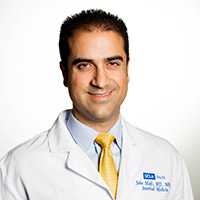 Dr. John N. Mafi[/caption]
John N. Mafi, MD, MPH
Division of General Internal Medicine and Health Services Research
Department of Medicine, Ronald Reagan UCLA Medical Center
Los Angeles, CA
MedicalResearch.com: What is the background for this study? What are the main findings?
Response: Our country has a primary care physician shortage. Some have advocated that we expand the scope of practice for nurse practitioners and physician assistants to help alleviate this problem and improve access to primary care. But a 2013 study in the New England Journal of Medicine found that a large number of physicians believed that nurse practitioners provided lower value care when compared with physicians. We decided to put that belief to the test. We studied 29,000 U.S. patients who saw either a nurse practitioner, physician assistant, or physician in the primary care setting for common conditions, and we compared the rate of low-value or unnecessary services—for example, unnecessary antibiotics for the common cold, or MRI for low back pain, or a CT scan for headache. Things that don’t help patients and may harm.
We found no difference in the rates of low value services between nurse practitioners, physician assistants, and physicians. In other words, they did equivalent amounts of inappropriate or bad care.
Dr. John N. Mafi[/caption]
John N. Mafi, MD, MPH
Division of General Internal Medicine and Health Services Research
Department of Medicine, Ronald Reagan UCLA Medical Center
Los Angeles, CA
MedicalResearch.com: What is the background for this study? What are the main findings?
Response: Our country has a primary care physician shortage. Some have advocated that we expand the scope of practice for nurse practitioners and physician assistants to help alleviate this problem and improve access to primary care. But a 2013 study in the New England Journal of Medicine found that a large number of physicians believed that nurse practitioners provided lower value care when compared with physicians. We decided to put that belief to the test. We studied 29,000 U.S. patients who saw either a nurse practitioner, physician assistant, or physician in the primary care setting for common conditions, and we compared the rate of low-value or unnecessary services—for example, unnecessary antibiotics for the common cold, or MRI for low back pain, or a CT scan for headache. Things that don’t help patients and may harm.
We found no difference in the rates of low value services between nurse practitioners, physician assistants, and physicians. In other words, they did equivalent amounts of inappropriate or bad care.
11 Mar Stretta Procedure Improves GERD Symptoms, Reduces Need for PPIs
MedicalResearch.com Interview with: [caption id="attachment_32846" align="alignleft" width="142"] Dr. Ronnie Fass[/caption]
Dr. Ronnie Fass, MD
Professor, School of Medicine
Case Western Reserve University
MedicalResearch.com: What is the background for this study?
Response: The endoscopic radiofrequency procedure (Stretta) has been used for more than a decade to treat patients with gastroesophageal reflux disease (GERD). Over time, there were several Meta-analyses with variable designs of the Stretta procedure providing conflicting results. Thus, the purpose of the current systematic review and meta-analysis was to determine the efficacy of the Stretta procedure using all currently available controlled and cohort studies.
Dr. Ronnie Fass[/caption]
Dr. Ronnie Fass, MD
Professor, School of Medicine
Case Western Reserve University
MedicalResearch.com: What is the background for this study?
Response: The endoscopic radiofrequency procedure (Stretta) has been used for more than a decade to treat patients with gastroesophageal reflux disease (GERD). Over time, there were several Meta-analyses with variable designs of the Stretta procedure providing conflicting results. Thus, the purpose of the current systematic review and meta-analysis was to determine the efficacy of the Stretta procedure using all currently available controlled and cohort studies.
11 Mar Taltz Demonstrates Improved Clearing of Psoriasis Compared to Stelara
Posted at 11:46h
in Author Interviews
MedicalResearch.com Interview with:
[caption id="attachment_15640" align="alignleft" width="99"]![Prof. Dr. Kristian Reich, Dermatologikum Hamburg, Hamburg 07.04.2009 | Prof. Dr. Kristian Reich, Dermatologikum Hamburg, Hamburg, Germany, 07.04.2009 | [© (c) Martin Zitzlaff, Emilienstr.78, 20259 Hamburg, Germany, Tel. +491711940261, http://www.zitzlaff.com, martin@zitzlaff.com, Postbank Hamburg BLZ 20010020 Kto.-Nr. 10204204, MwSt. 7%, Veroeffentlichung nur gegen Honorar (MFM) und Belegexemplar, mit Namensnennung]](https://medicalresearch.com/wp-content/uploads/Professor-Reich.jpg) Prof. Reich[/caption]Prof. Dr. med. Kristian Reich
Dermatologie, Allergologie
Psoriasis- und Neurodermitis-Trainer
Hamburg
MedicalResearch.com: What is the background for this study? What are the main findings?
Response: The IXORA-S study compared the efficacy and safety of Taltz® (ixekizumab) and Stelara®* (ustekinumab) for the treatment of moderate-to-severe plaque psoriasis at 24 weeks.
In this study, patients were randomized to receive either Stelara (45 mg or 90 mg weight-based dosing per label) or Taltz (80 mg every two weeks followed by 80 mg every four weeks), following an initial starting dose of 160 mg. At 24 weeks, patients treated with Taltz achieved significantly higher response rates compared to patients treated with Stelara, including 83 percent of patients who achieved Psoriasis Area Severity Index (PASI) 90—the study’s primary endpoint—compared to 59 percent of patients who achieved PASI 90 after treatment with Stelara.
Results at 24 weeks also found:
• 91.2 percent of patients treated with Taltz achieved PASI 75 compared to 81.9 percent of patients treated with Stelara (p=0.015)
• 49.3 percent of patients treated with Taltz achieved PASI 100 compared to 23.5 percent of patients treated with Stelara (p=0.001)
• 86.6 percent of patients treated with Taltz achieve static Physician’s Global Assessment score (sPGA) 0 or 1 compared to 69.3 percent of patients treated with Stelara (p<0.001)
The majority of treatment-emergent adverse events were mild or moderate. There were no statistically significant differences between treatment groups in overall treatment-emergent adverse events. The safety profile for Taltz was consistent with previous clinical trials.
Prof. Reich[/caption]Prof. Dr. med. Kristian Reich
Dermatologie, Allergologie
Psoriasis- und Neurodermitis-Trainer
Hamburg
MedicalResearch.com: What is the background for this study? What are the main findings?
Response: The IXORA-S study compared the efficacy and safety of Taltz® (ixekizumab) and Stelara®* (ustekinumab) for the treatment of moderate-to-severe plaque psoriasis at 24 weeks.
In this study, patients were randomized to receive either Stelara (45 mg or 90 mg weight-based dosing per label) or Taltz (80 mg every two weeks followed by 80 mg every four weeks), following an initial starting dose of 160 mg. At 24 weeks, patients treated with Taltz achieved significantly higher response rates compared to patients treated with Stelara, including 83 percent of patients who achieved Psoriasis Area Severity Index (PASI) 90—the study’s primary endpoint—compared to 59 percent of patients who achieved PASI 90 after treatment with Stelara.
Results at 24 weeks also found:
• 91.2 percent of patients treated with Taltz achieved PASI 75 compared to 81.9 percent of patients treated with Stelara (p=0.015)
• 49.3 percent of patients treated with Taltz achieved PASI 100 compared to 23.5 percent of patients treated with Stelara (p=0.001)
• 86.6 percent of patients treated with Taltz achieve static Physician’s Global Assessment score (sPGA) 0 or 1 compared to 69.3 percent of patients treated with Stelara (p<0.001)
The majority of treatment-emergent adverse events were mild or moderate. There were no statistically significant differences between treatment groups in overall treatment-emergent adverse events. The safety profile for Taltz was consistent with previous clinical trials.
11 Mar Doxycycline vs Steroids For Blistering Disease Bullous Pemphigoid
MedicalResearch.com Interview with: [caption id="attachment_32855" align="alignleft" width="200"] Dr. Williams[/caption]
Hywel C. Williams DSc, FMedSci, NIHR Senior Investigator
Director of the NIHR Health Technology Assessment Programme
Professor of Dermato-Epidemiology and
Co-Director of the Centre of Evidence-Based Dermatology,
University of Nottingham
Queen’s Medical Centre
Nottingham University Hospitals NHS Trust,
Nottingham, UK
MedicalResearch.com: What is the background for this study? What are the main findings?
Response: Pemphigoid is a potentially serious skin condition characterised by the appearance of large tense blisters appearing on the skin. These blisters are itchy and eventually burst, leaving raw areas of skin that can become infected. Pemphigoid is much commoner in the elderly, and is on the increase. It is due to the body’s own immune system attaching certain structures in the skin ie an auto-immune disease. The main treatment for pemphigoid is oral steroids (prednisolone). Prednisolone is usually quite good at clearing the blisters, but when given for long periods as is needed for people with pemphigoid, they cause serious side effects such as diabetes, infection, raised blood pressure and fractures, so safer oral treatments are needed for this disease. Tetracycline antibiotics are one such possible treatment – they have been used by some for pemphigoid for many years, but our Cochrane review did not find any good evidence to show that it works.
So we applied to the UK National Institute of Health Research Health Technology Programme to do a definitive evaluation of treating pemphigoid with one of the tetracyclines called doxycycline. We tested the strategy of staring patients with pemphigoid with doxycycline versus standard treatment with oral prednisolone. If those starting on doxycycline did not achieve good enough control, they could switch to prednisolone as would happen in clinical practice. Our main outcomes were blister control at 6 weeks, and severe, life threatening and fatal treatment related adverse events at 52 weeks. The study was designed as a non-inferiority study – by that we mean that we never expected doxycycline to be as good as prednisolone for blister control, so we agreed to put up with a degree of lower effectiveness provided that there were clear long term safety gains.
Dr. Williams[/caption]
Hywel C. Williams DSc, FMedSci, NIHR Senior Investigator
Director of the NIHR Health Technology Assessment Programme
Professor of Dermato-Epidemiology and
Co-Director of the Centre of Evidence-Based Dermatology,
University of Nottingham
Queen’s Medical Centre
Nottingham University Hospitals NHS Trust,
Nottingham, UK
MedicalResearch.com: What is the background for this study? What are the main findings?
Response: Pemphigoid is a potentially serious skin condition characterised by the appearance of large tense blisters appearing on the skin. These blisters are itchy and eventually burst, leaving raw areas of skin that can become infected. Pemphigoid is much commoner in the elderly, and is on the increase. It is due to the body’s own immune system attaching certain structures in the skin ie an auto-immune disease. The main treatment for pemphigoid is oral steroids (prednisolone). Prednisolone is usually quite good at clearing the blisters, but when given for long periods as is needed for people with pemphigoid, they cause serious side effects such as diabetes, infection, raised blood pressure and fractures, so safer oral treatments are needed for this disease. Tetracycline antibiotics are one such possible treatment – they have been used by some for pemphigoid for many years, but our Cochrane review did not find any good evidence to show that it works.
So we applied to the UK National Institute of Health Research Health Technology Programme to do a definitive evaluation of treating pemphigoid with one of the tetracyclines called doxycycline. We tested the strategy of staring patients with pemphigoid with doxycycline versus standard treatment with oral prednisolone. If those starting on doxycycline did not achieve good enough control, they could switch to prednisolone as would happen in clinical practice. Our main outcomes were blister control at 6 weeks, and severe, life threatening and fatal treatment related adverse events at 52 weeks. The study was designed as a non-inferiority study – by that we mean that we never expected doxycycline to be as good as prednisolone for blister control, so we agreed to put up with a degree of lower effectiveness provided that there were clear long term safety gains.
10 Mar Comparison of Posttransplant Dermatologic Diseases by Race
MedicalResearch.com Interview with: Christina Lee Chung, MD, FAAD Associate Professor of Dermatology Director, Center for Transplant Patients Drexel University College of Medicine MedicalResearch.com: What is the background for this study? What are the main findings? Response: It’s long been recognized immunosuppressed organ transplant recipients are at significantly increased risk for skin cancer and other types of skin disease. But despite advances to improve skin cancer prevention for these patients, little is known about how skin conditions affect African-American, Asian and Hispanic transplant recipients. This is problematic given that, according to the U.S. Department of Health and Human Services, more than half of the 120,000 Americans on the waiting list for organs identify as nonwhite. We compared medical records of 412 organ transplant recipients — including 154 white patients and 258 nonwhite (black, Asian or Hispanic) — who were referred to the Drexel Dermatology Center for Transplant Patients between 2011 and 2016. As one of the only models of its kind in the country, the center provides post-transplant dermatological care to every patient who is transplanted by and/or followed by the Drexel University and Hahnemann University Hospital Transplant Programs. That means that every patient, regardless of race, is screened annually for skin cancer, which provided a unique dataset for us to analyze. Two hundred eighty-nine transplant recipients exhibited malignant, infectious or inflammatory conditions during their evaluation, but their primary acute diagnoses differed greatly by race. In 82 white patients, skin cancer was the most common acute problem requiring attention at first visit. Black and Hispanic patients, by contrast, were most often diagnosed with inflammatory or infectious processes, such as fungal infections, warts, eczema, psoriasis, and rashes that required immediate medical attention. Overall, squamous cell carcinoma in situ was the most common type of skin cancer diagnosed in each racial or ethnic group. But the location of the cancerous lesions again depended on the race of the patient. Most lesions in white and Asian patients occurred in sun-exposed areas of the body, like the scalp, neck, chest and back. For black patients, the lesions were primarily found in the groin. Moreover, six of the nine lesions found on black patients tested positive for high-risk HPV strains, suggesting an association between the virus and skin cancer for African Americans. We also provided questionnaires to 66 organ transplant recipients to find out more about the patients’ awareness of skin cancer prevention. Seventy-seven percent of white patients were aware their skin cancer risk was increased, compared to 68 percent of nonwhites. Only 11 percent of nonwhite patients reported having regular dermatologic examinations, compared to 36 percent of whites. Finally, 45 percent of white patients but only 25 percent of nonwhite reported knowing the signs of skin cancer.10 Mar Cannabidiol Reduces Fear and Anxiety in Various Preclinical Models
MedicalResearch.com Interview with: Carl Stevenson, PhD Assistant Professor of Neuroscience BSc Animal Science Admissions Tutor Local Group Rep, British Neuroscience Association School of Biosciences University of Nottingham Loughborough, UK MedicalResearch.com: What is the background for this study? What are the main findings? Response: Anxiety-related and substance abuse disorders can be serious forms of mental illness that are not always treated effectively by psychological therapies or medications. One strategy to enhance their treatment is to boost the effects of psychological therapy by combining it with medication. This study reviewed the literature on the effects of cannabidiol, a chemical found in the cannabis plant, in preclinical models of these disorders. Cannabidiol is safe to use in humans and doesn’t cause the ‘high’ associated with cannabis. This means that cannabidiol might be useful for treating certain symptoms without the unwanted side effects linked to medical cannabis. Our review confirmed that cannabidiol reduces fear and anxiety in various preclinical models, when given on its own or in conjunction with behavioural interventions that model psychological treatment for anxiety-related disorders. This could show that exploring the option of cbd for anxiety could be a step forward in treating the condition. Our review suggested that it can also reduce relapse in some preclinical models of addiction, although research looking at the effects of cannabidiol in substance abuse disorders is still in its infancy.09 Mar Too Busy? Too Tired? Not in a Relationship? Why are Americans Having Less Sex?
MedicalResearch.com Interview with: [caption id="attachment_32813" align="alignleft" width="200"] Dr. Brooke Wells[/caption]
Brooke E. Wells, Ph.D.
Associate Professor & PhD Program Director
Center for Human Sexuality Studies
Widener University
One University Place
Chester, PA 19013
MedicalResearch.com: What is the background for this study?
Response: It is widely believed that Americans today are more sexually liberated and open than ever before. While research indicates that Americans do indeed have more liberal attitudes about a range of sexual behaviors, Americans are actually reporting fewer sexual partners and higher rates of adult sexual abstinence. But are Americans reporting similar levels of sexual frequency with fewer partners? Our research set out to examine changes over time in sexual frequency to better understand our changing sexual landscape.
Dr. Brooke Wells[/caption]
Brooke E. Wells, Ph.D.
Associate Professor & PhD Program Director
Center for Human Sexuality Studies
Widener University
One University Place
Chester, PA 19013
MedicalResearch.com: What is the background for this study?
Response: It is widely believed that Americans today are more sexually liberated and open than ever before. While research indicates that Americans do indeed have more liberal attitudes about a range of sexual behaviors, Americans are actually reporting fewer sexual partners and higher rates of adult sexual abstinence. But are Americans reporting similar levels of sexual frequency with fewer partners? Our research set out to examine changes over time in sexual frequency to better understand our changing sexual landscape.
09 Mar Virtual Realty Clarifies Location of Empathy in the Brain
MedicalResearch.com Interview with: Indrajeet Patil PhD former PhD student at SISSA, Trieste and currently a postdoctoral researcher at Harvard University MedicalResearch.com: What is the background for this study? Response: Human societies are built on mutually beneficial cooperation, which relies on our prosocial and altruistic impulses to help each other out. Psychologists have been trying to understand the psychological basis of altruistic behavior for a while now, but studying costly altruism - a kind of helping behavior in which the altruist pays a heavy price to help others - has been difficult to study in lab settings given the ethical problems associated with creating any paradigm where participants stand to get hurt. Thus, the question is how do you study the motivation behind acts that involve a very high risk of physical injury to the self while helping others? Such situations are common in emergency contexts where people can be faced with the choice of either saving their own life or risking it to save someone else's life.09 Mar Time-Related Microcirculatory Dysfunction in Patients With Takotsubo Cardiomyopathy
MedicalResearch.com Interview with: Dr. Fernando Alfonso Cardiac Department H.U de la Princesa Madrid. Spain MedicalResearch.com: What is the background for this study? What are the main findings? Response: Tako-Tsubo Cardiomyopathy is, unfortunately, a “black hole” in current cardiology knowledge. We have a large background about its epidemiology and clinical course but, conversely, cardiology research have...
09 Mar Many Summer Camps Need More Training On Food Allergy Treatment
MedicalResearch.com Interview with: Margaret T. Redmond, MD Nationwide Children's Hospital Columbus, Ohio MedicalResearch.com: What is the background for this study? What are the main findings? Response: Food allergies are becoming more prevalent and can cause a life threatening reaction if not managed correctly. Much of the previous focus has been on food allergy in the school setting and little was known about the camp setting. Analysis of survey data from camp directors, medical personnel and staff reveal that there are deficiencies of training and policy at camps that could place food allergic campers at increased risk of reaction. A prospective registry of epinephrine administration from 51 camps revealed an increased rate of epinephrine administration compared to school data.09 Mar “Spillover” of Transfusion Practice from Trauma to Non-trauma Patients Without Strong Supporting Evidence
MedicalResearch.com Interview with: [caption id="attachment_32802" align="alignleft" width="132"] Dr. Yeh[/caption]
Daniel Dante Yeh, MD FACC
Assistant Professor of Surgery Harvard Medical School Course Director
General/GI Surgery sub-internship Associate Course Director, Surgery Core Clerkship Associate Director, Surgical Intensive Care Unit Co-Director, Nutrition Support Unit Department of Surgery Division of Trauma,
Massachusetts General Hospital
Emergency Surgery, and Surgical Critical Care Boston, MA 02114
MedicalResearch.com: What is the background for this study?
Response: High Fresh Frozen Plasma to Red Blood Cells FFP:RBC transfusion ratio is a strategy which has emerged in the trauma literature as the preferred method of resuscitation for massively bleeding injured patients. However, this strategy has now spread to other patient populations which have never been formally studied. These populations include elective operations and even non-surgical patients. Giving excess FFP when it is not needed is not only wasteful, but may be harmful, as other studies have reported that FFP can cause problems with lung function, heart function, and immune function.
Dr. Yeh[/caption]
Daniel Dante Yeh, MD FACC
Assistant Professor of Surgery Harvard Medical School Course Director
General/GI Surgery sub-internship Associate Course Director, Surgery Core Clerkship Associate Director, Surgical Intensive Care Unit Co-Director, Nutrition Support Unit Department of Surgery Division of Trauma,
Massachusetts General Hospital
Emergency Surgery, and Surgical Critical Care Boston, MA 02114
MedicalResearch.com: What is the background for this study?
Response: High Fresh Frozen Plasma to Red Blood Cells FFP:RBC transfusion ratio is a strategy which has emerged in the trauma literature as the preferred method of resuscitation for massively bleeding injured patients. However, this strategy has now spread to other patient populations which have never been formally studied. These populations include elective operations and even non-surgical patients. Giving excess FFP when it is not needed is not only wasteful, but may be harmful, as other studies have reported that FFP can cause problems with lung function, heart function, and immune function.
09 Mar Children Don’t Learn Violent or Disruptive Behavior From Siblings
MedicalResearch.com Interview with: Ella Daniel, PhD Department of School Counseling and Special Education Constantiner School of Education Tel Aviv University MedicalResearch.com: What is the background for this study? Response: The development of disruptive behavior in early childhood is extremely important, as disruptive behavior starts early in life and behavioral patterns may become stable and resistant to influence later on. Siblings have a high potential to influence each other's behavior, as they spend a considerable amount of time together, are close in age and likely to become role models. However, the role of siblings in disruptive behavior development was mostly studied among adolescents, and hardly among young children. In the current study, conducted in collaboration with Dr. Jennifer Jenkins and colleagues at the University of Toronto and funded by the Canadian Institute for Health Research, we asked parents in some 400 families in and around Toronto, about the behavior of their young children. Both mothers and fathers reported the frequency of disruptive behaviors among their children, including violence, disobedience, destruction of property etc.. At the time of the study, the youngest children in the family were only 18 months of age. They all had an older sibling who was less that 5.5 years of age, and some had additional older siblings, up to four children in a amily. Using advanced statistical models, we aimed to identify the role of siblings in the development of each child's disruptive behavior over time, taking into account heredity, parenting, social environment and shared history.09 Mar Drug For Diabetic Neuropathy May Also Target an Aggressive Form of Breast Cancer
MedicalResearch.com Interview with: Chenfang Dong Department of Pathology and Pathophysiology Zhejiang Key Laboratory for Disease Proteomics Zhejiang University School of Medicine Hangzhou China MedicalResearch.com: What is the background for this study? What are the main findings? Response: Basal-like breast cancer (BLBC), which generally falls into the triple-negative breast cancer subtype, is associated with an aggressive clinical history, early recurrence, distant metastasis and shorter survival. The treatment of BLBC is an unmet medical need due to the absence of effective targeted therapies and poor response to standard chemotherapy. Therefore, elucidating the determinants of aggressiveness and identifying the relevant targets in BLBC are urgently needed. In this study, we report that aldo-keto reductase 1 member B1 (AKR1B1) overexpression occurs specifically in BLBC and predicts poor prognosis in breast cancer patients. Our data reveal that AKR1B1 as a key modulator of tumor aggressiveness provides tumorigenic and metastatic advantage in basal-like breast cancer through a positive regulatory feedback loop that activates the EMT program and enhances CSC-like properties. Interestingly, epalrestat, the only AKR1B1 inhibitor that has been approved in Japan for the targeted treatment of diabetic complications, significantly inhibited cancer cell migration and invasion in vitro, suppressed tumorigenicity and metastasis of BLBC cells in mice models, displaying potent efficacy against BLBC.09 Mar Mouse Allergens Drives Asthma Symptoms In Many Children
MedicalResearch.com Interview with: [caption id="attachment_32613" align="alignleft" width="80"] Dr. Matsui[/caption]
Elizabeth C. Matsui, MD MHS
Professor of Pediatrics, Epidemiology, and Environmental Health Sciences
Johns Hopkins University
Baltimore, MD 21287
MedicalResearch.com: What is the background for this study?
Response: We designed this study after our previous work indicated that mouse allergy was common among low-income children living in some urban neighborhoods in the US, that these children also had high levels of mouse allergen exposure in their homes, and that children who are both allergic to mice and exposed to high levels of mouse allergen are at greater risk of asthma symptoms, emergency room visits and hospitalization. Given this background, we designed a randomized clinical trial to determine if an intensive professionally delivered mouse intervention was better than education about mouse control in reducing asthma symptoms and lowering home mouse allergen levels.
Dr. Matsui[/caption]
Elizabeth C. Matsui, MD MHS
Professor of Pediatrics, Epidemiology, and Environmental Health Sciences
Johns Hopkins University
Baltimore, MD 21287
MedicalResearch.com: What is the background for this study?
Response: We designed this study after our previous work indicated that mouse allergy was common among low-income children living in some urban neighborhoods in the US, that these children also had high levels of mouse allergen exposure in their homes, and that children who are both allergic to mice and exposed to high levels of mouse allergen are at greater risk of asthma symptoms, emergency room visits and hospitalization. Given this background, we designed a randomized clinical trial to determine if an intensive professionally delivered mouse intervention was better than education about mouse control in reducing asthma symptoms and lowering home mouse allergen levels.
08 Mar Natural History of Ruptured But Untreated Intracranial Aneurysms
MedicalResearch.com Interview with: Dr. Miikka Korja Chief Innovation Officer Neurosurgeon Associate Professor of Neurosurgery HUS, Helsinki University Hospital MedicalResearch.com: What is the background for this study? What are the main findings? Response: Helsinki University Hospital, one of the largest hospital organizations in industrialized countries, has a very long history in conducting studies on brain aneurysms and aneurysmal subarachnoid hemorrhage. The one and only study on the natural history of ruptured aneurysms has also been conducted in Helsinki 50 years ago (published in 1967). The term “natural history” refers to an approach where the cause of a patient’s disease is not treated at all. In this case, it means that ruptured aneurysms in patients with devastating brain hemorrhage, aneurysmal subarachnoid hemorrhage, were left untreated. Therefore, these patients have a high risk of a rebleeding from the once ruptured aneurysm. As ruptured aneurysms are nowadays unexceptionally treated, if the patient survives the primary bleeding event, such natural history studies are impractical to conduct. We wanted to update the 50 years old data by using a historical patient registry. Back in the old days, many of aneurysmal subarachnoid hemorrhage patients were not treated because for example surgery was considered too risky or patients were classified as too old for surgery. By using the historical data, we showed that aneurysmal SAH, if not treated, is even more devastating disease than believed. Based on our results, we can state that 75-89% of today’s patients die in a year without treatments.08 Mar Better-Beverage Campaign Reduced Sugary Drink Consumption
MedicalResearch.com Interview with: [caption id="attachment_32657" align="alignleft" width="200"] Dr. Schwartz[/caption]
Marlene B. Schwartz PhD
Director, Rudd Center for Obesity & Food Policy (Principal Investigator)
Professor, Department of Human Development and Family Studies
University of Connecticut
Hartford, CT 06103
MedicalResearch.com: What is the background for this study?
Response: The aim of this study was to evaluate the impact of a community-wide campaign to reduce consumption of sugary beverages in Howard County, Maryland. We measured the retail sales of sugary drinks in supermarkets in the target community and a set of matched control supermarkets in another state. The campaign included multiple components over three years, including television advertising, digital marketing, direct mail, outdoor advertising, social media and earned media, creating 17 million impressions. The community partners successfully advocated for public policies to encourage healthy beverage consumption in schools, child care, health care and government settings.
Dr. Schwartz[/caption]
Marlene B. Schwartz PhD
Director, Rudd Center for Obesity & Food Policy (Principal Investigator)
Professor, Department of Human Development and Family Studies
University of Connecticut
Hartford, CT 06103
MedicalResearch.com: What is the background for this study?
Response: The aim of this study was to evaluate the impact of a community-wide campaign to reduce consumption of sugary beverages in Howard County, Maryland. We measured the retail sales of sugary drinks in supermarkets in the target community and a set of matched control supermarkets in another state. The campaign included multiple components over three years, including television advertising, digital marketing, direct mail, outdoor advertising, social media and earned media, creating 17 million impressions. The community partners successfully advocated for public policies to encourage healthy beverage consumption in schools, child care, health care and government settings.