MedicalResearch.com Interview with:
[caption id="attachment_24191" align="alignleft" width="150"]

Dr. Michael McGeachie[/caption]
Michael McGeachie, PhD
Instructor in Medicine
Harvard Medical School
Channing Division of Network Medicine
Brigham and Women's Hospital
MedicalResearch.com: What is the background for this study?
Dr. McGeachie: In asthma, and in general but particularly in asthma, a person’s level of lung function has a big impact on his or her quality of life, level of respiratory symptoms and complications, and general morbidity. In asthma, low lung function leads to greater severity and frequency of asthma symptoms. Asthma is a common childhood illness, affecting 9-10% of children. Many children grow out of asthma as they become adults, but other asthmatics remain effected through adulthood, which can lead to a lifetime of respiratory symptoms and chronic airway obstruction, including chronic obstructive pulmonary disease (COPD).
If you consider lung function longitudinally, throughout development, plateau, and decline, different people and different asthmatics tend to exhibit different patterns of lung function. Healthy, non-asthmatic people tend to have a period of rapid lung function increase in adolescence, a plateau of lung function level in their late teens and early 20s, and starting around 25 or so a slow, gradual decline of lung function that continues throughout old age. We call this Normal Growth of lung function. However, some people exhibit Reduced Growth, where they don’t reach their expected maximum lung function for a person of the same age, sex, height, and race. Others can show Early Decline, who might reach a normal maximum but then begin to decline immediately without a plateau or with a truncated plateau. We hypothesized that these patterns, Reduced Growth and Early Decline, might have different baseline indicators, precursors, outcomes, and risk of developing COPD.

 Dr. Filippo Milano[/caption]
Dr. Filippo Milano, MD, PhD
Assistant Member, Clinical Research Division
Associate Director Cord Blood Transplantation
Cord Blood Program
Assistant Professor, University of Washington
Fred Hutchinson Cancer Research Center
MedicalResearch.com: What is the background for this study?
Response: When first introduced, cord blood (CB) graft was used only as a last resort when no suitable conventional donor could be identified, largely due to the limiting cell doses available in a cord blood graft. A CB graft, however, is attractive due to the increased level of HLA disparity that can be tolerated, without increased risk of graft versus host disease, allowing nearly all patients to find such a donor.
The main intent of the study was to evaluate whether or not, at our Institution, cord blood SHOULD STILL BE considered only AS an alternative DONOR or IF instead outcomes were comparable to those obtained with more “conventional” types of transplants from matched and mismatched unrelated donors.
Dr. Filippo Milano[/caption]
Dr. Filippo Milano, MD, PhD
Assistant Member, Clinical Research Division
Associate Director Cord Blood Transplantation
Cord Blood Program
Assistant Professor, University of Washington
Fred Hutchinson Cancer Research Center
MedicalResearch.com: What is the background for this study?
Response: When first introduced, cord blood (CB) graft was used only as a last resort when no suitable conventional donor could be identified, largely due to the limiting cell doses available in a cord blood graft. A CB graft, however, is attractive due to the increased level of HLA disparity that can be tolerated, without increased risk of graft versus host disease, allowing nearly all patients to find such a donor.
The main intent of the study was to evaluate whether or not, at our Institution, cord blood SHOULD STILL BE considered only AS an alternative DONOR or IF instead outcomes were comparable to those obtained with more “conventional” types of transplants from matched and mismatched unrelated donors.






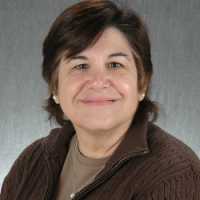
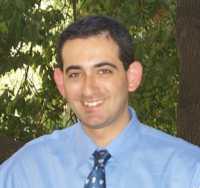



 Prof. Peter Johnson[/caption]
Peter Johnson MA, MD, FRCP
Professor of Medical Oncology
Cancer Research UK Centre
Southampton General Hospital
Southampton
MedicalResearch.com: What is the background for this study? What are the main findings?
Prof. Johnson: Based upon retrospective series looking at the ability of interim PET to predict the outcomes of treatment, we aimed to test the idea of modulating treatment in response to an early assessment of the response to ABVD: could we safely reduce the amount of treatment by omitting bleomycin in the group who had responded well? Although the risk of severe toxicity from bleomycin is generally low, for the small number of patients who experience it, it can be life-changing or even fatal. We also wanted to test whether it might be possible to reduce the use of consolidation radiotherapy by comparison to our previous trials, and this seems to have worked too: we used radiotherapy in less than 10% of patients in RATHL, as compared to around half in our previous trials. We have seen better survival figures than in our previous studies with less treatment overall, so it feels as though we are on the right track.
Prof. Peter Johnson[/caption]
Peter Johnson MA, MD, FRCP
Professor of Medical Oncology
Cancer Research UK Centre
Southampton General Hospital
Southampton
MedicalResearch.com: What is the background for this study? What are the main findings?
Prof. Johnson: Based upon retrospective series looking at the ability of interim PET to predict the outcomes of treatment, we aimed to test the idea of modulating treatment in response to an early assessment of the response to ABVD: could we safely reduce the amount of treatment by omitting bleomycin in the group who had responded well? Although the risk of severe toxicity from bleomycin is generally low, for the small number of patients who experience it, it can be life-changing or even fatal. We also wanted to test whether it might be possible to reduce the use of consolidation radiotherapy by comparison to our previous trials, and this seems to have worked too: we used radiotherapy in less than 10% of patients in RATHL, as compared to around half in our previous trials. We have seen better survival figures than in our previous studies with less treatment overall, so it feels as though we are on the right track.
 Prof. Chris Semsarian[/caption]
Professor Chris Semsarian
MBBS PhD MPH FRACP FAHMS FAHA FHRS FCSANZ
Professor of Medicine, University of Sydney
Cardiologist, Royal Prince Alfred Hospital
NHMRC Practitioner Fellow
Head, Molecular Cardiology Program
Centenary Institute,
Newtown NSW Australia
MedicalResearch.com: What is the background for this study?
Response: Sudden cardiac death is a tragic and devastating event at all ages, and especially in the young (aged under 35 years). Understanding the causes and circumstances of SCD in the young is critical if we are to develop strategies to prevent SCD in the young. Our study represents the first prospective, population-based study of SCD in the young across two nations, Australia and New Zealand.
Prof. Chris Semsarian[/caption]
Professor Chris Semsarian
MBBS PhD MPH FRACP FAHMS FAHA FHRS FCSANZ
Professor of Medicine, University of Sydney
Cardiologist, Royal Prince Alfred Hospital
NHMRC Practitioner Fellow
Head, Molecular Cardiology Program
Centenary Institute,
Newtown NSW Australia
MedicalResearch.com: What is the background for this study?
Response: Sudden cardiac death is a tragic and devastating event at all ages, and especially in the young (aged under 35 years). Understanding the causes and circumstances of SCD in the young is critical if we are to develop strategies to prevent SCD in the young. Our study represents the first prospective, population-based study of SCD in the young across two nations, Australia and New Zealand.
 Dr. Sanjay Saint[/caption]
MedicalResearch.com Interview with:
Sanjay Saint, MD, MPH
Chief of Medicine
VA Ann Arbor Healthcare System
George Dock Professor of Internal Medicine & Senior Associate Chair -
Department of Internal Medicine
University of Michigan Medical School
MedicalResearch.com: What is the background for this study? What are the main findings?
Dr. Saint: Catheter-associated urinary tract infection (CAUTI) is a common, costly, and morbid complication of hospitalization. Urinary tract infection (UTI) is one of the most common device-related infections in the United States. CAUTI rates rose nationally between 2009 and 2013.
We put in place a national program to reduce CAUTI. Specifically, we enrolled 926 intensive care unit (ICU) and non-ICU hospital units in 603 hospitals spread over 32 states, the District of Columbia and Puerto Rico between March 2011 and November 2013.
By the end of the 18-month program, UTI rates among hospital patients in general wards had dropped by a third. Specifically:
• The rate of CAUTIs dropped from 2.40 per 1000 days of catheter use to 2.05 (a ~14 percent overall drop).
• Nearly all of the decrease in CAUTI rates was due to changes in infection rates in non-ICUs, which went from 2.28 to 1.54 infections per 1,000 catheter-days – a drop of 32 percent. In non-ICUs, the overall use of catheters decreased by 7%.
• ICUs didn’t see a substantial change in either CAUTI or catheter use, likely because the nature of patients treated in ICUs means more frequent urine output monitoring and culturing of urine, so UTIs are more likely to be spotted.
Dr. Sanjay Saint[/caption]
MedicalResearch.com Interview with:
Sanjay Saint, MD, MPH
Chief of Medicine
VA Ann Arbor Healthcare System
George Dock Professor of Internal Medicine & Senior Associate Chair -
Department of Internal Medicine
University of Michigan Medical School
MedicalResearch.com: What is the background for this study? What are the main findings?
Dr. Saint: Catheter-associated urinary tract infection (CAUTI) is a common, costly, and morbid complication of hospitalization. Urinary tract infection (UTI) is one of the most common device-related infections in the United States. CAUTI rates rose nationally between 2009 and 2013.
We put in place a national program to reduce CAUTI. Specifically, we enrolled 926 intensive care unit (ICU) and non-ICU hospital units in 603 hospitals spread over 32 states, the District of Columbia and Puerto Rico between March 2011 and November 2013.
By the end of the 18-month program, UTI rates among hospital patients in general wards had dropped by a third. Specifically:
• The rate of CAUTIs dropped from 2.40 per 1000 days of catheter use to 2.05 (a ~14 percent overall drop).
• Nearly all of the decrease in CAUTI rates was due to changes in infection rates in non-ICUs, which went from 2.28 to 1.54 infections per 1,000 catheter-days – a drop of 32 percent. In non-ICUs, the overall use of catheters decreased by 7%.
• ICUs didn’t see a substantial change in either CAUTI or catheter use, likely because the nature of patients treated in ICUs means more frequent urine output monitoring and culturing of urine, so UTIs are more likely to be spotted.
 Dr. Clara van Karnebeek[/caption]
Dr. Clara van Karnebeek PhD
Certified Pediatrician and Biochemical Geneticist at the BC Children’s Hospital
Principal Investigator, University of British Columbia
MedicalResearch.com: What is the background for this study?
Dr. van Karnebeek: The goal of the study was to diagnose patients with genetic conditions and discover and describe new diseases with potential for treatment. The study included patients with neurodevelopmental conditions that doctors suspected were genetic or metabolic in origin but had not been diagnosed using conventional methods. Our team tested the children and their parents using a combination of metabolomic (large scale chemical) analysis and a type of genomic sequencing called whole exome sequencing. With this state-of-the-art technique, experts analyze and interpret the portion of DNA called genes that hold the codes for proteins.
Some people’s intellectual disability is due to rare genetic conditions that interfere with the processes the body uses to break down food. Because of these metabolic dysfunctions, there is an energy deficit and build-up of toxic substances in the brain and body leading to symptoms such as developmental and cognitive delays, epilepsy, and organ dysfunction. Some of these rare diseases respond to treatments targeting the metabolic dysfunction at the cellular level and range from simple interventions like dietary modifications, vitamin supplements and medications to more invasive procedures like bone marrow transplants. Because the right treatment can improve cognitive functioning or slow or stop irreversible brain damage, early intervention can improve lifelong outcomes for affected children and their families.
Dr. Clara van Karnebeek[/caption]
Dr. Clara van Karnebeek PhD
Certified Pediatrician and Biochemical Geneticist at the BC Children’s Hospital
Principal Investigator, University of British Columbia
MedicalResearch.com: What is the background for this study?
Dr. van Karnebeek: The goal of the study was to diagnose patients with genetic conditions and discover and describe new diseases with potential for treatment. The study included patients with neurodevelopmental conditions that doctors suspected were genetic or metabolic in origin but had not been diagnosed using conventional methods. Our team tested the children and their parents using a combination of metabolomic (large scale chemical) analysis and a type of genomic sequencing called whole exome sequencing. With this state-of-the-art technique, experts analyze and interpret the portion of DNA called genes that hold the codes for proteins.
Some people’s intellectual disability is due to rare genetic conditions that interfere with the processes the body uses to break down food. Because of these metabolic dysfunctions, there is an energy deficit and build-up of toxic substances in the brain and body leading to symptoms such as developmental and cognitive delays, epilepsy, and organ dysfunction. Some of these rare diseases respond to treatments targeting the metabolic dysfunction at the cellular level and range from simple interventions like dietary modifications, vitamin supplements and medications to more invasive procedures like bone marrow transplants. Because the right treatment can improve cognitive functioning or slow or stop irreversible brain damage, early intervention can improve lifelong outcomes for affected children and their families.
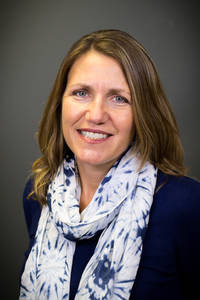 Dr. Jill Cameron[/caption]
Jill Cameron, PhD
Canadian Institutes of Health Research New Investigator
Associate Professor,
Department of Occupational Science and Occupational Therapy
Rehabilitation Sciences Institute
Faculty of Medicine,
University of Toronto
MedicalResearch.com: What is the background for this study? What are the main findings?
Dr. Cameron: In the world of critical illness, a lot of research has focused on helping people to survive – and now that more people are surviving, we need to ask ourselves, what does quality of life and wellbeing look like afterwards for both patients and caregivers? The aim of our research was to identify factors associated with family caregiver health and wellbeing during the first year after patients were discharged from the Intensive Care Unit. We examined factors related to the patient and their functional wellbeing, the caregiving situation including the impact it has on caregivers everyday lives, and caregiver including their sense of control over their lives and available social support. We used Pearlin’s Caregiving Stress Process model to guide this research.
From 2007-2014, caregivers of patients who received seven or more days of mechanical ventilation in an ICU across 10 Canadian university-affiliated hospitals were given self-administered questionnaires to assess caregiver and patient characteristics, caregiver depression symptoms, psychological wellbeing, and health-related quality of life. Assessments occurred seven days and three, six and 12-months after ICU discharge.
The study found that most caregivers reported high levels of depression symptoms, which commonly persisted up to one year and did not improve in some. Caregiver sense of control, impact on caregivers’ everyday lives, and social support had the largest relationships with the outcomes. Caregivers’ experienced better health outcomes when they were older, caring for a spouse, had higher income, better social support, sense of control, and caregiving had less of a negative impact on their everyday lives. No patient characteristics or indicators of illness severity were associated with caregiver outcomes.
Poor caregiver outcomes may compromise patients’ rehabilitation potential and sustainability of home care. Identifying risk factors for caregiver distress is an important first step to prevent more suffering and allow ICU survivors and caregivers to regain active and fulfilling lives.
Dr. Jill Cameron[/caption]
Jill Cameron, PhD
Canadian Institutes of Health Research New Investigator
Associate Professor,
Department of Occupational Science and Occupational Therapy
Rehabilitation Sciences Institute
Faculty of Medicine,
University of Toronto
MedicalResearch.com: What is the background for this study? What are the main findings?
Dr. Cameron: In the world of critical illness, a lot of research has focused on helping people to survive – and now that more people are surviving, we need to ask ourselves, what does quality of life and wellbeing look like afterwards for both patients and caregivers? The aim of our research was to identify factors associated with family caregiver health and wellbeing during the first year after patients were discharged from the Intensive Care Unit. We examined factors related to the patient and their functional wellbeing, the caregiving situation including the impact it has on caregivers everyday lives, and caregiver including their sense of control over their lives and available social support. We used Pearlin’s Caregiving Stress Process model to guide this research.
From 2007-2014, caregivers of patients who received seven or more days of mechanical ventilation in an ICU across 10 Canadian university-affiliated hospitals were given self-administered questionnaires to assess caregiver and patient characteristics, caregiver depression symptoms, psychological wellbeing, and health-related quality of life. Assessments occurred seven days and three, six and 12-months after ICU discharge.
The study found that most caregivers reported high levels of depression symptoms, which commonly persisted up to one year and did not improve in some. Caregiver sense of control, impact on caregivers’ everyday lives, and social support had the largest relationships with the outcomes. Caregivers’ experienced better health outcomes when they were older, caring for a spouse, had higher income, better social support, sense of control, and caregiving had less of a negative impact on their everyday lives. No patient characteristics or indicators of illness severity were associated with caregiver outcomes.
Poor caregiver outcomes may compromise patients’ rehabilitation potential and sustainability of home care. Identifying risk factors for caregiver distress is an important first step to prevent more suffering and allow ICU survivors and caregivers to regain active and fulfilling lives.
 Dr. James Kiley[/caption]
Dr. James P. Kiley Ph.D
National Institutes of Health Bethesda
Maryland
MedicalResearch.com: What is the background for this study? What are the main findings?
Dr. Kiley: While a higher proportion of children have asthma compared to adults, the disease is limited to childhood for many individuals who appear to be unaffected as adults. Regardless of whether asthma continues into adulthood or reoccurs during adulthood, the impact of childhood asthma on lung function later in life is unclear. This study demonstrated that in children with chronic persistent asthma at the age of 5-12 years who continued to be followed through their early twenties, 75% of them had some abnormality in the pattern of their lung growth. The study examined the trajectory of lung growth, and the decline from maximum growth, in a large cohort of persons who had persistent, mild-to-moderate asthma in childhood and determined the demographic and clinical factors associated with abnormal patterns of lung growth and decline.
Dr. James Kiley[/caption]
Dr. James P. Kiley Ph.D
National Institutes of Health Bethesda
Maryland
MedicalResearch.com: What is the background for this study? What are the main findings?
Dr. Kiley: While a higher proportion of children have asthma compared to adults, the disease is limited to childhood for many individuals who appear to be unaffected as adults. Regardless of whether asthma continues into adulthood or reoccurs during adulthood, the impact of childhood asthma on lung function later in life is unclear. This study demonstrated that in children with chronic persistent asthma at the age of 5-12 years who continued to be followed through their early twenties, 75% of them had some abnormality in the pattern of their lung growth. The study examined the trajectory of lung growth, and the decline from maximum growth, in a large cohort of persons who had persistent, mild-to-moderate asthma in childhood and determined the demographic and clinical factors associated with abnormal patterns of lung growth and decline.
 Prof. Craig Anderson[/caption]
Professor Craig Anderson
Professor of Stroke Medicine and Clinical Neuroscience
Sydney Medical School at the University of Sydney
Institute of Neurosciences of Royal Prince Alfred Hospital
MedicalResearch.com: What is the background for this study?
Prof. Anderson: Intravenous use of the clot-busting drug, alteplase (or rtPA), at a dose of 0.9 mg/kg body weight is the only proven medical treatment of acute ischemic stroke. However, a major drawback to the treatment is an increased risk of major bleeding in the brain, or intracerebral hemorrhage (ICH), that occurs in about 5% of cases, and can be fatal. This balance of effectiveness (recovery from disability) and risks (ICH, and bleeding elsewhere and uncommon drug allergic reactions) has led to much of the controversy over the net benefit of the drug. The optimal dose of the drug has never been established, but the Japanese drug safety regulatory authority, has approved a lower dose (0.6mg/kg) on the basis of a small, non-randomized, open study which showed comparable outcomes and lower risk of ICH than historical controls. This ‘east-west’ divide over the approved dose of alteplase has led to much variation in the dose of alteplase used in clinical practice in Asia – according to a doctor’s perceived risk of ICH in individual patients and the affordability of this relatively expensive treatment in low resource settings. Data from the Get-with-the Guidelines Quality Registry in the United States suggests Asian patients are at higher risk of ICH after standard-dose alteplase than non-Asians.
Our research aimed to resolve this uncertainty over the optimal dose of alteplase, as an international, active-comparator, open-label, blinded outcome assessed, clinical trial of low-dose (0.6 mg/kg) versus standard-dose (0.9mg/kg) in 3310 patients recruited from over 100 hospitals in 13 countries between 2012 and 2015.
Prof. Craig Anderson[/caption]
Professor Craig Anderson
Professor of Stroke Medicine and Clinical Neuroscience
Sydney Medical School at the University of Sydney
Institute of Neurosciences of Royal Prince Alfred Hospital
MedicalResearch.com: What is the background for this study?
Prof. Anderson: Intravenous use of the clot-busting drug, alteplase (or rtPA), at a dose of 0.9 mg/kg body weight is the only proven medical treatment of acute ischemic stroke. However, a major drawback to the treatment is an increased risk of major bleeding in the brain, or intracerebral hemorrhage (ICH), that occurs in about 5% of cases, and can be fatal. This balance of effectiveness (recovery from disability) and risks (ICH, and bleeding elsewhere and uncommon drug allergic reactions) has led to much of the controversy over the net benefit of the drug. The optimal dose of the drug has never been established, but the Japanese drug safety regulatory authority, has approved a lower dose (0.6mg/kg) on the basis of a small, non-randomized, open study which showed comparable outcomes and lower risk of ICH than historical controls. This ‘east-west’ divide over the approved dose of alteplase has led to much variation in the dose of alteplase used in clinical practice in Asia – according to a doctor’s perceived risk of ICH in individual patients and the affordability of this relatively expensive treatment in low resource settings. Data from the Get-with-the Guidelines Quality Registry in the United States suggests Asian patients are at higher risk of ICH after standard-dose alteplase than non-Asians.
Our research aimed to resolve this uncertainty over the optimal dose of alteplase, as an international, active-comparator, open-label, blinded outcome assessed, clinical trial of low-dose (0.6 mg/kg) versus standard-dose (0.9mg/kg) in 3310 patients recruited from over 100 hospitals in 13 countries between 2012 and 2015.
 Dr. Paul Nghiem[/caption]
Paul Nghiem, MD, PhD
Professor & Head, University of Washington Dermatology
George F. Odland Endowed Chair
Affiliate Investigator, Fred Hutchinson Cancer Research Center
Professor, Adjunct, of Pathology and Oral Health Sciences
Clinical Director, Skin Oncology, Seattle Cancer Care Alliance
UW Medical Center at Lake Union
Seattle WA 98109
MedicalResearch.com: What is the background for this study? What are the main findings?
Dr. Nghiem: Merkel cell carcinoma (MCC) is about 30 times less common than malignant melanoma, but about 3 times more likely to kill a patient than a melanoma. There is no FDA-approved therapy for this cancer & chemotherapy typically only provides about 90 days prior to the cancer progressing. Because of the strong links between MCC and the immune system, including the fact that most MCCs are caused by a virus, there was interest in trying to use immune checkpoint therapy to treat advanced Merkel cell carcinoma. The response to immune stimulation with anti-PD1 therapy was about as frequent as to chemotherapy (56% of patients responded) but importantly, among the responders, 86% remained in ongoing responses at a median of 7.6 months. While still early, this appears to be strikingly more durable than responses to chemotherapy.
Dr. Paul Nghiem[/caption]
Paul Nghiem, MD, PhD
Professor & Head, University of Washington Dermatology
George F. Odland Endowed Chair
Affiliate Investigator, Fred Hutchinson Cancer Research Center
Professor, Adjunct, of Pathology and Oral Health Sciences
Clinical Director, Skin Oncology, Seattle Cancer Care Alliance
UW Medical Center at Lake Union
Seattle WA 98109
MedicalResearch.com: What is the background for this study? What are the main findings?
Dr. Nghiem: Merkel cell carcinoma (MCC) is about 30 times less common than malignant melanoma, but about 3 times more likely to kill a patient than a melanoma. There is no FDA-approved therapy for this cancer & chemotherapy typically only provides about 90 days prior to the cancer progressing. Because of the strong links between MCC and the immune system, including the fact that most MCCs are caused by a virus, there was interest in trying to use immune checkpoint therapy to treat advanced Merkel cell carcinoma. The response to immune stimulation with anti-PD1 therapy was about as frequent as to chemotherapy (56% of patients responded) but importantly, among the responders, 86% remained in ongoing responses at a median of 7.6 months. While still early, this appears to be strikingly more durable than responses to chemotherapy.