MedicalResearch.com Interview with:
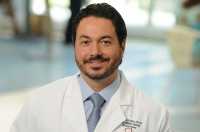
[caption id="attachment_50312" align="alignleft" width="100"]

Dr. Apple[/caption]
Dr. Fred Apple,
PhD, DABCC
Medical director,Clinical Laboratories, Clinical Chemistry, Clinical and Forensic Toxicology and Point of Care Testing, Hennepin HealthCare
Principal investigator, Minneapolis Medical Research Foundation
Professor, Department of Laboratory Medicine and Pathology
University of Minnesota
MedicalResearch.com: What is the background for this study?
Response: Few studies have addressed the role of high sensitivity cardiac troponin (hs-cTn) assays in ruling out myocardial infarction (MI) based on the measurement of a single baseline specimen in US patients presenting to the emergency department with symptoms suggestive of ischemia. Most studies have been published predicated on patients in Europe, Australia, and New Zealand. As US emergency departments have different ordering practices for using cTn in triaging patients, it is important to validate the role of hs-cTn assays in US practices to assure providers of appropriate utilization. We have published two papers using the Abbott ARCHITECT hs-cTnI assay, the same one used outside the US in clinical practice (as this assay is not yet FDA cleared) in a US cohort (clinicialtrials.gov trial: UTROPIA - Sandoval Y, Smith SW, Shah ASV, Anand A, Chapman AR, Love SA, Schulz K, Cao J, Mills NL, Apple FS.
Rapid rule-out of acute myocardial injury using a single high-sensitivity cardiac troponin I measurement. Clin Chem 2017;63:369-76. Sandoval
Y, Smith
SW, Love
SA, Sexter
A, Schulz
K, Apple
FS. Single high-sensitivity cardiac troponin I to rule out myocardial infarction. Am J Med 2017;130:1076-1083) that have shown similar rule out capacities predicated on clinical presentation, a normal ECG and the role of hs-cTnI testing.



 Dr. Wee[/caption]
Christina C. Wee, MD, MPH
Associate Professor of Medicine
Harvard Medical School
Director , Obesity Research Program Division of General Medicine
Beth Israel Deaconess Medical Center (BIDMC)
Associate Program Director, Internal Medicine Program, BIDMC
Deputy Editor of the Annals of Internal Medicine
MedicalResearch.com: What is the background for this study?
Response: New research is showing that for many people without diagnosed heart disease, the risk of bleeding may outweigh the benefits of taking a daily aspirin particularly in adults over 70 years of age. The American Heart Association and the American College of Cardiology recently updated their guidelines and now explicitly recommend against aspirin use among those over the age of 70 who do not have existing heart disease or stroke.
Our study found that in 2017, a quarter of adults aged 40 years or older without cardiovascular disease – approximately 29 million people – reported taking daily aspirin for prevention of heart disease. Of these, some 6.6. million people did so without a physician's recommendation.
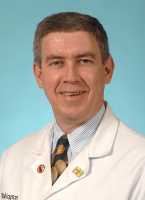
Dr. Wee[/caption]
Christina C. Wee, MD, MPH
Associate Professor of Medicine
Harvard Medical School
Director , Obesity Research Program Division of General Medicine
Beth Israel Deaconess Medical Center (BIDMC)
Associate Program Director, Internal Medicine Program, BIDMC
Deputy Editor of the Annals of Internal Medicine
MedicalResearch.com: What is the background for this study?
Response: New research is showing that for many people without diagnosed heart disease, the risk of bleeding may outweigh the benefits of taking a daily aspirin particularly in adults over 70 years of age. The American Heart Association and the American College of Cardiology recently updated their guidelines and now explicitly recommend against aspirin use among those over the age of 70 who do not have existing heart disease or stroke.
Our study found that in 2017, a quarter of adults aged 40 years or older without cardiovascular disease – approximately 29 million people – reported taking daily aspirin for prevention of heart disease. Of these, some 6.6. million people did so without a physician's recommendation.
















 Dr. Zhong[/caption]
Victor Wenze Zhong, Ph.D.
Postdoctoral fellow
Department of Preventive Medicine
Feinberg School of Medicine
Northwestern University
Chicago, IL 60611
MedicalResearch.com: What is the background for this study?
Response: Dietary cholesterol is a common nutrient in human diet. Eggs, specially egg yolks, are the single richest source of dietary cholesterol among all commonly consumed foods. The associations between dietary cholesterol consumption and cardiovascular disease and mortality remain controversial despite decades of research. Eating less than 300 mg of dietary cholesterol per day was the guideline recommendation before 2015. However, the most recent 2015-2020 Dietary Guidelines for Americans no longer include a daily consumption limit for dietary cholesterol and recommend weekly egg consumption as part of the healthy US-style eating pattern. Whether these recommendations are appropriate have been intensely debated.
Dr. Zhong[/caption]
Victor Wenze Zhong, Ph.D.
Postdoctoral fellow
Department of Preventive Medicine
Feinberg School of Medicine
Northwestern University
Chicago, IL 60611
MedicalResearch.com: What is the background for this study?
Response: Dietary cholesterol is a common nutrient in human diet. Eggs, specially egg yolks, are the single richest source of dietary cholesterol among all commonly consumed foods. The associations between dietary cholesterol consumption and cardiovascular disease and mortality remain controversial despite decades of research. Eating less than 300 mg of dietary cholesterol per day was the guideline recommendation before 2015. However, the most recent 2015-2020 Dietary Guidelines for Americans no longer include a daily consumption limit for dietary cholesterol and recommend weekly egg consumption as part of the healthy US-style eating pattern. Whether these recommendations are appropriate have been intensely debated.