Posted at 21:33h
in
Laboratories
[caption id="attachment_74426" align="aligncenter" width="279"]
 Pexels
[/caption]
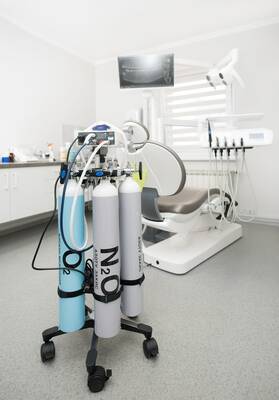
Why Aluminum Gas Cylinders Matter in Clinical Research and Diagnostic Testing
Laboratory research often turns on details most people never see. A metabolic chamber, a calibration gas mixture, a diagnostic analyzer, or a clinical research workflow depends on gases that arrive exactly as specified. The focus is usually on the instrument, the sample, or the study design, but the cylinder holding the gas has its own role in the reliability of the result.
Modern research and diagnostics are built on precision. Small variations in gas composition can affect measurements, especially when testing involves trace-level compounds, respiratory exchange, oxygen consumption, carbon dioxide production, anaerobic conditions, or instrument calibration. In those settings, a cylinder is not just packaging. It is part of the testing environment.
This is where specialized aluminum gas cylinders deserve more attention. They help protect high-purity and specialty gases from unnecessary contamination, support safe handling, and give research teams more control over the materials used in sensitive work. For labs, hospitals, device developers, and specialty gas suppliers, the right cylinder design can quietly support better consistency from one test cycle to the next.
The Cylinder Becomes Part of the Research System
When a laboratory orders high-purity oxygen, nitrogen, carbon dioxide, calibration mixtures, or specialty gases for metabolic and diagnostic work, the gas itself is only one part of the equation. The container also matters. A research team can invest in advanced instruments and careful protocols, but if the gas cylinder contributes moisture, particles, corrosion byproducts, or reactive surface issues, the final measurement is less reliable.
That is why many organizations look closely at their aluminum cylinder manufacturing partner when working with specialty gas programs. A qualified cylinder manufacturer understands that research gases need a stable storage environment, not merely a pressure-rated shell.
In metabolic research, for example, even minor uncertainty can create problems. Instruments that measure oxygen uptake or carbon dioxide output depend on accurate calibration. Clinical research teams studying respiratory function, energy expenditure, or treatment response need repeatable measurements. Diagnostic labs using gas-based processes also rely on tight control. When the container supports purity, the lab has one less variable to manage.





















 Scott Gray[/caption]
Scott Gray: Founder and CEO of Clincierge, the global leader in patient support services for clinical trials. With a team of patient coordinators around the world, Clincierge helps patients and their caregivers navigate the logistics of clinical trial participation, including prepaid air travel, ground transportation, and lodging as well as rapid reimbursements, translation and interpretation services, and individual solutions for trial participants in remote locations or with complex medical needs. For more information, visit clincierge.com.
MedicalResearch.com: What is the mission of Clincierge?
Scott Gray[/caption]
Scott Gray: Founder and CEO of Clincierge, the global leader in patient support services for clinical trials. With a team of patient coordinators around the world, Clincierge helps patients and their caregivers navigate the logistics of clinical trial participation, including prepaid air travel, ground transportation, and lodging as well as rapid reimbursements, translation and interpretation services, and individual solutions for trial participants in remote locations or with complex medical needs. For more information, visit clincierge.com.
MedicalResearch.com: What is the mission of Clincierge?