MedicalResearch.com Interview with:
 Nis Brix M.D., PhD Student
Department of Public Health
Department of Epidemiology
Aarhus University Hospital
MedicalResearch.com: What is the background for this study? What are the main findings?
Response: Several studies have indicated a secular trend towards earlier puberty. This is a potential concern as early puberty has been linked to an increased risk of a number of diseases, such as obesity, diabetes, cardiovascular diseases and certain types of cancer. For this reason, our research team are interested in identifying potential modifiable causes of early puberty.
Smoking during pregnancy may be such a modifiable cause of early puberty in the children. Former studies have already linked smoking during pregnancy to earlier age at the daughters’ first menstrual period, a relatively late marker of pubertal development, but other markers of puberty are less studied, especially in the sons.
We studied 15,819 sons and daughters. The mothers gave detailed information on smoking during their pregnancies, and the children gave information on a number of pubertal milestones half-yearly from the age of 11 years. The milestones for the sons were age at voice break, first ejaculation of semen, pubic hair and testicular growth, armpit hair growth and onset of acne. For the daughters the milestones were age at their first menstrual period, pubic hair growth, breast development, armpit hair growth and onset of acne.
Our results suggested that the more cigarettes the mother smoked during her pregnancy the earlier her children, both sons and daughters, went through puberty. If the mother smoked more than ten cigarettes a day during pregnancy, the children appeared to go through puberty, on average, three to six months earlier than the children of non-smoking mothers.


 Sean C. Rose, MD
Pediatric sports neurologist and co-director
Complex Concussion Clinic
Nationwide Children’s Hospital
Assistant professor of Pediatrics
The Ohio State University
MedicalResearch.com: What is the background for this study? What are the main findings?
Response: The link between sub-concussive head impacts and declines in neurocognitive function has been reported by some studies, yet refuted by others. There is very little evidence that has been collected in children as they are sustaining these head impacts.
We initiated a multi-year study of youth football players to provide a more in-depth look at the question. We measured head impacts using helmet sensors during the 2016 football season. 112 players age 9-18 completed a battery of neurocognitive tests before and after the football season.
We found that neither the total burden of head impacts nor the intensity of individual impacts were associated with changes in testing performance from pre to post-season.
Sean C. Rose, MD
Pediatric sports neurologist and co-director
Complex Concussion Clinic
Nationwide Children’s Hospital
Assistant professor of Pediatrics
The Ohio State University
MedicalResearch.com: What is the background for this study? What are the main findings?
Response: The link between sub-concussive head impacts and declines in neurocognitive function has been reported by some studies, yet refuted by others. There is very little evidence that has been collected in children as they are sustaining these head impacts.
We initiated a multi-year study of youth football players to provide a more in-depth look at the question. We measured head impacts using helmet sensors during the 2016 football season. 112 players age 9-18 completed a battery of neurocognitive tests before and after the football season.
We found that neither the total burden of head impacts nor the intensity of individual impacts were associated with changes in testing performance from pre to post-season.



 Jennifer Woo Baidal, MD, MPH
Assistant Professor of Pediatrics
Director of Pediatric Weight Management,
Division of Pediatric Gastroenterology, Hepatology, and Nutrition,
Columbia University Medical Center &
New York-Presbyterian Morgan Stanley Children’s Hospital
MedicalResearch.com: What is the background for this study? What are the main findings?
Response: Childhood obesity prevalence is historically high, with most incident obesity among children occurring before age 5 years. Racial/ethnic and socioeconomic disparities in childhood obesity are already apparent by the first years of life. Latino/Hispanic children in low-income families are at-risk for obesity. Thus, understanding potentially effective ways to prevent childhood obesity, particularly in vulnerable populations, should focus on early life.
Sugar-sweetened beverage (SSB) consumption is a modifiable risk factor for obesity and is linked to other adverse health outcomes. Maternal SSB consumption in pregnancy and infant sugar-sweetened beverage consumption in the first year of life are linked to later childhood obesity.
We sought to describe beverage consumption in a modern cross-sectional cohort of 394 low-income, Latino families, and to examine the relationship of parental attitudes toward sugar-sweetened beverages with parental and infant SSB consumption.
Jennifer Woo Baidal, MD, MPH
Assistant Professor of Pediatrics
Director of Pediatric Weight Management,
Division of Pediatric Gastroenterology, Hepatology, and Nutrition,
Columbia University Medical Center &
New York-Presbyterian Morgan Stanley Children’s Hospital
MedicalResearch.com: What is the background for this study? What are the main findings?
Response: Childhood obesity prevalence is historically high, with most incident obesity among children occurring before age 5 years. Racial/ethnic and socioeconomic disparities in childhood obesity are already apparent by the first years of life. Latino/Hispanic children in low-income families are at-risk for obesity. Thus, understanding potentially effective ways to prevent childhood obesity, particularly in vulnerable populations, should focus on early life.
Sugar-sweetened beverage (SSB) consumption is a modifiable risk factor for obesity and is linked to other adverse health outcomes. Maternal SSB consumption in pregnancy and infant sugar-sweetened beverage consumption in the first year of life are linked to later childhood obesity.
We sought to describe beverage consumption in a modern cross-sectional cohort of 394 low-income, Latino families, and to examine the relationship of parental attitudes toward sugar-sweetened beverages with parental and infant SSB consumption.

 Dr. Rothbard[/caption]
MedicalResearch.com Interview with:
Jonathan Rothbard, MA, PhD
Steinman Lab Stanford Medicine
Co-founder
Dr. Rothbard[/caption]
MedicalResearch.com Interview with:
Jonathan Rothbard, MA, PhD
Steinman Lab Stanford Medicine
Co-founder 
 Dr. Smith[/caption]
Gary A. Smith, MD, DrPH
Director, Center for Injury Research and Policy
Nationwide Children’s Hospital
Columbus, OH
MedicalResearch.com: What is the background for this study?
Response: When residential fires happen at night while people are sleeping, deaths are more likely to occur. Smoke alarms are important for preventing these deaths, yet many young children don’t wake up to traditional high-pitch tone alarms. Children sleep longer and deeper than adults and require louder sounds to awaken than adults. For these reasons, children are less likely to awaken and escape a nighttime home fire.
Dr. Smith[/caption]
Gary A. Smith, MD, DrPH
Director, Center for Injury Research and Policy
Nationwide Children’s Hospital
Columbus, OH
MedicalResearch.com: What is the background for this study?
Response: When residential fires happen at night while people are sleeping, deaths are more likely to occur. Smoke alarms are important for preventing these deaths, yet many young children don’t wake up to traditional high-pitch tone alarms. Children sleep longer and deeper than adults and require louder sounds to awaken than adults. For these reasons, children are less likely to awaken and escape a nighttime home fire. 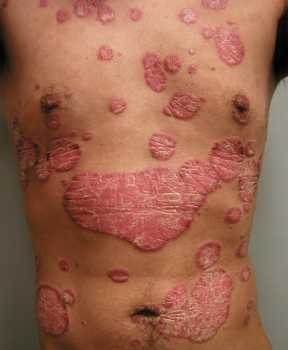
 Psoriasis[/caption]
Prof Ching-Chi Chi, MD, MMS, DPhil
Department of Dermatology
Chang Gung Memorial Hospital, Linkou
Guishan Dist, Taoyuan
MedicalResearch.com: What is the background for this study? What are the main findings?
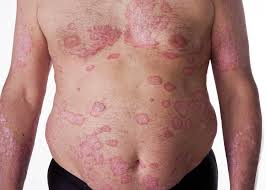
Response: Previous studies have shown common genotypes, clinical course, and immunological features shared by psoriasis and inflammatory bowel disease.
However, the relationship between psoriasis and inflammatory bowel disease was largely unclear.
In this study, we found when compared to the general population, psoriatic patients are more likely to have concomitant inflammatory bowel disease.
Psoriasis[/caption]
Prof Ching-Chi Chi, MD, MMS, DPhil
Department of Dermatology
Chang Gung Memorial Hospital, Linkou
Guishan Dist, Taoyuan
MedicalResearch.com: What is the background for this study? What are the main findings?
Response: Previous studies have shown common genotypes, clinical course, and immunological features shared by psoriasis and inflammatory bowel disease.
However, the relationship between psoriasis and inflammatory bowel disease was largely unclear.
In this study, we found when compared to the general population, psoriatic patients are more likely to have concomitant inflammatory bowel disease. 









 Dr. Shlipak[/caption]
Michael G. Shlipak, MD, MPH
Scientific Director , Kidney Health Research Collaborative (
Dr. Shlipak[/caption]
Michael G. Shlipak, MD, MPH
Scientific Director , Kidney Health Research Collaborative (



 Dr. Janey Pratt, MD
Clinical Associate Professor, Surgery
Stanford University
MedicalResearch.com: What is the background for this study? What are the main findings?
Response: In 2013 obesity became recognized as a disease. The rate of pediatric obesity continues to rise. Severe pediatric obesity is rising at a even faster rate than obesity in pediatrics. Despite this Metabolic and Bariatric Surgery (MBS) remains underutilized in the treatment of severe pediatric obesity. There is a significant amount of adult data and now pediatric data about effective treatments for severe obesity. These support the use of MBS as a primary treatment for severe obesity in children. (BMI > 120% of 95th percentile with a comorbidity or BMI > 140% of 95th percentile).
Dr. Janey Pratt, MD
Clinical Associate Professor, Surgery
Stanford University
MedicalResearch.com: What is the background for this study? What are the main findings?
Response: In 2013 obesity became recognized as a disease. The rate of pediatric obesity continues to rise. Severe pediatric obesity is rising at a even faster rate than obesity in pediatrics. Despite this Metabolic and Bariatric Surgery (MBS) remains underutilized in the treatment of severe pediatric obesity. There is a significant amount of adult data and now pediatric data about effective treatments for severe obesity. These support the use of MBS as a primary treatment for severe obesity in children. (BMI > 120% of 95th percentile with a comorbidity or BMI > 140% of 95th percentile).








 Kathryn M. Edwards, M.D.
Sarah H. Sell and Cornelius Vanderbilt Chair in Pediatrics
Professor of Pediatrics
Vanderbilt University School of Medicine
Dr. Edwards discusses the statement from the Infectious Diseases Society of America (IDSA) regarding the Centers for Disease Control and Prevention’s new data on child vaccine rates across the United States.
MedicalResearch.com: What is the background for this study? What are the main findings?
Response: To monitor the uptake of vaccines the CDC conducts a National Immunization Survey each year. This survey is conducted by random-digit dialing (cell phones or landlines) of parents and guardians of children 19-35 months of age. The interviewers ask the families who provides the vaccines for their children and if these providers can be contacted to inquire about the immunizations received. The overall response rate to the telephone survey was 26% and immunization records were provided on 54% of the children where permission was granted. Overall 15, 333 children had their immunization records reviewed.
When comparing immunization rates for 2017 and 2016, the last two years of the study, several new findings were discovered.
First the overall coverage rate for 3 doses of polio vaccine, one dose of MMR, 3 doses of Hepatitis b, and 1 dose of chickenpox vaccine was 90%, a high rate of coverage. Children were less likely to be up to date on the hepatitis A vaccine (70%) and rotavirus vaccine (73%). Coverage was lower for children living in rural areas when compared with urban areas and children living in rural areas had higher percentages of no vaccine receipt at all (1.9%) compared with those living in urban areas (1%).
There were more uninsured children in 2017 at 2.8% and these children had lower immunization rates. In fact 7.1% of the children with no insurance were totally unimmunized when compared with 0.8% unimmunized in those with private insurance. Vaccine coverage varies by state and by vaccine.
Kathryn M. Edwards, M.D.
Sarah H. Sell and Cornelius Vanderbilt Chair in Pediatrics
Professor of Pediatrics
Vanderbilt University School of Medicine
Dr. Edwards discusses the statement from the Infectious Diseases Society of America (IDSA) regarding the Centers for Disease Control and Prevention’s new data on child vaccine rates across the United States.
MedicalResearch.com: What is the background for this study? What are the main findings?
Response: To monitor the uptake of vaccines the CDC conducts a National Immunization Survey each year. This survey is conducted by random-digit dialing (cell phones or landlines) of parents and guardians of children 19-35 months of age. The interviewers ask the families who provides the vaccines for their children and if these providers can be contacted to inquire about the immunizations received. The overall response rate to the telephone survey was 26% and immunization records were provided on 54% of the children where permission was granted. Overall 15, 333 children had their immunization records reviewed.
When comparing immunization rates for 2017 and 2016, the last two years of the study, several new findings were discovered.
First the overall coverage rate for 3 doses of polio vaccine, one dose of MMR, 3 doses of Hepatitis b, and 1 dose of chickenpox vaccine was 90%, a high rate of coverage. Children were less likely to be up to date on the hepatitis A vaccine (70%) and rotavirus vaccine (73%). Coverage was lower for children living in rural areas when compared with urban areas and children living in rural areas had higher percentages of no vaccine receipt at all (1.9%) compared with those living in urban areas (1%).
There were more uninsured children in 2017 at 2.8% and these children had lower immunization rates. In fact 7.1% of the children with no insurance were totally unimmunized when compared with 0.8% unimmunized in those with private insurance. Vaccine coverage varies by state and by vaccine.