
Author Interviews
25 Jul What is Risk of Hypoglycemia When Adding Sulphonylurea to Metformin for Diabetes Control?
MedicalResearch.com Interview with: [caption id="attachment_26452" align="alignleft" width="147"] Dr. Andersen[/caption]
Stig Ejdrup Andersen MD, PhD
Clinical Pharmacology Unit
Zealand University Hospital
Roskilde Denmark
MedicalResearch.com: What is the background for this study?
Response: For decades, we have used sulphonylurea derivates in the medical treatment of type 2 diabetes. Although several newer drugs have become available, adding an SU is still a recommended and acceptable strategy when metformin monotherapy fails. The SUs are among the cheapest glucose lowering drugs on the marked but the risk of hypoglycaemia make clinicians prefer a newer oral drug such as a DPP-IV inhibitor or a SGLT-2 inhibitor to ansulphonylurea because even mild hypoglycaemia may affect the patients’ quality of life negatively.
Several meta-analyses have examined the effectiveness and safety of noninsulin antidiabetic drug, all of which have considered the SUs a homogenous drug class. Pharmacologically, however, the SU agents are quite different. In 2004, a randomized controlled trial by Shernthaner et al. indicated that in comparison with glimepiride, gliclazide MR is equally effective and is associated with fewer hypoglycaemic episodes. Still, head-to-head comparisons of the SU-agents as add-on to metformin are few. In the absence of robust designed comparative trials, we decided to compare the relative risk of hypoglycaemia among the newer SU-agents in a network meta-analysis.
Dr. Andersen[/caption]
Stig Ejdrup Andersen MD, PhD
Clinical Pharmacology Unit
Zealand University Hospital
Roskilde Denmark
MedicalResearch.com: What is the background for this study?
Response: For decades, we have used sulphonylurea derivates in the medical treatment of type 2 diabetes. Although several newer drugs have become available, adding an SU is still a recommended and acceptable strategy when metformin monotherapy fails. The SUs are among the cheapest glucose lowering drugs on the marked but the risk of hypoglycaemia make clinicians prefer a newer oral drug such as a DPP-IV inhibitor or a SGLT-2 inhibitor to ansulphonylurea because even mild hypoglycaemia may affect the patients’ quality of life negatively.
Several meta-analyses have examined the effectiveness and safety of noninsulin antidiabetic drug, all of which have considered the SUs a homogenous drug class. Pharmacologically, however, the SU agents are quite different. In 2004, a randomized controlled trial by Shernthaner et al. indicated that in comparison with glimepiride, gliclazide MR is equally effective and is associated with fewer hypoglycaemic episodes. Still, head-to-head comparisons of the SU-agents as add-on to metformin are few. In the absence of robust designed comparative trials, we decided to compare the relative risk of hypoglycaemia among the newer SU-agents in a network meta-analysis.
25 Jul Breastfeeding May Correct Metabolic Abnormalities Linked To Diabetes
MedicalResearch.com Interview with: Dr. Sandra Hummel and Dr. Daniela Much Institute of Diabetes Research Helmholtz Center Munich German Research Center for Environmental Health Munich MedicalResearch.com: What is the background for this study? What are the main findings? Response: Gestational diabetes mellitus is associated with a seven-fold increased risk of developing type 2 diabetes postpartum. In 2012, we published that type 2 diabetes risk was markedly reduced up to 15 years after delivery in women with gestational diabetes if they breastfed for more than 3 months. However the underlying biological mechanisms are still unclear to date. Aim of this biomarker study was to identify the mechanism underlying the protective effect of prolonged lactation. At our study site in Munich, we enrolled 197 women with previous gestational diabetes participating in a postpartum assessment of glucose tolerance at a median time of 3.6 years after delivery. By using a targeted metabolomics approach (including a broad spectrum of lipids and amino acids), we identified lactation-associated biochemical changes in maternal plasma samples. Most interestingly, these metabolite signatures have been described with decreased risk for type 2 diabetes previously. Our results indicate that lactation-associated alterations persisted up to 11 years post-lactation.24 Jul Gut and Brain Communicate To Drive Irritable Bowel Syndrome
MedicalResearch.com Interview with: [caption id="attachment_26433" align="alignleft" width="150"] Prof. Nicholas Talley[/caption]
Laureate Professor Nicholas J. Talley, MBBS (Hons.)(NSW), MD (NSW), PhD (Syd), MMedSci (Clin Epi)(Newc.), FRACP, FAFPHM, FAHMS, FRCP (Lond. & Edin.), FACP, FACG, AGAF, FAMS, FRCPI (Hon), GAICD
Pro Vice-Chancellor, Global Research,
University of Newcastle, Australia
Professor of Medicine, Faculty of Health and Medicine, University of Newcastle, Australia
President, Royal Australasian College of Physicians
Chair, Committee of Presidents of Medical Colleges
Hon. Treasurer, Australian Academy of Health and Medical Sciences
Editor-in-Chief, Medical Journal of Australia
Senior Staff Specialist, John Hunter Hospital, Newcastle, Australia
Professor of Medicine and Professor of Epidemiology, Joint Supplemental Consultant Gastroenterology and Health Sciences Research, Mayo Clinic, Rochester, MN, USA
MedicalResearch.com: What is the background for this study? What are the main findings?
Response: Functional gastrointestinal diseases (FGIDs) like the irritable bowl syndrome (IBS) are very common, cause major distress including pain and psychological dysfunction, impact on quality of life and drive high health care costs. We speculated that there are two distinct types of functional gastrointestinal disease that others have not recognized.
For example, IBS in a subgroup may first begin with gut symptoms (pain, diarrhea, constipation, bloating etc) in those free of psychological distress and only later does new onset anxiety or depression develop, implicating gut disease as the primary driver of the entire symptom complex (a gut-to-brain disease). On the other hand, we speculated there is another quite different subgroup where disease begins with anxiety or depression and only later do new onset gut symptoms develop, and this is likely primarily a central nervous system cause (probably through the stress system), or a brain-to-gut disease. This is exactly what we found, with gut disease occurring first followed by new onset psychological distress in about two thirds of people from the community over a one year follow-up.
Prof. Nicholas Talley[/caption]
Laureate Professor Nicholas J. Talley, MBBS (Hons.)(NSW), MD (NSW), PhD (Syd), MMedSci (Clin Epi)(Newc.), FRACP, FAFPHM, FAHMS, FRCP (Lond. & Edin.), FACP, FACG, AGAF, FAMS, FRCPI (Hon), GAICD
Pro Vice-Chancellor, Global Research,
University of Newcastle, Australia
Professor of Medicine, Faculty of Health and Medicine, University of Newcastle, Australia
President, Royal Australasian College of Physicians
Chair, Committee of Presidents of Medical Colleges
Hon. Treasurer, Australian Academy of Health and Medical Sciences
Editor-in-Chief, Medical Journal of Australia
Senior Staff Specialist, John Hunter Hospital, Newcastle, Australia
Professor of Medicine and Professor of Epidemiology, Joint Supplemental Consultant Gastroenterology and Health Sciences Research, Mayo Clinic, Rochester, MN, USA
MedicalResearch.com: What is the background for this study? What are the main findings?
Response: Functional gastrointestinal diseases (FGIDs) like the irritable bowl syndrome (IBS) are very common, cause major distress including pain and psychological dysfunction, impact on quality of life and drive high health care costs. We speculated that there are two distinct types of functional gastrointestinal disease that others have not recognized.
For example, IBS in a subgroup may first begin with gut symptoms (pain, diarrhea, constipation, bloating etc) in those free of psychological distress and only later does new onset anxiety or depression develop, implicating gut disease as the primary driver of the entire symptom complex (a gut-to-brain disease). On the other hand, we speculated there is another quite different subgroup where disease begins with anxiety or depression and only later do new onset gut symptoms develop, and this is likely primarily a central nervous system cause (probably through the stress system), or a brain-to-gut disease. This is exactly what we found, with gut disease occurring first followed by new onset psychological distress in about two thirds of people from the community over a one year follow-up.
24 Jul Iron Levels Should Be Checked During Pregnancy
MedicalResearch.com Interview with: Kris Poppe, MD, PhD Co-Head Endocrine Unit CHU St-Pierre UMC Université libre de Bruxelles MedicalResearch.com: What is the background for this study? Response: Pregnant women are often referred by gynecologists to my endocrine practice, for altered thyroid function. At that occasion, I often noticed that the women also had low iron/ferritin levels (ferritin is the iron reserve). Searching in literature did not reveal many publications on the association between iron (deficiency) and thyroid function during pregnancy and so that was the background/aim to perform this study.23 Jul Even Light Smoking Elevates Risk of Brain Bleeding From Intracranial Aneurysm
MedicalResearch.com Interview with: Joni Valdemar Lindbohm, MD Department of Public Health University of Helsinki, Finland MedicalResearch.com: What is the background for this study? Response: Approximately 1-6% percent of people carry an unruptured intracranial aneurysm but most of these never rupture during lifetime and cause subarachnoid hemorrhage (SAH). In SAH, the rupture of an aneurysm causes bleeding into the lining between the brain’s surface and underlying tissue. Despite advances in operative techniques, SAH can lead to death in up to 45% of the cases. Because life style risk factors are critical in development of subarachnoid hemorrhage, it is important to characterize the risk factor profile of those with an elevated risk. Widely accepted risk factors for SAH are increasing age, smoking, hypertension and female sex. However, the reasons for an elevated risk in women have remained uncovered and the effect of smoking habits are not well understood.23 Jul Behavioural Activation Therapy Offers Lower-Cost, Effective Treatment for Depression
[caption id="attachment_26402" align="alignleft" width="189"] Prof. David Richards[/caption]
MedicalResearch.com Interview with:
Professor David A. Richards, PhD
Professor of Mental Health Services Research and NIHR Senior Investigator
University of Exeter Medical School
University of Exeter
St Luke's Campus
Exeter United Kingdom
MedicalResearch.com: What is the background for this study?
Response: Depression is a common mental health disorder affecting around 350 million people worldwide. Untreated depression is expected to cost the global economy US$5.36 trillion between 2011 and 2030.
Many patients request psychological therapy, but the best-evidenced therapy—cognitive behavioural therapy (CBT)—is complex and costly. A simpler therapy—behavioural activation (BA)—might be as effective and cheaper than is CBT. We aimed to establish the clinical efficacy and cost-effectiveness of BA compared with CBT for adults with depression.
Prof. David Richards[/caption]
MedicalResearch.com Interview with:
Professor David A. Richards, PhD
Professor of Mental Health Services Research and NIHR Senior Investigator
University of Exeter Medical School
University of Exeter
St Luke's Campus
Exeter United Kingdom
MedicalResearch.com: What is the background for this study?
Response: Depression is a common mental health disorder affecting around 350 million people worldwide. Untreated depression is expected to cost the global economy US$5.36 trillion between 2011 and 2030.
Many patients request psychological therapy, but the best-evidenced therapy—cognitive behavioural therapy (CBT)—is complex and costly. A simpler therapy—behavioural activation (BA)—might be as effective and cheaper than is CBT. We aimed to establish the clinical efficacy and cost-effectiveness of BA compared with CBT for adults with depression.
22 Jul The Emergence of New HIV Strains That May Infect Humans Never Ends
MedicalResearch.com Interview with: [caption id="attachment_26421" align="alignleft" width="175"] Dr. Zhe Yuan[/caption]
Zhe Yuan MS. MS. PhD Candidate
Nebraska Center for Virology
University of Nebraska-Lincoln
MedicalResearch.com: What is the background for this study?
Response: AIDS causes millions of infections and deaths each year. Human immunodeficiency virus (HIV) is the cause of this detrimental disease of humans. Just like Ebola and Zika, AIDS is also a zoonotic disease at the beginning. For the origins of HIV, people believed that HIV originated from simian immunodeficiency virus from wild chimpanzees (SIVcpz). But until now, there has been no direct in vivo evidence for this assumption. Further, people cannot explain why only certain SIVcpz strains are thought to be the ancestors of already discovered HIV strains in humans. There is also a need to clarify what transmission risks might exist for those SIVcpz strains that have not already been found to infect humans. The answers to these questions are essential for a better understanding of cross-species transmission and predicting the likelihood of additional cross-species transmission events of SIV into humans.
Dr. Zhe Yuan[/caption]
Zhe Yuan MS. MS. PhD Candidate
Nebraska Center for Virology
University of Nebraska-Lincoln
MedicalResearch.com: What is the background for this study?
Response: AIDS causes millions of infections and deaths each year. Human immunodeficiency virus (HIV) is the cause of this detrimental disease of humans. Just like Ebola and Zika, AIDS is also a zoonotic disease at the beginning. For the origins of HIV, people believed that HIV originated from simian immunodeficiency virus from wild chimpanzees (SIVcpz). But until now, there has been no direct in vivo evidence for this assumption. Further, people cannot explain why only certain SIVcpz strains are thought to be the ancestors of already discovered HIV strains in humans. There is also a need to clarify what transmission risks might exist for those SIVcpz strains that have not already been found to infect humans. The answers to these questions are essential for a better understanding of cross-species transmission and predicting the likelihood of additional cross-species transmission events of SIV into humans.
22 Jul With Some Exceptions, Care at Veterans’ Hospitals Comparable to Other Health Systems
MedicalResearch.com Interview with: Claire O’Hanlon, MPP Pardee RAND Graduate School and Courtney Gidengil, MD, MPH RAND Corporation MedicalResearch.com: What is the background for this study? Response: Providing high-quality health care is central to our nation’s commitment to veterans, but the quality of care provided in Veterans Affairs health care system (VA) is a longstanding area of concern. Part of the 2014 Veterans Access, Choice and Accountability Act (VACAA) mandated an independent assessment of VA’s health care capabilities and resources of the Veterans Health Administration, including a comprehensive evaluation of health care quality. As part of this evaluation we conducted this systematic review of journal articles that compare quality of care at the VA to other settings as an update to a 2009 review on this subject.22 Jul Kaiser Study Reports Clustering of Basal Cell Skin Cancers in Northern California
MedicalResearch.com Interview with: G. Thomas (Tom) Ray Division of Research, Kaiser Permanente 2000 Broadway Oakland, CA 94612-2304 MedicalResearch.com: What is the background for this study? [caption id="attachment_18144" align="alignleft" width="158"]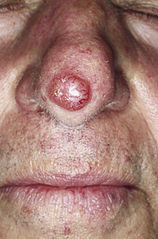 Basal cell skin cancer[/caption]
Response: Basal cell carcinoma (BCC) is the most common cancer in the United States. BCCs tend to develop on sun-exposed areas such as the head and neck and are typically treated with various surgical techniques in an outpatient setting. Although BCCs are rarely fatal, they have been estimated to be among the most costly cancers in the Medicare population due to their high incidence. Yet because these cancers are not tracked by national registries the way, for example, melanoma is, basal cell carcinomas have been difficult to study. Incidence rates in the past have tended to rely on surveys such as those by the National Cancer Institute. And studies using disease codes have, until recently, been difficult because the codes used for basal cell carcinoma and squamous cell carcinoma were the same.
Since 1997, Kaiser Permanente Northern California (KPNC) has had computerized pathology results that allowed us to develop an internal registry of BCC cancers. In addition to having detailed information about basal cell cancer patients, we also had detailed information on the underlying population - KPNC members – which allowed us to determine incidence rates of BCC by age, sex, and most importantly for this study, by geographic location. This is because we know the residential location of all KPNC members at any given time – both those that get basal cell cancer and those who do not. This combination of a validated BCC registry with a well-defined population at-risk gave us the unique ability to investigate the spatial distribution of BCC in Northern California and assess whether there existed geographic clustering of basal cell cancers. Although the investigation of spatial clustering of other cancers is fairly common, no such analyses have been performed for basal cell cancer in the United States.
Basal cell skin cancer[/caption]
Response: Basal cell carcinoma (BCC) is the most common cancer in the United States. BCCs tend to develop on sun-exposed areas such as the head and neck and are typically treated with various surgical techniques in an outpatient setting. Although BCCs are rarely fatal, they have been estimated to be among the most costly cancers in the Medicare population due to their high incidence. Yet because these cancers are not tracked by national registries the way, for example, melanoma is, basal cell carcinomas have been difficult to study. Incidence rates in the past have tended to rely on surveys such as those by the National Cancer Institute. And studies using disease codes have, until recently, been difficult because the codes used for basal cell carcinoma and squamous cell carcinoma were the same.
Since 1997, Kaiser Permanente Northern California (KPNC) has had computerized pathology results that allowed us to develop an internal registry of BCC cancers. In addition to having detailed information about basal cell cancer patients, we also had detailed information on the underlying population - KPNC members – which allowed us to determine incidence rates of BCC by age, sex, and most importantly for this study, by geographic location. This is because we know the residential location of all KPNC members at any given time – both those that get basal cell cancer and those who do not. This combination of a validated BCC registry with a well-defined population at-risk gave us the unique ability to investigate the spatial distribution of BCC in Northern California and assess whether there existed geographic clustering of basal cell cancers. Although the investigation of spatial clustering of other cancers is fairly common, no such analyses have been performed for basal cell cancer in the United States.
22 Jul New Sunscreens Could Protect Mitochondria From Ultraviolet Light
MedicalResearch.com Interview with: [caption id="attachment_26395" align="alignleft" width="133"] Dr. Charareh Pourzand[/caption]
Charareh Pourzand, MSc, MPhil, PhD/DSc
Senior lecturer and Associate Professor in Biopharmaceutics
Department of Pharmcay and Pharmacology
University of Bath
Bath United Kingdom
MedicalResearch.com: What is the background for this study? What are the main findings?
Response: Exposure of skin cells to Ultraviolet A (UVA) component of sunlight provokes oxidative damage to the vital subcellular organelles, mitochondria, leading to ATP depletion and necrotic cell death.
The presence of high level of potentially harmful ‘labile’ iron in mitochondria is thought to make these organelles highly susceptible to oxidative damage caused by UVA. Therefore, we designed a highly specific iron trapping compound that could directly target mitochondria and protect the organelles against UVA-induced iron damage and the ensuing cell death. The results of the study demonstrate an unprecedented level of protection afforded by these compounds against damage caused by high doses of solar UVA radiation, equivalent to up to 140 min sun exposure at sea level.
Dr. Charareh Pourzand[/caption]
Charareh Pourzand, MSc, MPhil, PhD/DSc
Senior lecturer and Associate Professor in Biopharmaceutics
Department of Pharmcay and Pharmacology
University of Bath
Bath United Kingdom
MedicalResearch.com: What is the background for this study? What are the main findings?
Response: Exposure of skin cells to Ultraviolet A (UVA) component of sunlight provokes oxidative damage to the vital subcellular organelles, mitochondria, leading to ATP depletion and necrotic cell death.
The presence of high level of potentially harmful ‘labile’ iron in mitochondria is thought to make these organelles highly susceptible to oxidative damage caused by UVA. Therefore, we designed a highly specific iron trapping compound that could directly target mitochondria and protect the organelles against UVA-induced iron damage and the ensuing cell death. The results of the study demonstrate an unprecedented level of protection afforded by these compounds against damage caused by high doses of solar UVA radiation, equivalent to up to 140 min sun exposure at sea level.
22 Jul Study Calls For Curbing of Excessive Imaging after Thyroid Cancer Treatment
MedicalResearch.com Interview with: [caption id="attachment_26244" align="alignleft" width="148"] Dr. Megan Haymart[/caption]
Megan Haymart, M.D.
Assistant Professor
Institute for HealthCare Policy and Innovation
University of Michigan
MedicalResearch.com: What is the background for this study? What are the main findings?
Response: Over the past three decades the incidence of thyroid cancer has risen. The majority of this rise in incidence is secondary to an increase in low-risk disease. In the setting of this rise in low-risk thyroid cancer, our team noted that over time there was a dramatic rise in imaging after initial treatment for thyroid cancer. We subsequently wanted to understand the implications of this increase in imaging. Does more imaging equal improved outcomes? In this study published in BMJ, we found that this marked rise in imaging after primary treatment of differentiated thyroid cancer was associated with increased treatment for recurrence but with the exception of radioiodine scans in presumed iodine-avid disease, no clear improvement in disease specific survival.
Dr. Megan Haymart[/caption]
Megan Haymart, M.D.
Assistant Professor
Institute for HealthCare Policy and Innovation
University of Michigan
MedicalResearch.com: What is the background for this study? What are the main findings?
Response: Over the past three decades the incidence of thyroid cancer has risen. The majority of this rise in incidence is secondary to an increase in low-risk disease. In the setting of this rise in low-risk thyroid cancer, our team noted that over time there was a dramatic rise in imaging after initial treatment for thyroid cancer. We subsequently wanted to understand the implications of this increase in imaging. Does more imaging equal improved outcomes? In this study published in BMJ, we found that this marked rise in imaging after primary treatment of differentiated thyroid cancer was associated with increased treatment for recurrence but with the exception of radioiodine scans in presumed iodine-avid disease, no clear improvement in disease specific survival.
22 Jul Loud Noises at Work and Home Lead To High Prevalence of Tinnitus
MedicalResearch.com Interview with: [caption id="attachment_26290" align="alignleft" width="150"] Dr. Harrison LIn[/caption]
Harrison W. Lin, M.D.
Assistant Professor
Department of Otolaryngology-Head & Neck Surgery
UC Irvine Medical Center
Orange, CA 92868
MedicalResearch.com: What is the background for this study? What are the main findings?
Response: We reviewed the data from the Integrated Health Interview Series, which is a project funded by the National Institutes of Health to supplement the National Health Interview Survey (NHIS), a household-based, personal interview survey administered by the US Census Bureau and Centers for Disease Control and Prevention since 1957. The NHIS serves as the largest source of health information in the civilian population of the United States.
Analyzing the available data on tinnitus symptoms from this survey, we found that approximately 1 in 10 Americans have chronic tinnitus. Moreover, durations of occupational and leisure time noise exposures correlated with rates of tinnitus – people who reported higher rates of loud noise exposures at work and recreationally more frequently reported chronic tinnitus.
Finally, health care providers provided advice and treatment plans to patients with chronic tinnitus that were infrequently in line with the clinical practice guidelines published by the American Academy of Otolaryngology-Head & Neck Surgery Foundation.
Dr. Harrison LIn[/caption]
Harrison W. Lin, M.D.
Assistant Professor
Department of Otolaryngology-Head & Neck Surgery
UC Irvine Medical Center
Orange, CA 92868
MedicalResearch.com: What is the background for this study? What are the main findings?
Response: We reviewed the data from the Integrated Health Interview Series, which is a project funded by the National Institutes of Health to supplement the National Health Interview Survey (NHIS), a household-based, personal interview survey administered by the US Census Bureau and Centers for Disease Control and Prevention since 1957. The NHIS serves as the largest source of health information in the civilian population of the United States.
Analyzing the available data on tinnitus symptoms from this survey, we found that approximately 1 in 10 Americans have chronic tinnitus. Moreover, durations of occupational and leisure time noise exposures correlated with rates of tinnitus – people who reported higher rates of loud noise exposures at work and recreationally more frequently reported chronic tinnitus.
Finally, health care providers provided advice and treatment plans to patients with chronic tinnitus that were infrequently in line with the clinical practice guidelines published by the American Academy of Otolaryngology-Head & Neck Surgery Foundation.
22 Jul Women Still Getting CA-125 and CT Testing After Ovarian Cancer, Despite Lack of Clear Benefit
Posted at 00:39h
in Author Interviews, Beth Israel Deaconess, Biomarkers, Cost of Health Care, Medical Imaging, Ovarian Cancer
MedicalResearch.com Interview with:
[caption id="attachment_26310" align="alignleft" width="120"] Dr. Katharine M. Esselen[/caption]
Katharine Mckinley Esselen, M.D.
Instructor in Obstetrics, Gynecology and Reproductive Biology
Beth Israel Deaconess Medical Center
Brigham and Womens Hospital
MedicalResearch.com: What is the background for this study?
Response: There is no consensus on how to follow a patient in remission from ovarian cancer in order to detect recurrent disease. However, a 2009 randomized clinical trial demonstrated that using CA-125 blood tests for routine surveillance in ovarian cancer increases the use of chemotherapy and decreases patient’s quality of life without improving survival compared with clinical observation. Published guidelines categorize CA-125 tests as optional and discourage the use of radiographic imaging for routine surveillance. Thus, this study aims to examine the use of CA-125 tests and CT scans at 6 Cancer Centers and to estimate the economic impact of this surveillance testing for ovarian cancer.
Dr. Katharine M. Esselen[/caption]
Katharine Mckinley Esselen, M.D.
Instructor in Obstetrics, Gynecology and Reproductive Biology
Beth Israel Deaconess Medical Center
Brigham and Womens Hospital
MedicalResearch.com: What is the background for this study?
Response: There is no consensus on how to follow a patient in remission from ovarian cancer in order to detect recurrent disease. However, a 2009 randomized clinical trial demonstrated that using CA-125 blood tests for routine surveillance in ovarian cancer increases the use of chemotherapy and decreases patient’s quality of life without improving survival compared with clinical observation. Published guidelines categorize CA-125 tests as optional and discourage the use of radiographic imaging for routine surveillance. Thus, this study aims to examine the use of CA-125 tests and CT scans at 6 Cancer Centers and to estimate the economic impact of this surveillance testing for ovarian cancer.
22 Jul Maintaining Aerobic Fitness Linked Decreased Risk of Premature Death
MedicalResearch.com Interview with: [caption id="attachment_26275" align="alignleft" width="180"] Dr. Jari Laukkanen[/caption]
Jari Laukkanen MD, PhD
Cardiologist
Institute of Public Health and Clinical Nutrition
University of Eastern Finland
Kuopio Finland
MedicalResearch.com: What is the background for this study? What are the main findings?
Response: In this population-based study we found a strong inverse association between long-term change in directly measured cardio-respiratory fitness (CRF), using maximal oxygen uptake (VO2peak) and all-cause mortality. A small decrease in CRF over 11-years was associated with a lower risk of all-cause death in a graded fashion. The observed association was independent of risk factors. This population-based study with repeated and direct assessment of CRF using a very similar time-interval for all participants, whereas some previous studies showing the value of CRF were constructed on participants referred to exercise testing at varying time-intervals between two repeated tests using only indirect cardio-respiratory fitness assessment or other exercise scores.
Cardiorespiratory fitness was assessed at baseline and follow-up using respiratory gas analyzer which is a golden standard for assessing aerobic fitness level. A single assessment of CRF predicts outcomes, however, no previous studies using directly measured VO2max have shown the association between long term changes in VO2max (i.e. 10 years) and its association with mortality. In the recent study VO2max defined from respirator gases with similar time-interval between two separate assessments of VO2max (=directly measured). This is a very novel finding in the field of exercise sciences, as well as in cardiovascular prevention and rehabilitation.
Although cardio-respiratory fitness is recognized as an important marker of functional ability and cardiovascular health, it is currently the major risk factor that is not routinely and regularly assessed in either the general or specialized clinical setting, although it is suggested that an individual’s CRF level has been even a stronger or similar predictor of mortality than the traditional risk factors, including smoking, hypertension, high cholesterol, and type 2 diabetes mellitus.
Dr. Jari Laukkanen[/caption]
Jari Laukkanen MD, PhD
Cardiologist
Institute of Public Health and Clinical Nutrition
University of Eastern Finland
Kuopio Finland
MedicalResearch.com: What is the background for this study? What are the main findings?
Response: In this population-based study we found a strong inverse association between long-term change in directly measured cardio-respiratory fitness (CRF), using maximal oxygen uptake (VO2peak) and all-cause mortality. A small decrease in CRF over 11-years was associated with a lower risk of all-cause death in a graded fashion. The observed association was independent of risk factors. This population-based study with repeated and direct assessment of CRF using a very similar time-interval for all participants, whereas some previous studies showing the value of CRF were constructed on participants referred to exercise testing at varying time-intervals between two repeated tests using only indirect cardio-respiratory fitness assessment or other exercise scores.
Cardiorespiratory fitness was assessed at baseline and follow-up using respiratory gas analyzer which is a golden standard for assessing aerobic fitness level. A single assessment of CRF predicts outcomes, however, no previous studies using directly measured VO2max have shown the association between long term changes in VO2max (i.e. 10 years) and its association with mortality. In the recent study VO2max defined from respirator gases with similar time-interval between two separate assessments of VO2max (=directly measured). This is a very novel finding in the field of exercise sciences, as well as in cardiovascular prevention and rehabilitation.
Although cardio-respiratory fitness is recognized as an important marker of functional ability and cardiovascular health, it is currently the major risk factor that is not routinely and regularly assessed in either the general or specialized clinical setting, although it is suggested that an individual’s CRF level has been even a stronger or similar predictor of mortality than the traditional risk factors, including smoking, hypertension, high cholesterol, and type 2 diabetes mellitus.
22 Jul Circulating Tumor DNA Size Enhances Liquid Biopsy Effectiveness
MedicalResearch.com Interview with: [caption id="attachment_26374" align="alignleft" width="133"] Dr. Hunter Underhill[/caption]
Dr. Hunter R. Underhill MD, PhD
Department of Pediatrics, Division of Medical Genetics, Department of Radiology,
University of Utah, Salt Lake City, Utah
Department of Radiology and Department of Neurological Surgery
University of Washington
Seattle, Washington
MedicalResearch.com: What is the background for this study? What are the main findings?
Response: When cells undergo cell death (i.e., apoptosis) the DNA has the potential to enter the circulation. This DNA is not contained within a cellular membrane and is known as "cell-free DNA." This is a naturally occurring process. The same process also occurs when malignant tumors grow and evolve. The deposition of cell-free DNA derived from tumors is known as "circulating tumor DNA." Analysis of circulating tumor DNA holds the promise of detecting, diagnosing, and monitoring response to therapy of cancers through a simple blood draw - the "liquid biopsy." The challenge has been isolation of circulating tumor DNA from the background of the naturally occurring cell-free DNA. This has been particularly difficult in non-metastatic solid tumors as circulating tumor DNA has been heretofore indistinguishable from normal cell-free DNA except for the occurrence of mutant alleles that commonly occur at a frequency below detection limits - the proverbial needle in a haystack.
Our study found a distinct size difference in DNA fragment length between circulating tumor DNA and cell-free DNA. Specifically, circulating tumor DNA is about 20-50 base pairs shorter than cell-free DNA originating from healthy cells. We were subsequently able to exploit this difference in size to enrich for circulating tumor DNA - essentially removing a large portion of the haystack that does not contain the needle to simplify the search.
Dr. Hunter Underhill[/caption]
Dr. Hunter R. Underhill MD, PhD
Department of Pediatrics, Division of Medical Genetics, Department of Radiology,
University of Utah, Salt Lake City, Utah
Department of Radiology and Department of Neurological Surgery
University of Washington
Seattle, Washington
MedicalResearch.com: What is the background for this study? What are the main findings?
Response: When cells undergo cell death (i.e., apoptosis) the DNA has the potential to enter the circulation. This DNA is not contained within a cellular membrane and is known as "cell-free DNA." This is a naturally occurring process. The same process also occurs when malignant tumors grow and evolve. The deposition of cell-free DNA derived from tumors is known as "circulating tumor DNA." Analysis of circulating tumor DNA holds the promise of detecting, diagnosing, and monitoring response to therapy of cancers through a simple blood draw - the "liquid biopsy." The challenge has been isolation of circulating tumor DNA from the background of the naturally occurring cell-free DNA. This has been particularly difficult in non-metastatic solid tumors as circulating tumor DNA has been heretofore indistinguishable from normal cell-free DNA except for the occurrence of mutant alleles that commonly occur at a frequency below detection limits - the proverbial needle in a haystack.
Our study found a distinct size difference in DNA fragment length between circulating tumor DNA and cell-free DNA. Specifically, circulating tumor DNA is about 20-50 base pairs shorter than cell-free DNA originating from healthy cells. We were subsequently able to exploit this difference in size to enrich for circulating tumor DNA - essentially removing a large portion of the haystack that does not contain the needle to simplify the search.
21 Jul Human Brains, Because of Size, More Prone to Disconnection Syndromes
MedicalResearch.com Interview with: [caption id="attachment_26370" align="alignleft" width="160"] Dr. Zoltan Toroczkai[/caption]
Zoltan Toroczkai, PhD, Professor of Physics
Concurrent Professor of Computer Science and Engineering
Physics Department
University of Notre Dame, Notre Dame, IN, 46556
MedicalResearch.com: What is the background for this study?
Response: The mammalian brain is arguably the most complex information processing network and with billions of neurons and trillions of connections it presents formidable challenges to deciphering its fundamental mechanisms for information processing. In the brain, information is encoded into the spatio-temporal firing patterns of groups of neurons (population coding), making the connectivity structure of the network crucial for brain function. Damages to this network have been associated with diseases such as Alzheimer’s, autism and schizophrenia, and thus understanding the cortical network would also help better understand certain diseases of the brain.
An experimentally and computationally more feasible approach is to study the anatomical (physical connectivity) network between the functional areas of the cortex, a mosaic of brain patches, each associated with a specific function (e.g., visual, auditory, somatosensory). Based on phylogenic considerations one expects the existence of common fundamental network architectural (and implicitly, processing) principles to be present in all mammalian brains. However, the mammalian brain spans over five orders of variation in size and thus it is not clear at all what are this common architectural features and how would we find them. The challenge here is to compare networks of the same nature (information processing type) but of different orders, with different nodal identities, and of very different spatial embedding (geometrical size) properties.
Dr. Zoltan Toroczkai[/caption]
Zoltan Toroczkai, PhD, Professor of Physics
Concurrent Professor of Computer Science and Engineering
Physics Department
University of Notre Dame, Notre Dame, IN, 46556
MedicalResearch.com: What is the background for this study?
Response: The mammalian brain is arguably the most complex information processing network and with billions of neurons and trillions of connections it presents formidable challenges to deciphering its fundamental mechanisms for information processing. In the brain, information is encoded into the spatio-temporal firing patterns of groups of neurons (population coding), making the connectivity structure of the network crucial for brain function. Damages to this network have been associated with diseases such as Alzheimer’s, autism and schizophrenia, and thus understanding the cortical network would also help better understand certain diseases of the brain.
An experimentally and computationally more feasible approach is to study the anatomical (physical connectivity) network between the functional areas of the cortex, a mosaic of brain patches, each associated with a specific function (e.g., visual, auditory, somatosensory). Based on phylogenic considerations one expects the existence of common fundamental network architectural (and implicitly, processing) principles to be present in all mammalian brains. However, the mammalian brain spans over five orders of variation in size and thus it is not clear at all what are this common architectural features and how would we find them. The challenge here is to compare networks of the same nature (information processing type) but of different orders, with different nodal identities, and of very different spatial embedding (geometrical size) properties.
21 Jul Interventions Involving Patients and Providers Required To Reduce Low-Value Care
Medicalresearch.com Interview with: [caption id="attachment_26365" align="alignleft" width="200"] Alex Mainor[/caption]
Alex Mainor, JD, MPH
Research Project Coordinator
The Dartmouth Institute for Health Policy and Clinical Practice
Lebanon, NH 03756
Carrie H. Colla, Alexander J. Mainor, Courtney Hargreaves, Thomas Sequist, Nancy Morden
MedicalResearch.com: What is the background for this study? What are the main findings?
Response: Waste in the healthcare system is an important concern to healthcare providers, patients, policymakers, and taxpayers, and is estimated to account for 30% of all healthcare costs. Low-value care can expose patients to unnecessary costs for little or no medical benefit, or to potential harm from unnecessary tests and procedures. In recent years, the concept of low-value care has gained wider acknowledgement and acceptance as a pressing concern for the healthcare system, and many interventions have been studied to reduce the use of this wasteful care. However, the landscape of these interventions has not been studied in a systematic and comprehensive way.
In this review, we found that interventions to reduce the use of wasteful medical care are often studied and published selectively. Findings suggest that interventions using clinical decision support, clinician education, patient education, and interventions combining elements from each have strong potential to reduce low-value care.
Alex Mainor[/caption]
Alex Mainor, JD, MPH
Research Project Coordinator
The Dartmouth Institute for Health Policy and Clinical Practice
Lebanon, NH 03756
Carrie H. Colla, Alexander J. Mainor, Courtney Hargreaves, Thomas Sequist, Nancy Morden
MedicalResearch.com: What is the background for this study? What are the main findings?
Response: Waste in the healthcare system is an important concern to healthcare providers, patients, policymakers, and taxpayers, and is estimated to account for 30% of all healthcare costs. Low-value care can expose patients to unnecessary costs for little or no medical benefit, or to potential harm from unnecessary tests and procedures. In recent years, the concept of low-value care has gained wider acknowledgement and acceptance as a pressing concern for the healthcare system, and many interventions have been studied to reduce the use of this wasteful care. However, the landscape of these interventions has not been studied in a systematic and comprehensive way.
In this review, we found that interventions to reduce the use of wasteful medical care are often studied and published selectively. Findings suggest that interventions using clinical decision support, clinician education, patient education, and interventions combining elements from each have strong potential to reduce low-value care.
21 Jul Patients With Schizophrenia Often Discharged on Multiple Medications
MedicalResearch.com Interview with: [caption id="attachment_26361" align="alignleft" width="125"] Glorimar Ortiz[/caption]
Glorimar Ortiz, MS
Senior Researcher/Statistician
NRI-National Association of State Mental Health Program Directors Research Institute
Falls Church, VA 22042
MedicalResearch.com: What is the background for this study? What are the main findings?
Response: Despite the lack of empirical evidence that antipsychotic polypharmacy produces greater outcomes to antipsychotic monotherapy, and that several clinical guidelines recommend against it, patients with a diagnosis of schizophrenia continue to being discharged on polypharmacy. Over the past few years, attempts have been made to lower the rate of antipsychotic polypharmacy throughout the country. Most of the existing literature on this topic are based on Medicaid claims data which exclude data for patients discharged from state psychiatric inpatient hospitals. Our study is very important because it is the first time that data on the use of antipsychotic medications are analyzed using a large sample of discharges from state psychiatric inpatient hospitals. These hospitals now have the opportunity to benchmark their antipsychotic medication use rate with national rates more accurately, and therefore, develop and implement performance improvement activities that are more precise. The study found that 12% of all discharges were prescribed two or more antipsychotic medications. Of those patients discharged on at least one antipsychotic medication, 18% were prescribed two or more antipsychotics. The study also found that patients with a schizophrenia diagnosis and an inpatient hospital stay of 3 months or longer are more likely of being discharged on polypharmacy, and that the main reason for this was to reduce patient’s symptoms. Antipsychotic polypharmacy affects nearly 10,000 patients with schizophrenia annually in state psychiatric inpatient hospitals.
Glorimar Ortiz[/caption]
Glorimar Ortiz, MS
Senior Researcher/Statistician
NRI-National Association of State Mental Health Program Directors Research Institute
Falls Church, VA 22042
MedicalResearch.com: What is the background for this study? What are the main findings?
Response: Despite the lack of empirical evidence that antipsychotic polypharmacy produces greater outcomes to antipsychotic monotherapy, and that several clinical guidelines recommend against it, patients with a diagnosis of schizophrenia continue to being discharged on polypharmacy. Over the past few years, attempts have been made to lower the rate of antipsychotic polypharmacy throughout the country. Most of the existing literature on this topic are based on Medicaid claims data which exclude data for patients discharged from state psychiatric inpatient hospitals. Our study is very important because it is the first time that data on the use of antipsychotic medications are analyzed using a large sample of discharges from state psychiatric inpatient hospitals. These hospitals now have the opportunity to benchmark their antipsychotic medication use rate with national rates more accurately, and therefore, develop and implement performance improvement activities that are more precise. The study found that 12% of all discharges were prescribed two or more antipsychotic medications. Of those patients discharged on at least one antipsychotic medication, 18% were prescribed two or more antipsychotics. The study also found that patients with a schizophrenia diagnosis and an inpatient hospital stay of 3 months or longer are more likely of being discharged on polypharmacy, and that the main reason for this was to reduce patient’s symptoms. Antipsychotic polypharmacy affects nearly 10,000 patients with schizophrenia annually in state psychiatric inpatient hospitals.
21 Jul Hormone Overcomes Genetic Cause of Morbid Obesity
MedicalResearch.com Interview with: Dr. Peter Kühnen MD Institute for Experimental Pediatric Endocrinology Charité–Universitätsmedizin Berlin Berlin, Germany MedicalResearch.com: What is the background for this study? What are the main findings? Dr. Kühnen: The patients, which were included in this study, are suffering from a genetic defect in a gene called POMC. This gene is cleaved into different hormones as e.g. MSH (melanocyte stimulating hormone). MSH is very important for the regulation of satiety by activation of the MC-4 receptor. For this reason these patients are persistent hyperphagic due to the lack of MSH and they gain weight very fast in the first months of their life. Setmelanotide activates the MC-4 receptor, which is important for the activation of satiety. By restoring the lost function Setmelanotide leads to a reduction of hyperphagia and to a reduction of body weight in this POMC deficient patients.21 Jul Titanium-Gold Compound May Extend LIfe of Joint Implants
MedicalResearch.com Interview with: [caption id="attachment_26353" align="alignleft" width="191"] Dr. Emilia Morosan[/caption]
Emilia Morosan PhD, Professor
Rice University
Physics and Astronomy
Houston TX 77005
MedicalResearch.com: What is the background for this study? What are the main findings?
Dr. Morosan: My group works mainly on searching for compounds with magnetic properties. The first step in the characterization of such compounds is powder X-ray diffraction, which requires grinding the samples to fine powder. When we discovered such a compound based on (titanium) Ti and (gold) Au, we were unable to grind it because of its apparent hardness. This prompted the hardness measurement on the magnetic compound (with equal amounts of Ti and Au) and also on other mixtures of the two metals. The main result of this study was that the particular compound beta-Ti3Au was the hardest among all Ti-Au mixture in our study and compared to previous hardness measurements on these binary alloys. Most remarkable was the four-fold increase in hardens in beta-Ti3Au over Ti, or most other biocompatible engineering alloys. Furthermore, beta-Ti3Au also has higher wear resistance, meaning its durability extends beyond that of other alloys.
Dr. Emilia Morosan[/caption]
Emilia Morosan PhD, Professor
Rice University
Physics and Astronomy
Houston TX 77005
MedicalResearch.com: What is the background for this study? What are the main findings?
Dr. Morosan: My group works mainly on searching for compounds with magnetic properties. The first step in the characterization of such compounds is powder X-ray diffraction, which requires grinding the samples to fine powder. When we discovered such a compound based on (titanium) Ti and (gold) Au, we were unable to grind it because of its apparent hardness. This prompted the hardness measurement on the magnetic compound (with equal amounts of Ti and Au) and also on other mixtures of the two metals. The main result of this study was that the particular compound beta-Ti3Au was the hardest among all Ti-Au mixture in our study and compared to previous hardness measurements on these binary alloys. Most remarkable was the four-fold increase in hardens in beta-Ti3Au over Ti, or most other biocompatible engineering alloys. Furthermore, beta-Ti3Au also has higher wear resistance, meaning its durability extends beyond that of other alloys.
21 Jul Home-Cooked Baby Foods Cheaper But Not Always Better Than Commercial Products
[caption id="attachment_26215" align="alignleft" width="136"] Sharon Carstairs[/caption]
MedicalResearch.com Interview with:
Sharon Carstairs PhD Student
Public Health Research
University of Aberdeen,
Aberdeen
MedicalResearch.com: What is the background for this study?
Response: The introduction of solid foods is a key period when the milk diet is no longer able to meet all dietary needs, additionally it is a key time for food learning and development of eating preferences in a child’s life. It is vital that children are provided with nutritionally balanced foods as well as a variety of foods to meet dietary requirements and are exposed to different tastes and textures. Some parents provide home-cooked meals however, there is a large market of commercially available infant/toddler meals which can provide parents with a convenient alternative to home-cooking.
Sharon Carstairs[/caption]
MedicalResearch.com Interview with:
Sharon Carstairs PhD Student
Public Health Research
University of Aberdeen,
Aberdeen
MedicalResearch.com: What is the background for this study?
Response: The introduction of solid foods is a key period when the milk diet is no longer able to meet all dietary needs, additionally it is a key time for food learning and development of eating preferences in a child’s life. It is vital that children are provided with nutritionally balanced foods as well as a variety of foods to meet dietary requirements and are exposed to different tastes and textures. Some parents provide home-cooked meals however, there is a large market of commercially available infant/toddler meals which can provide parents with a convenient alternative to home-cooking.
21 Jul Non-Diabetics With High Blood Sugar May Face Increased Heart Disease Risk
MedicalResearch.com Interview with: Dr Fiona Bragg Clinical Research Fellow Clinical Trial Service Unit and Epidemiological Studies Unit Nuffield Department of Population Health University of Oxford MedicalResearch.com: What is the background for this study? Response: Diabetes is known to be a risk factor for cardiovascular disease. It is less clear, however, whether higher blood glucose levels in individuals without diabetes are also associated with higher risk for cardiovascular diseases. It is important to examine this association because it may help us to understand the mechanisms underlying these diseases as well as appropriate approaches to preventing them. We therefore looked at this association in the China Kadoorie Biobank study of 0.5 million Chinese adults, examining the relationship between blood glucose levels and the subsequent risk for cardiovascular diseases among participants with no history of diabetes at the time of recruitment to the study.21 Jul Over 50% Reduction in Facial Fractures from Car Accidents With Combined Seat Belt and Air Bag use
MedicalResearch.com Interview with: Dr. David A. Hyman, MD Division of Otolaryngology–Head and Neck Surgery Department of Surgery University of Wisconsin School of Medicine and Public Health Madison MedicalResearch.com: What is the background for this study? What are the main findings? Response: Motor vehicle collisions represent a significant source of facial fractures seen at US trauma centers. In the last few decades there have been significant advances in airbag technology as well as a national legislative push regarding seat belt use which has led to increased safety device use. With these trends, we sought to assess the incidence of facial fractures in patients who present to US trauma centers as well as to analyze what effect restraint devices have on the likelihood of facial fractures after motor vehicle collisions. This analysis was performed using National Trauma Data Bank data from 2007-2012. We found the incidence of at least one facial fracture after a motor vehicle collision was 10.9% with nasal fracture being the most common facial fracture. Based on our analysis of more than 56 thousand patients with a facial fracture, we found that use of an airbag alone reduced the likelihood of a facial fracture by 18% while use of a seat belt alone reduced likelihood by 43%. Use of both reduced the likelihood of facial fractures in a crash by 53%. Younger age, male sex, and use of alcohol increased the likelihood of facial fracture.21 Jul Large Proportion of Pregnant Women Use Alcohol and Tobacco in First Trimester
MedicalResearch.com Interview with: [caption id="attachment_26340" align="alignleft" width="131"] Dr. Qiana Brown[/caption]
Dr. Qiana L. Brown, PhD, MPH, LCSW
Postdoctoral Research Fellow
Columbia University
Mailman School of Public Health
Department of Epidemiology
Substance Abuse Epidemiology Training Program
MedicalResearch.com: What is the background for this study?
Dr. Brown: Prenatal substance use is a major public health concern, and poses significant threats to maternal and child health. Tobacco and alcohol are the most commonly used substances among pregnant women and non-pregnant women of reproductive age, and are leading causes of preventable adverse health outcomes for both mother and baby. Women with health insurance have more prenatal visits, and present for prenatal care earlier than uninsured women, which may increase their exposure to health messaging around substance abuse prevention at prenatal visits. Additionally, treatment for substance use disorders and maternal and child health care are part of the Essential Health Benefits covered by the Affordable Care Act, which may encourage patients and providers to engage in discussions around alcohol and tobacco use prevention during pregnancy.
Given these factors, we examined the relationship between health insurance coverage and both past month tobacco use and past month alcohol use among a nationally representative sample of reproductive age women in the United States. We sampled 97,788 women ages 12 to 44 years old who participated in the U.S. National Survey of Drug Use and Health in 2010 to 2014. Among these women, 3.28% (n=3,267) were pregnant. We specifically investigated whether the relationship between health insurance and alcohol or tobacco use differed between pregnant and non-pregnant women.
Dr. Qiana Brown[/caption]
Dr. Qiana L. Brown, PhD, MPH, LCSW
Postdoctoral Research Fellow
Columbia University
Mailman School of Public Health
Department of Epidemiology
Substance Abuse Epidemiology Training Program
MedicalResearch.com: What is the background for this study?
Dr. Brown: Prenatal substance use is a major public health concern, and poses significant threats to maternal and child health. Tobacco and alcohol are the most commonly used substances among pregnant women and non-pregnant women of reproductive age, and are leading causes of preventable adverse health outcomes for both mother and baby. Women with health insurance have more prenatal visits, and present for prenatal care earlier than uninsured women, which may increase their exposure to health messaging around substance abuse prevention at prenatal visits. Additionally, treatment for substance use disorders and maternal and child health care are part of the Essential Health Benefits covered by the Affordable Care Act, which may encourage patients and providers to engage in discussions around alcohol and tobacco use prevention during pregnancy.
Given these factors, we examined the relationship between health insurance coverage and both past month tobacco use and past month alcohol use among a nationally representative sample of reproductive age women in the United States. We sampled 97,788 women ages 12 to 44 years old who participated in the U.S. National Survey of Drug Use and Health in 2010 to 2014. Among these women, 3.28% (n=3,267) were pregnant. We specifically investigated whether the relationship between health insurance and alcohol or tobacco use differed between pregnant and non-pregnant women.
20 Jul Nintedanib – Ofev – Slows Progression in Broader Group of Idiopathic Pulmonary Fibrosis Patients
MedicalResearch.com Interview with: [caption id="attachment_26335" align="alignleft" width="166"] Dr. Ganesh Raghu[/caption]
Ganesh Raghu, M.D. FACP, FCCP
Professor of Medicine
Division of Pulmonary and Critical Care Medicine and Director of Center for Interstitial Lung Diseases
Director, Interstitial Lung Disease/Sarcoid/Pulmonary Fibrosis Program
University of Washington Medical Center
Seattle, Washington
MedicalResearch.com: What is the background for this study?
Response: This is a new post-hoc analysis of the Phase III INPULSIS trials, including a total of 1,061 patients with idiopathic pulmonary fibrosis (IPF), which has been published in the American Journal of Respiratory and Critical Care Medicine.
As background, achieving an accurate diagnosis of IPF in clinical practice is very complex and challenging. Physicians use an imaging technique called high resolution computed tomography (HRCT) to help them identify the presence of scarring (fibrosis) and, specifically, the presence of usual interstitial pneumonia (UIP) pattern in the lungs. The radiological changes called "honeycombing" are the key feature of the UIP pattern visible on HRCT and the pattern of UIP is the hallmark of the fibrosis in patients with IPF. In the absence of definitive UIP pattern on HRCT images of the lungs, the diagnosis of idiopathic pulmonary fibrosis requires the microscopic features of UIP in the surgical lung biopsy (SLB) based on current guidelines for diagnosis of IPF.
However, it can be challenging to confirm that scarring in the absence of honeycombing on HRCT meets the strict guideline criteria for a definitive diagnosis of IPF. For a large group of patients who do not receive a confirmed diagnosis of IPF according to guidelines, including those not eligible for surgical lung biopsy, the clinical course of their condition and the effectiveness of idiopathic pulmonary fibrosis treatment remains unknown. Therefore, investigations into the behavior of the disease across diagnostic subgroups are important.
Dr. Ganesh Raghu[/caption]
Ganesh Raghu, M.D. FACP, FCCP
Professor of Medicine
Division of Pulmonary and Critical Care Medicine and Director of Center for Interstitial Lung Diseases
Director, Interstitial Lung Disease/Sarcoid/Pulmonary Fibrosis Program
University of Washington Medical Center
Seattle, Washington
MedicalResearch.com: What is the background for this study?
Response: This is a new post-hoc analysis of the Phase III INPULSIS trials, including a total of 1,061 patients with idiopathic pulmonary fibrosis (IPF), which has been published in the American Journal of Respiratory and Critical Care Medicine.
As background, achieving an accurate diagnosis of IPF in clinical practice is very complex and challenging. Physicians use an imaging technique called high resolution computed tomography (HRCT) to help them identify the presence of scarring (fibrosis) and, specifically, the presence of usual interstitial pneumonia (UIP) pattern in the lungs. The radiological changes called "honeycombing" are the key feature of the UIP pattern visible on HRCT and the pattern of UIP is the hallmark of the fibrosis in patients with IPF. In the absence of definitive UIP pattern on HRCT images of the lungs, the diagnosis of idiopathic pulmonary fibrosis requires the microscopic features of UIP in the surgical lung biopsy (SLB) based on current guidelines for diagnosis of IPF.
However, it can be challenging to confirm that scarring in the absence of honeycombing on HRCT meets the strict guideline criteria for a definitive diagnosis of IPF. For a large group of patients who do not receive a confirmed diagnosis of IPF according to guidelines, including those not eligible for surgical lung biopsy, the clinical course of their condition and the effectiveness of idiopathic pulmonary fibrosis treatment remains unknown. Therefore, investigations into the behavior of the disease across diagnostic subgroups are important.
20 Jul Travelers Are Importing Intestinal Antibiotic-Resistant Superbugs
MedicalResearch.com Interview with: [caption id="attachment_26331" align="alignleft" width="100"] Herr Dr. Endimiani[/caption]
Prof. Andrea Endimiani, MD, PhD
Institute for Infectious Diseases
University of Bern
MedicalResearch.com: What is the background for this study?
Response: The spread of multidrug-resistant Gram-negative bacteria represents a serious issue for the healthcare system worldwide because our antibiotic armamentarium is becoming too limited. These «superbugs» may cause serious infections with high morbidity and mortality rates – there are already 700,000 estimated deaths per year worldwide because common antimicrobial therapies have become ineffective. In this scenario, colistin has represented the last active antibiotic option able to cure many infected people.
Unfortunately, in November 2015 a new mechanism of resistance against colistin was found with a high prevalence in Escherichia coli and Klebsiella pneumoniae strains detected in China among humans, food animals, and chicken meat; more recently, it has also been found in other countries.
This mechanism is encoded by a gene (named mcr-1) that is plasmid-mediated, thus assuring its great ability to mobilize and spread between different enterobacteria, including those normally present in the human and animal intestinal tracts.
Herr Dr. Endimiani[/caption]
Prof. Andrea Endimiani, MD, PhD
Institute for Infectious Diseases
University of Bern
MedicalResearch.com: What is the background for this study?
Response: The spread of multidrug-resistant Gram-negative bacteria represents a serious issue for the healthcare system worldwide because our antibiotic armamentarium is becoming too limited. These «superbugs» may cause serious infections with high morbidity and mortality rates – there are already 700,000 estimated deaths per year worldwide because common antimicrobial therapies have become ineffective. In this scenario, colistin has represented the last active antibiotic option able to cure many infected people.
Unfortunately, in November 2015 a new mechanism of resistance against colistin was found with a high prevalence in Escherichia coli and Klebsiella pneumoniae strains detected in China among humans, food animals, and chicken meat; more recently, it has also been found in other countries.
This mechanism is encoded by a gene (named mcr-1) that is plasmid-mediated, thus assuring its great ability to mobilize and spread between different enterobacteria, including those normally present in the human and animal intestinal tracts.
20 Jul Meningococcal B Vaccine Tested During University Outbreak of Meningitis
MedicalResearch.com Interview with: [caption id="attachment_26324" align="alignleft" width="133"] Dr. Nicole Basta[/caption]
Nicole E. Basta, PhD MPhil
Assistant Professor
Division of Epidemiology and Community Health
School of Public Health
University of Minnesota
MedicalResearch.com: What is the background for this study?
Response: Meningococcal disease is a serious and often life-threatening condition.
In the past several years, multiple outbreaks caused by meningococcal serogroup B (MenB) have occurred on college campuses in the US. Recently, a new meningococcal B vaccine known as 4CMenB or Bexsero was developed. The FDA granted special approval to use the vaccine to control an outbreak at a University in New Jersey prior to its licensure.
We took advantage of this unique opportunity to investigate the impact of Bexsero during the outbreak. In doing so, we conducted the first clinical study of Bexsero among teens and young adults in the US.
Dr. Nicole Basta[/caption]
Nicole E. Basta, PhD MPhil
Assistant Professor
Division of Epidemiology and Community Health
School of Public Health
University of Minnesota
MedicalResearch.com: What is the background for this study?
Response: Meningococcal disease is a serious and often life-threatening condition.
In the past several years, multiple outbreaks caused by meningococcal serogroup B (MenB) have occurred on college campuses in the US. Recently, a new meningococcal B vaccine known as 4CMenB or Bexsero was developed. The FDA granted special approval to use the vaccine to control an outbreak at a University in New Jersey prior to its licensure.
We took advantage of this unique opportunity to investigate the impact of Bexsero during the outbreak. In doing so, we conducted the first clinical study of Bexsero among teens and young adults in the US.
20 Jul Two Channels That Transmit Itch Sensation To Brain Identified
MedicalResearch.com Interview with: [caption id="attachment_26320" align="alignleft" width="200"] Dr. Devin Barry[/caption]
Dr. Devin M. Barry, PhD, postdoc fellow
Center for the Study of Itch,.
Department of Anesthesiology
Washington University School of Medicine
St. Louis, MO 63110
MedicalResearch.com: What is the background for this study?
Response: Our group is interested in understanding the molecular and cellular mechanisms that underly itch sensation. Our study focused on peripheral sensory neurons of the DRG that mediate responses to itch-inducing stimuli, in particular the inflammatory mediator histamine and the antimalarial drug chloroquine. It has been shown that histamine and chloroquine activate distinct G protein–coupled receptors (GPCRs) in sensory neurons innervating the skin. Two members of the transient receptor potential (TRP) family of ion channels, TRPV1 and TRPA1, have been found to be important mediators of histamine- and chloroquine-induced itch signaling, respectively.
Dr. Devin Barry[/caption]
Dr. Devin M. Barry, PhD, postdoc fellow
Center for the Study of Itch,.
Department of Anesthesiology
Washington University School of Medicine
St. Louis, MO 63110
MedicalResearch.com: What is the background for this study?
Response: Our group is interested in understanding the molecular and cellular mechanisms that underly itch sensation. Our study focused on peripheral sensory neurons of the DRG that mediate responses to itch-inducing stimuli, in particular the inflammatory mediator histamine and the antimalarial drug chloroquine. It has been shown that histamine and chloroquine activate distinct G protein–coupled receptors (GPCRs) in sensory neurons innervating the skin. Two members of the transient receptor potential (TRP) family of ion channels, TRPV1 and TRPA1, have been found to be important mediators of histamine- and chloroquine-induced itch signaling, respectively.
20 Jul Statewide Collaboration Reduced Preventable Hospital Readmissions by 20%
Posted at 20:38h
in Author Interviews, Cost of Health Care, Health Care Systems, Hospital Readmissions
MedicalResearch.com Interview with:
[caption id="attachment_26313" align="alignleft" width="150"] Dr. Thomas Meehan[/caption]
Thomas P. Meehan, MD, MPH
Associate Medical Director
Harvard Pilgrim Health Care
Qualidigm, Wethersfield
Quinnipiac University, North Haven
CT
MedicalResearch.com: What is the background for this study? What are the main findings?
Response: There is a national effort to decrease preventable hospital readmissions in order to improve both the quality and cost of healthcare. Part of this national effort includes local quality improvement projects which are organized and conducted by a variety of organizations working by themselves or with others. We describe one statewide quality improvement project which was led by a Medicare-funded Quality Improvement Organization and conducted with a hospital association and many other collaborators. We document our activities and a relative decrease in the statewide 30-day aggregate readmission rate among fee-for service Medicare beneficiaries of 20.3% over four and a half years. While we are extremely proud of our work and this outcome, we recognize that there are many factors that impacted the outcome and that we can’t claim sole credit.
Dr. Thomas Meehan[/caption]
Thomas P. Meehan, MD, MPH
Associate Medical Director
Harvard Pilgrim Health Care
Qualidigm, Wethersfield
Quinnipiac University, North Haven
CT
MedicalResearch.com: What is the background for this study? What are the main findings?
Response: There is a national effort to decrease preventable hospital readmissions in order to improve both the quality and cost of healthcare. Part of this national effort includes local quality improvement projects which are organized and conducted by a variety of organizations working by themselves or with others. We describe one statewide quality improvement project which was led by a Medicare-funded Quality Improvement Organization and conducted with a hospital association and many other collaborators. We document our activities and a relative decrease in the statewide 30-day aggregate readmission rate among fee-for service Medicare beneficiaries of 20.3% over four and a half years. While we are extremely proud of our work and this outcome, we recognize that there are many factors that impacted the outcome and that we can’t claim sole credit.