MedicalResearch.com Interview with:
[caption id="attachment_20592" align="alignleft" width="107"]

Dr. Tanush Gupta[/caption]
Tanush Gupta, MD
Chief Resident & Instructor of Medicine
Department of Medicine
New York Medical College & Westchester Medical Center
Valhalla, NY
MedicalResearch.com: What is the background for this study? What are the main findings?
Dr. Gupta: Cigarette smoking is the leading preventable cause of premature death in the United States (U.S.). Approximately one-third of all coronary artery disease related deaths in the U.S. annually can be attributed to cigarette smoking. However, studies from the pre-thrombolytic and thrombolytic eras have shown that mortality in smokers with ST-segment elevation myocardial infarction (STEMI) may be lower than in nonsmokers, a phenomenon called the “smoker’s paradox.”
The majority of STEMI patients in contemporary practice are treated with primary percutaneous coronary intervention (pPCI). Data on the association of smoking with outcomes in STEMI patients undergoing pPCI are limited and also conflicting as to whether the smoker’s paradox exists in this population. Hence, the purpose of our study was to examine the association of smoking status with in-hospital outcomes in a nationwide cohort of STEMI patients undergoing pPCI, included in the U.S. National Inpatient Sample, over a 10-year time period from 2003 to 2012. Our primary outcome of interest was in-hospital mortality and secondary outcomes were post-procedure hemorrhage, in-hospital cardiac arrest, and average length of stay.
Of 985,174 STEMI patients who underwent pPCI in the U.S. over this time period, 438,954 (44.6%) were smokers. Smokers were on an average 8 years younger than nonsmokers and had lower prevalence of most cardiovascular comorbidities. Smoking status was associated with lower risk-adjusted in-hospital mortality (2.0% vs. 5.9%, adjusted OR 0.60, p<0.001), lower incidence of post-procedure hemorrhage (4.2% vs. 6.1%, adjusted OR 0.81, p<0.001) and in-hospital cardiac arrest (1.3% vs. 2.1%, adjusted OR 0.78, p<0.001), and shorter average length of stay (3.5 days vs. 4.5 days, p<0.001). To assess whether younger age of smokers was influencing the association with in-hospital mortality, we also performed an age-stratified analyses in different age groups. The smoker’s paradox largely persisted in age-stratified analyses suggesting that younger age of smokers was not the sole explanation for this paradox.
We performed additional assessment for confounding to explore whether the paradoxically lower risk-adjusted in-hospital mortality in smokers with STEMI was driven by differences in baseline demographics and comorbidities between hospitalized smokers and nonsmokers in general. To test for such confounding, we examined the association of smoking with in-hospital mortality in 2 conditions in which this association has not been previously studied – hip fractures and severe sepsis – using similar statistical regression models. In both these study populations, smokers were on average younger than nonsmokers and had lower risk-adjusted in-hospital mortality, but, the paradoxical association in both these conditions was weaker in magnitude than in STEMI patients. Since there is no cogent biological hypothesis to explain the lower mortality in smokers with sepsis or hip fractures, it is likely that the smoker’s paradox in STEMI is also at least partly driven by residual confounding due to inadequate adjustment for the biological effects of age. However, as this paradox was stronger in STEMI patients than in patients with hip fractures or severe sepsis, we believe that additional true biological differences between smokers and nonsmokers with STEMI also contribute to the paradoxically lower in-hospital mortality.

 Prof. Rudi Beyaert[/caption]
Professor Rudi Beyaert
VIB - Inflammation Research Center Ghent University
Department for Biomedical Molecular Biology Unit of Molecular Signal Transduction in Inflammation
Technologiepark Ghent) Belgium
MedicalResearch.com: What is the background for this study? What are the main findings?
Prof. Beyaert: The interest of my laboratory is in understanding the molecular mechanisms that are responsible for the development of inflammatory diseases such as Crohn's disease, multiple sclerosis, rheumatoid arthritis and also psoriasis, which is the topic of the published study. We already know that genetic factors can determine the onset of these inflammatory diseases, but how these genetic factors drive an inflammatory response is still largely unclear. We were specifically interested in the CARD14 gene, because patients with mutations in CARD14 have a very high chance to develop psoriasis. Psoriasis-associated mutations in CARD14 trigger specific skin cells (keratinocytes) to produce and release large amounts of other proteins that recruit and activate specific white blood cells driving an inflammatory response. We now discovered that this effect is dependent on the physical interaction of CARD14 with the protease MALT1 in keratinocytes, leading to the activation of its enzymatic activity and the MALT1-mediated cleavage and inactivation of a number of cellular proteins that normally keep our immune system in check. Treatment of skin cells with small compound MALT1 inhibitors prevents the CARD14-induced production of several pro-inflammatory mediators.
Prof. Rudi Beyaert[/caption]
Professor Rudi Beyaert
VIB - Inflammation Research Center Ghent University
Department for Biomedical Molecular Biology Unit of Molecular Signal Transduction in Inflammation
Technologiepark Ghent) Belgium
MedicalResearch.com: What is the background for this study? What are the main findings?
Prof. Beyaert: The interest of my laboratory is in understanding the molecular mechanisms that are responsible for the development of inflammatory diseases such as Crohn's disease, multiple sclerosis, rheumatoid arthritis and also psoriasis, which is the topic of the published study. We already know that genetic factors can determine the onset of these inflammatory diseases, but how these genetic factors drive an inflammatory response is still largely unclear. We were specifically interested in the CARD14 gene, because patients with mutations in CARD14 have a very high chance to develop psoriasis. Psoriasis-associated mutations in CARD14 trigger specific skin cells (keratinocytes) to produce and release large amounts of other proteins that recruit and activate specific white blood cells driving an inflammatory response. We now discovered that this effect is dependent on the physical interaction of CARD14 with the protease MALT1 in keratinocytes, leading to the activation of its enzymatic activity and the MALT1-mediated cleavage and inactivation of a number of cellular proteins that normally keep our immune system in check. Treatment of skin cells with small compound MALT1 inhibitors prevents the CARD14-induced production of several pro-inflammatory mediators.
 Dr. Babak Hooshmand[/caption]
Babak Hooshmand, MD, PhD, MPH
Center for Alzheimer Research–Aging Research Center
Karolinska Institutet
Stockholm University, Stockholm, Sweden
Department of Neurology, Klinikum Augsburg
Augsburg, Germany
MedicalResearch.com: What is the background for this study? What are the main findings?
Dr. Hooshmand: Low and subnormal levels of vitamin B12 as well as high levels of homocysteine (a vascular risk factor and neurotoxic amino-acid associated with B12 deficiency) are common conditions in the elderly and are associated with a variety of disorders, including cardiovascular and cerebrovascular
conditions. Our study showed that over 6-year of follow-up, both low vitamin B12 status and high homocysteine levels are associated with accelerated brain atrophy in older adults, which precedes clinical dementia.
Dr. Babak Hooshmand[/caption]
Babak Hooshmand, MD, PhD, MPH
Center for Alzheimer Research–Aging Research Center
Karolinska Institutet
Stockholm University, Stockholm, Sweden
Department of Neurology, Klinikum Augsburg
Augsburg, Germany
MedicalResearch.com: What is the background for this study? What are the main findings?
Dr. Hooshmand: Low and subnormal levels of vitamin B12 as well as high levels of homocysteine (a vascular risk factor and neurotoxic amino-acid associated with B12 deficiency) are common conditions in the elderly and are associated with a variety of disorders, including cardiovascular and cerebrovascular
conditions. Our study showed that over 6-year of follow-up, both low vitamin B12 status and high homocysteine levels are associated with accelerated brain atrophy in older adults, which precedes clinical dementia.
 Prof. Christian Virchow[/caption]
Prof Dr. med. J. Christian Virchow, FRCP, FCCP, FAAAA
University of Rostock, Germany
What is the background for this study? What are the main findings?
Dr. Virchow: House Dust mite related allergic asthma is a very frequent chronic disease. Allergen Immunotherapy (AIT) for this condition in asthma has not been well studied and subcutaneous treatment has been associated with (systemic, potentially serious) side effects. Aim of the study was to investigate, if sublingual AIT can improve a patient relevant endpoint, namely reduce the frequency of exacerbations (primary endpoint: time to first exacerbation compared to placebo) .
Prof. Christian Virchow[/caption]
Prof Dr. med. J. Christian Virchow, FRCP, FCCP, FAAAA
University of Rostock, Germany
What is the background for this study? What are the main findings?
Dr. Virchow: House Dust mite related allergic asthma is a very frequent chronic disease. Allergen Immunotherapy (AIT) for this condition in asthma has not been well studied and subcutaneous treatment has been associated with (systemic, potentially serious) side effects. Aim of the study was to investigate, if sublingual AIT can improve a patient relevant endpoint, namely reduce the frequency of exacerbations (primary endpoint: time to first exacerbation compared to placebo) .
 Dr. Anna Phillips[/caption]
Dr Anna C. Phillips PhD CPsychol AFBPsS
Reader in Behavioural Medicine
School of Sport, Exercise & Rehabilitation Sciences
University of Birmingham
Edgbaston Birmingham
MedicalResearch.com: What is the background for this study? What are the main findings?
Dr. Phillips: We know that various factors can affect the response to vaccination and that older adults have a poorer response than younger people, i.e. they produce fewer antibodies. We also know that many immune messengers and important hormones have daily rhythms in their levels and wanted to test whether the antibody response to vaccination might also be affected by time of day. We randomised surgeries to giving morning or afternoon vaccinations and tested before and one month after the vaccination for levels of antibodies.
Two of the three flu strains (viruses) contained in the vaccine showed a higher antibody response in the morning than in the afternoon, up to 4 x higher to one of the strains (A/California) and 1.5 x higher to the B strain. None of the potential mechanisms we measured (immune messengers, hormones) seemed to be driving this effect.
Dr. Anna Phillips[/caption]
Dr Anna C. Phillips PhD CPsychol AFBPsS
Reader in Behavioural Medicine
School of Sport, Exercise & Rehabilitation Sciences
University of Birmingham
Edgbaston Birmingham
MedicalResearch.com: What is the background for this study? What are the main findings?
Dr. Phillips: We know that various factors can affect the response to vaccination and that older adults have a poorer response than younger people, i.e. they produce fewer antibodies. We also know that many immune messengers and important hormones have daily rhythms in their levels and wanted to test whether the antibody response to vaccination might also be affected by time of day. We randomised surgeries to giving morning or afternoon vaccinations and tested before and one month after the vaccination for levels of antibodies.
Two of the three flu strains (viruses) contained in the vaccine showed a higher antibody response in the morning than in the afternoon, up to 4 x higher to one of the strains (A/California) and 1.5 x higher to the B strain. None of the potential mechanisms we measured (immune messengers, hormones) seemed to be driving this effect.
 Dr. Anne Poljak[/caption]
Dr Anne Poljak
Leader of the Proteomics Group
Centre for Healthy Brain Ageing (CHeBA)
UNSW, Australia
MedicalResearch.com: What is the background for this study?
Dr Poljak: Amyloid-beta (Aβ) peptides are found in abundance in the plaque particles which build up in the Alzheimer’s brain and small blood vessels of the brain, and are therefore considered hallmark features of Alzheimer’s disease. However they are also found in blood which is a convenient body fluid for sampling purposes. We therefore wished to assay them in plasma samples from one of our longitudinal population based studies of older age individuals (70 – 90 years) – the Centre for Healthy Brain Ageing’s
Dr. Anne Poljak[/caption]
Dr Anne Poljak
Leader of the Proteomics Group
Centre for Healthy Brain Ageing (CHeBA)
UNSW, Australia
MedicalResearch.com: What is the background for this study?
Dr Poljak: Amyloid-beta (Aβ) peptides are found in abundance in the plaque particles which build up in the Alzheimer’s brain and small blood vessels of the brain, and are therefore considered hallmark features of Alzheimer’s disease. However they are also found in blood which is a convenient body fluid for sampling purposes. We therefore wished to assay them in plasma samples from one of our longitudinal population based studies of older age individuals (70 – 90 years) – the Centre for Healthy Brain Ageing’s  Dr. Stamatia Destounis[/caption]
Stamatia Destounis, MD, FSBI, FACR
Elizabeth Wende Breast Care, LLC,
Clinical Professor of Imaging Sciences
University of Rochester
School of Medicine and Dentistry
Rochester NY 14620
MedicalResearch.com: What is the background for this study? What are the main findings?
Dr. Destounis: Identification of women who have an increased risk of breast cancer is important, as they are often eligible for additional screening methods, such as breast MRI. One criterion for eligibility for screening breast MRI is >20% lifetime risk of breast cancer, as determined by risk assessment models through genetic counseling.
At my facility, we have incorporated a genetics program. Through the program we are flagging and identifying a large volume of patients who are potentially eligible for additional services. This study was conducted to determine the value of screening MRI in the patient subgroup who have undergone genetic counseling at my facility. In this group we found 50% of patients who were referred for counseling were also recommended to have screening MRI. However, only 21.3% of those recommended actually pursued the exam. Of those patients who did have a screening MRI, 4 were diagnosed with breast cancer, all of which were invasive and node negative. We ultimately had a 10% biopsy rate and 50% cancer detection rate in this subgroup.
Dr. Stamatia Destounis[/caption]
Stamatia Destounis, MD, FSBI, FACR
Elizabeth Wende Breast Care, LLC,
Clinical Professor of Imaging Sciences
University of Rochester
School of Medicine and Dentistry
Rochester NY 14620
MedicalResearch.com: What is the background for this study? What are the main findings?
Dr. Destounis: Identification of women who have an increased risk of breast cancer is important, as they are often eligible for additional screening methods, such as breast MRI. One criterion for eligibility for screening breast MRI is >20% lifetime risk of breast cancer, as determined by risk assessment models through genetic counseling.
At my facility, we have incorporated a genetics program. Through the program we are flagging and identifying a large volume of patients who are potentially eligible for additional services. This study was conducted to determine the value of screening MRI in the patient subgroup who have undergone genetic counseling at my facility. In this group we found 50% of patients who were referred for counseling were also recommended to have screening MRI. However, only 21.3% of those recommended actually pursued the exam. Of those patients who did have a screening MRI, 4 were diagnosed with breast cancer, all of which were invasive and node negative. We ultimately had a 10% biopsy rate and 50% cancer detection rate in this subgroup.
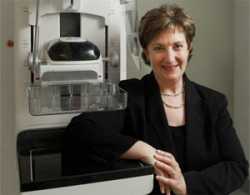 Dr. Elizabeth Rafferty[/caption]
Elizabeth A. Rafferty, MD
Department of Radiology,
Massachusetts General Hospital, Boston
Now with L&M Radiology, West Acton,
Massachusetts
MedicalResearch.com: What is the background for this study? What are the main findings?
Dr. Rafferty: Breast tomosynthesis has been approved for mammographic screening in the United States for just over 5 years, and many single center studies have demonstrated its improved performance for screening outcomes over digital mammography alone. Our previously published multi-center analysis, (JAMA 2014;311(24), the largest study on this topic to date, demonstrated significantly improved cancer detection and reduced recall rates for women undergoing tomosynthesis compared with digital mammography alone. In the current issue of JAMA we evaluate the differential screening performance after implementation of breast tomosynthesis as a function of breast density.
While tomosynthesis continues to be increasingly available, questions remained about which women should be imaged with this technique. In particular, does this technology offer additional benefit for all women, or only for women with dense breasts. The size of the database compiled by the centers participating in this study allowed us to evaluate this important question.
The most critical finding of our study was that the use of tomosynthesis for breast cancer screening significantly improved invasive cancer detection rates while simultaneously significantly reducing recall rates both for women with dense and non-dense breast tissue. Having said that, the magnitude of the benefit was largest for women with heterogeneously dense breast tissue; for this population, tomosynthesis increased the detection of invasive cancers by 50% while simultaneously reducing the recall rate by 14%.
Dr. Elizabeth Rafferty[/caption]
Elizabeth A. Rafferty, MD
Department of Radiology,
Massachusetts General Hospital, Boston
Now with L&M Radiology, West Acton,
Massachusetts
MedicalResearch.com: What is the background for this study? What are the main findings?
Dr. Rafferty: Breast tomosynthesis has been approved for mammographic screening in the United States for just over 5 years, and many single center studies have demonstrated its improved performance for screening outcomes over digital mammography alone. Our previously published multi-center analysis, (JAMA 2014;311(24), the largest study on this topic to date, demonstrated significantly improved cancer detection and reduced recall rates for women undergoing tomosynthesis compared with digital mammography alone. In the current issue of JAMA we evaluate the differential screening performance after implementation of breast tomosynthesis as a function of breast density.
While tomosynthesis continues to be increasingly available, questions remained about which women should be imaged with this technique. In particular, does this technology offer additional benefit for all women, or only for women with dense breasts. The size of the database compiled by the centers participating in this study allowed us to evaluate this important question.
The most critical finding of our study was that the use of tomosynthesis for breast cancer screening significantly improved invasive cancer detection rates while simultaneously significantly reducing recall rates both for women with dense and non-dense breast tissue. Having said that, the magnitude of the benefit was largest for women with heterogeneously dense breast tissue; for this population, tomosynthesis increased the detection of invasive cancers by 50% while simultaneously reducing the recall rate by 14%.


 Dr. Reddy[/caption]
E. Premkumar Reddy, Ph.D.
Professor, Department of Oncological Sciences
and Department of Structural and Chemical Biology
Director, Experimental Cancer Therapeutics
Mount Sinai School of Medicine
New York, NY 10029
MedicalResearch.com: What is the background for this study? What are the main findings?
Dr. Reddy: It is now well established that cancer cells harbor mutations in their genome which are responsible for uncontrolled proliferation. Nearly 30 years ago, we as well as two other groups discovered that RAS genes are often mutated in human cancers. Later studies showed that nearly 25-30% of human cancers contain this mutation and these mutations can be caused by chemical carcinogens such as tobacco smoke. Since then there has been an intense effort to understand the biological functions of RAS and to develop drugs that block the activity of these mutant RAS genes. Although molecular oncologists have made significant headway in understanding these mutations and their impact on cellular signaling, little progress has been made towards developing drugs that systematically target the RAS oncogenes. This lack of progress has led many in the field to label RAS as “undruggable”. However, basic research conducted by scientists in this field has revealed that RAS proteins function as ON-OFF switches to signal cells to grow or not to grow because of their ability to bind to a large number of cellular proteins and transmit this signal to their binding partners. These findings also revealed that mutations in RAS genes leaves them in a permanent “ON” position which continues to transmit growth signals permanently. Since most efforts to develop drugs that bind to RAS proteins and reverse their activity failed, we took a different approach to block these signals. Since transmission of growth signals by RAS genes requires their interaction with cellular proteins, all of which contain a domain called “RAS-Binding Domain (RBD)” we created a drug named “Rigosertib” that binds to these RBDs and block their binding to RAS, thereby interrupting RAS signals. When Rigosertib was tested in animals, it could readily inhibit the growth of human tumors that contain RAS mutations. Our studies also show that Rigosertib is a very safe drug with minimal side-effects.
Dr. Reddy[/caption]
E. Premkumar Reddy, Ph.D.
Professor, Department of Oncological Sciences
and Department of Structural and Chemical Biology
Director, Experimental Cancer Therapeutics
Mount Sinai School of Medicine
New York, NY 10029
MedicalResearch.com: What is the background for this study? What are the main findings?
Dr. Reddy: It is now well established that cancer cells harbor mutations in their genome which are responsible for uncontrolled proliferation. Nearly 30 years ago, we as well as two other groups discovered that RAS genes are often mutated in human cancers. Later studies showed that nearly 25-30% of human cancers contain this mutation and these mutations can be caused by chemical carcinogens such as tobacco smoke. Since then there has been an intense effort to understand the biological functions of RAS and to develop drugs that block the activity of these mutant RAS genes. Although molecular oncologists have made significant headway in understanding these mutations and their impact on cellular signaling, little progress has been made towards developing drugs that systematically target the RAS oncogenes. This lack of progress has led many in the field to label RAS as “undruggable”. However, basic research conducted by scientists in this field has revealed that RAS proteins function as ON-OFF switches to signal cells to grow or not to grow because of their ability to bind to a large number of cellular proteins and transmit this signal to their binding partners. These findings also revealed that mutations in RAS genes leaves them in a permanent “ON” position which continues to transmit growth signals permanently. Since most efforts to develop drugs that bind to RAS proteins and reverse their activity failed, we took a different approach to block these signals. Since transmission of growth signals by RAS genes requires their interaction with cellular proteins, all of which contain a domain called “RAS-Binding Domain (RBD)” we created a drug named “Rigosertib” that binds to these RBDs and block their binding to RAS, thereby interrupting RAS signals. When Rigosertib was tested in animals, it could readily inhibit the growth of human tumors that contain RAS mutations. Our studies also show that Rigosertib is a very safe drug with minimal side-effects.
 Dr. Maurice Ohayon[/caption]
Maurice M. Ohayon, MD, DSc, PhD
Chief of the Division of Public Mental Health and Population Sciences
Director of the Stanford Sleep Epidemiology Research Centre (SSERC)
John-Arrillaga PI & Professor of Psychiatry and Behavioral Sciences
School of Medicine, Stanford University
Palo Alto, CA 94303
MedicalResearch.com: What is the background for this study? What are the main findings?
Dr. Ohayon: Artificial Lights at night are known to be powerful disruptors of the normal sleep/wake cycle. Light exposure at night acts on suppressing and delaying melatonin secretion and exciting the central nervous system.
In this study we focused on the effects of the outdoor lights at night, (such as street lights and lights, outdoor light fixtures and advertising boards) as measured at nighttime by satellite observations.
We analyzed the sleep habits of a representative sample of the American general population that had been interviewed with the artificial intelligence system Sleep-EVAL.
We found that individuals living in areas at high level of radiance, such as can be found in the downtowns of metropolitan areas, have a delayed bedtime, delayed wake up time and, overall, shorter sleep duration, than people living in areas with low nighttime radiance.
Dr. Maurice Ohayon[/caption]
Maurice M. Ohayon, MD, DSc, PhD
Chief of the Division of Public Mental Health and Population Sciences
Director of the Stanford Sleep Epidemiology Research Centre (SSERC)
John-Arrillaga PI & Professor of Psychiatry and Behavioral Sciences
School of Medicine, Stanford University
Palo Alto, CA 94303
MedicalResearch.com: What is the background for this study? What are the main findings?
Dr. Ohayon: Artificial Lights at night are known to be powerful disruptors of the normal sleep/wake cycle. Light exposure at night acts on suppressing and delaying melatonin secretion and exciting the central nervous system.
In this study we focused on the effects of the outdoor lights at night, (such as street lights and lights, outdoor light fixtures and advertising boards) as measured at nighttime by satellite observations.
We analyzed the sleep habits of a representative sample of the American general population that had been interviewed with the artificial intelligence system Sleep-EVAL.
We found that individuals living in areas at high level of radiance, such as can be found in the downtowns of metropolitan areas, have a delayed bedtime, delayed wake up time and, overall, shorter sleep duration, than people living in areas with low nighttime radiance.
 Dr. Haidong Zhu[/caption]
Haidong Zhu, MD, PhD
Associate Professor of Pediatrics
Georgia Prevention Institute
Medical College of Georgia
Augusta University
MedicalResearch.com: What is the background for this study? What are the main findings?
Dr. Zhu: Vitamin D plays an important role in a wide range of body functions beyond bone health. Vitamin D deficiency is associated with increased risk of cancer and cardiovascular disease. Vitamin D deficiency is common among darker skin individuals, particularly African-Americans, which could contribute to health disparity. We want to understand underlying molecular mechanism (i.e. global DNA methylation) for how vitamin D deficiency causes cancer, cardiovascular disease and impaired immune function. DNA methylation, a chemical modification to our genome, is one of the ways that our body adapts to the environment. Low rate of global DNA methylation is a common event in cancer, which may lead to disturbances in the genome, make the genome more vulnerable to environmental damage and increase disease risk.
Our study shows that majority of black teens are vitamin D deficient and have a lower rate of global DNA methylation than white teens. We further demonstrate that vitamin D3 supplementation for 16 weeks increases global DNA methylation in black teens and young adults. Our study provides an important piece of evidence that vitamin D plays a role in epigenetic regulation in humans, which could be an underlying mechanism for vitamin D-deficiency related disease risk and health disparity.
Dr. Haidong Zhu[/caption]
Haidong Zhu, MD, PhD
Associate Professor of Pediatrics
Georgia Prevention Institute
Medical College of Georgia
Augusta University
MedicalResearch.com: What is the background for this study? What are the main findings?
Dr. Zhu: Vitamin D plays an important role in a wide range of body functions beyond bone health. Vitamin D deficiency is associated with increased risk of cancer and cardiovascular disease. Vitamin D deficiency is common among darker skin individuals, particularly African-Americans, which could contribute to health disparity. We want to understand underlying molecular mechanism (i.e. global DNA methylation) for how vitamin D deficiency causes cancer, cardiovascular disease and impaired immune function. DNA methylation, a chemical modification to our genome, is one of the ways that our body adapts to the environment. Low rate of global DNA methylation is a common event in cancer, which may lead to disturbances in the genome, make the genome more vulnerable to environmental damage and increase disease risk.
Our study shows that majority of black teens are vitamin D deficient and have a lower rate of global DNA methylation than white teens. We further demonstrate that vitamin D3 supplementation for 16 weeks increases global DNA methylation in black teens and young adults. Our study provides an important piece of evidence that vitamin D plays a role in epigenetic regulation in humans, which could be an underlying mechanism for vitamin D-deficiency related disease risk and health disparity.
 Dr. Nelly Tan[/caption]
Dr. Nelly Tan MD
David Geffen School of Medicine
Department of Radiology
UCLA
MedicalResearch.com: What is the background for this study? What are the main findings?
Dr. Tan: Standard of care for prostate cancer diagnosis has been to perform ultrasound guided random (non-targeted) prostate biopsy (TRUS) which is neither sensitive or specific. The main limitation had been our inability to detect and localize prostate cancer through imaging.
Over the past 10 years, MRI has taken center stage for detection and localization of prostate cancer and has shown to improve prostate cancer diagnosis, risk stratification, and staging of the disease. Over the past few years, MRI guided biopsy techniques (in the form of Ultrasound-MRI (US-MRI) fusion and in-bore direct MRI guided biopsy) have been reported. We reported our performance of direct in-bore MRI guided biopsy at UCLA. Our study showed a prostate cancer diagnosis of 59% in all patients and 80% of patients with prostate cancer had clinically significant cancer.
Dr. Nelly Tan[/caption]
Dr. Nelly Tan MD
David Geffen School of Medicine
Department of Radiology
UCLA
MedicalResearch.com: What is the background for this study? What are the main findings?
Dr. Tan: Standard of care for prostate cancer diagnosis has been to perform ultrasound guided random (non-targeted) prostate biopsy (TRUS) which is neither sensitive or specific. The main limitation had been our inability to detect and localize prostate cancer through imaging.
Over the past 10 years, MRI has taken center stage for detection and localization of prostate cancer and has shown to improve prostate cancer diagnosis, risk stratification, and staging of the disease. Over the past few years, MRI guided biopsy techniques (in the form of Ultrasound-MRI (US-MRI) fusion and in-bore direct MRI guided biopsy) have been reported. We reported our performance of direct in-bore MRI guided biopsy at UCLA. Our study showed a prostate cancer diagnosis of 59% in all patients and 80% of patients with prostate cancer had clinically significant cancer.
 Dr. Rivera Hernandez[/caption]
Maricruz Rivera-Hernandez, PhD
Investigator
Department of Health Services, Policy & Practice
Center for Gerontology and Health Care Research
Brown University, Providence, RI
MedicalResearch.com: What is the background for this study? What are the main findings?
Dr. Rivera-Hernandez: Over three-quarters of Medicare-eligible residents in Puerto Rico enroll in Medicare Advantage plans, making them the primary source of health care coverage for the island’s seniors. Puerto Rican Medicare Advantage plans have a long history of receiving lower payments than Medicare Advantage plans located in the United States.
The study’s purpose was to compare the quality of care provided to Medicare Advantage enrollees in Puerto Rico with that delivered to Medicare Advantage enrollees in the 50 states and the District of Columbia.
We found significantly worse quality for Puerto Rican Medicare Advantage enrollees compared to their US counterparts for 15 of the 17 quality indicators. These indicators measured whether patients received the recommended treatment and achieved desired outcomes in diabetes care, cardiovascular disease, and cancer screening and whether they received any inappropriate medications in 2011.
Dr. Rivera Hernandez[/caption]
Maricruz Rivera-Hernandez, PhD
Investigator
Department of Health Services, Policy & Practice
Center for Gerontology and Health Care Research
Brown University, Providence, RI
MedicalResearch.com: What is the background for this study? What are the main findings?
Dr. Rivera-Hernandez: Over three-quarters of Medicare-eligible residents in Puerto Rico enroll in Medicare Advantage plans, making them the primary source of health care coverage for the island’s seniors. Puerto Rican Medicare Advantage plans have a long history of receiving lower payments than Medicare Advantage plans located in the United States.
The study’s purpose was to compare the quality of care provided to Medicare Advantage enrollees in Puerto Rico with that delivered to Medicare Advantage enrollees in the 50 states and the District of Columbia.
We found significantly worse quality for Puerto Rican Medicare Advantage enrollees compared to their US counterparts for 15 of the 17 quality indicators. These indicators measured whether patients received the recommended treatment and achieved desired outcomes in diabetes care, cardiovascular disease, and cancer screening and whether they received any inappropriate medications in 2011.
 Dr. Joan Luby[/caption]