01 Apr Almost No Increase is Childhood Cancers Among Children Conceived by IVF
There is not an increased risk of most childhood cancers among children conceived by IVF....
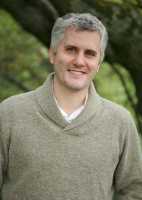
Dr. Lodha[/caption]
Abhay K Lodha MD, DM, MSc
Department of Pediatrics
Alberta Health Services
MedicalResearch.com: What is the background for this study?
Response: There is no physiological rationale for clamping the umbilical cord immediately after birth. In moderate (32+0 weeks-33+6 weeks) and late preterm infants (34+0 to 36+6), delayed cord clamping reduces the need for blood transfusions, leads to circulatory stability and improves blood pressure.
However, the information on the association of delayed cord clamping with outcomes for extremely low gestational age neonates (22-28 weeks of gestation) is limited.
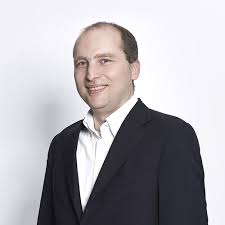
Dr. Seror[/caption]
Valerie Seror, PhD
French Institute of Health and Medical Research
Inserm
MedicalResearch.com: What is the background for this study?
Response: In the highly sensitive context of prenatal diagnosis where autonomous and informed decision-making is of crucial issue, the present study is a companion study to a prospective clinical trial [ClinicalTrials.gov Identifier: NCT02127515] aiming at comparing clinical benefits involved by invasive vs. non-invasive testing in women at high risk of Down syndrome following routine combined screening.
Our study (involving 2,436 consecutive high-risk pregnant women following combined screening for Down syndrome) confirmed that attitudes towards invasive testing are notably guided by risk aversion to invasive testing-related fetal loss whereas it showed that attitudes towards non-invasive testing are notably guided by aversion to the ambiguity generated by results restricted to the only targeted abnormalities.
Dr. Davies[/caption]
Terry Davies, MD, Professor
Medicine, Endocrinology, Diabetes and Bone Disease
Icahn School of Medicine at Mount Sinai
Co-Director, The Thyroid Center, Mount Sinai Union Square
MedicalResearch.com: What is the background for this study? What are the main findings?
Response: The receptor for thyroid stimulating hormone (TSH) is the major antigen for Graves' disease and patients have unique antibodies to the TSHR which stimulate excessive thyroid hormone secretion.
We have characterized a variant TSHR called v1.3 which is a splicing variant which we find expressed in thyroid, bone marrow, thymus and adipose tissue and incorporates an intronic sequence which is fully translated.
Dr. Dieli-Conwright[/caption]
Christina M. Dieli-Conwright, PhD, MPH, FACSM, CSCS
Assistant Professor of Research
Director, Integrative Center for Oncology Research in Exercise
Division of Biokinesiology & Physical Therapy, Ostrow School of Dentistry
Department of Medicine, Keck School of Medicine
University of Southern California
Los Angeles, CA 90033
MedicalResearch.com: What is the background for this study? What are the main findings?
Response: This study was designed to assess the effects of an aerobic and resistance exercise on metabolic dysregulation in sedentary, obese breast cancer survivors, however we further examined the effects on cardiovascular disease risk measured by the Framingham Risk Score, reported here.
Our findings indicated that exercise, indeed, reduces the risk of cardiovascular disease in this population.
Dr. Kim[/caption]
Arum Kim, MD
Assistant Professor
Medicine and Rehabilitation Medicine
NYU School of Medicine
Director of the Supportive Oncology Program
Perlmutter Cancer Center
MedicalResearch.com: What is the background for this study?
Response: There is increasing interest in medical marijuana and its applications for patients with cancers. Despite increasing access, little is known regarding doses of cannabinoids - specifically delta-8-tetrahydrocannabinol (delta-8-THC) and cannabidiol (CBD), methods of drug delivery, and differences in patterns of use between cancer and non-cancer patients.
Dr. Chua[/caption]
Isaac Chua MD
Instructor of Medicine at Harvard Medical School
Boston, Massachusetts
MedicalResearch.com: What is the background for this study?
Response: Opioids are routinely prescribed for cancer-related pain, but little is known about the prevalence of opioid-related hospitalizations for patients with cancer. Although opioid addiction among patients with cancer is estimated to be as high as 7.7%, our understanding of opioid misuse is based on small, preliminary studies.
In light of the wider opioid epidemic, oncologists and palliative care clinicians frequently balance providing patients with legitimate access to opioids while protecting them and the general public from the risks of prescribing these medications.
Dr. Palmer[/caption]
Julie R. Palmer, ScD
Professor, Boston University School of Medicine
Associate Director, Slone Epidemiology Center at Boston University
Boston, MA 02118
MedicalResearch.com: What is the background for this study? What are the main findings?
Response: Since 1995, 59,000 African American women from all regions of the U.S. have participated in a Boston University research study of the health of Black women. Study participants complete mailed or online questionnaires every two years.
Our major goal is to identify modifiable risk factors for cancers and nonmalignant conditions that disproportionately affect African Americans (e.g., pancreatic cancer, early-onset breast cancer, type 2 diabetes, uterine fibroids). The reasons for the higher incidence of pancreatic cancer in African Americans relative to non-Hispanic White women in the U.S. are unknown.
I was aware that several recent studies in predominantly White populations had observed a higher incidence of pancreatic cancer in those who had reported poor oral health and wondered whether the higher prevalence of poor oral health among African Americans could play a role in their higher incidence of pancreatic cancer. We had already asked about gum disease, periodontal disease, and adult tooth loss in several rounds of data collection.
After rigorous analysis, we found that women who reported any adult tooth loss had about two times the risk of future development of pancreatic cancer compared with those who had no tooth loss and had never reported periodontal disease.
The estimated risk was even greater for those who had lost five or more teeth. A similar association was observed for reports of periodontal disease, but the association was not statistically significant.
Dr. Madeleine Liljegren
Dr. Hammond[/caption]
H. Kirk Hammond, MD
Professor of Medicine at University of California
San Diego
Basic research scientist and cardiologist
San Diego Veterans' Affairs Healthcare System
Dr. Hammond is winner of the 2017 William S. Middleton Award – the highest research honor in the U.S. Department of Veterans Affairs
MedicalResearch.com: What is the background for this study? What are the main findings?
Response: Worldwide, 9% of adults have diabetes, predominantly due to insulin resistance, known as Type 2 diabetes. It is associated with obesity and diets high in fat and carbohydrates. In this gene transfer study we showed that a single injection of a vector encoding a natural hormone (urocortin 2, Ucn2) increased glucose disposal and improved heart function in a model of diet-induced Type 2 diabetes in mice.
Joanne B. Newbury, PhD
ESRC Postdoctoral Fellow
King’s College London
Social, Genetic & Developmental Psychiatry Centre
Institute of Psychiatry, Psychology & Neuroscience
London, United Kingdom
MedicalResearch.com: What is the background for this study?
Response: Urban living is one of the most well-established risk factors for adult psychotic disorders such as schizophrenia. However, less is known about the role of the urban environment in subclinical psychotic experiences in childhood and adolescence, such as hearing voices and extreme paranoia. These early psychotic experiences are a developmental risk factor for adult psychotic disorders and a range of other serious mental health problems such as depression and anxiety.
It is therefore important that we understand what factors might contribute to the development of early psychotic experiences so that we might be able to intervene and prevent their onset and progression.
In a cohort of over 2000 UK-born children (The Environmental Risk Longitudinal Twin Study), we have previously shown that subclinical psychotic experiences are also around twice as common among children and teenagers raised in urban versus rural settings. We have also shown that this appears to be partly explained by social features in urban neighbourhoods such as higher crime levels and lower levels of social cohesion.
However, no studies have examined the potential link between air pollution and psychotic experiences. This is despite air pollution being a major health problem worldwide (particularly in cities), and despite emerging evidence linking air pollution to the brain.

Liv Guro Engen Hanem[/caption]
Liv Guro Engen Hanem, PhD Candidate
Department of Clinical and Molecular Medicine
Norwegian University of Science and Technology
MedicalResearch.com: What is the background for this study?
Response: The antidiabetic drug metformin is increasingly used in pregnancy: to treat gestational diabetes and type 2 diabetes, and to prevent pregnancy complications related to polycystic ovary syndrome (PCOS) and obesity. Metformin passes the placenta, and the fetus is thus exposed to the drug. Although no teratogenicity has been reported, metformin might have long-term effects on offspring health.
This study is a follow-up of cardiometabolic risk factors of 141 5- to 10-year-old children born in the PregMet study. This study was a double-blind, randomized controlled trial (RCT) designed to test the hypothesis that metformin given throughout pregnancy reduces the prevalence of pregnancy complications that are associated with the common endocrine disorder PCOS. Pregnant women with PCOS were randomized to receive metformin or placebo throughout pregnancy.
Dr. Vinck[/caption]
Patrick Vinck, PhD
Research Director, Harvard Humanitarian Initiative
Assistant Professor, Global Health and Population
T.H. Chan Harvard School of Public Health; Emergency Medicine
Harvard Medical School
Lead Investigator, Brigham & Women's Hospital
MedicalResearch.com: What is the background for this study? What are the main findings?
Response: The second worst epidemic of Ebola on record is currently unfolding in the eastern part of the Democratic Republic of the Congo. Whether or not safe practices are implemented to prevent the spread of the epidemic is influenced by the behavior of individuals at-risk of contracting the Ebola Virus Disease (EVD) -
Will they follow the recommendations of health professionals? Will they report suspected cases and deaths? Will they seek treatment from health professionals? Will they accept vaccines and adopt preventive behaviors?
We find that belief in misinformation about Ebola is widespread and trust in authorities is generally low, likely as a result of decades of violence and poor governance and, more recently, the politicization of the Ebola response.
Our analysis shows that trust and (mis-)information influence adherence to risk avoidance behavior and acceptance of vaccination.
Jeremy Fine[/caption]
Jeremy Fine
B.A. in Philosophy, Neuroscience, and Psychology
Washington University in St. Louis, Class of 201
MedicalResearch.com: What is the background for this study? What are the main findings?
Response: Alongside increasingly permissive marijuana use attitudes and laws, the prevalence of marijuana use among pregnant mothers has increased substantially (by 75% between 2002 and 2016), with some evidence that pregnant women may be using cannabis to combat pregnancy-related nausea.
Our data came from the Adolescent Brain Cognitive Development (ABCD) Study, which included over 4,000 subjects with data on maternal marijuana use during pregnancy.
Our main finding was that the children of mothers who used marijuana after learning they were pregnant had a small but significant increase in risk for psychosis in their future.
Dr. Howard[/caption]
Jeffrey Howard, PhD
Assistant Professor
Department of Kinesiology, Health and Nutrition
University of Texas at San Antonio
San Antonio, TX 78249
MedicalResearch.com: What is the background for this study?
Response: There is a saying that “the only winner in war is medicine”, which is the first sentence in the article. The point of that quote is that many medical advances over the last 500 years or more have been learned or propagated as a result of war.
With that as the backdrop, the purpose of our study was to provide a more comprehensive assessment of the trauma system than previous work. We accomplished this by compiling the most complete data to-date on the conflicts, using data from both Afghanistan and Iraq, and analyzing multiple interventions/policy changes simultaneously rather than in isolation. Previous work had focused primarily on single interventions and within more narrow timeframes. We wanted to expand the scope to include multiple interventions and encompass the entirety of the conflicts through the end of 2017.
Dr. Mehta[/caption]
Rita Mehta, MD, HS Clinical Professor,
Chao Family Comprehensive Cancer Center
University of California School of Medicine, Irvine
MedicalResearch.com: What is the background for this study? What are the main findings?
Response: Most patients with HR-positive breast cancer become resistant to hormonal therapies like aromatase inhibitor-anastrozole over time, and downregulating estrogen receptor was identified as a mechanism for overcoming or delaying resistance to hormonal therapy in advanced HR-positive breast cancer. The prospective, randomized phase III S0226 trial, first reported by us in NEJM 2012, showed that the selective estrogen receptor degrader fulvestrant in combination with anastrozole significantly improved progression-free survival in 707 women with HR-positive metastatic breast cancer in first-line setting.
Treatment with the selective estrogen receptor degrader (SERD) fulvestrant achieved a clinically significant and meaningful improvement in overall survival in patients with hormone receptor (HR)-positive advanced breast cancer in first-line therapy, according to the final analysis of overall survival results from the S0226 study reported by us (Mehta et al. NEJM 2019)
Dr. Landoni[/caption]
Dr. Giovanni Landoni
Intensive Care and Anesthesia Unit
Associate professor
Università Vita-Salute San Raffaele
MedicalResearch.com: What is the background for this study?
Response: Patients undergoing cardiac surgery are still at risk for perioperative complications. Studies to improve clinical outcomes this setting are important. Inhaled anesthetics have pharmacological properties which reduce myocardial infarction size by 50% in laboratory and animal studies and which might decrease postoperative mortality according to aggregated published randomized data.
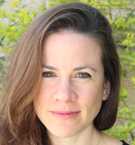
Dr. Kerem[/caption]
Liya Kerem, MD
Fellow, Pediatric Endocrine Unit
Massachusetts General Hospital for Children
Harvard Medical School
MedicalResearch.com: What is the background for this study?
Response: The hypothalamic neurohormone Oxytocin (OXT), shown to decrease food intake in animals and humans, is a promising novel treatment for obesity. We previously showed that in men with overweight/obesity, intranasal (IN)OXT reduced the fMRI activation in the ventral tegmental area (VTA), the origin of the mesolimbic dopaminergic reward system, in response to high-calorie food vs non-food visual stimuli.
Here, we employed fMRI functional connectivity analysis, which better characterizes the exchange in information between neural systems in a context-dependent manner. We hypothesized that Oxytocin would reduce the functional connectivity of the VTA with food motivation brain areas in response to high-calorie foods.
Dr. Kassotis[/caption]
Christopher D. Kassotis, Ph.D.
NRSA Postdoctoral Research Scholar
Stapleton Lab
Duke University
Nicholas School of the Environment
Durham, NC 27708
MedicalResearch.com: What is the background for this study? What are the main findings?
Dr. Kim[/caption]
Seoyoung C. Kim, MD, ScD, MSCE
Director, Program in Rheumatologic, Immunologic, and Musculoskeletal PharmacoEpidemiology
Associate Professor of Medicine
Division of Pharmacoepidemiology & Pharmacoeconomics
Division of Rheumatology, Immunology and Allergy
Brigham and Women's Hospital
Harvard Medical School
MedicalResearch.com: What is the background for this study?
Response: Given a high cardiovascular (CV) risk among patients with psoriasis and psoriatic arthritis, it is important to have more information with regard to potential effect of different treatment agents on CV risk.
As the number of treatment options for psoriasis and psoriatic arthritis has been rising over the few decades, it is even more crucial to have high-quality evidence on comparative safety of different treatment options so physicians and patients can choose an agent based on the benefit-risk profile of each drug they are considering.
Sonja Kytomaa[/caption]
Sonja Kytomaa MA
Research Associate
Brigham and Women’s Hospital
[caption id="attachment_48143" align="alignleft" width="126"]
Dr. Scott Solomon[/caption]
Scott D. Solomon, MD
The Edward D. Frohlich Distinguished Chair
Professor of Medicine
Harvard Medical School
Senior Physician
Brigham and Women’s Hospital
International Associate Editor, European Heart Journal
MedicalResearch.com: What is the background for this study? What are the main findings?
Response: Influenza is associated with an increased risk of cardiovascular events, yet few studies have explored the temporal association between influenza activity and hospitalizations, especially due to heart failure (HF).
Our aim with this study was to explore the temporal association between influenza activity and hospitalizations for HF and myocardial infarction (MI) in the general population. We related the number of MI and HF hospitalizations by month, which were sampled from 4 US communities and adjudicated in the surveillance component of the Atherosclerosis Risk in Communities (ARIC) study, to monthly influenza-like illness activity, as reported by the Centers for Disease Control and Prevention. We found that a 5% increase in influenza activity was associated with a 24% increase in HF hospitalizations rates, while overall influenza was not significantly associated with MI hospitalizations. Influenza activity in the months before hospitalization was not associated with either outcome.
Dr. Mafi[/caption]
John N. Mafi, MD, MPH
Division of General Internal Medicine and Health Services Research
Department of Medicine
David Geffen School of Medicine at UCLA
RAND Health, RAND Corporation
MedicalResearch.com: What is the background for this study? What types of services are low-value in this setting?
Response: For decades we have known that offering routine preoperative testing for patients undergoing cataract surgery provides limited value, yet low-value preoperative testing persists at very high rates, even at Los Angeles County Department of Health Services, one of the largest safety net health systems in the United States.
Dr. Norman[/caption]
Mikael Norman, MD, PhD, Professor
Karolinska Institutet & Karolinska University Hospital
Stockholm, Sweden
MedicalResearch.com: What is the background for this study?
Response: So far, preterm birth has been difficult to predict and prevent. In particular, extremely preterm birth has continued to be an issue in terms of optimal care before and after birth, costs and long term health outcomes. Therefore, studies on how the management and outcome varies over time in these patients are important.
Dr. Gelijns[/caption]
Annetine C. Gelijns, PhD
Professor and System Chair
Population Health Science and Policy
Icahn School of Medicine at Mount Sinai
[caption id="attachment_48148" align="alignleft" width="114"]
Dr. Moskowitz[/caption]
Alan J Moskowitz, MD
Professor of Population Health Science and Policy
Icahn School of Medicine at Mount Sinai
MedicalResearch.com: What is the background for this study? Where do these mesenchymal cells come from?
Response: Implantable LVADs significantly improve the survival and quality of life of advanced heart failure patients. However, these devices are associated with substantial adverse events, including infection and thromboembolic events. Moreover, whereas these devices improve myocardial function, few patients recover sufficient function to be explanted from their LVAD. These observations have focused attention on stem cells as a possible adjunctive therapy to further augment cardiac recovery.
Mesenchymal precursor cells (MPCs), which are obtained from healthy donors and culture-expanded, have been shown in animal and early human studies to improve cardiac function. Using temporary weaning as a signal of cardiac recovery, we conducted an exploratory trial in the Cardiothoracic Surgical Trials Network (CTSN), which found that MPCs increased the probability of temporary weaning from full LVAD support compared to sham-control patients. Therefore, this signal of efficacy led the CTSN to design our current follow-up trial evaluating the efficacy and safety of a higher dose of MPCs in LVAD patients.
Beth Hoffman[/caption]
Beth Hoffman, B.Sc., graduate student
University of Pittsburgh Graduate School of Public Health
Research Assistant,
University of Pittsburgh Center for Research on Media, Technology and Health
MedicalResearch.com: What is the background for this study? What are the main findings?
Response: Vaccine refusal is a public health crisis - low vaccination rates are leading to outbreaks of deadly vaccine-preventable diseases. In 2017, Kids Plus Pediatrics, a Pittsburgh-based pediatric practice, posted a video on its Facebook pagef eaturing its practitioners encouraging HPV vaccination to prevent cancer. Nearly a month after the video posted, it caught the attention of multiple anti-vaccination groups and, in an eight-day period, garnered thousands of anti-vaccination comments.
Our team analyzed the profiles of a randomly selected sample of 197 commenters in the hopes that this crisis may be stemmed if we can better understand and communicate with vaccine-hesitant parents.
We determined that, although Kids Plus Pediatrics is an independent practice caring for patients in the Pittsburgh region, the commenters in the sample were spread across 36 states and eight countries.
By delving into the messages that each commenter had publicly posted in the previous two years, we also found that they clustered into four distinct subgroups:
Dr. Wall[/caption]
Dennis P. Wall, PhD
Associate Professor
Departments of Pediatrics, Psychiatry (by courtesy) and Biomedical Data Science
Stanford University
MedicalResearch.com: What did we already know about the potential for apps and wearables to help kids with autism improve their social skills, and how do the current study findings add to our understanding? What’s new/surprising here and why does it matter for children and families?
Response: We have clinically tested apps/AI for diagnosis (e.g. https://journals.plos.org/plosmedicine/article?id=10.1371/journal.pmed.1002705) in a number of studies.
This RCT is a third phase of a phased approach to establish feasibility and engagement through in-lab and at-home codesign with families with children with autism. This stepwise process is quite important to bring a wearable form of therapy running AI into the homes in a way that is clinically effective.
What’s new here, aside from being a first in the field, is the rigorous statistical approach we take with an intent-to-treat style of analysis. This approach ensures that the effect of the changes are adjusted to ensure that any significance observed is due to the treatment. Thus, with this, it is surprising and encouraging to see an effect on the VABS socialization sub-scale. This supports the hypothesis that the intervention has a true treatment effect and increases the social acuity of the child.
With it being a home format for intervention that can operate with or without a clinical practitioner, it increases options and can help bridge gaps in access to care, such as when on waiting lists or if the care process is inconsistent.
Dr. Bell[/caption]
Edward Bell, MD
Vice Chair for Faculty Development
Department of Pediatrics
Professor of Pediatrics - Neonatology
Carver College of Medicine
University of Iowa Health Care
MedicalResearch.com: What is the background for this study?
Response: The study is an analysis of what happened to the 205 babies with birth weigh below 400 grams and gestational age of 22 through 26 weeks who were born between 2008 and 2016 at 21 academic medical centers that are members of the National Institute of Child Health and Human Development Neonatal Research Network. The Network exists to collaborate in finding ways to improve the survival and health of premature and other critically-ill newborn infants. 400 grams is very small. By comparison, 1 pound is 454 grams.
Dr. Safer[/caption]
Joshua Safer, MD, Executive Director
Center for Transgender Medicine and Surgery
Mount Sinai Health System
Senior Faculty, Medicine, Endocrinology, Diabetes and Bone Disease
Icahn School of Medicine at Mount Sinai
MedicalResearch.com: What is the background for this study? What are the main findings?
Response: The standard trans feminizing hormone regimen includes estrogen both to suppress testosterone and so that the individual has sufficient circulating sex hormone in the body for good bone health. After orchiectomy, there is no need to suppress testosterone because the levels are very low and it is common to cut the estrogen dose in half. Cis women with premature ovarian failure often take about 2 mg of estradiol daily so that dose has seemed reasonable for trans women without testes. However, when my co-author Sira Korpaisarn and I checked estradiol levels and gonadotropins (pituitary hormones, LH and FSH) as a guide to dosing, we found that based on that testing, trans women may require higher doses of estrogens than the 2 mg that we expected.
Luise Mølenberg Begtrup[/caption]
Luise Mølenberg Begtrup
Department of Occupational and Environmental Medicine, Bispebjerg Hospital, Copenhagen
MedicalResearch.com: What is the background for this study? What are the main findings?
Response: There are indications that working fixed night shifts is associated with a higher risk of miscarriage.
Since many women work rotating shifts including night shifts, we were interested in examining the association between the amount of night work and miscarriage. We were able to do this by use of detailed exposure data based on payroll data.