
Mental Health Research
13 Apr Eating Disorders Raise Risk of Being Bullied
Posted at 18:27h
in Author Interviews, Depression, Eating Disorders, JAMA, Mental Health Research, Pediatrics
MedicalResearch.com Interview with:
[caption id="attachment_41117" align="alignleft" width="174"] Dr. Vaillancourt[/caption]
Tracy Vaillancourt, Ph.D.
Full Professor and Canada Research Chair
Children’s Mental Health and Violence Prevention
Counselling Psychology, Faculty of Education
School of Psychology, Faculty of Social Sciences
University of Ottawa
MedicalResearch.com: What is the background for this study?
Response: Although there have been a few studies that have looked at the relation between being bullied and disordered eating, most studies have looked at it from the perspective of does being bullied lead to disordered eating and does depressive symptoms mediate (i.e., explain) the link. We wanted to look more closely at how bullying, disordered eating, and depression were related over time among teenagers by examining all possible pathways.
Another novel aspect of our study was the focus on disordered eating behaviour only (e.g., vomiting, using diet pills, binge eating). Most previous work has examined behaviour and thoughts together, but because disordered eating thoughts are so common (termed normative discontent; e.g., fear of fat, dissatisfaction with body shape or size), particularly among girls and women, we wanted to focus on behaviour, which is more problematic in terms of physical and psychiatric health.
Dr. Vaillancourt[/caption]
Tracy Vaillancourt, Ph.D.
Full Professor and Canada Research Chair
Children’s Mental Health and Violence Prevention
Counselling Psychology, Faculty of Education
School of Psychology, Faculty of Social Sciences
University of Ottawa
MedicalResearch.com: What is the background for this study?
Response: Although there have been a few studies that have looked at the relation between being bullied and disordered eating, most studies have looked at it from the perspective of does being bullied lead to disordered eating and does depressive symptoms mediate (i.e., explain) the link. We wanted to look more closely at how bullying, disordered eating, and depression were related over time among teenagers by examining all possible pathways.
Another novel aspect of our study was the focus on disordered eating behaviour only (e.g., vomiting, using diet pills, binge eating). Most previous work has examined behaviour and thoughts together, but because disordered eating thoughts are so common (termed normative discontent; e.g., fear of fat, dissatisfaction with body shape or size), particularly among girls and women, we wanted to focus on behaviour, which is more problematic in terms of physical and psychiatric health.
12 Apr Women With PCOS Should Be Screened for Mental Health Issues
MedicalResearch.com Interview with: Aled Rees, MD, PhD Neuroscience and Mental Health Research Institute Cardiff University School of Medicine, Health Park Cardiff United Kingdom MedicalResearch.com: What is the background for this study? Response: PCOS is a common condition, affecting 5-10% of women globally, in which elevated male hormone levels can cause a range of distressing and life-limiting symptoms, including reduced fertility, irregular periods, excessive facial and body hair, and acne. Previous studies have suggested a link between PCOS and poor mental health in women but the studies were small and did not adequately take other factors that can affect mental health into consideration. In addition, high levels of testosterone during pregnancy have been reported to increase the risk of neurodevelopmental disorders, such as ADHD and autism, in children.12 Apr Link Between Epilepsy Drugs and Increased Risk of Dementia
MedicalResearch.com Interview with: Britta Haenisch, PhD Pharmacoepidemiology in Neurodegenerative Disorders German Center for Neurodegenerative Diseases, DZNE MedicalResearch.com: What is the background for this study? What are the main findings? Response: Antiepileptic drugs (AEDs) have been shown to affect cognition by suppressing neuronal excitability and increasing inhibitory neurotransmission. Previous studies suggested that AEDs may be associated with cognitive adverse effects. Therefore, we evaluated the association between AED use and incident dementia and Alzheimer’s disease (AD). We utilized large longitudinal datasets from Finnish health registers and from German health insurance data. The case-control analyses was adjusted for several potential confounders like comorbidities and polypharmacy. The inclusion of a lag time between . Antiepileptic drugs use and dementia diagnosis allowed minimization of protopathic bias. Our study provides an association between regular prescription of antiepileptic drugs with known cognitive adverse effects and the occurrence of dementia and AD in patients aged 65 years and older.11 Apr Prenatal Exposure to SSRIs May Be Linked to Changes in Infant Brain Development
MedicalResearch.com Interview with: [caption id="attachment_41081" align="alignleft" width="133"] Dr. Jiook Cha[/caption]
Jiook Cha, PhD
Assistant Professor
Division of Child and Adolescent Psychiatry
Columbia University Medical Center
New York, NY 10032
MedicalResearch.com: What did we already know about the connection between maternal SSRI use during pregnancy and infant brain development, and how do the current study findings add to our understanding? What’s new/surprising here and why does it matter for mothers and babies?
Response: Prior studies have shown mixed results in terms of the associations between maternal SRI use during pregnancy and offspring’s brain and cognitive development. Neurobiological studies with animal models suggest that SSRI use perturbs serotonin signaling and that this has important effects on cognitive development (a study conducted an author of this paper, Jay Gingrich, MD, PhD: Ansorge et al., 2004, Science). The human literature has been more mixed in terms of the associations of prenatal exposure to SSRI with brain and cognitive development.
In our study, we used neonatal brain imaging because this is a direct, non-invasive method to test associations between SSRI use and brain development at an early developmental stage, limiting the effects of the post-natal environment. In our study, we had two different control groups, that is, a non-depressed SSRI-free group (healthy controls), and depressed but SSRI-free (SSRI controls) group. Also, in our study we used rigorous imaging analytics that significantly improve the quantitative nature of MR-derived signals from the brain structure using two of the nation’s fastest supercomputers (Argonne National Laboratory and Texas Advanced Computing Center) and allows robust reconstruction of brain’s grey and white matter structure in the infants’ brains.
We report a significant association of prenatal exposure to SSRI with a volume increases within many brain areas, including the amygdala and insula cortex, and an increase in white matter connection strength between the amygdala and insular cortex. We were surprised by the magnitude of the effects (or the statistical effect size), compared with other brain imaging studies in psychiatry with children or adults’ brains. Importantly, it should be noted that our estimates of brain structure are still experimental and for research-purpose only. This means that our data need to be replicated and rigorously tested against confounders in order to make a firm conclusion. While our study suggests a “potential” association between prenatal exposure to SSRI and a change in fetal or infant brain development, we still need more research.
Dr. Jiook Cha[/caption]
Jiook Cha, PhD
Assistant Professor
Division of Child and Adolescent Psychiatry
Columbia University Medical Center
New York, NY 10032
MedicalResearch.com: What did we already know about the connection between maternal SSRI use during pregnancy and infant brain development, and how do the current study findings add to our understanding? What’s new/surprising here and why does it matter for mothers and babies?
Response: Prior studies have shown mixed results in terms of the associations between maternal SRI use during pregnancy and offspring’s brain and cognitive development. Neurobiological studies with animal models suggest that SSRI use perturbs serotonin signaling and that this has important effects on cognitive development (a study conducted an author of this paper, Jay Gingrich, MD, PhD: Ansorge et al., 2004, Science). The human literature has been more mixed in terms of the associations of prenatal exposure to SSRI with brain and cognitive development.
In our study, we used neonatal brain imaging because this is a direct, non-invasive method to test associations between SSRI use and brain development at an early developmental stage, limiting the effects of the post-natal environment. In our study, we had two different control groups, that is, a non-depressed SSRI-free group (healthy controls), and depressed but SSRI-free (SSRI controls) group. Also, in our study we used rigorous imaging analytics that significantly improve the quantitative nature of MR-derived signals from the brain structure using two of the nation’s fastest supercomputers (Argonne National Laboratory and Texas Advanced Computing Center) and allows robust reconstruction of brain’s grey and white matter structure in the infants’ brains.
We report a significant association of prenatal exposure to SSRI with a volume increases within many brain areas, including the amygdala and insula cortex, and an increase in white matter connection strength between the amygdala and insular cortex. We were surprised by the magnitude of the effects (or the statistical effect size), compared with other brain imaging studies in psychiatry with children or adults’ brains. Importantly, it should be noted that our estimates of brain structure are still experimental and for research-purpose only. This means that our data need to be replicated and rigorously tested against confounders in order to make a firm conclusion. While our study suggests a “potential” association between prenatal exposure to SSRI and a change in fetal or infant brain development, we still need more research.
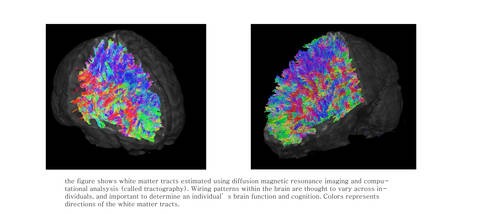
09 Apr Prenatal SSRI Exposure Linked to Altered Infant Brain Development
MedicalResearch.com Interview with: [caption id="attachment_41072" align="alignleft" width="200"] Dr. Lugo-Candelas[/caption]
Claudia I. Lugo-Candelas, PhD
Postdoctoral Research Fellow
Columbia University Medical Center/ New York State Psychiatric Institute
MedicalResearch.com: What is the background for this study? What are the main findings?
Response: We have seen, in the last decade, an increase in the amount of mothers being prescribed SSRIs during pregnancy. While we know that untreated prenatal maternal depression has adverse consequences for both the mother and child, it’s not really clear what, if any, are the consequences of prenatal SSRI exposure on infant’s brain development. There have been some studies finding increased depression and anxiety in children prenatally exposed to SSRIs, but not all studies find these associations.
We thus looked at 2-4 week old infants’ brains, using neuroimaging. We found increased gray matter volume within the amygdala and insula, and increased white matter connectivity between these two structures in infants prenatally exposed to SSRIs. Of note, the statistical significance and the size of the effects we detected are quite large, even greater than the brain changes that we usually observe in our studies of children and adults with psychiatric disorders. Further, because these structures are involved in emotion processing, and alterations in volume and connectivity are sometimes seen in clinical populations, or in people at risk for anxiety, it important to learn more about what these volume and connectivity differences could mean for these infants.
Dr. Lugo-Candelas[/caption]
Claudia I. Lugo-Candelas, PhD
Postdoctoral Research Fellow
Columbia University Medical Center/ New York State Psychiatric Institute
MedicalResearch.com: What is the background for this study? What are the main findings?
Response: We have seen, in the last decade, an increase in the amount of mothers being prescribed SSRIs during pregnancy. While we know that untreated prenatal maternal depression has adverse consequences for both the mother and child, it’s not really clear what, if any, are the consequences of prenatal SSRI exposure on infant’s brain development. There have been some studies finding increased depression and anxiety in children prenatally exposed to SSRIs, but not all studies find these associations.
We thus looked at 2-4 week old infants’ brains, using neuroimaging. We found increased gray matter volume within the amygdala and insula, and increased white matter connectivity between these two structures in infants prenatally exposed to SSRIs. Of note, the statistical significance and the size of the effects we detected are quite large, even greater than the brain changes that we usually observe in our studies of children and adults with psychiatric disorders. Further, because these structures are involved in emotion processing, and alterations in volume and connectivity are sometimes seen in clinical populations, or in people at risk for anxiety, it important to learn more about what these volume and connectivity differences could mean for these infants.
09 Apr Genetic Overlap Between Some Types of ALS and and Dementia
MedicalResearch.com Interview with: [caption id="attachment_41048" align="alignleft" width="137"] Dr. Karch[/caption]
Celeste Karch, PhD
Assistant Professor of Psychiatry
Molecular mechanisms underlying tauopathies
Washington University School of Medicine
St Louis
MedicalResearch.com: What is the background for this study? What are the main findings?
Response: Nearly half of all patients with amyotrophic lateral sclerosis (ALS), a fatal neuromuscular disorder, develop cognitive problems that affect memory and thinking. Why a disease that primarily affects movement also disrupts thinking has been unclear.
Our findings suggest that genetic connections between the two disorders may explain why they share some of the same features and suggest that some drugs developed to treat ALS also may work against frontotemporal dementia and vice versa. We used a statistical method in almost 125,000 individuals with ALS, frontotemporal dementia (FTD), progressive supranuclear palsy, corticobasal degeneration, Alzheimer’s disease and Parkinson’s disease to determine whether there are common genetic variants that increase risk for multiple neurodegenerative diseases.
We found that common variants near the MAPT gene, which makes the tau protein, increases risk for ALS. MAPT has previously had been associated with diseases including frontotemporal dementia and Alzheimer’s disease. But the gene hadn’t been linked to ALS. We also identified variations in a second gene, BNIP1, which normally plays an important role in protecting against cell death, increased the risk of both ALS and frontotemporal dementia. ImportantlyBNIP1 mRNA levels were altered in people who had ALS and in patients with frontotemporal dementia, suggesting the BNIP1 may be a potential therapeutic target for both disorders.
Dr. Karch[/caption]
Celeste Karch, PhD
Assistant Professor of Psychiatry
Molecular mechanisms underlying tauopathies
Washington University School of Medicine
St Louis
MedicalResearch.com: What is the background for this study? What are the main findings?
Response: Nearly half of all patients with amyotrophic lateral sclerosis (ALS), a fatal neuromuscular disorder, develop cognitive problems that affect memory and thinking. Why a disease that primarily affects movement also disrupts thinking has been unclear.
Our findings suggest that genetic connections between the two disorders may explain why they share some of the same features and suggest that some drugs developed to treat ALS also may work against frontotemporal dementia and vice versa. We used a statistical method in almost 125,000 individuals with ALS, frontotemporal dementia (FTD), progressive supranuclear palsy, corticobasal degeneration, Alzheimer’s disease and Parkinson’s disease to determine whether there are common genetic variants that increase risk for multiple neurodegenerative diseases.
We found that common variants near the MAPT gene, which makes the tau protein, increases risk for ALS. MAPT has previously had been associated with diseases including frontotemporal dementia and Alzheimer’s disease. But the gene hadn’t been linked to ALS. We also identified variations in a second gene, BNIP1, which normally plays an important role in protecting against cell death, increased the risk of both ALS and frontotemporal dementia. ImportantlyBNIP1 mRNA levels were altered in people who had ALS and in patients with frontotemporal dementia, suggesting the BNIP1 may be a potential therapeutic target for both disorders.
07 Apr When Cousins Marry Mental Health Issues Increase
MedicalResearch.com Interview with: [caption id="attachment_40941" align="alignleft" width="200"] Dr Aideen Maguire[/caption]
Dr. Aideen Maguire
Centre of Excellence for Public Health
Queen's University Belfast
Institute of Clinical Sciences B
Royal Hospitals Site, Belfast
MedicalResearch.com: What is the background for this study?
Response: Consanguineous Marriage is the marriage between second or first cousins. Although not common practice in the Western world approximately 1 in 10 children worldwide are born to consanguineous parents. It is legal in all countries worldwide except the United States of America, North Korea and China. Cousin-marriage is associated with an increased risk of autosomal recessive genetic disorders in offspring but the association between cousin-marriage and the mental health of offspring has not been extensively studied.
MedicalResearch.com: What are the main findings?
Response: Children of consanguineous parents are over 3 times more likley to be in receipt of medications for common mood disorders (antidepressant and/or anxioltyic medication) compared to children of non-related parents and over twice as likley to be in receipt of antipsychotic medication compared to children of non-related parents.
Dr Aideen Maguire[/caption]
Dr. Aideen Maguire
Centre of Excellence for Public Health
Queen's University Belfast
Institute of Clinical Sciences B
Royal Hospitals Site, Belfast
MedicalResearch.com: What is the background for this study?
Response: Consanguineous Marriage is the marriage between second or first cousins. Although not common practice in the Western world approximately 1 in 10 children worldwide are born to consanguineous parents. It is legal in all countries worldwide except the United States of America, North Korea and China. Cousin-marriage is associated with an increased risk of autosomal recessive genetic disorders in offspring but the association between cousin-marriage and the mental health of offspring has not been extensively studied.
MedicalResearch.com: What are the main findings?
Response: Children of consanguineous parents are over 3 times more likley to be in receipt of medications for common mood disorders (antidepressant and/or anxioltyic medication) compared to children of non-related parents and over twice as likley to be in receipt of antipsychotic medication compared to children of non-related parents.
05 Apr Phase 3 Trial of Cariprazine (Vraylar) Shows Promise in Bipolar Depression
Posted at 16:27h
in Allergan, Author Interviews, Bipolar Disorder, Depression, Mental Health Research
MedicalResearch.com Interview with:
[caption id="attachment_41025" align="alignleft" width="133"] Dr. C. David Nicholson[/caption]
Dr. C. David Nicholson, PhD
Chief R&D Officer
Allergan
MedicalResearch.com: What is the background for this data milestone?
Response: Bipolar I depression refers to the depressive episodes of bipolar I disorder, the overarching brain and behavioral disorder. People with bipolar I disorder can have manic and depressive episodes, as well as mixed episodes that feature both manic and depressive symptoms at the same time. Bipolar I depression typically lasts at least two weeks, and can be difficult to differentiate from major depression during diagnosis.
Once diagnosed, treating bipolar depression can be difficult given the few therapies available to manage these symptoms of bipolar I disorder. Additionally, patients with bipolar disorder may experience shifts from depression to mania or mania to depression as well as mixed states. More treatment options are needed so that physicians can find a therapy that will treat bipolar depression effectively, while also addressing the myriad of other symptoms that patients can experience.
Cariprazine is already approved for the treatment of mania and mixed episodes. With this new data, we have the potential to also treat bipolar depression, effectively addressing the full spectrum of symptoms associated with bipolar I disorder with just one medication.
Dr. C. David Nicholson[/caption]
Dr. C. David Nicholson, PhD
Chief R&D Officer
Allergan
MedicalResearch.com: What is the background for this data milestone?
Response: Bipolar I depression refers to the depressive episodes of bipolar I disorder, the overarching brain and behavioral disorder. People with bipolar I disorder can have manic and depressive episodes, as well as mixed episodes that feature both manic and depressive symptoms at the same time. Bipolar I depression typically lasts at least two weeks, and can be difficult to differentiate from major depression during diagnosis.
Once diagnosed, treating bipolar depression can be difficult given the few therapies available to manage these symptoms of bipolar I disorder. Additionally, patients with bipolar disorder may experience shifts from depression to mania or mania to depression as well as mixed states. More treatment options are needed so that physicians can find a therapy that will treat bipolar depression effectively, while also addressing the myriad of other symptoms that patients can experience.
Cariprazine is already approved for the treatment of mania and mixed episodes. With this new data, we have the potential to also treat bipolar depression, effectively addressing the full spectrum of symptoms associated with bipolar I disorder with just one medication.
04 Apr Head Injuries and Concussions Common in Theater Work and Performing Arts
MedicalResearch.com Interview with: [caption id="attachment_41019" align="alignleft" width="200"] Dr. Jeff Russell[/caption]
Jeffrey A. (Jeff) Russell, PhD, AT, FIADMS
Science and Health in Artistic Performance
Division of Athletic Training, School of Applied Health Sciences and Wellness
Ohio University
Athens, OH 45701
MedicalResearch.com: What is the background for this study? What are the main findings?
Response: Everyone knows that enormous attention is given to concussions in sports today. Those involved in performing arts experience many head impacts, too; yet, they receive neither the attention nor the specialized care for concussions that athletes do.
At Ohio University’s Clinic for Science and Health in Artistic Performance (SHAPe Clinic) that I direct, we were seeing a number of theater students suffer concussions. So, Brooke Daniell and I decided explore this trend more closely. This is the first known published research to evaluate the prevalence of head impacts in theater personnel. In the sample we studied, which comprised predominantly those involved in various aspects of theater production, the prevalence of receiving at least one head impact in a theater career was 67%. Of those who sustained at least one head impact from theater, 77% reported three or more head impacts, and 39% reported more than five impacts. More troubling, of those who said they had received a head impact that was accompanied by concussion-like symptoms, 70% indicated that they continued their work, and half of those did not report the incident to anyone.
Dr. Jeff Russell[/caption]
Jeffrey A. (Jeff) Russell, PhD, AT, FIADMS
Science and Health in Artistic Performance
Division of Athletic Training, School of Applied Health Sciences and Wellness
Ohio University
Athens, OH 45701
MedicalResearch.com: What is the background for this study? What are the main findings?
Response: Everyone knows that enormous attention is given to concussions in sports today. Those involved in performing arts experience many head impacts, too; yet, they receive neither the attention nor the specialized care for concussions that athletes do.
At Ohio University’s Clinic for Science and Health in Artistic Performance (SHAPe Clinic) that I direct, we were seeing a number of theater students suffer concussions. So, Brooke Daniell and I decided explore this trend more closely. This is the first known published research to evaluate the prevalence of head impacts in theater personnel. In the sample we studied, which comprised predominantly those involved in various aspects of theater production, the prevalence of receiving at least one head impact in a theater career was 67%. Of those who sustained at least one head impact from theater, 77% reported three or more head impacts, and 39% reported more than five impacts. More troubling, of those who said they had received a head impact that was accompanied by concussion-like symptoms, 70% indicated that they continued their work, and half of those did not report the incident to anyone.
29 Mar Schizophrenia: Medications Reduce Psychotic Symptoms But Don’t Improve Real-Life Funtioning
MedicalResearch.com Interview with: [caption id="attachment_40862" align="alignleft" width="178"] Dr. Galderisi[/caption]
Silvana Galderisi MD
President of the European Psychiatric Association
Professor of Psychiatry
University of Campania "Luigi Vanvitelli"
Italy
MedicalResearch.com: What is the background for this study?
Response: The goal of schizophrenia treatment has gradually shifted from reduction of symptoms and prevention of relapse to improvement of real-life functioning. In fact, these outcomes not always coincide and, in spite of progress in treatments reducing symptoms and preventing relapses, people with schizophrenia live 15-20 years less than the general population, are often unemployed, and show severe disabilities.
Enhanced understanding of factors associated with real-life functioning is instrumental to design effective integrated and personalized treatment plans for persons with schizophrenia.
To this aim, the Italian Network for Research on Psychoses, including 26 twenty-six Italian university psychiatric clinics and/or mental health departments, has focused on the identification of variables influencing real-life functioning, in particular on the interrelationships among illness-related variables, personal resources, context-related variables and real-life functioning. The number of variables and subjects included in the study was larger than in any other study on this topic, and for the first time the network analysis was used to model the interplay among cognitive, psychopathological and psychosocial variables in a large sample of community dwelling subjects with schizophrenia. The network analysis is a data-driven approach; it does not rely on an a priori model of relationships among variables, provides quantitative measures of variable centrality within the network, thus indicating which variables play a key role in the network, and which ones are instead more peripheral. In addition, by inspecting the network, it is possible to understand the extent to which variables belonging to the same construct are connected, and how different constructs are mutually interacting and reinforcing each other.
Dr. Galderisi[/caption]
Silvana Galderisi MD
President of the European Psychiatric Association
Professor of Psychiatry
University of Campania "Luigi Vanvitelli"
Italy
MedicalResearch.com: What is the background for this study?
Response: The goal of schizophrenia treatment has gradually shifted from reduction of symptoms and prevention of relapse to improvement of real-life functioning. In fact, these outcomes not always coincide and, in spite of progress in treatments reducing symptoms and preventing relapses, people with schizophrenia live 15-20 years less than the general population, are often unemployed, and show severe disabilities.
Enhanced understanding of factors associated with real-life functioning is instrumental to design effective integrated and personalized treatment plans for persons with schizophrenia.
To this aim, the Italian Network for Research on Psychoses, including 26 twenty-six Italian university psychiatric clinics and/or mental health departments, has focused on the identification of variables influencing real-life functioning, in particular on the interrelationships among illness-related variables, personal resources, context-related variables and real-life functioning. The number of variables and subjects included in the study was larger than in any other study on this topic, and for the first time the network analysis was used to model the interplay among cognitive, psychopathological and psychosocial variables in a large sample of community dwelling subjects with schizophrenia. The network analysis is a data-driven approach; it does not rely on an a priori model of relationships among variables, provides quantitative measures of variable centrality within the network, thus indicating which variables play a key role in the network, and which ones are instead more peripheral. In addition, by inspecting the network, it is possible to understand the extent to which variables belonging to the same construct are connected, and how different constructs are mutually interacting and reinforcing each other.
28 Mar Neural Prosthetic Improved Short Term Memory Coding and Recall
MedicalResearch.com Interview with: [caption id="attachment_40849" align="alignleft" width="117"] Dr. Hampson[/caption]
Robert E. Hampson, PhD
Professor, Physiology & Pharmacology
School of Medicine
Wake Forest
MedicalResearch.com: What is the background for this study? What are the main findings?
Response: There are many diseases and injuries that affect human memory, and many types of memory deficits, from inability to recall stored memories to the inability to make new memories. We focused on problems with making new memories, and identifying the brain activity associated with those memories. We found that we could identify when the brain formed "codes" for new memory, and when those codes were incorrect or faulty. By identifying what both "strong" and "weak" naturally occurring codes should be, we influence the process to strengthen the weak codes, resulting in better memory.
Dr. Hampson[/caption]
Robert E. Hampson, PhD
Professor, Physiology & Pharmacology
School of Medicine
Wake Forest
MedicalResearch.com: What is the background for this study? What are the main findings?
Response: There are many diseases and injuries that affect human memory, and many types of memory deficits, from inability to recall stored memories to the inability to make new memories. We focused on problems with making new memories, and identifying the brain activity associated with those memories. We found that we could identify when the brain formed "codes" for new memory, and when those codes were incorrect or faulty. By identifying what both "strong" and "weak" naturally occurring codes should be, we influence the process to strengthen the weak codes, resulting in better memory.
27 Mar Simple Screening Tool Predicts Parkinson’s Patients At Risk of Dementia
MedicalResearch.com Interview with: [caption id="attachment_40768" align="alignleft" width="147"] Benjamin Dawson[/caption]
Benjamin Dawson, B.Sc.
MD Candidate 2020
MedicalResearch.com: What is the background for this study? What are the main findings?
Response: Dementia in Parkinson’s Disease is one of its most feared complications, and may happen eventually to most patients if they reached advanced age. Identifying those at especially high risk of dementia has important potential implications - it would facilitate clinical counselling, it has treatment implications (e.g. knowing a person is likely to get dementia in the near future would probably steer you away from certain medications and towards others). Most critically, it can help select patients for trials to prevent dementia.
While several factors that show high risk for dementia in Parkinson’s disease have previously been described, these have yet to shape patient-care, either because they are not very strong predictors, or they are not user-friendly. So, we designed a very simple clinical screening tool, called the Montreal Parkinson’s Risk of Dementia Scale (MoPaRDS). It took predictors of dementia that were established from large-scale studies and boiled them down into a simple 8-point scale that uses information that you can get in a simple office visit. The 8 predictors were being over 70, being male, having a blood pressure drop with standing, showing early mild cognitive changes, having a symmetric bilateral disease (that is, one side not clearly worse than the other), experiencing falls or freezing, having experienced hallucinations, and having symptoms of REM sleep behavior disorder ('acting out' the dreams at night).
When we tested the scale in a combined cohort of 607 patients with Parkinson’s (of whom 70 developed dementia over mean follow-up of 4.4-years) a positive MoPaRDS screen (≥4 out of 8 items) identified 14-fold increased risk of dementia compared to a negative screen. We recommend dividing the scale into three categories; low-, intermediate- and high-risk. Those in the highest score group (MoPaRDS, 6-8) had a 14.9% risk of developing dementia each year, while those with the lowest scores (MoPaRDS, 0-3) had only 0.6% annual risk. So, these simple measures can be pretty powerful predictors of dementia.
Benjamin Dawson[/caption]
Benjamin Dawson, B.Sc.
MD Candidate 2020
MedicalResearch.com: What is the background for this study? What are the main findings?
Response: Dementia in Parkinson’s Disease is one of its most feared complications, and may happen eventually to most patients if they reached advanced age. Identifying those at especially high risk of dementia has important potential implications - it would facilitate clinical counselling, it has treatment implications (e.g. knowing a person is likely to get dementia in the near future would probably steer you away from certain medications and towards others). Most critically, it can help select patients for trials to prevent dementia.
While several factors that show high risk for dementia in Parkinson’s disease have previously been described, these have yet to shape patient-care, either because they are not very strong predictors, or they are not user-friendly. So, we designed a very simple clinical screening tool, called the Montreal Parkinson’s Risk of Dementia Scale (MoPaRDS). It took predictors of dementia that were established from large-scale studies and boiled them down into a simple 8-point scale that uses information that you can get in a simple office visit. The 8 predictors were being over 70, being male, having a blood pressure drop with standing, showing early mild cognitive changes, having a symmetric bilateral disease (that is, one side not clearly worse than the other), experiencing falls or freezing, having experienced hallucinations, and having symptoms of REM sleep behavior disorder ('acting out' the dreams at night).
When we tested the scale in a combined cohort of 607 patients with Parkinson’s (of whom 70 developed dementia over mean follow-up of 4.4-years) a positive MoPaRDS screen (≥4 out of 8 items) identified 14-fold increased risk of dementia compared to a negative screen. We recommend dividing the scale into three categories; low-, intermediate- and high-risk. Those in the highest score group (MoPaRDS, 6-8) had a 14.9% risk of developing dementia each year, while those with the lowest scores (MoPaRDS, 0-3) had only 0.6% annual risk. So, these simple measures can be pretty powerful predictors of dementia.
20 Mar TBI Predisposes Kids To Attention Deficit Problems, Even Years After Injury
MedicalResearch.com Interview with: Dr. Megan E. Narad, PhD Division of Behavioral Medicine and Clinical Psychology Cincinnati Children's Hospital Medical Center | CCHMC MedicalResearch.com: What is the background for this study? What are the main findings? Response: Previous research has shown that children with a history of traumatic brain injury (TBI) demonstrate difficulties with attention following injury; however, most studies only follow children 2-3 years after injury. Our study followed a group of children with a history of TBI 7-10 years after injury. The main finding is that those with severe TBI were at greater risk for developing secondary attention deficit hyperactivity disorder (SADHD) than those with orthopedic injury; however, it should also be noted that kids with less severe injuries were also at risk of developing SADHD. In addition to injury severity, environmental factors (maternal education and family functioning) also played a role in SADHD development. It should also be noted that a number of kids developed SADHD >3.5 years after injury suggesting that these difficulties may not surface until many years after injury.14 Mar Study Suggests Tamiflu Does Not Increase Risk of Suicide
Posted at 19:12h
in Author Interviews, Flu - Influenza, Infections, Mental Health Research, Primary Care, Roche
MedicalResearch.com Interview with:
[caption id="attachment_40568" align="alignleft" width="150"] Dr. Antoon[/caption]
James W. Antoon, MD, PhD, FAAP
Assistant Professor of Clinical Pediatrics
University of Illinois at Chicago
Associate Medical Director, Pediatric Inpatient Unit
Children's Hospital, University of Illinois Hospital & Health Sciences System
Chicago, IL 60612
MedicalResearch.com: What is the background for this study? What are the main findings?
Response: Oseltamivir, commonly known as Tamiflu, is the only commercially available medication FDA approved to treat the flu. Since the 2009 H1N1 flu epidemic pediatric prescriptions for Tamiflu have soared. In the United States, about 40% of Tamiflu prescriptions are given to children less than 16 years of age. Following reports of abnormal behavior, such as hallucinations, self-injury and suicide attempts in adolescents on Tamiflu, the FDA placed a new warning about these neuropsychiatric symptoms on the drug label. Whenever the FDA puts out label warning about a drug, doctors and the public take notice. Whether Tamiflu truly causes these side effects is unclear. For this study we chose to focus on the most consequential of those reports: suicide.
The potential link between a drug and suicide is a particularly difficult topic to study for a number of reasons. There are things that happen together or at the same time that can influence someone to attempt suicide and it is very difficult to know which thing is actually having an affect. In our study, other things that can influence suicide are socioeconomic status, mental health, trauma, abuse, among others. Separating the effects of these confounders can be difficult. It is also possible that the disease itself, which in this case is the flu, causes the effect of suicide. Finally, and luckily, suicide is rare. Our database had 12 million children per year and over five year 21,000 attempted suicide. Of those, only 251 were taking Tamiflu.
To get past these issues, we took advantage of a growing drug safety research collaboration between the Departments of Pediatrics and Pharmacy at our institution. Previous studies have compared those on Tamiflu to those not on Tamiflu to see if there are more side effects in the Tamiflu group. Our team utilized a novel study method called a case-crossover design. What’s different about this study is that we used each patient as their own comparison. In other words, we compared each patient to themselves rather than a different group of people. We essentially studied how patients behaved when the Tamiflu was in their system compared to other l periods where they were not on Tamiflu. This allowed use to account for the personal differences noted above like mental health and socioeconomic status. We also compared those children with flu who got Tamiflu and those with flu who did not get Tamiflu to see if the infection itself could be associated with increased suicide.
After accounting for all these variables, we did not find any an association between Tamiflu exposure and suicide. Our findings suggest that Tamiflu does NOT increase the risk of suicide in children or teenagers.
Dr. Antoon[/caption]
James W. Antoon, MD, PhD, FAAP
Assistant Professor of Clinical Pediatrics
University of Illinois at Chicago
Associate Medical Director, Pediatric Inpatient Unit
Children's Hospital, University of Illinois Hospital & Health Sciences System
Chicago, IL 60612
MedicalResearch.com: What is the background for this study? What are the main findings?
Response: Oseltamivir, commonly known as Tamiflu, is the only commercially available medication FDA approved to treat the flu. Since the 2009 H1N1 flu epidemic pediatric prescriptions for Tamiflu have soared. In the United States, about 40% of Tamiflu prescriptions are given to children less than 16 years of age. Following reports of abnormal behavior, such as hallucinations, self-injury and suicide attempts in adolescents on Tamiflu, the FDA placed a new warning about these neuropsychiatric symptoms on the drug label. Whenever the FDA puts out label warning about a drug, doctors and the public take notice. Whether Tamiflu truly causes these side effects is unclear. For this study we chose to focus on the most consequential of those reports: suicide.
The potential link between a drug and suicide is a particularly difficult topic to study for a number of reasons. There are things that happen together or at the same time that can influence someone to attempt suicide and it is very difficult to know which thing is actually having an affect. In our study, other things that can influence suicide are socioeconomic status, mental health, trauma, abuse, among others. Separating the effects of these confounders can be difficult. It is also possible that the disease itself, which in this case is the flu, causes the effect of suicide. Finally, and luckily, suicide is rare. Our database had 12 million children per year and over five year 21,000 attempted suicide. Of those, only 251 were taking Tamiflu.
To get past these issues, we took advantage of a growing drug safety research collaboration between the Departments of Pediatrics and Pharmacy at our institution. Previous studies have compared those on Tamiflu to those not on Tamiflu to see if there are more side effects in the Tamiflu group. Our team utilized a novel study method called a case-crossover design. What’s different about this study is that we used each patient as their own comparison. In other words, we compared each patient to themselves rather than a different group of people. We essentially studied how patients behaved when the Tamiflu was in their system compared to other l periods where they were not on Tamiflu. This allowed use to account for the personal differences noted above like mental health and socioeconomic status. We also compared those children with flu who got Tamiflu and those with flu who did not get Tamiflu to see if the infection itself could be associated with increased suicide.
After accounting for all these variables, we did not find any an association between Tamiflu exposure and suicide. Our findings suggest that Tamiflu does NOT increase the risk of suicide in children or teenagers.
13 Mar Greater Risk of Breast Cancer in Women With Schizophrenia
MedicalResearch.com Interview with: Chuanjun Zhuo, MD, PhD Department of Psychiatric Laboratory Department of Psychiatric Neuroimaging Faculty Tianjin Mental Health Center Tianjin, China MedicalResearch.com: What is the background for this study? What are the main findings? Response: According to previous epidemiological studies, women with schizophrenia may be associated with significantly increased risk of breast cancer. However, the results of these studies were not always consistent. In view of the fact that medical care for patients with schizophrenia is becoming multidisciplinary, we aimed to evaluate the risk of breast cancer in women with schizophrenia via a meta-analysis of relevant cohort studies. We included twelve cohorts and adopted the recently proposed prediction interval to evaluate the heterogeneity among the included studies. We found that schizophrenia was associated with about 30% increased risk of breast cancer incidence in women. However, significant heterogeneity existed of the included studies, which indicates that more extensive researches into the potential mechanisms underlying the associations between schizophrenia and breast cancer risk are needed.12 Mar Rates of Invalid Baseline Concussion Testing May Be Alarmingly High
MedicalResearch.com Interview with: [caption id="attachment_40530" align="alignleft" width="200"] Dr. Christopher Abeare[/caption]
Christopher Abeare, Ph.D.
Associate Professor
Clinical Neuropsychology
Department of Psychology
University of Windsor
Windsor, Ontario
MedicalResearch.com: What is the background for this study? What are the main findings?
Response: In this study, we examined the prevalence of invalid performance on baseline neurocognitive testing in sport concussion. Baseline testing is a commonly employed practice in which the cognitive abilities of athletes are assessed pre-season. These baseline test results are then used as a point of comparison against which post-injury neurocognitive test results can be compared, thereby creating a more individualized approach to the assessment of neurocognitive functioning.
However, there has been growing concern about the validity of baseline test results, meaning that there is concern over the degree to which the scores on these baseline tests actually reflect an athlete’s true cognitive ability. There are many reasons why their test scores might not reflect their actual ability, ranging from inattentiveness during testing and lack of appreciation of the importance of doing their best on testing to intentional underperformance (aka “sandbagging” or malingering).
As a result of these concerns, 4 different validity measures have been developed. We compared these 4 validity measures, head to head, in a sample of 7897 athletes aged 10 to 21 years.
We found that 56% of athletes failed at least 1 of these validity measures, suggesting that as many as 56% of athletes have scores that may not reflect their true ability level. We then tested the hypothesis that age would be related to the proportion of athletes with invalid performance. Our findings supported this hypothesis in that nearly 84% of 10-year-olds failed at least one validity measure and 29% of 21-year-olds failed at least one.
Dr. Christopher Abeare[/caption]
Christopher Abeare, Ph.D.
Associate Professor
Clinical Neuropsychology
Department of Psychology
University of Windsor
Windsor, Ontario
MedicalResearch.com: What is the background for this study? What are the main findings?
Response: In this study, we examined the prevalence of invalid performance on baseline neurocognitive testing in sport concussion. Baseline testing is a commonly employed practice in which the cognitive abilities of athletes are assessed pre-season. These baseline test results are then used as a point of comparison against which post-injury neurocognitive test results can be compared, thereby creating a more individualized approach to the assessment of neurocognitive functioning.
However, there has been growing concern about the validity of baseline test results, meaning that there is concern over the degree to which the scores on these baseline tests actually reflect an athlete’s true cognitive ability. There are many reasons why their test scores might not reflect their actual ability, ranging from inattentiveness during testing and lack of appreciation of the importance of doing their best on testing to intentional underperformance (aka “sandbagging” or malingering).
As a result of these concerns, 4 different validity measures have been developed. We compared these 4 validity measures, head to head, in a sample of 7897 athletes aged 10 to 21 years.
We found that 56% of athletes failed at least 1 of these validity measures, suggesting that as many as 56% of athletes have scores that may not reflect their true ability level. We then tested the hypothesis that age would be related to the proportion of athletes with invalid performance. Our findings supported this hypothesis in that nearly 84% of 10-year-olds failed at least one validity measure and 29% of 21-year-olds failed at least one.
04 Mar Dexmedetomidine Reduced Risk of Delirium
Posted at 22:15h
in Anesthesiology, Author Interviews, Critical Care - Intensive Care - ICUs, Mental Health Research
MedicalResearch.com Interview with:
[caption id="attachment_40380" align="alignleft" width="125"] Dr. Skrobik[/caption]
Yoanna Skrobik MD FRCP(c) MSc
McGill University Health Centre
Canada
MedicalResearch.com: What is the background for this study?
Response: My clinical research interests revolve around critical care analgesia, sedation, and delirium. I validated the first delirium screening tool in mechanically ventilated ICU patients (published in 2001), described ICU delirium risk factors, associated outcomes, compared treatment modalities and described pharmacological exposure for the disorder. I was invited to participate in the 2013 Society of Critical Care Medicine Pain, Anxiety, and Delirium management guidelines, and served as the vice-chair for the recently completed Pain, Agitation, Delirium, Early Mobility and Sleep upcoming guidelines.
Until this study, no pharmacological prevention or intervention could convincingly be considered effective in ICU delirium. Although Haloperidol and other antipsychotics are frequently used in practice, their lack of efficacy and possible disadvantages are increasingly being understood.
Dr. Skrobik[/caption]
Yoanna Skrobik MD FRCP(c) MSc
McGill University Health Centre
Canada
MedicalResearch.com: What is the background for this study?
Response: My clinical research interests revolve around critical care analgesia, sedation, and delirium. I validated the first delirium screening tool in mechanically ventilated ICU patients (published in 2001), described ICU delirium risk factors, associated outcomes, compared treatment modalities and described pharmacological exposure for the disorder. I was invited to participate in the 2013 Society of Critical Care Medicine Pain, Anxiety, and Delirium management guidelines, and served as the vice-chair for the recently completed Pain, Agitation, Delirium, Early Mobility and Sleep upcoming guidelines.
Until this study, no pharmacological prevention or intervention could convincingly be considered effective in ICU delirium. Although Haloperidol and other antipsychotics are frequently used in practice, their lack of efficacy and possible disadvantages are increasingly being understood.
02 Mar Focusing On Employment Early Improves Success In Veterans with PTSD
MedicalResearch.com Interview with: [caption id="attachment_40322" align="alignleft" width="133"] Dr. Davis[/caption]
Dr. Lori Davis, MD
Research and Development Service, Tuscaloosa Veterans Affairs (VA) Medical Center,
Department of Psychiatry, School of Medicine, University of Alabama, Tuscaloosa
Tuscaloosa, Alabama
MedicalResearch.com: What is the background for this study? What are the main findings?
Response: Symptoms of posttraumatic stress disorder (PTSD) interfere with a person’s ability to function at work, making it harder to stay employed and establish oneself in a career. Veterans with PTSD are uniquely challenged given their motivation to serve others, be leaders and not be generally receptive to reaching out for help.
Conventional wisdom about PTSD and employment has traditionally been to first commit to treatment, learn coping skills, manage one’s symptoms and then reintegrate into mainstream employment. However, this view is being transformed by our research that suggests a more assertive recovery-oriented approach to the treatment of PTSD that involves returning to meaningful competitive employment as soon as possible.
This study compared Evidence-based Supported Employment (also known as Individual Placement and Support or IPS) integrated within PTSD treatment teams to the treatment as usual Transitional Work model offered within the VA. This multisite trial demonstrated significantly greater effectiveness of the IPS-supported employment over stepwise, transitional work vocational rehabilitation for Veterans living with chronic PTSD.
Dr. Davis[/caption]
Dr. Lori Davis, MD
Research and Development Service, Tuscaloosa Veterans Affairs (VA) Medical Center,
Department of Psychiatry, School of Medicine, University of Alabama, Tuscaloosa
Tuscaloosa, Alabama
MedicalResearch.com: What is the background for this study? What are the main findings?
Response: Symptoms of posttraumatic stress disorder (PTSD) interfere with a person’s ability to function at work, making it harder to stay employed and establish oneself in a career. Veterans with PTSD are uniquely challenged given their motivation to serve others, be leaders and not be generally receptive to reaching out for help.
Conventional wisdom about PTSD and employment has traditionally been to first commit to treatment, learn coping skills, manage one’s symptoms and then reintegrate into mainstream employment. However, this view is being transformed by our research that suggests a more assertive recovery-oriented approach to the treatment of PTSD that involves returning to meaningful competitive employment as soon as possible.
This study compared Evidence-based Supported Employment (also known as Individual Placement and Support or IPS) integrated within PTSD treatment teams to the treatment as usual Transitional Work model offered within the VA. This multisite trial demonstrated significantly greater effectiveness of the IPS-supported employment over stepwise, transitional work vocational rehabilitation for Veterans living with chronic PTSD.
27 Feb Collaborative Heart Failure Care Did Not Reduce Hospitalizations or Mortality, But Reduced Depression and Fatigue
MedicalResearch.com Interview with: [caption id="attachment_40300" align="alignleft" width="142"] Dr. Bekelman[/caption]
David Bekelman, MD, MPH
Associate Professor of Medicine and Nursing
Eastern Colorado Health Care System, Department of Veterans Affairs, Denver, CO
University of Colorado School of Medicine at the Anschutz Medical Campus, Aurora, CO
MedicalResearch.com: What is the background for this study? What are the main findings?
Response: Many of the 5.8 million Americans with heart failure live with bothersome symptoms, reduced function and poor quality of life. Improving their care is important because many people with heart failure live with these challenges for years.
Dr. Bekelman[/caption]
David Bekelman, MD, MPH
Associate Professor of Medicine and Nursing
Eastern Colorado Health Care System, Department of Veterans Affairs, Denver, CO
University of Colorado School of Medicine at the Anschutz Medical Campus, Aurora, CO
MedicalResearch.com: What is the background for this study? What are the main findings?
Response: Many of the 5.8 million Americans with heart failure live with bothersome symptoms, reduced function and poor quality of life. Improving their care is important because many people with heart failure live with these challenges for years.
This study evaluated the effect of a team intervention, Collaborative Care to Alleviate Symptoms and Adjust to Illness, also called CASA, on several aspects of quality of life in 314 patients with heart failure. The patients, who received care at diverse health systems in Colorado, were randomized to receive usual care or usual care supplemented with the CASA intervention, which included a nurse and a social worker who collaborated with a primary care provider, cardiologist, and palliative care physician to address the patients’ needs.
The study found that the CASA intervention did not influence the primary outcome of heart failure health status, yet did improve patients’ depression and fatigue. CASA did not influence number of patient hospitalizations or mortality.
26 Feb Despite Advancing Neonatal Health, Preterm Babies Still Risk Cognitive Impairment
MedicalResearch.com Interview with: [caption id="attachment_40257" align="alignleft" width="149"] Sabrina Twilhaar[/caption]
Sabrina Twilhaar, MS, PhD candidate
Child Study Group, sectie Klinische Neuropsychologie
Vrije Universiteit Amsterdam
MedicalResearch.com: What is the background for this study? What are the main findings?
Response: It is well-known that preterm birth has negative consequences for cognitive development.
During the early 1990s important progress in neonatal health care resulted in a considerable increase in the survival of preterm infants. Earlier meta-analyses showed large differences in intelligence between very preterm and full-term born children. However, these meta-analyses included mostly studies on children born before 1990. Because of the advances in neonatal health care since that time, it was important to update our knowledge on the outcomes of more recently born preterm infants. We combined the results of 71 studies, together including 7752 very preterm and 5155 full-term born children, and found a difference in intelligence between very preterm and full-term children that was still large.
Interestingly, despite advancing neonatal health care, we also found no indication of improvement in the cognitive outcomes of very preterm born children during the period from 1990 to 2008. In addition, we searched for factors that increase the risk for poor cognitive outcomes in these children and we found that children with a chronic lung disease that is amongst others caused by mechanical ventilation of the immature lungs are even more at risk for poor cognitive outcomes.
Sabrina Twilhaar[/caption]
Sabrina Twilhaar, MS, PhD candidate
Child Study Group, sectie Klinische Neuropsychologie
Vrije Universiteit Amsterdam
MedicalResearch.com: What is the background for this study? What are the main findings?
Response: It is well-known that preterm birth has negative consequences for cognitive development.
During the early 1990s important progress in neonatal health care resulted in a considerable increase in the survival of preterm infants. Earlier meta-analyses showed large differences in intelligence between very preterm and full-term born children. However, these meta-analyses included mostly studies on children born before 1990. Because of the advances in neonatal health care since that time, it was important to update our knowledge on the outcomes of more recently born preterm infants. We combined the results of 71 studies, together including 7752 very preterm and 5155 full-term born children, and found a difference in intelligence between very preterm and full-term children that was still large.
Interestingly, despite advancing neonatal health care, we also found no indication of improvement in the cognitive outcomes of very preterm born children during the period from 1990 to 2008. In addition, we searched for factors that increase the risk for poor cognitive outcomes in these children and we found that children with a chronic lung disease that is amongst others caused by mechanical ventilation of the immature lungs are even more at risk for poor cognitive outcomes.
22 Feb Study Finds No Benefit To Prophylactic Haldol For Delirium in ICU
Posted at 12:08h
in Author Interviews, Critical Care - Intensive Care - ICUs, JAMA, Mental Health Research
MedicalResearch.com Interview with:
 Mark van den Boogaard, PhD, RN, CCRN
Assistant Professor
Department of Intensive Care Medicine
Radboud University Medical Center
Nijmegen Netherlands
MedicalResearch.com: What is the background for this study? What are the main findings?
Response: Delirium is affecting many of our intensive care unit (ICU) patients which is impacting their recovery on the short-term as well as on the long-term. Therefore we were very interested to investigate if the use prophylactic haloperidol would be beneficial for the ICU patients. Especially because there were indications that it would be effective in ICU delirium prevention and also because this drug is being used in daily practice to prevent ICU delirium although there is no clear evidence. The overall finding of our large-scale well designed study is that we didn’t find any beneficial effect of prophylactic haloperidol in ICU patients. Moreover, this finding is very consistent over all groups of patients.
Mark van den Boogaard, PhD, RN, CCRN
Assistant Professor
Department of Intensive Care Medicine
Radboud University Medical Center
Nijmegen Netherlands
MedicalResearch.com: What is the background for this study? What are the main findings?
Response: Delirium is affecting many of our intensive care unit (ICU) patients which is impacting their recovery on the short-term as well as on the long-term. Therefore we were very interested to investigate if the use prophylactic haloperidol would be beneficial for the ICU patients. Especially because there were indications that it would be effective in ICU delirium prevention and also because this drug is being used in daily practice to prevent ICU delirium although there is no clear evidence. The overall finding of our large-scale well designed study is that we didn’t find any beneficial effect of prophylactic haloperidol in ICU patients. Moreover, this finding is very consistent over all groups of patients.
21 Feb What is the Biggest Modifiable Risk Factor For Dementia? Alcohol
MedicalResearch.com Interview with: Michaël Schwarzinger, MD, PhD
Translational Health Economics Network (THEN)
Paris
MedicalResearch.com: What is the background for this study? What are the main findings?
Response: The association of heavy drinking with dementia has been known for decades. For instance, there is about no Wernicke–Korsakoff syndrome without heavy drinking and the syndrome was described in 1890. But this type of dementia is very rare. Also, heavy drinking is knowingly associated with multiple risk factors for dementia onset such as hypertension or diabetes. But heavy drinkers generally refuse to participate to cohort studies and declaration of alcohol use among participants is generally biased downward... So the study rationale is very strong, but supporting empirical evidence is quite scarce.
This nationwide study included all 31+ million adults discharged from hospitals over 6 years, i.e., 50% of the French population before 65 years old and 80% above that age. Of 1.1+ million adults diagnosed with dementia, one in twenty had an early-onset (before 65 years old). Heavy drinking was recorded in most (56%) early-onset dementia cases: two-third in men; one-third in women. In addition, the association of heavy drinking with dementia goes far beyond 65 years old, both directly (>3 times higher risk for dementia onset after controlling for more than 30 known risk factors for dementia) and indirectly as heavy drinking was associated with all other independent risk factors for dementia onset. Accordingly, heavy drinking had the largest effect on dementia risk of all independent modifiable risk factors such as hypertension or diabetes.
The effects were found whatever dementia case definition or population studies.
Michaël Schwarzinger, MD, PhD
Translational Health Economics Network (THEN)
Paris
MedicalResearch.com: What is the background for this study? What are the main findings?
Response: The association of heavy drinking with dementia has been known for decades. For instance, there is about no Wernicke–Korsakoff syndrome without heavy drinking and the syndrome was described in 1890. But this type of dementia is very rare. Also, heavy drinking is knowingly associated with multiple risk factors for dementia onset such as hypertension or diabetes. But heavy drinkers generally refuse to participate to cohort studies and declaration of alcohol use among participants is generally biased downward... So the study rationale is very strong, but supporting empirical evidence is quite scarce.
This nationwide study included all 31+ million adults discharged from hospitals over 6 years, i.e., 50% of the French population before 65 years old and 80% above that age. Of 1.1+ million adults diagnosed with dementia, one in twenty had an early-onset (before 65 years old). Heavy drinking was recorded in most (56%) early-onset dementia cases: two-third in men; one-third in women. In addition, the association of heavy drinking with dementia goes far beyond 65 years old, both directly (>3 times higher risk for dementia onset after controlling for more than 30 known risk factors for dementia) and indirectly as heavy drinking was associated with all other independent risk factors for dementia onset. Accordingly, heavy drinking had the largest effect on dementia risk of all independent modifiable risk factors such as hypertension or diabetes.
The effects were found whatever dementia case definition or population studies.
16 Feb Lack of Awareness of Cognitive Issues Presages Alzheimer’s Disease
MedicalResearch.com Interview with: Joseph Therriault Integrative Program in Neuroscience MedicalResearch.com: What is the background for this study? What are the main findings? Response: Neurologists have known for a long time that Anosognosia, or unawareness of illness, appears in individuals with Alzheimer’s disease. For example, these patients will have diminished awareness of their memory loss, and will also engage in dangerous behaviors, such as leaving the house to go for a walk, without knowing they are at high risk of getting lost. However, it was not known if decreased awareness of cognitive problems existed in the pre-dementia phase of Alzheimer’s disease. In our study, we compared the ratings of cognitive decline from the patient and their close relative, who also filled out the same questionnaire. When a patient reported having no cognitive problems but the family member reported significant difficulties, the patient was considered to have poor awareness of illness. We found that patients who are less aware had increased disease pathology, and were nearly three times as likely to progress to dementia within two years, even when taking into account other factors like genetic risk, age, gender and education. The increased progression to dementia was mirrored by increased brain metabolic dysfunction in regions vulnerable to Alzheimer’s disease.16 Feb Balovaptan Has Potential to Improve Social Interaction and Communication in Autism Spectrum Disorder
MedicalResearch.com Interview with: [caption id="attachment_40115" align="alignleft" width="123"] Dr. Sanders[/caption]
Dr Kevin Sanders, MD
Principle Medical Director-Product Development Neuroscience
Assistant Professor, Departments of Psychiatry and Pediatrics
Vanderbilt University
MedicalResearch.com: What is the background for this announcement?
Response: The FDA has granted Roche Breakthrough Therapy Designation for its investigational oral medicine balovaptan (previously known as RG7314), a vasopressin 1a (V1a) receptor antagonist for individuals with autism spectrum disorder (ASD).
FDA Breakthrough Therapy Designation for balovaptan is primarily based on efficacy findings in the VANILLA (Vasopressin ANtagonist to Improve sociaL communication in Autism) study, a Phase II trial of balovaptan in adults with ASD. Trial results were first presented at the International Congress for Autism Research (IMFAR) in May 2017. Treatment effects were observed on the Vineland-II (secondary endpoint) and also demonstrated that balovaptan was safe and well tolerated by the subjects in the study. The Vineland-II is a scale that measures socialization, communication and daily living skills. This data was presented to the FDA and is part of the basis of the Breakthrough Designation.
Dr. Sanders[/caption]
Dr Kevin Sanders, MD
Principle Medical Director-Product Development Neuroscience
Assistant Professor, Departments of Psychiatry and Pediatrics
Vanderbilt University
MedicalResearch.com: What is the background for this announcement?
Response: The FDA has granted Roche Breakthrough Therapy Designation for its investigational oral medicine balovaptan (previously known as RG7314), a vasopressin 1a (V1a) receptor antagonist for individuals with autism spectrum disorder (ASD).
FDA Breakthrough Therapy Designation for balovaptan is primarily based on efficacy findings in the VANILLA (Vasopressin ANtagonist to Improve sociaL communication in Autism) study, a Phase II trial of balovaptan in adults with ASD. Trial results were first presented at the International Congress for Autism Research (IMFAR) in May 2017. Treatment effects were observed on the Vineland-II (secondary endpoint) and also demonstrated that balovaptan was safe and well tolerated by the subjects in the study. The Vineland-II is a scale that measures socialization, communication and daily living skills. This data was presented to the FDA and is part of the basis of the Breakthrough Designation.
11 Feb Low Sodium Levels Linked To Cognitive Impairment in Older Adults
MedicalResearch.com Interview with: [caption id="attachment_39968" align="alignleft" width="150"] Dr. Nowak[/caption]
Dr. Kristen L. Nowak PhD
Division of Renal Diseases and Hypertension
University of Colorado Anschutz Medical Campus
Aurora, CO 80045
MedicalResearch.com: What is the background for this study?
Response: Subtle impairments in cognition are common with aging, even in the absence of clinically apparent dementia. Mild hyponatremia is a common finding in older adults; however, the association of lower serum sodium with cognition in older adults is currently uncertain.
We hypothesized that lower normal serum sodium would be associated with prevalent cognitive impairment and the risk of cognitive decline over time in asymptomatic, community-dwelling older men.
Dr. Nowak[/caption]
Dr. Kristen L. Nowak PhD
Division of Renal Diseases and Hypertension
University of Colorado Anschutz Medical Campus
Aurora, CO 80045
MedicalResearch.com: What is the background for this study?
Response: Subtle impairments in cognition are common with aging, even in the absence of clinically apparent dementia. Mild hyponatremia is a common finding in older adults; however, the association of lower serum sodium with cognition in older adults is currently uncertain.
We hypothesized that lower normal serum sodium would be associated with prevalent cognitive impairment and the risk of cognitive decline over time in asymptomatic, community-dwelling older men.
11 Feb Benefits and Downsides of Companion Animals in Mental Health
MedicalResearch.com Interview with: Helen Louise Brooks BSc, MRes, PhD
Psychology of Healthcare Research Group
Department of Psychological Sciences,
Institute of Psychology, Health and Society
University of Liverpool, Liverpool, UK
MedicalResearch.com: What is the background for this study? What are the main findings?
Response: It is increasingly being acknowledged that companion animals can have a positive impact on mental health. However, there has been no systematic review of the evidence related to how pets might benefit people living with mental health problems.
Helen Louise Brooks BSc, MRes, PhD
Psychology of Healthcare Research Group
Department of Psychological Sciences,
Institute of Psychology, Health and Society
University of Liverpool, Liverpool, UK
MedicalResearch.com: What is the background for this study? What are the main findings?
Response: It is increasingly being acknowledged that companion animals can have a positive impact on mental health. However, there has been no systematic review of the evidence related to how pets might benefit people living with mental health problems.
10 Feb Umbilical Cord Blood Stem Cells May Improve Symptoms in Children with Autism
MedicalResearch.com Interview with: [caption id="attachment_39944" align="alignleft" width="160"] Dr. Michael Chez[/caption]
Michael G. Chez, M.D.
Director of Pediatric Neurology Sutter Memorial Hospital
Director of the Pediatric Epilepsy and Autism Programs
Sutter Neuroscience Group
MedicalResearch.com: What is the background for this study? What are the main findings?
Response: The study looked at possible use of autologous cord blood as a source of stem cells in patients with autism. The patients had to have fairly good genetic screening per protocol and had confirmation of autism to participate.
The use of cord blood was a pilot cross over double blind study with hypothesis that a post natal factor or immune dysregulation may add to the autism clinical phenotype.
Cord blood ( the baby’s own from birth) is a safe source of mixed stem cell types and should be safe from rejection or autoimmune reaction in theory.
Infusion /placebo or placebo/infusion was randomized and observed and tested every 3 months with switch to other wing of treatment at 0 and 6 months. Total observation was over 1 year.
Dr. Michael Chez[/caption]
Michael G. Chez, M.D.
Director of Pediatric Neurology Sutter Memorial Hospital
Director of the Pediatric Epilepsy and Autism Programs
Sutter Neuroscience Group
MedicalResearch.com: What is the background for this study? What are the main findings?
Response: The study looked at possible use of autologous cord blood as a source of stem cells in patients with autism. The patients had to have fairly good genetic screening per protocol and had confirmation of autism to participate.
The use of cord blood was a pilot cross over double blind study with hypothesis that a post natal factor or immune dysregulation may add to the autism clinical phenotype.
Cord blood ( the baby’s own from birth) is a safe source of mixed stem cell types and should be safe from rejection or autoimmune reaction in theory.
Infusion /placebo or placebo/infusion was randomized and observed and tested every 3 months with switch to other wing of treatment at 0 and 6 months. Total observation was over 1 year.
09 Feb Acne Sufferers At Increased Risk of Depression
MedicalResearch.com Interview with: Isabelle Vallerand, Ph.D.
Epidemiologist, MD Student
Dept. of Community Health Sciences
Cumming School of Medicine
University of Calgary
MedicalResearch.com: What is the background for this study? What are the main findings?
Response: Over the past few years, there have been numerous reports that an acne drug called isotretinoin (Accutane) has been linked to psychiatric disorders. We recently published a systematic review on this topic and did not find an increased risk of psychiatric disorders among people treated with isotretinoin, so we wondered if acne itself may be contributing to mental illness. While it is well known that acne can have negative effects on mood, we wanted to assess if there was an increased risk of true clinical depression using medical records data.
Therefore, we conducted the current study and found that acne increased the risk of developing clinical depression by 63% in the first year following an acne diagnosis and that this risk remained elevated for 5 years after the initial acne diagnosis.
Isabelle Vallerand, Ph.D.
Epidemiologist, MD Student
Dept. of Community Health Sciences
Cumming School of Medicine
University of Calgary
MedicalResearch.com: What is the background for this study? What are the main findings?
Response: Over the past few years, there have been numerous reports that an acne drug called isotretinoin (Accutane) has been linked to psychiatric disorders. We recently published a systematic review on this topic and did not find an increased risk of psychiatric disorders among people treated with isotretinoin, so we wondered if acne itself may be contributing to mental illness. While it is well known that acne can have negative effects on mood, we wanted to assess if there was an increased risk of true clinical depression using medical records data.
Therefore, we conducted the current study and found that acne increased the risk of developing clinical depression by 63% in the first year following an acne diagnosis and that this risk remained elevated for 5 years after the initial acne diagnosis.
07 Feb Daytime Light Important For Brain Health
MedicalResearch.com Interview with: [caption id="attachment_39875" align="alignleft" width="200"] Dr. Lily Yan[/caption]
Dr. Lily Yan MD PhD
Department of Psychology & Neuroscience Program
Michigan State University
East Lansing, MI 48824
MedicalResearch.com: What is the background for this study? What are the main findings?
Dr. Lily Yan[/caption]
Dr. Lily Yan MD PhD
Department of Psychology & Neuroscience Program
Michigan State University
East Lansing, MI 48824
MedicalResearch.com: What is the background for this study? What are the main findings?
- The effects of light on cognitive function have been well-documented in human studies, with brighter illumination associated with better cognitive performance. However, the underlying neural mechanisms are not well understood.
- In this study, we explored the mechanisms of how light modulates spatial learning and memory, using diurnal Nile grass rats. In contrast to most laboratory animals that are active at night and fall asleep following light exposure, these animals are active during the day, thus an ideal model for understanding the effects of light on humans.
- When the animals were housed in dim light during the day, mimicking the cloudy days or typical indoor lighting, the animals had a ~30% reduction in the dendritic spines, which make the connection between brain cells, within the hippocampus, a brain region critical for learning and memory. Animals housed in dim light also performed poorly in a water maze, compared to those housed in bright light.
- When the animals that had been in dim light were then housed in bright light for 4 weeks, the connections in their hippocampus and performance in the water maze recovered fully.