[caption id="attachment_45809" align="alignleft" width="160"]

Dr. Vinson[/caption]
MedicalResearch.com Interview with:
David R. Vinson, MD
Department of Emergency Medicine
Kaiser Permanente Sacramento Medical Center Sacramento, CA
MedicalResearch.com: What is the background for this study? What are the main findings?
Response: At least one-third of emergency department (ED) patients with acute blood clots in the lung, or pulmonary embolism (PE), are eligible for expedited discharged to home, either directly from the ED or after a short (<24 hour) period of observation. Yet in in most hospitals in the U.S. and around the world nearly all ED patients with acute PE are hospitalized. These unnecessary hospitalizations are a poor use of health care resources, tie up inpatient beds, and expose patients to the cost, inconvenience, and risk of inpatient care. The better-performing medical centers have two characteristics in common: they help their physicians identify which PE patients are candidates for outpatient care and they facilitate timely post-discharge follow-up. At Kaiser Permanente Northern California (KPNC), we have had the follow-up system in place for some time, but didn’t have a way to help our physicians sort out which patients with acute PE would benefit from home management.
To correct this, we designed a secure, web-based clinical decision support system that was integrated with the electronic health record. When activated, it presented to the emergency physician the validated PE Severity Index, which uses patient demographics, vital signs, examination findings, and past medical history to classify patients into different risk strata, correlated with eligibility for home care. To make use of the PE Severity Index easier and more streamlined for the physician, the tool drew in information from the patient’s comprehensive medical records to accurately auto-populate the PE Severity Index. The tool then calculated for the physician the patient’s risk score and estimated 30-day mortality, and also offered a site-of-care recommendation, for example, “outpatient management is often possible.” The tool also reminded the physician of relative contraindications to outpatient management. At the time, only 10 EDs in KPNC had an on-site physician researcher, who for this study served as physician educator, study promotor, and enrollment auditor to provide physician-specific feedback. These 10 EDs functioned as the intervention sites, while the other 11 EDs within KPNC served as concurrent controls. Our primary outcome was the percentage of eligible ED patients with acute PE who had an expedited discharge to home, as defined above.
During the 16-month study period (8-month pre-intervention and 8-months post-intervention), we cared for 1,703 eligible ED patients with acute PE. Adjusted home discharge increased at intervention sites from 17% to 28%, a greater than 60% relative increase. There were no changes in home discharge observed at the control sites (about 15% throughout the 16-month study). The increase in home discharge was not associated with an increase in short-term return visits or major complications.




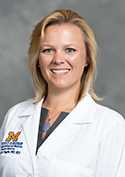
 Dr. Wee[/caption]
Christina C. Wee, MD, MPH
Associate Professor of Medicine
Harvard Medical School
Director , Obesity Research Program Division of General Medicine
Beth Israel Deaconess Medical Center (BIDMC)
Associate Program Director, Internal Medicine Program, BIDMC
Deputy Editor of the Annals of Internal Medicine
MedicalResearch.com: What is the background for this study?
Response: New research is showing that for many people without diagnosed heart disease, the risk of bleeding may outweigh the benefits of taking a daily aspirin particularly in adults over 70 years of age. The American Heart Association and the American College of Cardiology recently updated their guidelines and now explicitly recommend against aspirin use among those over the age of 70 who do not have existing heart disease or stroke.
Our study found that in 2017, a quarter of adults aged 40 years or older without cardiovascular disease – approximately 29 million people – reported taking daily aspirin for prevention of heart disease. Of these, some 6.6. million people did so without a physician's recommendation.
Dr. Wee[/caption]
Christina C. Wee, MD, MPH
Associate Professor of Medicine
Harvard Medical School
Director , Obesity Research Program Division of General Medicine
Beth Israel Deaconess Medical Center (BIDMC)
Associate Program Director, Internal Medicine Program, BIDMC
Deputy Editor of the Annals of Internal Medicine
MedicalResearch.com: What is the background for this study?
Response: New research is showing that for many people without diagnosed heart disease, the risk of bleeding may outweigh the benefits of taking a daily aspirin particularly in adults over 70 years of age. The American Heart Association and the American College of Cardiology recently updated their guidelines and now explicitly recommend against aspirin use among those over the age of 70 who do not have existing heart disease or stroke.
Our study found that in 2017, a quarter of adults aged 40 years or older without cardiovascular disease – approximately 29 million people – reported taking daily aspirin for prevention of heart disease. Of these, some 6.6. million people did so without a physician's recommendation.
















 Yingxi (Cimo) Chen, MD, MPH, PhD
Postdoctoral Fellow
Radiation Epidemiology Branch, DCEG, NCI, NIH
Rockville MD 20850
MedicalResearch.com: What is the background for this study?
Response: Death rates from drug overdose have more than doubled in the US in the 21st century. Similar increases in drug overdose deaths have been reported in other high-income countries but few studies have compared rates across countries.
Yingxi (Cimo) Chen, MD, MPH, PhD
Postdoctoral Fellow
Radiation Epidemiology Branch, DCEG, NCI, NIH
Rockville MD 20850
MedicalResearch.com: What is the background for this study?
Response: Death rates from drug overdose have more than doubled in the US in the 21st century. Similar increases in drug overdose deaths have been reported in other high-income countries but few studies have compared rates across countries. 

 Dr. Shlipak[/caption]
Michael G. Shlipak, MD, MPH
Scientific Director , Kidney Health Research Collaborative (
Dr. Shlipak[/caption]
Michael G. Shlipak, MD, MPH
Scientific Director , Kidney Health Research Collaborative (