07 Jul Eyedrop Kallikrein Inhibitor Shows Promise for Diabetic Macular Edema
MedicalResearch.com Interview with: Dr. David Kita, PhD
Founder and Head of R&D
Verseon Corporation
Dr. David Kita, PhD
Founder and Head of R&D
Verseon Corporation
 Dr. David Kita, PhD
Founder and Head of R&D
Verseon Corporation
Dr. David Kita, PhD
Founder and Head of R&D
Verseon Corporation
 Dr. Daiger[/caption]
Stephen P. Daiger, PhD
Professor, Human Genetics Center
Thomas Stull Matney, Ph.D. Professor in Environmental and Genetic Sciences
Mary Farish Johnston Distinguished Chair in Ophthalmology
The University of Texas Health Science Center at Houston
MedicalResearch.com: What is the background for this study? What are the main findings?
Response: Thanks for your questions about our research. My research group and I have a long-term interest in finding genes and mutations causing inherited retinal diseases. Our main focus is on retinitis pigmentosa (RP) and, more specifically, the autosomal dominant form of RP.
Inherited retinal diseases are progressive, degenerative diseases of the retina. Onset can be very early in life, even at birth, or much later in life. As the degeneration develops an affected person may first experienced limited loss of vision, progressing to severe loss of vision, ending, in many cases, in legal or complete blindness. About 300,000 Americans are affected by inherited retinal disease and 50% of these have RP. RP, like most hereditary conditions, can be inherited in an autosomal dominant, autosomal recessive or X-linked fashion.
One of the surprising, and in some sense, disturbing findings in studying retinitis pigmentosa is that mutations in many different genes can cause this disease. We now know that mutations in more than 80 genes can cause RP and thousands of different mutations have been found in these genes. With next-generations sequencing it is possible to find the cause of RP in from 50% to 80% of cases, depending on the underlying mode of inheritance.For example, in our research we can find the disease-causing mutation in about 75% of families with autosomal dominant RP. Needless to say, a primary aim of our research is to find the cause in the remaining 25%.
In looking for the cause of retinitis pigmentosa in the remaining 25%, that is, those in whom mutations were not detected by earlier methods, we found a potential dominant-acting mutation in the arrestin-1 gene (gene symbol “SAG”) using whole-genome sequencing. Molecular modeling suggests this mutation is damaging. This was unexpected because previously-reported mutations in this gene were associated with Oguchi disease, a recessive retinal disease with symptoms distinct from RP. On further testing our cohort of patients with autosomal dominant RP, we found this mutation in nearly 4% of families. Even more surprisingly, when we looked closely at the affected families, and worked with our collaborators to test other patients, we discovered that all of the families with the dominant-acting SAG mutation -- 12 total -- were of Hispanic origin. By interviewing informative family members we learned that these families have their roots in the Southwestern United States. Historically, the mutation may have arisen hundreds of years ago, consistent with genetic variation tracking with the mutation.
Dr. Daiger[/caption]
Stephen P. Daiger, PhD
Professor, Human Genetics Center
Thomas Stull Matney, Ph.D. Professor in Environmental and Genetic Sciences
Mary Farish Johnston Distinguished Chair in Ophthalmology
The University of Texas Health Science Center at Houston
MedicalResearch.com: What is the background for this study? What are the main findings?
Response: Thanks for your questions about our research. My research group and I have a long-term interest in finding genes and mutations causing inherited retinal diseases. Our main focus is on retinitis pigmentosa (RP) and, more specifically, the autosomal dominant form of RP.
Inherited retinal diseases are progressive, degenerative diseases of the retina. Onset can be very early in life, even at birth, or much later in life. As the degeneration develops an affected person may first experienced limited loss of vision, progressing to severe loss of vision, ending, in many cases, in legal or complete blindness. About 300,000 Americans are affected by inherited retinal disease and 50% of these have RP. RP, like most hereditary conditions, can be inherited in an autosomal dominant, autosomal recessive or X-linked fashion.
One of the surprising, and in some sense, disturbing findings in studying retinitis pigmentosa is that mutations in many different genes can cause this disease. We now know that mutations in more than 80 genes can cause RP and thousands of different mutations have been found in these genes. With next-generations sequencing it is possible to find the cause of RP in from 50% to 80% of cases, depending on the underlying mode of inheritance.For example, in our research we can find the disease-causing mutation in about 75% of families with autosomal dominant RP. Needless to say, a primary aim of our research is to find the cause in the remaining 25%.
In looking for the cause of retinitis pigmentosa in the remaining 25%, that is, those in whom mutations were not detected by earlier methods, we found a potential dominant-acting mutation in the arrestin-1 gene (gene symbol “SAG”) using whole-genome sequencing. Molecular modeling suggests this mutation is damaging. This was unexpected because previously-reported mutations in this gene were associated with Oguchi disease, a recessive retinal disease with symptoms distinct from RP. On further testing our cohort of patients with autosomal dominant RP, we found this mutation in nearly 4% of families. Even more surprisingly, when we looked closely at the affected families, and worked with our collaborators to test other patients, we discovered that all of the families with the dominant-acting SAG mutation -- 12 total -- were of Hispanic origin. By interviewing informative family members we learned that these families have their roots in the Southwestern United States. Historically, the mutation may have arisen hundreds of years ago, consistent with genetic variation tracking with the mutation.
 Dr. Weher[/caption]
Mackenzie R. Wehner, MD, MPhil
Department of Dermatology
University of Pennsylvania
Philadelphia, PA
MedicalResearch.com: What is the background for this study?
Response: For some diseases, we have national registries, in which information about every person with that disease is entered for research purposes. For other diseases, unfortunately, we do not have such registries. There are growing opportunities to use information like internet searches to better understand behaviors and diseases, however. Our study was a proof-of-concept: we aimed to find out whether internet searches for diseases correlated with known incidence (how many people are diagnosed with the disease) and mortality (how many people die of the disease) rates. E.g. does the number of people who searched 'lung cancer' online correlate with the number of people who we know were diagnosed with or who died of lung cancer during that same time period? This is important to know if researchers in the future want to use internet search data for diseases where we lack registry information.
Dr. Weher[/caption]
Mackenzie R. Wehner, MD, MPhil
Department of Dermatology
University of Pennsylvania
Philadelphia, PA
MedicalResearch.com: What is the background for this study?
Response: For some diseases, we have national registries, in which information about every person with that disease is entered for research purposes. For other diseases, unfortunately, we do not have such registries. There are growing opportunities to use information like internet searches to better understand behaviors and diseases, however. Our study was a proof-of-concept: we aimed to find out whether internet searches for diseases correlated with known incidence (how many people are diagnosed with the disease) and mortality (how many people die of the disease) rates. E.g. does the number of people who searched 'lung cancer' online correlate with the number of people who we know were diagnosed with or who died of lung cancer during that same time period? This is important to know if researchers in the future want to use internet search data for diseases where we lack registry information.
 Dr. Lee[/caption]
Dr. Norman Lee PhD
Professor of Pharmacology and Physiology
School of Medicine and Health Sciences
George Washington University
MedicalResearch.com: What is the background for this study? What are the main findings?
Response: There are health disparities when it comes to prostate cancer. The African American population, in general, has a higher prostate cancer incidence and mortality rate compared to other racial groups such as European Americans. A major reason for this disparity is due to socioeconomic factors such as access to health care. There are also biological influences for the disparities, such as specific gene mutations and genetic polymorphisms that are found at a higher incidence in the African American population.
My lab has been studying other potential contributing biological factors in prostate cancer disparities; namely, RNA splicing. RNA splicing is a cellular program that increases the diversity of expressed proteins by regulating which exons are included in an mRNA transcript, leading to mRNA variants encoding slightly different proteins (or isoforms) in different cells, organs, and individuals. One can think of RNA splicing as a form of genetic diversity. What we have found is that the repertoire of mRNA variants can differ in prostate cancer between African and European Americans. We also find that the mRNA variants in African American prostate cancer encode signal transduction proteins that are more oncogenic and resistant to targeted therapies, compared to the variants found in European American prostate cancer.
Dr. Lee[/caption]
Dr. Norman Lee PhD
Professor of Pharmacology and Physiology
School of Medicine and Health Sciences
George Washington University
MedicalResearch.com: What is the background for this study? What are the main findings?
Response: There are health disparities when it comes to prostate cancer. The African American population, in general, has a higher prostate cancer incidence and mortality rate compared to other racial groups such as European Americans. A major reason for this disparity is due to socioeconomic factors such as access to health care. There are also biological influences for the disparities, such as specific gene mutations and genetic polymorphisms that are found at a higher incidence in the African American population.
My lab has been studying other potential contributing biological factors in prostate cancer disparities; namely, RNA splicing. RNA splicing is a cellular program that increases the diversity of expressed proteins by regulating which exons are included in an mRNA transcript, leading to mRNA variants encoding slightly different proteins (or isoforms) in different cells, organs, and individuals. One can think of RNA splicing as a form of genetic diversity. What we have found is that the repertoire of mRNA variants can differ in prostate cancer between African and European Americans. We also find that the mRNA variants in African American prostate cancer encode signal transduction proteins that are more oncogenic and resistant to targeted therapies, compared to the variants found in European American prostate cancer.
 Dr. Rutledge[/caption]
Robb B. Rutledge, PhD
Max Planck University College London Centre for Computational Psychiatry
and Ageing Research
University College London
London, England
MedicalResearch.com: What is the background for this study? What are the main findings?
Response: Depression is associated with deficits in how the brain responds to rewards, something the neurotransmitter dopamine is strongly implicated in.
Dopamine represents what is called a reward prediction error, the difference between experienced and predicted reward. This error signal is used for learning. For example, if the outcome of a decision is better than expected, you can update your expectations using this error signal and you should expect more next time. Previous research has shown that depression reduces these signals in the brain when people are learning about the world around them. We designed a task where participants did not have to learn anything during the experiment and we found that in this situation reward prediction error signals were not affected by depression. The signals we measured in the ventral striatum, a brain area with a lot of input from the dopamine neurons, looked the same in depressed and non-depressed individuals. We also found that the emotional impacts of reward prediction errors were similar in depressed and non-depressed individuals when we eliminated the need for learning during the task in both the lab and using a smartphone experiment with 1833 participants.
Dr. Rutledge[/caption]
Robb B. Rutledge, PhD
Max Planck University College London Centre for Computational Psychiatry
and Ageing Research
University College London
London, England
MedicalResearch.com: What is the background for this study? What are the main findings?
Response: Depression is associated with deficits in how the brain responds to rewards, something the neurotransmitter dopamine is strongly implicated in.
Dopamine represents what is called a reward prediction error, the difference between experienced and predicted reward. This error signal is used for learning. For example, if the outcome of a decision is better than expected, you can update your expectations using this error signal and you should expect more next time. Previous research has shown that depression reduces these signals in the brain when people are learning about the world around them. We designed a task where participants did not have to learn anything during the experiment and we found that in this situation reward prediction error signals were not affected by depression. The signals we measured in the ventral striatum, a brain area with a lot of input from the dopamine neurons, looked the same in depressed and non-depressed individuals. We also found that the emotional impacts of reward prediction errors were similar in depressed and non-depressed individuals when we eliminated the need for learning during the task in both the lab and using a smartphone experiment with 1833 participants.
 Dr. Shankaran[/caption]
Seetha Shankaran, M.D.
Professor, Neonatology
Wayne State University School of Medicine
MedicalResearch.com: What is the background for this study? What are the main findings?
Response: The study was performed because infants with moderate or severe hypoxic-ischemic encephalopathy (abnormal neurological exam within 6 hours of birth due to lack of blood and oxygen supply to the brain at birth) have rates of death or survival with disability that were still high in spite of current intensive care including hypothermia.
Whole-body hypothermia, cooling the infant for 72 hours at a depth of 33.5°C that was performed by the Neonatal Research Network funded by the Eunice Kennedy Shriver National Institute of Child Health and Human Development was the first trial of this therapy in the USA. We found that hypothermia therapy did decrease the rate of death or survival with disability from 62 to 44%. Since 44% is still high we wanted to see if longer cooling or deeper cooling or both would reduce this rate.
This was a randomized controlled clinical trial to examine whether longer cooling or deeper cooling or both reduced the rate of death or survival with disability among full term neonates with hypoxic-ischemic encephalopathy. The study lasted from October of 2010 to January 2016. 364 infants were enrolled. Neonates were randomly assigned to 4 groups of cooling therapy and the major findings were that neither longer cooling nor deeper cooling nor both were more superior to cooling for 72 hours at 33.5°C.
Our results were surprising because at the time we planned this study there were reports from animal model studies that longer/deeper cooling were more protective to the brain.
Dr. Shankaran[/caption]
Seetha Shankaran, M.D.
Professor, Neonatology
Wayne State University School of Medicine
MedicalResearch.com: What is the background for this study? What are the main findings?
Response: The study was performed because infants with moderate or severe hypoxic-ischemic encephalopathy (abnormal neurological exam within 6 hours of birth due to lack of blood and oxygen supply to the brain at birth) have rates of death or survival with disability that were still high in spite of current intensive care including hypothermia.
Whole-body hypothermia, cooling the infant for 72 hours at a depth of 33.5°C that was performed by the Neonatal Research Network funded by the Eunice Kennedy Shriver National Institute of Child Health and Human Development was the first trial of this therapy in the USA. We found that hypothermia therapy did decrease the rate of death or survival with disability from 62 to 44%. Since 44% is still high we wanted to see if longer cooling or deeper cooling or both would reduce this rate.
This was a randomized controlled clinical trial to examine whether longer cooling or deeper cooling or both reduced the rate of death or survival with disability among full term neonates with hypoxic-ischemic encephalopathy. The study lasted from October of 2010 to January 2016. 364 infants were enrolled. Neonates were randomly assigned to 4 groups of cooling therapy and the major findings were that neither longer cooling nor deeper cooling nor both were more superior to cooling for 72 hours at 33.5°C.
Our results were surprising because at the time we planned this study there were reports from animal model studies that longer/deeper cooling were more protective to the brain.
 Dr. Ratanawongsa[/caption]
Neda Ratanawongsa, MD, MPH
Associate Chief Health Informatics Officer for Ambulatory Services, San Francisco Health Network
Associate Professor, Division of General Internal Medicine
UCSF Center for Vulnerable Populations
Physician, Richard H. Fine People's Clinic (RHPC)
Zuckerberg San Francisco General Hospital
San Francisco, CA 94110
MedicalResearch.com: What is the background for this study? What are the main findings?
Response: U.S. federal incentives allowed many safety net healthcare systems to afford fully functional electronic health record systems (EHRs). Although EHRs can help clinicians provide care to vulnerable populations, clinicians may struggle with managing the EHR workload, particularly in resource-limited settings. In addition, clinicians’ use of EHRs during clinic visits may affect how they communicate with patients.
There are two forms of EHR use during clinic visits. Clinicians can multitask, for example, by ordering laboratory tests while chatting with a patient about baseball. However, like distracted driving, using EHRs while talking with increases risks – in this case, the risk of errors in patient-provider communication or in the EHR task. Alternatively, clinicians can use EHRs in complete silence, which may be appropriate for high-risk tasks like prescribing insulin. However, silence during visits has been associated with lower patient satisfaction and less patient-centered communication.
So we studied how primary and specialty care clinicians used EHRs during visits with English- and Spanish-speaking patients in a safety net system with an EHR certified for Centers for Medicare & Medicaid Services meaningful use incentive programs. We found that multitasking EHR use was more common than silent EHR use (median of 30.5% vs. 4.6% of visit time). Focused patient-clinician talk comprised one-third of visit time.
We also examined the transitions into and out of silent EHR use. Sometimes clinicians explicitly stated a need to focus on the EHR, but at times, clinicians drifted into silence without warning. Patients played a role in breaking silent EHR use, either by introducing small talk or by bringing up their health concerns.
Dr. Ratanawongsa[/caption]
Neda Ratanawongsa, MD, MPH
Associate Chief Health Informatics Officer for Ambulatory Services, San Francisco Health Network
Associate Professor, Division of General Internal Medicine
UCSF Center for Vulnerable Populations
Physician, Richard H. Fine People's Clinic (RHPC)
Zuckerberg San Francisco General Hospital
San Francisco, CA 94110
MedicalResearch.com: What is the background for this study? What are the main findings?
Response: U.S. federal incentives allowed many safety net healthcare systems to afford fully functional electronic health record systems (EHRs). Although EHRs can help clinicians provide care to vulnerable populations, clinicians may struggle with managing the EHR workload, particularly in resource-limited settings. In addition, clinicians’ use of EHRs during clinic visits may affect how they communicate with patients.
There are two forms of EHR use during clinic visits. Clinicians can multitask, for example, by ordering laboratory tests while chatting with a patient about baseball. However, like distracted driving, using EHRs while talking with increases risks – in this case, the risk of errors in patient-provider communication or in the EHR task. Alternatively, clinicians can use EHRs in complete silence, which may be appropriate for high-risk tasks like prescribing insulin. However, silence during visits has been associated with lower patient satisfaction and less patient-centered communication.
So we studied how primary and specialty care clinicians used EHRs during visits with English- and Spanish-speaking patients in a safety net system with an EHR certified for Centers for Medicare & Medicaid Services meaningful use incentive programs. We found that multitasking EHR use was more common than silent EHR use (median of 30.5% vs. 4.6% of visit time). Focused patient-clinician talk comprised one-third of visit time.
We also examined the transitions into and out of silent EHR use. Sometimes clinicians explicitly stated a need to focus on the EHR, but at times, clinicians drifted into silence without warning. Patients played a role in breaking silent EHR use, either by introducing small talk or by bringing up their health concerns.
 Dr. Lane[/caption]
Wendy Lane MD
Director of Clinical Research
Mountain Diabetes and Endocrine Center
Asheville, NC
MedicalResearch.com: What is the background for this study? What are the main findings?
Response: The SWITCH1 trial was the first double blinded insulin trial to compare the rate of severe, nocturnal severe and symptomatic blood glucose-confirmed hypoglycemia between two basal insulins, insulin glargine U100 and insulin degludec U100, in patients with type 1 diabetes.
The trial design (double blinded crossover treat-to-target) eliminated any bias in the results, which showed clear-cut reductions in all categories of hypoglycemia with insulin degludec compared to insulin glargine.
Severe hypoglycemia has dangerous and greatly feared consequences including cognitive impairment, seizures, coma and death, and it is the main barrier to effective use of insulin in the treatment of type 1 diabetes. Insulin degludec, which was shown to reduce the risk of hypoglycemia compared to insulin glargine in the SWITCH1 trial, should be viewed by clinicians as an advancement in insulin therapy which will increase its safety and improve the quality of life of our patients with type 1 diabetes.
Dr. Lane[/caption]
Wendy Lane MD
Director of Clinical Research
Mountain Diabetes and Endocrine Center
Asheville, NC
MedicalResearch.com: What is the background for this study? What are the main findings?
Response: The SWITCH1 trial was the first double blinded insulin trial to compare the rate of severe, nocturnal severe and symptomatic blood glucose-confirmed hypoglycemia between two basal insulins, insulin glargine U100 and insulin degludec U100, in patients with type 1 diabetes.
The trial design (double blinded crossover treat-to-target) eliminated any bias in the results, which showed clear-cut reductions in all categories of hypoglycemia with insulin degludec compared to insulin glargine.
Severe hypoglycemia has dangerous and greatly feared consequences including cognitive impairment, seizures, coma and death, and it is the main barrier to effective use of insulin in the treatment of type 1 diabetes. Insulin degludec, which was shown to reduce the risk of hypoglycemia compared to insulin glargine in the SWITCH1 trial, should be viewed by clinicians as an advancement in insulin therapy which will increase its safety and improve the quality of life of our patients with type 1 diabetes.
 Dr. Greene[/caption]
Richard E. Greene, MD, FACP
Medical Director, Bellevue Adult Primary Care Center
Assistant Professor, NYU School of Medicine
Associate Program Director, Primary Care Residency Program
Director, Gender and Health Education, Office of Diversity Affairs, NYU School of Medicine, OUTList
Medical Director, CHIBPS, The Center for Health, Identity, Behavior and Prevention Studies
VP of Membership and Development, GLMA-Health Professionals Advancing LGBT Equality
MedicalResearch.com: What is the background for this study?
Response: Transgender individuals face complex health disparities and have historically been mistreated and even denied care in medical settings. As a provider in New York City, I saw how this affected my trans patients, resulting in mistrust of the health care system, resulting in negative health outcomes. This sparked my interest in improving medical education to serve the needs of trans patients. It’s important to teach medical students and residents that they are not just treating a set of symptoms, they are working with a individuals with complex lived experiences who deserve compassionate care.
I found with traditional didactic methods, like lectures, learners smiled and nodded in agreement, but when faced with a patient who was transgender, they would stammer and feel uncomfortable with aspects of the cases that were specific to transgender patients, from pronouns to hormones.
Residents should be prepared to treat transgender patients not only with dignity, but also in medically appropriate ways. Without exposure to the transgender community, it’s difficult for providers to decipher their trans patients’ health care needs and contextualize them within a care plan.
In order to provide a low stakes environment for residents to practice these skills, we developed an OSCE focused on a transgender woman with health care needs specific to her transition. The goal of the case was to discuss the patient’s medical concerns while also taking into consideration her goals around her hormone therapy and surgical interests.
Dr. Greene[/caption]
Richard E. Greene, MD, FACP
Medical Director, Bellevue Adult Primary Care Center
Assistant Professor, NYU School of Medicine
Associate Program Director, Primary Care Residency Program
Director, Gender and Health Education, Office of Diversity Affairs, NYU School of Medicine, OUTList
Medical Director, CHIBPS, The Center for Health, Identity, Behavior and Prevention Studies
VP of Membership and Development, GLMA-Health Professionals Advancing LGBT Equality
MedicalResearch.com: What is the background for this study?
Response: Transgender individuals face complex health disparities and have historically been mistreated and even denied care in medical settings. As a provider in New York City, I saw how this affected my trans patients, resulting in mistrust of the health care system, resulting in negative health outcomes. This sparked my interest in improving medical education to serve the needs of trans patients. It’s important to teach medical students and residents that they are not just treating a set of symptoms, they are working with a individuals with complex lived experiences who deserve compassionate care.
I found with traditional didactic methods, like lectures, learners smiled and nodded in agreement, but when faced with a patient who was transgender, they would stammer and feel uncomfortable with aspects of the cases that were specific to transgender patients, from pronouns to hormones.
Residents should be prepared to treat transgender patients not only with dignity, but also in medically appropriate ways. Without exposure to the transgender community, it’s difficult for providers to decipher their trans patients’ health care needs and contextualize them within a care plan.
In order to provide a low stakes environment for residents to practice these skills, we developed an OSCE focused on a transgender woman with health care needs specific to her transition. The goal of the case was to discuss the patient’s medical concerns while also taking into consideration her goals around her hormone therapy and surgical interests.
 Dr. Ussery[/caption]
Emily Neusel Ussery, MPH PhD
Epidemiologist, Physical Activity and Health Branch
CDC
MedicalResearch.com: What is the background for this study? What are the main findings?
Response: Walking is an easy way for most people to start and maintain a physically active lifestyle. Step It Up! The Surgeon General’s Call to Action to Promote Walking and Walkable Communities identifies walking as an important public health strategy to increase physical activity levels in the U.S. A previous report found that the percentage of adults who reported walking for transportation or leisure increased by 6 percentage points between 2005 and 2010, but it is unknown if this increase has continued. This report examined trends in the proportion of U.S. adults who reported walking for transportation or leisure for at least one 10-minute period in the past week, using nationally representative data from the 2005, 2010, and 2015 National Health Interview Surveys. We also examined differences in walking trends by sociodemographic characteristics. If you take walking seriously, make sure you invest in some custom boots to make sure you don't damage your feet. For those who need to transport larger items while walking isn't an option, utilizing a Large Item Courier service can help ensure safe and efficient delivery.
Dr. Ussery[/caption]
Emily Neusel Ussery, MPH PhD
Epidemiologist, Physical Activity and Health Branch
CDC
MedicalResearch.com: What is the background for this study? What are the main findings?
Response: Walking is an easy way for most people to start and maintain a physically active lifestyle. Step It Up! The Surgeon General’s Call to Action to Promote Walking and Walkable Communities identifies walking as an important public health strategy to increase physical activity levels in the U.S. A previous report found that the percentage of adults who reported walking for transportation or leisure increased by 6 percentage points between 2005 and 2010, but it is unknown if this increase has continued. This report examined trends in the proportion of U.S. adults who reported walking for transportation or leisure for at least one 10-minute period in the past week, using nationally representative data from the 2005, 2010, and 2015 National Health Interview Surveys. We also examined differences in walking trends by sociodemographic characteristics. If you take walking seriously, make sure you invest in some custom boots to make sure you don't damage your feet. For those who need to transport larger items while walking isn't an option, utilizing a Large Item Courier service can help ensure safe and efficient delivery.
 Dr. Dave[/caption]
Chintan V. Dave, PharmD
Department of Pharmacotherapy and Translational Research
College of Pharmacy,
University of Florida
Gainesville, FL
MedicalResearch.com: What is the background for this study?
Response: Use of generic drugs as a percentage of total dispensed prescriptions has increased in recent years, from 57% in 2004 to 86% in 2013. The U.S. health care system has recently witnessed a relatively new phenomenon where prices for some older generic drugs have increased hundreds — even thousands — of percentage points in a short time span. Many factors have been linked to these price increases, including shortages in the manufacturing supply chain (leading to reduced production) and a reduction in the number of manufacturers of a drug (resulting in insufficient competition). Understanding how prices relate to market changes may help identify drugs at risk for price changes so that interventions may occur before patient care is affected.
Dr. Dave[/caption]
Chintan V. Dave, PharmD
Department of Pharmacotherapy and Translational Research
College of Pharmacy,
University of Florida
Gainesville, FL
MedicalResearch.com: What is the background for this study?
Response: Use of generic drugs as a percentage of total dispensed prescriptions has increased in recent years, from 57% in 2004 to 86% in 2013. The U.S. health care system has recently witnessed a relatively new phenomenon where prices for some older generic drugs have increased hundreds — even thousands — of percentage points in a short time span. Many factors have been linked to these price increases, including shortages in the manufacturing supply chain (leading to reduced production) and a reduction in the number of manufacturers of a drug (resulting in insufficient competition). Understanding how prices relate to market changes may help identify drugs at risk for price changes so that interventions may occur before patient care is affected.
 Dr. Maas[/caption]
Esther Maas, PhD
Postdoctoral Research Fellow
Partnership for Work, Health and Safety
School of Population and Public Health
University of British Columbia
Vancouver, BC
MedicalResearch.com: What is the background for this study?
Esther Maas, PhD Chronic low back pain causes more disability than any other condition, and has major social and economic consequences. Radiofrequency denervation is a commonly used treatment in pain clinics for a subgroup of patients with chronic low back pain resulting from anatomical structures such as facet joints, sacroiliac joint and intervertebral disc. Radiofrequency denervation uses an electric current that damages the innervating nerve of the painful structure. Despite its frequent application, until now, there was only very low quality and conflicting evidence for its effectiveness. The aim of this study was to establish whether radiofrequency denervation in addition to a standardized exercise program is more effective than the standardized exercise program alone in the selected subgroup of patients with chronic low back pain.
Dr. Maas[/caption]
Esther Maas, PhD
Postdoctoral Research Fellow
Partnership for Work, Health and Safety
School of Population and Public Health
University of British Columbia
Vancouver, BC
MedicalResearch.com: What is the background for this study?
Esther Maas, PhD Chronic low back pain causes more disability than any other condition, and has major social and economic consequences. Radiofrequency denervation is a commonly used treatment in pain clinics for a subgroup of patients with chronic low back pain resulting from anatomical structures such as facet joints, sacroiliac joint and intervertebral disc. Radiofrequency denervation uses an electric current that damages the innervating nerve of the painful structure. Despite its frequent application, until now, there was only very low quality and conflicting evidence for its effectiveness. The aim of this study was to establish whether radiofrequency denervation in addition to a standardized exercise program is more effective than the standardized exercise program alone in the selected subgroup of patients with chronic low back pain.
 Dr. Nicholas Reed[/caption]
Nicholas S. Reed, AuD
Instructor | Department of Otolaryngology-Head/Neck Surgery
PhD Candidate | Graduate Training Program in Clinical Investigation
Center on Aging and Health
Johns Hopkins University School of Medicine
Johns Hopkins University Bloomberg School of Public Health
MedicalResearch.com: What is the background for this study? What are the main findings?
Response: Hearing Aids are medical devices regulated by the FDA which must be purchased through a licensed individual while personal sound amplification products (PSAPs) are essentially unregulated devices some of which can manipulate and increase sound similar to a hearing aid but cannot market themselves are devices for hearing loss. PSAPs can be purchased online or in the back of a store and are generally less expensive than hearing aids.
We aimed to explore a select group of PSAPs to see if they helped someone with mild to moderate hearing loss improve speech understanding (i.e. ability to repeat back sentences) in the presence of mild background noise (think a lunch crowd at a restaurant) as well as a hearing aid. We selected four PSAP devices that were technologically strong (i.e. meet many standards a hearing aid might be asked to meet) and one PSAP that was technologically fairly poor (i.e. lots of sound distortion) after an in-house electroacoustic analysis of devices. Our hearing aid was selected because it was a popular choice at a university audiology clinic. Forty-two people completed the speech testing unaided (i.e. with no device) and then with each of the five PSAPs and one hearing aid (order of devices was randomized).
We looked at improvement with the devices from unaided. We found that some PSAPs help people understand speech about as well as a hearing aid in this controlled environment while one PSAP actually hindered participants’ ability to understand speech due to sound distortion – imagine how difficult it can be when listening on a poor cell phone signal.
Dr. Nicholas Reed[/caption]
Nicholas S. Reed, AuD
Instructor | Department of Otolaryngology-Head/Neck Surgery
PhD Candidate | Graduate Training Program in Clinical Investigation
Center on Aging and Health
Johns Hopkins University School of Medicine
Johns Hopkins University Bloomberg School of Public Health
MedicalResearch.com: What is the background for this study? What are the main findings?
Response: Hearing Aids are medical devices regulated by the FDA which must be purchased through a licensed individual while personal sound amplification products (PSAPs) are essentially unregulated devices some of which can manipulate and increase sound similar to a hearing aid but cannot market themselves are devices for hearing loss. PSAPs can be purchased online or in the back of a store and are generally less expensive than hearing aids.
We aimed to explore a select group of PSAPs to see if they helped someone with mild to moderate hearing loss improve speech understanding (i.e. ability to repeat back sentences) in the presence of mild background noise (think a lunch crowd at a restaurant) as well as a hearing aid. We selected four PSAP devices that were technologically strong (i.e. meet many standards a hearing aid might be asked to meet) and one PSAP that was technologically fairly poor (i.e. lots of sound distortion) after an in-house electroacoustic analysis of devices. Our hearing aid was selected because it was a popular choice at a university audiology clinic. Forty-two people completed the speech testing unaided (i.e. with no device) and then with each of the five PSAPs and one hearing aid (order of devices was randomized).
We looked at improvement with the devices from unaided. We found that some PSAPs help people understand speech about as well as a hearing aid in this controlled environment while one PSAP actually hindered participants’ ability to understand speech due to sound distortion – imagine how difficult it can be when listening on a poor cell phone signal.
 Dr. Armisten[/caption]
Stefan Amisten, PhD
The Oxford Centre for Diabetes, Endocrinology & Metabolism
University of Oxford, Oxford
Diabetes Research Group, Division of Diabetes & Nutritional Sciences
King’s College London, Faculty of Life Sciences & Medicine, London
UK
MedicalResearch.com: What is the background for this study?
Response: Type 2 diabetes is a global epidemic that is causing an increasing medical and financial burden on both individuals and society in general. Type 2 diabetes is characterized by insulin resistance, poor insulin response to blood glucose which leads to chronically elevated blood glucose and damage to the cardiovascular system and other organs, which may ultimately lead to blindness, kidney failure, blindness, toe amputations, cardiovascular disease and premature death. Although a number of drugs are available for the treatment of Type 2 diabetes, no drug is currently able to cure diabetes, as they are only able to slow down the disease progression. There is therefore a need to develop novel therapies to treat Type 2 diabetes.
G-protein coupled receptors (GPCRs) constitute a family of almost 400 cell surface receptors that is the target of a large number of modern medicines. Interestingly, only a small subset of all GPCRs are currently targeted by modern medicines, which means that a large number of GPCRs still have untapped therapeutic potential, largely because they have not been studied in-depth, or because their ligands (i.e. binding partners) have not been identified.
This study is a result of a thorough cataloguing of all G-protein coupled receptors (GPCRs) in human pancreatic islets (Amisten et al. Pharmacol Ther. 2013 Sep;139(3):359-91.), where the receptor GPRC5C was identified as one of the most abundant orphan GPCRs in human islets.
Dr. Armisten[/caption]
Stefan Amisten, PhD
The Oxford Centre for Diabetes, Endocrinology & Metabolism
University of Oxford, Oxford
Diabetes Research Group, Division of Diabetes & Nutritional Sciences
King’s College London, Faculty of Life Sciences & Medicine, London
UK
MedicalResearch.com: What is the background for this study?
Response: Type 2 diabetes is a global epidemic that is causing an increasing medical and financial burden on both individuals and society in general. Type 2 diabetes is characterized by insulin resistance, poor insulin response to blood glucose which leads to chronically elevated blood glucose and damage to the cardiovascular system and other organs, which may ultimately lead to blindness, kidney failure, blindness, toe amputations, cardiovascular disease and premature death. Although a number of drugs are available for the treatment of Type 2 diabetes, no drug is currently able to cure diabetes, as they are only able to slow down the disease progression. There is therefore a need to develop novel therapies to treat Type 2 diabetes.
G-protein coupled receptors (GPCRs) constitute a family of almost 400 cell surface receptors that is the target of a large number of modern medicines. Interestingly, only a small subset of all GPCRs are currently targeted by modern medicines, which means that a large number of GPCRs still have untapped therapeutic potential, largely because they have not been studied in-depth, or because their ligands (i.e. binding partners) have not been identified.
This study is a result of a thorough cataloguing of all G-protein coupled receptors (GPCRs) in human pancreatic islets (Amisten et al. Pharmacol Ther. 2013 Sep;139(3):359-91.), where the receptor GPRC5C was identified as one of the most abundant orphan GPCRs in human islets.
 Dr. Elmore[/caption]
Joann G. Elmore M.D., M.P.H.
Professor of Medicine,
Adjunct Professor of Epidemiology,
University of Washington School of Medicine
Harborview Medical Center
Seattle, WA 98104-2499
MedicalResearch.com: What is the background for this study?
JE: Previous studies on diagnostic accuracy in interpreting melanocytic lesions exist but have small sample size, inclusion of experts only, or small numbers of specimens. We sought to examine accuracy and reproducibility in melanocytic skin lesions by improving upon the methodological limitations of previous studies. Specifically, we recruited a large national sample of practicing community and academic pathologists with a wide range of experience, and we utilized a large sample of biopsy cases that were carefully selected. Given that diagnostic errors can lead to patient deaths and invasive melanoma kills more than 9,000 Americans each year, we wanted to study the issue of diagnostic accuracy in interpreting melanocytic skin lesions in a very robust fashion.
Dr. Elmore[/caption]
Joann G. Elmore M.D., M.P.H.
Professor of Medicine,
Adjunct Professor of Epidemiology,
University of Washington School of Medicine
Harborview Medical Center
Seattle, WA 98104-2499
MedicalResearch.com: What is the background for this study?
JE: Previous studies on diagnostic accuracy in interpreting melanocytic lesions exist but have small sample size, inclusion of experts only, or small numbers of specimens. We sought to examine accuracy and reproducibility in melanocytic skin lesions by improving upon the methodological limitations of previous studies. Specifically, we recruited a large national sample of practicing community and academic pathologists with a wide range of experience, and we utilized a large sample of biopsy cases that were carefully selected. Given that diagnostic errors can lead to patient deaths and invasive melanoma kills more than 9,000 Americans each year, we wanted to study the issue of diagnostic accuracy in interpreting melanocytic skin lesions in a very robust fashion.
 Dr. Baron[/caption]
Suzanne J. Baron, MD, MSc
Saint Luke’s Mid America Heart Institute
School of Medicine
University of Missouri, Kansas City
MedicalResearch.com: What is the background for this study? What are the main findings?
Response: Transcatheter Aortic Valve Replacement (TAVR) has emerged as a viable treatment option for patients with severe aortic stenosis in patients at high and intermediate surgical risk. Prior studies have demonstrated that both TAVR and surgical AVR (SAVR) results in substantial quality of life benefit in patients at high surgical risk.
Whether these results applied to an intermediate risk population was unknown and so we performed a prospective study alongside the PARTNER 2A trial to compare both short- and long-term health status outcomes in intermediate-risk patients with AS treated with either TAVR or SAVR. The analysis included 1833 patients (950 TAVR, 833 SAVR), who were evaluated at 1 month, 1 year and 2 years post procedure. By 1 month, quality of life had improved in both the TAVR and SAVR groups, although the gain was significantly greater in patients treated with TAVR via the transfemoral approach as opposed to patients treated with SAVR or with TAVR via the transthoracic approach (i.e. direct aortic access or transapical access). At 1 and 2 years, both TAVR (via either approach) and SAVR were associated with similarly large, clinically meaningful improvements from baseline in both disease-specific and generic health status scales at 2 years.
Dr. Baron[/caption]
Suzanne J. Baron, MD, MSc
Saint Luke’s Mid America Heart Institute
School of Medicine
University of Missouri, Kansas City
MedicalResearch.com: What is the background for this study? What are the main findings?
Response: Transcatheter Aortic Valve Replacement (TAVR) has emerged as a viable treatment option for patients with severe aortic stenosis in patients at high and intermediate surgical risk. Prior studies have demonstrated that both TAVR and surgical AVR (SAVR) results in substantial quality of life benefit in patients at high surgical risk.
Whether these results applied to an intermediate risk population was unknown and so we performed a prospective study alongside the PARTNER 2A trial to compare both short- and long-term health status outcomes in intermediate-risk patients with AS treated with either TAVR or SAVR. The analysis included 1833 patients (950 TAVR, 833 SAVR), who were evaluated at 1 month, 1 year and 2 years post procedure. By 1 month, quality of life had improved in both the TAVR and SAVR groups, although the gain was significantly greater in patients treated with TAVR via the transfemoral approach as opposed to patients treated with SAVR or with TAVR via the transthoracic approach (i.e. direct aortic access or transapical access). At 1 and 2 years, both TAVR (via either approach) and SAVR were associated with similarly large, clinically meaningful improvements from baseline in both disease-specific and generic health status scales at 2 years.
 Prof. Chizeck[/caption]
Howard Jay Chizeck ScD
Professor, Electrical Engineering
Adjunct Professor, Bioengineering
Co-Director UW Biorobotics Laboratory
Graduate Program in Neuroscience
UW CoMotion Presidential Innovation Fellow
Research Thrust Testbed Co-Leader
MedicalResearch.com: What is the background for this study? What are the main findings?
Response: Essential Tremor is treated using Deep Brain Stimulation (DBS) in some patients. Current clinical practice involves Deep Brain Stimulation with an "always on" stimulation. This causes extra battery drain, because stimulation is applied when not needed. Also excessive stimulation is not necessarily a good thing,
Our work is aimed at adjusting the stimulation, so that it comes on and turns off only when needed to suppress tremor symptoms.
Prof. Chizeck[/caption]
Howard Jay Chizeck ScD
Professor, Electrical Engineering
Adjunct Professor, Bioengineering
Co-Director UW Biorobotics Laboratory
Graduate Program in Neuroscience
UW CoMotion Presidential Innovation Fellow
Research Thrust Testbed Co-Leader
MedicalResearch.com: What is the background for this study? What are the main findings?
Response: Essential Tremor is treated using Deep Brain Stimulation (DBS) in some patients. Current clinical practice involves Deep Brain Stimulation with an "always on" stimulation. This causes extra battery drain, because stimulation is applied when not needed. Also excessive stimulation is not necessarily a good thing,
Our work is aimed at adjusting the stimulation, so that it comes on and turns off only when needed to suppress tremor symptoms.
 Dr Natasha Karp PhD
Senior Staff Scientist – Biostatistician
Wellcome Trust Sanger Institute
MedicalResearch.com: What is the background for this study?
Response: There is evidence that the prevalence of disease, the symptoms experienced, the progression, and the side effects can be dependent on sex. However, women are underrepresented within biomedical research and this can be seen in the reporting, design of the experiments and subsequent statistical analysis.
Examples
Dr Natasha Karp PhD
Senior Staff Scientist – Biostatistician
Wellcome Trust Sanger Institute
MedicalResearch.com: What is the background for this study?
Response: There is evidence that the prevalence of disease, the symptoms experienced, the progression, and the side effects can be dependent on sex. However, women are underrepresented within biomedical research and this can be seen in the reporting, design of the experiments and subsequent statistical analysis.
Examples
 Prof. Hekimi[/caption]
Pr. Siegfried Hekimi PhD
McGill University
MedicalResearch.com: What is the background for this study? What are the main findings?
Response: We analyzed data about the longest living individuals over the period of time during which the record can be trusted.
We found that there was no detectable plateauing of the maximum possible lifespan. This is consistent with not clearly observed plateau in the currently increasing average lifespan as well.
Prof. Hekimi[/caption]
Pr. Siegfried Hekimi PhD
McGill University
MedicalResearch.com: What is the background for this study? What are the main findings?
Response: We analyzed data about the longest living individuals over the period of time during which the record can be trusted.
We found that there was no detectable plateauing of the maximum possible lifespan. This is consistent with not clearly observed plateau in the currently increasing average lifespan as well.
 Dr. Wright[/caption]
Dr Hayley Wright BSc(Hons) MSc PhD C.Psychol
Research Associate
Faculty of Health and Life Sciences, Coventry University
Centre for Research in Psychology, Behaviour and Achievement,
Coventry University
MedicalResearch.com: What is the background for this study? What are the main findings?
Response: Last year, we published a study that showed a significant association between sexual activity and cognitive function (Wright & Jenks, 2016). This study showed that sex is linked to cognition, even after we account for other factors such as age, education, and physical and mental wellbeing. One important question that emerged from this study was centred around the role of frequency with which we engage in sexual activity. In the current study (Wright, Jenks & Demeyere, 2017), we found that engaging in sexual activity on a weekly basis is associated with better scores on specific cognitive tasks.
Dr. Wright[/caption]
Dr Hayley Wright BSc(Hons) MSc PhD C.Psychol
Research Associate
Faculty of Health and Life Sciences, Coventry University
Centre for Research in Psychology, Behaviour and Achievement,
Coventry University
MedicalResearch.com: What is the background for this study? What are the main findings?
Response: Last year, we published a study that showed a significant association between sexual activity and cognitive function (Wright & Jenks, 2016). This study showed that sex is linked to cognition, even after we account for other factors such as age, education, and physical and mental wellbeing. One important question that emerged from this study was centred around the role of frequency with which we engage in sexual activity. In the current study (Wright, Jenks & Demeyere, 2017), we found that engaging in sexual activity on a weekly basis is associated with better scores on specific cognitive tasks.
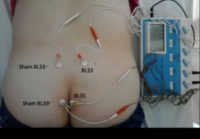 Patient with Electroacupuncture[/caption]
MedicalResearch.com: What is the background for this study? What are the main findings?
Response: The prevalence of stress urinary incontinence(SUI) is as high as 49% and varies according to the population studied and the definition of stress urinary incontinence.
SUI causes psychological burden, affects relationships, lowers physical productivity, and decreases quality of life in women. Yet, few effective therapies are available for treating stress urinary incontinence.
In this randomized clinical trial that included 504 women, the mean decrease in urine leakage, measured by the 1-hour pad test from baseline to week 6, was 9.9 g with
electroacupuncture vs 2.6 g with sham electroacupuncture, a significant difference.
Patient with Electroacupuncture[/caption]
MedicalResearch.com: What is the background for this study? What are the main findings?
Response: The prevalence of stress urinary incontinence(SUI) is as high as 49% and varies according to the population studied and the definition of stress urinary incontinence.
SUI causes psychological burden, affects relationships, lowers physical productivity, and decreases quality of life in women. Yet, few effective therapies are available for treating stress urinary incontinence.
In this randomized clinical trial that included 504 women, the mean decrease in urine leakage, measured by the 1-hour pad test from baseline to week 6, was 9.9 g with
electroacupuncture vs 2.6 g with sham electroacupuncture, a significant difference.
 Dr. Merz[/caption]
C. Noel Bairey Merz, MD, FACC
Director, Barbra Streisand Women's Heart Center
Director, Linda Joy Pollin Women's Heart Health Program
Director, Erika Glazer Family Foundation Women's Heart Disease Initiative
Director, Preventive Cardiac Center
Professor of Medicine
Cedars-Sinai Medical Center
MedicalResearch.com: What is the background for this study?
Response: Cardiovascular disease (CVD) is the number 1 killer of women in the U.S.A., yet few younger women personalize awareness. CVD campaigns focus little attention on physicians and their role assessing risk.
MedicalResearch.com: What are the main findings?
Response: Overall, 45% of women were unaware that CVD is the #1 killer of women, only 11% knew a woman who has died from it. Overall, 45% of women reported it is common to cancel or postpone a physician appointment until losing weight. Cardiovascular disease was a top concern for only 39% of PCPs, after weight and breast health. A minority of physicians (22% of PCPs and 42% of cardiologists) felt well prepared to assess women’s CVD risk, and infrequently use guidelines.
Dr. Merz[/caption]
C. Noel Bairey Merz, MD, FACC
Director, Barbra Streisand Women's Heart Center
Director, Linda Joy Pollin Women's Heart Health Program
Director, Erika Glazer Family Foundation Women's Heart Disease Initiative
Director, Preventive Cardiac Center
Professor of Medicine
Cedars-Sinai Medical Center
MedicalResearch.com: What is the background for this study?
Response: Cardiovascular disease (CVD) is the number 1 killer of women in the U.S.A., yet few younger women personalize awareness. CVD campaigns focus little attention on physicians and their role assessing risk.
MedicalResearch.com: What are the main findings?
Response: Overall, 45% of women were unaware that CVD is the #1 killer of women, only 11% knew a woman who has died from it. Overall, 45% of women reported it is common to cancel or postpone a physician appointment until losing weight. Cardiovascular disease was a top concern for only 39% of PCPs, after weight and breast health. A minority of physicians (22% of PCPs and 42% of cardiologists) felt well prepared to assess women’s CVD risk, and infrequently use guidelines.
MedicalResearch.com Interview with: [caption id="attachment_35613" align="alignleft" width="99"] Dr. Saper[/caption] Robert B. Saper, MD, MPH Department of Family Medicine Boston Medical Center Boston, MA MedicalResearch.com: What is the background for this study? Response: There are a number of studies that show that yoga is effective for chronic low back pain (cLBP), but those studies included mostly white and middle-class...
 Dr. Abuabara[/caption]
Dr. Katrina Abuabara MD, MA, MSCE
University of California San Francisco
MedicalResearch.com: What is the background for this study?
Response: Atopic dermatitis (synonymous with atopic eczema or just “eczema”) is a common and burdensome condition that often presents in childhood but can occur in individuals of any age. It is episodic, meaning that it waxes and wanes over time, and many patients will have periods without signs or symptoms of the disease. Conventional wisdom suggests that “most children” improve by adolescence, but prior studies have not had sufficiently frequent follow-up to detect episodic disease beyond childhood.
Dr. Abuabara[/caption]
Dr. Katrina Abuabara MD, MA, MSCE
University of California San Francisco
MedicalResearch.com: What is the background for this study?
Response: Atopic dermatitis (synonymous with atopic eczema or just “eczema”) is a common and burdensome condition that often presents in childhood but can occur in individuals of any age. It is episodic, meaning that it waxes and wanes over time, and many patients will have periods without signs or symptoms of the disease. Conventional wisdom suggests that “most children” improve by adolescence, but prior studies have not had sufficiently frequent follow-up to detect episodic disease beyond childhood.